Holland Village Singapore: the honest neighbourhood guide
Singapore: hop-on hop-off sightseeing FunVee city tour
Is Holland Village worth visiting in Singapore?
Yes, for a relaxed dinner or evening drinks — Holland Village has one of Singapore's most pleasant outdoor bar and restaurant strips on Lorong Mambong, and it feels more relaxed and local than Clarke Quay. It is not a daytime sightseeing destination but makes a very good dinner or evening option, especially when combined with a morning at the Botanic Gardens or Dempsey Hill nearby.
Holland Village has been Singapore’s go-to expat neighbourhood for decades — and the fact that it has been “about to lose its character to development” for at least 15 years and still hasn’t should tell you something about its resilience. The outdoor bar and restaurant strip on Lorong Mambong is genuinely pleasant on a warm evening, which in Singapore means any evening. It is not a tourist attraction so much as a neighbourhood that happens to reward an evening visit.
| Where | Lorong Mambong, Holland Village (Circle Line MRT, CC21) |
| Cost | Around SGD 20–40/person for dinner; SGD 12–22 for cocktails |
| Time needed | 2–3 hours for dinner and drinks |
| Getting there | Circle Line to Holland Village, Exit A |
| Best time | Weekday evenings for a relaxed atmosphere; avoid Saturday night if you want an easy table |
Getting there and orientation
Holland Village MRT (CC21, Circle Line) is direct — exit A puts you right onto Lorong Mambong. From the Orchard Road area (Dhoby Ghaut station) the journey takes about 8 minutes; from Marina Bay about 20 minutes. It is one of the easier neighbourhood destinations to reach by public transport.
The main action is Lorong Mambong (about 500 metres long), with overflow into Lorong Liput to the south and the surrounding blocks. The Holland Road Shopping Centre is across Holland Avenue from the MRT.
Lorong Mambong
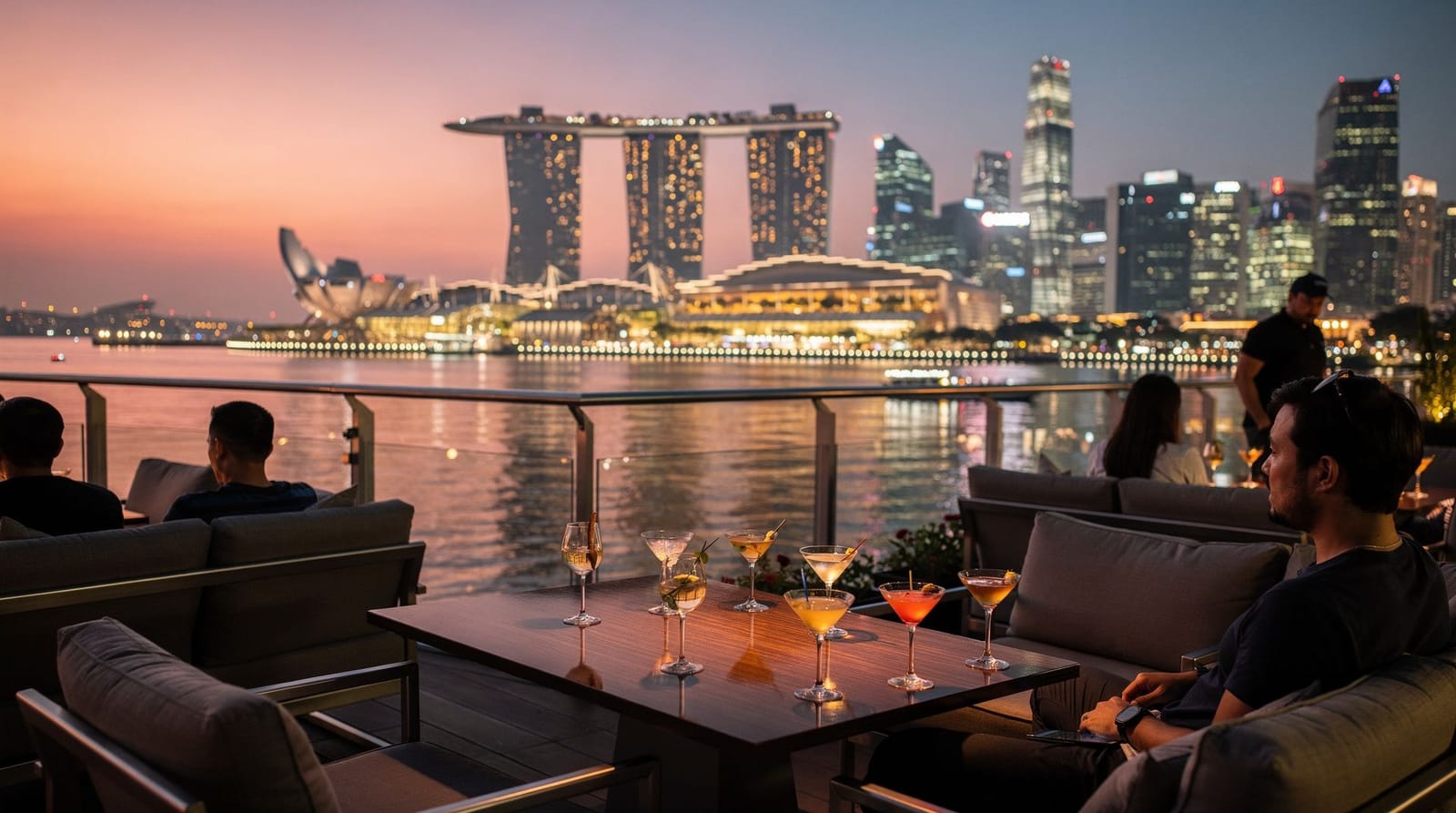
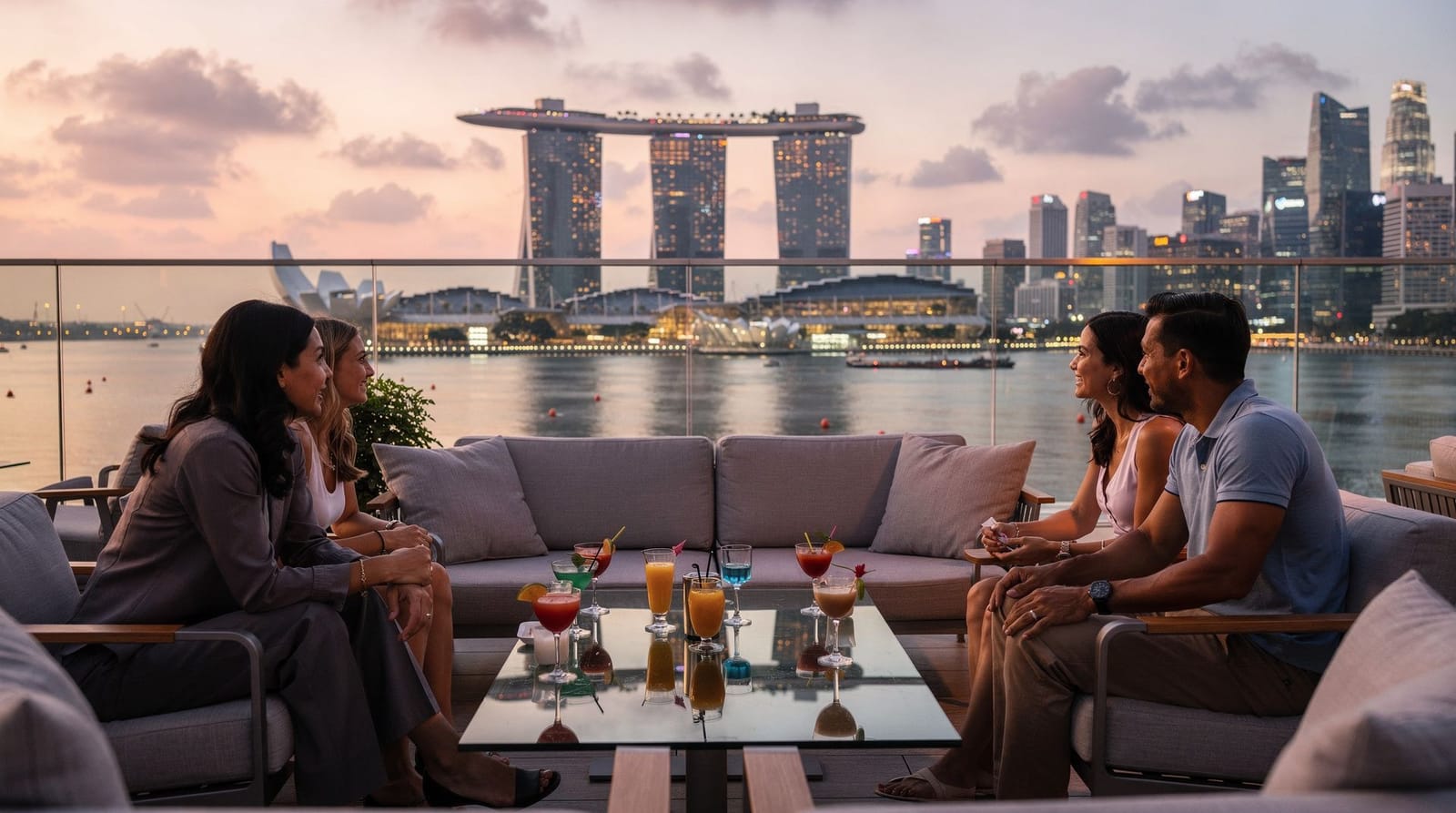
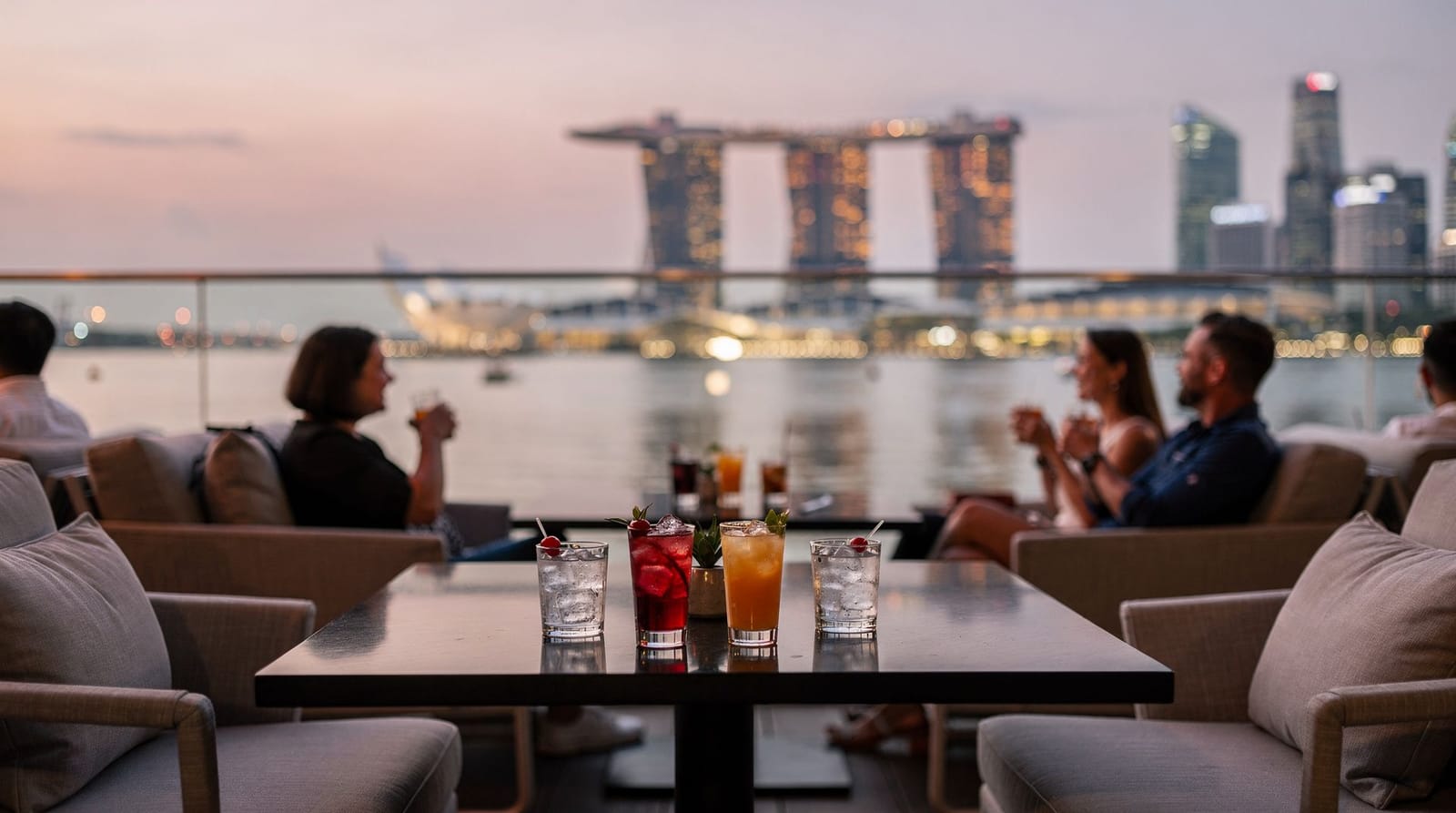
Lorong Mambong is the heart of Holland Village — a pedestrian-friendly street with outdoor tables spilling out in front of restaurants and bars, and enough tree cover to make the evening heat manageable.
The strip runs Thursday–Saturday evenings as the busiest, with office workers and residents filling the outdoor tables from around 18:00. On quieter weekday evenings the atmosphere is more relaxed and tables are easy to find.
What you find on the strip:
- Western restaurants (burgers, pasta, wood-fired pizza) — quality is generally solid, prices SGD 20–35 per person
- Thai, Japanese, and Asian restaurants — mixed quality, with the better places tending to be the less obviously tourist-facing ones
- Bar-focused venues with live music (Wala Wala is the anchor for this; The Terrace also reliable)
- Cafés for daytime visits — reasonable coffee, predictable brunch menus
Wala Wala Café Bar at 31 Lorong Mambong is the neighbourhood anchor — two floors, large outdoor terrace, live music most evenings, and a menu that runs from burgers to Southeast Asian dishes. It has been operating since the 1990s and is the closest thing Holland Village has to an institution. Expect a wait for tables on Friday and Saturday evenings.
One Holland Village
The large One Holland Village development (opened 2022–2023) next to the MRT exit added a retail and dining component to the neighbourhood. It has generated mixed feelings among long-time Holland Village visitors — some existing independent businesses were displaced, and the new development has a more corporate character.
The positive: it added a range of restaurants and a food market component. The negative: it changed the neighbourhood’s traditional low-rise, informal character somewhat. The Lorong Mambong strip has survived mostly intact.
The Sunday artisan and farmers market at One Holland Village (when running) is worth checking — local producers, craft vendors, and specialty food items. Check current schedules as market frequency changes.
Original Sin restaurant
Original Sin at Block 43, Holland Drive (a short walk from Lorong Mambong) is one of Singapore’s most respected vegetarian restaurants — Mediterranean-influenced, creative menu, reasonable pricing (SGD 22–35 per person). The corkage fee for BYO wine is moderate. Booking is recommended for dinner. This is genuinely good cooking that happens to be vegetarian, not just “vegetarian options.”
For broader vegetarian Singapore dining: vegetarian Singapore.
Holland Road Shopping Centre
Holland Road Shopping Centre (HRSC) across Holland Avenue from the MRT is an older-generation Singapore mall, modest in scale, with a cluster of antique dealers on the upper floors. It is the more local version of the Dempsey Hill antique experience — less curated, slightly lower prices, and a more interesting experience of how antique trade actually works in Singapore.
Ground-floor shops include an old-school fabric store, local services, and a pharmacy. The antique and art shops on the upper levels stock Asian furniture, ceramics, Chinese art, and vintage items. Opening hours vary by shop (most closed on Mondays).
The hawker centre alternative
If Lorong Mambong’s restaurant prices don’t suit your budget, Holland Village has a genuine hawker alternative within easy walking distance: the Holland Village Market and Food Centre on Holland Avenue (a short walk from the MRT, on the opposite side from Lorong Mambong). It’s a working local hawker centre with the same range of Chinese, Malay, and Indian stalls you’d find anywhere else in Singapore, at SGD 4–8 per dish rather than restaurant pricing. It’s a useful pairing for a two-stage evening: an affordable meal at the hawker centre, then drinks on Lorong Mambong afterward, which roughly halves the total cost of an evening out compared with eating and drinking on the strip itself.
A short history of the neighbourhood
Holland Village takes its name from Hollandse Road, itself named after a colonial-era landowner rather than any Dutch connection. It developed through the 20th century as a residential area with a village-style commercial strip serving the surrounding neighbourhood, and became particularly associated with the expat community from the 1980s onward as nearby international schools and condominium developments attracted long-term foreign residents.
That history explains the neighbourhood’s continuing character: a genuine residential population living alongside a commercial strip that’s always skewed toward Western-style dining and bars rather than the hawker-and-heritage feel of Singapore’s older Chinese, Malay, or Indian quarters. Unlike Chinatown or Kampong Glam, Holland Village was never a distinct ethnic enclave — its identity has always been more about lifestyle than heritage.
A useful way to read this history is as a reminder of what to expect on the ground. You are not stepping into a preserved heritage quarter, so if that is what you want, the ethnic quarters guide and the Peranakan culture guide will serve you better. Holland Village rewards a different kind of curiosity: how an ordinary residential district develops its own social life around food, drink and a shared outdoor street.
Getting a table without the wait
Weeknight evenings (Monday–Wednesday) rarely require a wait at any Lorong Mambong restaurant or bar. Thursday through Saturday from about 19:00 onward is when the strip fills up, particularly at Wala Wala and the more popular Japanese and Western spots — a 20–30 minute wait for outdoor seating is common on Friday and Saturday nights. If you want a specific restaurant on a weekend, book ahead where possible (Original Sin, in particular, takes reservations and fills up). If you’re flexible on where you eat, walking the strip at peak time and taking the first available table works fine — the food quality doesn’t vary enough between venues to make holding out for one specific spot worthwhile.
Combining Holland Village with nearby areas
The natural Holland Village combinations:
- Botanic Gardens morning + Holland Village lunch or dinner: The Botanic Gardens is about 15 minutes by bus or short Grab ride from Holland Village. A morning in the gardens followed by lunch at Lorong Mambong (Original Sin, or Asian food on the strip) is an efficient half-day. See Botanic Gardens guide.
- Dempsey Hill lunch + Holland Village evening drinks: Dempsey Hill is about 15–20 minutes walk north through the Tanglin area. Lunch at Samy’s Curry at Dempsey, walk or Grab to Holland Village for evening drinks. See Dempsey Hill guide.
- Holland Village as base for the western Singapore circuit: combining with Jurong Lake Gardens, the Botanic Gardens, and a visit to Haw Par Villa (an underrated bizarre sight — free, 20 minutes by bus) makes a good western Singapore day.
For a city overview that includes these western neighbourhoods:
Singapore: hop-on hop-off sightseeing FunVee city tourBuilding an evening around Holland Village
The simplest way to use the neighbourhood is to treat it as the second half of a day rather than the whole of it. Spend the daytime somewhere with more to look at, such as the Botanic Gardens or the Dempsey Hill area, then let the heat drop and head to Lorong Mambong when the outdoor tables start to fill. Arriving a little before the evening rush gives you the pick of the shaded seats and a calmer first drink.
Singapore: Botanic Gardens & Tiong Bahru walking tour with breakfastPace yourself rather than planning a fixed route. Walk the strip once end to end, look at the menus and the crowd, and choose the place that feels right. Because the quality between venues is fairly even, the atmosphere on the night matters more than any single recommendation. If one terrace is packed and loud and the next is half empty and relaxed, the second is usually the better evening.
If you are building a longer stay, Holland Village slots naturally into a multi-day plan. The 3-day Singapore itinerary and the foodie itinerary both have room for a relaxed neighbourhood dinner away from the main sights, and this is exactly the kind of evening that suits the gap.
Who will enjoy it most
Holland Village suits travellers who like to sit, talk and watch an evening unfold rather than tick off landmarks. Couples and small groups of friends tend to get the most from it, and the Singapore for couples itinerary is a good companion if you want a romantic but unforced dinner. Solo visitors will find the outdoor tables easy to join, and our solo travel guide covers how to approach evenings out on your own.
If you are after something louder, more themed or more touristy, the riverside is a better fit, and the Clarke Quay riverside area is the natural alternative. If you want to understand how Holland Village sits within the wider district, the Holland Village destination page gives the neighbourhood overview.
What Holland Village is not
Holland Village is not a sightseeing destination in the traditional sense — there are no major museums, heritage buildings, or landmark attractions here. It is a neighbourhood experience: good food, relaxed outdoor evening atmosphere, some antique shopping.
It is also not a budget destination. The Lorong Mambong strip prices are Singapore-restaurant standard; if budget is the priority, the surrounding HDB hawker centres within 10 minutes walk offer food at genuine local prices (SGD 4–8 per dish).
Practical information
MRT: Holland Village (CC21), Exit A for Lorong Mambong. Short taxi or Grab from Orchard Road or Marina Bay. Opening hours: Restaurants from 11:00–23:00; bars from 17:00 until midnight or later on weekends. Best time: Weekday evenings for a relaxed atmosphere; Sunday mornings for the market. Avoid Saturday evenings if you want easy table access. Budget: Lorong Mambong restaurants SGD 20–40 per person; Wala Wala casual meal and drinks SGD 25–40pp; Original Sin dinner SGD 30–40pp (excl. drinks).
For Singapore’s broader nightlife options: nightlife guide Singapore and best bars Singapore.
Frequently asked questions about Holland Village
Is Holland Village worth visiting as a tourist?
Yes, primarily as an evening destination — the outdoor bar and restaurant atmosphere on Lorong Mambong is one of the better non-touristy evening options in Singapore. It is less artificially themed than Clarke Quay and feels more like a genuine city neighbourhood. As a daytime sightseeing destination it is limited.
What is special about Holland Village?
Its long history as a mixed expat-and-local neighbourhood has created a slightly different atmosphere from Singapore’s other entertainment districts — more relaxed, more diverse in clientele, and with a genuine residential community around it rather than being purpose-built for entertainment.
Is Holland Village safe?
Completely safe — Singapore has very low crime rates and Holland Village is a well-lit, well-policed residential and commercial area. The typical concern is overindulgence rather than any external risk.
What are the best restaurants in Holland Village?
Original Sin (vegetarian Mediterranean) is the most distinctive. For reliable casual dining, the Japanese restaurants on the strip are generally solid. For atmosphere over food quality, Wala Wala is the anchor. Avoid the most obviously tourist-facing Western chain-style restaurants on the main strip.
How does Holland Village compare to Tiong Bahru?
Tiong Bahru is better for daytime character, architecture, and breakfast/lunch. Holland Village is better for evenings and nightlife. They are complementary rather than interchangeable — if you can do both, Tiong Bahru morning and Holland Village evening is a good day.
Top experiences
Bookable activities with verified prices and instant confirmation on GetYourGuide.