Is Singapore expensive? An honest breakdown of what things actually cost
Singapore consistently appears near the top of “world’s most expensive cities” lists, which is technically accurate and also somewhat misleading. What those comparisons typically measure is the cost of living for expatriates — housing, private school fees, imported goods, restaurant meals at the kind of establishment that accepts expense accounts. For a traveller staying in a hostel or mid-range hotel and eating primarily at hawker centres, the equation looks very different.
The honest answer to “is Singapore expensive” is: it depends entirely on what you spend your money on. Here is a category-by-category breakdown.
| Cheapest daily cost | around SGD 60–90/day (hostel, hawker food, MRT) |
| Biggest budget-killer | alcohol and Marina Bay accommodation |
| Best value | hawker meals (SGD 5–8) and the MRT (SGD 0.90–2.50) |
| Currency | Singapore Dollar (SGD) |
| Card acceptance | very high, including hawker centres via SimplyGo/EZ-Link |
Food: remarkably cheap at the low end, pricey at the high
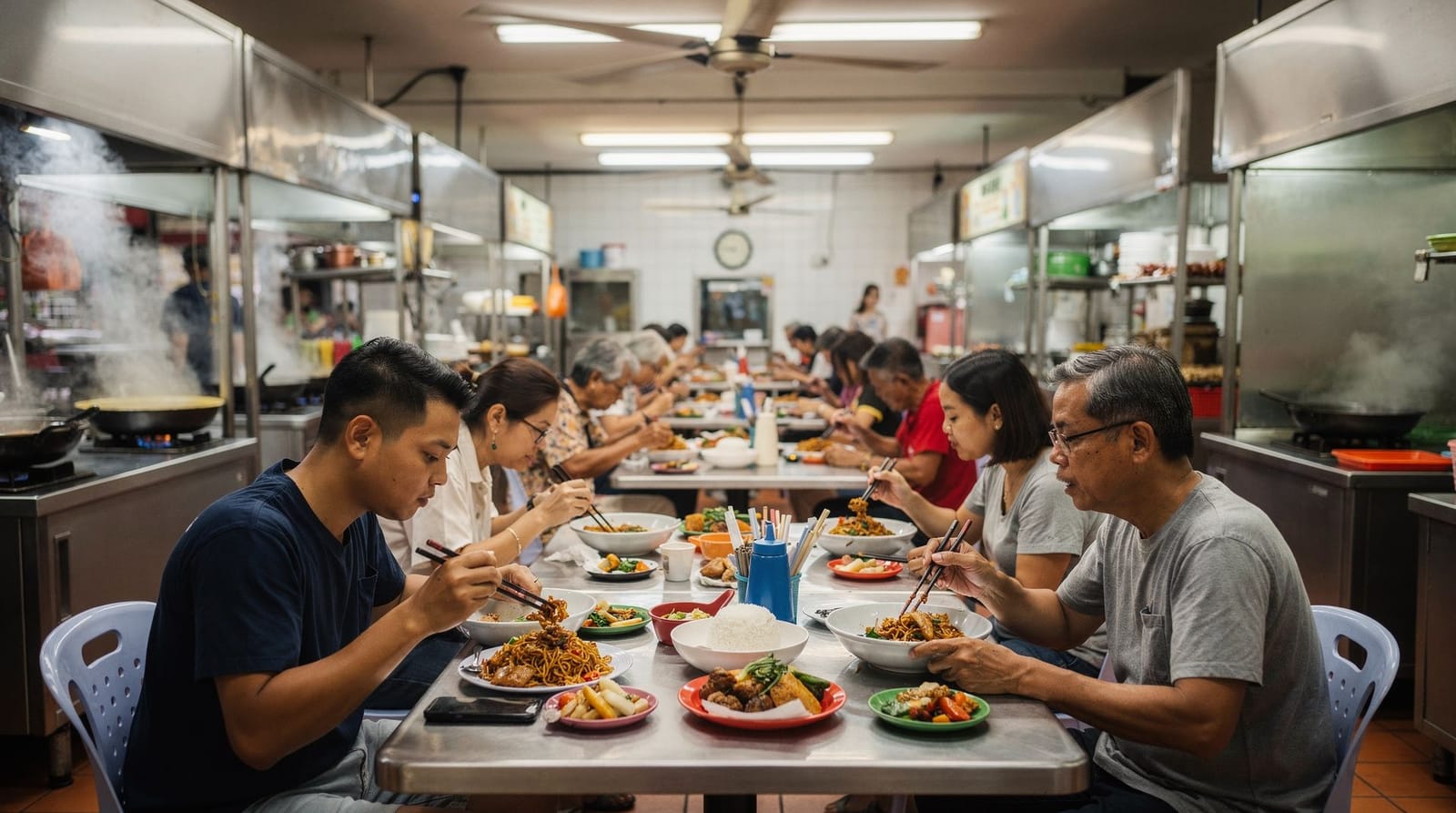
This is where Singapore confounds expectations most forcefully. At a hawker centre — and there are hundreds of them across the city — a full meal of rice or noodles with a protein and a drink costs SGD 5–8. A bowl of laksa at Maxwell Food Centre: SGD 5. A plate of chicken rice: SGD 5–7. Fresh coconut: SGD 3.50. Coffee (kopi): SGD 1.20. If you eat three meals a day at hawker centres, you can feed yourself for SGD 15–25 per day without depriving yourself of anything.
The hawker centre guide lists the best centres by neighbourhood. There is at least one within walking distance of wherever you’re staying.
Step up to coffee shops (kopitiams) and casual restaurants: SGD 10–20 per person for a full meal with a drink. At sit-down restaurants in shopping centres or tourist areas: SGD 25–50 per person. At a rooftop bar or hotel restaurant: budget SGD 60–120+ per person with drinks. The gap between the hawker and restaurant tiers is enormous, and the gap in quality is not proportional. Some of the best food in Singapore costs SGD 5.
Alcohol is expensive by any measure — Singapore levies a significant tax on it. A pint at a Clarke Quay bar: SGD 12–18. House wine at a restaurant: SGD 12–15 per glass. If you drink heavily, this will add up quickly.
If you want to go beyond the basics, the cheap eats guide and the list of Michelin-recognised hawker stalls show how far a small budget can stretch. For dishes worth ordering first, start with hainanese chicken rice and laksa, and learn the basics of hawker etiquette and chope so your first meal goes smoothly. The flip side is the tourist-facing restaurant, where you pay for the location rather than the cooking; the guide to avoiding tourist restaurants helps you spot them.
Transport: extremely cheap
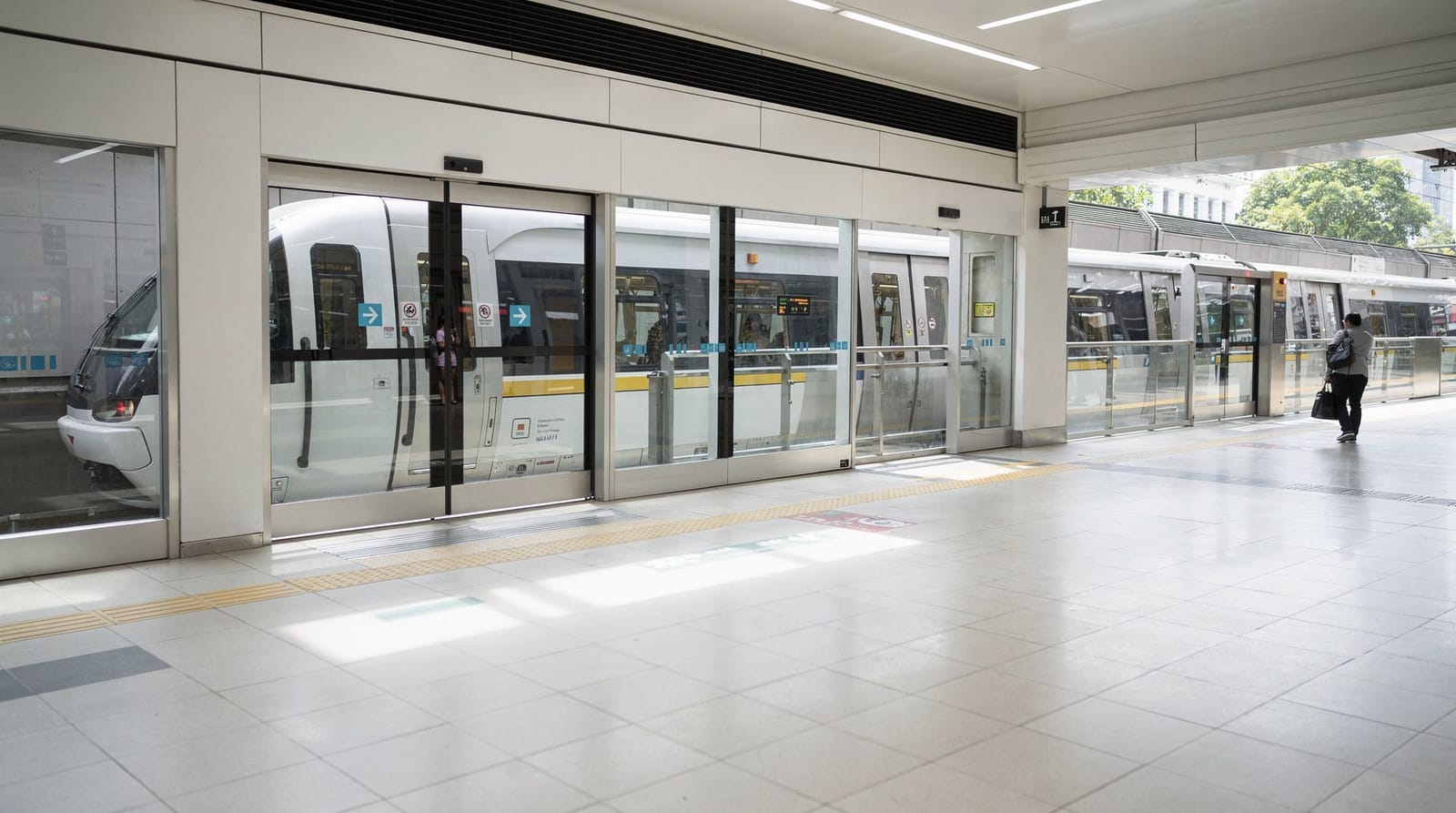
This is the other major surprise. The MRT is efficient, reliable, air-conditioned, and cheap. A single journey costs SGD 0.90–2.50 depending on distance, using an EZ-Link card or a contactless bank card. The East-West Line from Changi Airport to the city centre (City Hall) costs about SGD 2 and takes 30 minutes.
A Singapore Tourist Pass — unlimited rides for 1, 2, 3, 4, or 5 days — costs SGD 17/24/29/37/45. If you’re moving around a lot, it can be worth it. For a more relaxed itinerary of 4–6 MRT rides per day, the standard EZ-Link card is cheaper.
Grab (the regional equivalent of Uber) costs more than the MRT but less than most Western city taxis — typically SGD 10–20 for cross-city rides. Late-night trips from Changi to the city: SGD 25–40 depending on demand. Budget for this if you’re arriving at night when the MRT isn’t running.
Budget for getting around Singapore: SGD 5–15 per day for an average tourist using the MRT as primary transport.
Two practical reads before you land: the MRT guide explains how the network works, and EZ-Link versus SimplyGo helps you decide how to pay. If you arrive tired, the Changi Airport to city guide walks through your options so you don’t default to the most expensive one.
Accommodation: mid-range, no surprises
Hostels in Chinatown or Little India: SGD 25–50 per night in a dorm, SGD 80–120 for a private room. Mid-range hotels in the same areas: SGD 150–250. The Marina Bay and Orchard Road corridors add a significant premium — expect to pay SGD 300–500+ for the same standard in those locations.
The most expensive single accommodation decision you can make in Singapore is staying at Marina Bay Sands. A standard room starts at around SGD 500–700 per night. The pool on the rooftop is famous for a reason, and using it requires being a hotel guest. Whether that’s worth it depends on your budget and your feelings about infinity pools with city views. The observation deck at the top (the SkyPark, open to non-guests) costs SGD 27 and gives you the view without the room rate.
Budget estimate for accommodation: SGD 120–250 per night for a comfortable mid-range hotel.
Attractions: selectively expensive
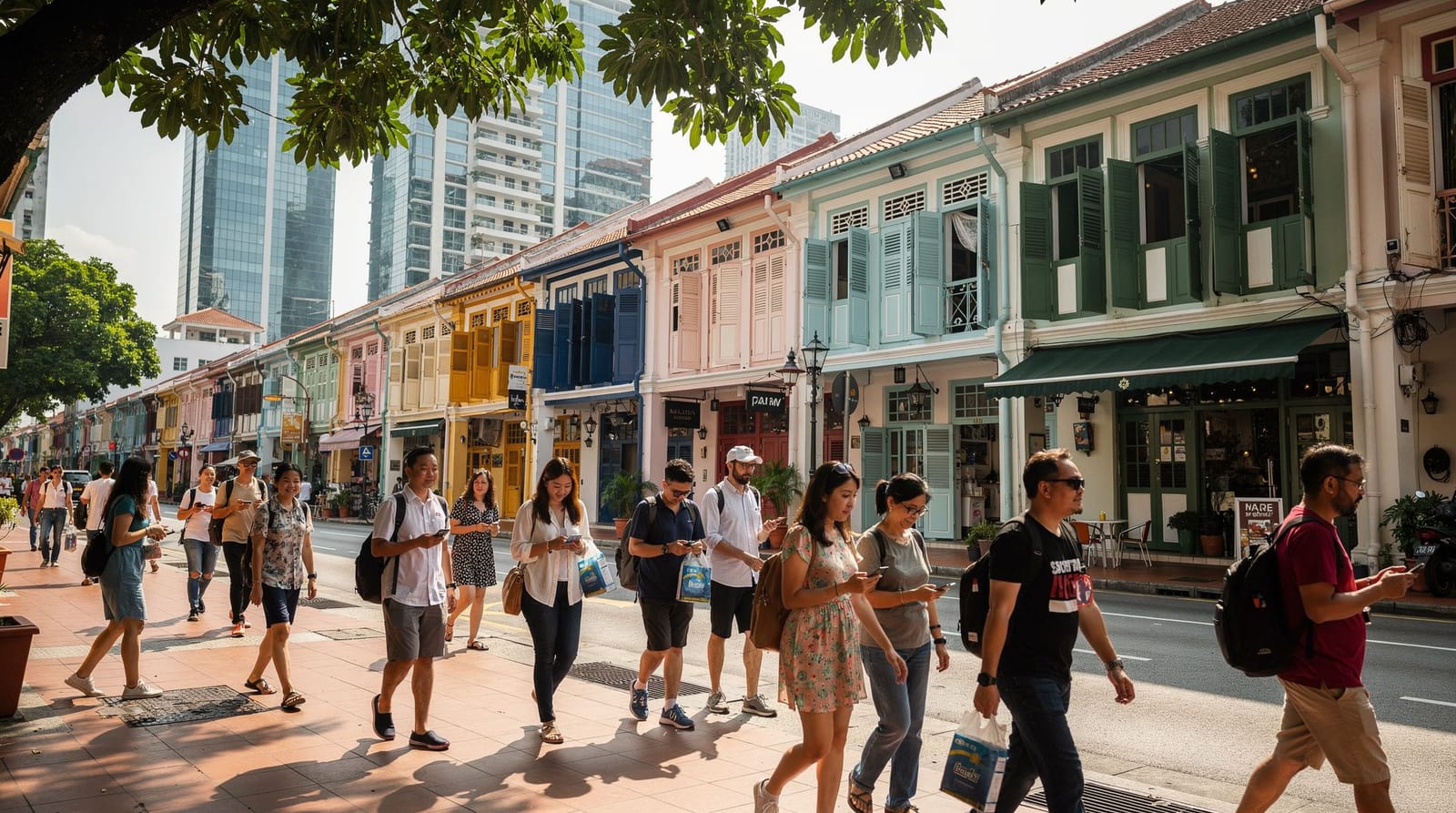
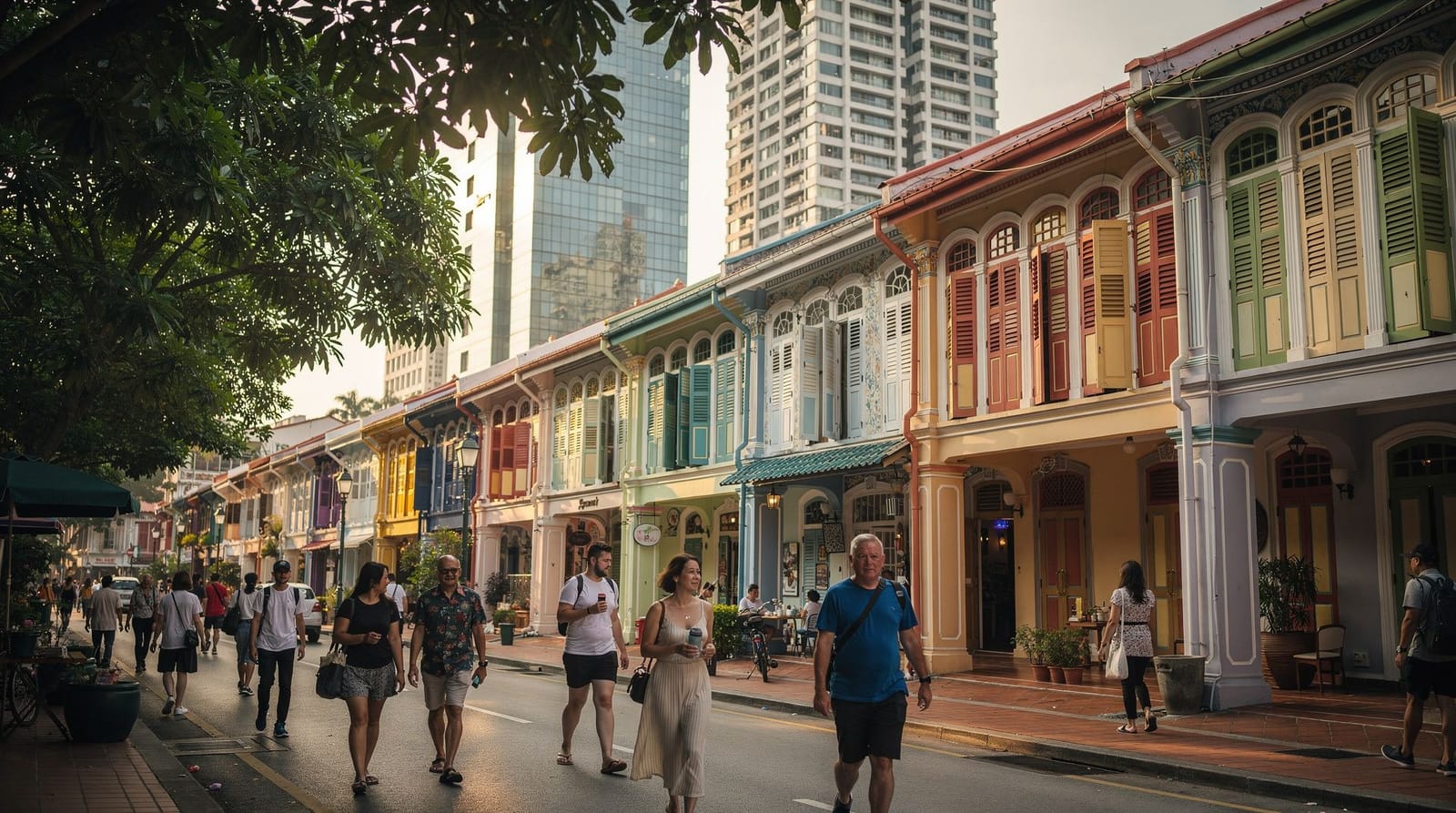
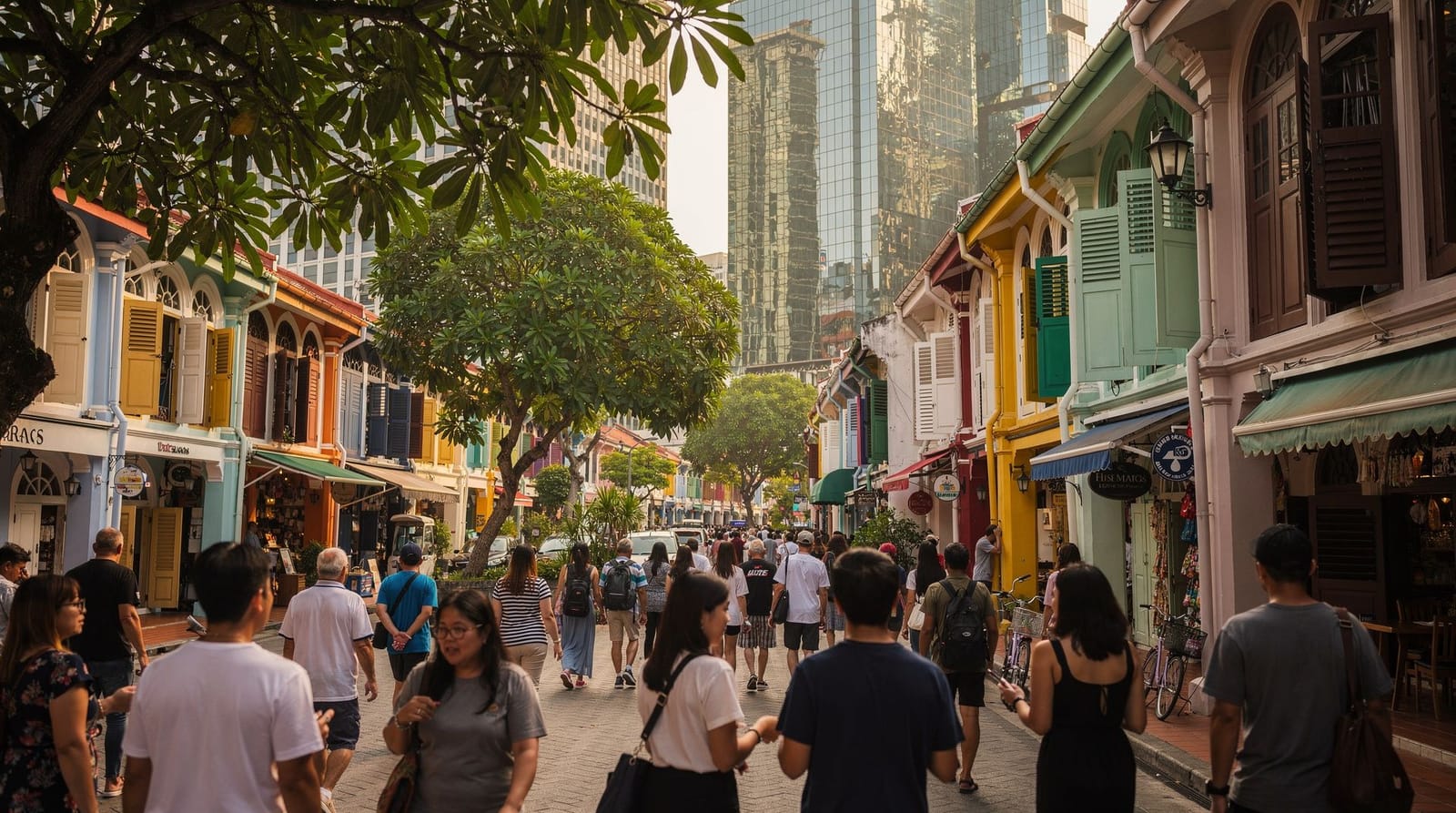
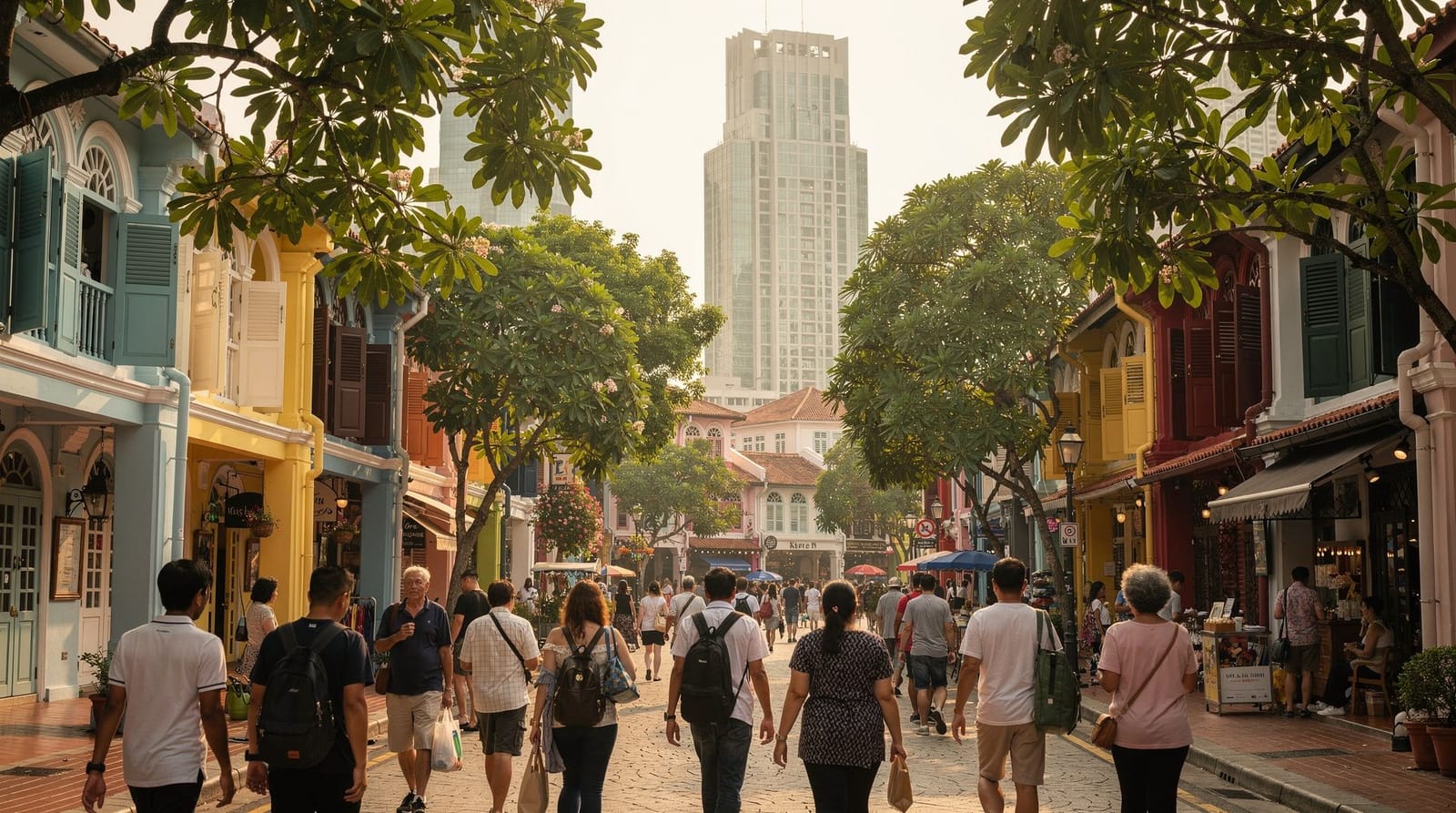
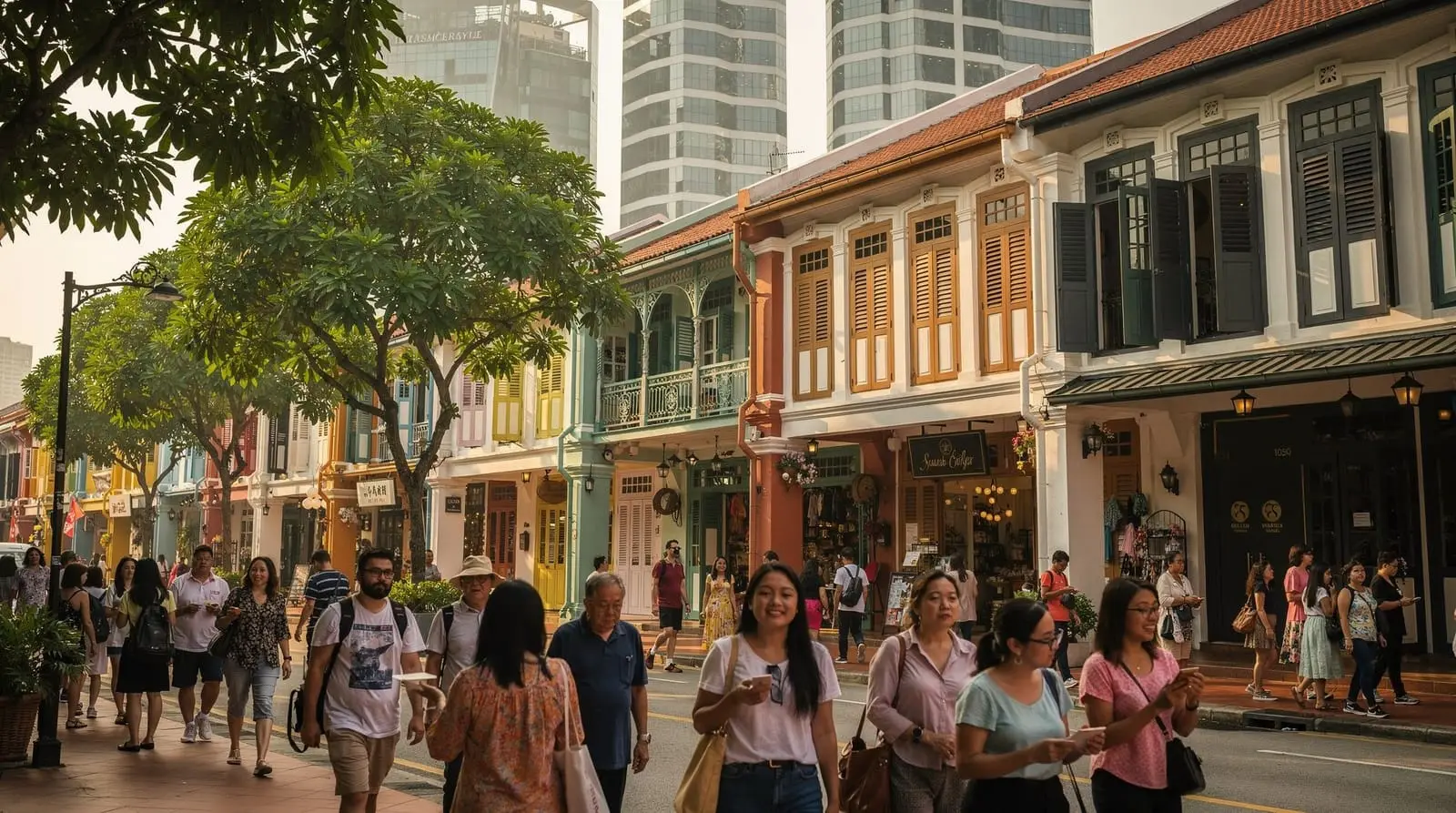
Some of Singapore’s biggest draws are free. The Gardens by the Bay outdoor areas (including the Supertrees and the meadows) are free to walk through, and the Spectra light show at Marina Bay Sands runs nightly at no charge. The Merlion Park is free. Most of the ethnic quarters — Chinatown, Little India, Kampong Glam — are best explored on foot with no entry fee to anything.
The ticketed attractions add up, though. Cloud Forest and Flower Dome at Gardens by the Bay: SGD 12 (Flower Dome) or SGD 26 (Cloud Forest), SGD 46 for both. Night Safari: SGD 47–55. Singapore Zoo: SGD 40–48. Universal Studios: SGD 80–98. Marina Bay Sands SkyPark observation deck: SGD 27. If you’re doing several of these in a few days, a Go City pass may save money — compare carefully against individual tickets for your specific combination.
Singapore: Night Safari and tram ride ticket Singapore: Marina Bay Sands observation deck e-ticketFree major attractions: Botanic Gardens (UNESCO site, free entry), Southern Ridges walking trail, Fort Canning Park, most temple interiors, Chinatown Heritage Trail, Supertree Grove walk. The free things guide covers them properly.
Spending can also be trimmed by being picky about where the money goes. The overpriced attractions guide and the tourist traps guide name the places where the price rarely matches the experience, while the free museums guide points to culture that costs little or nothing. Families will find more tailored advice in the family budget guide, and anyone comparing neighbouring cities may enjoy Singapore vs Hong Kong.
Everyday costs travellers forget to budget for
A few smaller line items that don’t show up in the big category breakdowns but add up over a week. A tourist SIM card at the airport runs SGD 15–20 for 7 days of data — worth it for constant Google Maps use, since Singapore is more geographically layered than it looks. Bottled water at a convenience store: SGD 1–1.50; tap water is safe to drink, so refilling costs nothing. Laundry, if you’re staying more than a few days, costs SGD 8–15 per load at a self-service launderette. Tipping is not expected anywhere — restaurants add a 10% service charge automatically, and there is no separate tipping culture, which is a small but real saving compared to many other destinations.
Shopping is where the budget can swing wildly. Orchard Road mall prices are broadly similar to Western retail prices — there’s no bargain-hunting angle there. Mustafa Centre in Little India, open 24 hours, has noticeably better prices on electronics, souvenirs, and toiletries than the tourist-facing malls, and is worth a stop even if you’re not planning to buy much.
Comparing accommodation cost by area
Where you sleep is the single biggest lever on a Singapore trip budget, more than food or attractions combined. Roughly the same hotel standard costs very differently depending on the neighbourhood:
| Area | Hostel dorm | Mid-range hotel | MRT access |
|---|---|---|---|
| Chinatown | SGD 25–40 | SGD 130–200 | Excellent (multiple lines) |
| Little India | SGD 25–45 | SGD 120–190 | Excellent |
| Bugis / Kampong Glam | SGD 30–50 | SGD 150–220 | Very good |
| Orchard Road | rare | SGD 220–350 | Excellent |
| Marina Bay | none | SGD 300–500+ | Good, but pricier taxis |
The practical takeaway: booking a hotel in Chinatown or Little India and taking a 5–10 minute MRT ride into Marina Bay each day saves more money over a week than almost any other single decision, without meaningfully costing you time. See the where to stay guide for a fuller area-by-area breakdown.
Go City Singapore All-Inclusive PassA realistic daily budget
Budget traveller (hostel dorm, hawker meals, free attractions, MRT): SGD 60–90 per day Mid-range (private hotel room, occasional restaurant meal, one paid attraction): SGD 200–300 per day Comfortable (hotel with some amenities, mix of hawker and restaurant meals, two attractions): SGD 350–500 per day Luxury (Marina Bay Sands or equivalent, restaurant dinners, full attraction spend): SGD 800+ per day
What inflates the bill without you noticing
The three budget-killers in Singapore for travellers who don’t watch them:
Drinks at tourist areas. A fresh juice at a Clarke Quay riverside bar versus a fresh coconut at a hawker centre can be a 10x price difference for a similar volume of liquid. The tourist bar is also substantially less good.
Attraction stacking. Singapore has excellent paid attractions but doing all of them in a short trip creates a very expensive attractions budget. Be selective. Check the Singapore attraction passes compared before you buy.
Accommodation location premium. The Marina Bay area commands a 50–100% premium over equivalent hotels in Chinatown or Little India. The MRT ride between them is 5–8 minutes. Think about what that premium is actually buying you.
Turning the numbers into a plan
Numbers on a page are only useful once they shape decisions. Start with the length of your stay: the how many days in Singapore guide helps you avoid paying for days you don’t need. Then pick your base, choose two or three paid highlights, and fill the rest with free walking and hawker meals. For a short, tightly planned visit, the 3-day budget diary shows what a real, restrained trip looks like, and the travel costs guide gives a fuller reference to keep open while you plan.
The verdict
Singapore is expensive for housing and alcohol, cheap for transport and hawker food, mid-range for accommodation if you’re sensible about location, and selectively expensive for attractions. A week-long trip managed thoughtfully can come in at a similar daily spend to many Western European cities. Managed without thought, it can get very expensive very quickly.
The budget Singapore itinerary shows how to structure three days without spending more than necessary on things that don’t improve the experience. The core principle is simple: eat where Singaporeans eat, take the MRT everywhere, pick two or three paid attractions you genuinely care about, and walk the rest.
Frequently asked questions about Is Singapore expensive? An honest breakdown of what things actually cost
Is Singapore more expensive than Bangkok or Hong Kong? Singapore is generally more expensive than Bangkok, particularly for accommodation and alcohol, but food at the hawker level is closer than reputation suggests — a hawker meal in Singapore (SGD 5–8) isn’t dramatically pricier than an equivalent street meal in Bangkok once currency is converted. Against Hong Kong, Singapore’s transport and mid-range dining are usually a bit cheaper, while accommodation is broadly similar.
What’s the cheapest way to see Singapore’s main sights? Walk the free attractions — Gardens by the Bay’s outdoor Supertree area, Merlion Park, the Spectra light show, the ethnic quarters — and use the MRT for everything else. The free things to do guide lists enough no-cost activities to fill several days before you need to buy a single ticket.
Top experiences
Bookable activities with verified prices and instant confirmation on GetYourGuide.

Singapore: Universal Studios Singapore entry ticket

Singapore: Gardens by the Bay bundle entry ticket

Singapore: Night Safari and tram ride ticket

Singapore: S.E.A. Aquarium entrance ticket

Singapore: Singapore River cruise

Singapore: Marina Bay Sands observation deck e-ticket

Singapore: Sentosa cable car Sky Pass roundtrip ticket