Singapore MRT guide: how to use it, pay for it, and love it
Singapore: eSIM data plan
How easy is the Singapore MRT to use?
Very easy. The MRT is one of the most user-friendly metro systems in the world — all signage and announcements are in English, fares are distance-based and capped at around SGD 3 per journey, trains are frequent (every 2–5 minutes at peak), and the network covers almost all tourist destinations. You need either an EZ-Link card (SGD 10 initial purchase, includes SGD 5 usable credit), a contactless bank card (SimplyGo), or a Singapore Tourist Pass (SGD 17/24/29 for 1/2/3 days unlimited rides). Paper tickets no longer exist.
Once you understand the colour-coded lines and the tap-in/tap-out rhythm, the MRT becomes the fastest and cheapest way to cross the island — faster than Grab in peak traffic on most cross-town routes, and a fraction of the cost. This guide covers the practical mechanics: which card to buy, which line gets you where, and the rules that catch first-timers out.
| Cost per ride | Around SGD 0.92–2.20, distance-based |
| Best payment | SimplyGo (contactless bank card) — no setup |
| Operating hours | About 5:30am to midnight/12:30am |
| Airport to city | Around 30–45 min, SGD 1.90–2.20 |
| Wi-Fi / connectivity | No free station Wi-Fi — bring a local SIM or eSIM |
Why the Singapore MRT works so well
The MRT opened in 1987 and has been continuously expanded — six lines, 141 stations, covering about 230 km of track across the main island as of 2026. It carries over 3 million passenger journeys per day.
For tourists, the relevant metrics are: trains every 2–5 minutes at peak times, air-conditioned throughout, English-language signage and announcements at every station, and fares that make it the cheapest transport option for almost every journey.
The system is not perfect — weekend engineering works sometimes close sections of specific lines, requiring bus bridging, and peak-hour trains on the North-South Line through the city can be very crowded. But for reliability, cleanliness, and ease of navigation, it ranks consistently in the world’s top tier.
The six lines explained
North-South Line (NSL — red): The oldest and most tourist-relevant line. Runs from Jurong East in the west, curves north to Woodlands, then south through Yishun, Ang Mo Kio, Bishan, and enters the city at Toa Payoh. City-zone stations: Newton, Novena, Somerset, Orchard, Dhoby Ghaut, Bras Basah, Esplanade (nearby), City Hall, Raffles Place, Tanjong Pagar, Outram Park. Continues south to HarbourFront.
East-West Line (EWL — green): The other major city spine. Airport connections: take the EWL from Changi Airport → Tanah Merah → Paya Lebar → Bugis → City Hall → Raffles Place → Outram Park → Jurong end. City Hall and Raffles Place are interchange stations with the NSL.
Circle Line (CCL — orange): A loop connecting the outer rim of the city. Tourist-relevant stations: Harbourfront (for Sentosa), Buona Vista (for Science Centre), Botanic Gardens, Caldecott, Bishan (connection to NSL), Marina Bay (connecting to NSL and TEL), Bayfront (for MBS and Gardens by the Bay), Esplanade, Promenade, Nicoll Highway, Stadium.
Downtown Line (DTL — blue): Newer line, underground throughout. Serves Bukit Panjang in the northwest, runs through the Bugis area (Rochor, Bugis stations), Chinatown (Telok Ayer and Chinatown stations), and east to Tampines and Changi. Key tourist stations: Bugis, Telok Ayer (for Chinatown south), Chinatown, Fort Canning, Botanic Gardens (interchange with CCL).
Thomson-East Coast Line (TEL — brown): The newest line, progressively opened from 2020 through 2024. Runs from Woodlands North in the north, through the upper Thomson area, to Orchard (separate entrance from NSL Orchard), Marina Bay (interchange with CCL and NSL), and east along the East Coast to Bayshore. Increasingly useful for connections to the East Coast Park area and as an alternative to the NSL for city journeys.
North-East Line (NEL — purple): Runs from HarbourFront in the south through Chinatown, Clarke Quay, Dhoby Ghaut, Little India, Farrer Park (for Mustafa Centre), Serangoon (for Nex and bus connections), and northeast to Punggol. Important for Little India, Clarke Quay, and the Mustafa area.
How to pay: the three options
Option 1: EZ-Link Card The standard stored-value card for Singapore public transport. Buy at any TransitLink Ticket Office or General Ticketing Machine (GTM) at MRT station concourses. Cost: SGD 10 total — SGD 5 non-refundable card cost + SGD 5 usable credit loaded. Top up at GTMs (cash or card), 7-Eleven stores, NTUC FairPrice supermarkets, and Cheers convenience stores.
The EZ-Link card earns transfer discounts when making bus-MRT connections within 45 minutes. This is called the “integrated fare” — you are not charged a full fare twice for a bus-to-train journey that is part of one origin-to-destination trip. This discount does not apply to contactless bank cards with SimplyGo — the transfer rebate is an EZ-Link-only benefit.
Card refund at departure: if you have remaining credit on your EZ-Link card, you can refund the balance (minus the SGD 5 non-refundable card cost) at TransitLink Ticket Offices at major stations.
Option 2: SimplyGo (contactless bank card) Tap your Visa or Mastercard credit or debit card directly on the fare reader. No purchase required. Fares are debited to your card in SGD at the standard distance-based fare. Most contactless cards from European, American, Australian, and major Asian banks work fine.
SimplyGo is the most convenient option for visitors who do not want to carry a separate card. The main downside: you do not receive the transfer discount available on EZ-Link cards. For a visitor making many multi-modal journeys (bus then MRT, or two bus connections), this can add up.
Option 3: Singapore Tourist Pass Unlimited MRT and bus rides for 1, 2, or 3 consecutive days. Prices: SGD 17 (1 day), SGD 24 (2 days), SGD 29 (3 days). Available at TransitLink Ticket Offices at major MRT stations, including Changi Airport.
See the dedicated Singapore Tourist Pass for the honest math on whether it saves you money.
Singapore: eSIM data plan Singapore: M1 tourist SIM cardKey tourist journeys by MRT
Changi Airport → Orchard Road: East-West Line from Changi → Tanah Merah → City Hall → change to North-South Line → Orchard. Total: approximately 45 minutes. Fare: approximately SGD 2.20.
Changi Airport → Marina Bay / Bayfront: East-West Line from Changi → Tanah Merah → City Hall → Raffles Place → change to Circle Line → Marina Bay or Bayfront. Approximately 40 minutes. Fare: approximately SGD 2.10.
Orchard → Chinatown: North-South Line from Orchard → Outram Park → change to North-East Line → Chinatown. Or North-South Line → Dhoby Ghaut → change to North-East Line → Clarke Quay → Chinatown. Approximately 20 minutes. Fare: SGD 1.50–1.80.
Orchard → Little India: North-South Line from Orchard → Dhoby Ghaut → change to North-East Line → Little India. Approximately 15 minutes. Fare: approximately SGD 1.50.
Marina Bay → HarbourFront (for Sentosa): Circle Line from Bayfront or Marina Bay → HarbourFront. Approximately 15–20 minutes. Fare: SGD 1.30–1.60.
City Hall → Bugis: East-West Line, one stop. Approximately 5 minutes. Fare: SGD 0.92 (minimum).
Singapore Changi Airport transferMRT rules to know
Singapore enforces MRT regulations strictly — fines are real, inspectors do check, and “I did not know” is not a defence.
No eating or drinking: Fines of SGD 500 apply. This is enforced visibly. Do not eat, drink, or chew gum in stations or trains.
No durian: The fruit is specifically banned. The MRT authority takes this seriously.
Priority seats: Clearly marked seating for elderly, pregnant women, and passengers with disabilities. The social norm is to vacate these seats without being asked. On crowded trains, it is good form to offer priority seats even if no one directly requests them.
No mobile phone audio: Headphones are expected for music. Speakerphone calls are frowned upon (not fined, but socially unwelcome).
Queue at the yellow lines: Platform doors open at marked positions; queue markers show where the doors will be. Follow them — the system works because everyone does.
Platform screen doors and safety
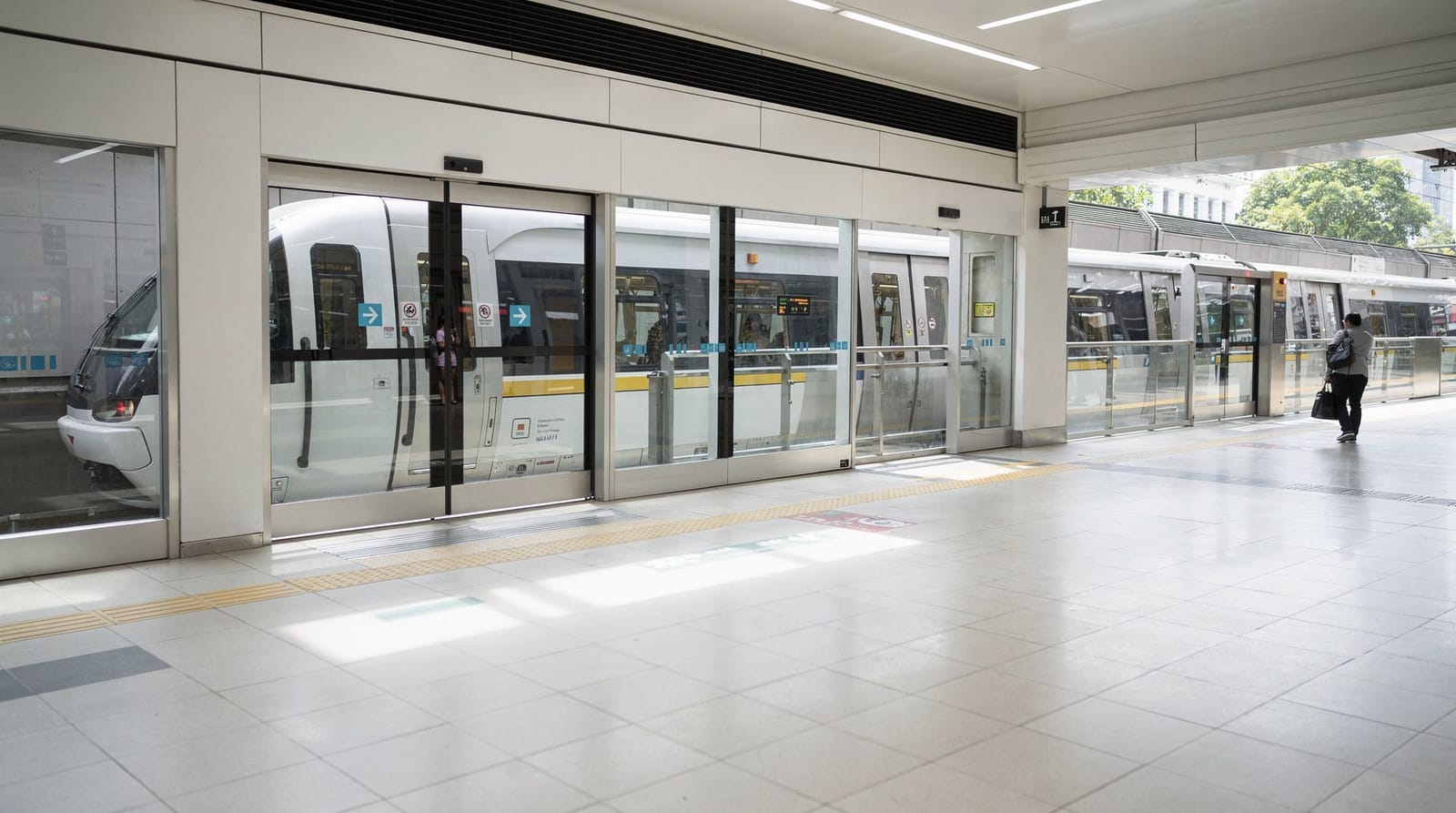
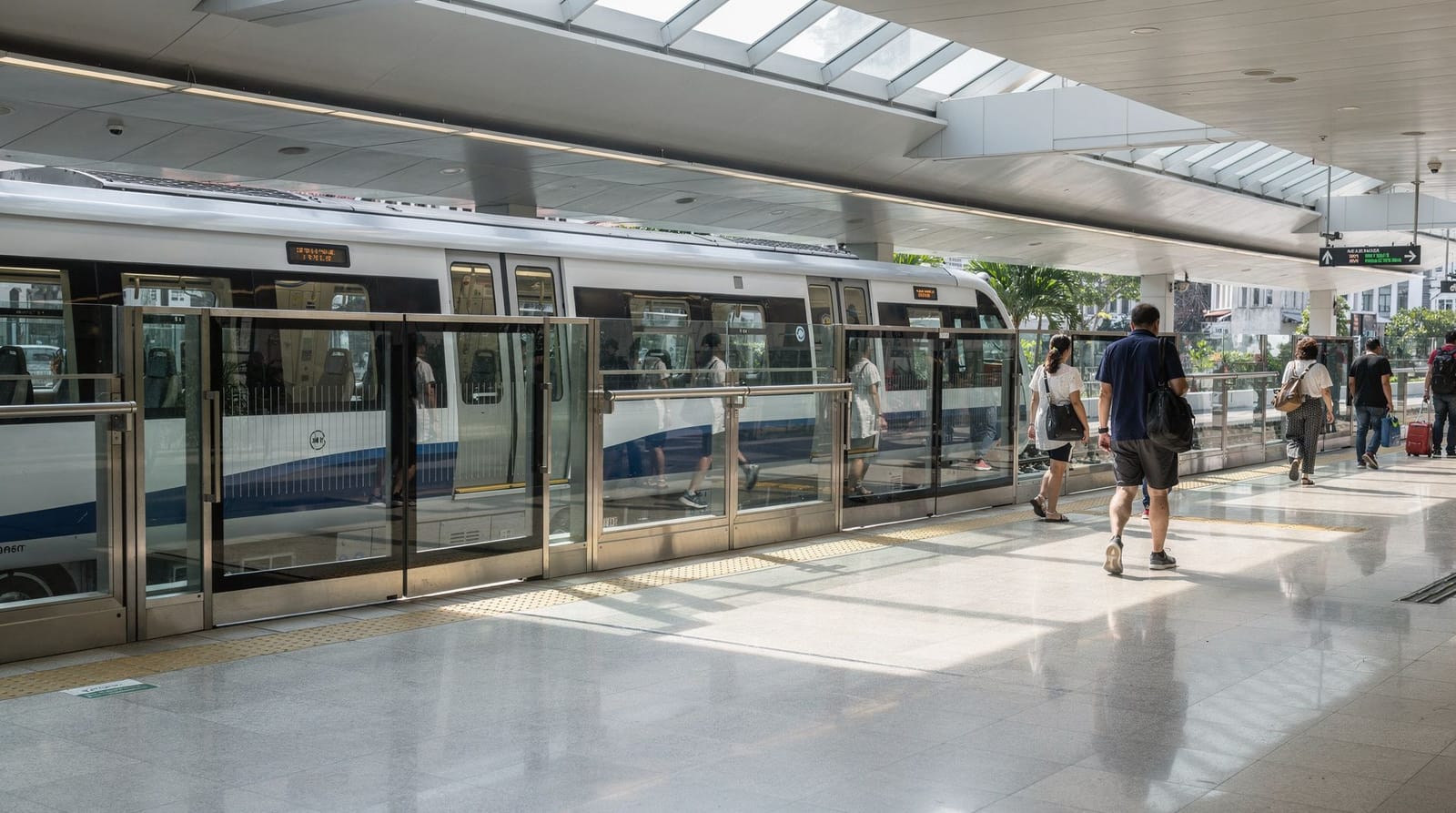
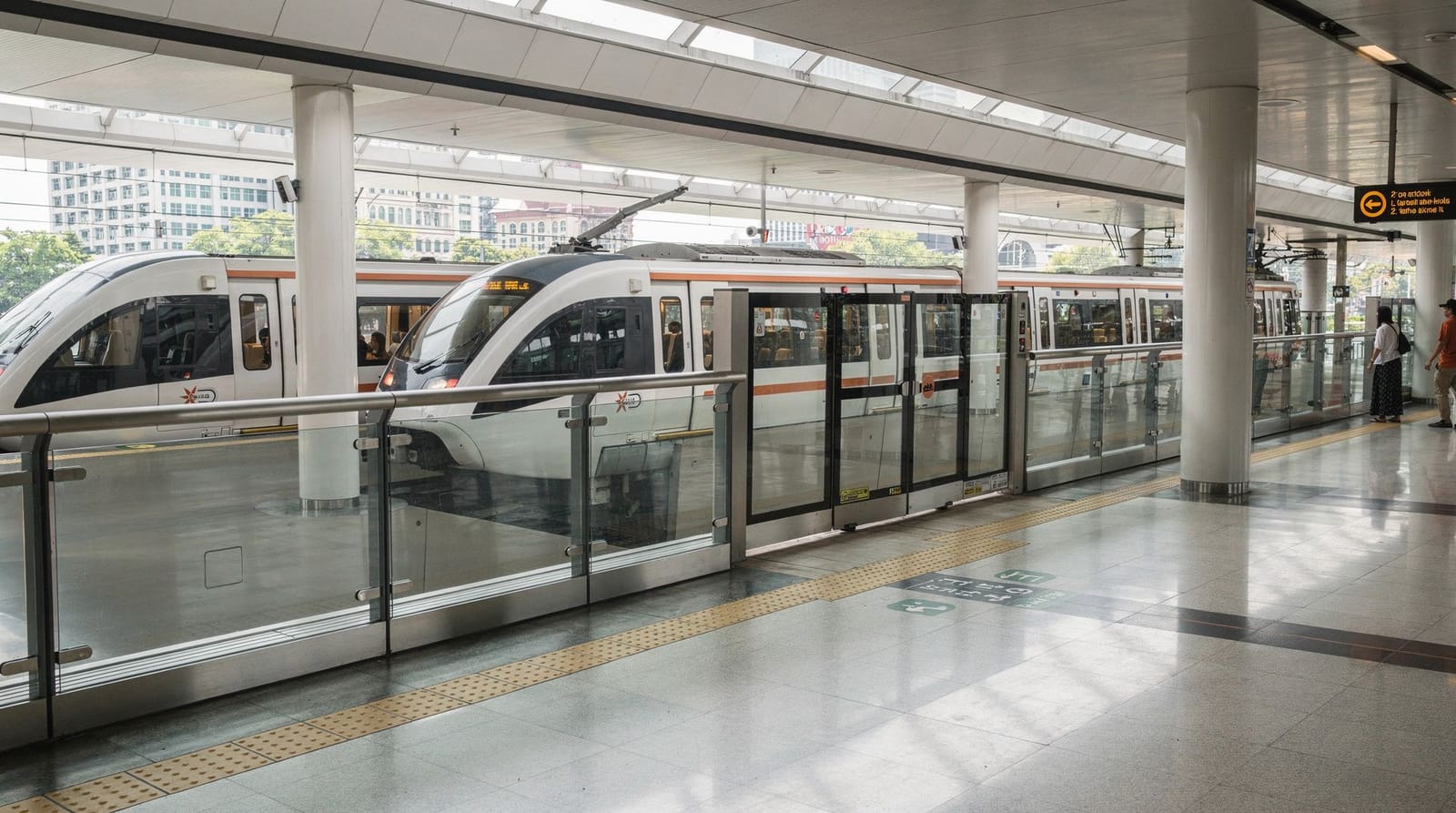
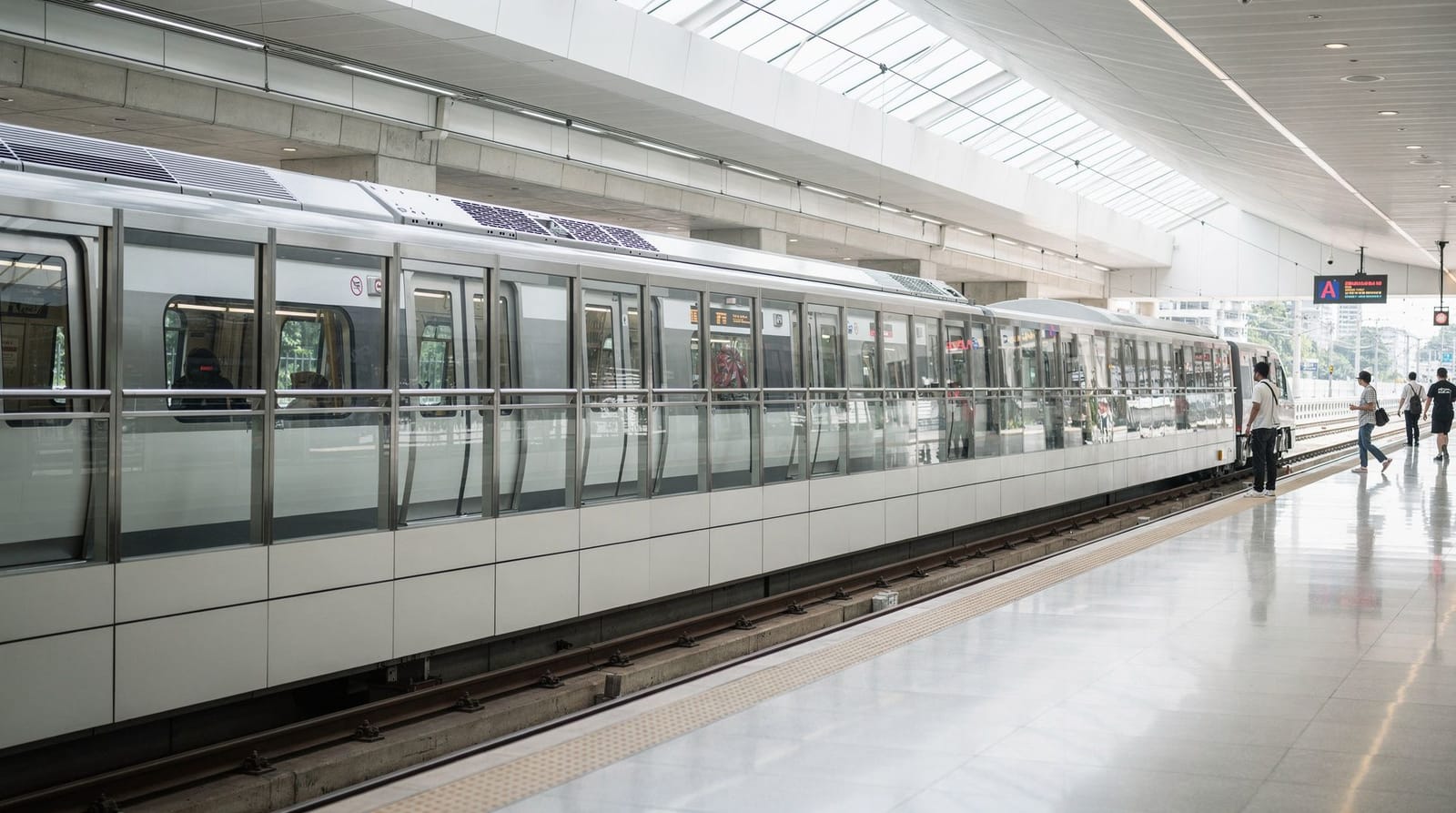
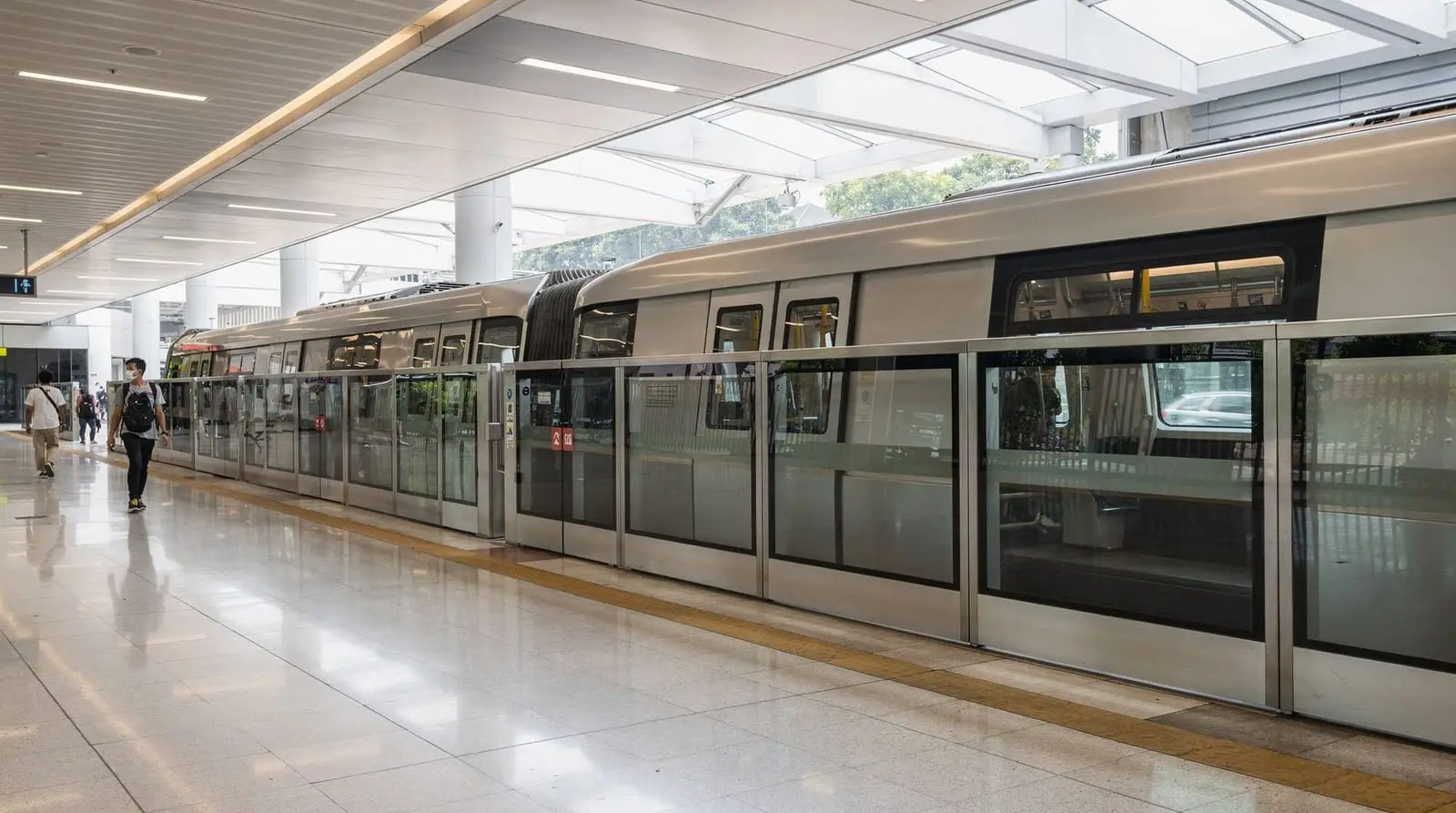
All Singapore MRT stations have full-height platform screen doors — glass barriers between the platform and the track that open only when a train is aligned. This eliminates the risk of falling onto the tracks and is a major safety feature. It also means the station environment is completely separate from train movement, reducing noise and keeping the platform air-conditioned.
Night services and after-midnight options
MRT services end around midnight to 12:30 am (last trains vary by line and direction — check the SMRT and SBS Transit apps for the last train times from your station).
After the last MRT, options are:
- Night buses: Routes prefixed with “N” run through the night on major corridors, stopping about every 15–30 minutes. Not all areas are covered.
- Grab or taxi: 24-hour availability. At midnight on weekends in the Clarke Quay/Orchard area, Grab surge pricing can be high — wait or use the night bus alternatives.
Accessibility beyond the lifts
Every station has step-free access via lift, but the route from street to platform is not always the shortest path — some lifts land you at one end of a long concourse, adding several minutes versus the escalator route. Tactile guidance strips run along most platforms for visually impaired travellers, and priority call buttons are fitted in lifts for assistance. If you’re travelling with a wheelchair, a stroller, or simply a lot of luggage, build a few extra minutes into transfers at busier interchanges like Dhoby Ghaut or City Hall, where the walk between lines can be longer than it looks on the map. Station staff at the passenger service centre (near the fare gates) can point you to the nearest lift if signage is unclear.
Reading the platform indicators
Above each platform, digital displays show the next train’s destination and the countdown in minutes — useful on lines like the North-South Line, where trains alternate between full-length and short-loop services at a few stations. On the platform floor, arrows and queue markers show where doors will open; standing to the side (not directly in front of the markers) lets alighting passengers off before you board, which keeps dwell times short during peak hours. Announcements name the next station in English before every stop, so it’s hard to miss your stop even without watching a map — useful if you’re standing in a crowded carriage without a clear sightline to the door.
MRT vs bus vs Grab: which to use when
The MRT is not always the right tool. For short hops within one neighbourhood, walking or a bus is often faster than descending to a platform. For late-night trips after MRT closing, or with heavy luggage, Grab is worth the extra cost.
| Situation | Best option |
|---|---|
| Cross-town (e.g. Orchard to Chinatown) | MRT — fastest, avoids road traffic |
| Within one district (e.g. around Kampong Glam) | Walk or short bus hop |
| Late night after ~midnight | Grab or night bus (“N”-prefixed routes) |
| Heavy luggage, airport transfer | Grab — more comfortable than a crowded carriage |
| Rainy day, short distance | Grab or covered walkways where available |
For a full comparison of every transport mode on the island, see the getting around Singapore guide, and for airport-specific options, Changi Airport to the city.
Using the MRT as part of a first visit
If you’re building a first-time itinerary, the MRT’s coverage means you rarely need to plan around transport — most attractions on a 3-day itinerary or a tighter 1-day itinerary sit within a short walk of a station. The exception is Sentosa, which needs the separate Sentosa Express or a walk from HarbourFront — see Getting to Sentosa for the full breakdown. New arrivals should also budget time to sort out payment at the airport; the Changi Airport layover guide covers what’s available airside and beyond immigration.
Matching the MRT to the places you want to see
Because the network reaches so many neighbourhoods, it helps to think of each station as a doorway into an area rather than a stop on a map. A few pairings worth knowing:
- Old quarters on foot: Chinatown, Little India and Kampong Glam each have their own station, and each rewards a slow wander once you surface. Start with the Chinatown guide, the Little India guide and the Kampong Glam and Haji Lane guide, then tie them together using the overview in ethnic quarters guide.
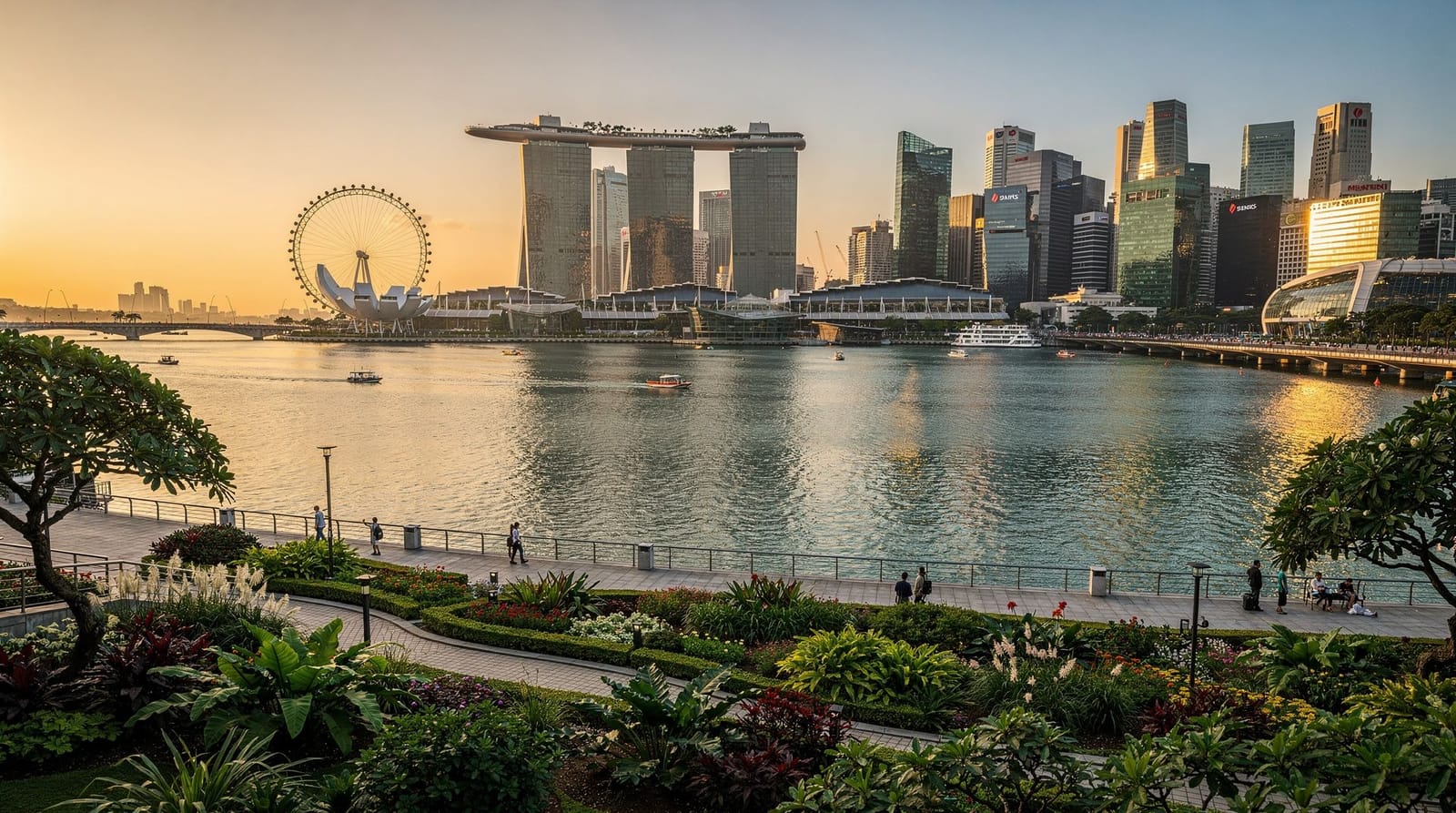
- Marina Bay and the waterfront: the Bayfront and Marina Bay stations drop you close to the skyline sights. The Marina Bay destination page and the Gardens by the Bay guide explain what to do once you are there, and Gardens by the Bay at night is worth reading if you plan an evening visit.
- Shopping: the Orchard stations feed straight into the malls, so the Orchard Road guide pairs naturally with a morning of tapping in and out.
- Eating: many of the best hawker centres sit a short walk from a station, which makes the MRT the easiest way to cover several in one day. See best hawker centres and the etiquette notes in hawker etiquette and chope before your first meal.
Planning your day around the trains
A good rhythm is to group sights by line, so you change trains as little as possible. Interchanges are where time is lost, not the rides themselves, so a day that stays mostly on one or two lines feels calmer than one that zig-zags across the map. If you are unsure how to link the neighbourhoods together, the Singapore in 1 day and Singapore in 2 days plans show routes that suit the network, and how many days in Singapore helps you decide how much to attempt.
Weather also shapes the choice of route. Singapore can turn wet quickly, and a station with a sheltered link to your destination is a real advantage on a rainy afternoon. The Singapore in the rain guide covers what to do when the sky opens, and the rainy day itinerary builds a whole day around it.
If you are travelling with children, the MRT is generally comfortable, but allow extra time at interchanges and for lift detours. The Singapore with kids guide has wider advice on pacing a family day, and solo travel in Singapore covers how comfortable the system feels when you are on your own.
Frequently asked questions about the Singapore MRT
Can I use Apple Pay or Google Pay on the MRT?
Yes — both Apple Pay and Google Pay linked to a Visa or Mastercard contactless card work on Singapore MRT and bus fare readers via SimplyGo. This is the most convenient option for visitors with supported devices and international contactless cards.
Does the MRT go to the zoo or Bird Paradise?
Yes, but with some transfer. For Mandai Wildlife Reserve (Singapore Zoo, Night Safari, Bird Paradise, River Wonders), take the MRT to Khatib (North-South Line) or Choa Chu Kang (West direction), then take the Mandai Khatib Shuttle bus. Alternatively, take Grab directly from the city (around SGD 20–25). See Singapore Zoo guide for detailed getting-there directions.
What if I lose my EZ-Link card?
Report it to any TransitLink Ticket Office immediately. The card can be blocked to prevent further use, but remaining balance is typically not refunded unless you have registered the card (registration at TransitLink Service Centres). An unregistered EZ-Link card’s lost balance is gone. Tip: consider registering your card or using SimplyGo with your bank card (which is recoverable if the card is cancelled and reissued).
How do I navigate the MRT with heavy luggage?
Lifts are at all stations. For the airport connection (Changi to city), baggage stowage space in trains is limited — position near the doors and use the carriage’s standing space. Very large bags (large suitcase + multiple bags) are physically possible but uncomfortable in a crowded train. For heavy luggage, Grab from the airport is significantly more comfortable. See Changi Airport to the city for the full airport transfer comparison.
Are MRT station names in English and Chinese?
Yes — station names are displayed in English on the primary signage, with Chinese, Malay, and Tamil on secondary signage at most stations. Audio announcements are in English. The MRT map available at stations and on the TransitLink app shows all six lines with English station names and connecting line symbols.
Top experiences
Bookable activities with verified prices and instant confirmation on GetYourGuide.