Singapore in 3 days: the definitive honest itinerary
Singapore: Big Bus hop-on hop-off tour by open-top bus
Quick answer: Three days is the sweet spot for Singapore — long enough to go below the surface, short enough that you don’t run out of things to do. This itinerary gives you the full Marina Bay skyline, all three ethnic quarters (Chinatown, Little India, Kampong Glam), a day at Sentosa, and the Night Safari. Real transport routes, real food stalls, real costs. No filler.
| Where | Marina Bay, Chinatown, Little India, Kampong Glam, Sentosa/Mandai |
| Cost | around SGD 305–525/day mid-range, SGD 95–175 budget |
| Time needed | 3 full days |
| Getting around | MRT throughout; HarbourFront for Sentosa |
| Best time to go | Book Night Safari/USS ahead for weekends |
Why three days works so well for Singapore
Singapore is a small island (roughly 50 km by 27 km) with remarkable density: world-class wildlife parks, one of the best urban food cultures on earth, a functioning colonial civic district, and three distinct ethnic quarters — all connected by a clean, cheap MRT. Three days gives you time to actually sit in a hawker centre and order a second round, to walk the back streets of Katong or Tiong Bahru without rushing, and to make a deliberate choice about one big attraction beyond the downtown.
The question most people get wrong is trying to cram Sentosa (half-day minimum), the zoo (half-day), and the Night Safari (evening) all into three days along with the city. This plan treats each as a proper commitment.
Accommodation note: Stay anywhere on the MRT network. Popular areas with good transit access include Bugis (walkable to Kampong Glam, Chinatown), Chinatown (South Bridge Road or Club Street), or Clarke Quay. Sentosa resorts are expensive and put you far from the city in the evenings. See where to stay in Singapore.
Day 1: Marina Bay, the conservatories, and the Supertree light show
Morning: Marina Bay waterfront (08:30–11:30)
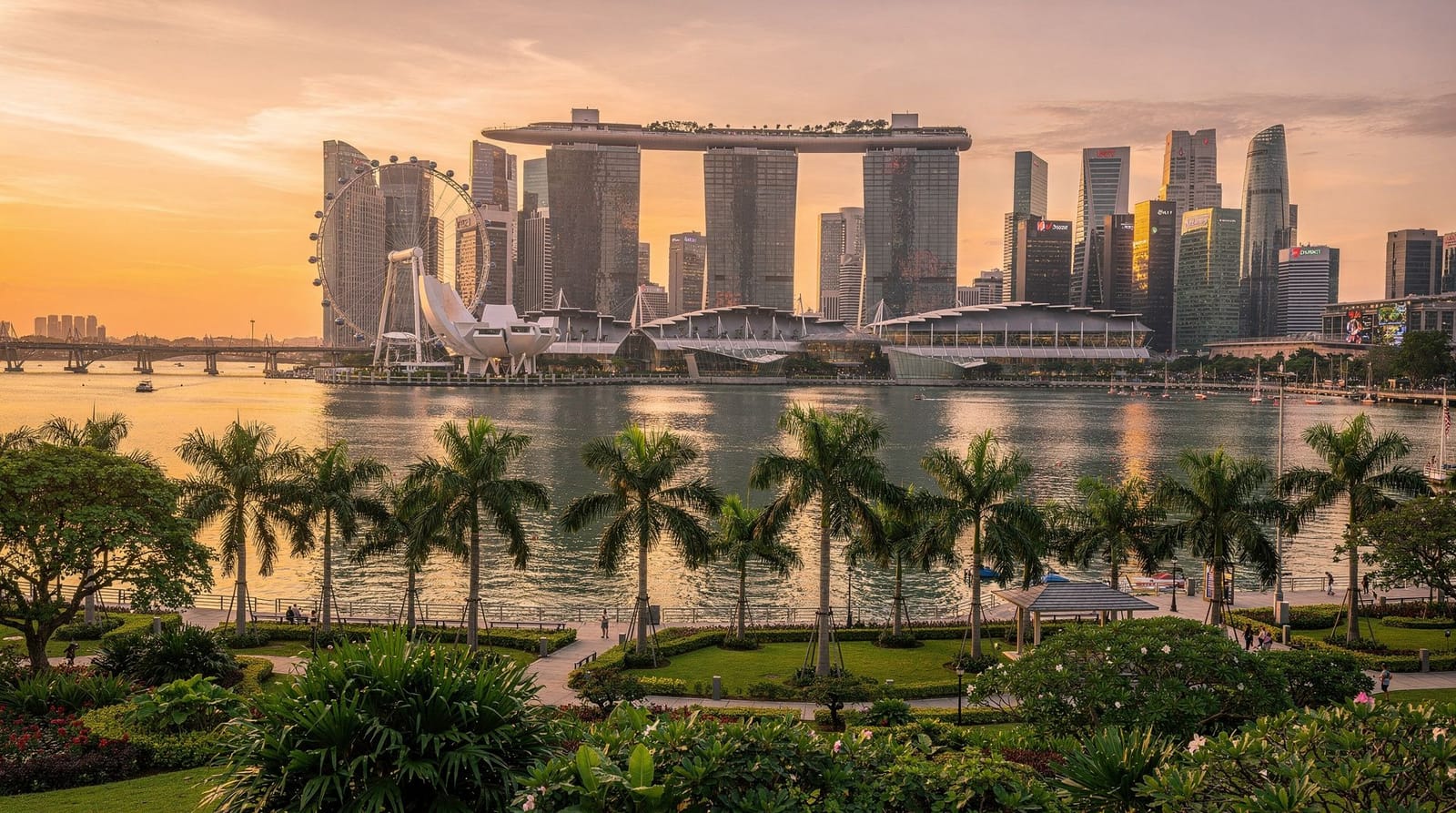
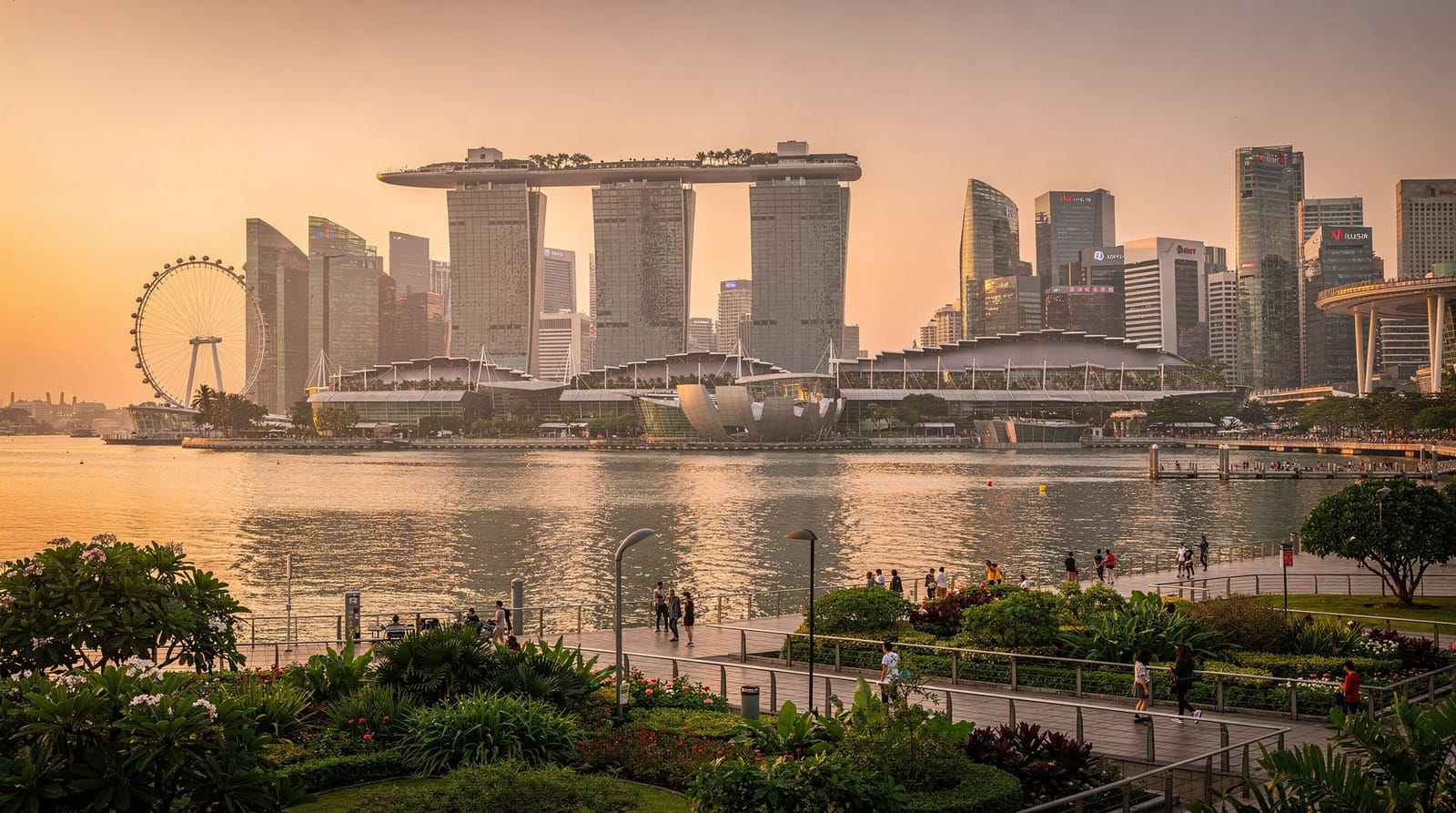
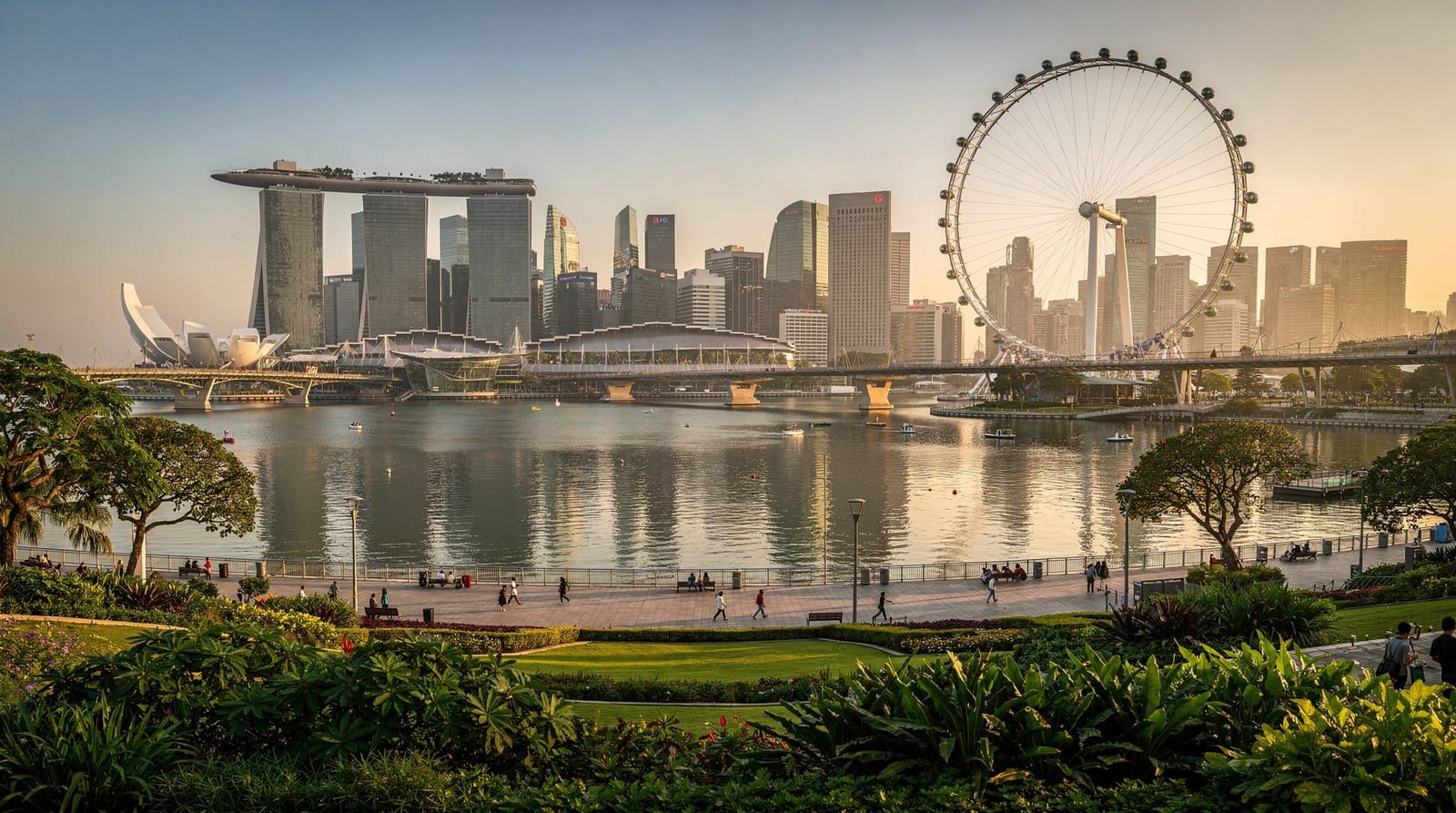
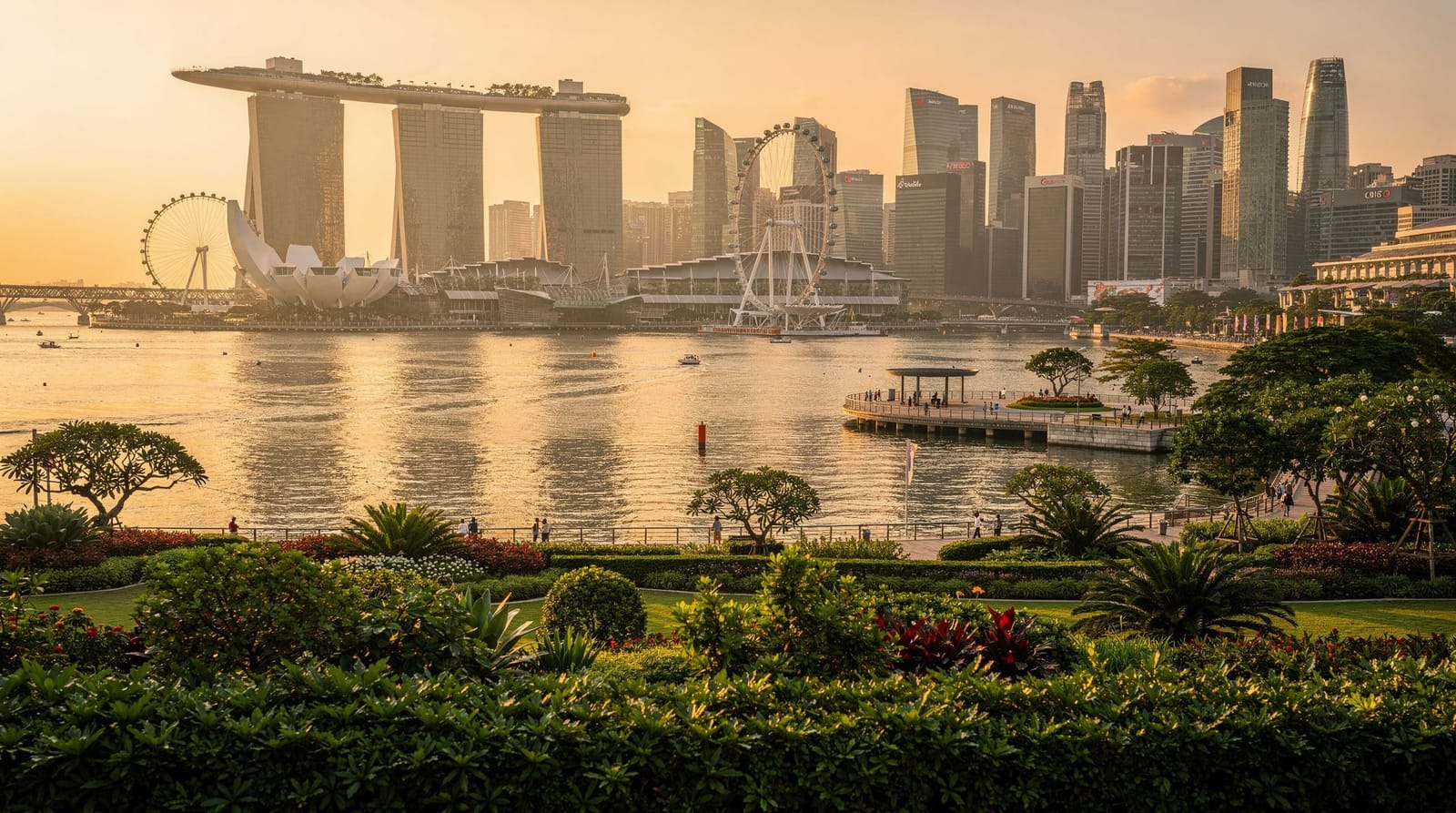
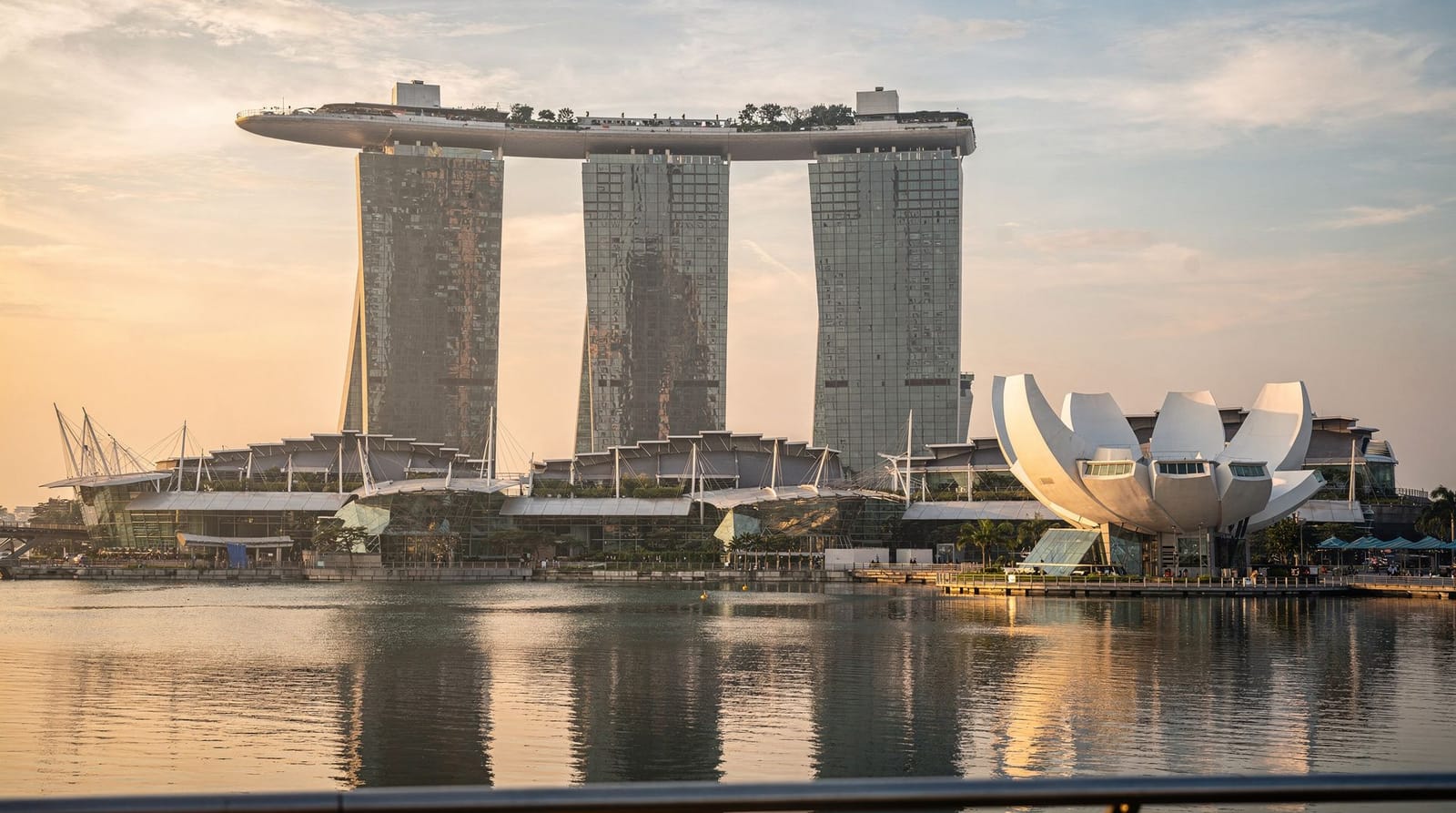
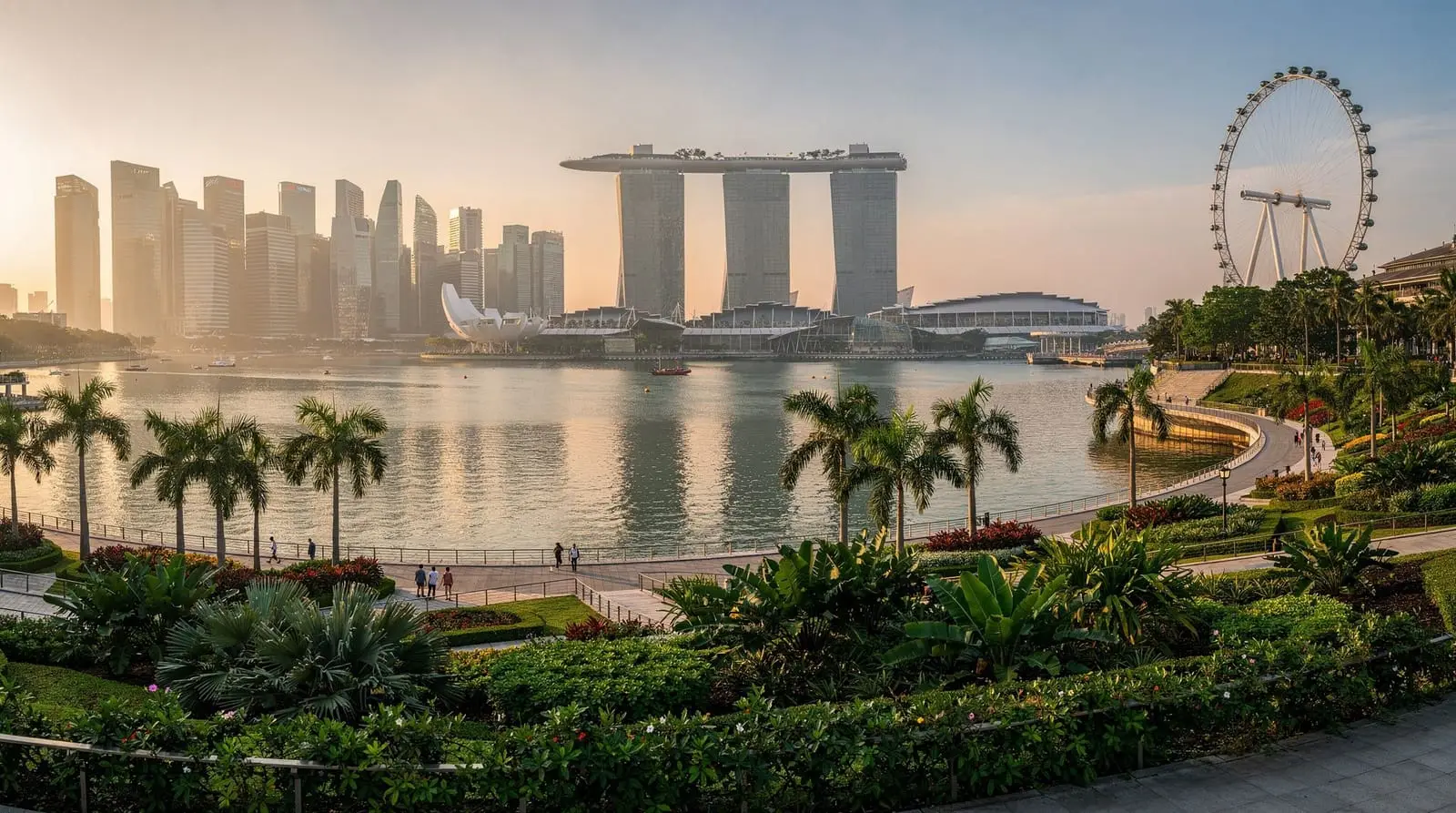
Start early before the heat builds. From City Hall MRT (East-West/North-South Lines, exit B), it’s a 5-minute walk to Merlion Park — the white lion-fish statue is underwhelming up close but the framing view of Marina Bay Sands across the water is genuinely spectacular. Walk east along the water toward One Fullerton, cross the Jubilee Bridge, and continue around the bay toward the Helix Bridge and the ArtScience Museum.
The Marina Bay Sands SkyPark Observation Deck (57th floor) is the first major decision: is it worth it? The honest answer is yes — once. The 360-degree panorama takes in the whole island, the CBD, Sentosa, and on a clear morning, you can see Malaysia to the north. Queue early (doors open at 11:00 usually, check the day’s times). Tickets run SGD 32–36 for adults; buy in advance to skip the box office.
Marina Bay Sands SkyPark — observation deck admissionRead the honest take at Marina Bay Sands SkyPark: is it actually worth it?
Late morning: Gardens by the Bay conservatories (11:30–13:30)
Walk 10 minutes from MBS into Gardens by the Bay (free admission to the outdoor gardens; conservatories require tickets). The two cooled domes are among Singapore’s best mid-morning stops precisely because they’re air-conditioned — vital between 11:00 and 14:00.
Cloud Forest (35-metre indoor mountain draped in ferns and orchids, mist effects, a dramatic treetop walkway) takes about 50 minutes. Flower Dome (Mediterranean-climate plants, seasonal floral displays, the cooler of the two) takes 40 minutes. Together they’re worth doing back-to-back; a bundle ticket is the standard purchase (~SGD 46 adults). Pre-book online to avoid queuing at the door.
Gardens by the Bay — Cloud Forest and Flower Dome bundleFull guide: Gardens by the Bay — what’s actually worth seeing.
Lunch: hawker food at Lau Pa Sat (13:30–14:30)
From Gardens by the Bay, take a Grab to Lau Pa Sat (Telok Ayer, 5 minutes) — a Victorian iron market turned hawker centre in the CBD. It’s slightly more tourist-facing than Maxwell or the neighbourhood centres, but lunch inside the cast-iron pavilion is a Singapore experience, and the satay stalls that close off Boon Tat Street at night are actually set up for lunch too. Budget SGD 10–15. See the Lau Pa Sat guide and best hawker centres in Singapore.
Afternoon: Chinatown and surrounds (14:30–17:30)
Walk 10 minutes from Lau Pa Sat to Chinatown (or take MRT one stop to Chinatown NE/DT). Start at the Buddha Tooth Relic Temple (South Bridge Road, free, remove shoes) — a four-storey Tang-dynasty building housing a sacred relic on the fourth floor; take the lift. The temple’s rooftop garden is quiet and less visited.
From there, explore the Chinatown Heritage Centre (if you want the pre-independence Singapore story, SGD 16) or just walk the shophouse streets: Keong Saik Road (known for boutique bars and coffee), Club Street, and Ann Siang Hill (gentler, more neighbourhood feel). Avoid spending energy on the tourist-souvenir row on Pagoda Street — it’s overpriced and generic.
The Chinatown guide has a clear map of the three sub-areas.
Pre-dinner: Tiong Bahru (optional, 17:30–19:00)
If you have energy, take MRT one stop from Chinatown to Tiong Bahru (East-West Line). Singapore’s hippest neighbourhood occupies Singapore’s first public housing estate — 1930s-40s Streamline Moderne blocks, now home to independent bookshops (BooksActually), great cafes, and the excellent Tiong Bahru Market (hawker on the second floor, SGD 4–8 per dish, open from morning until mid-afternoon). The neighbourhood detail is in the Tiong Bahru guide.
Evening: Supertree light show and dinner (19:30–21:30)
Return to Gardens by the Bay for the Garden Rhapsody light and sound show — free, runs nightly at 19:45 and 20:45. The Supertrees illuminate in waves of colour over about 10 minutes. The 19:45 show works if you want dinner afterwards; the 20:45 show is slightly less crowded. Arrive 15 minutes before for a good vantage at the OCBC Skyway or the grove lawn.
Dinner options at Gardens: Satay by the Bay (hawker, open late, SGD 8–15 per person) or Pollen (garden-view fine dining in the Flower Dome, ~SGD 80–120 per person). Or head back toward Clarke Quay for riverside dining.
Day 2: Ethnic quarters — Little India, Kampong Glam, and the river
Morning: Little India (09:00–11:30)
Take MRT to Little India (NE/DT Lines). This is one of Singapore’s most alive mornings: the jasmine garland sellers set up early, the Sri Veeramakaliamman Temple (Serangoon Road, free, shoes off) is typically active from morning puja, and Tekka Centre market (opposite the MRT) buzzes with vegetable vendors, fishmongers, and the hawker floor above (south Indian breakfast — dosai, idli, prata — SGD 3–6).
Walk the side streets off Serangoon Road: Dunlop Street, Kerbau Road, the old provision shops and textile merchants. The authentic Little India is not the few streets you can see from the MRT — it’s two or three blocks deep and rewards walking slowly. Full coverage in the Little India guide.
Mid-morning: Kampong Glam and Haji Lane (11:30–13:30)
Walk (25 minutes) or take DT Line 2 stops to Bugis. Kampong Glam is Singapore’s historic Malay-Muslim quarter: the Sultan Mosque (North Bridge Road, free, cover up) with its gold onion dome; Bussorah Street lined with old Arab shophouses now colonised by cafes; Arab Street textiles and perfumes.
Cut east to Haji Lane — a narrow alley of brightly painted shophouses with boutiques, street art, and coffee bars. It’s genuinely colourful and not too touristy mid-morning (weekends get crowded by afternoon). The full context is in our Kampong Glam guide.
Lunch: Kampong Glam area (13:00–14:00)
Hajjah Maimunah (Jalan Pisang, off Arab Street, SGD 10–15 per person) is widely considered one of Singapore’s best nasi padang restaurants — dozens of Malay/Indonesian dishes on the counter, you pick what you want and pay by the dish. Alternatively, the Zam Zam (opposite Sultan Mosque, North Bridge Road) has served murtabak — thin-dough stuffed flatbread with egg and meat — since 1908.
Afternoon: Civic District and Singapore River (14:00–18:00)
MRT or 15-minute walk to City Hall (East-West Line). The Civic District is Singapore’s colonial administrative core: the National Museum of Singapore (free on Fridays 18:00–21:00, otherwise SGD 15), the Padang (cricket ground, flanked by the 1929 Supreme Court and City Hall buildings, now the National Gallery), and the Victoria Theatre and Concert Hall.
The National Gallery (SGD 20) houses the world’s largest permanent collection of Southeast Asian art — the building itself is a masterpiece of colonial repurposing, two heritage buildings connected underground. Worth 90 minutes if art is your thing. See National Gallery guide.
Walk down to Boat Quay along the river — the original trading waterfront of colonial Singapore, restored shophouses now full of restaurants and bars. A bumboat river cruise (SGD 25–30, 40 minutes) runs the river between Boat Quay, Clarke Quay, and Robertson Quay with on-board commentary on the colonial trading history. Good if you want the historical framing; skippable if you’d rather just walk.
Evening: Clarke Quay and rooftop bars (18:00–21:00)
Clarke Quay is the main evening destination on the river — bars and restaurants in restored warehouses, open-air seating, some live music. It’s tourist-heavy but genuinely lively. For something more interesting, The Riverhouse or Headquarters by the Council on Clarke Quay offer solid food without the table-turning pressure of the bigger chain venues.
For a rooftop view, Loof (Odeon Towers, level 3, no cover charge) or CÉ LA VI (atop Marina Bay Sands, SGD 20–30 cover) gives the skyline at night. Read rooftop bars in Singapore for a curated list with honest prices.
Day 3: Wildlife and Sentosa
Option A: Night Safari + Sentosa morning
Morning at Sentosa (09:00–13:00): Take MRT to HarbourFront (NE/CC Lines), then Sentosa Express or walk the Boardwalk. Morning is ideal for Universal Studios Singapore — arrive as gates open at 10:00. Priority: the Jurassic World rides and Battlestar Galactica dual rollercoasters; lines are shortest in the first hour. Standard day ticket is around SGD 83 adults.
Universal Studios Singapore — one-day ticketAfternoon: Sentosa beaches or the Skyline Luge (SGD 20–25 for 2 rides). Palawan Beach is the most sheltered and pleasant for swimming (the water is clean enough for a dip even if it’s not tropical-island-pristine). Wings of Time (Siloso Beach, SGD 23–28, 7:40pm or 8:40pm) is a laser-and-water-jet show worth booking.
Evening: Night Safari (19:00–22:00): Take MRT from HarbourFront to Ang Mo Kio (NE Line to North-South Line, ~35 min) then a bus or Grab to Mandai. The Night Safari is genuinely unique — it’s a nocturnal wildlife reserve, not a zoo that happens to stay open late. The tram ride loops through the habitats; the Leopard Trail, Fishing Cat Trail, and East Loop walking trails add encounters the tram doesn’t reach. Book tickets in advance (around SGD 55 adults); it sells out on weekends.
Night Safari admission with tram rideFull guide: Night Safari — the honest assessment
Option B: Full Mandai day (Zoo + Night Safari)
Skip Sentosa entirely and do the wildlife reserve properly: Singapore Zoo in the morning (from 08:30, 3–4 hours, SGD 48 + tram), lunch at the on-site food court, afternoon at River Wonders (the Mekong floats and Amazon exhibits, 1–2 hours, SGD 34), and the Night Safari in the evening. This is the better choice for families or anyone who prioritises wildlife over theme parks. Our guide to which Mandai park is worth it helps you choose.
What to eat across three days (named stalls)
- Day 1 lunch: Lau Pa Sat hawker, or Chinatown Complex Food Centre (stall B1-09 for Tian Tian chicken rice)
- Day 1 dinner: Satay by the Bay (Gardens), or Clarke Quay riverside
- Day 2 breakfast: Tekka Centre (Little India), south Indian breakfast, SGD 3–5
- Day 2 lunch: Hajjah Maimunah (nasi padang) or Zam Zam (murtabak)
- Day 3 lunch: Mandai food court, or a Sentosa hawker kiosk
For a proper food map, see what to eat in Singapore and best hawker centres in Singapore.
Budget for three days
| Category | Budget per day | Mid-range per day |
|---|---|---|
| Accommodation | SGD 40–70 (hostel) | SGD 150–250 (hotel) |
| Food | SGD 25–40 | SGD 60–100 |
| Transport (MRT/Grab) | SGD 10–15 | SGD 15–25 |
| Paid attractions | SGD 30–50 | SGD 80–150 |
| Total | ~SGD 95–175 | ~SGD 305–525 |
Full costs breakdown: Singapore travel costs — what things actually cost in 2026.
If you’re travelling with a tighter budget than the table above assumes, Singapore on a budget has the specific swaps that keep quality up while cutting cost, and family budget Singapore does the same for groups with kids.
Weather, timing, and what to change if it rains
Three days is short enough that a single rainy afternoon can genuinely reshape the plan. Singapore’s downpours are usually intense but brief (30–60 minutes), so the honest approach is to build slack into Day 1 or Day 2’s outdoor stretches rather than trying to reschedule entirely. The weather month-by-month guide shows which months carry the heaviest rain risk if you still have flexibility on travel dates. If a storm does hit mid-itinerary, the Gardens conservatories, National Gallery, and any hawker centre are the easiest places to wait it out without losing the day.
Arriving and getting oriented
Most visitors land at Changi Airport, consistently rated one of the world’s best. The MRT to the city centre takes about 30–45 minutes depending on your hotel’s line, or a taxi/Grab runs SGD 25–40 and 20–30 minutes. If your flight lands with a few hours to spare before check-in, it’s genuinely worth a detour into Jewel Changi — the Rain Vortex and Canopy Park are right at the terminal and make a good first taste of Singapore before you’ve even left the airport. The Changi Airport to city guide covers every transport option with current fares, and the arrival card and visa guide explains the digital arrival card most nationalities now need to file before landing.
For getting around once you’re settled, contactless bank cards work directly on MRT and bus fare gates — no separate transit card needed for most visitors, though the EZ-Link vs SimplyGo guide explains the rare cases where a physical card still makes sense. The broader getting around Singapore guide is a useful reference if you want the full picture of MRT, bus, and Grab before you land.
If three days isn’t quite enough
Plenty of travellers reach Day 3 and realise they’d have liked a fourth day — usually to add a day trip or slow down the ethnic-quarter walking. If that’s you, the 4-day itinerary simply extends this plan with one more day, and the day trips from Singapore overview lists the realistic options (Pulau Ubin, Bintan, Johor Bahru) if a fourth day opens up. One small but useful addition regardless of trip length: learn hawker centre etiquette — specifically “chope” (reserving a table with a tissue packet) — before your first hawker meal; the hawker etiquette guide covers it in two minutes.
Frequently asked questions about three days in Singapore
Is three days the right amount of time for Singapore?
Three days is the sweet spot for most visitors — you see the main sights without rushing and have time for one big attraction (Sentosa or wildlife). If you’re a food obsessive or want to add day trips to Pulau Ubin or Bintan, four to five days is better. See how many days in Singapore.
What is the single best thing to do in Singapore?
For most people: the Night Safari. It’s unlike any wildlife experience elsewhere, it’s uniquely Singaporean, and it’s the thing visitors most frequently cite as the trip highlight. The Gardens by the Bay Supertree light show is the best free experience.
Should I buy a Singapore Tourist Pass?
Only if you’ll take more than 5–6 MRT rides in a day. The Tourist Pass costs SGD 17 per day (unlimited rides); most rides cost SGD 0.90–2.50. For three days of the itinerary above, you’ll likely ride 4–6 times per day — it’s borderline. Contactless bank card payment (SimplyGo) is the simplest option for most visitors. See Singapore Tourist Pass vs EZ-Link vs SimplyGo.
Is the Marina Bay Sands observation deck worth it?
Yes, on a first visit. The honest answer is that the view is extraordinary and the experience is smooth. Where it underwhelms: the deck itself is compact, and on hazy days (August–October) visibility is reduced. Book early in the morning when skies are clearest. Full analysis at is Marina Bay Sands worth it?
What should I skip in Singapore?
Several things are overhyped relative to their cost: the Singapore Flyer (observation wheel, SGD 33 — the SkyPark view is better), a Singapore Sling at Raffles (SGD 37–42 for a cocktail, the bar is more interesting as a history stop than a drinking destination), and Orchard Road shopping (international brands only, nothing you can’t find at home). See Singapore tourist traps and what to skip in Singapore.
Can I do this itinerary with a baby or toddler?
Yes — the MRT is stroller-accessible, hawker centres are baby-friendly, and the Gardens conservatories are good for small children. Adjust the evening shows: the Night Safari works for children over 5 or so; Universal Studios works from about 3+ but many rides have height restrictions. See the Singapore with kids guide for the full family view.
What’s the best neighbourhood to stay in for three days?
Bugis (EW/DT Lines) is the most central for this itinerary — walkable to Kampong Glam, 10 minutes from Little India, 15 minutes from Marina Bay. Chinatown and Tanjong Pagar are slightly quieter and equally convenient. Avoid Orchard Road hotels unless price is no object — the MRT still serves them but you’re farther from the ethnic quarters and the riverside.
Is this itinerary suitable for first-time visitors specifically?
Yes — it’s built for exactly that. It covers every must-see without the padding, in an order that keeps transit short. If you want the version written explicitly for a first Singapore trip, with a slightly gentler pace, see the Singapore for first-timers guide.
What’s the single biggest mistake people make on a three-day trip?
Trying to add both Sentosa and a full Mandai day (zoo + Night Safari) on top of the two city days — that’s really a four-day itinerary squeezed into three, and something always gets rushed. Pick Option A or Option B on Day 3, not both.
Top experiences
Bookable activities with verified prices and instant confirmation on GetYourGuide.