Singapore tourist traps: what to avoid and what to do instead
Singapore: night city tour with river cruise and pickup
Duration: 4h
What are the biggest tourist traps in Singapore?
Overpriced restaurants along Clarke Quay's main strip, "duty-free" shops near Orchard Road that are not duty-free, durian sellers who name the price after you have already tasted, Chinatown souvenir shops with inflated prices on items available cheaper in supermarkets, and attraction add-ons like in-park upcharges at theme parks. Singapore is generally very honest by Asian tourist-destination standards, but these specific traps do exist.
Quick answer: Singapore’s biggest tourist traps are overpriced Clarke Quay restaurants, durian sellers who name the price after you taste, fake “duty-free” shops in tourist areas, inflated Chinatown souvenir stalls, and unnecessary add-ons at theme parks. Singapore is not a scam-heavy destination — but knowing these specific patterns saves real money.
| Trap | What it costs you | Do this instead |
|---|---|---|
| Clarke Quay riverside restaurants | SGD 25–45 per main | Hawker centre first, Clarke Quay for drinks only |
| Durian “taste first, price later” | SGD 50–100+ | Ask the price before tasting, always |
| ”Duty-free” city shops | Standard/inflated retail | Wait for genuine duty-free airside at Changi |
| Chinatown souvenir stalls | 30–50% markup | Supermarkets for food gifts, Arab Street for crafts |
| USS Express Pass on quiet days | SGD 60–120+ wasted | Check the seasonal crowd calendar first |
The overpriced Clarke Quay restaurant strip
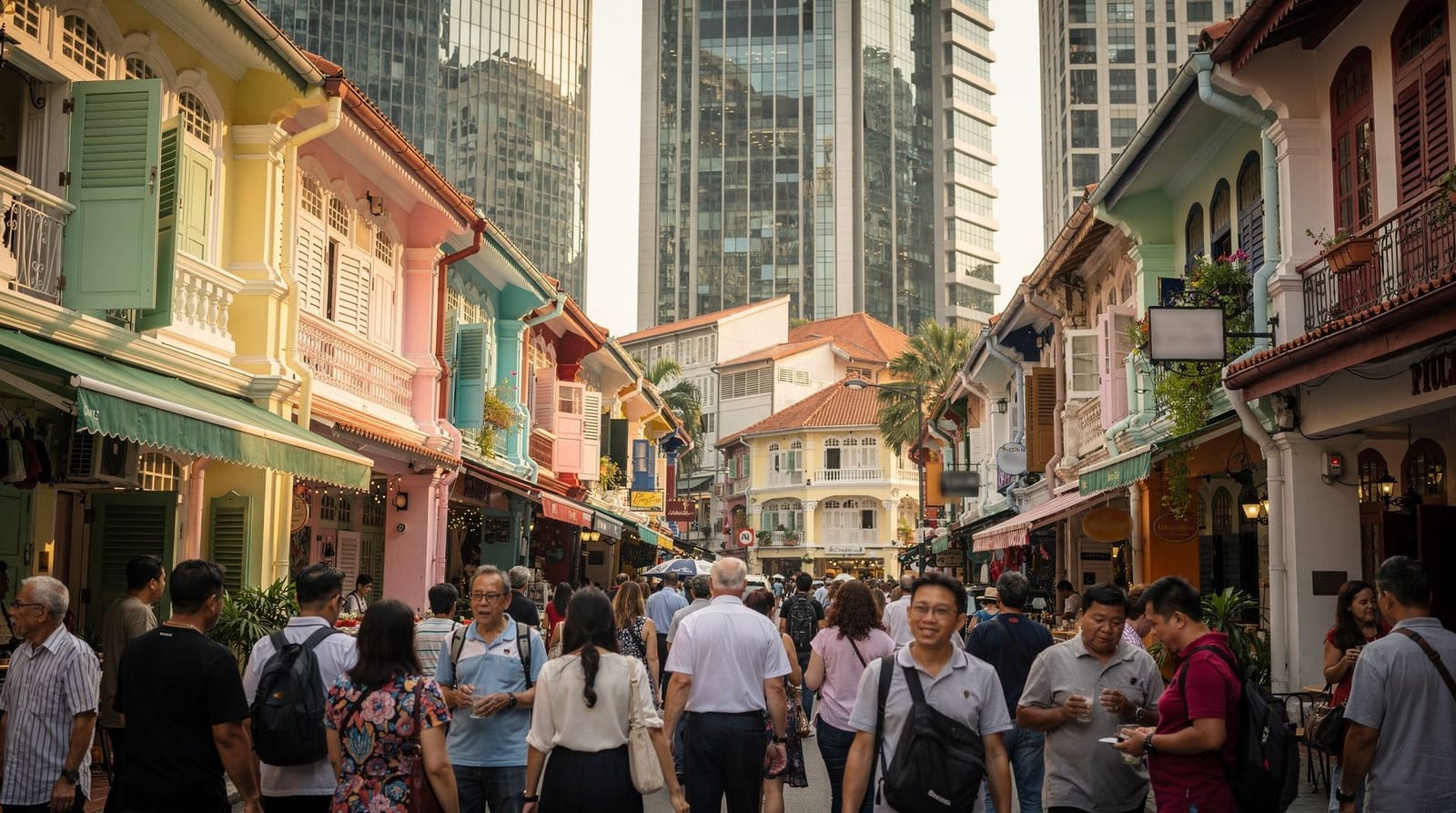
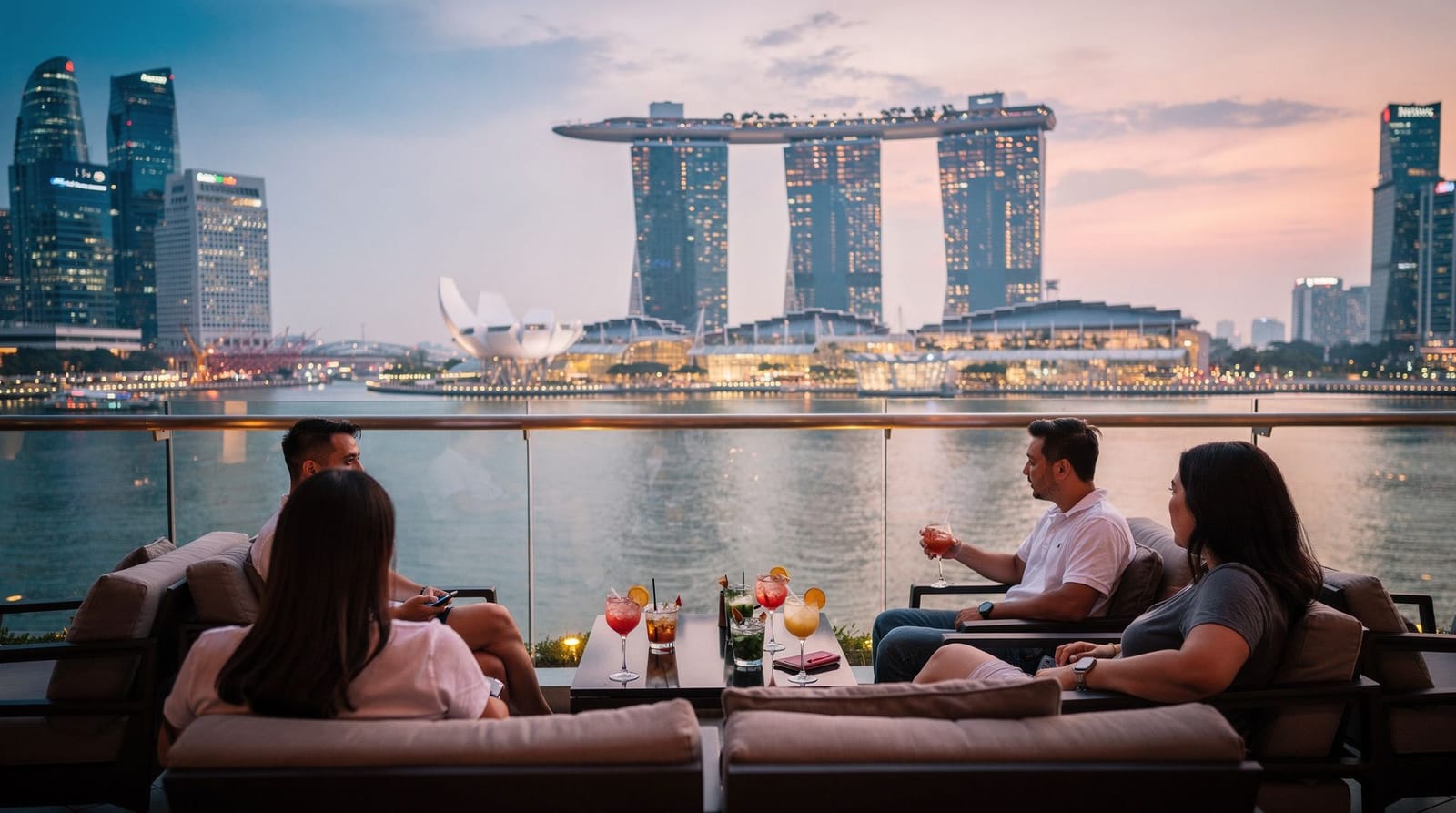
Clarke Quay is legitimately worth visiting — it is an atmospheric converted warehouse district along the Singapore River, the colonial architecture is handsome, and the bar scene is genuinely enjoyable. What is not worth it: the restaurants on the main promenade strip, which lean on footfall and river views rather than food quality to justify their prices.
The riverside restaurants at Clarke Quay (and to a lesser degree Boat Quay) charge SGD 25–45 for main courses at establishments that are, in honest terms, average-quality tourist-facing restaurants. Chilli crab at a Clarke Quay restaurant: SGD 80–120 per crab. Chilli crab at Jumbo Seafood (the genuine local institution, also near Clarke Quay but a different category): SGD 80–100, but the quality justifies it. Generic pasta or burgers on the Clarke Quay promenade: SGD 28–38 for food that a neighbourhood cafe serves at SGD 15.
What to do instead: Eat at a hawker centre before arriving at Clarke Quay — either Lau Pa Sat guide (15 minutes by Grab, closes at midnight from its outdoor satay stalls), Maxwell Food Centre (closes earlier, better for early evening), or the food options in the CBD. Use Clarke Quay for drinks only and treat the riverside bar scene as the atmosphere supplement it actually is.
The bar prices at Clarke Quay are not particularly exploitative by global tourist bar standards — a beer runs SGD 12–18, which is comparable to any European tourist district. It is specifically the food where the value evaporates.
Singapore: Singapore River cruiseThe durian seller trap
Durian sellers at Chinatown Street Market, Geylang, and some tourist-facing night markets operate a well-documented pattern: offer a taste before naming a price, then quote an inflated price once you have eaten. When you resist, the seller becomes pressuring — they have a “witness” present, the fruit is already open, and they rely on the traveller’s discomfort with confrontation.
The fix: Simple. Before accepting any durian sample from any seller, ask “How much per portion?” or point to the fruit you want and say “Price?” A reputable durian seller names the price immediately and cheerfully, without hesitation or deflection. A price-after-tasting setup is the tell, and it is worth walking away entirely rather than negotiating once the fruit is already open in front of you.
For the genuine durian experience in Singapore, the best-value option is:
- Supermarkets (NTUC FairPrice, Cold Storage): Pre-portioned durian in containers at fixed, clearly marked prices. No negotiation needed.
- Geylang durian sellers (reputable stalls with visible price lists): Geylang’s durian row has sellers with upfront pricing. Ask for the price menu before selecting.
- Chinatown only with price confirmed upfront.
See Durian in Singapore for the full guide to buying durian as a tourist.
Fake “duty-free” shops
Shops in Orchard Road, Chinatown, and the tourist shopping areas sometimes advertise themselves as “duty-free” or “tax-free.” In Singapore, genuine duty-free purchasing is only available at Changi Airport, in the international departure area, after clearing immigration.
A “duty-free” shop on Orchard Road is simply a marketing label with no regulatory backing and no legal requirement behind the term — the prices may be at or above standard retail. Comparison with the same products on Lazada, Shopee, or at established department stores (Takashimaya, Robinsons, Mustafa Centre) usually reveals these shops are not competitive on price.
What to do instead: If you want electronics (Singapore has legitimate good deals on cameras and audio equipment), purchase from Sim Lim Square (known electronics centre — shop around and negotiate) or established retailers like Challenger and Harvey Norman. For perfume and cosmetics, SEPHORA and department store counters have transparent fixed pricing. For alcohol and tobacco at duty-free prices, wait until you are airside at Changi Airport.
Chinatown souvenir stalls: the pricing reality
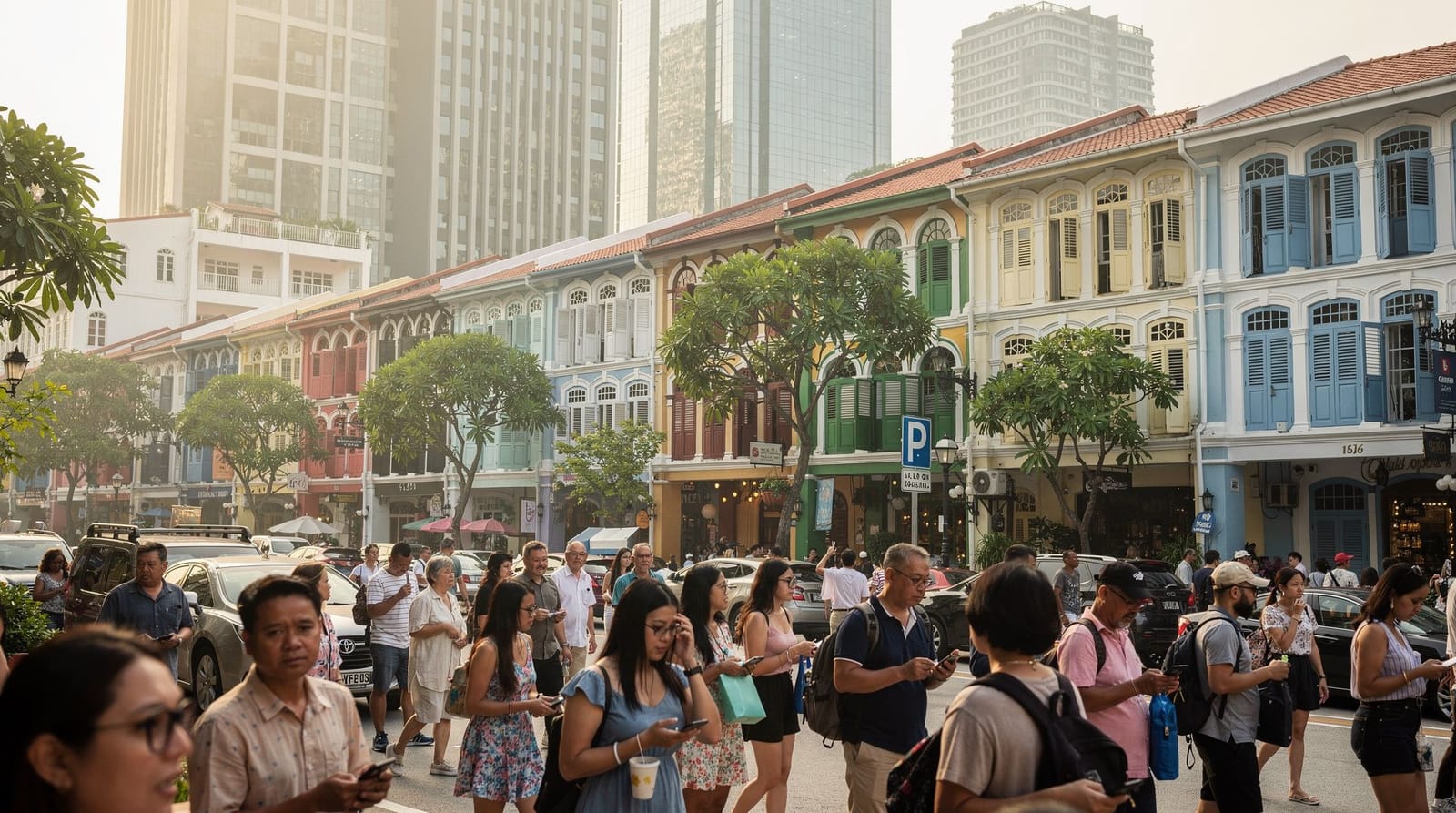
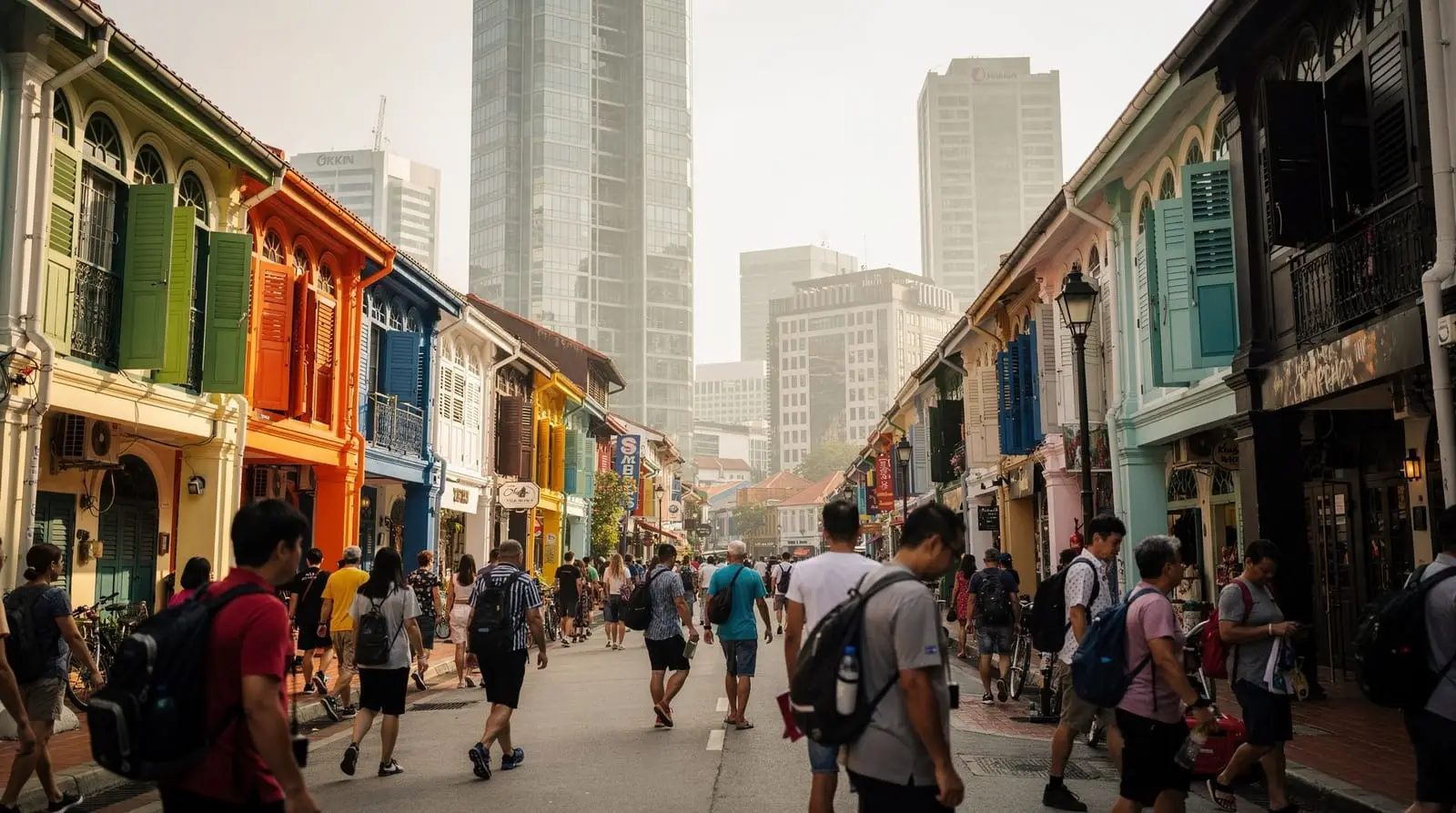
The souvenir stalls of Chinatown Street Market sell merlion figurines, branded Singapore merchandise, spice sets, kaya jam, and traditional goods at tourist-premium prices. The same items are often available at:
- Fairprice Finest or Cold Storage supermarkets: Kaya jam, coffee, Bengawan Solo kue, pineapple tarts at standard Singapore retail prices (30–50% less than Chinatown souvenir stalls)
- NTUC FairPrice supermarket (multiple locations in the city): Snack foods, local-brand sauces, and food gifts at non-tourist pricing
For non-food souvenirs (ceramics, textiles, heritage craft items), the shops along Arab Street in Kampong Glam and the Straits Records-era boutiques in Tiong Bahru have more interesting selections at comparable or better prices.
The exception: Some Chinatown vendors do sell genuinely interesting products — hand-painted ceramics, heritage Peranakan beaded accessories, traditional Chinese medicine items. These require time to find among the mass-produced merlion kitsch. If you enjoy that kind of treasure-hunt browsing, Chinatown’s stalls have depth beyond the front row of tourist merchandise.
Theme park add-ons: what to skip
Universal Studios Singapore sells the core experience at SGD 83 per adult — which is genuinely worth it for a full day. What is less worth it:
USS Express Pass: At SGD 60–120+ per person added on top of the base ticket, Express Passes are expensive. They are worth it on peak days (school holidays, long weekends, major Singapore public holidays) when flagship ride queues hit 60–90 minutes. On normal weekdays, ride queues at USS run 10–30 minutes — Express Passes add little. Check the seasonal calendar before buying.
Singapore: Universal Studios Singapore entry ticketIn-park USS dining: The themed restaurants inside Universal Studios are expensive (SGD 20–35 for a meal) and average quality. Eat before arriving and use the park’s cheaper snack options within the park if needed. Leave the park for a proper lunch only if USS allows re-entry on your ticket (it does, via a hand stamp system).
Sentosa cable car + Wings of Time bundles: The cable car (SGD 27) and Wings of Time evening show (SGD 16–28) are both individually worth it. Combined packages through certain tourism platforms bundle them at prices that sometimes cost more than individual purchase. Price-check individual tickets before buying a bundle.
The Singapore Flyer disappointment
The Singapore Flyer — a 165-metre observation wheel near Marina Bay — costs approximately SGD 33 per adult for a 30-minute rotation. The views over Marina Bay and the CBD are real, but they are not better than the views from:
- The free Marina Bay waterfront promenade (ground level, no ticket)
- CÉ LA VI bar at MBS Level 57 (pay for a drink, same elevated perspective)
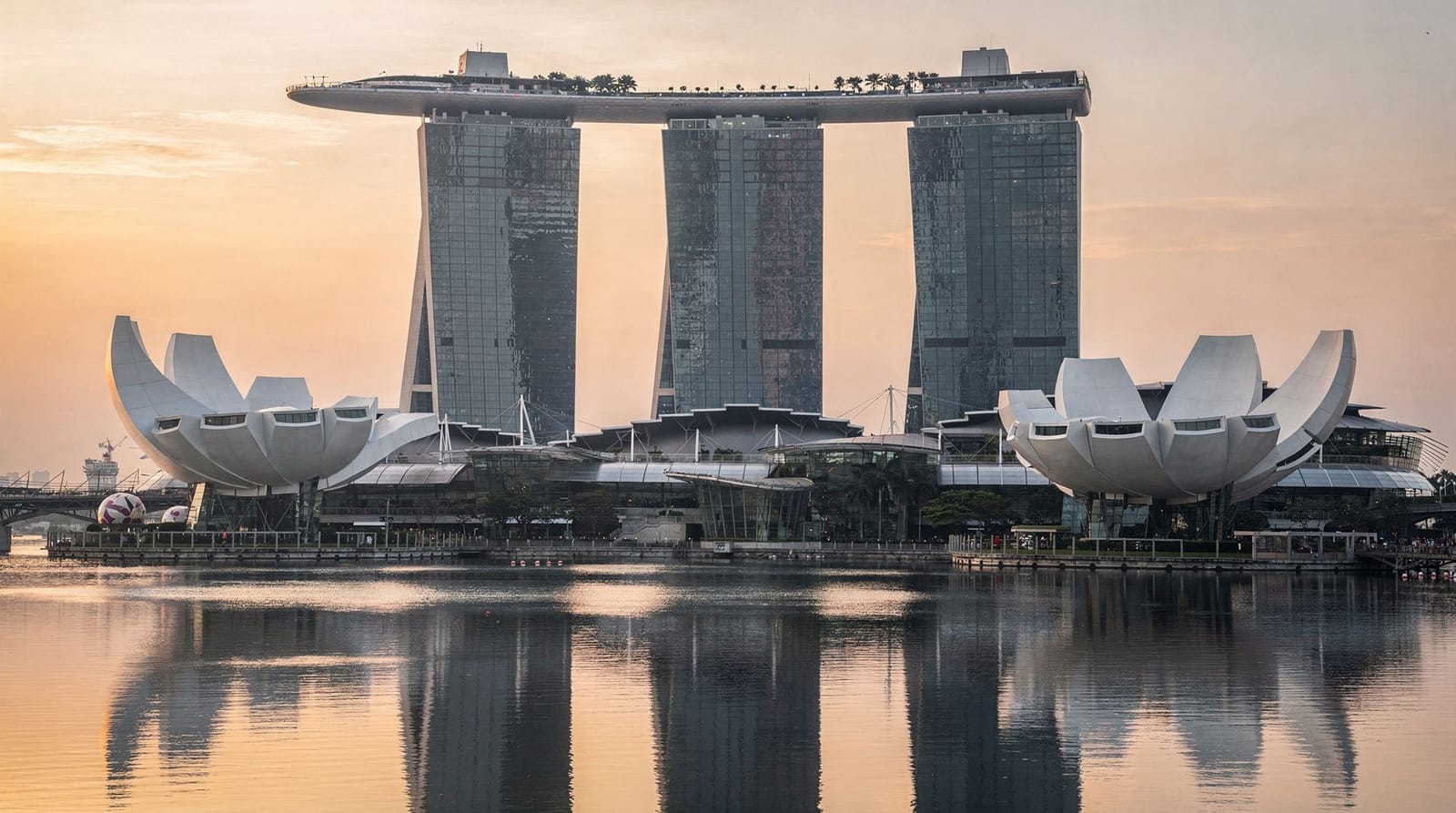
- The MBS SkyPark observation deck (SGD 29–32, higher and more directional)
The Flyer’s unique value is the slow-rotation enclosed capsule format — you are not dealing with weather, you can sit, and the 360-degree rotation gradually reveals all aspects of the skyline. If this format appeals to you, it delivers. But as an “experience per SGD” comparison, it is not competitive with the alternatives.
See Singapore Flyer guide for the full assessment.
Singapore: Marina Bay Sands observation deck e-ticketAirport area “guide” services
At Changi Airport, particularly around the arrivals halls, occasional touts offer unofficial guide services, luggage assistance, or “introductions” to hotels. These are not scams in the fraudulent sense, but the services they provide — currency exchange, transport referrals — can be at significantly worse rates than official channels (official money changers, official taxi stands, Grab).
Standard practice: Take the MRT from Changi to the city (SGD 2, 30 minutes, clearly signed), book Grab for taxis, and use licensed money changers in shopping malls (not airport arrivals touts) for cash exchange. Genuine airport staff wear official uniforms and badges; anyone approaching you unprompted in the arrivals hall offering to “help” with transport or currency is operating independently of Changi’s official services, even if they look plausible.
Photo-op attractions that overpromise
A specific category worth calling out separately from restaurants and shops: attractions built almost entirely around a single photo opportunity, priced as though they were full experiences. Trick Eye Museum and similar optical-illusion galleries charge SGD 25–35 for what amounts to 45 minutes of staged photos, and the novelty wears off after the first few rooms. Madame Tussauds Sentosa runs a similar model at a higher price point. Neither is a scam — the product delivers what it advertises — but the value-per-dollar is weak compared to almost anything else on a Singapore itinerary. If photo-driven attractions genuinely appeal to you, treat one as an occasional indulgence rather than assuming they represent good value the way Gardens by the Bay or the museums do.
Grab surge pricing near tourist hotspots
Not a scam, but a cost trap worth understanding: Grab fares surge predictably around Clarke Quay, Marina Bay, and Sentosa on weekend evenings, sometimes 1.5–2x the base fare. Tourists who default to Grab straight after a light show or a late Clarke Quay night often pay well above what the same journey costs at other times. The fix is simple — check the fare before confirming, and if it looks inflated, walk two or three minutes away from the immediate pickup hotspot (a nearby side street rather than the main promenade) or wait 10–15 minutes for demand to ease, which often drops the fare noticeably.
How to spot a trap before you pay
Most of the patterns above share the same tells: a location that depends on passing footfall rather than repeat customers, prices that are not displayed, and a sales pitch that starts before you have asked anything. Build the habit of checking the price first, comparing with a nearby alternative, and walking on if either step feels awkward. Our wider guides on overpriced attractions in Singapore and what to skip in Singapore apply the same test to the big-ticket sights, while common scams in Singapore covers the rarer cases that go beyond simple overpricing.
If you are still planning, it also helps to settle the shape of your trip before you arrive. A clear plan makes you less likely to buy something on impulse because you have an unplanned hour to fill. The Singapore for first-timers guide and the Singapore on a budget itinerary give you a framework to hold yourself to.
Where the honest alternatives are
For food, the answer is nearly always a hawker centre or a kopitiam, and the Avoid tourist restaurants guide explains how to tell the two kinds of dining room apart at a glance. For souvenirs, best souvenirs in Singapore points you to better sources than the front row of a tourist stall. For the neighbourhoods themselves, Clarke Quay and the riverside and Chinatown are both worth visiting, provided you go with these tips in mind.
What is not a tourist trap in Singapore
Singapore’s reputation for honest, well-regulated tourism is deserved in most categories:
- MRT and public transport: Efficient, clearly priced, not exploitative
- Licensed taxis: Meters are standard, meter-running is rare
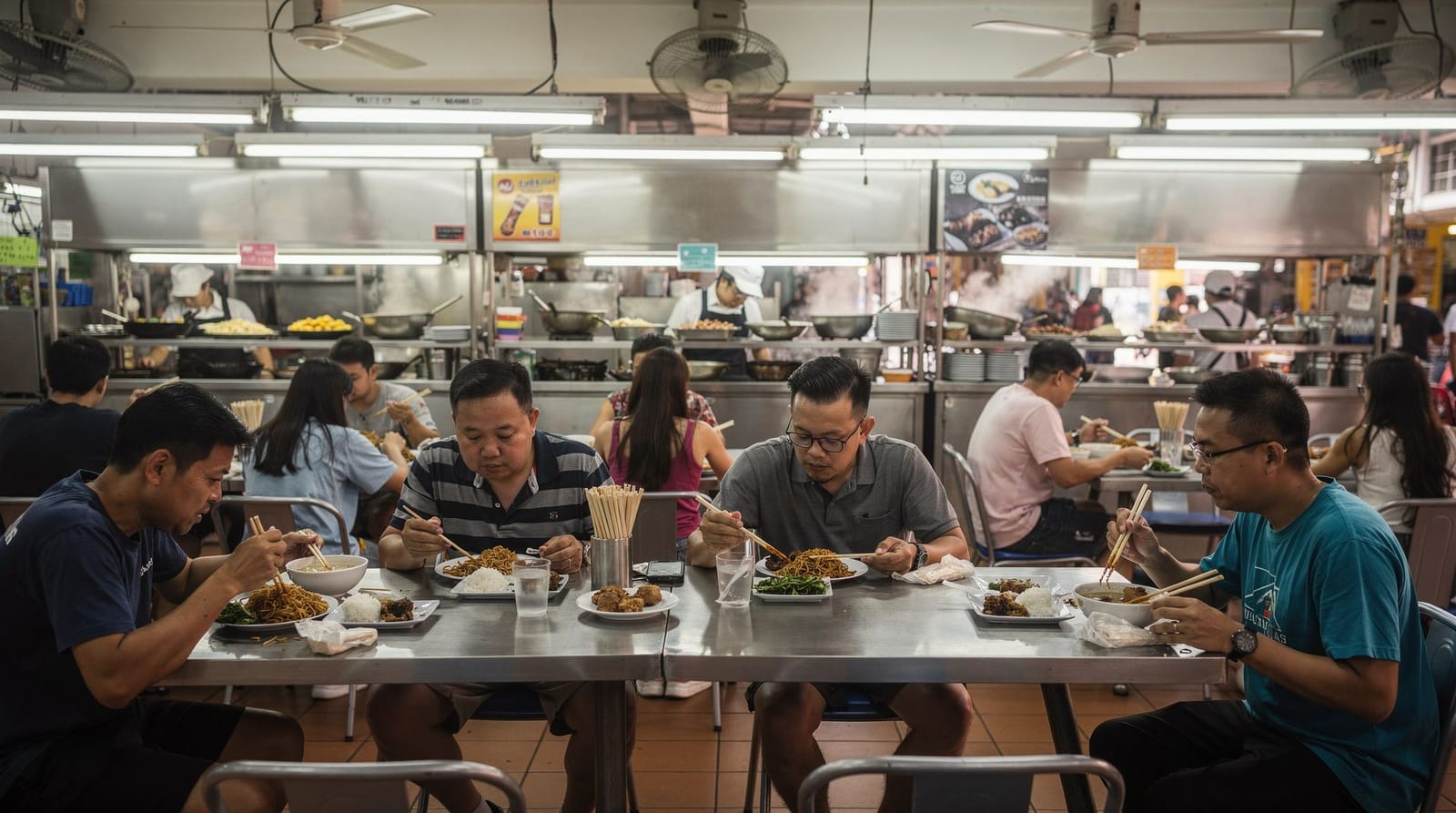
- Hawker centres: Some of the world’s best value food at completely honest fixed prices
- Major attractions (Zoo, Night Safari, Gardens by the Bay): Transparent pricing, internationally competitive value
- Hotel prices: High, but transparently so — what you book is what you pay
The distinction between genuine value and tourist trap in Singapore is mostly a geographic one: wander 200 metres from the main tourist promenade and prices drop dramatically. The Best cheap eats in Singapore guide covers exactly where to go.
Frequently asked questions about Singapore tourist traps
Are taxi scams common in Singapore?
Rarely. Singapore’s taxi and ride-hailing system is well-regulated. Licensed taxis use meters. Grab shows the fare estimate before you confirm the booking. The main “trap” is accepting a fixed-price quote from an unlicensed driver outside the official ranks — avoid this by using Grab or the official taxi queues.
Is bargaining appropriate in Singapore?
Almost never, outside specific contexts. Hawker centres, restaurant, and most retail shops have fixed prices and do not negotiate. At Chinatown souvenir stalls, some bargaining on larger purchases is accepted but sellers are not deeply flexible. At electronics shops in Sim Lim Square, asking for a better price is appropriate, but start with a respectful request rather than aggressive negotiation.
Is Chinatown worth visiting despite the tourist-trap elements?
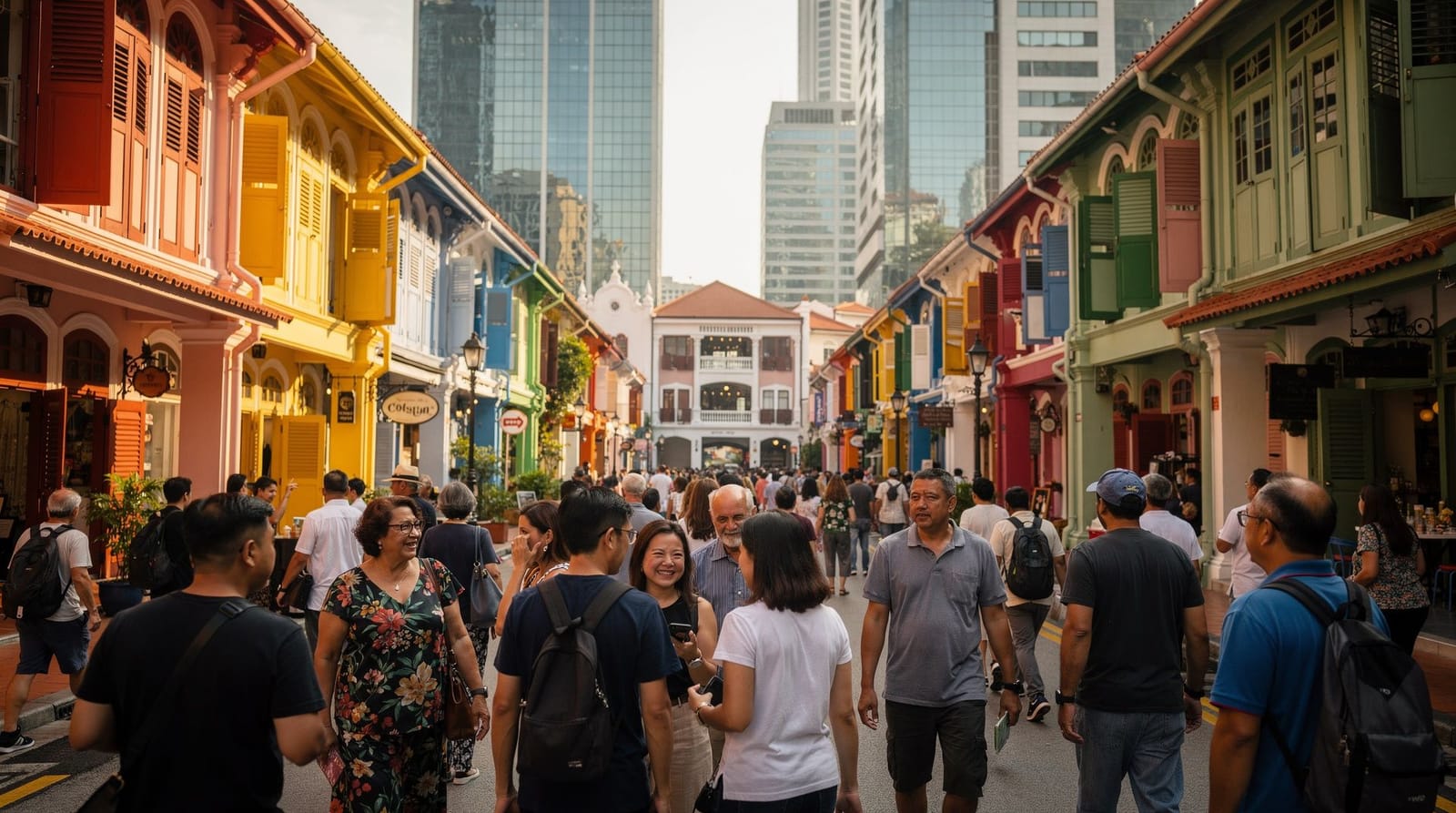
Yes. Chinatown has genuinely interesting food, the Buddha Tooth Relic Temple is architecturally impressive and free to enter, the heritage shophouses are beautiful, and the street food is excellent and honestly priced. The souvenir stall tourism layer is avoidable — walk past it to the actual neighbourhood. See Chinatown Singapore for where the real value is.
What are Singapore’s best alternatives to tourist-trap restaurants?
Hawker centres are the primary answer — genuinely excellent food at SGD 5–10 per dish, honest fixed prices, no tourist premium. See Best hawker centres in Singapore and Must-try dishes in Singapore for the full guide. At the next level up, neighbourhood coffee shops (kopitiams) and casual local restaurants are 30–50% cheaper than tourist-area restaurants for comparable quality.
Is the Marina Bay Sands a tourist trap?
The MBS complex is a legitimate luxury hotel and entertainment destination — the SkyPark, the casino, the restaurants, and the light shows all operate at high quality. The value question is about expectation management: the observation deck (SGD 29–32) is not cheap, but what it delivers at 200 metres is genuine. The tourist trap version of MBS is the overpriced hotel restaurants and bars — eating dinner at a hotel restaurant on a tourist budget when a hawker centre delivers better Singapore food nearby. See Is Marina Bay Sands worth it? An honest verdict for the full honest breakdown.
What should I do if I fall for a tourist trap in Singapore?
For overpriced purchases at tourist shops, the Consumer Association of Singapore (CASE) handles complaints — but for amounts under SGD 100, the practical resolution is to accept the lesson and move on. For genuine fraud or scam situations, Singapore Police take consumer complaints seriously and tourist fraud complaints can be filed at any police post. The reality is that outright fraud in Singapore is uncommon; overpricing in tourist zones is the more typical complaint.
Top experiences
Bookable activities with verified prices and instant confirmation on GetYourGuide.