Best cheap eats in Singapore: how to eat well for SGD 5–10 per meal
Singapore: local hawker food tour with tastings
How cheap can you eat in Singapore and where should you go?
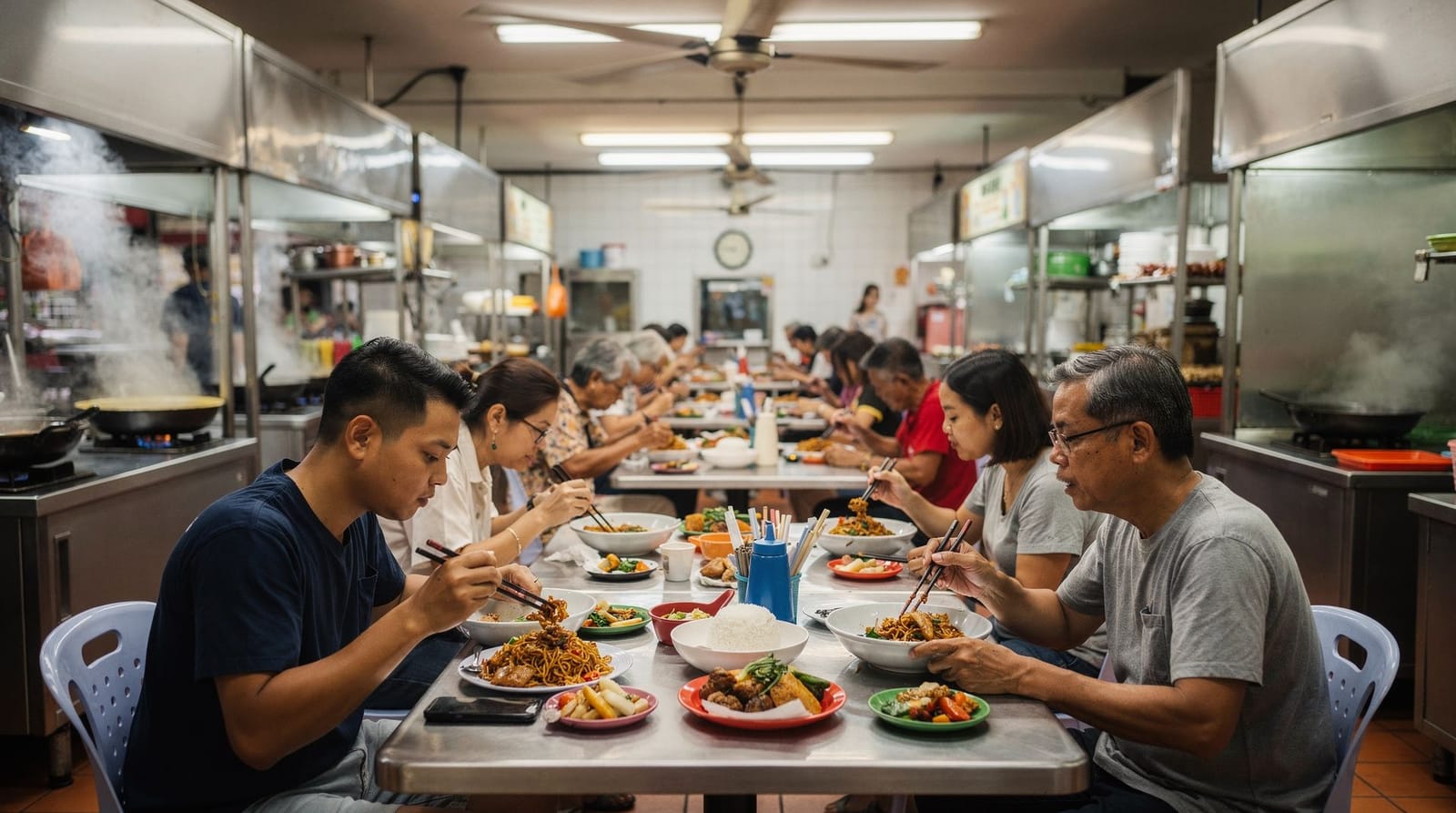
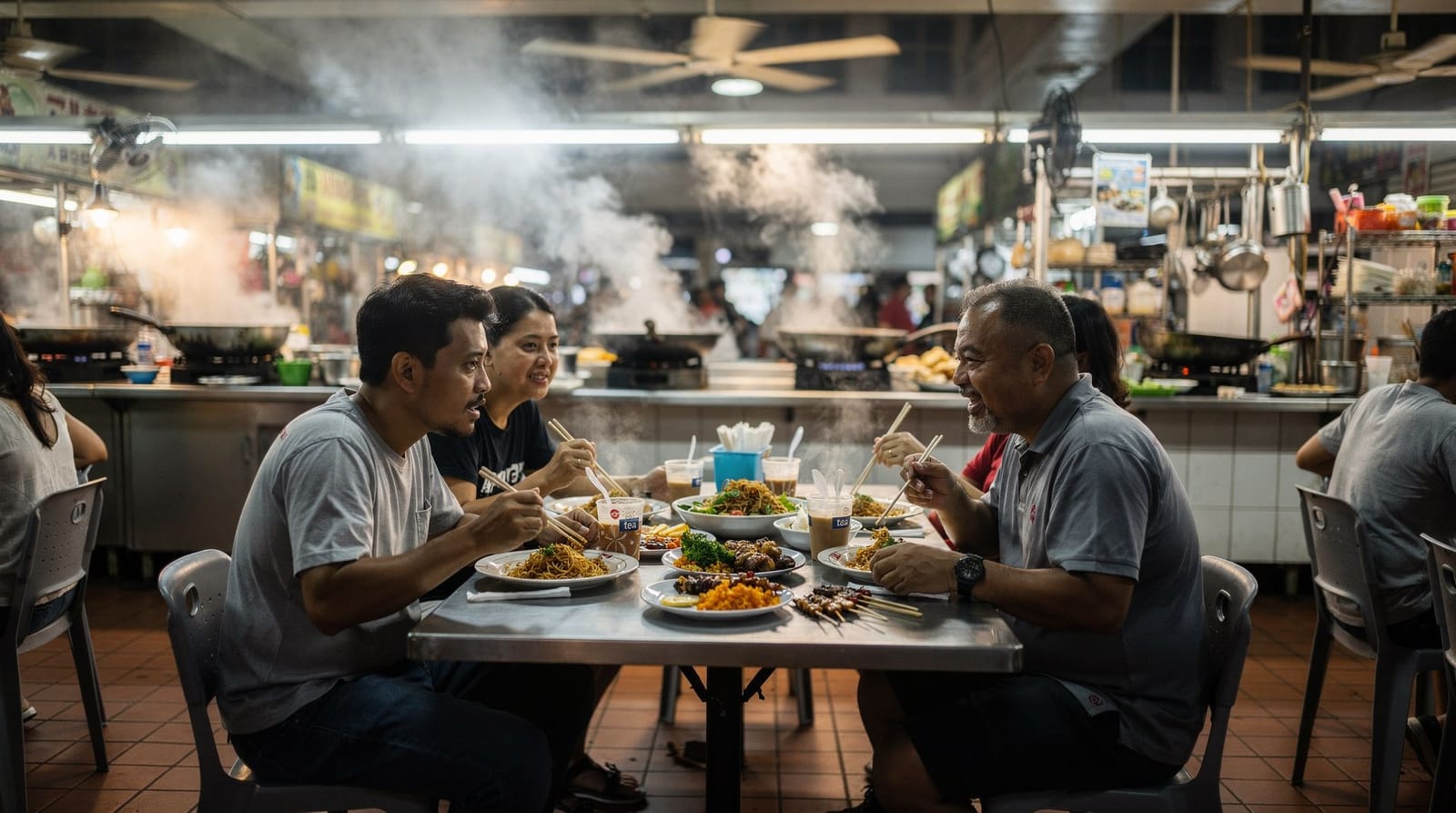
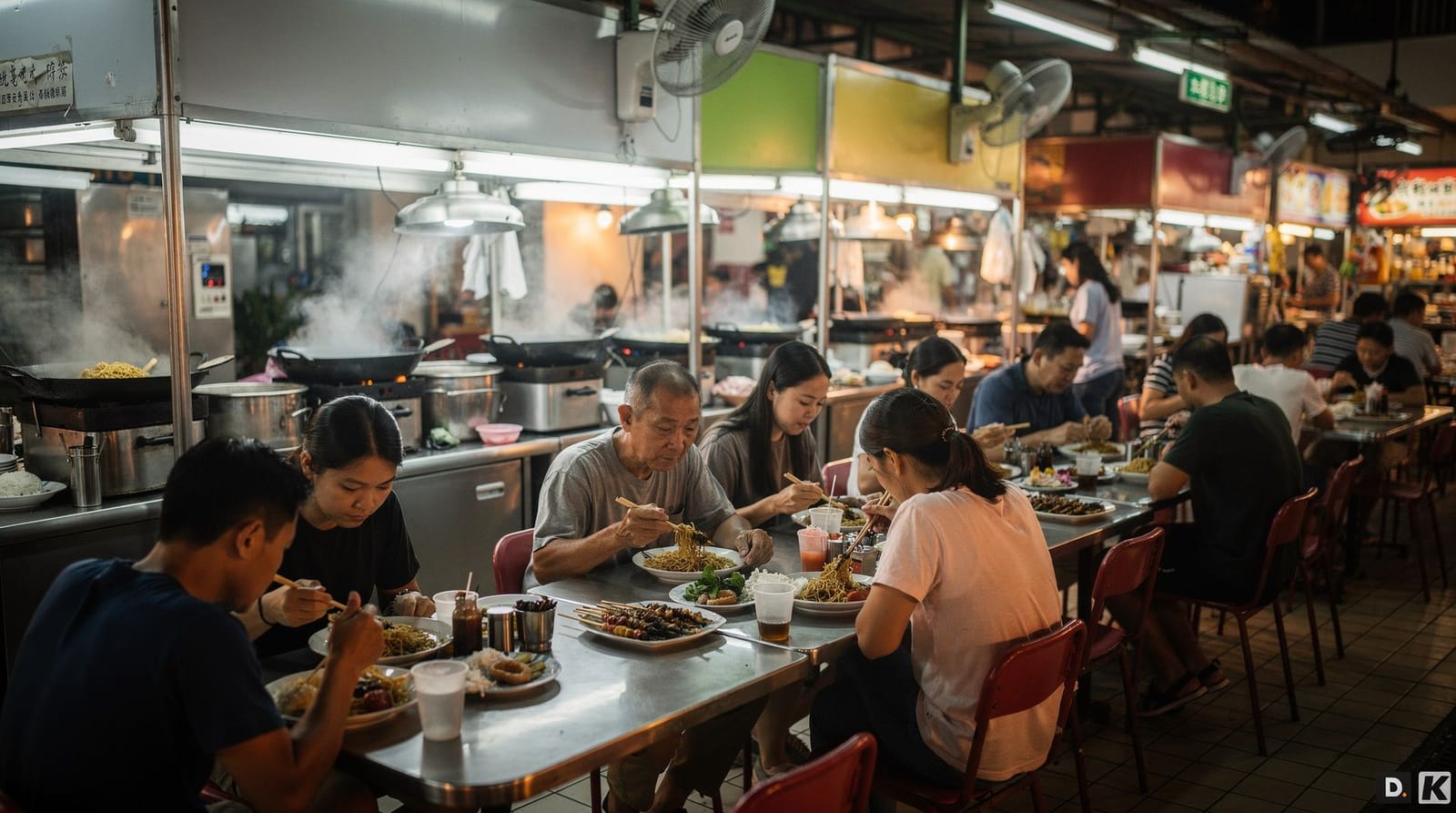
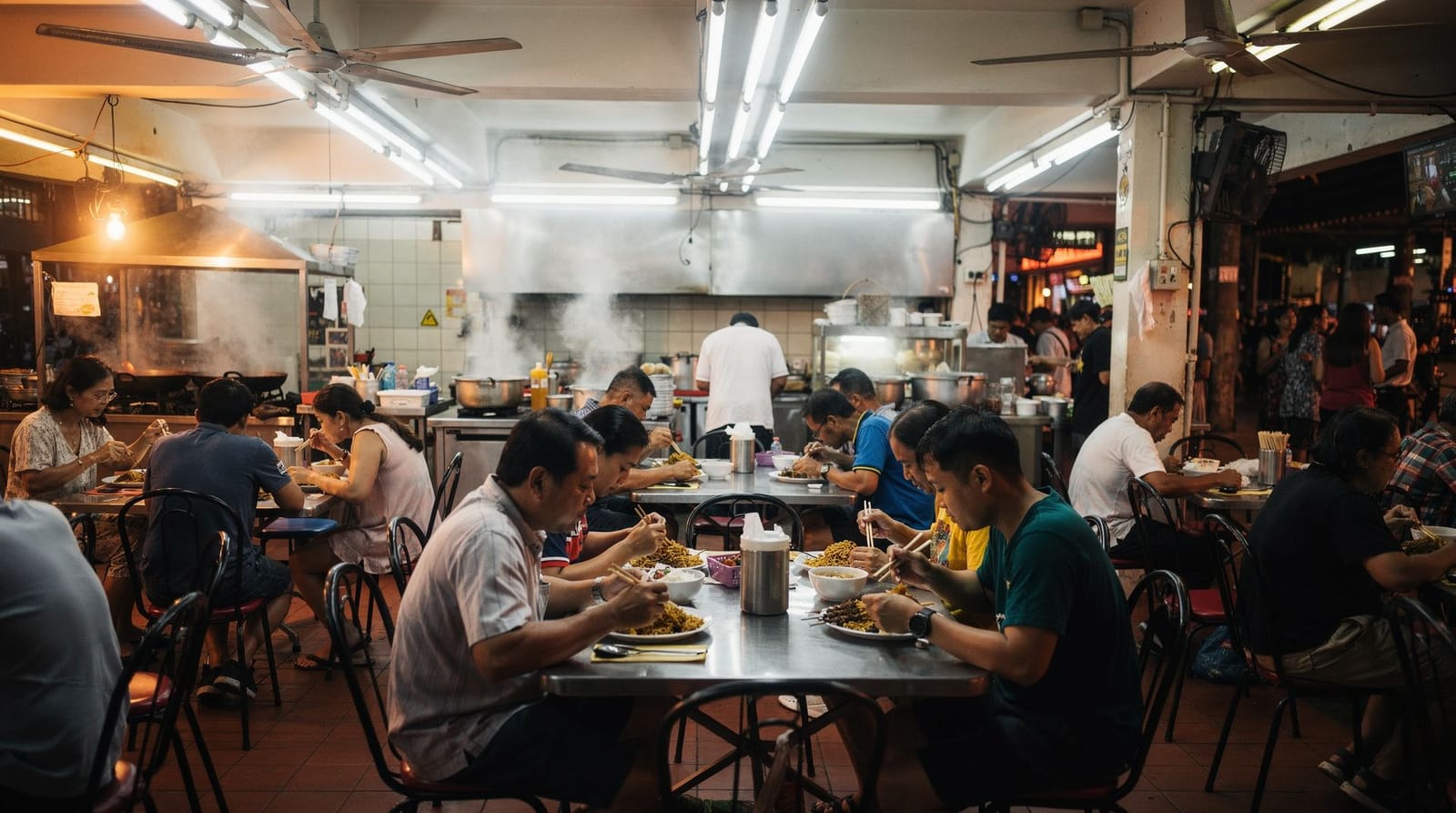
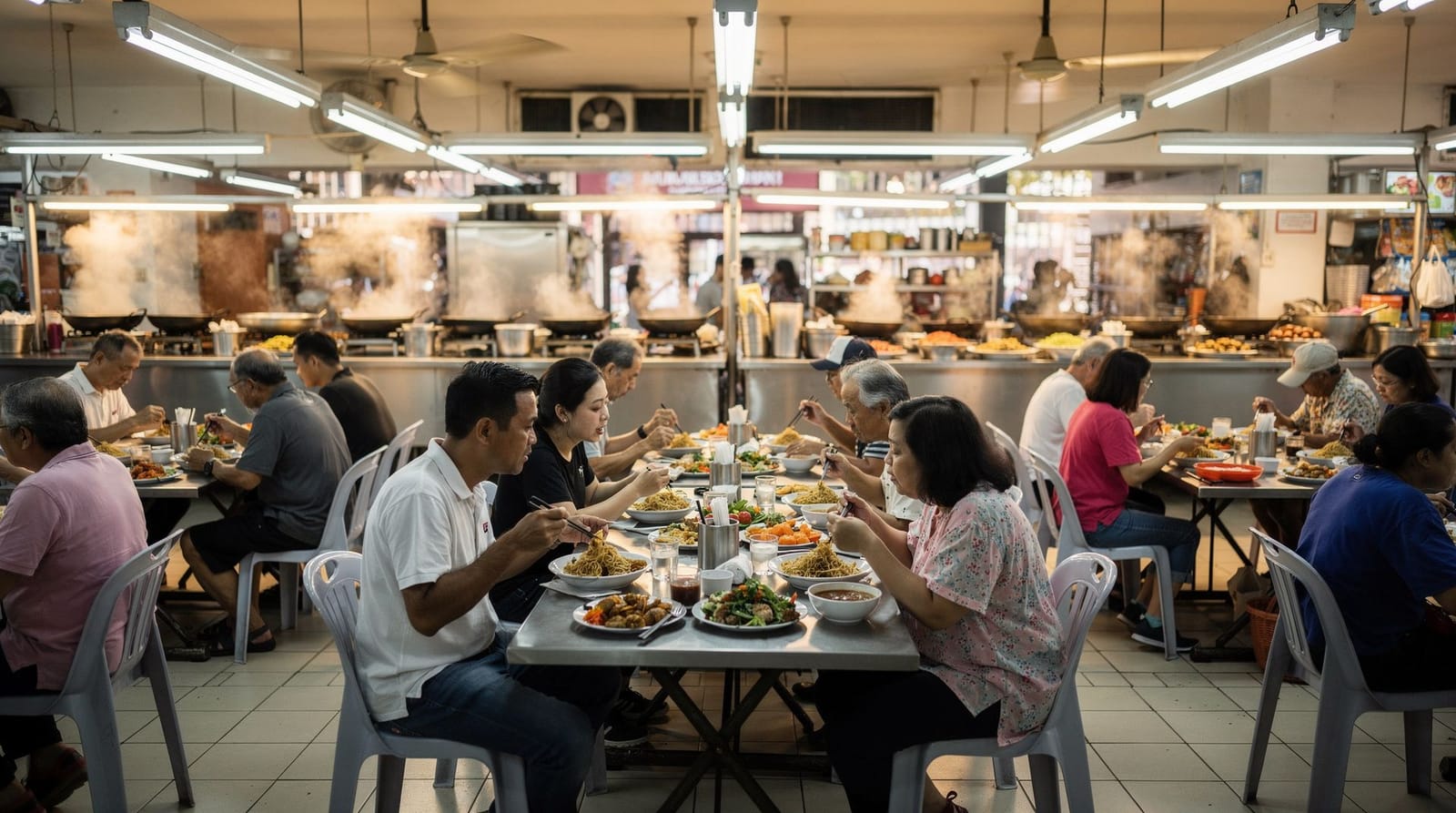
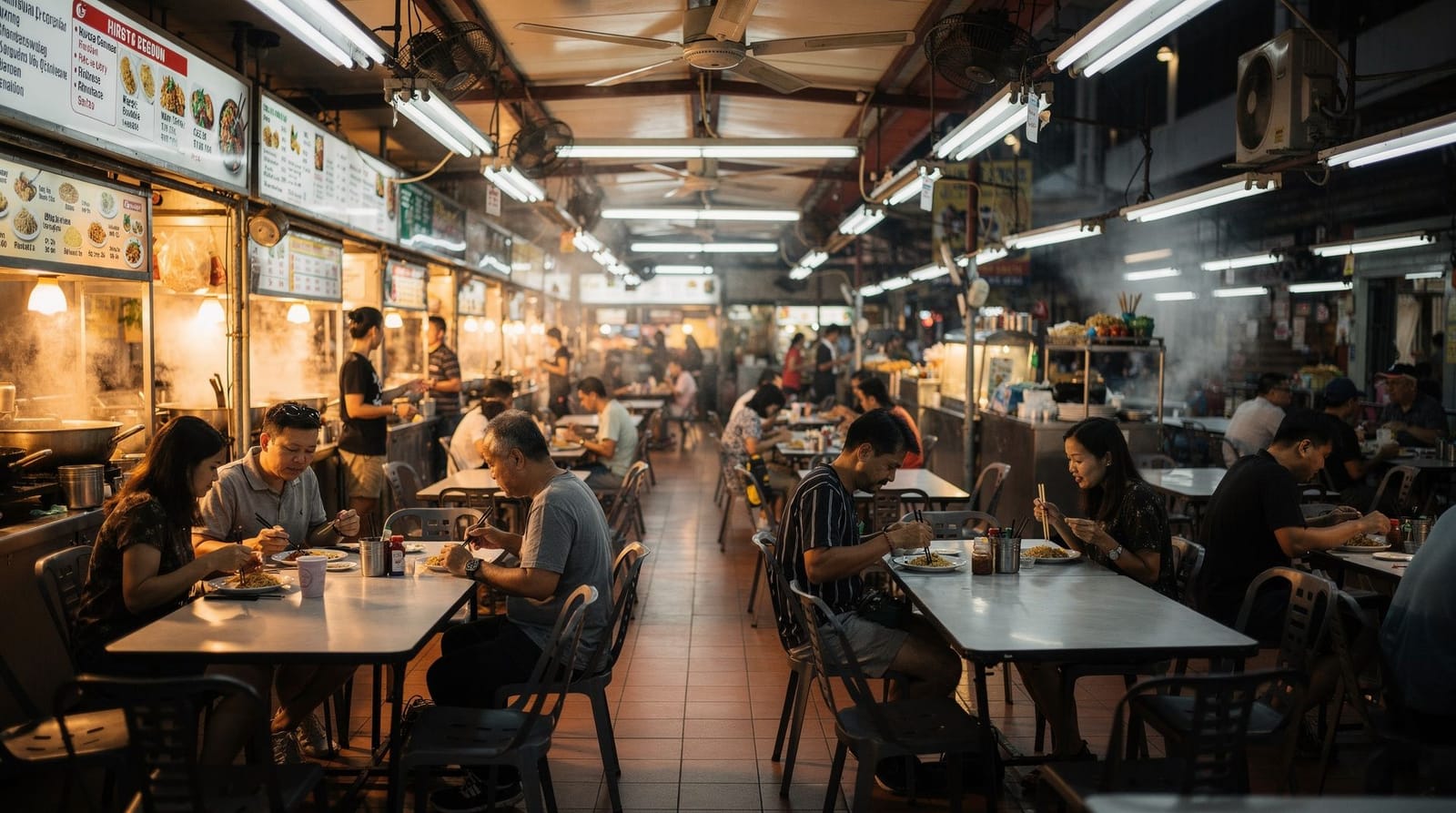
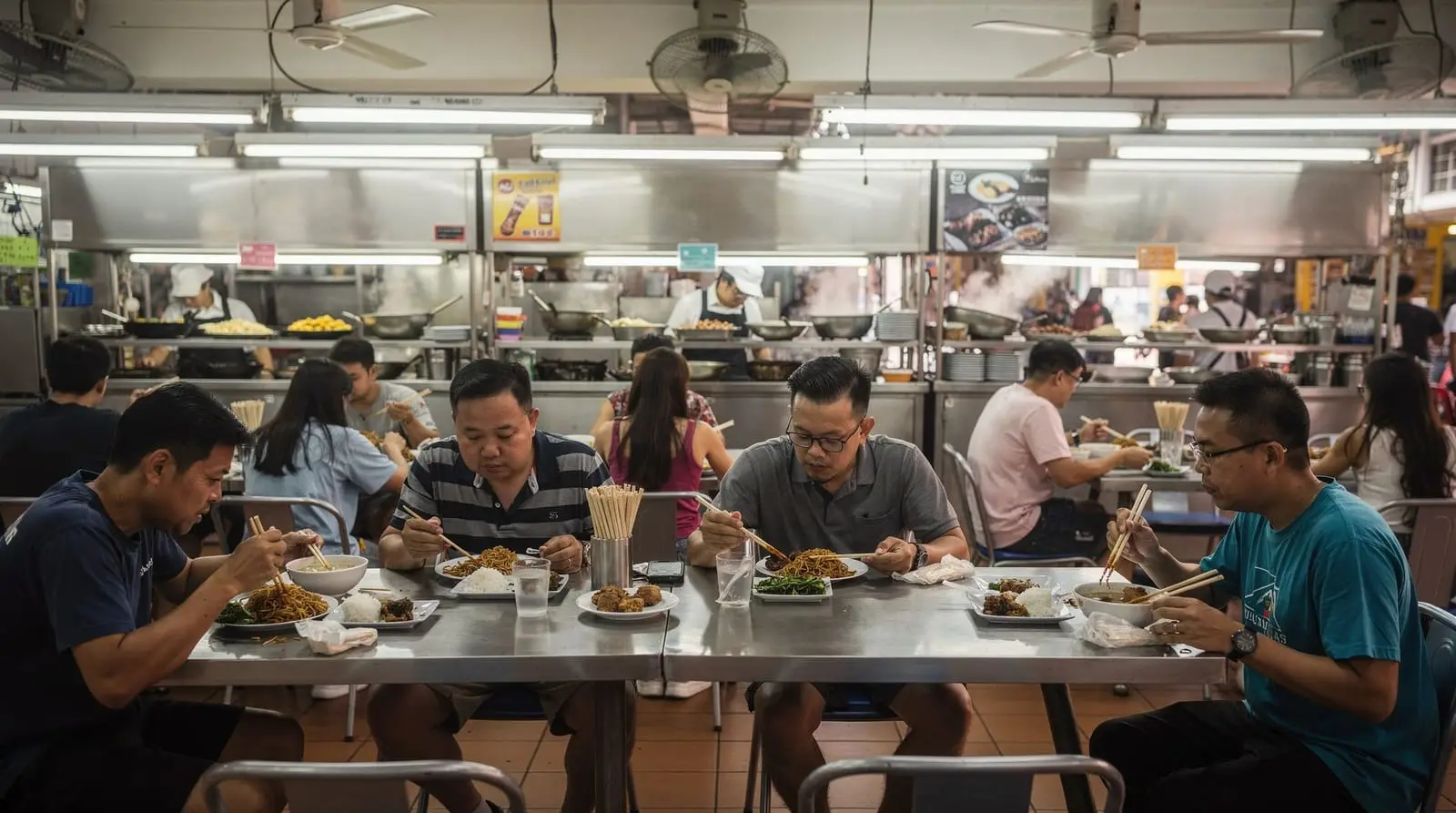
Very cheap by global city standards. Most hawker meals cost SGD 4–8 — chicken rice at Tian Tian is SGD 6–8, a bowl of laksa is SGD 6–8, char kway teow is SGD 5–7, roti prata is SGD 1–3 per piece. You can eat three meals a day at hawker centres for SGD 15–25 total. Old Airport Road Food Centre, Chinatown Complex, and Tiong Bahru Market are the best-value destinations.
Why Singapore is affordable for food
Singapore’s reputation as an expensive city is accurate for accommodation, alcohol, and organised entertainment. For food — specifically street food at hawker centres — Singapore is one of the best-value cities in the world relative to quality. The hawker system produces cooked-to-order, diverse, hygienically regulated food at prices that have barely kept pace with inflation thanks to government subsidisation of hawker rents and utility costs.
The practical implication: you can eat three meals a day in Singapore, at a serious standard, for SGD 15–25 total. This guide tells you where, what, and how.
| Daily food budget | SGD 15–25 for three hawker meals |
| Cheapest filling meal | Economy rice, SGD 3–5 |
| Best-value centres | Old Airport Road, Chinatown Complex, Tiong Bahru |
| Payment | Cash preferred; PayNow/PayLah widely accepted |
| Avoid | Restaurants near Clarke Quay waterfront and Boat Quay |
Why cheap in Singapore does not mean low quality
It is worth separating two ideas that get conflated when people talk about “cheap eats” — low price and low quality are not linked in Singapore’s hawker system the way they often are elsewhere. A stall charging SGD 4 for chicken rice is not cutting corners; it is operating on thin margins made viable by subsidised rent, high turnover, and decades of refined technique that let a single cook produce a consistent product quickly. The price reflects the economics of the hawker system, not a compromise on ingredients or cooking standards — which is precisely why Michelin has recognised multiple hawker stalls charging under SGD 10 a plate.
The daily hawker budget: what SGD 20 gets you
A realistic daily budget for a food-focused visitor eating entirely at hawker centres:
Breakfast (07:00–09:00): Kaya toast set with soft-boiled eggs and kopi at Ya Kun or a traditional kopitiam — SGD 7–8
Lunch (11:00–13:30): Hainanese chicken rice at Maxwell Food Centre, or char kway teow, or laksa at the relevant stall — SGD 6–9
Dinner (18:00–20:00): Nasi lemak with chicken at a Malay stall, or wonton noodle soup, or yong tau foo — SGD 6–9
Drinks throughout: Barley water or chrysanthemum tea at 2–3 sittings — SGD 3–5
Total: SGD 22–31 for three full meals and drinks.
If you eat at Old Airport Road or Chinatown Complex rather than at more tourist-facing centres, the same quality costs at the lower end of this range. If you pick the high-end versions at each stall (larger portions, extra toppings), you approach the upper end.
What “cheap” means without sacrificing anything
It is worth restating the core point of this guide plainly: eating cheaply in Singapore is not a compromise the way it can be in many cities, where the budget option is meaningfully worse than the mid-range one. The cheapest hawker dish and the most celebrated Michelin-recognised stall often sit within a few dollars of each other, and sometimes the cheaper option wins on taste. Budget travellers in Singapore are not settling for less — they are simply eating the way most locals eat every day.
The cheapest good dishes, by price
Under SGD 5
Economy rice (cai fan): Rice with two or three cooked dishes scooped from steam trays. SGD 3–5. Widely available; look for the largest selection of dishes to get variety. Reliable at Chinatown Complex, Old Airport Road, and Tiong Bahru.
Plain roti prata: SGD 1.20–1.50 per piece at Indian Muslim stalls. With egg: SGD 1.50–2. Two pieces plus curry dipping sauce is a filling snack for SGD 3–4. Add a teh tarik (SGD 1.50) for a complete breakfast under SGD 5.
Wonton soup: Clear wonton soup with egg noodles and a few pork and prawn wontons — SGD 4 at most stalls. Modest portion but filling.
Char siew rice (roasted pork rice): Chinese BBQ pork over white rice — SGD 4–6 at Chinatown-area stalls. One of the most affordable protein-rice combinations.
Kopi or teh: SGD 1–2 from any hawker centre drinks stall. Among the most affordable quality caffeine in any Asian city.
SGD 5–8
Hainanese chicken rice: The standard at most stalls — SGD 5–7 for a single plate. At Tian Tian (Maxwell) or Ah Tai: SGD 6–8. Includes soup.
Char kway teow: Stir-fried flat noodles with egg, cockles, beansprouts, and dark soy sauce. SGD 5–7. Best at Chinatown Complex or Old Airport Road — more expensive at tourist-facing stalls.
Wonton mee (dry or soup): Egg noodles with BBQ pork, wonton, and pickled green chilli. SGD 4.50–6.
Laksa: At most non-Katong stalls: SGD 5–7 per bowl. 328 Katong Laksa: SGD 7–9 (slightly higher, highly justified).
Hokkien prawn mee: Thick yellow noodles stir-fried with prawns, squid, and egg in a rich prawn broth. SGD 5–8 at most stalls. Among the most flavourful noodle dishes in the Singapore repertoire.
Bak kut teh: Pork ribs in a herbal broth (pepper-style or herb-style), served with rice and dark soy. SGD 8–12 depending on how many ribs you order. Good morning dish.
SGD 8–12
Bak chor mee (Michelin level): At Hill Street Tai Hwa, small bowl: SGD 9. Among the most significant value-per-quality meals available in any city.
Crab bee hoon (small crab): At non-tourist hawker stalls, smaller freshwater crabs in a clear or slightly milky broth — SGD 10–15 for a bowl that comfortably feeds one.
Nasi Padang: Multiple Malay dishes over rice at Geylang Serai or Adam Road — SGD 8–12 for a generous plate.
Best-value hawker centres
Old Airport Road Food Centre
At Toa Payoh area (Block 51 Old Airport Road, accessible from Mountbatten or Dakota MRT with a short walk or bus). Considered by many food writers and locals to be the most all-round excellent hawker centre in Singapore — enormous variety, competitive pricing, and less tourist traffic than Maxwell or Chinatown.
Notable stalls: Toa Payoh Rojak (for fruit and vegetable salad), Nam Sing Hokkien Fried Mee (Hokkien prawn mee — SGD 5–8), Dong Ji Fried Kway Teow (char kway teow), and multiple chicken rice and economy rice stalls.
See the dedicated old airport road food centre guide for stall-by-stall detail.
Chinatown Complex Food Centre
The largest hawker centre in Singapore at over 260 stalls (Block 335 Smith Street, Chinatown MRT). The scale means you can walk the entire ground floor and survey before queuing — useful for budget-conscious visitors who want to compare before committing.
The Michelin-starred soy sauce chicken stalls are here (Hawker Chan), but the surrounding stalls — many excellent and entirely unrecognised — often match the quality at lower prices and shorter queues.
See chinatown complex food for the detailed breakdown.
Tiong Bahru Market
The upper-floor food centre at Tiong Bahru (3 Seng Poh Road, approximately 10 minutes from Tiong Bahru MRT). Excellent for breakfast and brunch. Notable stalls: Loo’s Hainanese Curry Rice (SGD 6–10), Jian Bo Shui Kueh (steamed rice cake — SGD 3–5), and strong kaya toast/kopi options.
The neighbourhood itself is among the most pleasant in Singapore for a post-breakfast walk — pre-war art deco public housing, independent cafes, and one of the city’s oldest wet markets. See Tiong Bahru.
Maxwell Food Centre
The most tourist-convenient centre, five minutes from Tanjong Pagar MRT and close to Chinatown. Home to Tian Tian and Ah Tai chicken rice. Quality at Maxwell is high but some stalls charge marginally more than equivalent centres because of location and demand.
Best value approach: arrive at 10:00–11:00 when queues are shorter, get chicken rice at either Tian Tian or Ah Tai, and eat at an outdoor table.
See the dedicated maxwell food centre guide.
Lau Pa Sat
A Victorian-era cast-iron market building (1894) now operating as a hawker centre in the CBD (18 Raffles Quay, Raffles Place MRT area). Moderately tourist-facing, with prices slightly above average. The most interesting feature is the outdoor satay street on Boon Tat Street from approximately 19:00 — dozens of satay stalls set up in the street. Satay at SGD 0.80–1.20 per stick is good value.
See lau pa sat guide.
Five-day budget food plan
A practical sequence for a five-day food-focused Singapore trip:
Day 1: Kaya toast at Killiney Kopitiam (breakfast) → Chicken rice at Maxwell (lunch) → Satay at Lau Pa Sat outdoor street (dinner)
Day 2: Dosai at Tekka Centre, Little India (breakfast) → Bak chor mee at Hill Street Tai Hwa Pork Noodle (lunch) → Nasi lemak at Geylang Serai (dinner)
Day 3: Tiong Bahru Market breakfast circuit (shui kueh + curry rice + kopi) → Chinatown Complex survey and char kway teow (lunch) → Durian tasting at Geylang (evening, budget SGD 20–30)
Day 4: Economy rice and roti prata at Old Airport Road (breakfast/lunch) → Hokkien prawn mee at Old Airport Road (lunch second serve) → Katong laksa at 328 (dinner)
Day 5: Whatever queue you have been avoiding — use the morning for the longest-wait stall of your choice
Guided food tours for structured hawker discovery
Food tours are not purely for people who cannot navigate independently — they are genuinely useful for context, explanation, and access to stalls that a first-timer might not select on their own.
Singapore: local hawker food tour with tastingsFor a more comprehensive Chinatown-focused food tour:
Singapore: Chinatown hawkers food tour with 7 tastingsFor those who want to understand how the dishes are made — a cooking class that demystifies the technique behind hawker food:
Singapore: hands-on cooking class with cultural immersionMoney-saving tips for Singapore food
Avoid restaurants near tourist attractions: The restaurants at Clarke Quay waterfront, along Boat Quay, and in the Marina Bay SkyPark area are priced for tourists at three to five times hawker centre prices. Walk five minutes inland to find hawker centres.
Time your hawker visits: Queues at popular stalls (Tian Tian, Hill Street Tai Hwa) add 30–45 minutes to a meal at peak times. Going early (10:00–11:30) or late (14:00–18:00 for lunch stalls that stay open) saves time and sometimes money (as some stalls reduce prices on remaining stock late in the day).
Drink water: Tap water in Singapore is safe and drinkable. Hawker centres do not always have water dispensers, but bottled water at SGD 1–1.50 from the drinks stall is fine. Avoiding expensive bottled drinks or restaurant beverages across five days saves SGD 15–30.
Use SGD notes rather than exchanging at the hawker: ATMs in Singapore (DBS, OCBC, UOB, POSB) dispense SGD at the interbank rate. Avoid currency exchange counters that advertise “zero commission” — they compensate through rates. Hawker centres are increasingly accepting PayNow and contactless but carry some cash (SGD 5, 10, 20 notes) for older stalls.
Supermarket supplementation: NTUC FairPrice and Giant supermarkets have prepared food sections (hot food, bentos, onigiri, pastries) at affordable prices for supplementary snacks. An air-conditioned supermarket break is also a practical strategy in Singapore’s heat.
Building a full-day cheap eating plan
A practical way to think about a genuinely cheap Singapore food day is to sequence meals around the neighbourhoods you are already visiting, rather than planning food and sightseeing separately. Start the morning at a kopitiam near your hotel for kaya toast and kopi — this is the cheapest and most reliably good breakfast format in the city, and every neighbourhood has at least one worth trying.
For lunch, choose a hawker centre that sits along your planned sightseeing route rather than doubling back — Maxwell if you are in Chinatown, Tekka if you are exploring Little India, Lau Pa Sat if you are in the CBD near Marina Bay. For dinner, use the quieter evening window (after 6:30pm at most centres, or the Old Airport Road BBQ street from 5pm) to avoid the worst of the rush while still eating well. This sequencing approach means you rarely pay a premium for convenience and rarely waste time backtracking across the city for a specific stall.
Portion sizes and sharing
Hawker portions in Singapore are generally sized for one adult, and ordering two dishes to split between two people at a hawker centre is both normal and economical — many stalls will happily split a larger portion onto two plates for a small or no extra charge. This is a good strategy for trying more dishes across a single meal without overordering. Zi char restaurants, by contrast, are explicitly designed around sharing — a group of four typically orders four to six dishes for the table rather than individual plates, which keeps the per-person cost down even at the higher zi char price point.
Cheap eats near major tourist attractions
Cheap, good food is almost always within a short walk of Singapore’s major sights — you just need to know where to look rather than eating at the attraction’s doorstep. Near Gardens by the Bay, Satay by the Bay offers hawker-style pricing with bay views. Near Chinatown, Chinatown Complex and Maxwell are both a five-minute walk from the MRT. Near Little India, Tekka Centre has the best-value Indian food in the city. For a fuller picture of avoiding overpriced tourist-facing restaurants entirely, see the dedicated avoid tourist restaurants guide.
Frequently asked questions about cheap eats in Singapore
Is it possible to eat well in Singapore on SGD 10 a day?
SGD 10 for all three meals is extremely tight but theoretically possible if you eat exclusively economy rice, plain roti prata, and drink only kopi. SGD 15 allows a more comfortable and varied approach — one slightly premium hawker dish at lunch (SGD 7–8), two simpler meals (SGD 4–5 each), and a drink or two. SGD 20–25 per day is the comfortable budget for excellent hawker eating.
Is street food in Singapore hygienic?
Yes — Singapore’s hawker centres are licensed and regulated by NEA (National Environment Agency). Stalls are inspected and graded (A, B, C — look for the grading certificate displayed at each stall). Most stalls carry an A or B grade. Food safety standards are high relative to most Southeast Asian countries’ street food scenes. Stomach issues from hawker food are uncommon among careful eaters.
Are there any foods at hawker centres I should avoid as a first-time visitor?
The foods most likely to challenge a first-timer are the more adventurous offal dishes (bak kut teh with intestines, pig organ soup), the intensely fermented items (preserved tofu), and raw seafood (some oyster stalls). These are not dangerous but they are acquired tastes. Start with chicken rice, laksa, char kway teow, or roti prata — universally approachable dishes — and branch out from there.
Does cash or card work better at hawker centres?
Both work but cash is more reliable. Many older stalls are cash-only. Most newer stalls or those operated by younger hawkers accept PayLah!, PayNow, or contactless payment (Mastercard/Visa tap). Carrying SGD 20–50 in small notes (SGD 2, 5, 10) covers most situations.
What is the average daily food spend for a budget traveller in Singapore?
SGD 20–30 for food alone (three hawker meals plus drinks) is the realistic budget traveller daily food spend. For more context on the total budget picture including accommodation and activities, see Singapore on a budget.
Top experiences
Bookable activities with verified prices and instant confirmation on GetYourGuide.