How to avoid tourist restaurants in Singapore (and where to eat instead)
Singapore: Gardens by the Bay bundle entry ticket
How do I avoid overpriced tourist restaurants in Singapore?
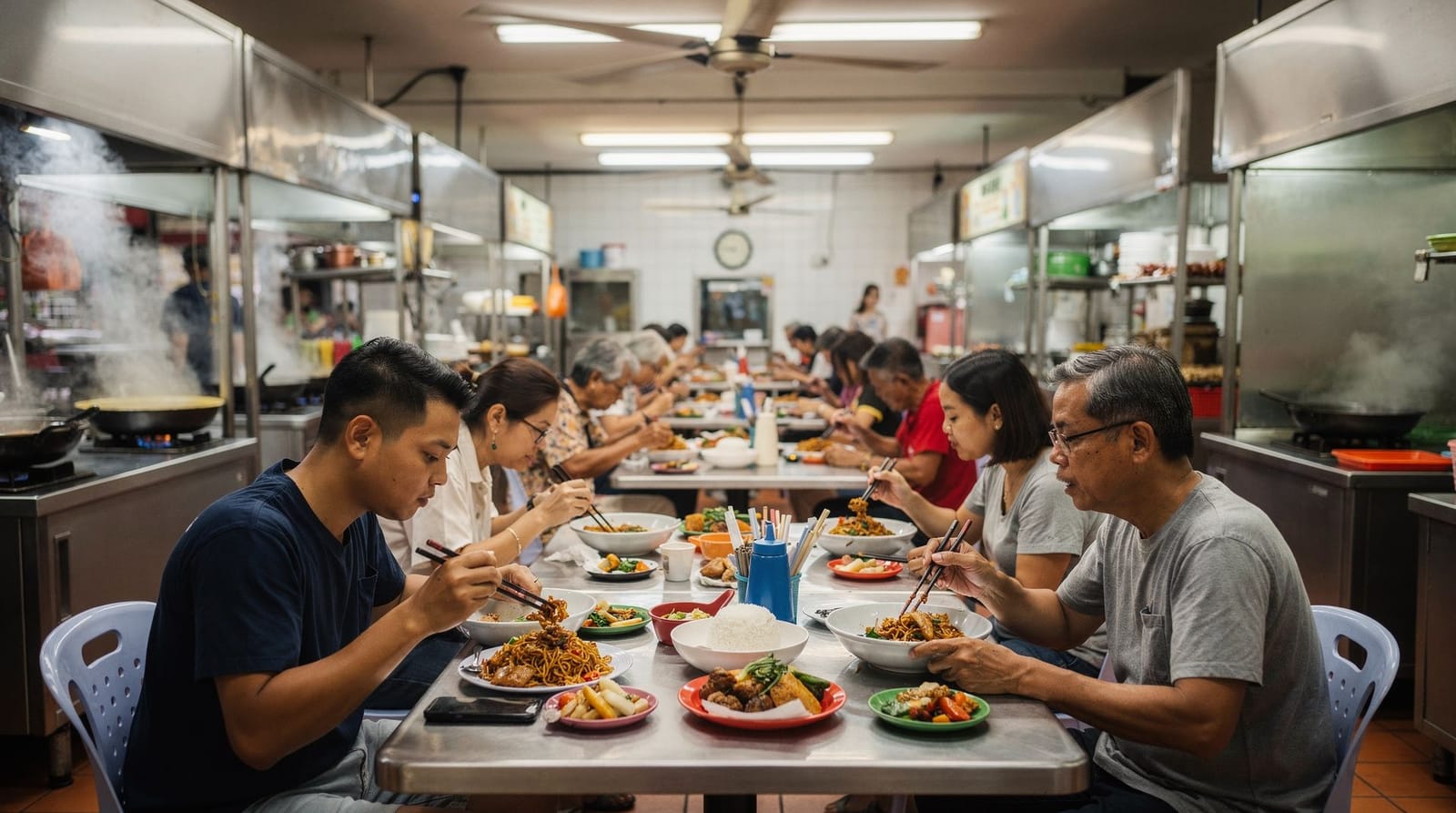
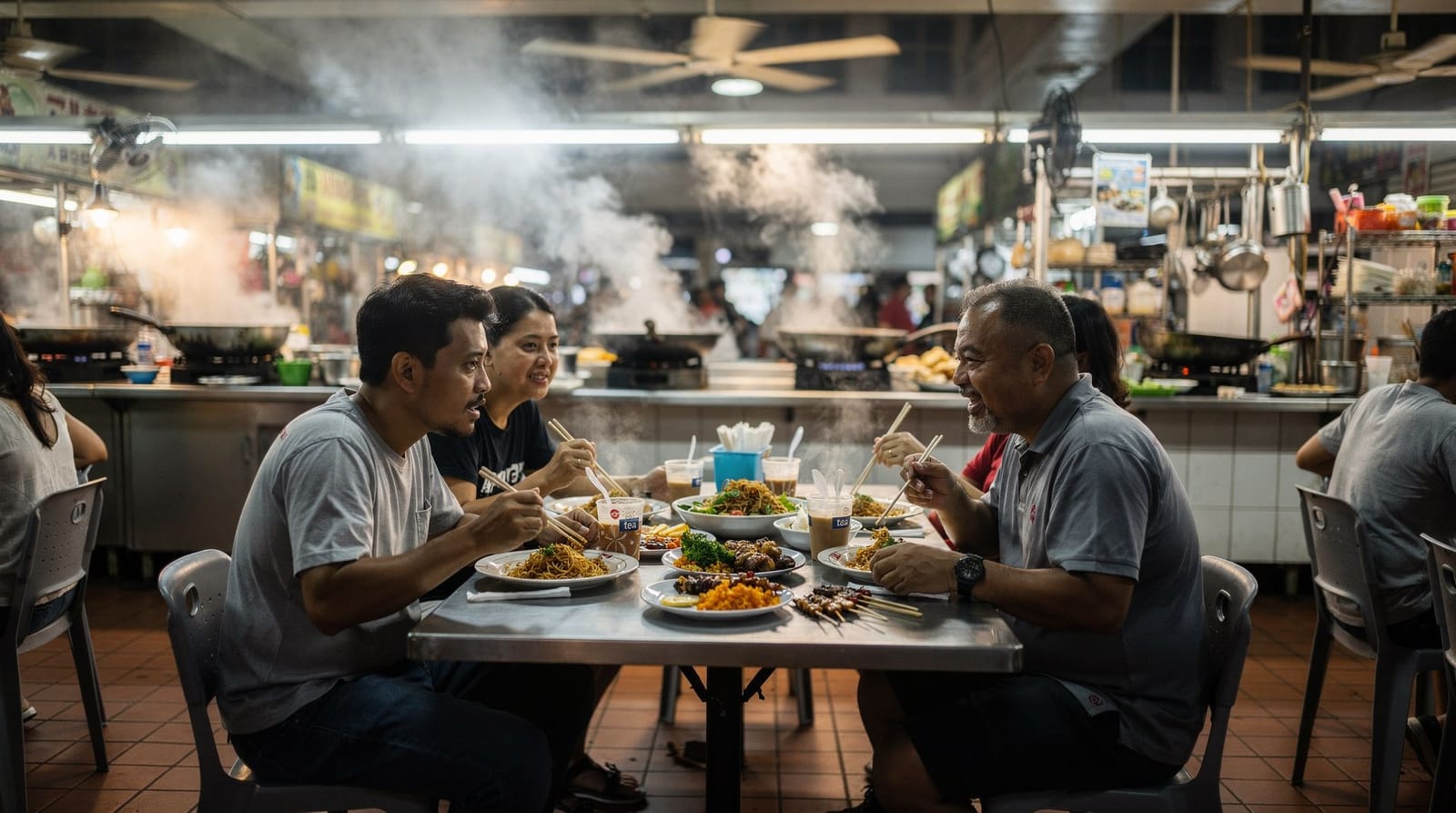
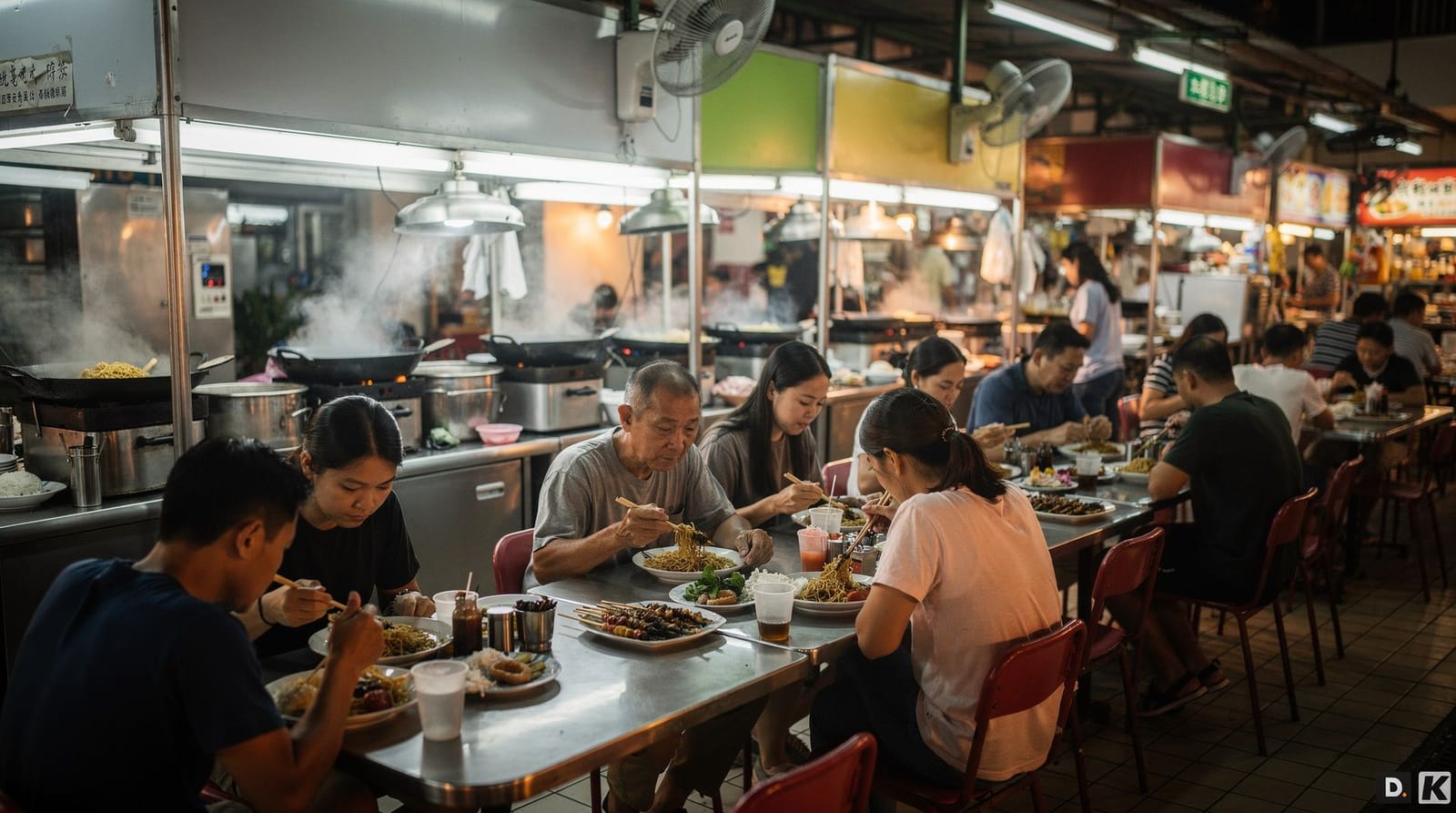
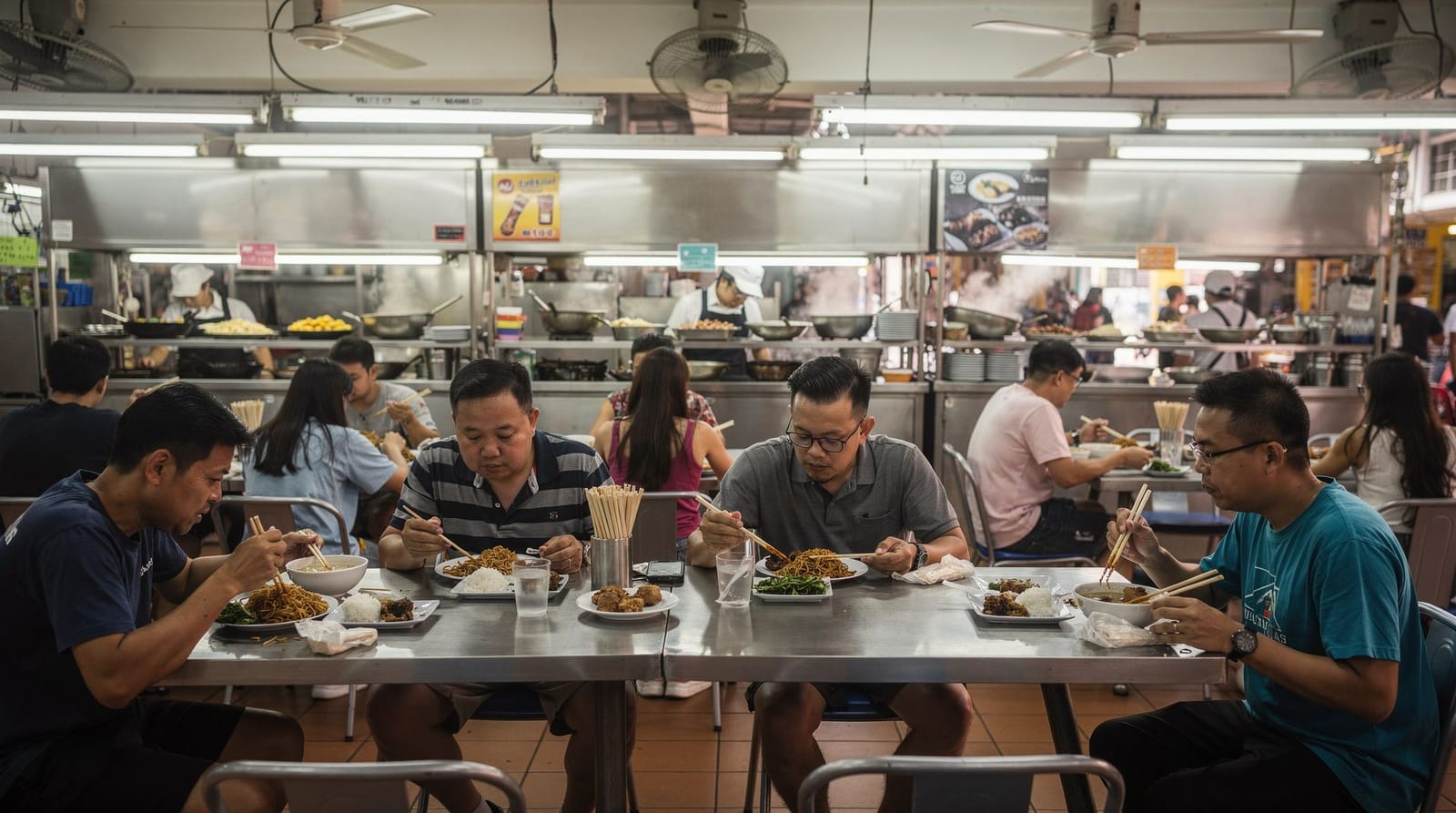
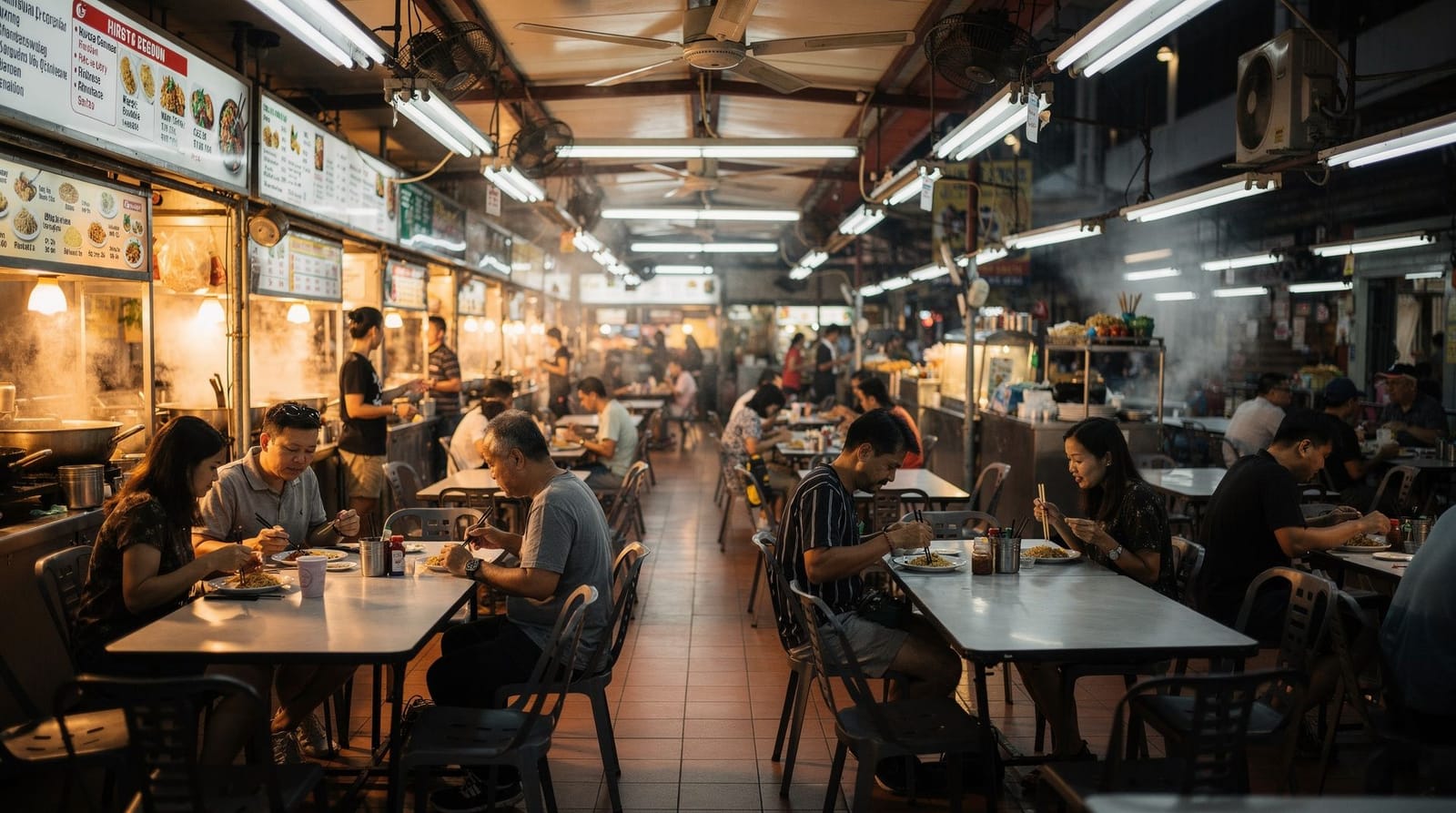
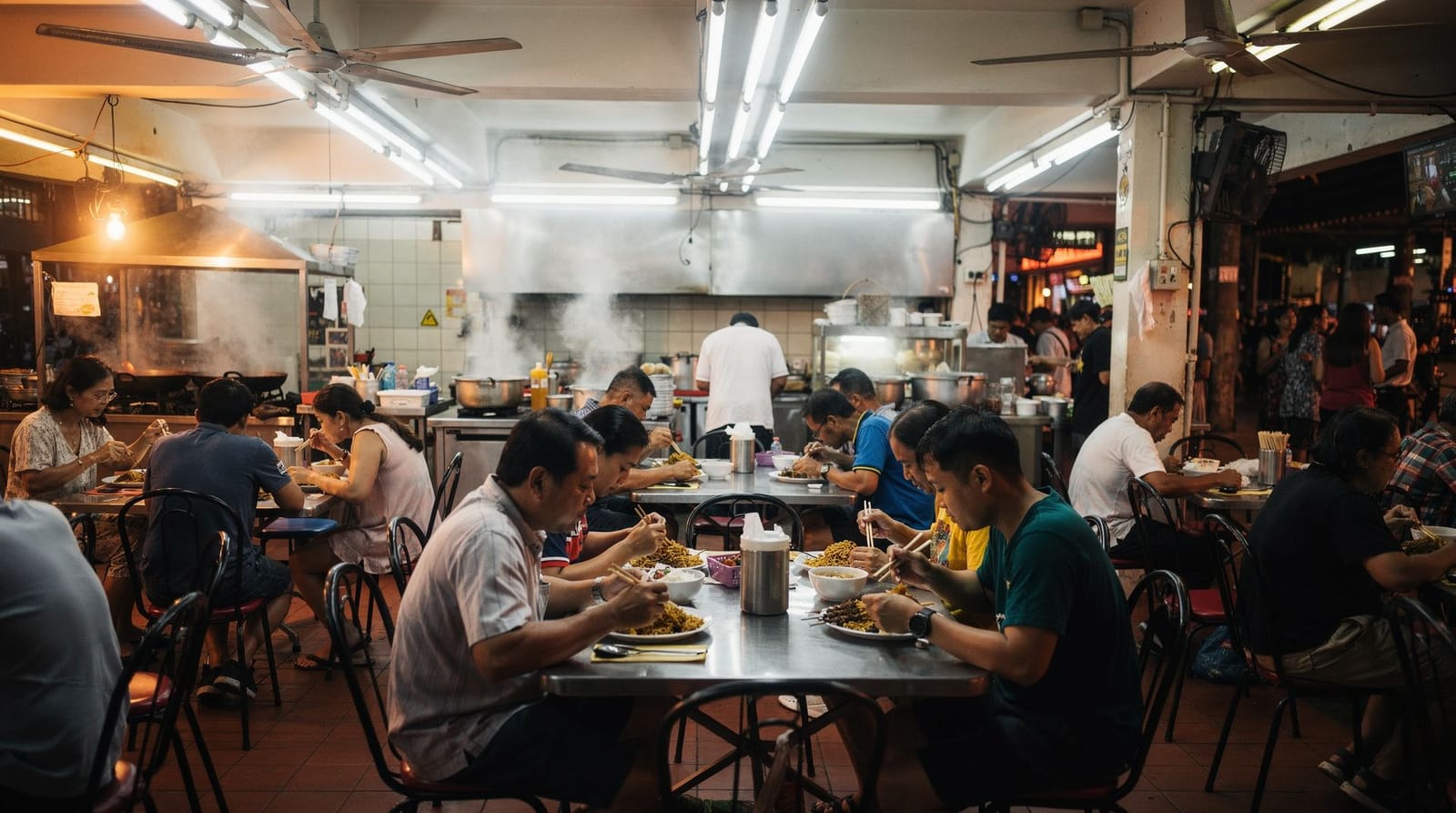
Eat at hawker centres. They are Singapore's national food culture — clean, licensed, cheap (SGD 4–8 per dish), and serve food that many Michelin inspectors have awarded stars or mentions. The single clearest sign of a tourist trap restaurant is a location on Pagoda Street, Temple Street, or the main Clarke Quay strip with photos on laminated menus and touts outside. Walk one or two streets back and prices halve.
Quick answer: Eat at hawker centres. Singapore has the best cheap food infrastructure in the world — clean, government-regulated, authentically local, and cheaper than anywhere in Western Europe or North America. The tourist restaurant problem in Singapore is real but easy to sidestep.
| Solution | Hawker centres, kopitiams, mall food courts |
| Typical hawker meal | SGD 4–8 per dish |
| Tourist restaurant premium | SGD 25–40+ for dishes that should cost SGD 5–12 |
| Highest-risk zones | Pagoda/Temple Street (Chinatown), Clarke Quay riverside |
| Rule of thumb | Walk 3–5 minutes away from any attraction entrance |
The tourist restaurant problem in Singapore
Singapore is expensive for hotels and alcohol. It is not expensive for food — if you know where to eat. The tourist restaurant industry in Singapore survives by operating near major attractions, catering to visitors who do not know where else to go, and charging two to five times the price that locals would pay for equivalent or inferior food.
The Singapore government has actively worked to preserve the hawker centre system precisely because it provides affordable, quality food to all income levels. This works in your favour as a visitor: the best and most authentic food in Singapore is almost always cheaper than the tourist restaurant alternative.
Why the tourist restaurant problem persists despite the hawker alternative
It is worth understanding why tourist-priced restaurants keep operating in a city with such an obviously better and cheaper alternative sitting a few minutes’ walk away. The answer is largely about first-time visitor psychology: a restaurant with an English photo menu, air conditioning, and a location directly outside a major attraction removes decision friction for a tired, unfamiliar traveller, and that convenience is genuinely worth something even at an inflated price. The restaurants know this and price accordingly. Once you know the signals to look for and have tried a hawker centre once, the decision friction largely disappears — which is exactly why this guide exists.
How to identify a tourist restaurant
Signs you are in a tourist trap:
- Photo laminate menus hanging outside, with dishes pictured in unrealistic colours — almost always a sign of aggressive tourist targeting.
- Touts standing outside actively inviting you in. In Singapore, no genuine local restaurant needs to solicit customers on the pavement.
- Prices listed in USD and SGD simultaneously. Local restaurants list prices only in SGD. Dual-currency menus signal awareness that their primary customers are tourists unfamiliar with local prices.
- “Traditional Singapore dishes” at SGD 25–40 per plate. Hainanese chicken rice costs SGD 4–6 at a hawker centre. If a restaurant charges SGD 22 for chicken rice without an obvious quality reason (upscale setting, prestige chef), the premium is location rent extracted from tourists.
- Location on the main tourist strip. Pagoda Street and Temple Street in Chinatown, the riverside frontage at Clarke Quay, and the area immediately around popular MRT exits are the highest-risk zones for tourist pricing.
- No prices visible until you are seated. “Market rate” fish dishes are legitimate in Singapore — the daily market price of whole fish does fluctuate — but menus that show no prices at all before you sit down deserve caution. Always ask for a menu with prices before ordering.
A five-minute rule that works almost everywhere
If there is one habit worth internalising from this whole guide, it is this: before sitting down anywhere within sight of a major Singapore attraction, walk five minutes in any direction and see what else is there. This single habit resolves the vast majority of tourist-pricing risk without requiring you to memorise specific stall names or menu red flags. It works because Singapore’s density means genuine local options are almost always close by — the city rarely has the “food desert” problem of some tourist zones elsewhere, where the nearest alternative really is a long walk away.
Where locals actually eat
Hawker centres: Singapore’s food culture
Hawker centres are Singapore’s defining food institution. They are large open-air or semi-enclosed dining halls housing dozens of individual licensed food stalls, each specialising in one or a few dishes. They were established in the 1970s when the government formalised the street food trade — hawkers who had sold food on pavements were given licensed stalls in managed centres with utilities, drainage, and hygiene standards.
The result is a food system that the Michelin Guide, UNESCO (which listed Singapore’s hawker culture in 2020), and the James Beard Foundation have all recognised as exceptional. Food costing SGD 4–6 at these centres is regularly the best of its type in Asia.
The key hawker centres near tourist attractions:
Maxwell Food Centre (Chinatown, 1 Kadayanallur Street): Perhaps the most famous hawker centre for tourists. Tian Tian Hainanese Chicken Rice is the standout stall (queues are real — arrive before 11 am or after 1:30 pm). Also excellent: fried oyster omelette, char kway teow, laksa. From SGD 4 per dish.
Chinatown Complex Food Centre (Smith Street): Larger than Maxwell, slightly less touristy, excellent across categories. The iconic Liao Fan Hong Kong Soya Sauce Chicken Rice stall (Michelin-recognised) is here. See Chinatown Complex Food Centre for the full guide.
Lau Pa Sat (Telok Ayer Street, CBD): A Victorian-era cast-iron market building (1894) now operating as a hawker centre, conveniently located in the business district near Raffles Place. Excellent satay stalls in the evening (Boon Tat Street, adjacent). See Lau Pa Sat guide.
Old Airport Road Food Centre (Geylang): Considered by many locals to have the most outstanding individual stalls in Singapore — the hokkien mee, fried carrot cake, and char kway teow here are benchmark quality. Slightly out of the tourist path (Geylang area) but easily reached by MRT.
Newton Food Centre (Newton MRT): Touristy by hawker centre standards (featured in Crazy Rich Asians, which increased visitor numbers) but the food quality remains genuine. Prices are slightly higher than purely local centres but still dramatically cheaper than restaurants. Good for its central location.
See Best hawker centres in Singapore and Must-try dishes in Singapore for full guidance.
Kopitiams (coffee shops)
Kopitiams are Singapore’s traditional coffee shops — informal, usually family-run, with a few stalls and simple tables. The word combines “kopi” (coffee in Malay) and “tiam” (shop in Hokkien). They are a step more local than hawker centres and usually cheaper, with fewer stalls and a narrower menu.
Every neighbourhood has several kopitiams. They serve kaya toast with soft-boiled eggs (SGD 3–5), kopi (local coffee, SGD 1–2), and whatever the resident stalls specialise in. A kopitiam breakfast is one of Singapore’s great cheap pleasures.
How to identify a kopitiam: Usually in a ground-floor shophouse, with plastic chairs and tables, no air conditioning, and a relaxed atmosphere of locals reading newspapers and eating slowly. The drinks stall will offer kopi-o (black coffee), kopi (with condensed milk), teh tarik (pulled tea), and milo.
Zi char restaurants: mid-range local dining
“Zi char” (煮炒, meaning “cook and fry”) refers to a style of casual Chinese restaurant common in Singapore — open-fronted, no frills, serving large sharing dishes of Chinese home cooking and seafood. Prices are higher than hawker centres (SGD 10–18 per dish) but substantially lower than tourist-facing restaurants, and the food quality is often excellent.
Signs of a genuine zi char restaurant: it is slightly difficult to find, has no English-only menu, fills up with local families at dinner, and has dishes like salted egg crab, pork ribs, tofu, and vegetables alongside seafood. Prices are listed clearly in SGD only.
Good zi char areas: Geylang, Toa Payoh, Bedok, Katong — the residential heartlands where tourists rarely venture but locals eat consistently well.
By tourist attraction: where to eat nearby
Near Gardens by the Bay
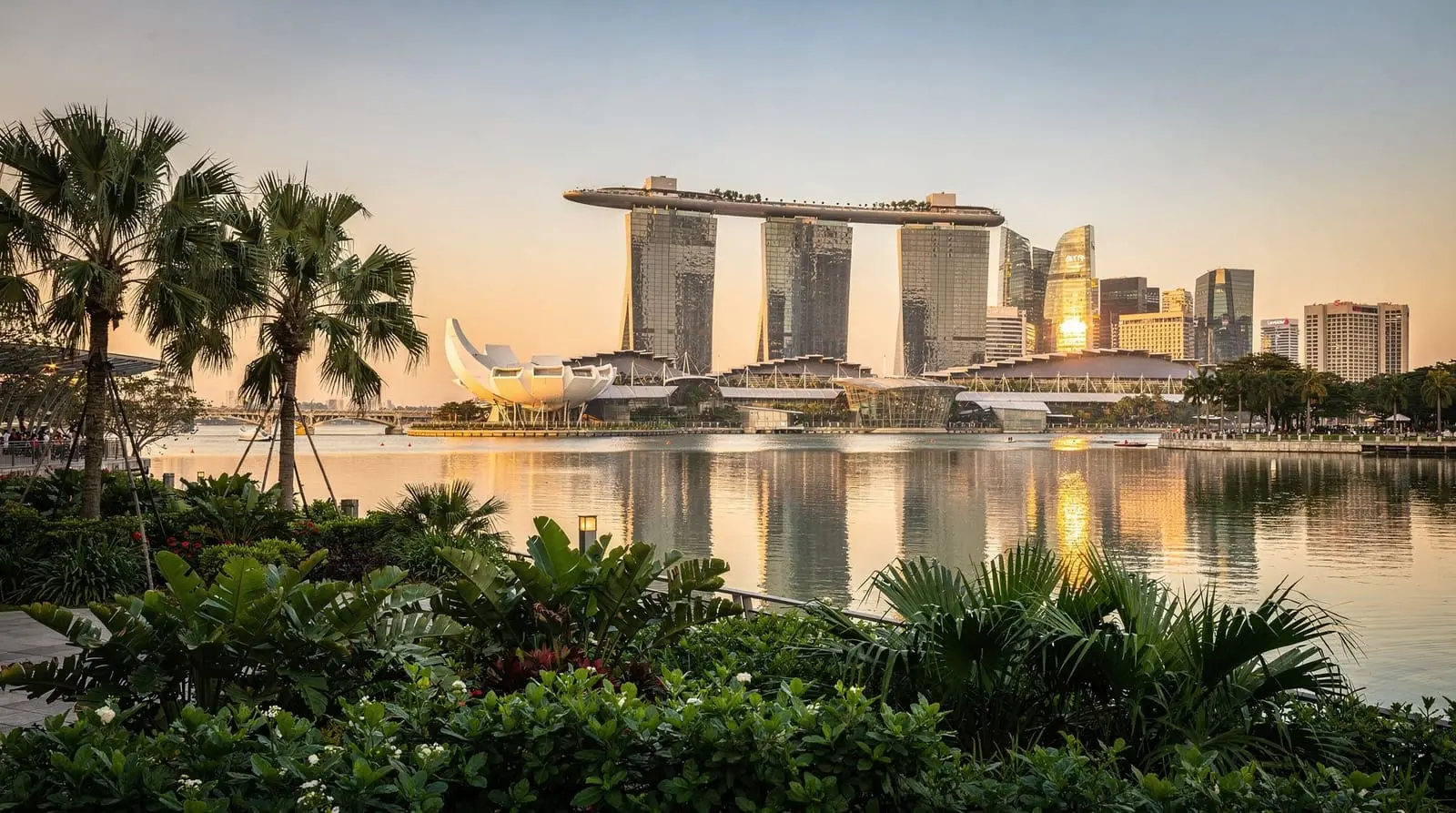
Satay by the Bay (18 Marina Gardens Drive): Adjacent to Gardens by the Bay, this is a purpose-built hawker-style food destination with a mix of stalls. Not the cheapest hawker centre in Singapore but far better value than the Marina Bay Sands restaurant complex opposite. Good satay, seafood, and laksa. Evening meals are pleasant with bay views.
Singapore: Gardens by the Bay bundle entry ticketAvoid: The restaurants inside the Marina Bay Sands Shoppes mall for casual dining — they cater to high-spending visitors and prices are significantly above the Singapore norm. Fine for a special occasion; not for everyday tourist meals.
Near Chinatown
Chinatown Complex Food Centre and Maxwell Food Centre (covered above) are the obvious answers. Walk to either in under 10 minutes from the MRT.
Avoid: The main Pagoda Street / Temple Street strip for sit-down meals. This is the most tourist-restaurant-concentrated area in Singapore. The souvenirs here are fine; the food is overpriced.
Near Clarke Quay
Eat at a hawker centre first, then drink at Clarke Quay. This is genuinely what Singapore-savvy locals do. The hawker centres in the CBD area (Lau Pa Sat is a 10-minute walk) or the Chinatown area are the feeding grounds; Clarke Quay is the drinking ground.
If you must eat at Clarke Quay: The Chinatown end of Boat Quay (river level, toward the Asian Civilisations Museum) has some lower-priced options. The main Clarke Quay complex is more expensive. Avoid any restaurant with a tout outside or a tourist menu board facing the river walk.
For nightlife guidance, see Clarke Quay nightlife.
Near Little India
Tekka Market / Tekka Centre (Buffalo Road, Little India): A large wet market with an excellent hawker centre upstairs. Excellent roti prata, fish head curry, biryani, and Indian-Muslim dishes. From SGD 3 per dish. This is where Little India locals eat lunch.
Muthu’s Curry (Race Course Road): If you want a sit-down restaurant experience in Little India, Muthu’s (established 1969) is the legitimate choice — their fish head curry is excellent, prices are fair, and it is not a tourist trap despite having tourist customers.
Near Sentosa
Food Village (Beach Station area, Sentosa): The hawker-style food options within Sentosa itself are reasonable — prices are slightly elevated versus the mainland (island premium) but far better than the resort restaurants at RWS (Resorts World Sentosa).
Best option: Eat before going to Sentosa. VivoCity mall (HarbourFront MRT, above the Sentosa Boardwalk) has a good food court (Food Republic) at normal Singapore prices, and you can eat before crossing to the island.
Near Orchard Road
Orchard Road has essentially no good hawker food. It is Singapore’s premium shopping district and the food options reflect this. The best options are the hawker/food court sections inside the malls themselves (ION Orchard, Wisma Atria, and others all have basement food courts with reasonable prices). Avoid the street-facing restaurants with tourist menus near the main Orchard Road / Somerset MRT exits.
See Best cheap eats in Singapore for a comprehensive guide.
Dishes that prove you are getting ripped off
These dishes should cost approximately these prices at legitimate hawker centres. If a restaurant charges significantly more without obvious justification (upscale setting, celebrity chef, unusual preparation), the premium is not justified:
- Hainanese chicken rice: SGD 4–6 per plate
- Laksa: SGD 4–6 per bowl
- Char kway teow: SGD 4–5 per plate
- Nasi lemak: SGD 3–5 per set
- Roti prata (plain): SGD 1.20–1.50 per piece
- Kaya toast with soft-boiled eggs and kopi: SGD 4–6 for the set
- Satay: SGD 0.70–1.20 per stick (minimum 5 pieces usually)
- Mee goreng: SGD 4–6 per plate
- Wonton noodles: SGD 4–6 per bowl
- Oyster omelette (orh luak): SGD 5–7
Chilli crab is expensive everywhere — it is Singapore’s luxury dish, made from whole crab, and costs SGD 50–80 per kg even at hawker-adjacent seafood restaurants. This is normal and not a tourist trap — crab is genuinely expensive. See Chilli crab in Singapore for where to get good value.
Food courts vs restaurants vs hawker centres
Food courts (usually in malls, air-conditioned, slight premium over hawker centres) are generally fine — SGD 8–15 per dish, clean, convenient. Not tourist traps.
Casual sit-down restaurants are usually fine too — kopitiam-style restaurants with Singapore pricing (SGD 10–20 per person for a meal) are legitimate.
The tourist restaurant tier starts at approximately SGD 25–40+ per main dish for dishes that should cost SGD 5–12 — that is where you lose money without gaining quality.
Hawker centre vs tourist restaurant: the same dish, side by side
| Dish | Hawker centre price | Typical tourist restaurant price |
|---|---|---|
| Hainanese chicken rice | SGD 4–6 | SGD 18–24 |
| Laksa | SGD 4–6 | SGD 16–22 |
| Char kway teow | SGD 4–5 | SGD 15–20 |
| Nasi lemak | SGD 3–5 | SGD 14–18 |
| Satay (per stick) | SGD 0.70–1.20 | SGD 2–3.50 |
The quality gap rarely justifies the price gap — a hawker centre chicken rice stall that has specialised in one dish for decades usually out-cooks a tourist restaurant version at three to four times the cost. If you want structured guidance rather than navigating stalls solo, a guided food tour gives context and access without sacrificing the hawker-centre price advantage.
Guided hawker food tour with 8+ tastingsReading a Singapore menu correctly
A few menu-reading habits protect you from surprise costs anywhere in Singapore, not just at obvious tourist traps. Look for the ”++” symbol after a price — it means service charge and GST are added at the bill, typically adding around 21% to the listed figure. “Market price” on a seafood item (especially crab, prawns, and certain fish) is legitimate and reflects genuine daily fluctuation, but always ask for an approximate price before ordering rather than after. Menus that show photos with no prices at all, or prices only in a foreign currency, are the clearest signal to walk away. None of these habits are unique to spotting scams — they are simply good practice for eating well anywhere in the city, tourist area or not.
If you do want a sit-down restaurant experience
Avoiding tourist traps does not mean avoiding restaurants entirely — Singapore has excellent mid-range and high-end dining that is honestly priced for what it delivers. The key distinction is location and clientele: a zi char restaurant in Toa Payoh or Geylang, or a heritage institution like Muthu’s Curry, charges fairly for genuine quality. The problem is specifically restaurants that trade on proximity to a tourist attraction rather than on food quality. Use the same signals covered above (laminated photo menus, touts, dual-currency pricing) regardless of whether you are near Chinatown, Orchard Road, or Sentosa.
Turning the advice into a day plan
The easiest way to put all of this into practice is to decide where you will eat before you leave the hotel, not when you are hungry and standing outside an attraction. Pick one hawker centre or kopitiam per area you plan to visit, and treat the attraction as the main event and the meal as a separate, deliberate stop.
If you are still building your route, the first-timer itinerary and the food-focused itinerary already pair sights with sensible meal stops. On a tight schedule, the one-day plan and the layover itinerary work the same way: eat local, keep the sightseeing moving. Travelling with children? The kid-friendly hawker guide explains how to make a hawker centre easy for a family.
Eating well in the neighbourhoods themselves
Each neighbourhood has its own food identity, and reading a little about it before you go makes it much easier to spot what is genuine:
- Chinatown and the Chinatown guide show how to enjoy the heritage streets while eating at the nearby food centres instead of the main strip.
- Little India rewards a meal at a busy local spot; the Little India guide covers the streets worth walking.
- Kampong Glam is full of cafés and restaurants aimed at visitors, so apply the five-minute rule here too.
- Katong and Joo Chiat is a residential area where Peranakan food is part of everyday life rather than a tourist show.
- Tiong Bahru has a market and food centre that locals use daily; see the Tiong Bahru market guide.
- Marina Bay and Clarke Quay are the zones where it pays most to plan your meal in advance.
Other places this advice applies
The same instincts help with other tourist-facing spots covered on this site. The Singapore tourist traps guide and the overpriced attractions guide look at the wider picture beyond food, and the common scams guide covers other tactics to watch for. For dishes worth ordering once you are at a stall, the hawker etiquette guide explains how seating and ordering work, and the Michelin hawker stalls guide points to the stalls that have earned recognition. If you are after halal options, see the halal food guide.
Budget planning
For a comprehensive breakdown of Singapore food costs at every level, see Singapore travel costs and Singapore on a budget.
The summary: eating exclusively at hawker centres and kopitiams, you can eat extraordinarily well in Singapore for SGD 20–35 per day per person. Eating at tourist restaurants, you can spend SGD 50–100+ per day without eating significantly better.
Frequently asked questions about tourist restaurants in Singapore
Is the food at Raffles Hotel a tourist trap?
Raffles Hotel is a legitimate heritage institution. Its restaurants (including The Long Bar where the Singapore Sling was invented) are expensive, but you are paying partly for a historic space — the building dates to 1887. A Singapore Sling at Raffles costs approximately SGD 37–45. Whether this is “worth it” depends on your interest in the heritage experience. It is not a scam — you get a quality cocktail in a famous historic bar. See Is the Singapore Sling worth it? An honest verdict for our honest assessment.
Can I trust restaurant review apps in Singapore?
Google Maps and Tripadvisor ratings for Singapore restaurants are reasonably reliable for factual information (prices, hours, location) but tourist-rated highly popular restaurants are often overpriced relative to quality. For authentic food recommendations, cross-reference with local food blogs (Sethlui.com, HungryGoWhere, DanielFoodDiary) which have more local readership and more rigorous quality standards.
Are food courts in Singapore malls trustworthy?
Generally yes — mall food courts in Singapore (Food Republic, Kopitiam Food Court, Hawker Chan outlets) operate at Singapore-normal prices and provide reasonable quality. They are substantially better than restaurant dining for price-to-quality ratio, though not as authentic or cheap as the major hawker centres.
What about vegetarian and halal food in Singapore?
Both are widely available at hawker centres. Singapore’s Muslim-majority ethnic Malay community means many hawker stalls are halal-certified (look for the yellow MUIS halal logo). Indian hawker stalls are often vegetarian or have extensive vegetarian options. See Halal food in Singapore and Vegetarian food in Singapore.
Is Jumbo Seafood a tourist trap?
Jumbo Seafood is Singapore’s most famous chilli crab restaurant chain and has a legitimate reputation for quality. Prices are high (chilli crab at market rate, typically SGD 50–80+ per kg of crab) but this is consistent with seafood restaurant pricing throughout Singapore. It is not a tourist trap in the sense of selling inferior food at inflated prices — it is genuinely good and prices are disclosed. Whether chilli crab at Jumbo fits your budget is a separate question. See Chilli crab in Singapore.
Do restaurants in Singapore add hidden charges?
Yes — Singapore restaurants legally add a 10% service charge and, for registered businesses, GST (9% in 2024+). These are disclosed on menus as ”++” (meaning “plus service charge, plus GST”). Always look for the ”++” on the menu and calculate accordingly. A dish listed at SGD 20++ actually costs approximately SGD 24.20 after charges. This is standard, disclosed, and not a scam — but it is easy to miss when comparing prices.
Top experiences
Bookable activities with verified prices and instant confirmation on GetYourGuide.