Clarke Quay and the riverside
Clarke Quay is Singapore's riverside nightlife hub. Honest guide to the river cruise, the best bars, where to eat without paying tourist prices.
Singapore: Singapore River cruise
Duration: 40min
Quick facts
- MRT access
- Clarke Quay (North-East Line) — direct, 3 min walk to the quay
- Character
- Riverside eating, nightclubs, cocktail bars, Singapore River tourism
- River cruise departure
- Multiple jetties at Clarke Quay and Read Bridge — cruises run until ~11 pm
- Best time to visit
- 6 pm onward; the area is quiet during the day and energised at night
- Street to know
- Boat Quay (south bank) for older shophouses; Clarke Quay (north bank) for bars
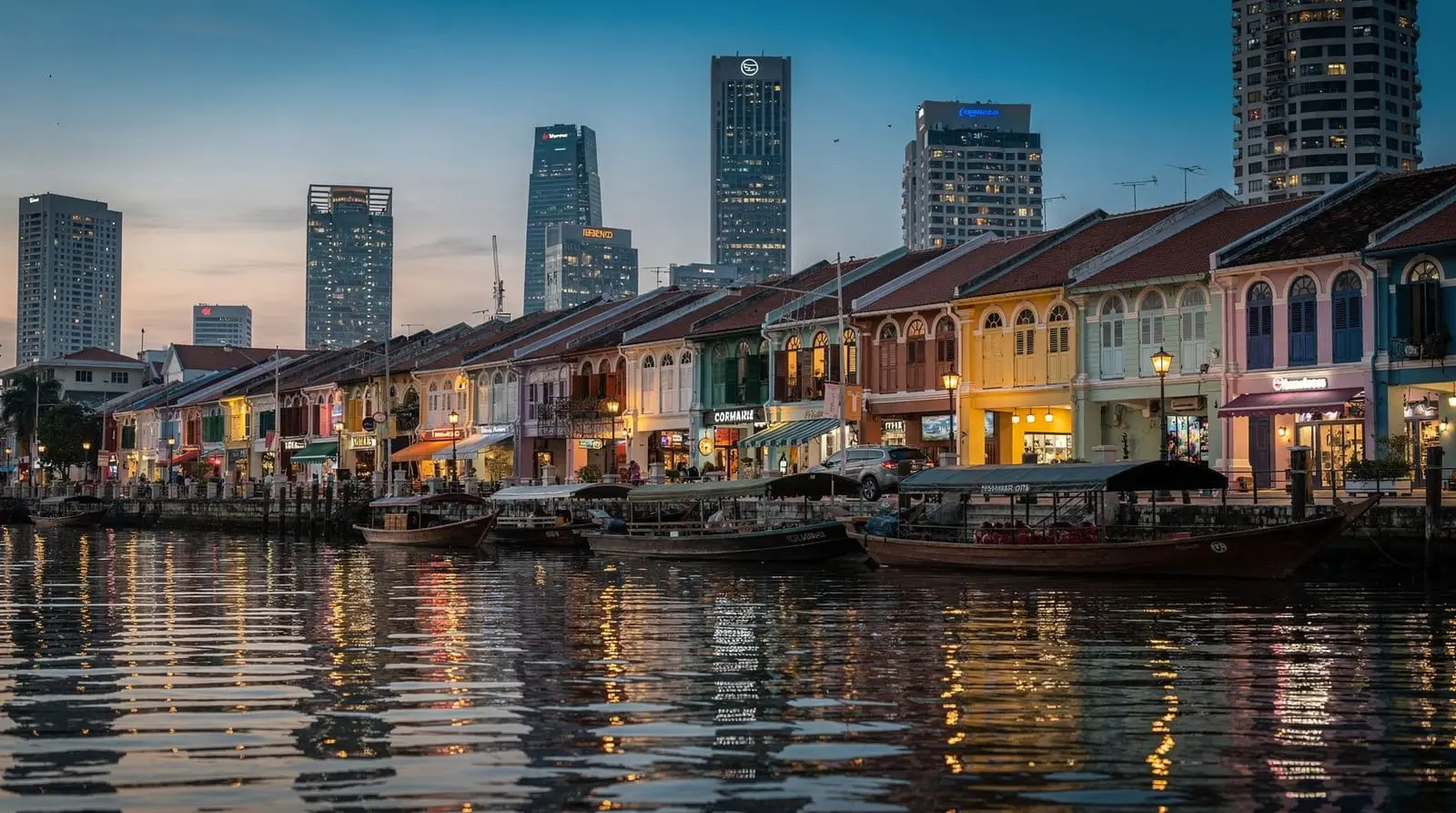
Clarke Quay is where you go in Singapore when you want a drink by the water and noise in the background. It is the city’s main nightlife district — not underground or edgy, but well-organised, tourist-friendly, and genuinely fun. The Singapore River cruise starts here, the bars run until 3 am on weekends, and the riverside setting is attractive after dark when the shophouse facades reflect off the water.
| Where | North bank of the Singapore River, Clarke Quay MRT (North-East Line) |
| Best for | River cruise, evening drinks, riverside dining, guided pub crawls |
| Cost | Free to walk; drinks around SGD 12–28; river cruise around SGD 25–28 |
| Time needed | An evening — the area is quiet by day, busy from 6 pm onward |
| Getting there | Clarke Quay MRT, exit E; Grab drop-off at Clarke Quay Central |
The Singapore River — what the cruise covers
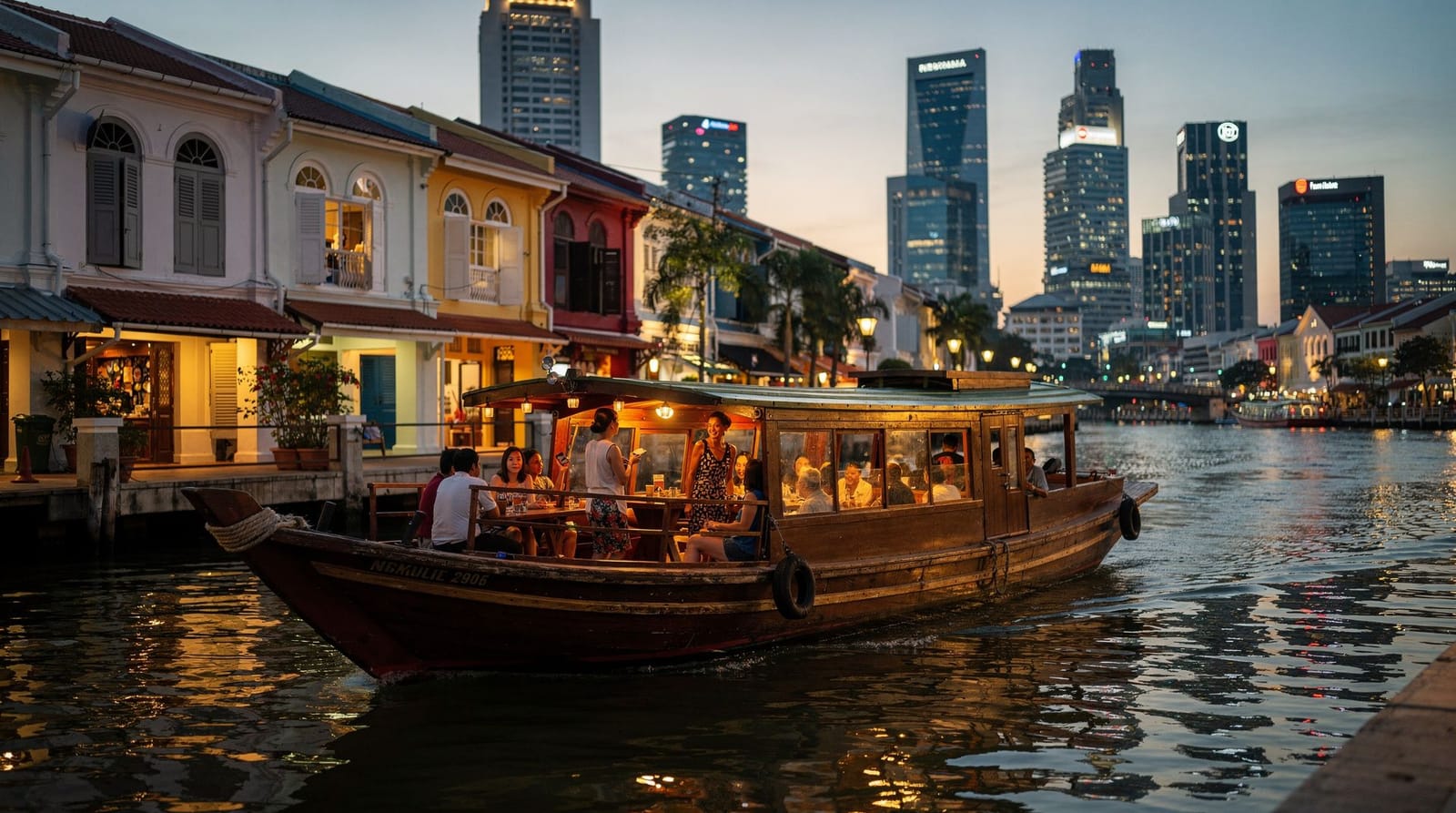
The Singapore River cruise is a 40-minute bumboat ride that travels from Clarke Quay east along the river, past Boat Quay and the CBD, out to Marina Bay, and returns. The boats are open-sided with a roof, so there is reasonable airflow. Commentary is usually provided.
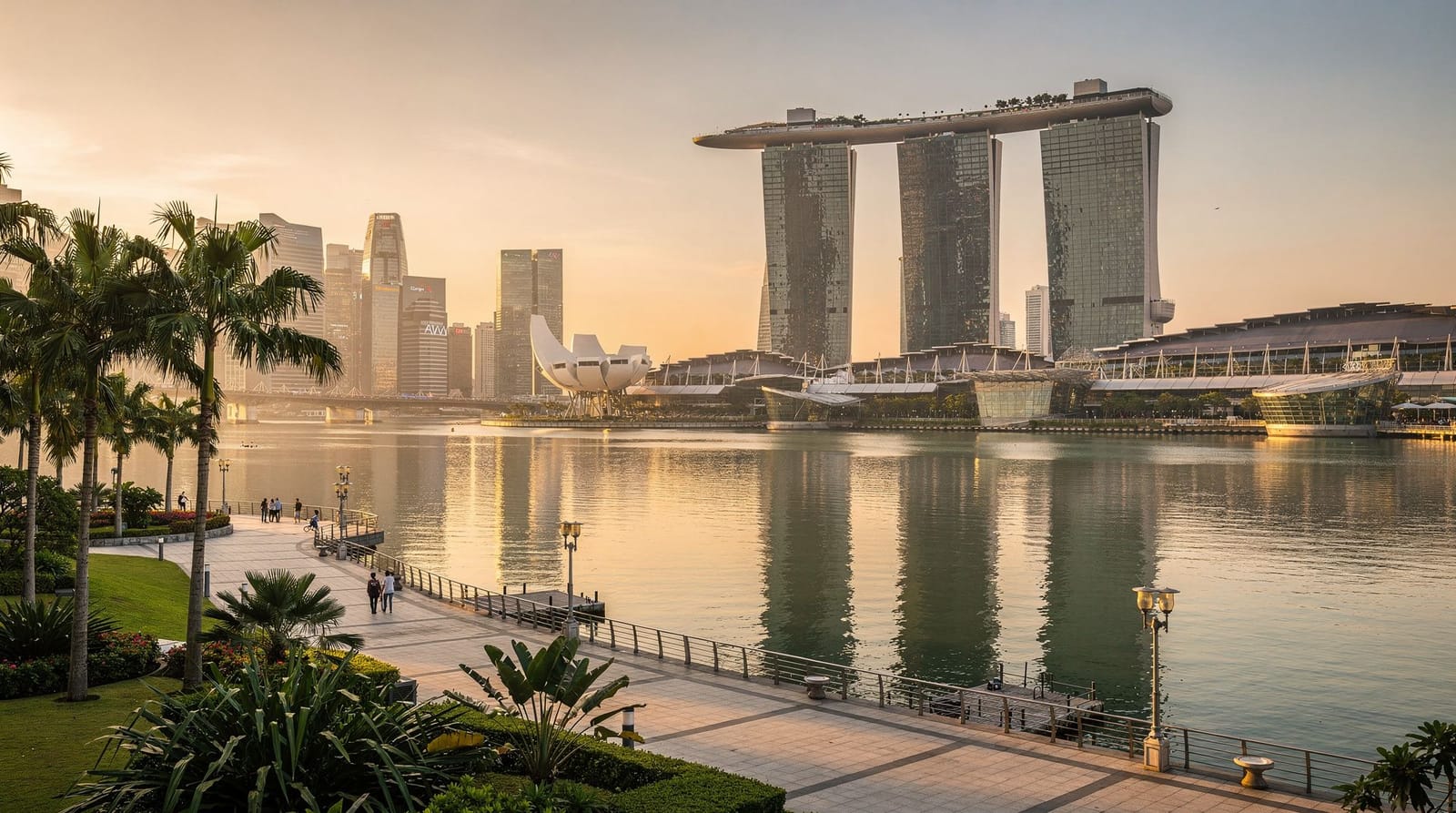
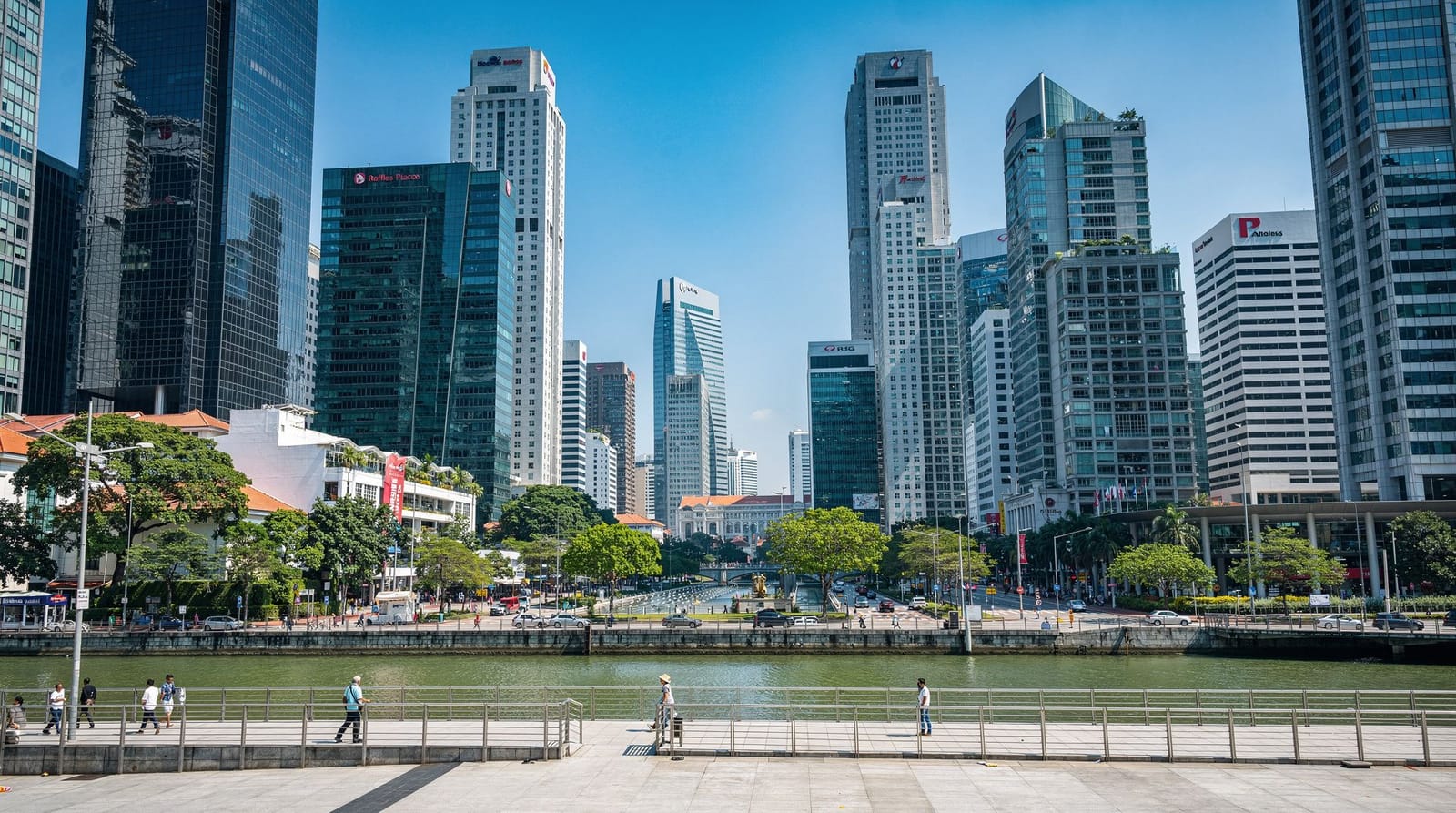
What you see: the old shophouses of Boat Quay (many converted to restaurants and bars), the financial district towers rising above the river, Cavenagh Bridge and Elgin Bridge, the Merlion Park, and the Marina Bay Sands skyline from the river level. It is a different perspective from the waterfront promenade and genuinely worth the SGD 25–28 adult ticket, especially at night when the lights reflect off the water.
Singapore River cruise — 40-minute bumboat ride from Clarke Quay to Marina BayThe river cruise combined with the Spectra and Garden Rhapsody shows packages the cruise with viewing the two main free light shows in one ticket — sensible if you want to cover Marina Bay and Gardens by the Bay on the same evening without separate planning.
For a full breakdown of the cruise, see the Singapore river cruise guide.
Clarke Quay itself — the bar and dining scene
Clarke Quay is a restored complex of five heritage blocks of shophouses facing the river, dating from the 1800s when this was a trading area. The interiors have been gutted and rebuilt as restaurant and bar spaces; the exterior architecture is preserved. The main bar strip runs along the central and block C/D sections.
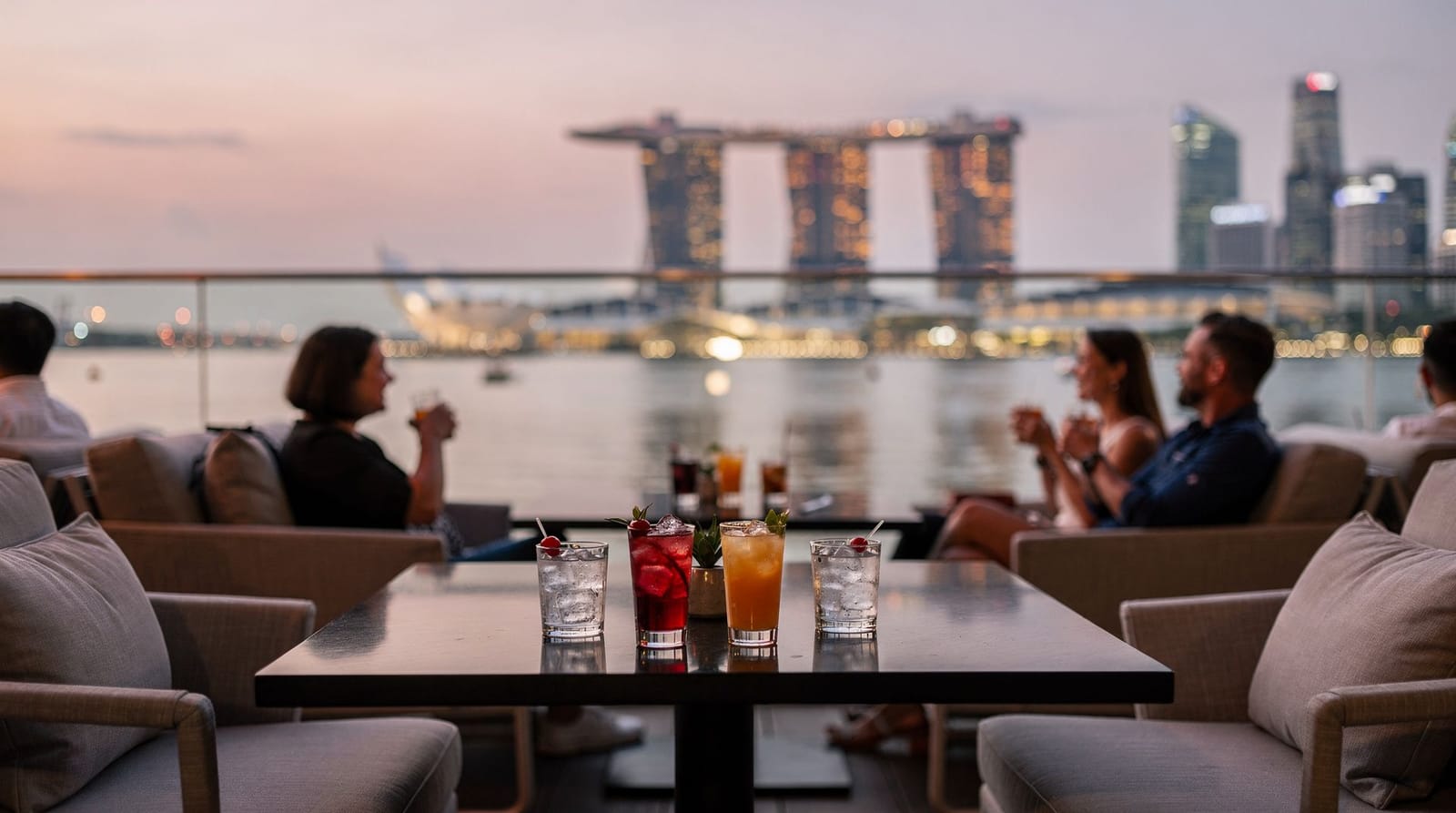
What works well: the riverside tables are pleasant in the evening (heat is manageable after 8 pm with the river breeze), the variety of cuisines is good, and the concentration of options means finding a table is rarely a problem except on peak Saturday nights.
What to watch: prices at Clarke Quay are elevated compared to neighbourhood spots. A beer is SGD 12–16 at most bars; a cocktail SGD 18–28. Riverside restaurants with menu items visible from the water tend to charge a premium. Check menus before sitting.
Best spots: Zouk (long-standing Singapore institution, multiple rooms, DJ nights); The Pump Room (craft beer focus); Attica (terrace club, popular on weekends). The alfresco bars directly facing the river at Block E give the best view of the passing bumboats.
Boat Quay — the quieter alternative
On the south bank of the river, directly opposite the CBD and 10 minutes walk east from Clarke Quay, Boat Quay has a different character. The shophouses here are older and the bar density lower — it is a row of restaurants and some bars but less of a full nightlife district. It is quieter, often has good Indian and seafood restaurants, and gives a better view of the old-colony city skyline above the river. Worth walking along rather than committing an evening to it.
The street food and nightlife tour
The area around Clarke Quay and the river has a strong concentration of local hawker food that most visitors miss because they eat in the riverside restaurants. The after dark street food and nightlife tour takes a small group through the area’s eating spots and bars — useful for getting oriented on a first night in Singapore and finding the hawker centres that do not appear on the tourist maps.
Getting around at night
Clarke Quay MRT (North-East Line) is the obvious exit. For Boat Quay and Raffles Place, the East-West Line at Raffles Place MRT or walk 15 minutes along the river. After midnight, Grab is reliable but surge pricing applies on Friday and Saturday nights — budget SGD 15–30 for a short ride across the central area.
A pub crawl is worth considering if you are new to the city and want a guided introduction to the bar scene with entry to multiple venues — more efficient than independently navigating a new city at night. Organised pub crawls depart from Clarke Quay and typically cover 4–5 venues with entry included.
The light shows from the river
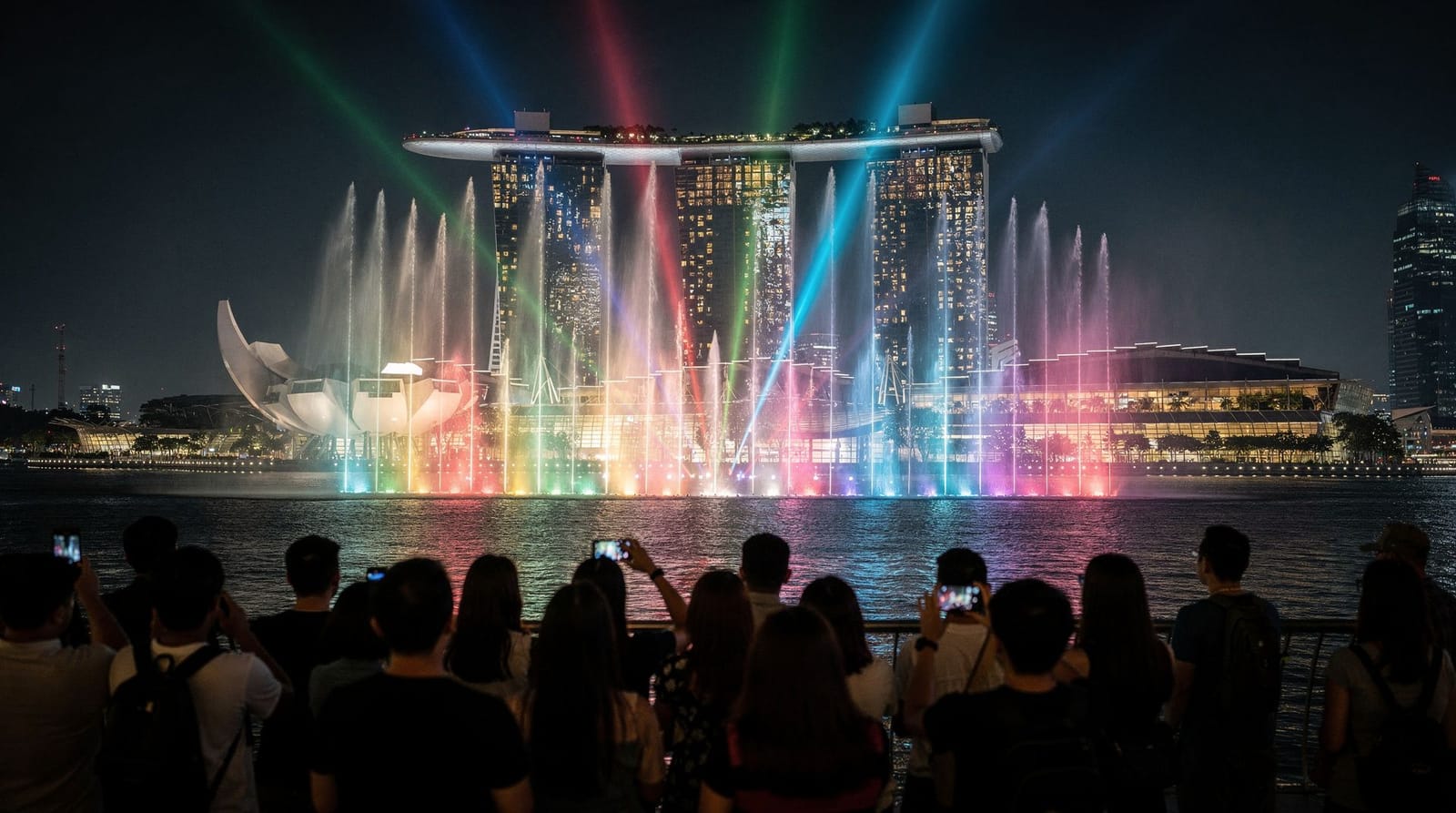
The Spectra show (Marina Bay Sands, 8 pm and 9 pm) and Garden Rhapsody (Gardens by the Bay, 7:45 pm and 8:45 pm) are both visible in some form from the river on the cruise. The night river cruise with Garden Rhapsody and Spectra times the cruise to pass Marina Bay during the Spectra show, adding context to the waterfront experience. For more detail on both light shows, see the light shows guide.
During the day at Clarke Quay
Honestly: not much to recommend. The riverside restaurants are open for lunch but the area is quiet, hot, and largely closed in its bar aspect until evening. Use the day at Gardens by the Bay, Chinatown, or the Civic District, then come to Clarke Quay from around 6 pm.
Practical information
MRT: Clarke Quay station (North-East Line, purple line), exit E for the quickest walk to the quay itself.
Taxi/Grab: plentiful at Clarke Quay Central (the mall above the quay). Avoid the road immediately along the quay during bar closing times (2–4 am) — heavy congestion.
Safety: Clarke Quay is very safe. Standard urban awareness applies (watch your drinks, don’t leave bags unattended).
Dress code: most bars at Clarke Quay are casual to smart casual. A few clubs have no-shorts policies — check the venue website if planning to visit a specific club.
Currency: all bars and restaurants accept cards. ATMs available at Clarke Quay Central mall.
Halal options: a number of outlets in the complex are halal-certified. Look for the halal certification display at the entrance to each restaurant.
The Singapore River’s historical context
The Singapore River was the commercial artery of colonial Singapore from the moment Raffles established a trading post here in 1819. The south bank (present-day Boat Quay) was the main unloading point for goods arriving by sea; the north bank warehouses (go-downs) stored everything from rubber to spices to opium. The bumboats that ferried goods from ship to shore were the same shallow-hulled vessels you now see operating as tourist river cruises.
By the 1970s the river was severely polluted from the go-downs and the liveaboard boat communities. A decade-long cleanup operation from 1977 to 1987 under the authority of Lee Kuan Yew’s government cleared the river of all commercial and residential use, cleaned the water, and eventually enabled the riverside restoration that produced the Clarke Quay and Boat Quay of today. The river is clean enough that otters — Singapore’s unofficial unofficial mascot species — have returned and are regularly spotted near the banks between Clarke Quay and Robertson Quay.
Robertson Quay — the quieter option
About 800 metres upstream from Clarke Quay is Robertson Quay, a quieter stretch of the river with restaurants, wine bars, and cocktail lounges in a more residential setting. No nightclubs, fewer tourists, and a more local crowd of expats and young professionals. Good restaurants include Quayside Seafood (large format sharing dishes), The White Rabbit (inside a restored chapel in the Dempsey area), and a concentration of brunch spots that are busy on Sunday mornings.
If Clarke Quay feels too loud or too packed, Robertson Quay is the obvious alternative for the same riverside setting with a different atmosphere. Walk along the river north from Clarke Quay or take a short Grab ride (SGD 6–10).
Getting to Clarke Quay from major areas
From Marina Bay: 15 min walk along the river, or 2 MRT stops (Downtown Line from Bayfront to Fort Canning, then walk; or North-South to City Hall, transfer to North-East Line to Clarke Quay).
From Chinatown: 15 min walk north, or North-East Line one stop from Chinatown to Clarke Quay MRT.
From Orchard Road: North-South Line from Orchard to Dhoby Ghaut, transfer to North-East Line two stops to Clarke Quay — about 15 min total.
From Little India: North-East Line four stops south to Clarke Quay — direct, about 12 minutes.
What to do before the bars open
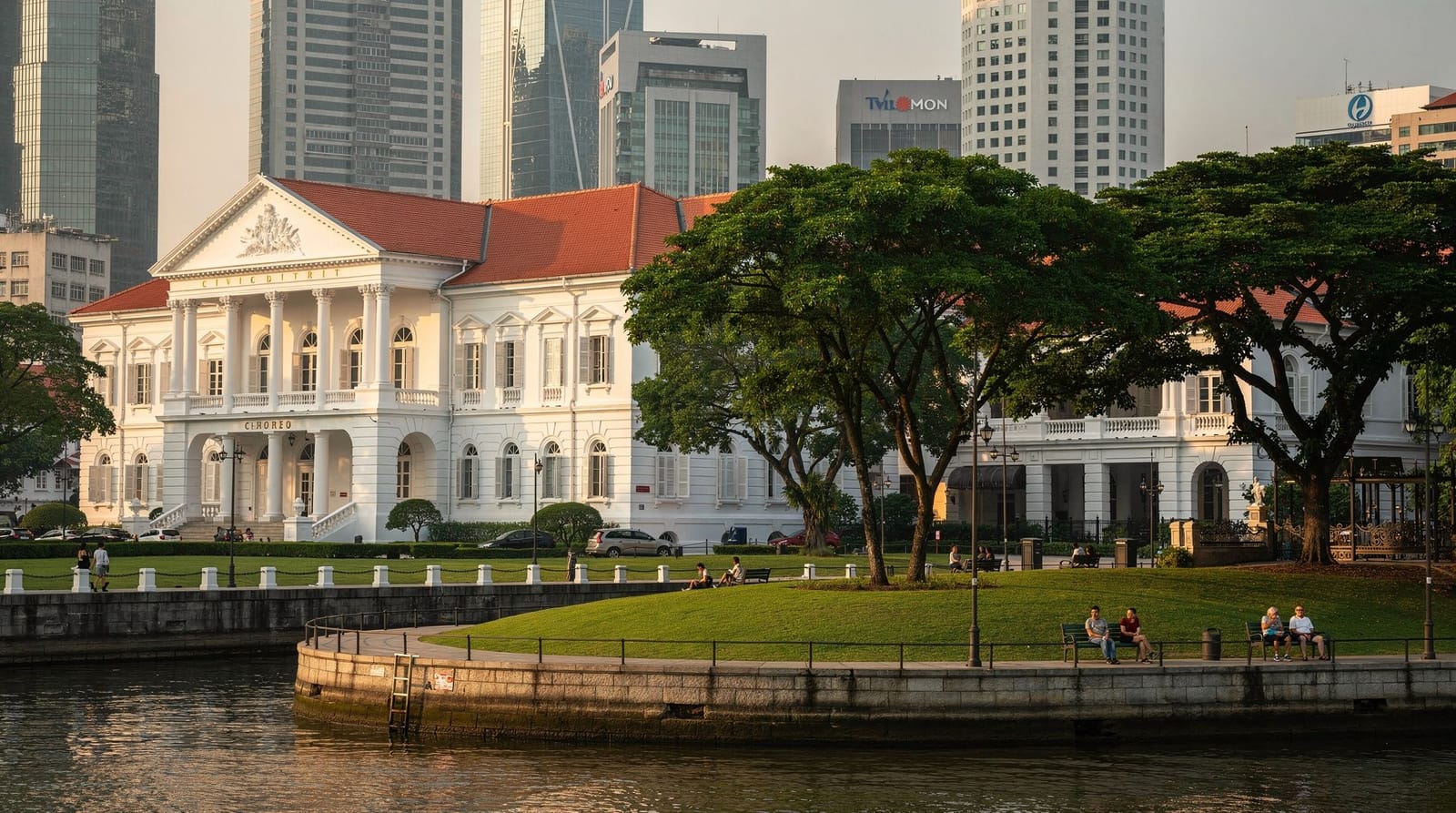
The riverside area around Clarke Quay has two good daytime options that most visitors miss. The Asian Civilisations Museum at Empress Place (10 min walk east along the river toward the Civic District) is open from 10 am — one of the better museums in Singapore and less crowded than the National Gallery. Entry SGD 20; free on Friday evenings.
The River Merchant coffee roastery and bar (on Clarke Quay itself, riverfront side) opens for coffee and brunch from late morning — a quiet spot for working or reading before the evening crowd arrives. The menu is simple; the riverside table position is one of the best coffee spots in the central city during off-peak hours.
The bumboat culture and what it means
The Singapore River cruise operates bumboats — flat-bottomed wooden vessels that historically carried goods between the trading ships anchored in the bay and the go-down warehouses along the river banks. By the time the government cleaned up the river in the 1980s, there were still hundreds of families living on these boats and using them commercially. They were all relocated as part of the cleanup; the boats were converted for tourist use.
Taking the river cruise in an actual bumboat (even a modernised version) is therefore not a completely hollow tourist activity — you are using the same river infrastructure, and the route past Boat Quay and the CBD waterfront tells a coherent story about how the city grew. The same stretch of river that was the lifeline of colonial Singapore’s entire trade economy is now used for leisure, and the contrast is visible in the architecture along both banks: the old shophouses at water level, then 30-storey commercial towers behind them.
For context on how the river fits into Singapore’s broader history, the Singapore history guide and the Asian Civilisations Museum guide both cover the trade economy that made the river important.
Night photography at Clarke Quay
Clarke Quay is one of Singapore’s most photogenic areas after dark. The colourful block facades and the reflections on the river combine well with long-exposure photography. Key positions:
From the Read Bridge (north bank, slightly upstream from Clarke Quay) looking downstream toward the Civic District gives a clear view of the shophouse facades with the river reflection. Best around 8–9 pm when the neon and string lights are fully on.
From the Elgin Bridge (further downstream, between Clarke Quay and Boat Quay) looking upstream gives a different composition — the river narrowing between shophouses on both sides.
From the south bank of Boat Quay looking across the water toward the CBD towers — the combination of the ground-level shophouses and the glass towers behind is a strong composition that captures the old/new contrast.
All these positions are freely accessible and worth a 20-minute walk between them after dinner.
Where to stay near Clarke Quay
Staying within walking distance means you skip the late-night Grab surge pricing entirely. Hotels directly on Clarke Quay or Robertson Quay put you inside the noise zone — fine if you want to be near the action, less fine if you are a light sleeper. A better compromise for most visitors is Marina Bay or the Civic District, both a 10–15 minute walk or one MRT stop away, giving you quieter nights with Clarke Quay still easily reachable for an evening out.
Dining beyond the riverside restaurants
Away from the water-facing tables, the upper levels and side streets of the Clarke Quay complex hold a handful of less touristy options: a food court on the top floor with hawker-style stalls at a fraction of the riverside prices, and a few Korean and Japanese restaurants tucked into the block interiors that locals use for weekday dinners. If the riverside menus feel overpriced, walk one level up or one street back before settling — the difference in cost for a similar meal is often SGD 10–15 per person.
Frequently asked questions about Clarke Quay
Is Clarke Quay touristy?
Yes. It is one of Singapore’s most tourist-oriented nightlife areas. That does not mean it is bad — it is well-organised and the river setting is attractive. Just calibrate expectations: you will be in a well-maintained, safe, international bar district, not a gritty local drinking scene.
What time do the bars close?
Licensed establishments in Clarke Quay operate until 1 am Sunday to Thursday, and 2 am or 3 am on Friday and Saturday. Some clubs have late licences. The area peaks between 10 pm and 1 am on weekends.
Is the Singapore River cruise worth doing at night?
Yes, absolutely. The riverside at night — with the CBD towers lit, the shophouses reflected in the water, and the MBS skyline in the distance — is considerably better than the daytime version. Aim for the 7:30 pm or 8 pm departure to catch the Spectra light show from the water. See the river cruise guide.
How much does a night out at Clarke Quay cost?
Budget SGD 50–100 per person for a few drinks (SGD 12–16/beer, SGD 18–28/cocktail) without dinner. Add dinner at a riverside restaurant and it rises to SGD 80–150. Joining a pub crawl is often cheaper per venue than drinking independently if you plan to visit multiple places.
What is Boat Quay and is it better than Clarke Quay?
Boat Quay is the south bank of the river, east of Clarke Quay near Raffles Place. It is older, quieter, and less of a full bar strip — more restaurant-focused. Good for dinner and a relaxed drink; less suited to a high-energy night out. Both areas are worth walking along at night for the river views.
Is Clarke Quay safe to walk around at night?
Yes, very safe by international standards — it is a well-lit, heavily trafficked entertainment district with a visible police presence. The usual precautions apply: keep an eye on drinks and bags, and use Grab or the MRT rather than walking alone through quieter back streets after 2 am. Families and solo travellers alike report no issues.
Can I combine Clarke Quay with Chinatown or Marina Bay in one evening?
Yes, easily. Chinatown is a 15-minute walk or one MRT stop south, and Marina Bay is a 15-minute walk or a short two-stop MRT ride east. A common pattern is dinner in Chinatown or at the Civic District, the Spectra light show at Marina Bay around 8 pm, then finishing the night at Clarke Quay from 9 or 10 pm.
Top experiences
Bookable activities with verified prices and instant confirmation on GetYourGuide.