Bugis Street markets: what to buy, what to skip, honest prices
Singapore at night & street food tour
Duration: 3.5h
Is Bugis Street worth visiting for shopping?
Yes for budget fashion, cheap souvenirs, and street food. No for expecting a traditional street market — the current Bugis Street is a permanent indoor-outdoor market in a purpose-built building, not the legendary improvised night market of Singapore's past. Prices for fashion are genuinely low (SGD 10–30 for most items). The range is enormous. The atmosphere is lively. It is not a place for quality or authenticity — it is a place for cheap and cheerful. Neighbouring Haji Lane (10 minutes walk) offers independent boutiques at higher prices and far better design.
| Where | New Bugis Street, off Victoria Street |
| Cost | SGD 5–35 for most items |
| Time needed | 45–90 minutes |
| Getting there | Bugis MRT, Exit B/C |
| Best time | Weekday mornings for fewer crowds |
What Bugis Street is now
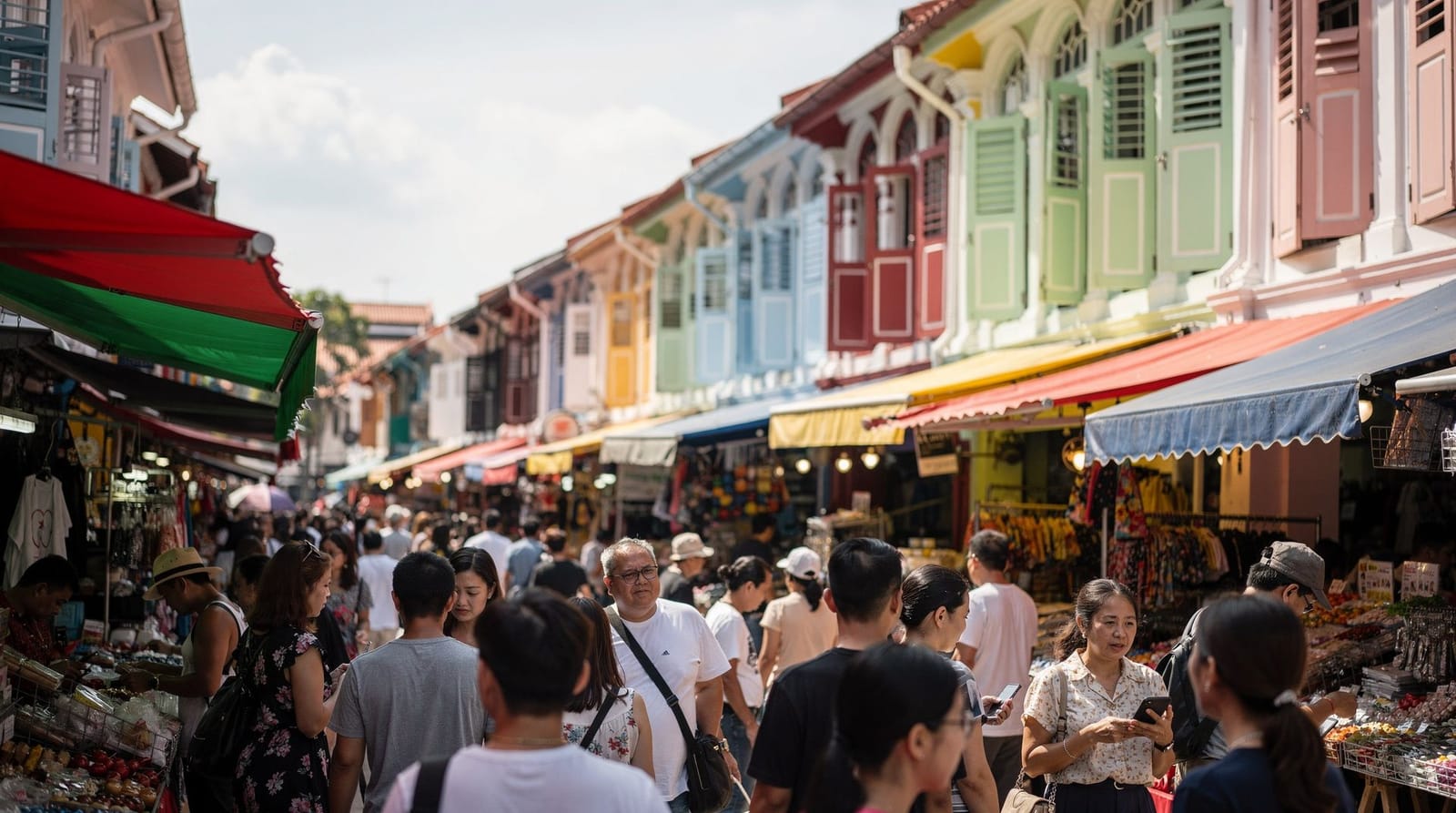
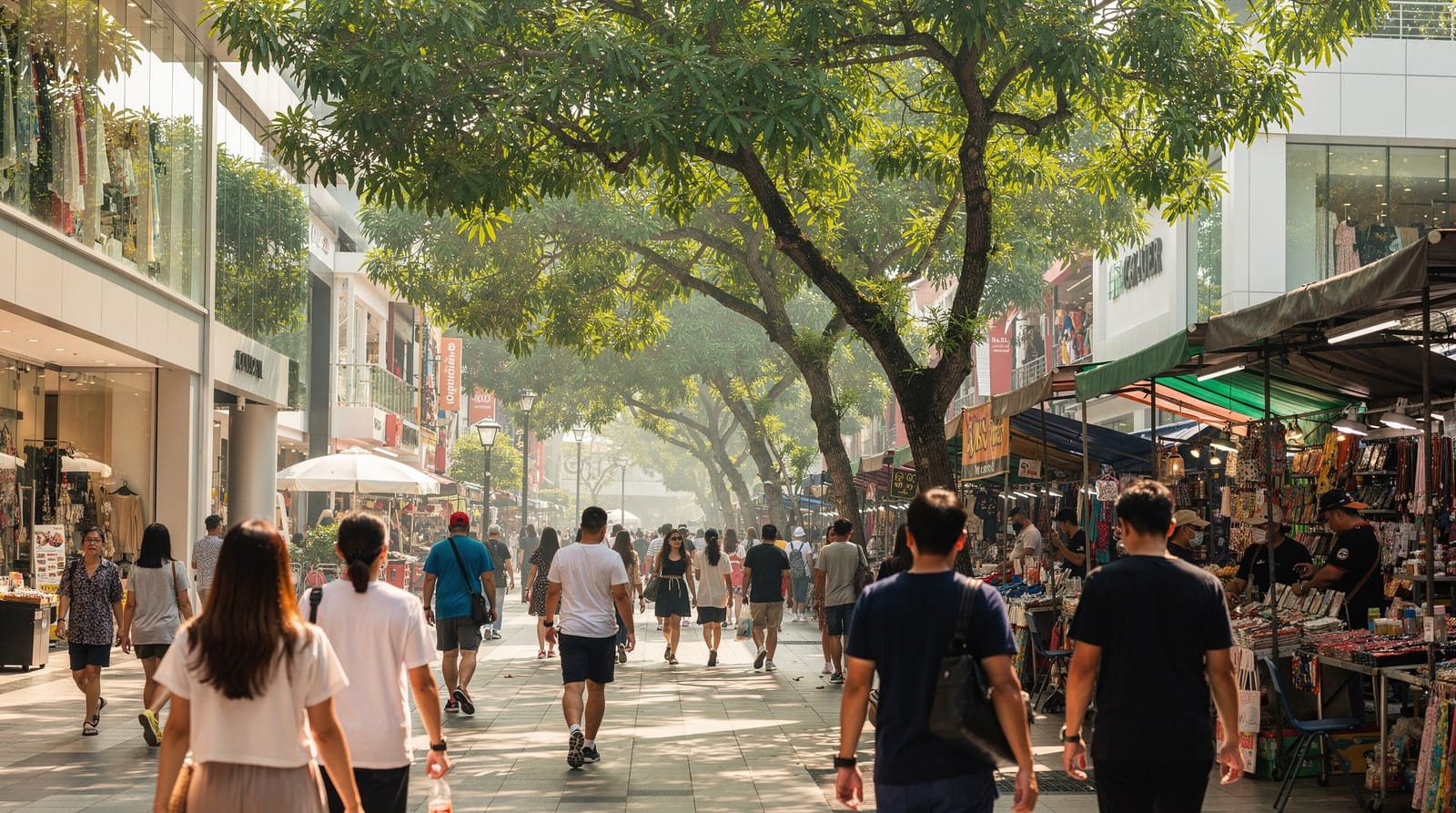
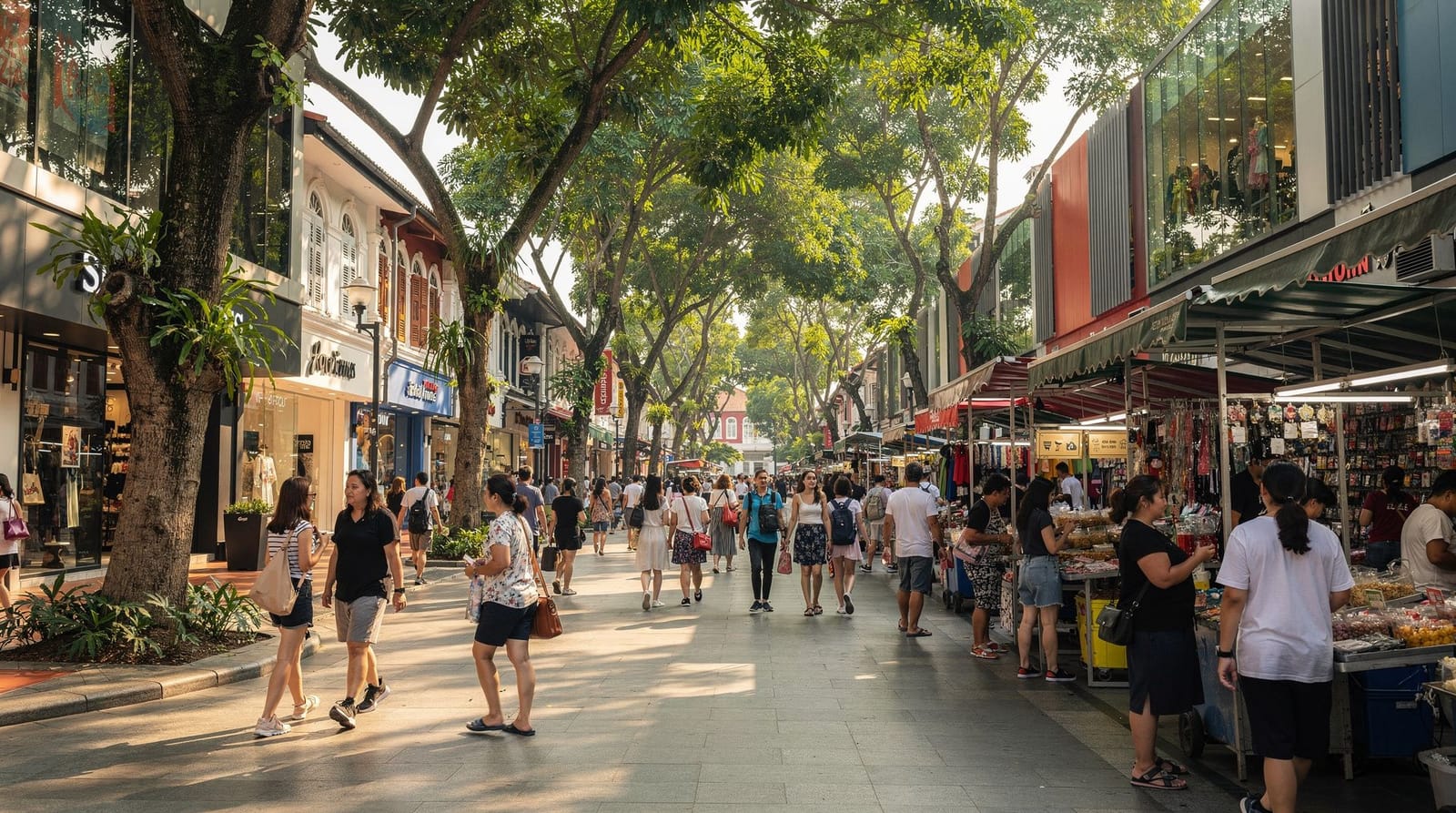
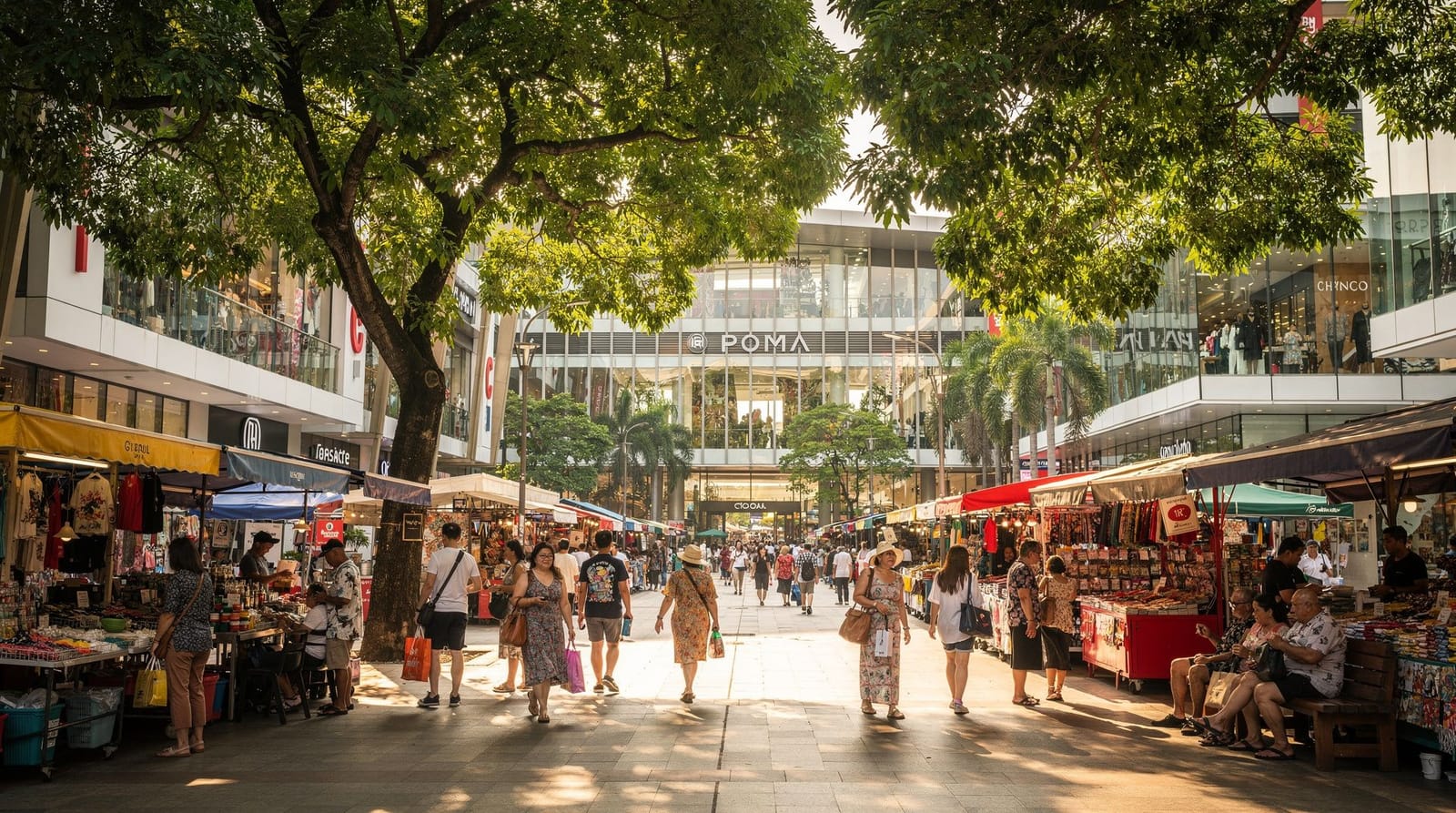
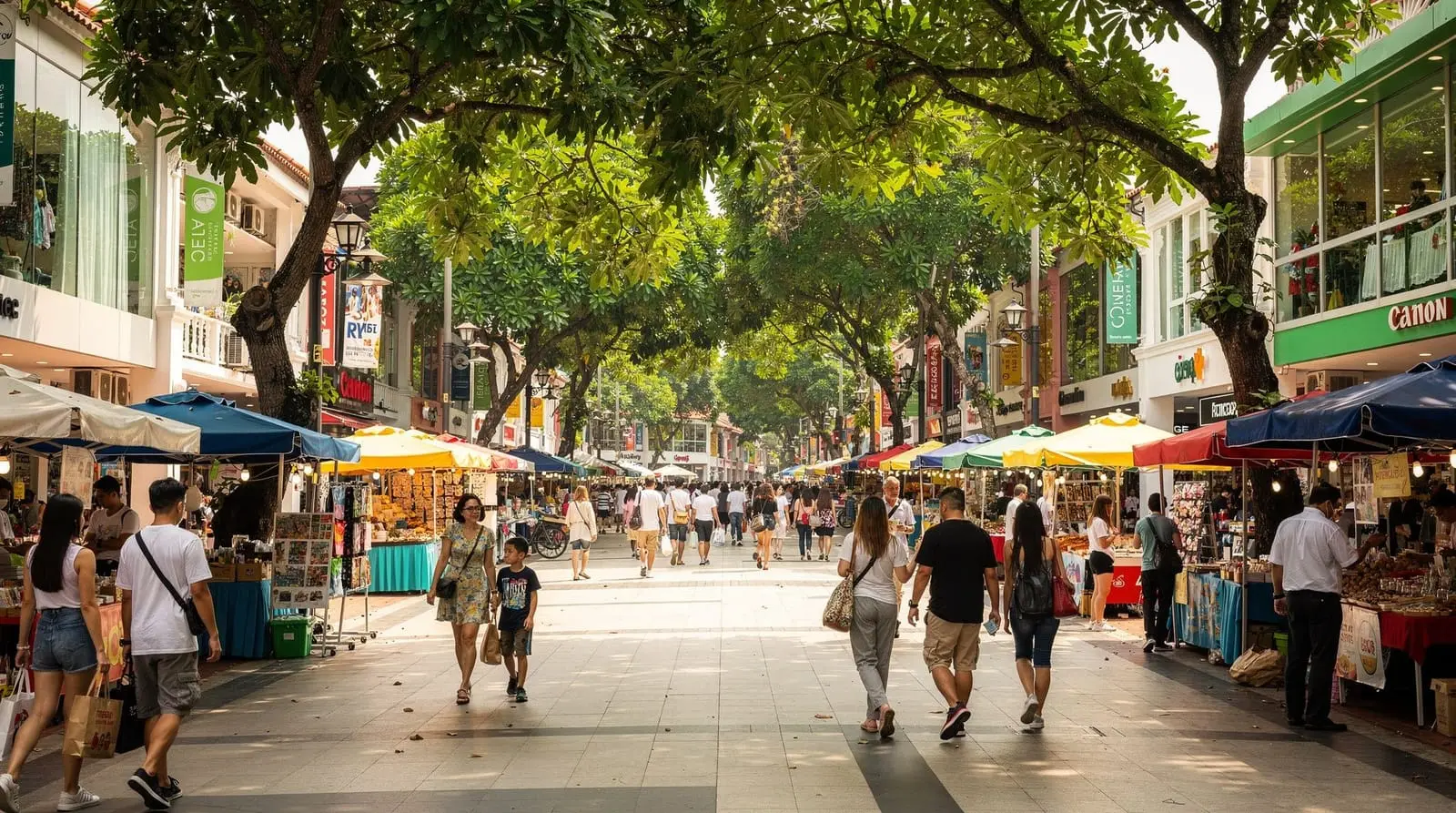
Bugis Street in 2026 is a multi-floor market building with over 800 stalls, an attached wet market, outdoor hawker food sections, and connections to two full shopping malls (Bugis Junction and Bugis+). It is not a street in the traditional sense — it is a purpose-built commercial complex that occupies the former site and trades on the name of one of Singapore’s most famous (and long-demolished) neighbourhoods.
Understanding this distinction matters: visitors expecting atmospheric narrow lanes, haggling over antiques, or the transgressive energy that made old Bugis Street famous will be disappointed. What Bugis Street delivers is something more prosaic but genuinely useful: very cheap fashion, the lowest souvenir prices in Singapore, decent street food, and a bustling atmosphere.
How to approach a visit
The best way to enjoy Bugis Street is to treat it as a short, focused shopping stop rather than a full-day destination. Go in with a loose list: a few holiday outfits, a handful of souvenirs for friends, perhaps a snack. Wandering without a plan tends to end in impulse purchases of things you will never wear at home, and the sheer number of stalls makes it easy to lose an hour without buying anything useful.
A sensible routine is to walk the whole building once before spending anything. Similar items appear at many stalls, and the first price you see is rarely the only one. Noting which stalls looked well organised, which had sizes that suited you, and which vendors were open to a friendly negotiation saves money and avoids regret. If you want the wider neighbourhood context first, the Bugis neighbourhood guide and the Bugis destination page cover the malls, temples and museums within walking distance.
Layout and what is where
Ground floor (Street Level): The most atmospheric section — an outdoor-facing covered market with stalls selling food, drinks, accessories, and tourist goods. The pavement eating areas with plastic stools and cheap food are here. This level has bargaining stalls.
First floor: Fashion-focused. Women’s clothing dominates — dresses, tops, bottoms at SGD 10–35. Swimwear and beach accessories. Fast-moving items at genuinely low prices. This is where budget holiday wardrobe shopping happens.
Second floor: More fashion, accessories, and some niche product stalls. Tends to be slightly less crowded than the first floor.
Third floor: Electronics accessories, phone cases, novelty items, and occasional pop-up concept stalls. Less consistent; quality of goods more variable.
Wet market (one block over, Queen Street): Tekka Centre’s wet market equivalent is accessible near Bugis — worth visiting if you are interested in Singapore’s food supply chain (fish, vegetables, meat, spices). Not a tourist destination; a real market.
What to buy (and realistic prices)
Women’s summer fashion: Dresses from SGD 10–25, tops from SGD 5–15, bikinis from SGD 15–30. The range spans casual beach wear through to going-out dresses. Quality is what you expect at these prices — fine for holiday use, not durable long-term. Sizing runs East Asian small; Western shoppers should try before buying.
Men’s fashion: Less variety than women’s, but T-shirts (SGD 10–20), shorts (SGD 15–25), and casual footwear (SGD 20–40) are available. Linen-style shirts in holiday prints are a Bugis Street staple and actually good value if you need hot-climate casual wear.
Accessories: Sunglasses from SGD 5–15 (zero UV protection guarantee at this price — functional for a beach day). Bags and totes from SGD 10–30. Hair accessories, jewellery, and phone cases are abundant and cheap.
Souvenirs: Singapore-branded merchandise — Merlion figurines, refrigerator magnets, keyrings, tote bags — is cheapest here of any tourist area in Singapore. If mass-produced souvenirs are your requirement, buy them here rather than at Changi Airport or Orchard Road where prices are 30–50% higher.
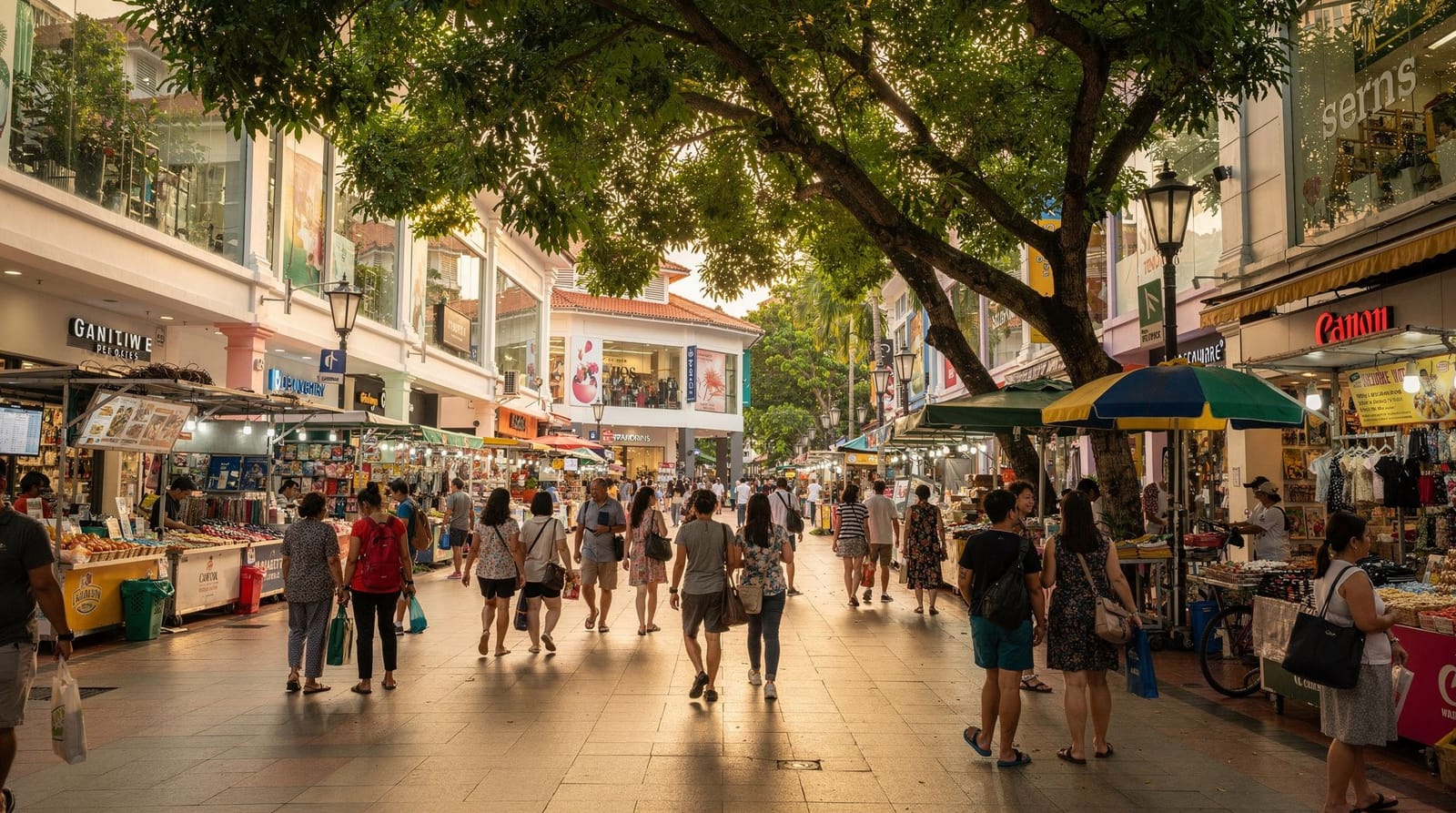
Street food: The ground floor and surrounding lanes have bubble tea (SGD 3–5), roasted chestnuts, fried snacks, Thai milk tea, and various Southeast Asian quick bites. Cheap and generally tasty; the hawker-style stalls around the market area extend into the evening.
What to skip
Electronics and “branded” goods: Electronics at Bugis Street stalls are not reliably genuine and prices are not particularly competitive versus authorised retailers. Branded handbags and accessories at suspiciously low prices are counterfeits — Singapore customs takes a dim view of bringing these home, and many countries confiscate fake luxury goods at the border.
Large purchases without bargaining: If you are buying more than one item from a stall, attempt to negotiate. Buying three tops? Ask for SGD 30 for all three if individually priced at SGD 12–15 each. Most vendors will meet you somewhere reasonable.
The tourist food traps: The restaurants in Bugis Junction and Bugis+ that front themselves as “authentic” cuisine are often mediocre. The actual cheap street food around the market perimeter is better and cheaper.
Shopping on a budget without regrets
Bugis Street is one of the easiest places in the city to stretch a small budget, which is why it features in so many cheap itineraries. If cost is your main concern, the Singapore on a budget guide shows where else the savings are, and the budget itinerary fits a market visit into a full day without overspending.
A few habits help. Decide in advance how much you are willing to spend on clothes, because low individual prices add up quickly. Check seams, zips and fabric before paying, since quality varies stall by stall even within the same row. Keep your purchases light if you are still travelling onward, as bulky bags are tiring in the heat. And remember that a cheap item you never wear is not a saving, so buy for the climate and the trip you actually have.
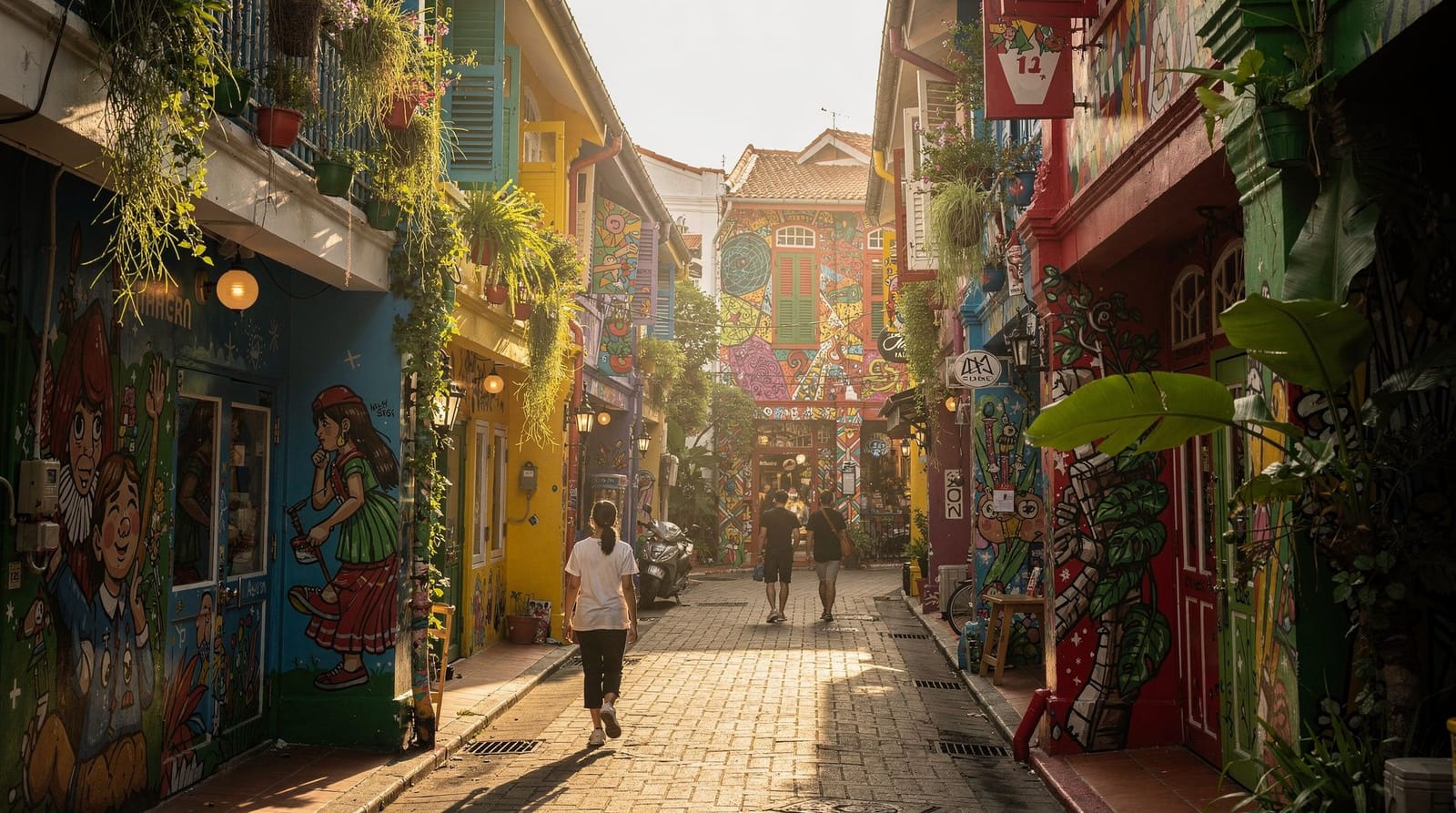
Haji Lane: the alternative (different market, different vibe)
Ten minutes’ walk from Bugis Street is Kampong Glam and Haji Lane — the independent boutique strip of Singapore. The contrast is stark:
Bugis Street is cheap, fast, and volume-focused. Haji Lane is independent designers, curated vintage, local Singapore labels, and considerably higher prices. If you are looking for something genuinely made in Singapore or designed by a local, Haji Lane is where to go. If you want holiday clothes at the lowest possible price, Bugis Street is the answer.
Both are worth visiting for different reasons, and the 10-minute walk between them makes doing both in an afternoon easy.
Food around Bugis
Tekka Centre (Little India, 10 minutes walk): One of Singapore’s best wet market hawker centres — Indian food is the anchor. Worth the walk for breakfast or lunch. See Best hawker centres in Singapore for how it compares to Singapore’s other top hawker halls.
Stamford Road coffee shops: Several traditional kopi (local coffee) shops in the Bras Basah area near Bugis serve proper Singaporean breakfast at SGD 3–5.
Bugis Junction food court: If you want air-conditioned comfort over atmosphere, the basement food court in Bugis Junction has a reasonable range of local food at hawker prices (SGD 6–12).
Evening eating: The market ground floor and the surrounding streets on Bencoolen Street have street food active until around 10–11 pm. Nothing extraordinary, but convenient if you are in the area.
Singapore at night & street food tourBugis Street vs the alternatives
| Bugis Street | Chatuchak (Bangkok) | Mustafa Centre | |
|---|---|---|---|
| Days open | Daily | Weekends only | Daily, 24 hours |
| Variety | Fashion, accessories, souvenirs | Huge — antiques, crafts, plants, fashion | Everything under one roof |
| Bargaining | Yes, ground floor stalls | Yes, expected | No, fixed prices |
| Best for | Convenience, central location | Genuine variety and authenticity | Value and late-night shopping |
Fitting Bugis into your day
Because the market sits in the middle of several other sights, it combines easily with a wider route. The Sultan Mosque guide and the ethnic quarters guide describe the nearby Malay-Arab and Indian districts, both a gentle walk away. Many visitors do the market in the late afternoon, then move on to dinner in Kampong Glam or Little India as the heat eases.
Singapore: street food, cultural & historical tour of 3 ethnic quartersIf you are short on time, the one-day Singapore itinerary shows how a quick Bugis stop can sit alongside the headline sights. For eating, the hawker etiquette guide is worth reading before you sit down at a crowded food area, so you know how seating and ordering work.
Getting around is simple. Bugis is a major interchange, and the MRT guide explains how to use the network, while the getting around guide covers buses, taxis and ride-hailing if you are carrying shopping bags and prefer not to take the train back to your hotel.
Payment and bargaining etiquette
Most stalls now accept PayNow QR and card payment, but carrying SGD 20–50 in small notes still helps when bargaining — cash negotiations tend to move faster and vendors are often willing to round down for a cash sale on the spot. When bargaining, start by asking for a small discount (10–15%) rather than a dramatic cut; Bugis Street prices are already low, so vendors have less margin to give than at markets in neighbouring countries. Buying two or three items from the same stall is the most reliable way to get a better combined price, more so than pushing hard on a single item.
Getting there and practical logistics
MRT: Bugis station (East-West and Downtown Lines) exits directly into Bugis Junction, connected to the market. Journey from Orchard Road: 8 minutes. From Marina Bay: 10 minutes. From Chinatown: 10 minutes.
Opening hours: The Bugis Street market is generally open from 11 am to 10 pm daily, with some stalls opening later and closing earlier. Ground floor food stalls open earlier (from 8–9 am). Weekends are significantly busier than weekdays; if crowds bother you, a weekday morning is the most manageable time to shop.
Cashless payment: Most stalls accept PayNow QR and card payment now, though some cash-only stalls remain. Carry SGD 20–50 in small bills for bargaining; use cards for Bugis Junction and Bugis+ retail.
Storage: Baggage storage lockers are available in Bugis Junction.
Frequently asked questions about Bugis Street markets
How does Bugis Street compare to Chatuchak in Bangkok?
Chatuchak is significantly larger, has a wider variety of goods (including genuine antiques, handcraft, and a plant market), and operates only on weekends. Bugis Street is smaller, open daily, and more focused on cheap mass-market fashion. Chatuchak wins on variety and authenticity; Bugis Street wins on convenience and central location.
Is there a night market at Bugis?
The Bugis Street market runs into the evening (until 10 pm or so) and the ground level has a market-at-night atmosphere. There is not a separate dedicated night market event at Bugis Street. For actual night markets, see Night markets in Singapore which covers the various night market events across the city.
Can I find traditional Singapore crafts at Bugis Street?
Rarely. Bugis Street’s goods are overwhelmingly manufactured imports — not locally made. For genuine Singapore-made crafts, try Naiise (various locations), Supermama (ION Orchard), or the specialty shops in Chinatown’s Club Street area. The Best souvenirs from Singapore guide covers this in full.
What is the relationship between Bugis Street and Kampong Glam?
They are adjacent neighbourhoods — the boundary between Bugis (the civic and commercial area) and Kampong Glam (the Malay-Arab cultural quarter) runs roughly along Victoria Street. Haji Lane and Arab Street are in the Kampong Glam area; the market building and Bugis Junction are in the Bugis area. They flow naturally into each other and most visitors walk between them.
Is Bugis Street suitable for children?
Yes — the market’s content is family-friendly, with nothing objectionable on display. Children tend to enjoy the energy, the cheap novelty items, and the street food. Strollers are possible but the crowd density makes them cumbersome in peak hours; a baby carrier is more practical.
Top experiences
Bookable activities with verified prices and instant confirmation on GetYourGuide.