Best souvenirs from Singapore: what to buy and where to find them
Singapore: half-day city tour with hotel transfer
Duration: 3.5h
What are the best souvenirs to buy in Singapore?
The best Singapore souvenirs are items you cannot easily get elsewhere — local food products (kaya, kopitiam coffee, chilli crab sauce), TWG Tea tins, Peranakan-inspired ceramics, bespoke tailoring, and well-curated local design items. Avoid: mass-produced Merlion figurines (made in China, sold everywhere), generic "Singapore" branded merchandise, and anything claiming to be "authentic craft" without clear provenance. Budget SGD 30–150 for genuinely interesting items; much more for quality tailoring or watches.
The souvenir problem in Singapore
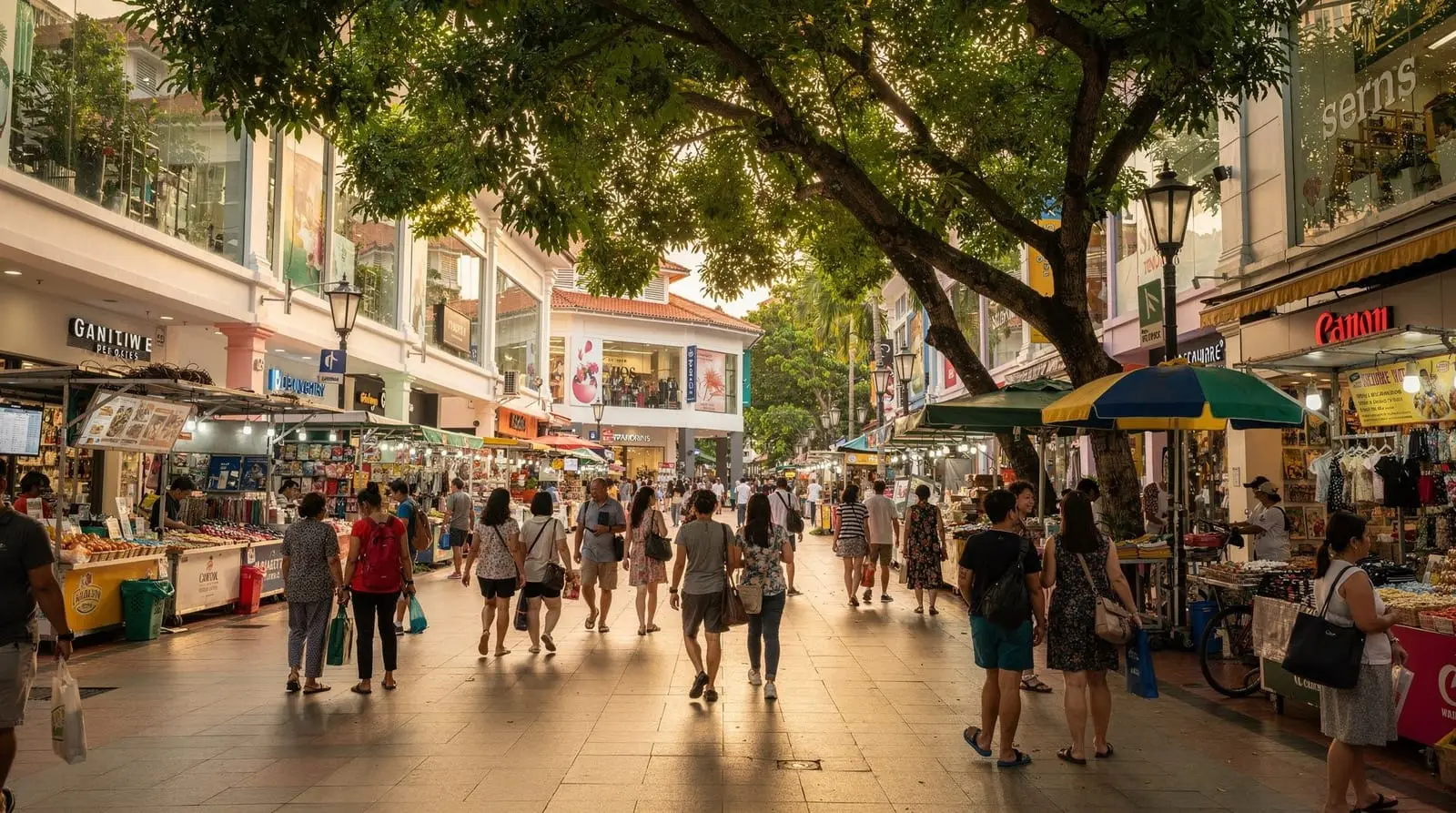
Singapore has a souvenir problem that many cities share: the things that are easiest to buy and most prominently displayed in tourist areas are often the least interesting. Miniature Merlion statues, “Singapore” embroidered tote bags, and decorative chopstick sets sold in Chinatown souvenir bazaars are manufactured elsewhere, have no particular connection to Singapore culture, and are priced for tourists rather than value.
This guide focuses on souvenirs that are either genuinely Singaporean, genuinely useful, or genuinely interesting — the things worth your luggage space and your money.
| Best value | Food (kaya, coffee, chilli crab sauce) |
| Best design | Supermama ceramics, Bynd Artisan leather |
| Splurge | Tailored shirt or suit, SGD 80–800 |
| Skip | Mass Merlion merchandise, airport orchid jewellery |
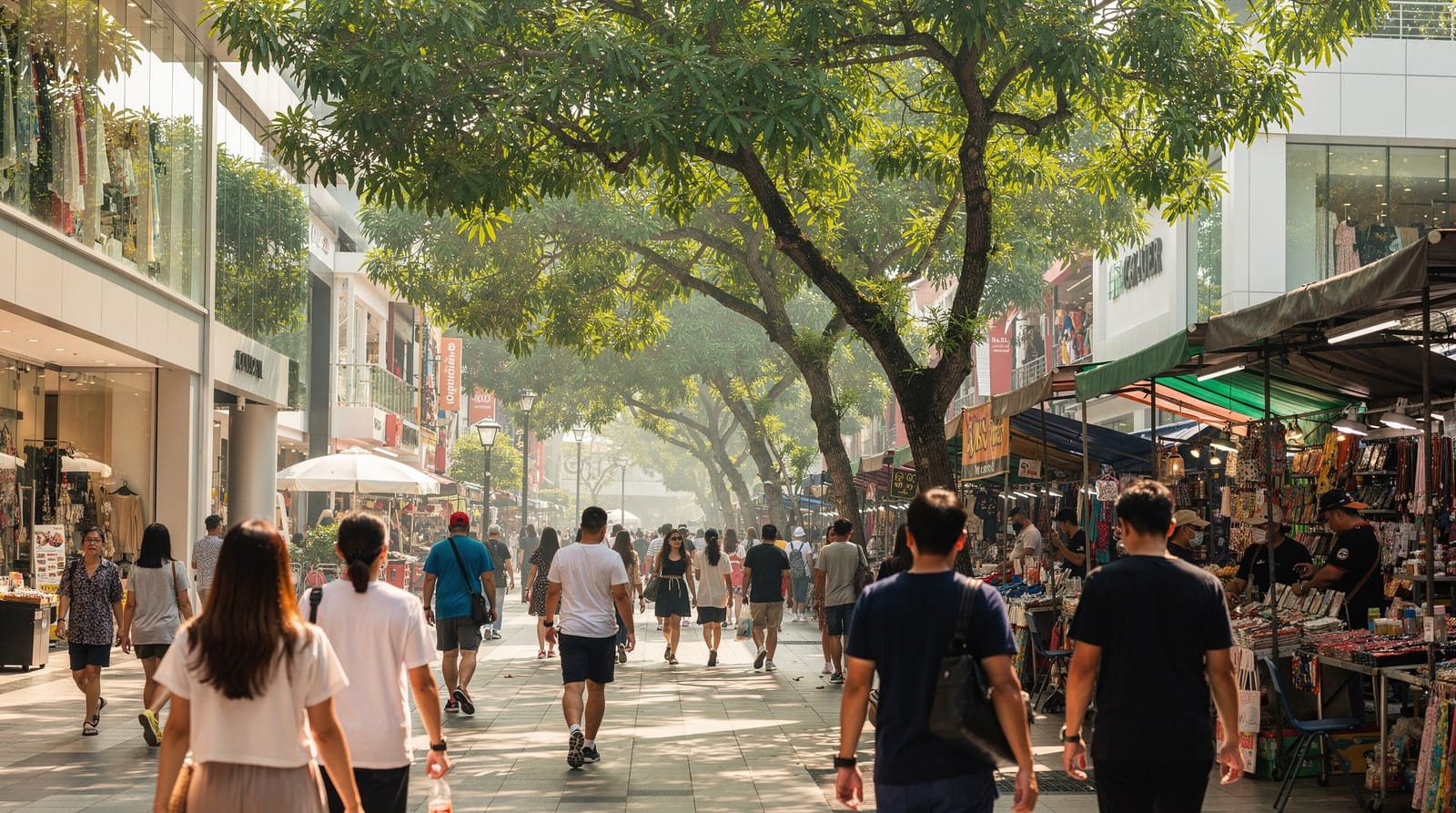
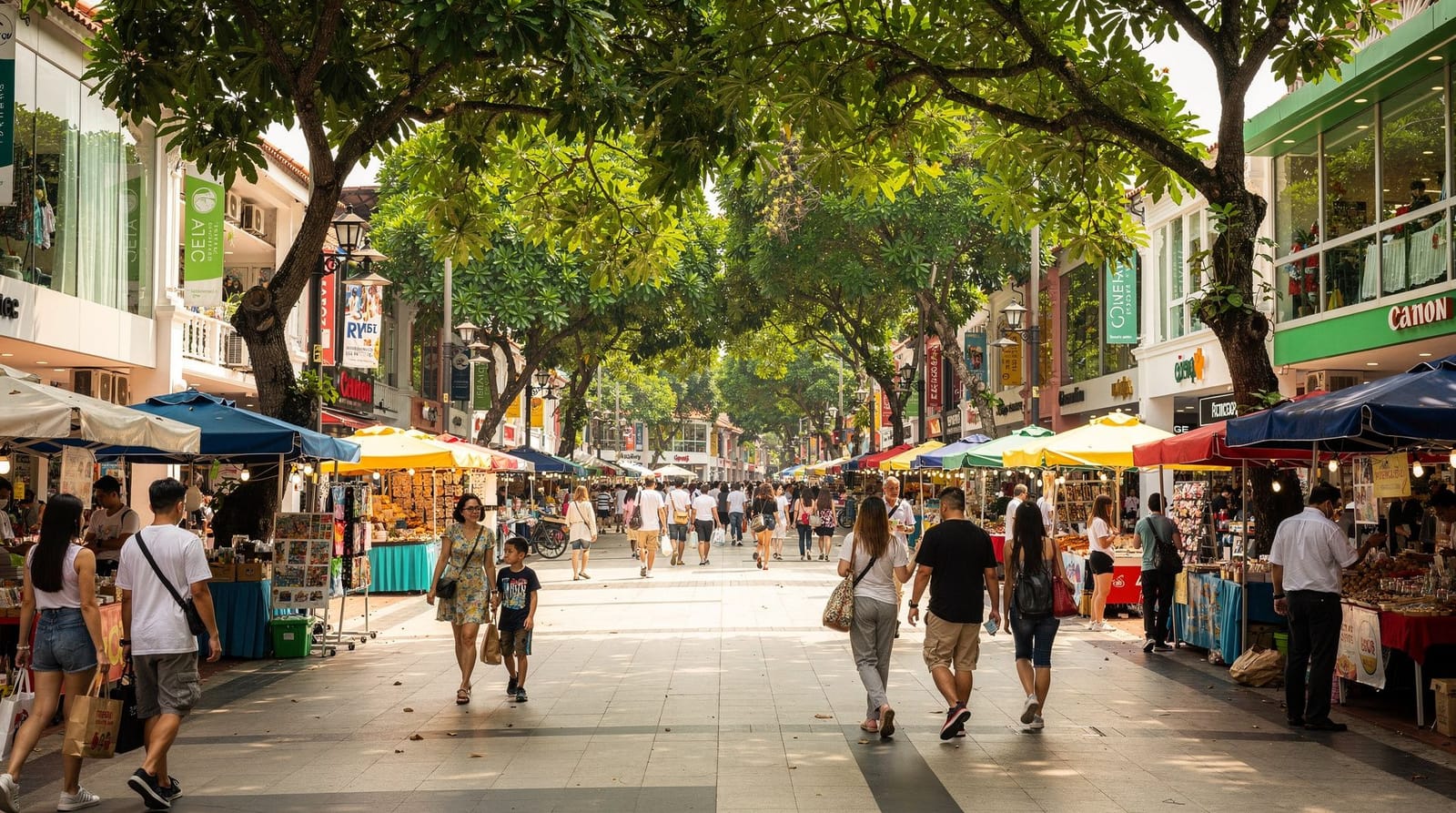
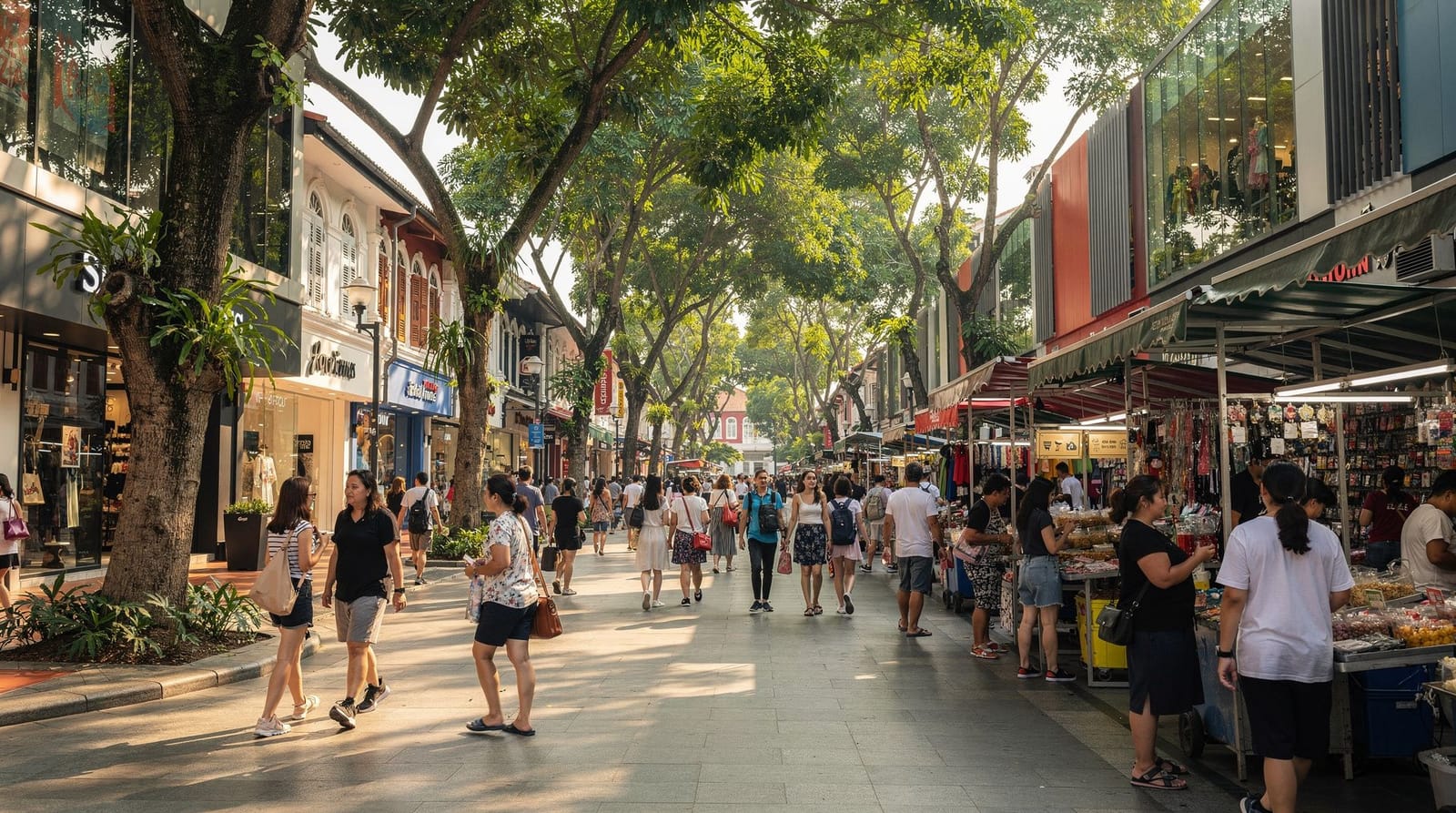
| Where cheapest | Bugis Street, Chinatown Pagoda Street |
Category 1: food and drink (the best value category)
Food items are Singapore’s best souvenirs by ratio of quality, authenticity, and price. They are genuinely local, immediately understandable to receive, and mostly affordable.
Kaya (coconut jam): Singapore’s breakfast spread — a thick, fragrant jam made from coconut milk, eggs, and pandan leaf, sweetened with sugar. The pandan-flavoured version is distinctively Southeast Asian and nothing like any jam available in European or North American supermarkets. Best brands: Bengawan Solo (richest, most traditional), Ya Kun (the most readily available, sold in their café chains). Prices: SGD 5–12 per jar. Refrigerated shelf life: 2–3 weeks. Check your home country’s agricultural import rules (most Western countries allow processed/canned foods).
Kopitiam coffee and tea: Traditional Singaporean-style coffee (kopi) is made with Robusta beans roasted in butter and sugar, producing a thick, intensely flavoured brew unlike anything in a Western café. Bags of ground kopi coffee from Old Town White Coffee or the loose kopi powder sold in Chinatown’s provisions shops cost SGD 5–15 for a 200–500g pack. Equally, local teh tarik blend (pulled tea) powder makes an easy gift. Available at Fairprice, Cold Storage, and most provisions shops.
Bak kwa (dried pork jerky): A Lunar New Year staple that has become a year-round food. Thin sheets of sweetened, barbecued pork jerky — the texture is leathery and caramelised, the flavour is distinctively Southeast Asian. Best from: Bee Cheng Hiang (multiple city-wide outlets, including Chinatown and Bugis) or Lim Chee Guan (more limited locations, considered premium by locals). Price: SGD 55–80 per kg, sold in smaller portions. Important caveat: pork meat products face import restrictions in many countries (especially EU, Australia, and others with agricultural biosecurity rules). Check before buying.
Chilli crab sauce: Prima Taste brand makes shelf-stable chilli crab paste that allows you to make the famous dish at home. Genuinely good product. Available at supermarkets (Cold Storage, NTUC FairPrice) for SGD 6–10. The brand also makes Singapore laksa paste, curry paste, and hainanese chicken rice stock — all excellent quality for the category.
TWG Tea: See the FAQ answer above. The physical packaging (yellow tins with black lettering) is distinctive and attractive. Flagship at ION Orchard, Takashimaya, and Changi Airport. Online orders also available for those who fall in love with the teas.
Singapore sling premix: The Singapore Sling is the cocktail of Raffles Hotel’s Long Bar — gin-based, fruity, and genuinely Singapore’s most famous drink. Premix bottles (Raffles brand or similar) make a party gift. SGD 20–35 per bottle. Available in duty-free at Changi and in specialty food shops.
Category 2: Peranakan ceramics and design
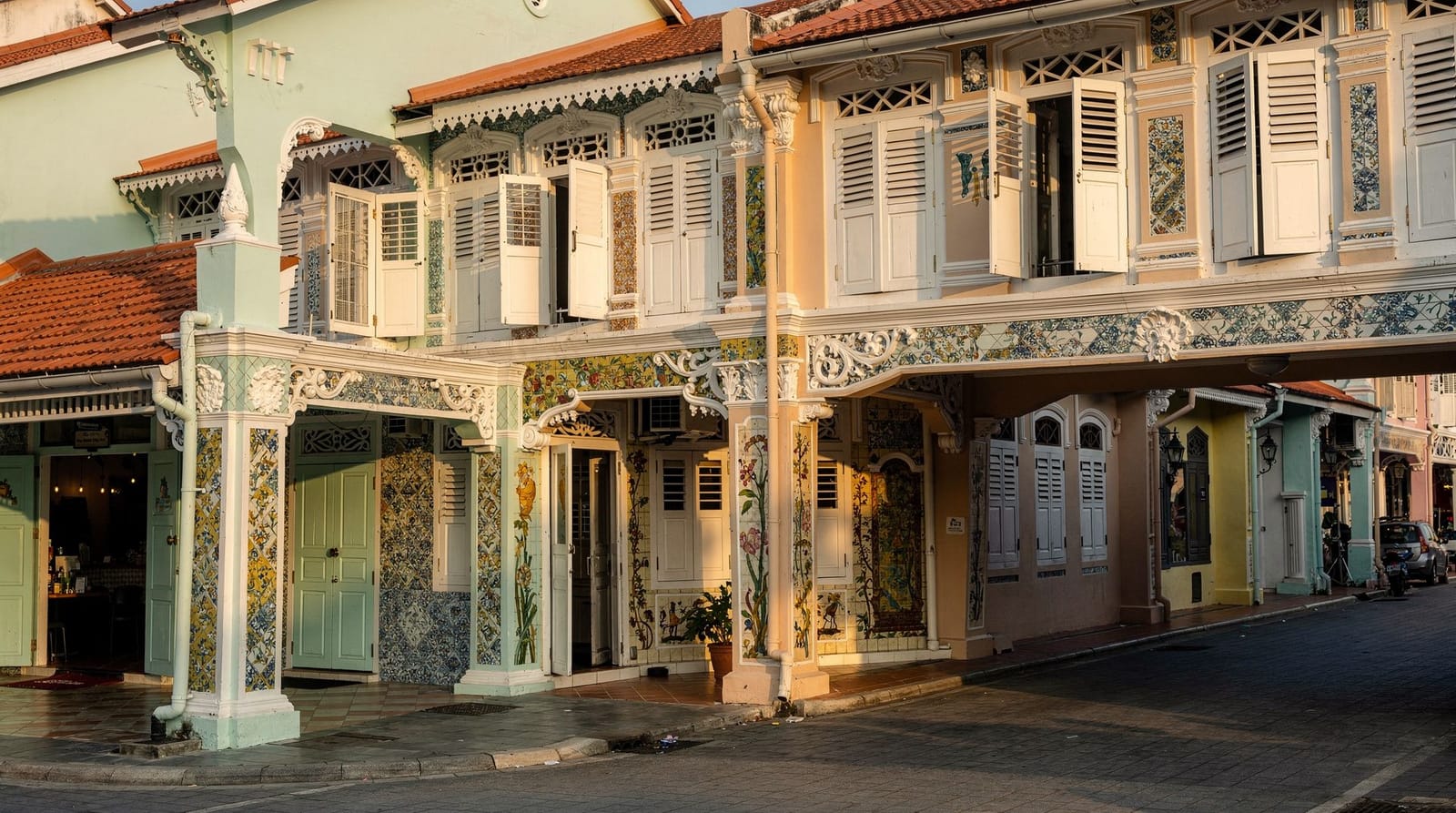
The Peranakan (Straits Chinese) aesthetic — vibrant floral patterns, rich colour palettes of cobalt blue, celadon green, and coral pink — is genuinely distinctive to this corner of Southeast Asia and closely associated with Singapore’s cultural heritage.
Supermama (ION Orchard, various): A Singapore design brand producing beautifully crafted items inspired by local culture and iconography. Their Peranakan-pattern porcelain espresso cups, small plates, and bowls are original Singapore design — genuinely designed here, with runs limited enough to feel special. Prices SGD 25–80 per piece. One of the best Singapore souvenir options at any price point.
Peranakan Museum shop (Armenian Street): The museum’s gift shop carries carefully selected reproduction ceramics, textiles, jewellery, and art books related to Peranakan culture. Higher quality than most tourist shops; curated rather than mass-market.
Joo Chiat / Katong shops: The Peranakan neighbourhood of Katong (see Katong and Joo Chiat guide) has several antique and reproduction ceramics shops on East Coast Road. Genuine vintage pieces require knowledge — ask dealers directly about provenance. Reproduction quality ranges from excellent to tourist-grade.
Category 3: local design and fashion
Bynd Artisan (Mandarin Gallery, Orchard): A Singapore leather workshop producing personalised journals, notebooks, passport holders, and card cases embossed with initials. The craftsmanship is good and the personalisation is done in-store. Prices SGD 40–200. A thoughtful gift for someone who appreciates stationery or travel items.
BooksActually: Singapore’s best independent bookshop (moved from Ann Siang Hill to the Bukit Timah area — check current address). Carries Singapore literature, regional writing, and a carefully curated selection of fiction and non-fiction. Singapore literary fiction — novels by Kevin Kwan, Claire Daines, Tan Twan Eng — makes an excellent souvenir that takes no luggage space. The shop also produces its own stationery line.
Charles & Keith: Singapore-founded accessible-luxury shoes and bags. The Orchard Road flagship and many mall outlets. Not cheap souvenirs (SGD 40–150 per item) but genuinely good quality at the price point, with Singapore-specific seasonal collections not always available internationally.
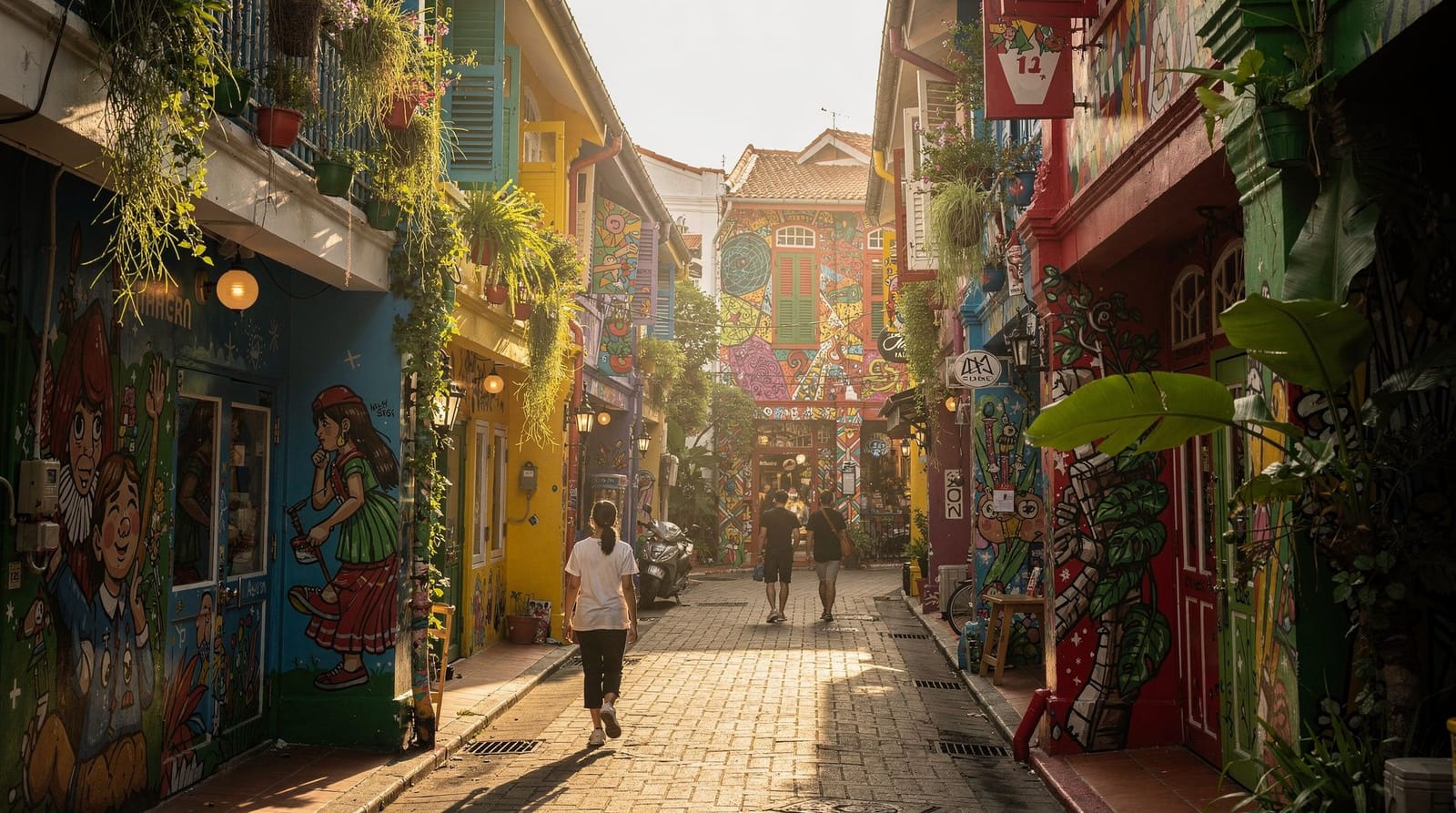
Haji Lane boutiques: Kampong Glam’s Haji Lane has several independent fashion labels selling Singapore-designed clothing. Higher price point than Bugis Street (SGD 60–200+ for a dress) but these are actual Singapore-designed pieces, not imports.
Category 4: tailored clothing
Singapore has a functioning tailor culture — most concentrated in the Tanjong Pagar Road / Neil Road area, in Little India (Serangoon Road area), and around Far East Square near Chinatown.
What to expect: A shirt in good fabric (linen, cotton-linen blend) runs SGD 80–180 with one fitting; suits from SGD 400–800 for a proper two-piece with multiple fittings. Better tailors require 3–5 days minimum. “Same day” tailoring exists but fitting quality drops.
Good tailors: Kwang Fashion (Little India area), CYC The Custom Shop (Raffles Hotel Arcade), and several establishments on Tanjong Pagar Road. Research current reviews before visiting — tailoring quality varies significantly even within the same shop.
Is it worth it? If you wear the resulting garment for years, yes — it often costs less than equivalent quality off-the-rack in Europe. If you are buying a novelty item you will wear twice, the economics are less clear.
Category 5: orchids
Singapore’s national flower is the Vanda Miss Joaquim orchid, and orchid products appear everywhere in tourist retail.
Fresh orchids from the Singapore Botanic Gardens: The Gardens sell fresh orchid plants from their nursery — genuinely unusual varieties not available elsewhere. They can be wrapped for travel and most countries allow orchid plants (roots cleaned, without soil) with a phytosanitary certificate that the Gardens can provide. Unique souvenir but requires planning.
Orchid jewellery (the Changi Airport staple): Real orchid flowers preserved in gold or silver — attractive but produced commercially in Thailand and Malaysia, not specifically a Singapore product despite the marketing. Fine if you like the aesthetic; not particularly more “Singapore” than a Merlion.
Mustafa Centre: the 24-hour souvenir shortcut
If your flight leaves at an odd hour or you simply run out of shopping time, Mustafa Centre in Little India is open 24 hours and stocks an enormous range under one roof — jewellery, electronics, spices, chocolates, textiles, and a genuinely useful basement supermarket with Prima Taste sauces, kaya, and tea at prices close to supermarket rate rather than tourist markup. It is not curated or design-led like Supermama, but for last-minute, practical souvenir shopping at 2 am after a late flight in, nothing else in Singapore compares. Pair a Mustafa run with a walk through Little India itself for spice shops and sari fabric that make genuinely distinctive gifts.
Tiong Bahru and independent design shops
Away from Orchard Road and the tourist bazaars, Tiong Bahru has a small cluster of independent boutiques selling homeware, stationery, and small-batch local design — a quieter, more residential alternative to Haji Lane’s boutique strip. Prices are comparable to Supermama and Bynd Artisan, but the shops rotate more often and stock is genuinely limited-run, so what you find one month may not be there the next. Combine a visit with the Tiong Bahru Market for a hawker lunch, and treat it as a browsing stop rather than a guaranteed-find destination.
Neighbourhood comparison for souvenir shopping
| Neighbourhood | Best for | Price level | Vibe |
|---|---|---|---|
| Bugis Street / Chinatown Pagoda St | Mass-market, cheap gifts | SGD 2–20 | Tourist bazaar |
| Orchard Road malls | TWG Tea, Charles & Keith, brand names | SGD 25–300 | Air-conditioned mall |
| Katong-Joo Chiat | Peranakan ceramics, antiques | SGD 40–200 | Heritage shophouse |
| Haji Lane / Kampong Glam | Independent fashion, design | SGD 60–200+ | Boutique, hip |
| Tiong Bahru | Local design, homeware | SGD 25–150 | Quiet, residential |
| Mustafa Centre | Everything, 24 hours | SGD 2–100 | Practical, no-frills |
| Tanjong Pagar / Little India | Tailoring | SGD 80–800 | Working tailor shops |
Where to buy: quick reference
| What | Where | Price range |
|---|---|---|
| Kaya, kopitiam coffee | Cold Storage, NTUC FairPrice, Bengawan Solo | SGD 5–15 |
| Bak kwa | Bee Cheng Hiang (city-wide) | SGD 55–80 per kg |
| Chilli crab sauce | Cold Storage, NTUC | SGD 6–10 |
| TWG Tea | ION Orchard, Takashimaya, Changi | SGD 25–80 |
| Peranakan ceramics | Supermama (ION), Peranakan Museum shop | SGD 25–200 |
| Local design | Haji Lane boutiques, Mandarin Gallery | SGD 40–300 |
| Mass souvenirs | Bugis Street, Chinatown Pagoda Street | SGD 2–20 |
| Tailoring | Tanjong Pagar area, Little India | SGD 80–800 |
Planning your souvenir shopping around the rest of your trip
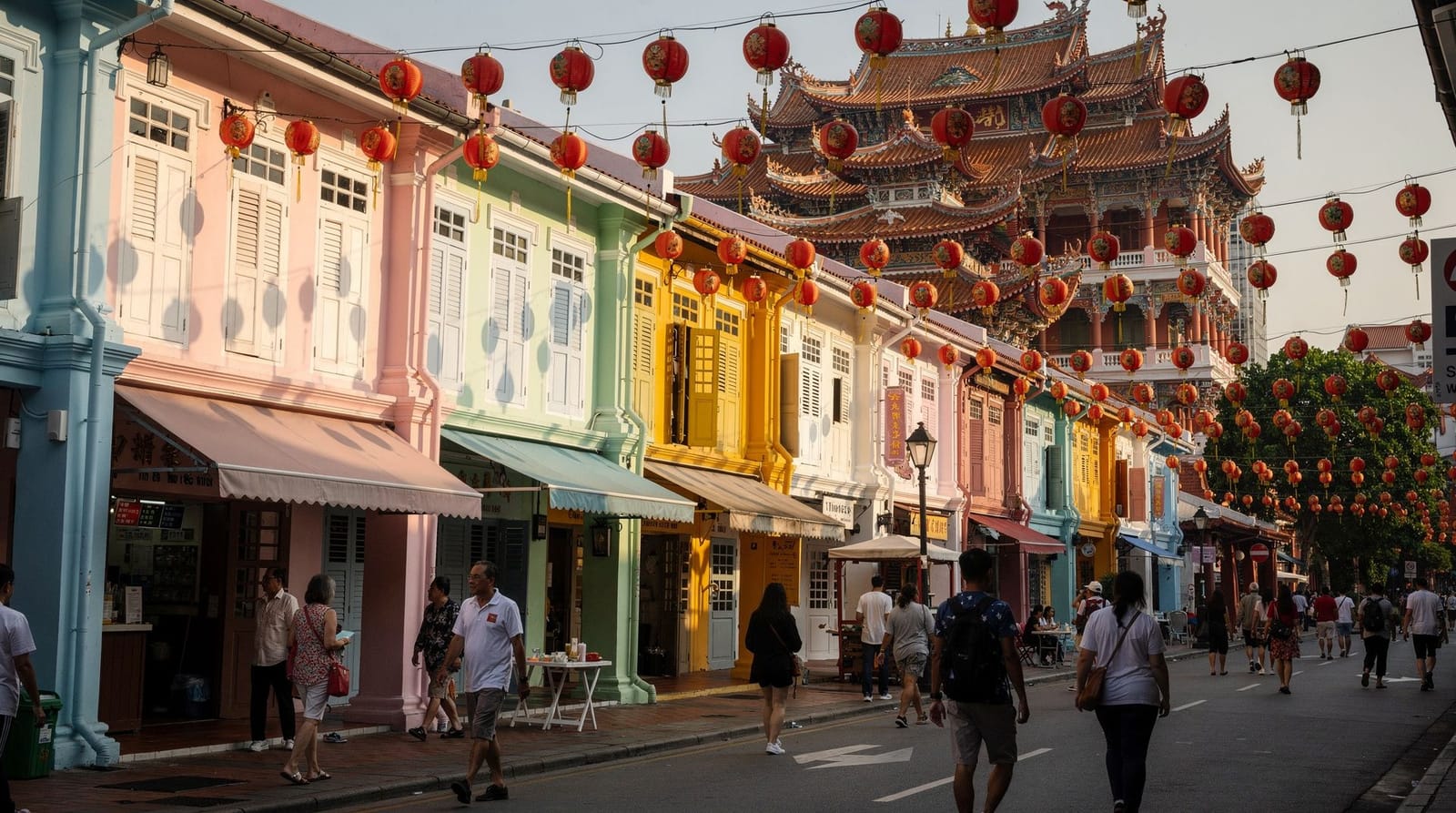
Souvenir hunting works best when it is folded into days you are already spending in a neighbourhood, rather than treated as a separate errand. If you are walking the shophouses of Chinatown, leave the bazaar stalls for a quick look and spend your real shopping time on the provisions shops, where food gifts are easier to judge. A day in Orchard Road covers tea, leather goods and local fashion under air conditioning, which suits a rainy afternoon. If you would rather see several neighbourhoods in one go, a guided city tour can save time.
Singapore: half-day city tour with hotel transferIf you are still deciding how to divide your days, the first-timer itinerary shows where shopping fits between the major sights, and the guide to Singapore travel costs helps you set a gift budget before you start. Travellers on a tight budget will also find the Singapore on a budget guide useful for deciding which souvenirs are worth the money and which can wait.
Singapore: hop-on hop-off sightseeing FunVee city tourA practical routine: buy food gifts last, so they spend the least time in your bag, and buy anything fragile such as ceramics early enough to pack properly. Keep a small amount of spare luggage space, and decide before you go which people on your list get a food item, which get something designed, and which simply get a postcard.
Frequently asked questions about Singapore souvenirs
Can I bring Singapore food souvenirs home on a plane?
Most processed, packaged food items travel well in checked or carry-on luggage. Fresh meat products (bak kwa is technically cured meat) face agricultural import restrictions in the EU, Australia, New Zealand, and some other markets — check your destination country’s customs rules before buying. Liquids over 100ml (kaya jars, sauces) must go in checked baggage if flying from Changi. Dry goods (coffee powder, tea, dried noodles, spices) are universally fine.
Is there a Singapore designer district?
Not in the sense of Paris or Milan. Singapore’s local design scene is concentrated in a few areas: Haji Lane (Kampong Glam), the Dempsey Hill area (see Dempsey Hill Singapore for specialty shops), Gillman Barracks (art galleries and design), and scattered through Mandarin Gallery on Orchard. The design output is real but not densely concentrated enough to constitute a district.
What is the most uniquely Singaporean souvenir?
Genuinely difficult to answer. Singapore’s multicultural identity means nothing is purely Singaporean without Chinese, Malay, Indian, or colonial British origins. The most honest answer: kaya — developed specifically in the Straits Settlements over generations, eaten everywhere in Singapore, and unlike anything you will find at home. A jar of Bengawan Solo pandan kaya for SGD 8 is more distinctively Singapore than a SGD 60 orchid jewellery piece.
Are there any antique markets in Singapore?
Singapore does not have flea markets or large antique markets in the European sense. Tanglin Shopping Centre (quieter, residential Orchard end) has several established antique dealers — genuine antique furniture, Asian art, and collectibles with real provenance. Dempsey Hill area has upmarket antique and vintage shops. For lower-end vintage and second-hand, the Carousell app (Singapore’s classified marketplace) has become the primary platform — unusual for a physical antique hunt but effective.
Should I buy souvenirs at Changi Airport?
Only if you run out of time. Changi’s retail is world-class but prices run 30–50% above city prices on most comparable items. The duty-free allowances on alcohol and tobacco are genuinely useful (save your tobacco and spirits purchases for departure). TWG Tea at Changi is at the same price as in the city. Bak kwa at Changi is significantly more expensive than at Bee Cheng Hiang city outlets. The time pressure of airport shopping also limits your ability to compare and choose well.
Top experiences
Bookable activities with verified prices and instant confirmation on GetYourGuide.