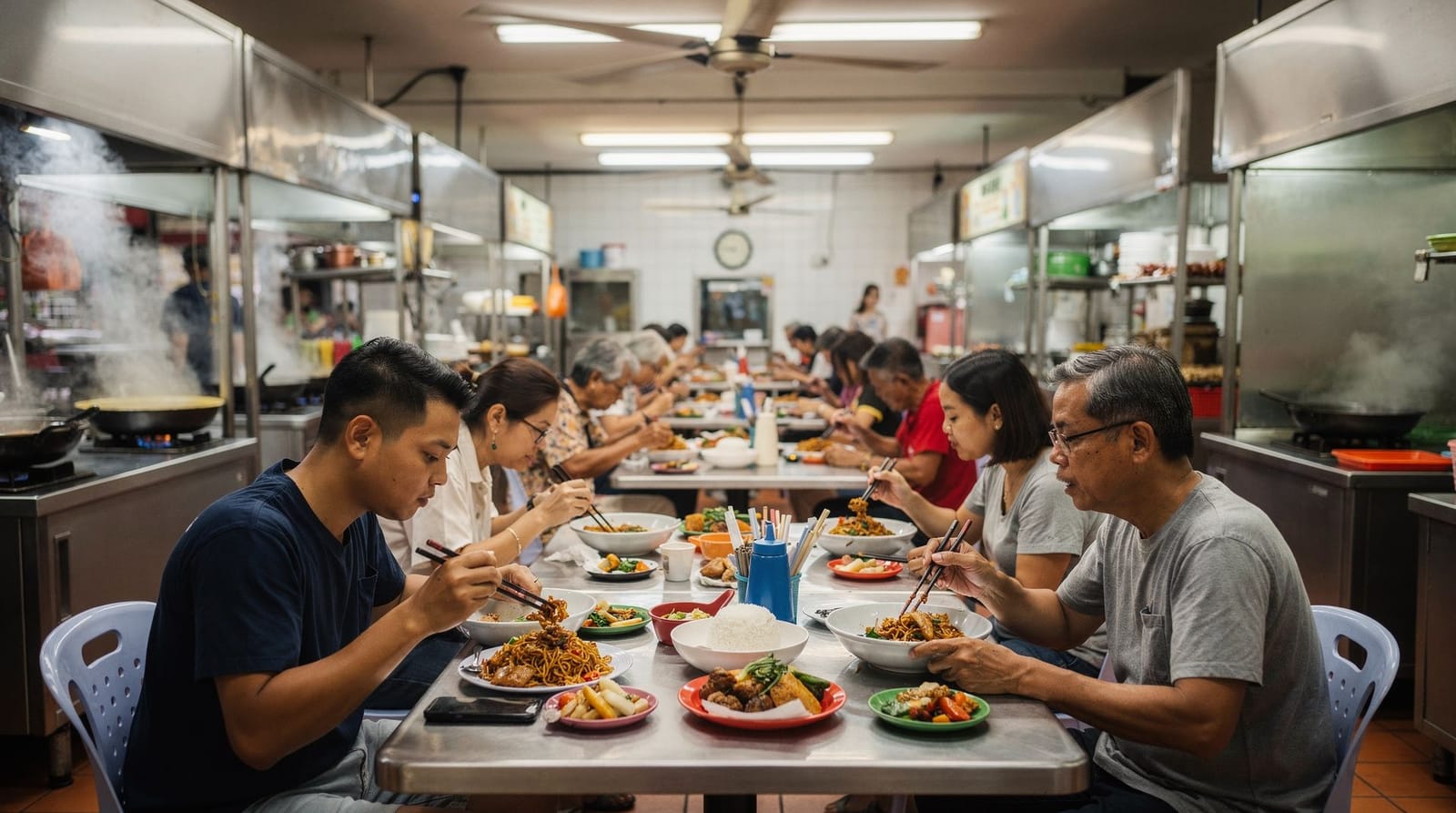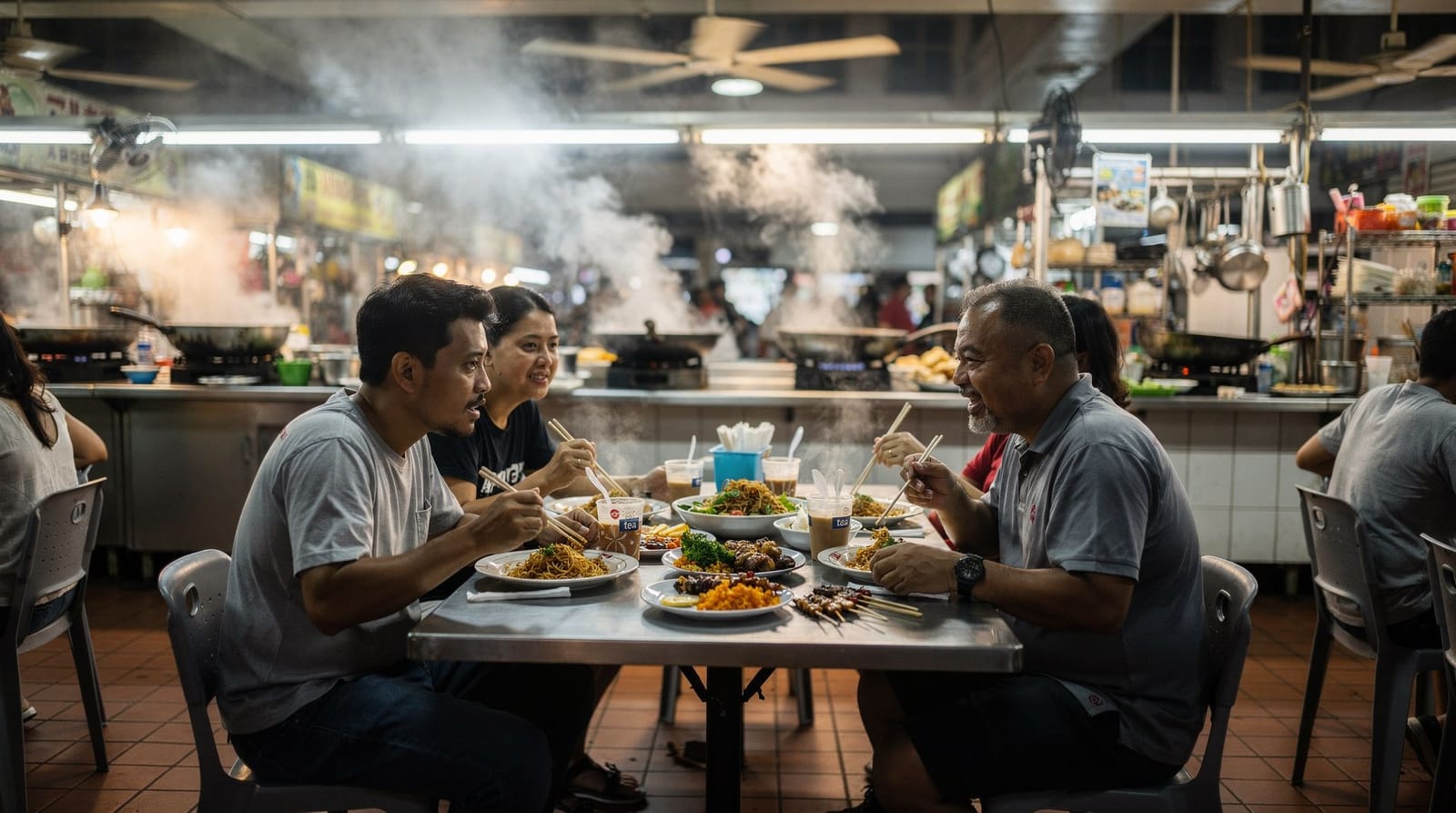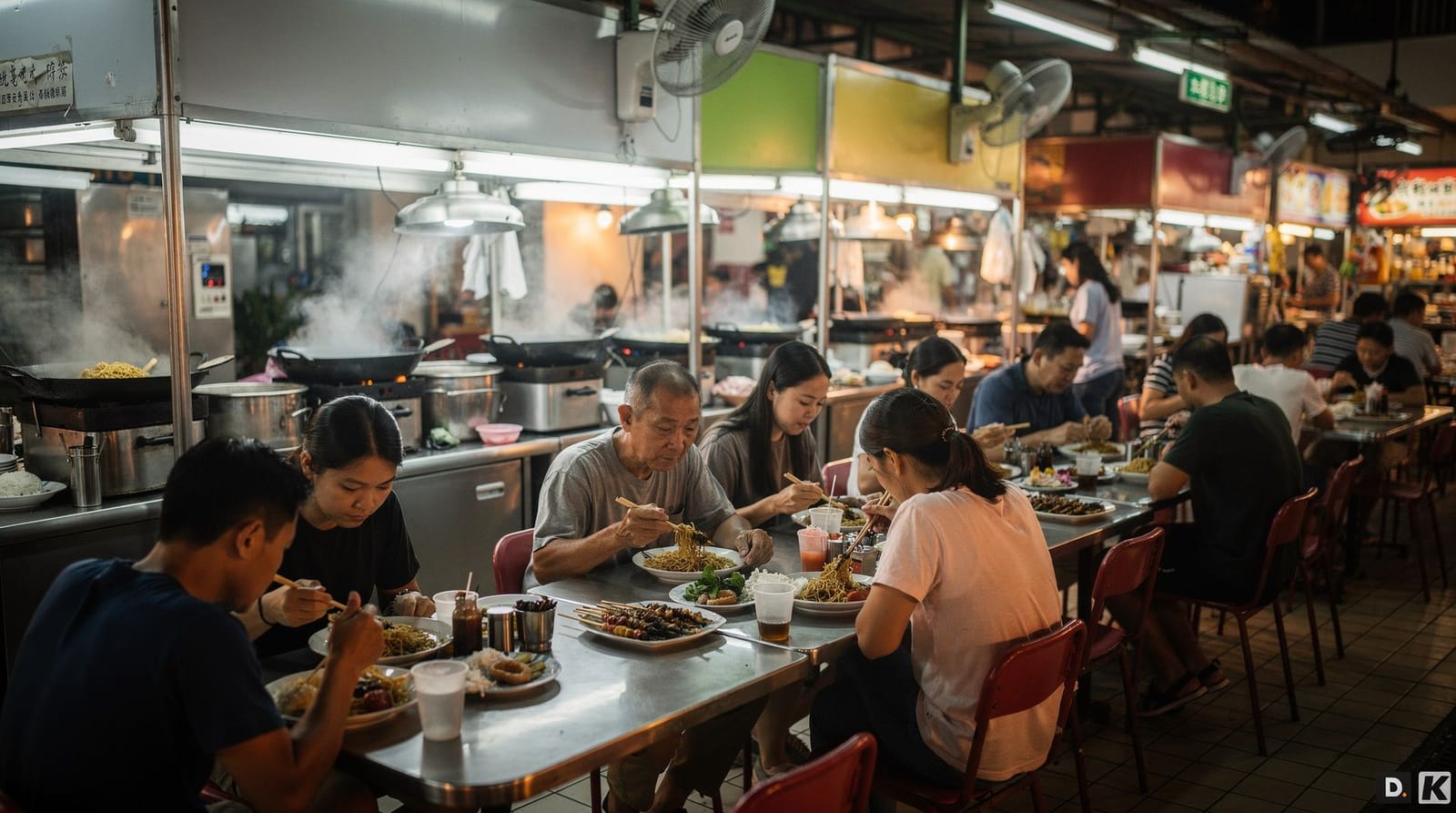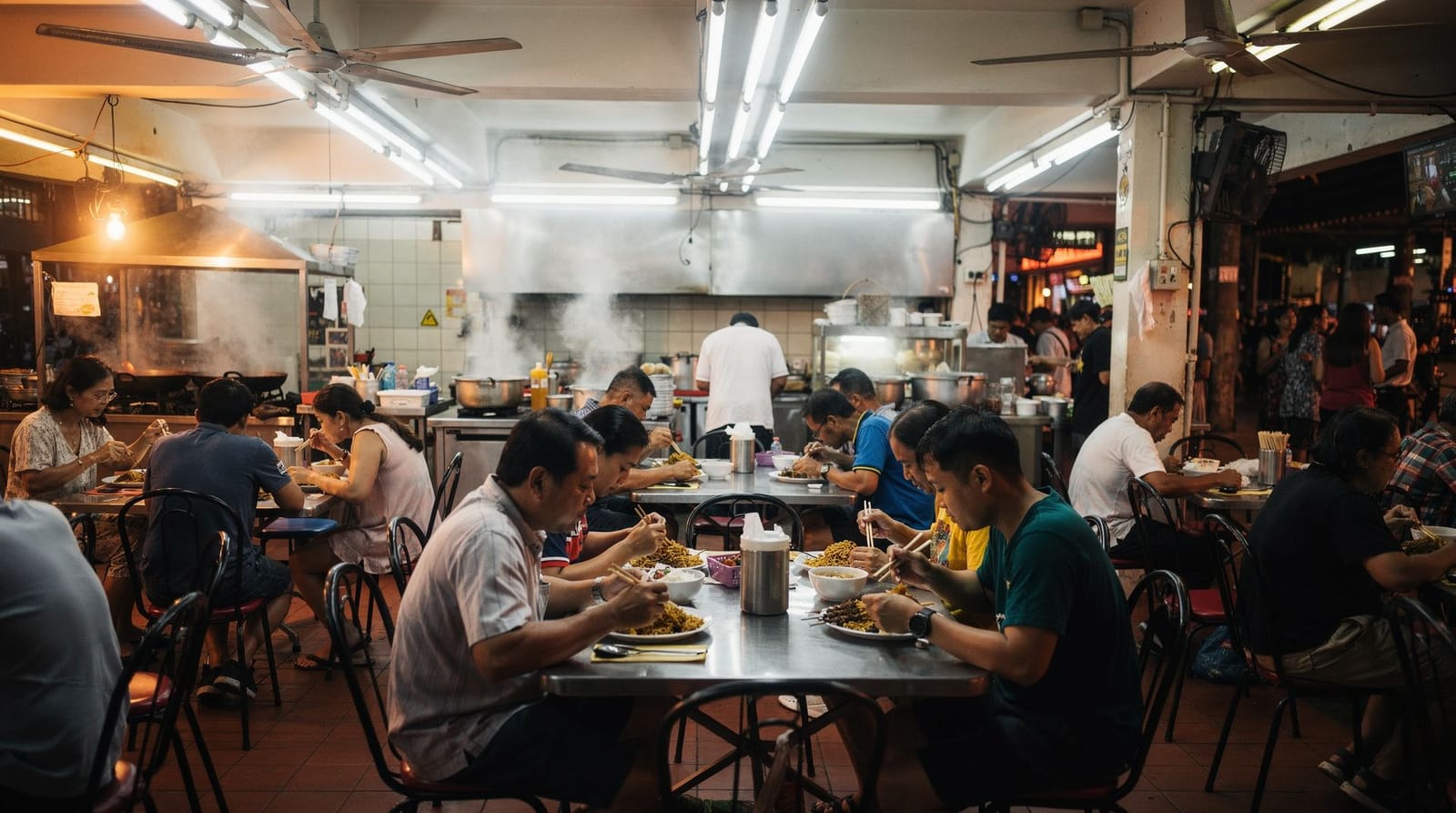
Tiong Bahru Market: hawker food guide
Singapore: local hawker food tour with tastings
Is Tiong Bahru Market worth visiting?
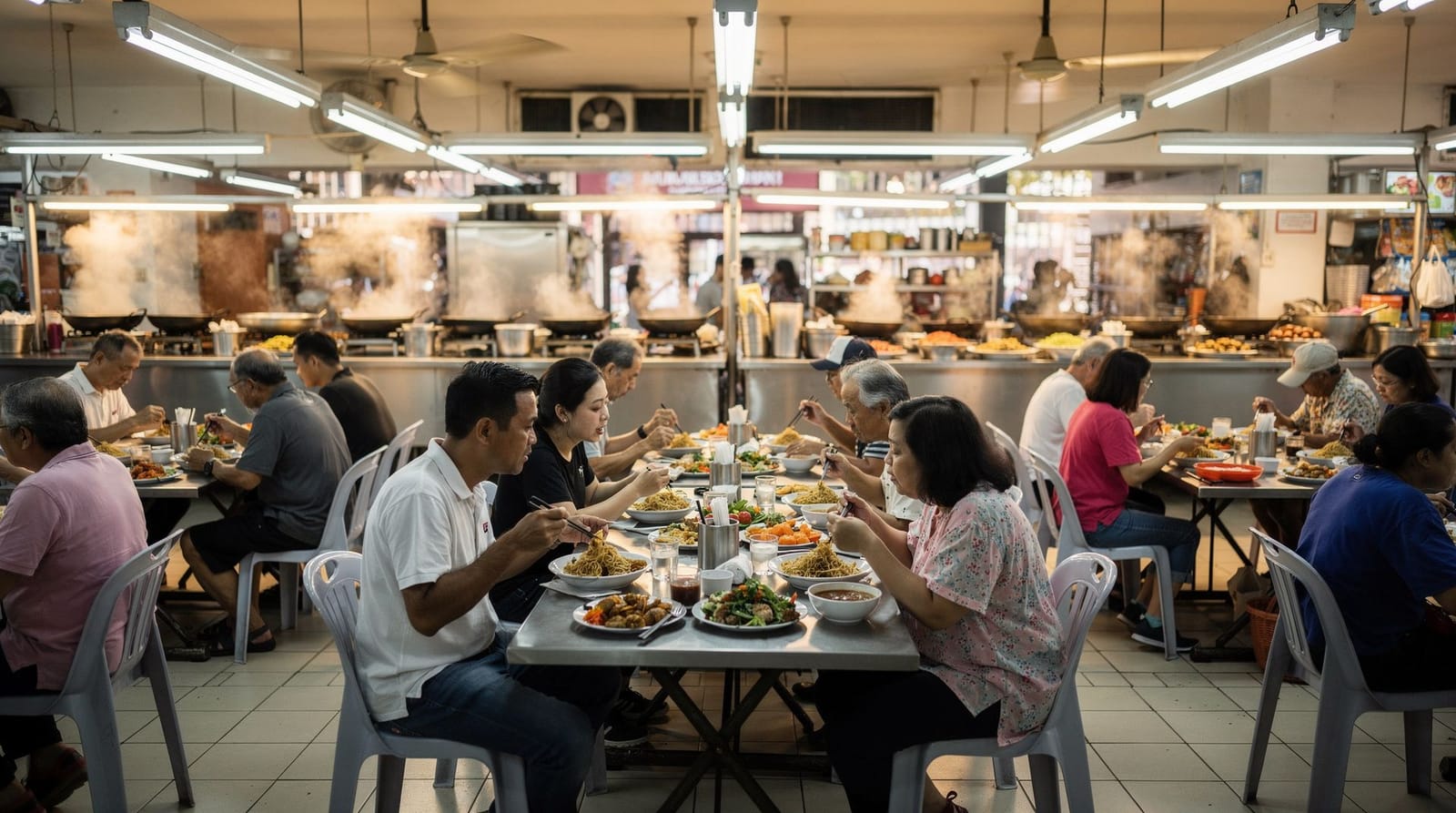
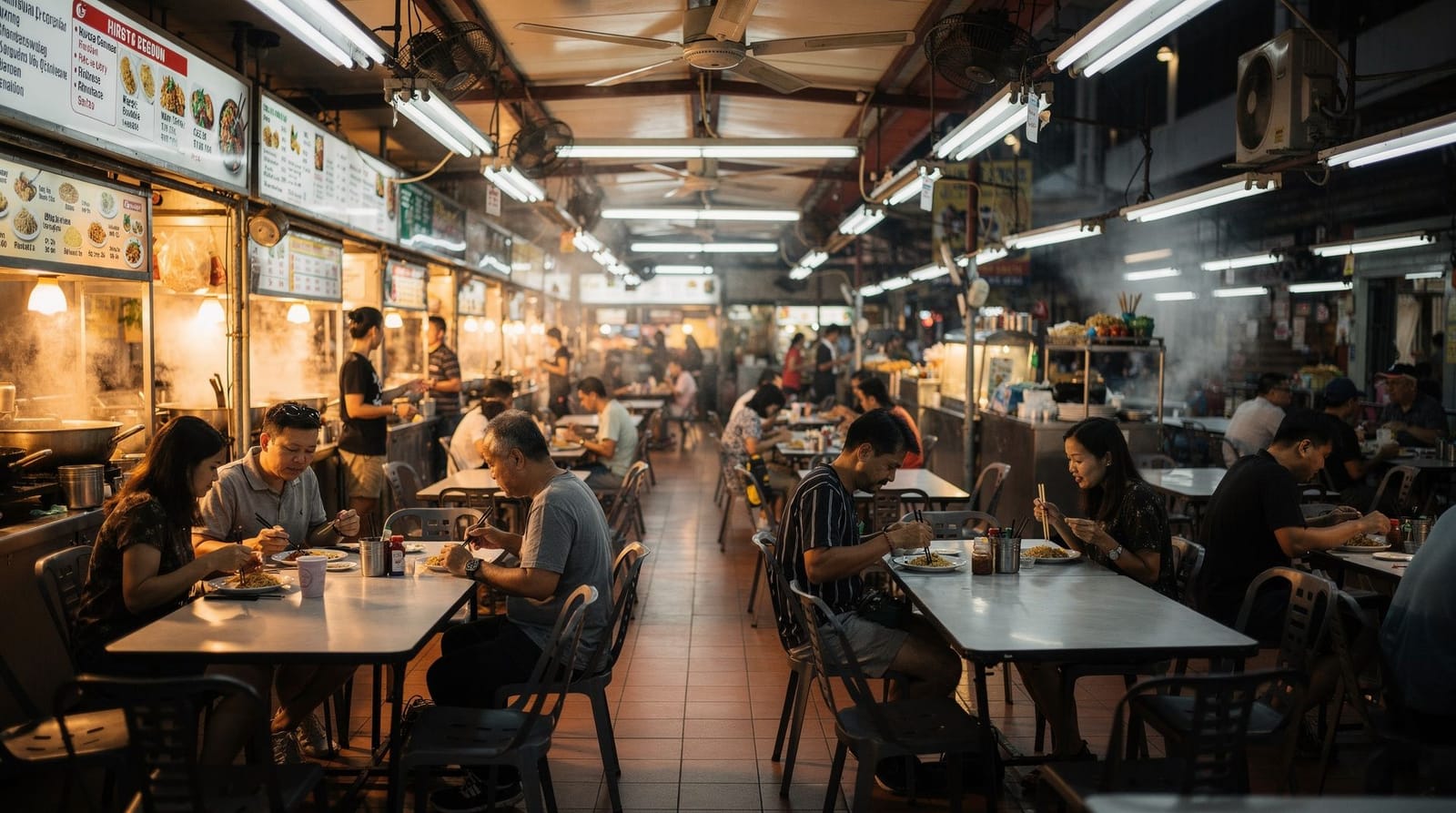
Yes — Tiong Bahru Market is one of Singapore's best neighbourhood hawker centres, particularly for breakfast. The shui kueh (steamed rice cakes) at Jian Bo is definitively among the city's finest, the char kway teow is consistently ranked, and the market serves a knowledgeable local clientele that keeps quality standards honest. Combine with a walk through the Art Deco Tiong Bahru shophouses for the best morning in Singapore's most interesting neighbourhood.
| Where | 30 Seng Poh Road, Tiong Bahru (hawker centre on Level 2) |
| Cost | Free entry; dishes SGD 1.20–6 |
| Getting there | MRT Tiong Bahru (EW17), ~8 min walk |
| Best time | 07:00–09:30 for the full breakfast selection |
| Best stall | Jian Bo Shui Kueh (from 06:30, sells out by late morning) |
Tiong Bahru Market operates at the intersection of Singapore’s two food cultures: the traditional hawker centre serving a neighbourhood’s daily needs, and the gentrified local scene of a district that has attracted independent coffee shops, bookstores, and a younger professional population who know how to eat. The market serves both without compromise.
The result is a hawker centre with unusually high average standards — the local customer base is both traditional (longtime Tiong Bahru residents, retirees, market shoppers) and contemporary (the café crowd, the design professionals in nearby studios). Both groups have opinions about food. The stalls respond accordingly.
The Tiong Bahru neighbourhood
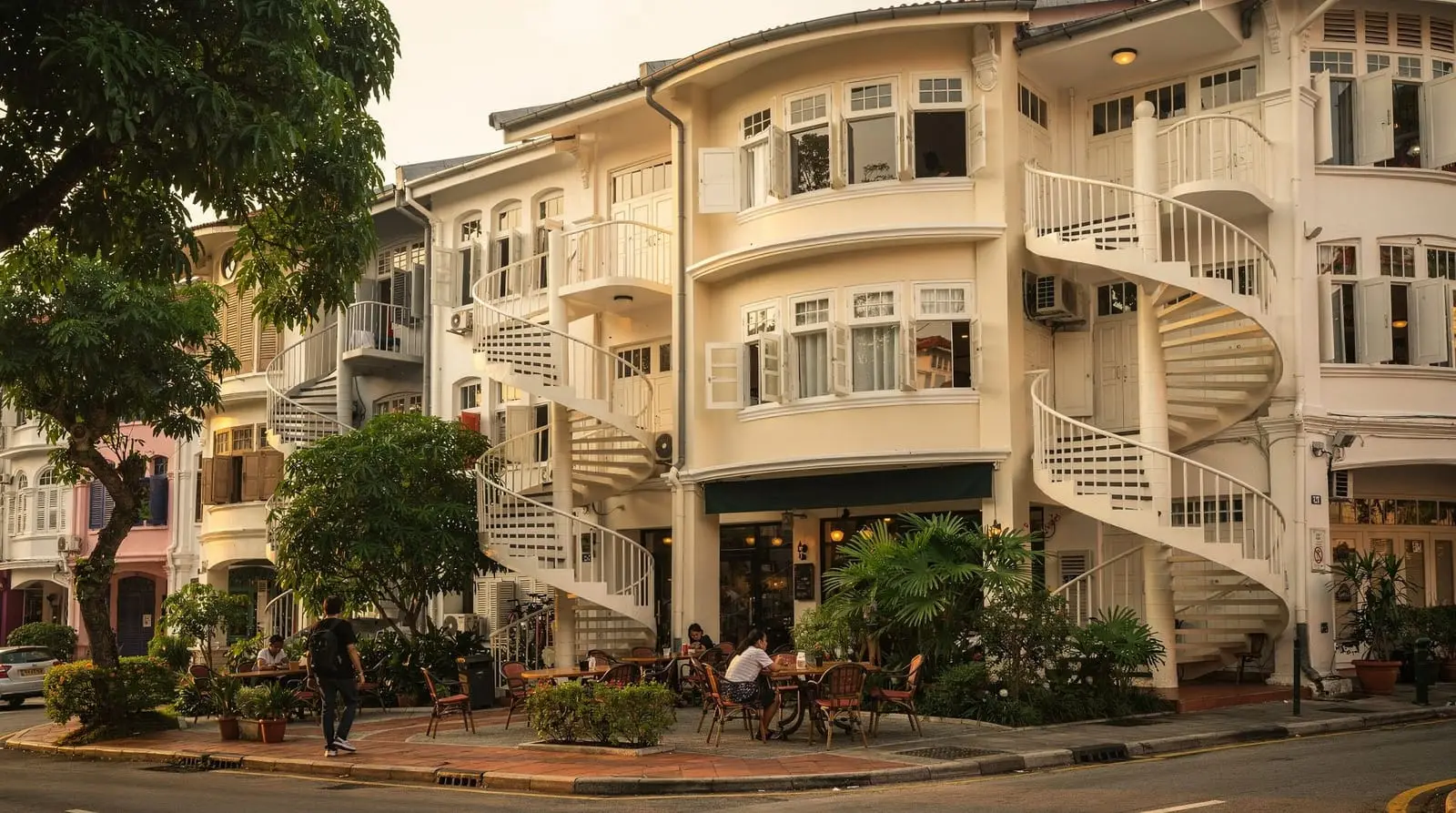
Before covering the market stalls, the neighbourhood context helps explain why visiting Tiong Bahru Market feels different from other hawker centres. Tiong Bahru is Singapore’s oldest housing estate — the Singapore Improvement Trust flats built in the 1930s and 1940s are in a rare Art Deco style with curved stairwells, flat roofs, and continuous covered ground-floor corridors (the “five-foot-way”). The buildings have been gazetted for conservation and are now among the most sought-after addresses in Singapore.
The neighbourhood has a working-class heritage (it housed Singapore’s lower-income population in the post-war period) alongside its current status as the city’s most credibly cool neighbourhood. This history is relevant because the food culture in the market has continuity from the older generation of stalls that served those original residents.
The Tiong Bahru neighbourhood guide covers the broader area and walking route through the estate.
Jian Bo Tiong Bahru Shui Kueh (Level 2, Stall #02-06)
The most important stall. Jian Bo has been making shui kueh in Tiong Bahru since 1958 — the current stall is the same family operation, now in the second generation. The shui kueh here is universally cited as the definitive Singapore version.
The dish: Six small steamed rice flour cakes per serving, each topped with a thumb-sized mound of preserved turnip (chai poh) cooked with garlic, white pepper, and a small amount of chilli. The cakes are soft, white, slightly gelatinous, and mild — the turnip topping provides all the flavour. Eaten with a bamboo skewer. The contrast between the neutral, yielding cake and the salty-fragrant topping is the whole point of the dish.
Why Jian Bo specifically? The texture calibration — the kueh should be soft but not wet, firm enough to lift cleanly with a skewer — varies between versions. At Jian Bo the kueh is steamed in small batches to order, so the freshness is consistent. The preserved turnip is made in-house and has a more complex flavour than the commercially prepared versions used by competing stalls.
Opening hours: From 06h30. Sold out by 11h00–12h00 on busy mornings. Come early.
Price: SGD 3.50 for 6 pieces. One of the best-value heritage snacks in the city.
Outram Park Char Kway Teow (Level 2)
One of Singapore’s most consistently ranked char kway teow stalls. The flat rice noodles are fried over very high heat with cockles, Chinese sausage (lap cheong), egg, bean sprouts, and dark soy in a well-seasoned wok that has accumulated decades of carbon. The wok-hei here is genuine — you can smell it from several stalls away.
The stall: Run by the next generation of the founding cook. The wok technique is the same — sustained high heat, fast tossing, precise timing on the cockles (they should just open, not overcook). Dark soy creates the colour; the balance of sweetness versus salt is the mark of a skilled operator.
Queue situation: On weekend mornings, expect 20–30 minutes. On weekdays, 10–15 minutes. The stall operates lunch service only — closes mid-afternoon. Do not arrive at 14h30 expecting to eat this.
Price: SGD 4–6 depending on portion size.
Eng Soon Hong Chee Kway (Level 2)
Or kueh — thick, soft rice cakes fried in a dark soy sauce with preserved radish (chai poh), egg, and bean sprouts. Different from shui kueh (the steamed white version) — this is the fried, darker version of a similar base ingredient. A Teochew specialty.
Heavier than shui kueh; better as part of a larger breakfast spread rather than as the sole dish.
Price: SGD 3–5.
The popiah stall
Fresh popiah — Singapore’s spring rolls, eaten fresh (not fried). Thin wheat crepes filled with stewed turnip, prawns, egg, fried shallots, coriander, and chilli sauce. Assembled to order. A distinctly Singaporean heritage dish that has largely disappeared from younger hawker generations; Tiong Bahru Market still has a good version.
Price: SGD 2.50–3.50 per roll.
Tiong Bahru Pau (steamed buns)
A traditional pau stall producing char siu bao (BBQ pork steamed buns), lotus paste buns, and other stuffed buns. Made and steamed on-site from early morning. The Cantonese bao tradition is well-served here — the buns are fluffy and properly proofed, the filling generous.
Price: SGD 1.20–2.00 per bun.
The roti prata stall
The Indian Muslim prata stall at Tiong Bahru Market is a morning reliable. Plain prata at SGD 1.50, egg prata at SGD 2.50, with the curry served separately. A contrast to the Chinese breakfast options and useful if you are visiting with people of different food preferences.
After the market: the Tiong Bahru morning walk
The best Tiong Bahru visit sequences the market breakfast with a walk through the estate. From the market on Seng Poh Road, the housing estate begins immediately — walk west on Tiong Bahru Road through the curved stairwell blocks, south on Yong Siak Street (where the independent bookshop BooksActually is located), and through the conservation shophouse blocks on Guan Chuan Street and Tiong Poh Road.
The walk takes 30–45 minutes depending on pace and how many café stops you make. The neighbourhood has excellent specialty coffee (Forty Hands on Yong Siak Street is the standard-setter) — a natural combination with the market breakfast.
The stalls at a glance
| Stall | Dish | Price | Best time |
|---|---|---|---|
| Jian Bo Shui Kueh | Steamed rice cakes | SGD 3.50/6pc | 06:30–11:00 |
| Outram Park Char Kway Teow | Fried flat noodles | SGD 4–6 | Lunch only |
| Eng Soon Hong | Fried rice cakes (or kueh) | SGD 3–5 | Morning–afternoon |
| Popiah stall | Fresh spring rolls | SGD 2.50–3.50 | Morning |
| Tiong Bahru Pau | Steamed buns | SGD 1.20–2 | All day |
| Roti prata stall | Prata with curry | SGD 1.50–2.50 | Morning |
How Tiong Bahru Market compares to other hawker centres
If you are choosing between Singapore’s best-known hawker centres, the honest positioning: Maxwell Food Centre is more famous and central, best for a first-time hawker experience; Tiong Bahru Market has higher average stall quality and a more genuinely local clientele. For the fuller citywide comparison across all the major centres, see best hawker centres and what to eat in Singapore. If you are new to hawker centre customs — tray return, chope (reserving a seat with a tissue packet), queuing — the hawker etiquette guide covers the unwritten rules before you dive in.
Building a food day around Tiong Bahru Market
Tiong Bahru Market works best as the opening stop of a food-focused day rather than the only stop. A typical structure: breakfast here (07:00–09:00), a late-morning coffee and pastry stop on Yong Siak Street, then either Chinatown Complex Food Centre or Maxwell Food Centre for lunch once you have walked off breakfast. For a fuller multi-day structure built entirely around eating well, see the Singapore foodie itinerary, and for the specific heritage dishes worth prioritising across the whole trip, must-try dishes in Singapore.
Evening hawker centre food tourGuided hawker food experience
Tiong Bahru Market is sometimes included in broader guided food tours of Singapore’s hawker culture.
Local hawker food tour with tastings — covers multiple centres including Tiong Bahru areaHow to order and eat well here
A first visit goes more smoothly with a loose plan. Walk the Level 2 floor once before you queue anywhere: the stalls with the longest lines of regulars are usually the ones worth waiting for, and a lap lets you decide how much food you actually want. Going with at least one other person helps, because one of you can hold a table while the other queues, and you can share several small plates instead of committing to a single big one. If the practice of reserving seats is new to you, the hawker etiquette guide explains how it works before you sit down.
The dishes here are small and cheap, which makes ordering several of them the natural approach. Start with the shui kueh while it is fresh, add a plate of char kway teow if the queue is manageable, and finish with something steamed or fried from a quieter stall. Pairing a soft, mild dish with a salty, wok-fried one keeps the meal balanced rather than heavy. Coffee and tea come from the drinks stall, ordered in the local style, and the kaya toast breakfast guide is a useful companion if you want to understand the traditional morning set.
Bring a little patience and some cash. Cooks work at their own pace, and the best stalls do not rush for anyone, so the wait is part of the experience. Be ready to move on to a second choice if a favourite has already sold out; the floor has enough variety that you will not leave hungry.
Who Tiong Bahru Market suits
This is a good fit for travellers who like local, unhurried food and are happy to start the day early. It also works well for visitors who want a calmer alternative to the busiest central hawker centres. If you are building a wider eating plan, the best cheap eats in Singapore and the Singapore foodie itinerary show where this market sits among other options.
Families can manage here too, though the Level 2 floor gets crowded at peak breakfast hours, so choose your table with care. For a different style of local eating later in the day, the Old Airport Road Food Centre guide and the Chinatown Complex food guide are natural next stops. If you would rather see the whole neighbourhood in one go, the Tiong Bahru destination page gives the wider picture of the area around the market.
Practical details
Location: 30 Seng Poh Road, Tiong Bahru; hawker centre on Level 2 MRT: Tiong Bahru (EW17) — 8-minute walk through the estate Wet market hours: From 05h30 (ground floor) Hawker centre hours: From 06h30 (key stalls); most active 07h00–13h00 Best time to visit: 07h00–09h30 for the full selection before sell-outs Entry fee: Free Payment: Cash-preferred at most stalls; PayNow at some
Frequently asked questions about Tiong Bahru Market
Is Tiong Bahru Market better for breakfast or lunch?
Breakfast, without question. The most celebrated stalls — Jian Bo Shui Kueh, Outram Park Char Kway Teow — peak in the morning. Some sell out before lunch. The lunch service is good but less distinctive. Arrive between 07h00 and 09h00 for the best version of the market.
How does Tiong Bahru Market compare to Maxwell Food Centre?
Maxwell is more famous (Tian Tian chicken rice), more centrally located, and better for a first-time hawker experience. Tiong Bahru Market has higher average stall quality, a more genuinely local atmosphere, and better heritage-specific breakfast dishes. They are different experiences — both worth doing on a longer visit.
Is the Tiong Bahru area worth visiting beyond the market?
Significantly. The Art Deco housing estate, the café and bookshop strip on Yong Siak Street, and the neighbourhood’s particular combination of heritage and contemporary use make it the most interesting neighbourhood walk in Singapore after the cultural quarters (Chinatown, Little India, Kampong Glam). A full Tiong Bahru morning — market breakfast, estate walk, coffee at Forty Hands — is one of the better half-day structures in Singapore.
Does Tiong Bahru Market have parking?
Limited parking in the Tiong Bahru Plaza adjacent car park. The MRT is the practical option. The walk from Tiong Bahru MRT through the estate to the market is pleasant and part of the neighbourhood experience.
What are the opening hours for the wet market?
The ground-floor wet market opens from approximately 05h30 and is most active until 10h00. By noon, most stalls are clearing out. The wet market operates daily including weekends and public holidays, though reduced on major public holidays.
Top experiences
Bookable activities with verified prices and instant confirmation on GetYourGuide.