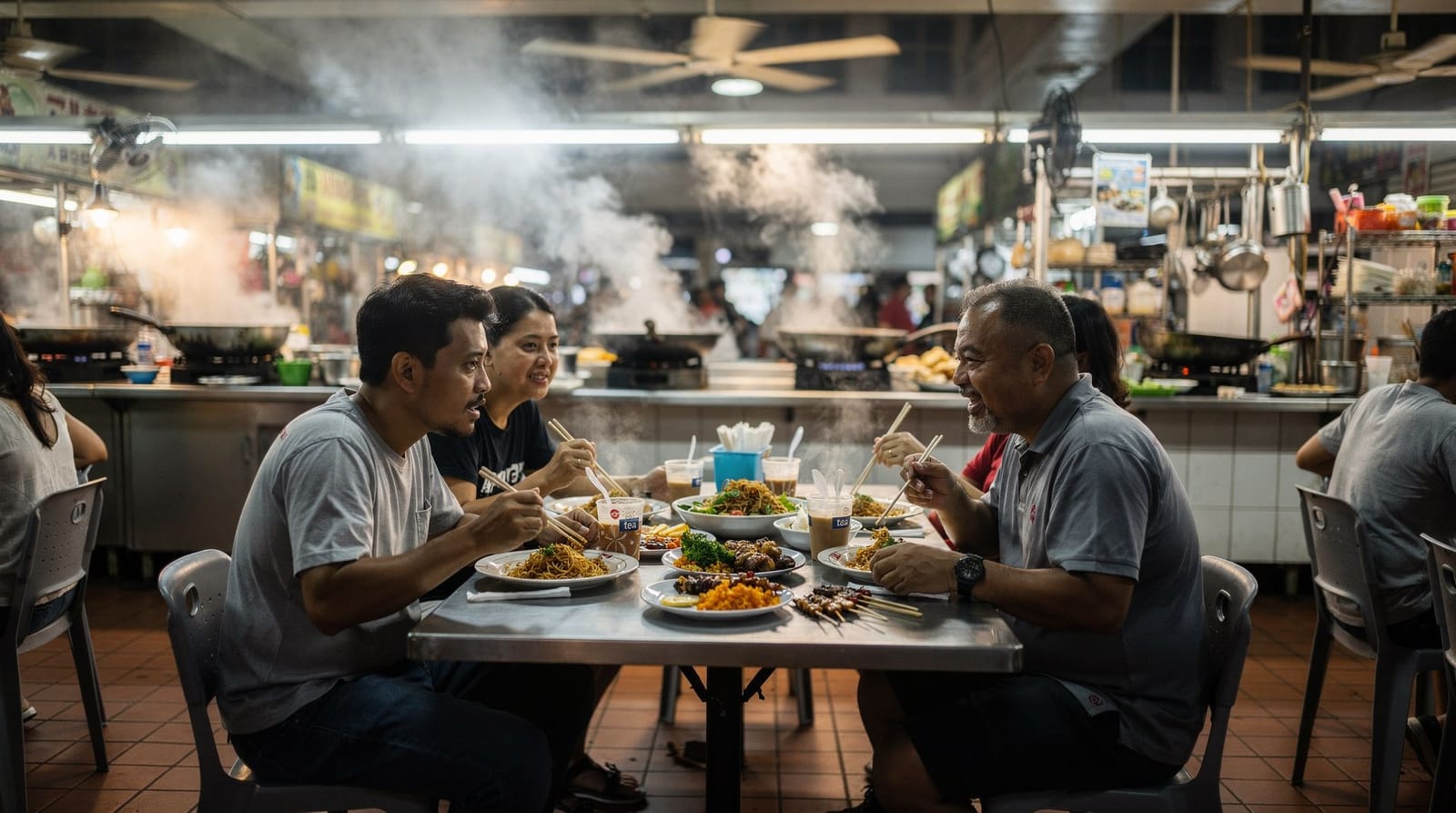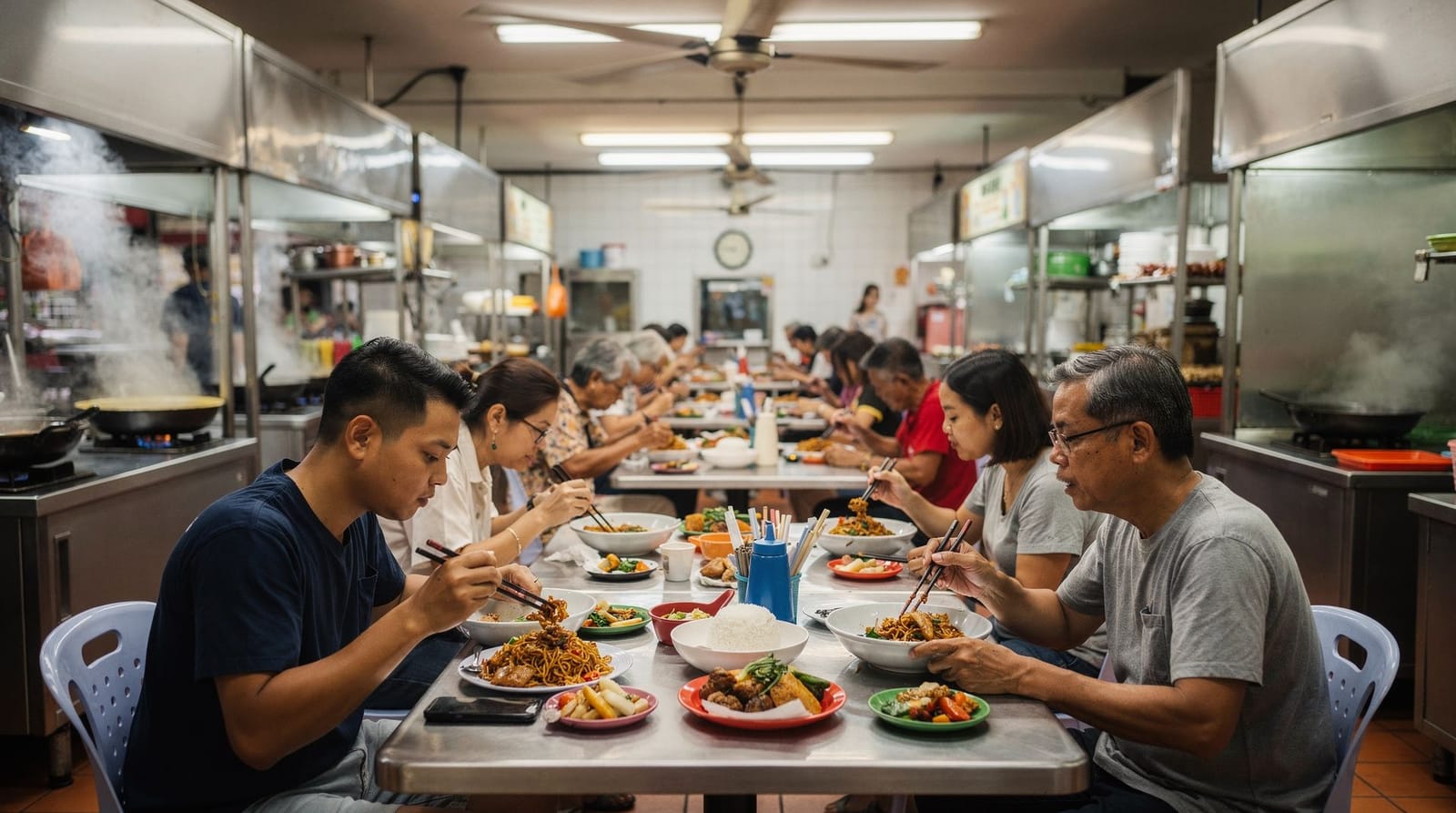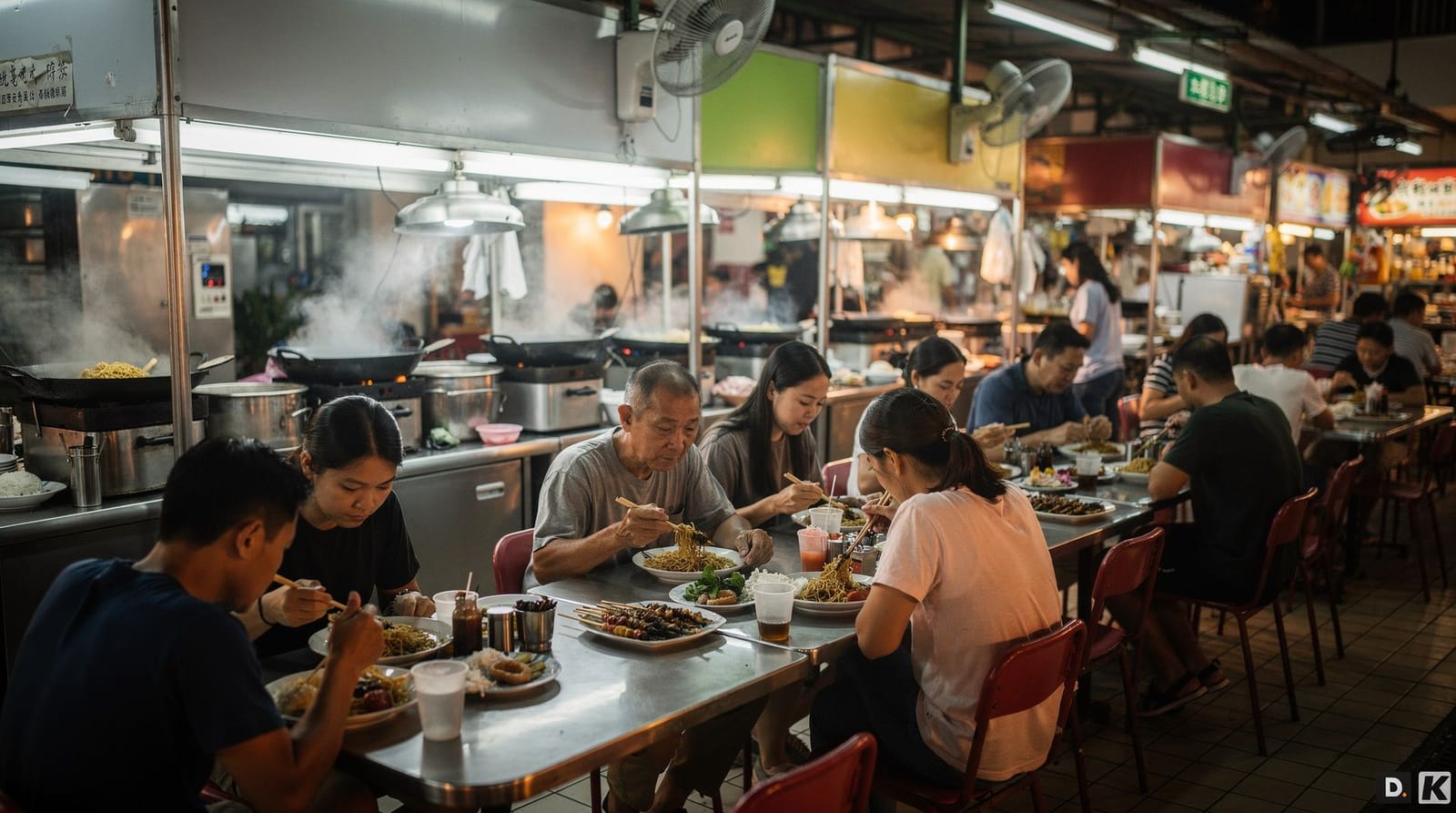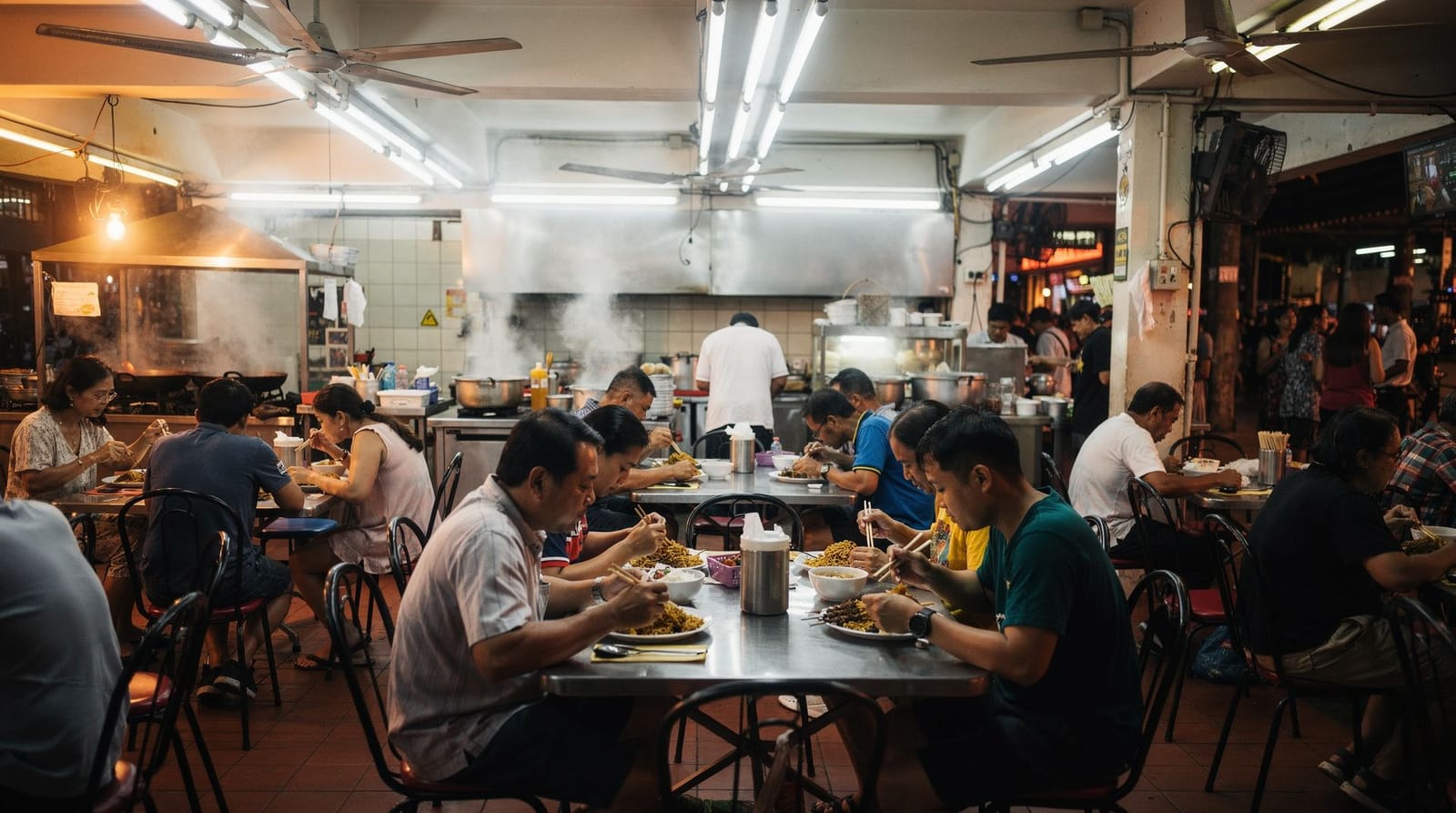
Singapore foodie itinerary: the 3-day eating plan
Singapore: Chinatown hawkers food tour with 7 tastings
Quick answer: Singapore’s food scene is one of the best in the world — and most of it costs SGD 5–10 at a hawker centre. This three-day plan structures the eating to cover all the essential dishes and all the essential contexts: Chinese hawker centres, Indian breakfast, Malay kueh, Peranakan nyonya, chilli crab, and two Michelin-starred hawker stalls. No filler restaurants.
| Where | Chinatown, Little India, Kampong Glam, Katong, Tiong Bahru |
| Cost | around SGD 30–50/day budget, SGD 80–120/day mid-range |
| Time needed | 3 days, roughly 4–6 meals/snacks per day |
| Getting around | MRT between districts, walking within each |
| Best time | Any season; June–August adds durian to the list |
Why Singapore food is genuinely exceptional
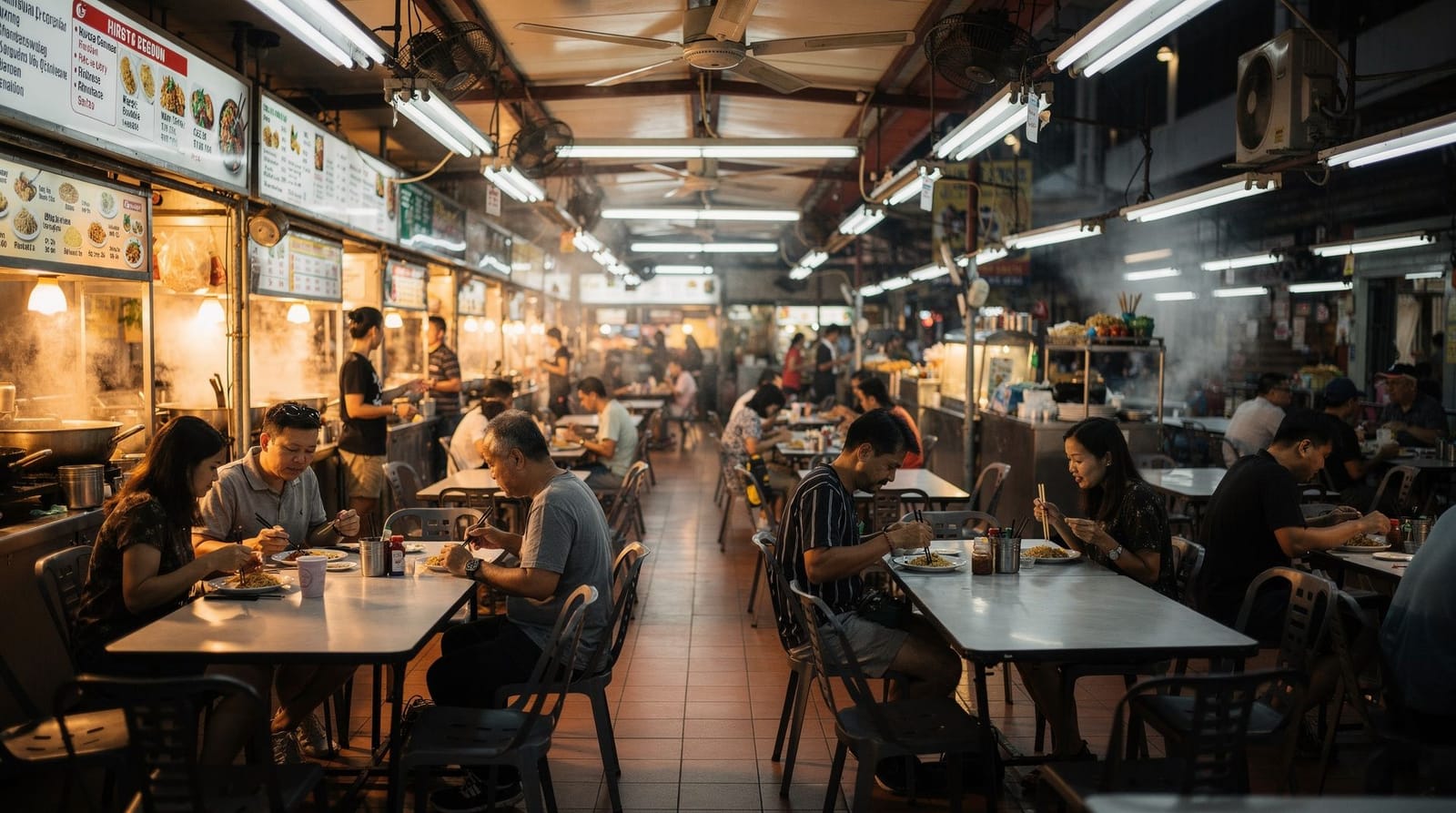
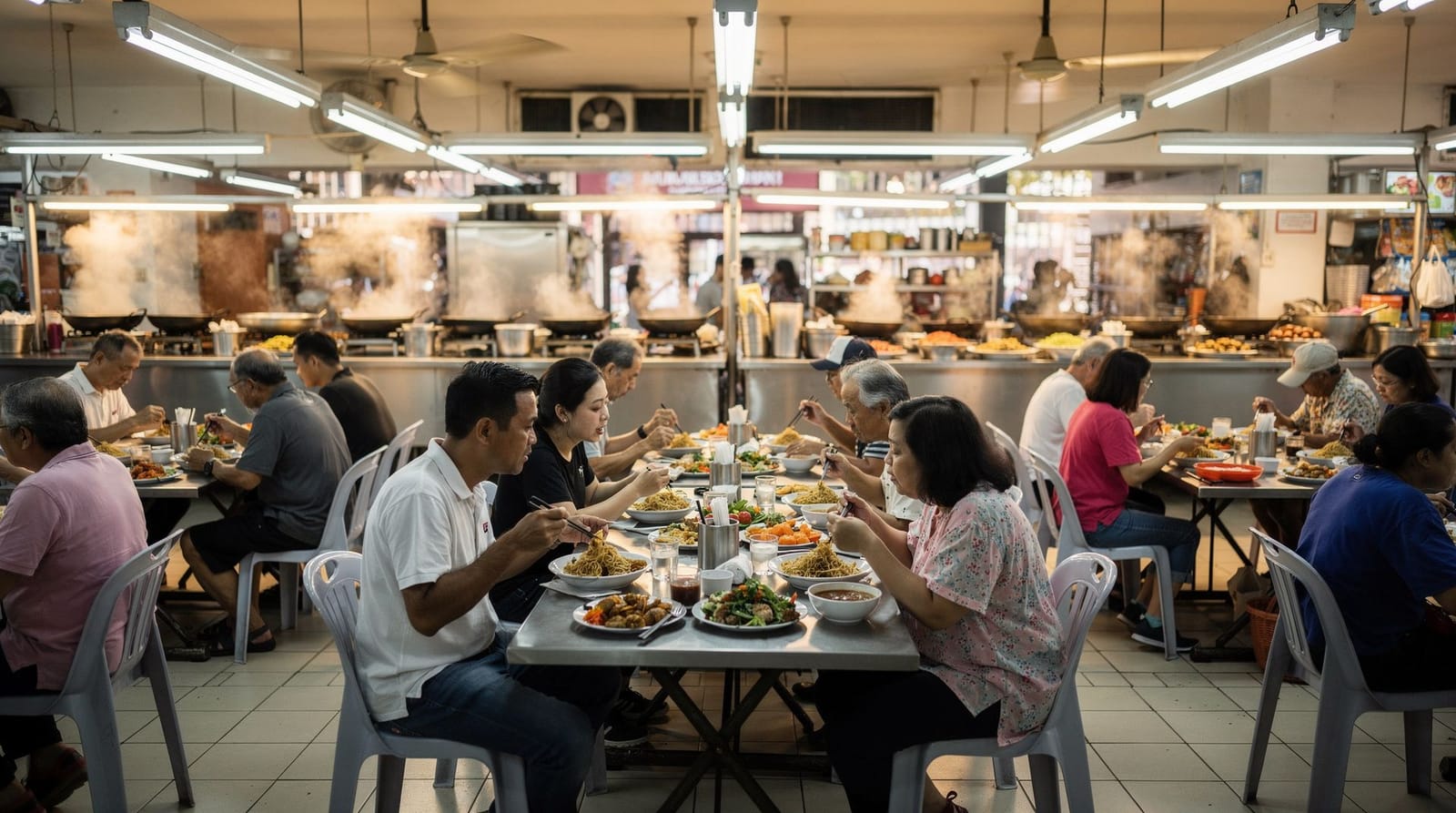
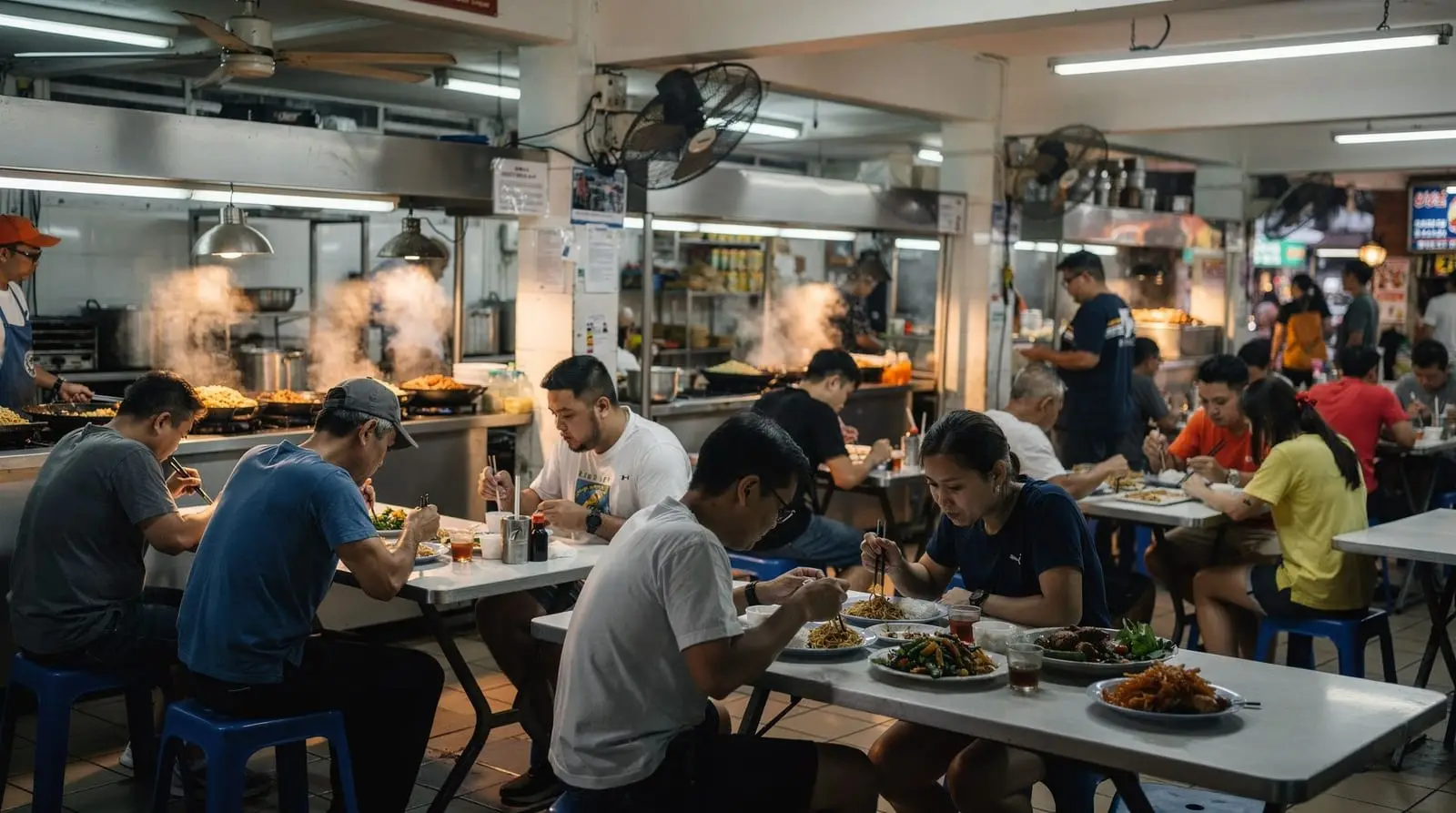
Singapore’s hawker culture received UNESCO Intangible Cultural Heritage recognition in 2020 — the first street food culture to do so. The recognition was for a living tradition that works at every price point: dishes refined over generations by immigrant communities (Hokkien, Teochew, Cantonese, Hainanese, Malay, Tamil), now accessible to everyone at covered food centres across the island.
What makes the hawker culture extraordinary is specialisation. Each stall typically makes one or two dishes, and the good ones have been making the same dish for 20–40 years. The chicken rice stall at Maxwell has been perfecting its poaching technique since 1978. The wonton mee at Kok Kee has been hand-pulling noodles daily since 1965. You don’t eat at a hawker centre for variety — you eat at the stall with the longest queue for one perfect dish.
This itinerary organises three days of eating by district and by dish, with the context for what you’re eating and why it matters.
Before you start: how hawker centres work
- Walk the full centre once before ordering — see where the queues are
- Order at the stall, pay immediately (cash at most stalls; an increasing number take NETS or PayNow QR)
- Find a seat before or after ordering — you can leave your tissue packet or umbrella to “chope” (reserve) a table
- Drinks stalls are separate — order your barley water or sugar cane juice from the drinks stall
- Eat what you ordered at the table; the plastic tables and stools are shared
- There is no tipping
Full guide to eating well at hawker centres: best hawker centres in Singapore, and the etiquette specifics on chope-ing a table: hawker etiquette guide.
Getting between the food districts
This itinerary moves across five neighbourhoods over three days, and the MRT makes every leg fast — nothing here requires more than a 15–20 minute ride, and most hops are one or two stops. If the network is unfamiliar, the MRT guide to Singapore covers lines, fares, and the EZ-Link/contactless tap-in system before you start. Budget SGD 1.50–3 per ride; a full day of hawker-hopping rarely costs more than SGD 8–10 in transport.
Day-by-day summary
| Day | Focus | Key stops |
|---|---|---|
| Day 1 | Chinese hawker classics | Kopitiam breakfast, Maxwell, Chinatown Complex, Tiong Bahru, chilli crab dinner |
| Day 2 | Indian and Malay food | Tekka Centre, Little India, Kampong Glam, Old Airport Road supper |
| Day 3 | Peranakan food and cooking class | Katong laksa, cooking class, rooftop drinks, Peranakan dinner |
Day 1: Chinese hawker classics
Breakfast: kaya toast and half-boiled eggs (07:30–09:00)
Start at any traditional kopitiam (coffee shop). Order the full set: kaya toast (bread toasted over charcoal, spread with kaya — coconut-and-egg jam — and cold butter), two half-boiled eggs (cracked into a bowl, seasoned with dark soy and white pepper, eaten by dipping toast into the runny eggs), and a kopi (robusta coffee with condensed milk) or teh (tea with condensed milk).
Ya Kun Kaya Toast (multiple branches, most convenient is Far East Square near Raffles Place MRT) is the reliable option. But the best version is at an independent kopitiam that still uses a charcoal toaster. Cost: SGD 4.50–6 for the full set.
Why it matters: this breakfast exists because of the Hainanese immigrants who worked as cooks for British colonial households. The bread, the eggs, the coffee — all adaptations of British-era ingredients through Hainanese technique. Kaya toast guide.
Morning: Maxwell Food Centre (10:00–12:00)
MRT to Tanjong Pagar (EW Line). Walk 5 minutes to Maxwell Food Centre (1 Kadayanallah Road).
What to order:
Tian Tian Hainanese Chicken Rice (Stall B1-09): The most-discussed chicken rice in Singapore — poached chicken (or roasted if you prefer), served on rice cooked in the chicken stock, three dipping sauces (chilli, ginger, dark soy), clear chicken broth. SGD 5–6. The queue usually runs to 10–15 minutes. Arrive before 12:00 for shorter lines. Read Hainanese chicken rice guide.
Zhen Zhen Porridge (Stall 54): Teochew-style rice porridge (congee), smooth and silky, with preserved egg, fried fish, and various toppings. SGD 3–5. Open from morning only.
Maxwell Fuzhou Oyster Cake (Stall 25): A deep-fried pork-and-oyster pastry, Fujianese origin, the Maxwell version is the most celebrated in the city. SGD 1.50 each.
Have at least two dishes here, not just chicken rice. Maxwell is the most variety-rich of Singapore’s historic hawker centres.
Lunch hawker tour: Chinatown Complex (12:30–14:00)
Walk or MRT from Maxwell to Chinatown (MRT 1 stop). Chinatown Complex Food Centre (335 Smith Street, 2nd floor, one of the largest hawker centres in Singapore).
What to order:
Hong Kong Soya Sauce Chicken Rice and Noodle (Stall 02-126): Chan Hon Meng’s soya-sauce chicken won Singapore’s first Michelin star for a hawker stall in 2016. The queue can reach 2–3 hours on weekends; arrive at 10:30–11:00 for a 45-minute wait. The soya-braised chicken and rice is SGD 2.50–3.50 — the cheapest Michelin meal in the world. Full context at Michelin hawker stalls in Singapore.
Char Kway Teow: Any stall with wok hei (the smoky breath of the wok) visible. The Singapore version uses flat rice noodles, Chinese sausage, cockles, bean sprouts, egg, and chilli — all fried together at high heat. SGD 5–7.
Chinatown hawker food tour option: A guided 7-tasting Chinatown hawker tour covers the essential dishes with a local guide explaining the cultural background — good if you want context alongside the eating.
Afternoon: walk to Tiong Bahru (14:30–17:00)
MRT to Tiong Bahru (EW Line, 1 stop from Chinatown). The Tiong Bahru Market (83 Seng Poh Road, 2nd floor hawker) is Singapore’s most beloved neighbourhood hawker centre — smaller, more local-feeling, excellent for single-dish snacking in the afternoon.
Jian Bo Shui Kueh (Stall 02-205): Steamed rice cakes (shui kueh) topped with preserved radish (chai poh), steamed in individual portions — a light, traditional snack from the Teochew tradition. SGD 2–3.
Tiong Bahru Chwee Kueh (Stall 02-197): Another version of the same dish, slightly different texture, the two stalls are a long-running local debate. Try both.
Walk the Tiong Bahru neighbourhood streets for digestion — the Modernist estate, BooksActually, the quiet café courtyards. Full guide: Tiong Bahru guide.
Evening: chilli crab dinner (19:00–21:30)
Singapore’s most iconic restaurant dish — chilli crab or black pepper crab — is expensive but essential on a food visit. Average SGD 50–80 for a 700g–1kg crab (per person, roughly).
Best options:
- No Signboard Seafood (Geylang, Vivocity, or East Coast Lagoon): Less touristy than Jumbo; the white pepper crab is the speciality.
- Long Beach Seafood (two locations): The most consistent over many years; both black pepper and chilli versions excellent.
- Jumbo Seafood (Clarke Quay, East Coast Park): The tourist-friendly option — reliable, the Clarke Quay location has river views.
Order the crab (chilli or black pepper, your choice — chilli is the classic), mantou (deep-fried buns for scooping the sauce), and baby kai lan (Chinese greens) with oyster sauce. Full guide: chilli crab in Singapore.
Day 2: Indian and Malay food
Breakfast: south Indian at Tekka Centre (07:30–09:00)
MRT to Little India (NE/DT Lines). Tekka Centre (665 Buffalo Road, 2nd floor hawker, open from 06:00).
Dosai (also spelled dosa): Fermented rice-and-lentil batter crepe, cooked on a flat griddle until thin and crisp, served with sambar (lentil vegetable broth) and coconut chutney. SGD 2–4 for a plain dosai; masala dosai (with spiced potato filling) SGD 3–5. Order from any of the south Indian stalls with a griddle visible.
Prata: A flaky flatbread of Malaysian/Indian origin, cooked on a flat griddle with egg or plain. The Singaporean prata is crispier than the Indian paratha. SGD 1.50–3 each.
Kopi at a kopitiam near the market: Tekka’s immediate streets have several traditional coffee shops where the morning tea and kopi ritual is worth sitting through.
Morning: Little India food walk (09:00–12:00)
Sri Veeramakaliamman Temple (141 Serangoon Road, free): Visit the temple in the context of the food visit — the prasad (sacred food) distributed at temples after puja is part of Singapore’s Hindu food tradition.
The mustafa spice shops and provision stores on Serangoon Road and Dunlop Street: Buy a bag of kaya, a packet of laksa paste, or a bottle of fish sauce as an edible souvenir. The Indian grocery world at Tekka and along the side streets is fascinating to a food-focused visitor.
Banana leaf lunch at Banana Leaf Apollo (54 Race Course Road, near Little India MRT): One of Singapore’s most celebrated south Indian restaurants, serving fish head curry (the definitive version) and various curries on a large banana leaf. SGD 20–35 per person. The fish head curry is a specifically Singaporean Indian dish — not from India, but evolved here from Tamil cooking in the 1950s. A guided Little India food and culture walk contextualises this tradition across multiple stalls and gives you the history alongside the eating.
Afternoon: Kampong Glam and Malay food (14:00–17:00)
MRT from Little India to Bugis (DT Line, 2 stops). Walk to Kampong Glam for the Malay food tradition.
Zam Zam (697–699 North Bridge Road): Singapore’s oldest murtabak restaurant (est. 1908). Murtabak is a stuffed flatbread — thin dough cooked on a flat griddle, filled with egg, onion, and minced mutton or chicken. SGD 8–12. The beef and egg version is the original.
Hajjah Maimunah (11 Jalan Pisang, off Arab Street): Nasi padang — a Malay/Indonesian tradition of pre-cooked dishes displayed at the counter, served over rice. Each dish is SGD 2–4; a full plate with three dishes and rice is SGD 10–15. The beef rendang, ayam lemak (chicken in coconut gravy), and pucuk paku (fern shoots stir-fried with sambal) are excellent choices.
Kueh shopping: The traditional Malay and Peranakan cakes (kueh, or kue) are available from street-level vendors near Sultan Mosque and the Geylang Serai market — ondeh ondeh (green pandan balls filled with palm sugar), kueh lapis (layered cake), and kueh salat (pandan glutinous rice over coconut custard).
Evening: hawker centre supper at Old Airport Road (19:00–22:00)
Old Airport Road Food Centre (51 Old Airport Road, Dakota MRT, CC Line): Singapore’s most loved local hawker centre, generally considered the best overall by food-serious Singaporeans, and significantly less touristy than Maxwell or Chinatown Complex.
What to order:
Hokkien Mee (stall 01-32 or any stall with a proper wok): Thick yellow noodles and vermicelli braised in prawn stock until the noodles absorb the seafood flavour, then fried — served with sambal, limes, and pork belly. The Old Airport Road version is regarded as one of the best in the city. SGD 5–7.
Char Kway Teow (Dong Ji Fried Kway Teow, stall 01-55): The wok hei visible, the cockles generous, the lard unabashed. SGD 5–7.
BBQ Stingray (evening stalls at the outdoor section): Stingray marinated in sambal and grilled on a banana leaf — a Singapore seafood staple, typically sold only at evening market hawker centres.
Dessert: Ice kachang or chendol (end the meal with any dessert stall): Ice kachang is shaved ice over red bean, jelly, corn, and rose syrup — brightly coloured and cooling. Chendol is coconut milk over green rice-flour noodles and palm sugar syrup. SGD 2–4.
Day 3: Peranakan food and a cooking class
Morning: Katong and nyonya breakfast (09:00–12:00)
MRT to Paya Lebar (EW/CC Lines), then bus or short Grab to East Coast Road, Katong. This is Singapore’s Peranakan neighbourhood — the food here is nyonya cuisine, the Straits Chinese fusion of Hokkien-Teochew and Malay cooking developed by the Peranakan (Straits-born Chinese) community over 400 years.
328 Katong Laksa (51 East Coast Road): The most discussed laksa in Singapore — thick coconut-curry broth, cockles, fish cakes, thick round vermicelli (cut so short you eat with a spoon). The Katong version is distinct from the Penang and Sarawak versions you’ll encounter elsewhere in Southeast Asia. SGD 6–8. Arrive before 12:00 for shorter lines. Full context: laksa in Singapore.
Kim Choo Kueh Chang (East Coast Road): A family Peranakan food shop famous for bak chang (glutinous rice dumplings in bamboo leaves, stuffed with pork, mushroom, and chestnut) and kueh. The shop also sells Peranakan antiques and the proprietor will talk food history with interested visitors. SGD 2–5 per piece.
Afternoon: Peranakan cooking class (13:00–16:30)
A hands-on Peranakan cooking class is the most educational food experience available in Singapore. The nyonya cooking tradition uses techniques (rempah — dry-ground spice paste — pounded with a mortar) and ingredients (galangal, candlenut, kaffir lime leaf, belachan — fermented shrimp paste) that you’ll understand at a completely different level after making them yourself.
Singapore cooking class — Peranakan and hawker dishesClasses typically run 3–4 hours, include market shopping, hands-on cooking, and eating what you made. Cost SGD 80–150 per person. Several operators run out of shophouse kitchens in the Joo Chiat or Dempsey area.
Pre-dinner: drinks at a rooftop (17:30–19:00)
Take a Grab back to the city. The Spot or Loof (Odeon Towers) for pre-dinner cocktails at accessible prices (SGD 15–20 per cocktail, no cover charge on weekdays). See rooftop bars in Singapore.
Final dinner: Peranakan restaurant (19:30–22:00)
Candlenut (Dorsett Residences, 23D Dempsey Road): The world’s first Michelin-starred Peranakan restaurant. The buah keluak (black nut slow-cooked in a rich tamarind-based curry with prawn and pork — possibly the most unusual ingredient in Singapore’s culinary canon), the otak-otak (spiced fish custard steamed in banana leaf), and the kueh pie tee (crispy pastry cups filled with a julienned turnip and prawn stew) are the essential dishes. Tasting menu ~SGD 65–90; à la carte also available. Booking required.
Blue Ginger (97 Tanjong Pagar Road): The more accessible Peranakan restaurant — authentic, long-running, traditional shophouse setting. SGD 30–45 per person à la carte.
After dinner, walk along Tanjong Pagar Road for one last look at the conservation shophouses and the Singapore that existed before the skyscrapers — then MRT home.
Essential dishes checklist for three days
By the end of Day 3, you should have eaten:
- Kaya toast with half-boiled eggs and kopi
- Hainanese chicken rice (the fundamental dish)
- Char kway teow (wok hei noodles)
- Laksa (coconut curry noodle soup — Katong version)
- Dosai or prata (south Indian breakfast)
- Murtabak (Malay stuffed flatbread)
- Nasi padang (Malay/Indonesian rice with multiple dishes)
- Chilli crab or black pepper crab
- Shui kueh (steamed rice cakes with preserved radish)
- Hokkien mee (prawn-broth noodles)
- Nyonya food (Peranakan cuisine, minimum one course)
- Ice kachang or chendol (dessert)
Dishes for bonus credit: bak kut teh (pork ribs in herbal broth, best at Ng Ah Sio on Rangoon Road), durian (the divisive king of fruits — Geylang is the best place to try, June–August is peak season), chilli stingray (Old Airport Road evening market stalls).
Full dish guide: what to eat in Singapore and must-try dishes in Singapore.
Halal and dietary considerations
Singapore’s food scene is genuinely accommodating across dietary needs, which matters for a mixed group. Malay and many Indian Muslim stalls across Kampong Glam, Geylang Serai, and most hawker centres are halal-certified — look for the green MUIS certificate sticker at the stall front. Zam Zam and Hajjah Maimunah on Day 2 are both halal. For a fuller list of halal-certified hawker stalls and restaurants across the island, see the halal food guide. Vegetarians should read the note under the FAQ below; vegans will need to ask about fish sauce, shrimp paste (belachan), and lard at almost every stall, since Singaporean cooking uses all three liberally even in dishes that look plant-based.
Beyond this itinerary: other hawker centres worth knowing
Three days barely scratches Singapore’s hawker landscape — the island has over 100 centres. If this trip becomes a repeat visit, or you have appetite for a fourth day, three more are worth flagging: Amoy Street Food Centre (financial district, best for weekday lunch when bankers queue alongside you), Newton Food Centre (touristy but genuinely good for satay and barbecue seafood at night), and East Coast Lagoon Food Village (best eaten with a beach walk after, strong for seafood and barbecue stingray in a more relaxed, outdoor setting than Old Airport Road). None of these replace the itinerary above — they’re additions once the essential dishes are covered.
Adapting the plan
Only have two days? Merge Day 1 and Day 2’s evenings — skip one hawker supper and go straight from Kampong Glam to a chilli crab dinner, then use Day 2 for the Katong laksa and Peranakan cooking class. Staying in Katong or Joo Chiat? The Katong-Joo Chiat Peranakan guide has a longer neighbourhood walk if you want to linger rather than treat it as a single morning stop. Want a nightlife element? Clarke Quay sits between Chinatown and the river; the Clarke Quay nightlife guide pairs well with a riverside dinner after the Day 1 crab feast if you have energy left.
If you only have one day, condense to: kaya toast breakfast, Maxwell for chicken rice, Chinatown Complex for the Michelin soya chicken, an evening chilli crab dinner. That covers the four dishes most visitors regret missing.
Honest verdict and common mistakes
Frequently asked questions about Singapore food itinerary
How much does a proper food trip cost per day?
Budget: SGD 30–50/day eating hawker centres only. Mid-range: SGD 80–120/day mixing hawker and one restaurant meal. Splurge: SGD 200–400/day with chilli crab and Michelin restaurant. The paradox of Singapore food is that the best meals are at the cheapest price points.
Should I do a guided food tour?
Yes, for at least one session — preferably Day 1. A local guide who knows individual stallholders provides context that changes how you understand every subsequent meal. The best guides are former food journalists or neighbourhood residents, not hospitality-trained tour leaders.
Is there enough vegetarian food?
Singapore is well-served for vegetarians. South Indian food (Tekka Centre, banana leaf restaurants) is heavily vegetarian. The yong tau foo hawker (stuffed tofu and vegetables in broth) is vegetarian-adaptable. Most hawker centres have a vegetable rice stall (vegetarian economy rice). The main challenge is that many “vegetarian” dishes contain lard or dried shrimp — ask explicitly at each stall. Guide: vegetarian food in Singapore.
When is the best time for durian?
June–August (durian season, when Musang King and other premium Malaysian varieties are at peak and prices are more reasonable). Outside season, durian is available year-round from Pahang and Thai varieties but at higher prices and lower quality. Geylang (Lor 14–24 area, EW Line to Aljunied) is the best place to eat durian at a table in the evening — choose by variety, ask the seller to open one for you to smell first. Guide: durian guide.
Is the Singapore chilli crab really one of the world’s great dishes?
Yes — when well-made. The crab should be very fresh (live tank, cooked to order), the chilli sauce should be tomato-based, sweet-savoury-spicy, thickened with egg — not too heavy, not too thin. The mantou buns for scooping are essential. A bad version (frozen crab, overly sweet sauce) is disappointing; the good version at a dedicated crab restaurant is excellent. See chilli crab guide.
Is hawker centre food safe and hygienic?
Yes — Singapore’s hawker centres are subject to strict NEA (National Environment Agency) inspections, and every stall displays a hygiene grade (A to D) near the counter. Stick to A and B-graded stalls if you’re cautious, though the difference is mostly administrative rather than a real risk indicator at the well-known stalls covered in this itinerary. Basic sense still applies: choose stalls with high turnover and freshly cooked food rather than pre-plated dishes sitting under heat lamps, and drink bottled or filtered water if you’re not used to tap water elsewhere (Singapore’s tap water is itself safe to drink).
Top experiences
Bookable activities with verified prices and instant confirmation on GetYourGuide.