Katong and Joo Chiat: the Peranakan neighbourhood guide
Singapore: Katong local food and city highlights tour
Duration: 3h
Is Katong worth visiting in Singapore?
Yes — Katong and Joo Chiat are the best places in Singapore to experience Peranakan (Straits Chinese) culture, food, and architecture. The pastel-coloured shophouses, Katong laksa, Nyonya kueh, and the absence of tourist crowds make this a genuinely rewarding half-day away from the main sights.
Katong and Joo Chiat sit about 6 km east of the city centre, and most tourists never make it out here. That is their loss. This is where Singapore’s most distinctive indigenous urban culture — the Peranakan or Baba-Nyonya tradition — is most alive: in the food, the architecture, and the family restaurants that have been cooking the same recipes for three generations. Coming here is what “getting off the tourist trail” actually means in Singapore.
| Where | East Coast Road / Joo Chiat, ~6km east of the city |
| Cost | Free to walk; meals around SGD 7–25 |
| Time needed | 2–3hrs minimum; half a day with East Coast Park |
| Getting there | Bus 10/14/16, or Dakota MRT (CC8) + 15min walk |
| Best time | Weekday mornings or lunch, less crowded |
Getting there
The area is not well-served by MRT — the nearest station is Dakota (CC8, Circle Line), about a 15-minute walk from the main East Coast Road strip. The practical options:
- Bus: Lines 10, 14, or 16 from the city centre (Raffles City bus stop on Bras Basah Road or the Esplanade stop) run along East Coast Road and stop in the heart of Katong. Journey time 25–35 minutes from the city centre; cost ~SGD 1.50.
- Grab: From Marina Bay or Orchard Road, around SGD 12–20. Most convenient if you want door-to-door service.
- Cycling: East Coast Park has a dedicated cycling path that runs from the CBD area out past Katong — bikeable in 45 minutes from the Marina Bay area if you enjoy cycling. See East Coast Park guide.
The area is worth the extra travel time — the neighbourhood feels genuinely different from Singapore’s tourist zones.
The Peranakan shophouses of Koon Seng Road
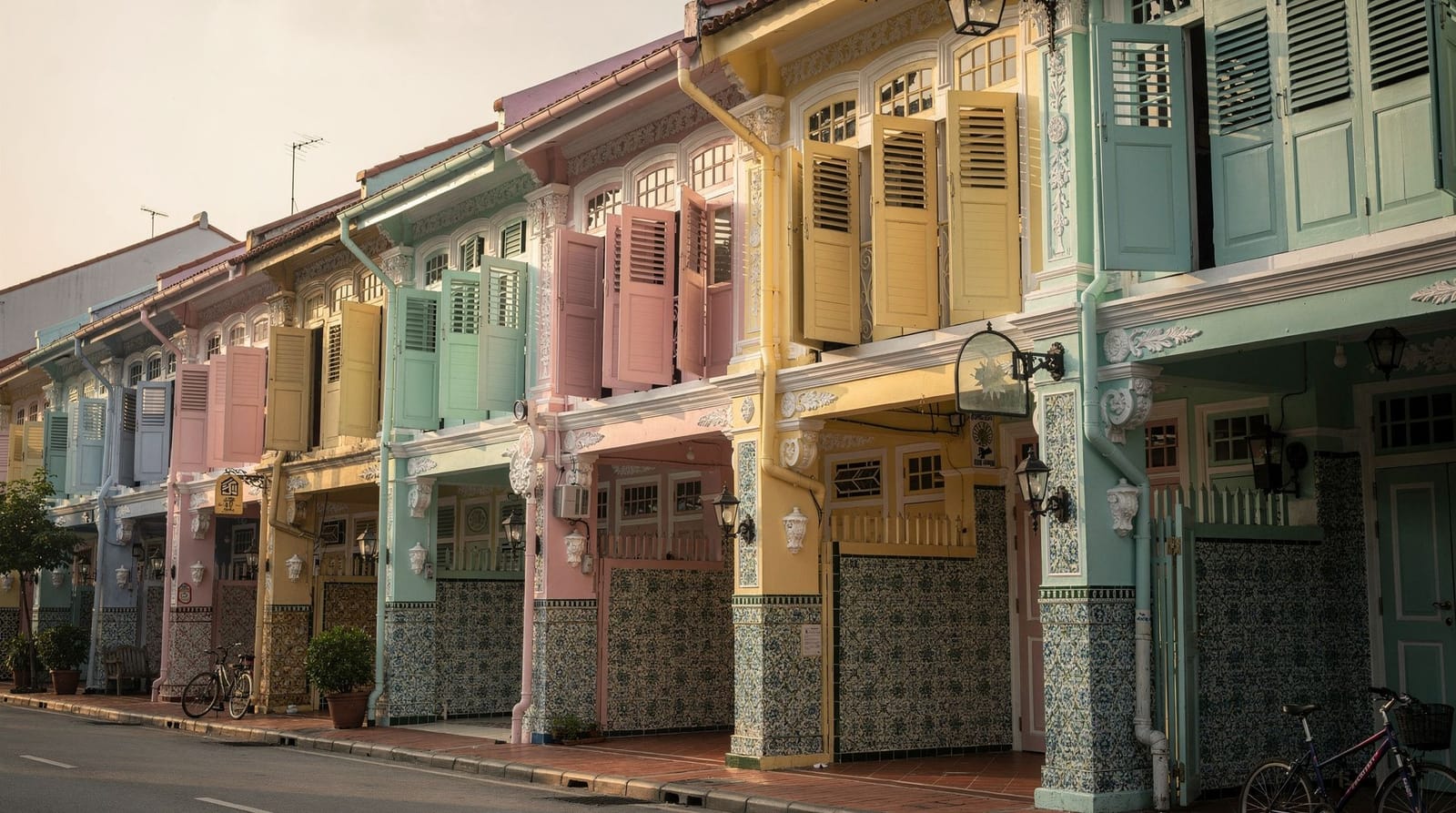
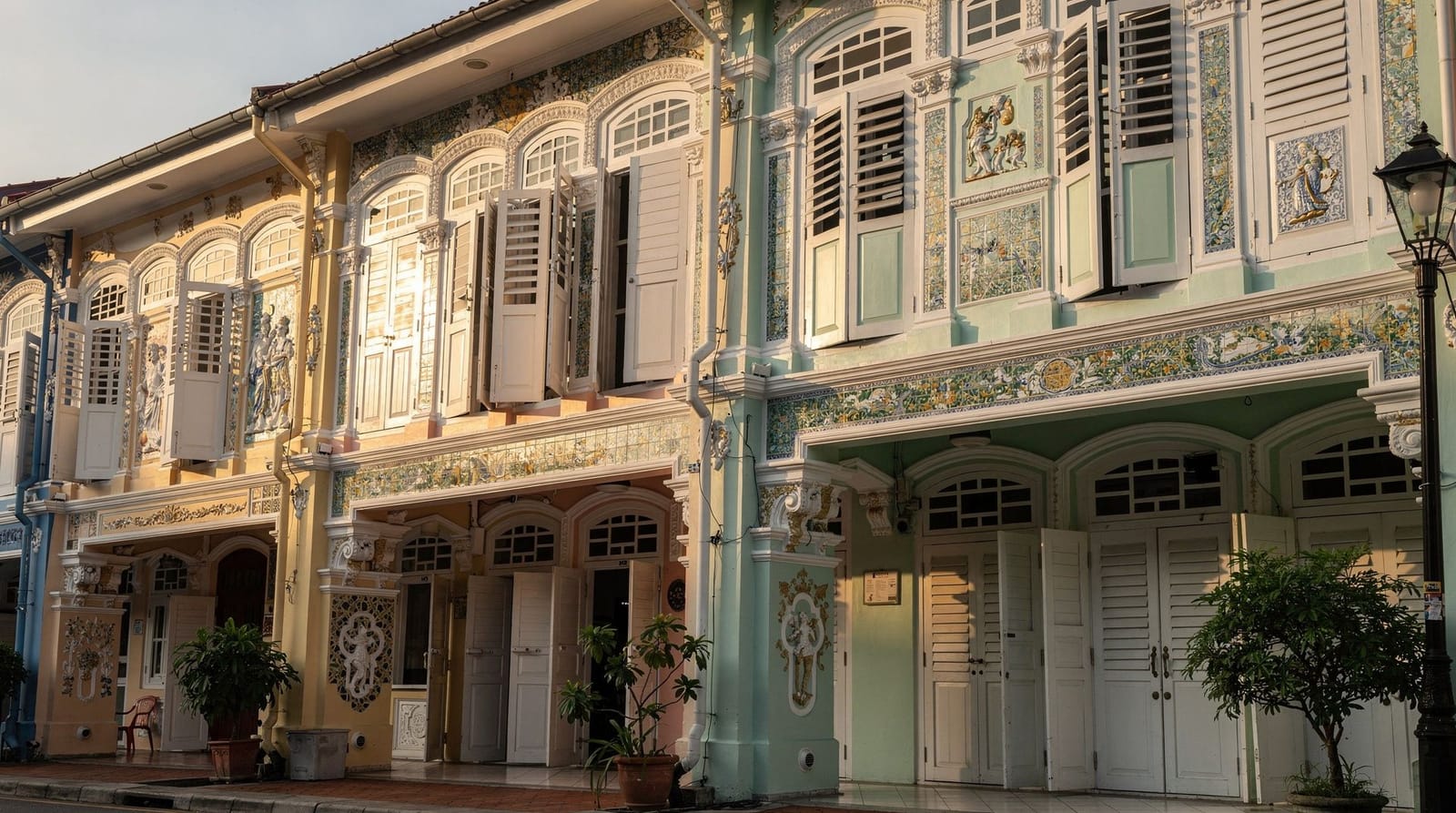
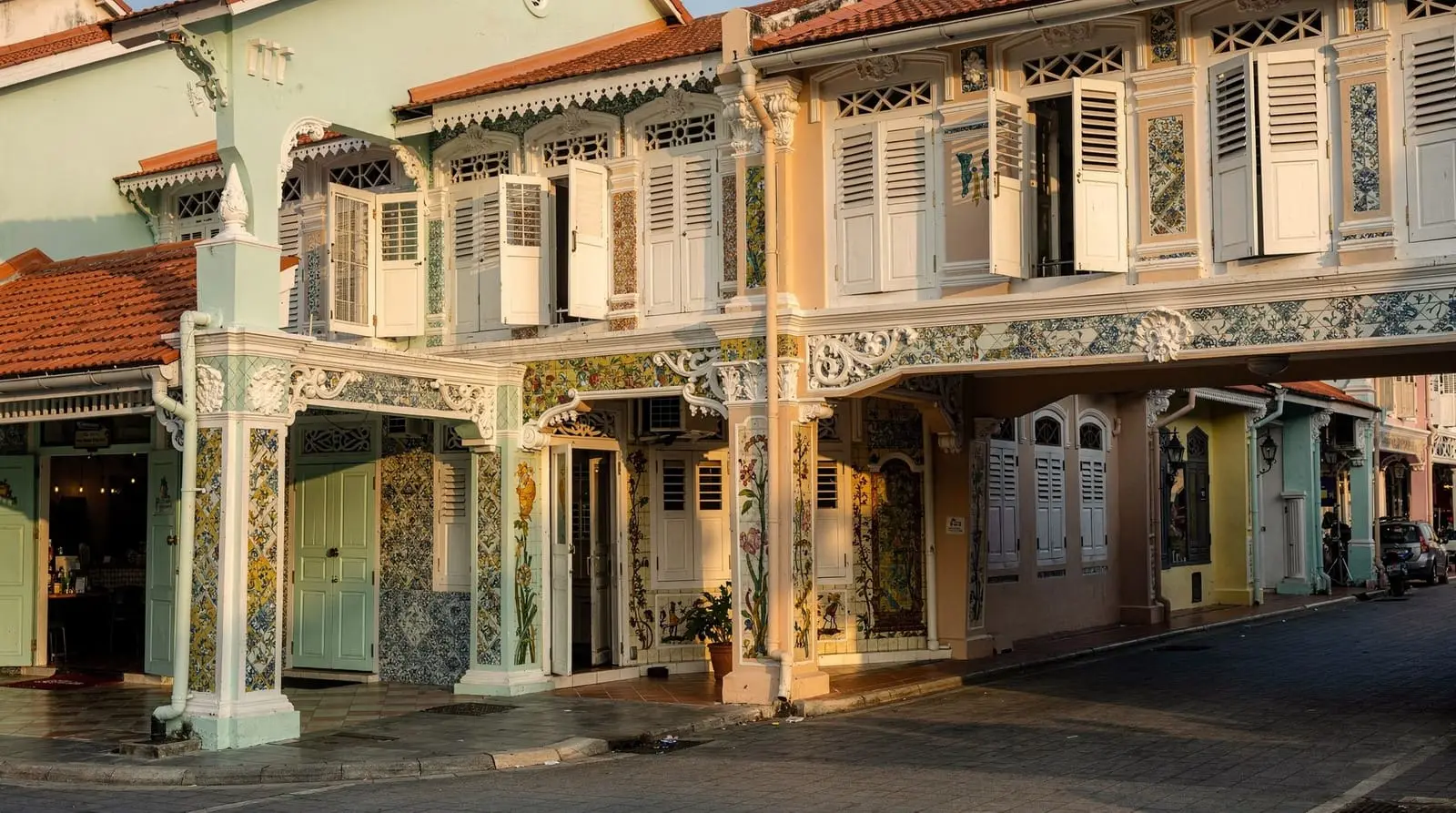
The most photogenic street in Katong is Koon Seng Road, a short residential street one block north of East Coast Road. The terraced shophouses here date from the 1920s–1940s and are the finest surviving examples of Baba-Nyonya architecture in Singapore.
Each house is slightly different — the facades are decorated with plaster relief work (phoenix motifs, peony flowers, traditional Chinese patterns), ceramic tile inlays, louvred shutters in yellows, greens, blues, and pinks, and elaborate entrance porticos. The best approach is simply to walk the length of the street slowly.
These are private residences — don’t enter gates, knock on doors, or photograph directly through windows. Exterior photography from the street is fine and produces stunning results.
East Coast Road: eating and culture
East Coast Road is the main commercial strip of Katong. The buildings are mostly post-war shophouses adapted for restaurants, cafés, and shops. This is where to base your food exploration.
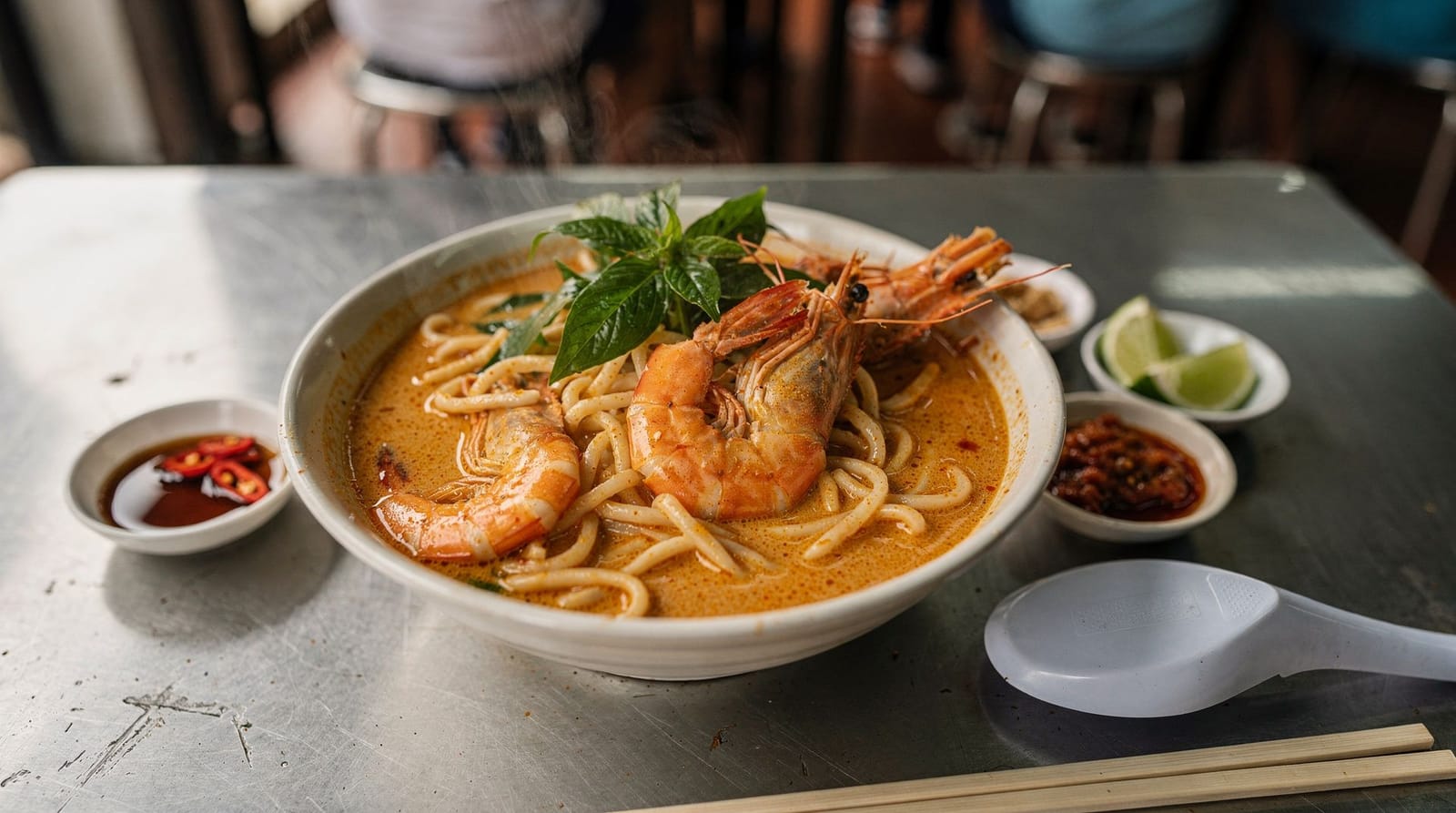
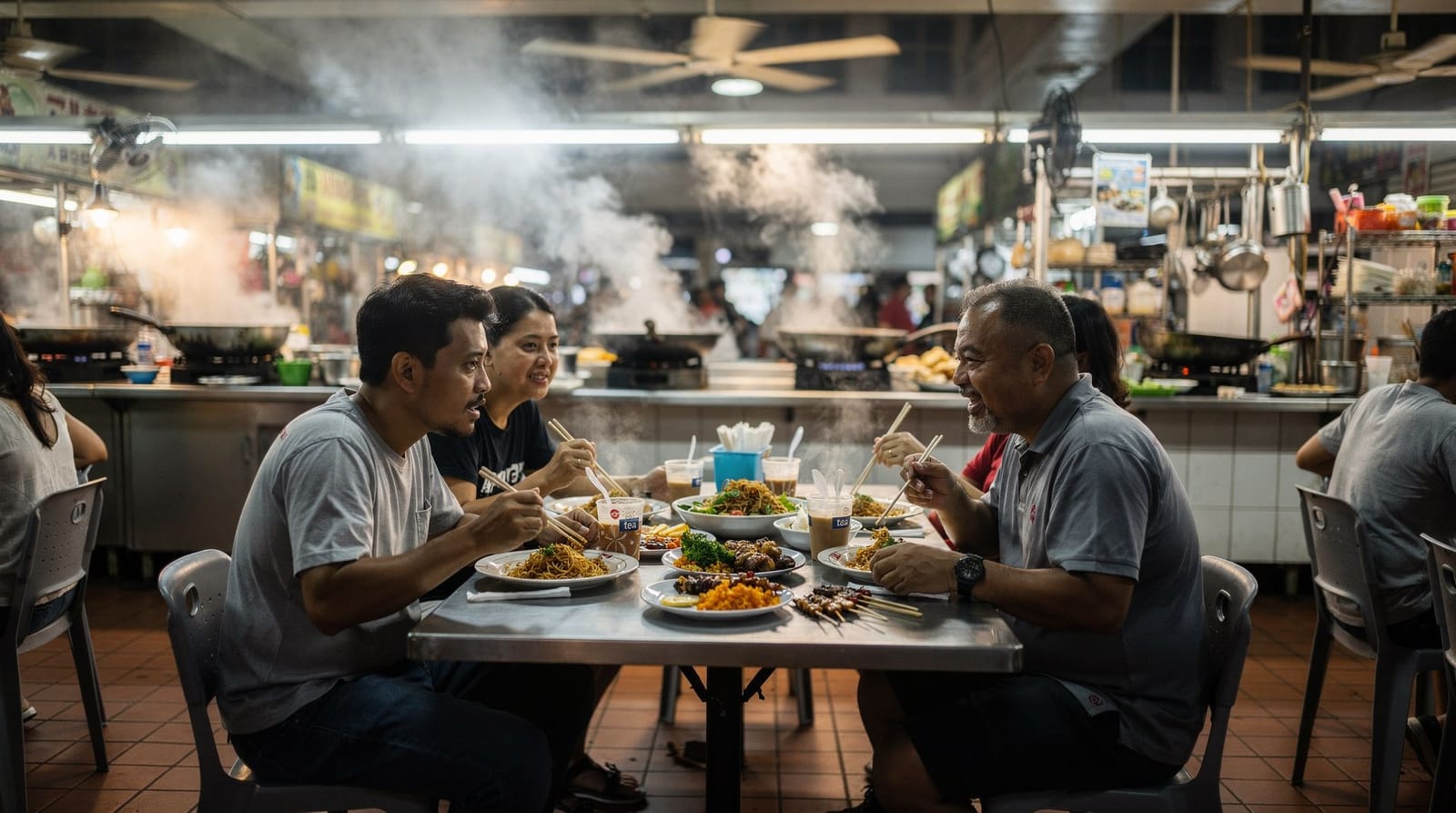
328 Katong Laksa at 51 East Coast Road is the most famous, though the original stall (which had no fixed address) at Marine Parade has since dispersed to several locations. The 328 outlet is the most accessible and the quality remains high — a rich, sweet-spicy coconut laksa broth with short rice noodles, cockles, prawns, and fishcake. SGD 7–8 per bowl. No chopsticks — a spoon is all you need, which is characteristic of the Katong style.
Kim Choo Kueh Chang at 109 East Coast Road is part heritage shop, part Peranakan cultural exhibit. The ground floor sells Nyonya kueh (traditional Peranakan cakes and sweets): kueh lapis (layered rice cake), ang ku kueh (glutinous rice cakes with bean paste), and Nyonya chang (rice dumplings with Nyonya spiced pork). Prices SGD 2–5 per piece. The second floor has a small cultural display on Peranakan history.
Chin Mee Chin Confectionery at 204 East Coast Road is the last of the old-school Hainanese bakeries — a kaya toast (toasted bread with coconut-pandan jam) and soft-boiled eggs institution open since 1925. Open Wednesday–Sunday, mornings only. Expect a queue and cash only.
For a guided food tour that covers the area’s highlights:
Singapore: Katong local food and city highlights tourJoo Chiat Road
Joo Chiat Road runs perpendicular to East Coast Road and north for about 2 km, and changes character as you walk — the southern section near Joo Chiat Place has Peranakan restaurants and shophouses; the middle section is a mix of hardware shops, tailor shops, and kopitiam (traditional coffee shop) cafés; the northern end near Geylang Road blends into the Geylang area’s different atmosphere.
Worth particular attention:
- Guan Hoe Soon Restaurant at 38/40 Joo Chiat Place — one of Singapore’s oldest Peranakan restaurants, open since 1953. Serves ayam buah keluak (chicken with black Malay nut, a slow-cooked, intensely flavoured Peranakan signature), babi pongteh (braised pork in fermented soy bean paste), otak-otak, and Nyonya laksa. Lunch from ~SGD 15–25 per person. Book ahead for weekends.
- Kin Kin and various local kopitiam along the central section for morning kaya toast and teh tarik
- The mural art along several Joo Chiat Road walls — painted in recent years and covering Peranakan history and daily life
Sri Senpaga Vinayagar Temple
Sri Senpaga Vinayagar Temple at 19 Ceylon Road (between Joo Chiat Road and Tembeling Road) is one of Singapore’s finest Hindu temples, dating from 1875 with a 1994 rebuild. The gopuram (tower) is richly decorated. The temple is dedicated to Lord Ganesha (Vinayagar) and is an active place of worship.
Visitors are welcome outside prayer times — dress modestly, remove shoes at the entrance. Free. This temple is less visited than the city-centre temples but architecturally impressive and worth the short detour from the Joo Chiat strip.
The Peranakan context
Understanding what you are seeing in Katong requires a bit of background. The Peranakan people — also called Baba (men) and Nyonya (women) — are the descendants of Chinese immigrants (primarily Hokkien and Teochew) who settled in the Malay Archipelago from the 15th century onwards and over generations intermarried with local communities. The resulting culture is a unique synthesis.
In food: Peranakan cuisine takes Chinese cooking techniques and ingredients and adds Malay spicing — rempah (spice paste), coconut milk, tamarind, galangal, and lemongrass. Dishes like buah keluak chicken, Nyonya laksa, and otak-otak are distinctly of this hybrid tradition.
In architecture: the decorated shophouses blend Chinese decorative motifs (phoenixes, peonies, dragons) with tropical building forms (deep verandahs, louvred shutters for ventilation).
In dress: the Nyonya kebaya — a sheer embroidered blouse worn over a batik sarong — is the traditional female dress, still worn at festivals.
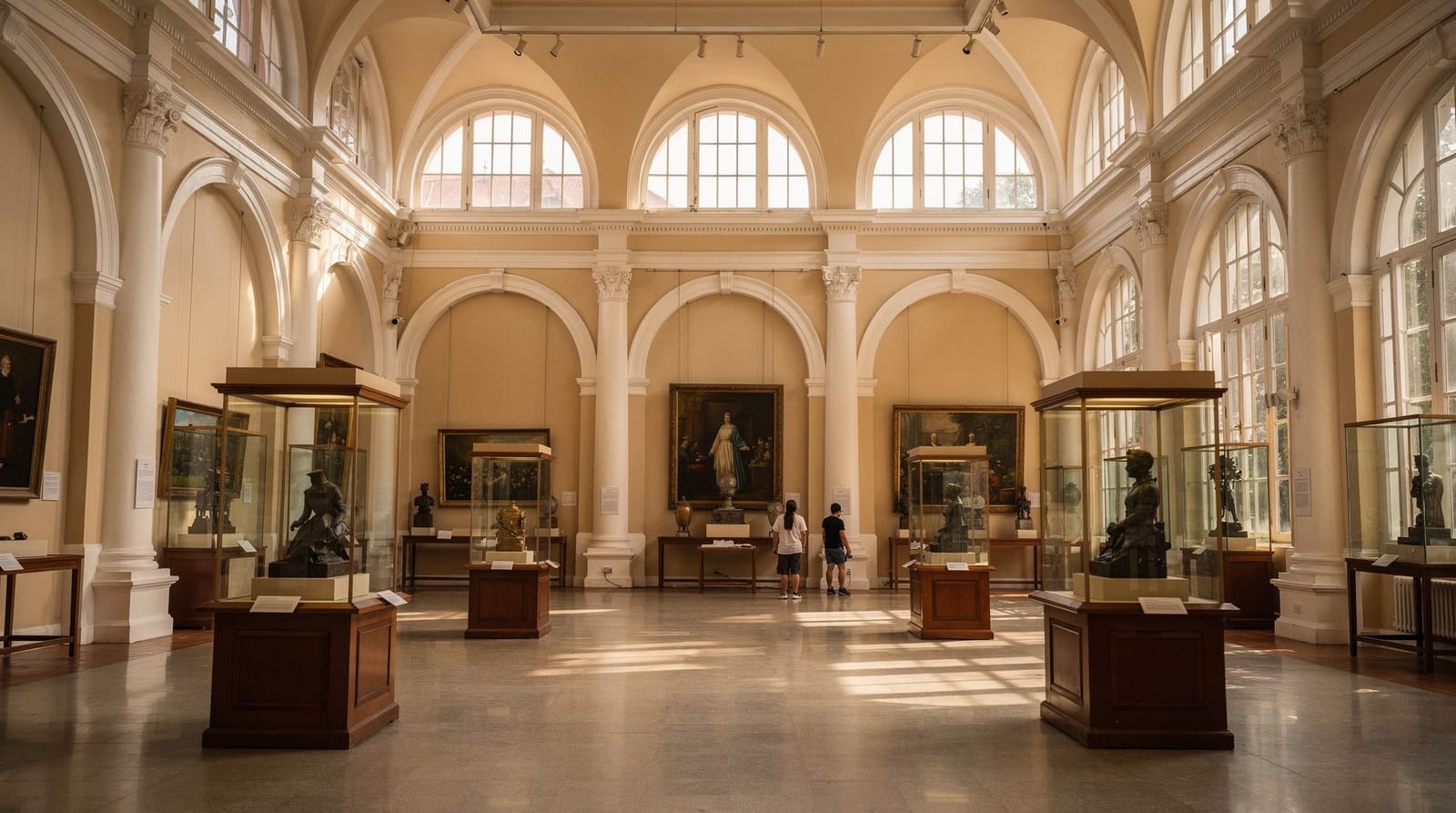
The Peranakan Museum in the civic district (Fort Canning area) gives the fullest cultural context; see Peranakan Museum.
Singapore: Peranakan culture tourEast Coast Park
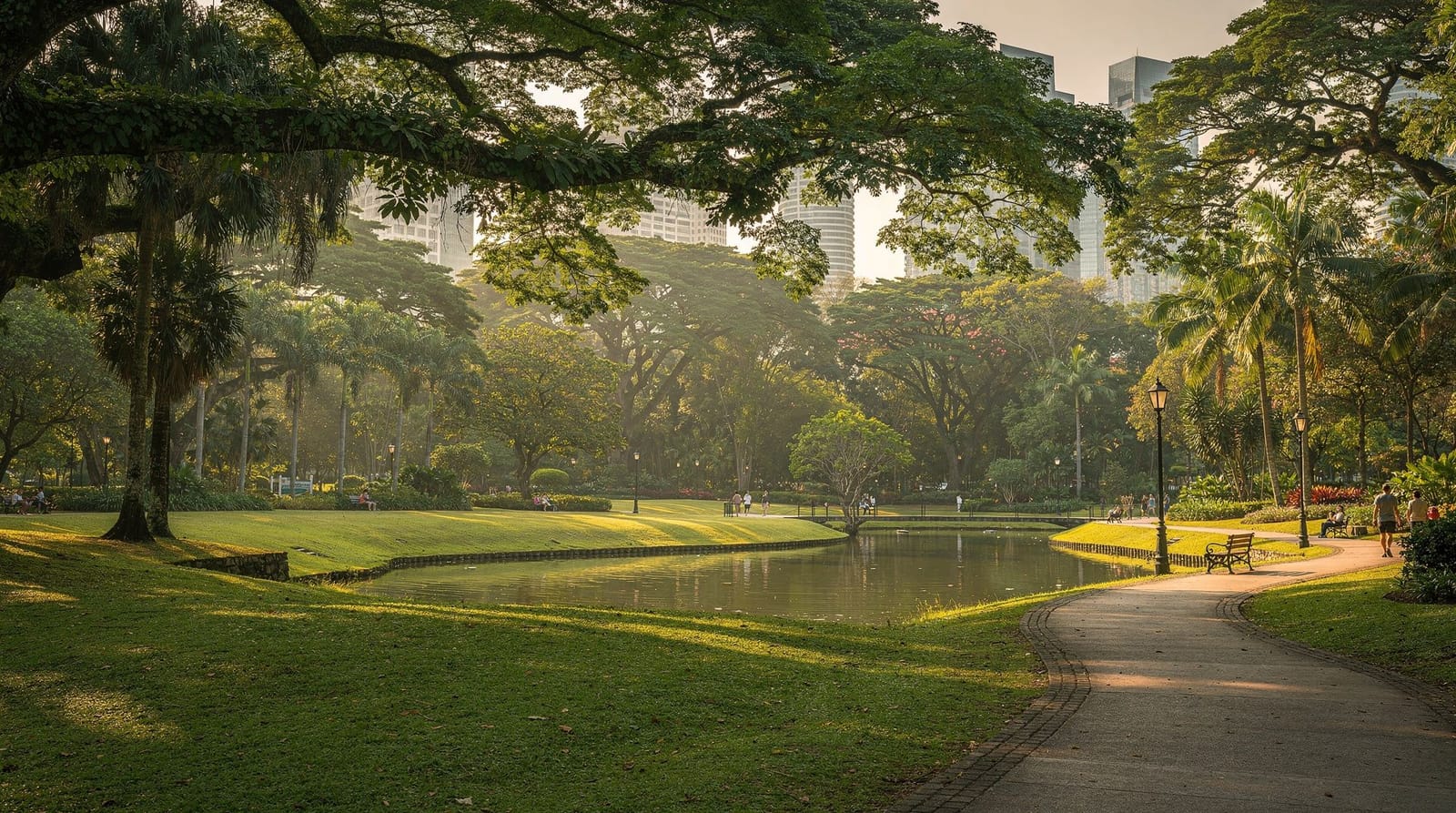
East Coast Park is a 15-minute walk (or short bus ride) south of Katong along the coast. It is a 15 km linear park with cycling paths, barbecue areas, seafood restaurants (Jumbo Seafood, Long Beach Seafood), and a beach strip. Not a natural beach but a pleasant green space and very popular with locals on weekends.
Combining a Katong cultural morning with an East Coast Park afternoon is a practical half-day to full day. See East Coast Park guide.
Katong versus Chinatown for Peranakan culture
Visitors often ask whether to prioritise Katong or the Peranakan sights woven into Chinatown. They serve different purposes:
| Katong/Joo Chiat | Chinatown | |
|---|---|---|
| Peranakan food | Living tradition, family-run since generations | A few Peranakan-style restaurants among many other cuisines |
| Shophouse architecture | Koon Seng Road, dense and residential | Scattered, more commercial |
| Crowds | Genuinely local, few tourists | Busy, tourist-heavy |
| Best for | An unhurried cultural afternoon | Sightseeing density, temples, night markets |
If you’re deciding how to split your neighbourhood time, Chinatown Singapore covers the other side of that comparison, and Ethnic quarters guide puts all of Singapore’s historic districts — Katong included — side by side.
Where to stay if you want to base yourself here
Katong is a legitimate option for visitors who want a quieter, more local base than Orchard Road or Marina Bay, with the trade-off of a longer commute into the main sights (25–35 minutes by bus). It suits repeat visitors or longer stays more than a first 2–3 day trip. For general accommodation guidance across the island, see Where to stay in Singapore, and for how a Katong afternoon fits into a wider plan, Singapore foodie itinerary sequences it against the city’s other essential eating stops.
Practical information
Getting there: Bus 10/14/16 from city centre to East Coast Road (25–35 min, ~SGD 1.50); or Grab from Marina Bay (~SGD 15). MRT nearest: Dakota (CC8), 15-minute walk. Opening hours: Shophouses and restaurants 08:00–21:00 (hours vary per place); some traditional shops close on Tuesdays. Budget: Laksa SGD 7–8; kueh SGD 2–5 per piece; Peranakan restaurant lunch SGD 15–25 per person. Best time: Weekday mornings or lunch — less crowded, all food stalls open, manageable heat.
For more on Singapore’s food culture: what to eat in Singapore and must-try dishes Singapore.
Frequently asked questions about Katong and Joo Chiat
What is the difference between Katong and Joo Chiat?
Katong refers roughly to the East Coast Road strip and the surrounding residential area. Joo Chiat is the longer north-south road that runs through the area. In practice they overlap and are visited together. Katong has the most famous food and the best shophouse photography; Joo Chiat Road extends further north and has more local day-to-day character.
Is there a Peranakan museum in Katong?
The Peranakan Museum in Singapore is located in the civic district (Armenian Street), not in Katong itself. Katong has the living culture — the restaurants, shops, and architecture — while the museum provides historical context. Kim Choo Kueh Chang on East Coast Road has a small Peranakan cultural display that is worth a few minutes. See Peranakan Museum for the full museum guide.
What is Nyonya food?
Nyonya food is the Peranakan female tradition of cooking — the women (Nyonya) of the Straits Chinese community developed a cuisine that combined Hokkien-Teochew Chinese techniques with Malay spicing and ingredients. Signature dishes include laksa, ayam buah keluak, otak-otak (grilled spiced fish cake), babi pongteh (braised pork), and kueh (traditional cakes). It is generally considered one of the most complex and labour-intensive cuisines in Southeast Asia.
Can I visit Katong and Joo Chiat without a guide?
Yes — the area is very accessible independently and easy to navigate on foot once you arrive. The main streets are signposted, the restaurants are obvious, and the shophouse photography on Koon Seng Road requires no guide. A guided food tour adds useful context and local restaurant recommendations, and ensures you get into less-visible places, but it is not necessary for a rewarding visit.
Is Katong suitable for families with children?
Yes. The area has good food options, relaxed pace, and East Coast Park (beach area and cycling) nearby, which families enjoy. The food variety at hawker centres covers most tastes. It is not a theme-park style attraction but a genuine neighbourhood that children experience well as part of a broader Singapore trip.
Top experiences
Bookable activities with verified prices and instant confirmation on GetYourGuide.