Peranakan Museum Singapore: honest review 2026
Singapore: Peranakan culture tour
Is the Peranakan Museum worth visiting?
Yes, particularly if you have any interest in Singapore's most visually distinctive culture. The collection of nyonya beadwork, embroidered textiles, porcelain, and wedding regalia is genuinely beautiful. Admission is SGD 18 for adults. Allow 1.5–2 hours. One of the best small museums in Southeast Asia.
Quick answer: The Peranakan Museum is one of Singapore’s best small museums. The collection of nyonya embroidery, beadwork, porcelain, and wedding objects is beautiful and unlike anything else in the city. Plan 1.5–2 hours.
| Where | 39 Armenian Street, Civic District |
| Cost | Around SGD 18 adults, SGD 12 children 6–12, under 6 free |
| Time needed | 1.5–2 hours; up to 3 for enthusiasts |
| Getting there | Clarke Quay MRT (8-min walk) or City Hall MRT (12-min walk) |
| Best time | Weekday mornings for a quieter visit |
What is the Peranakan Museum
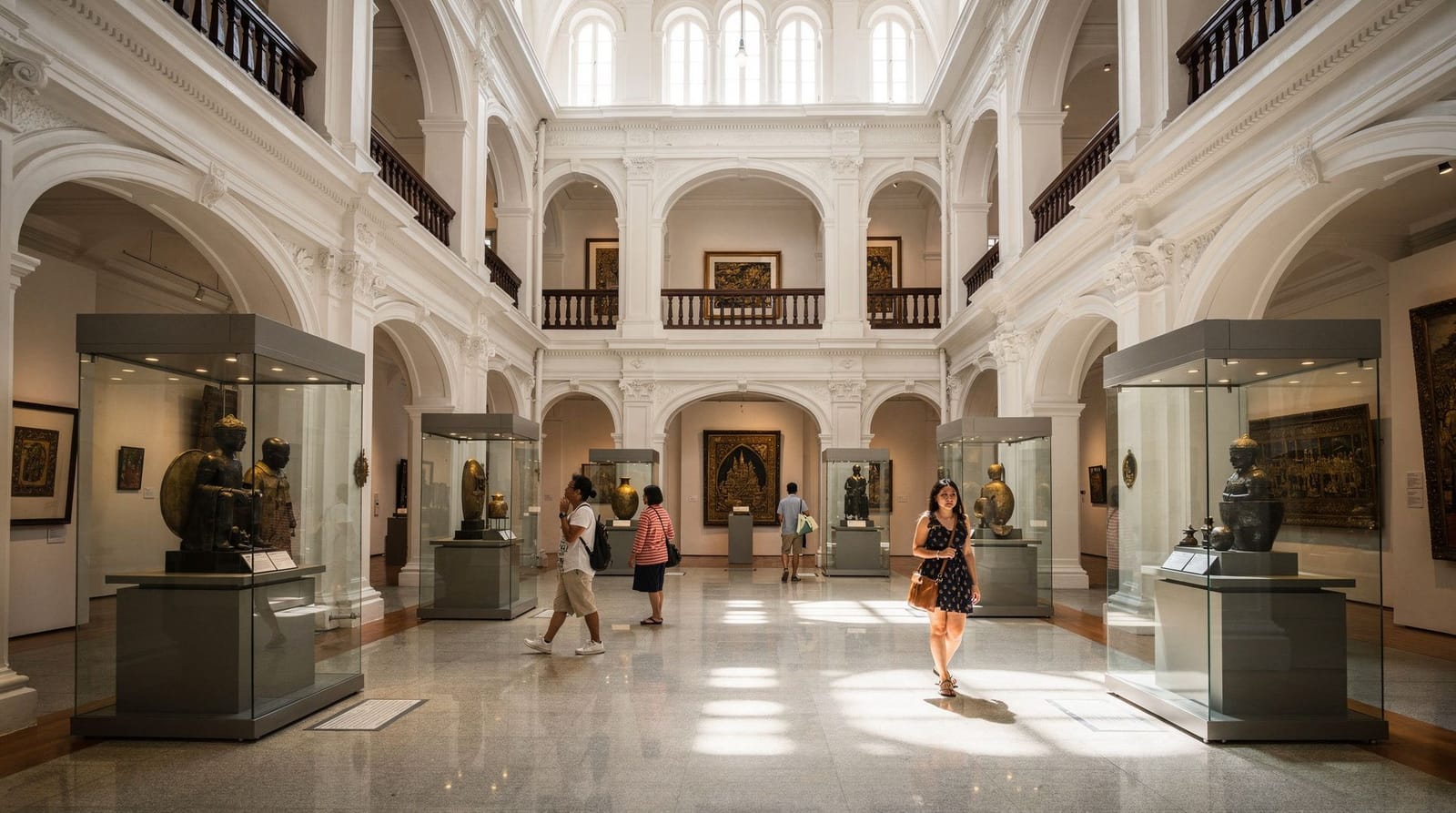
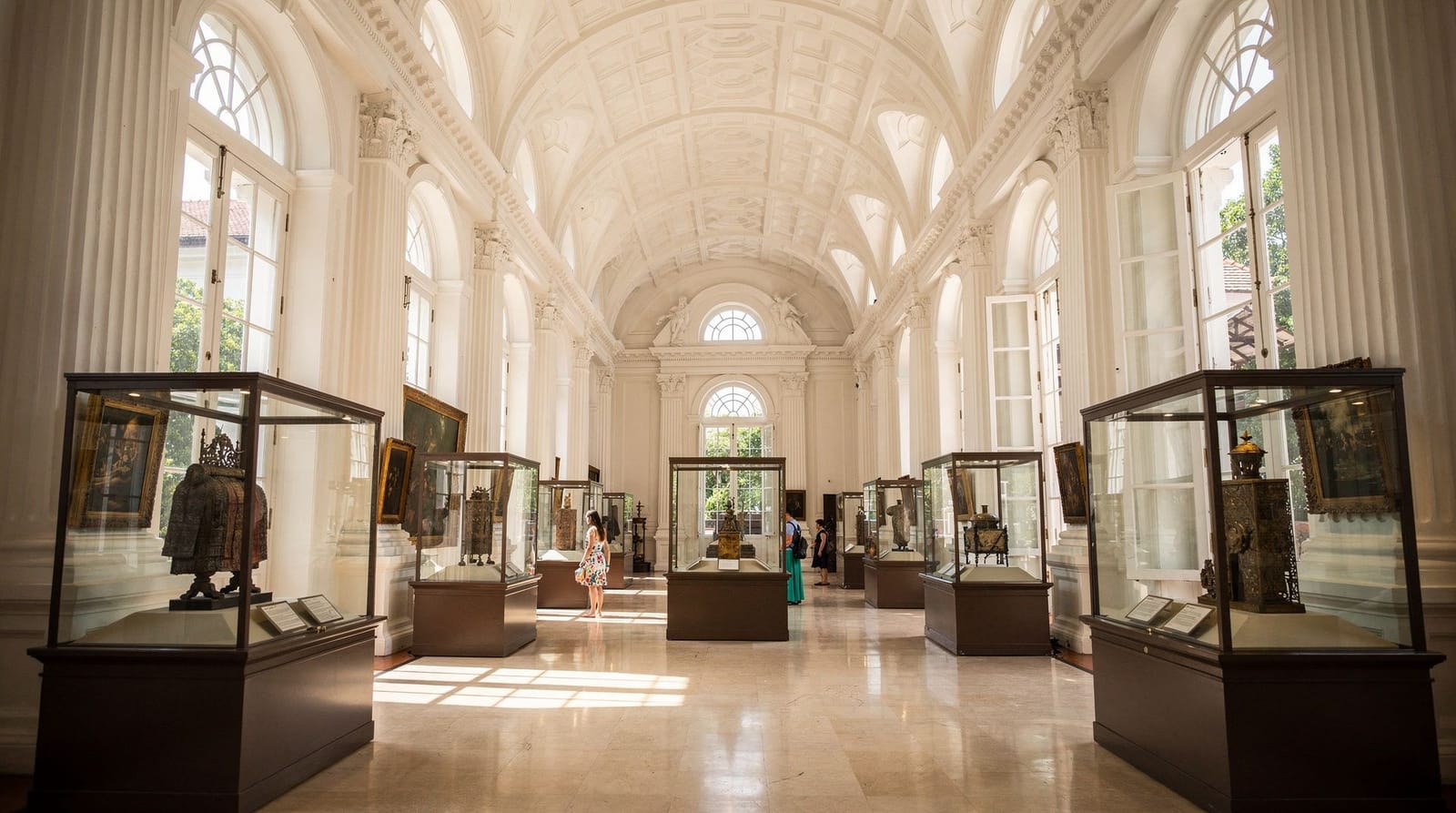
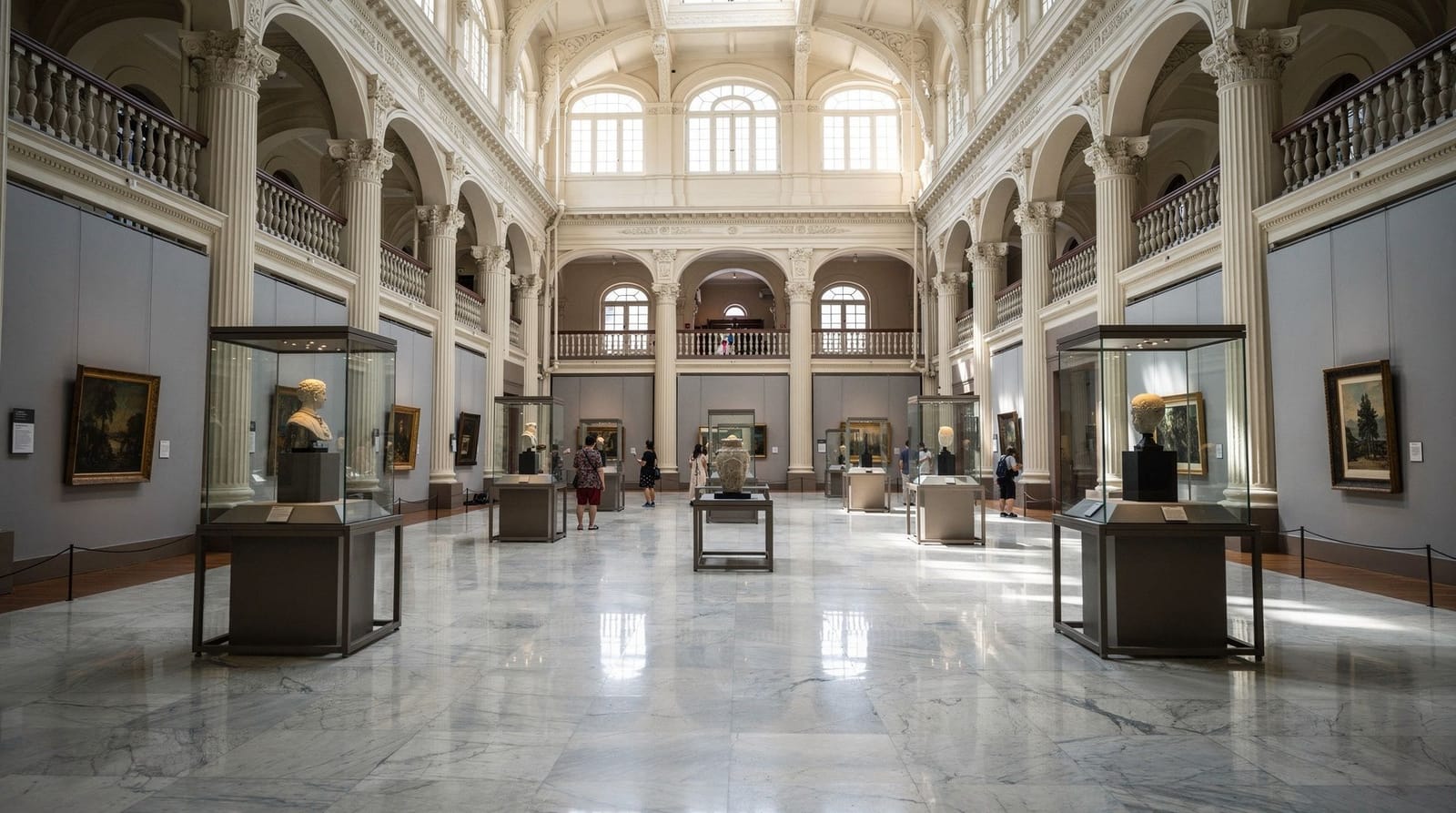
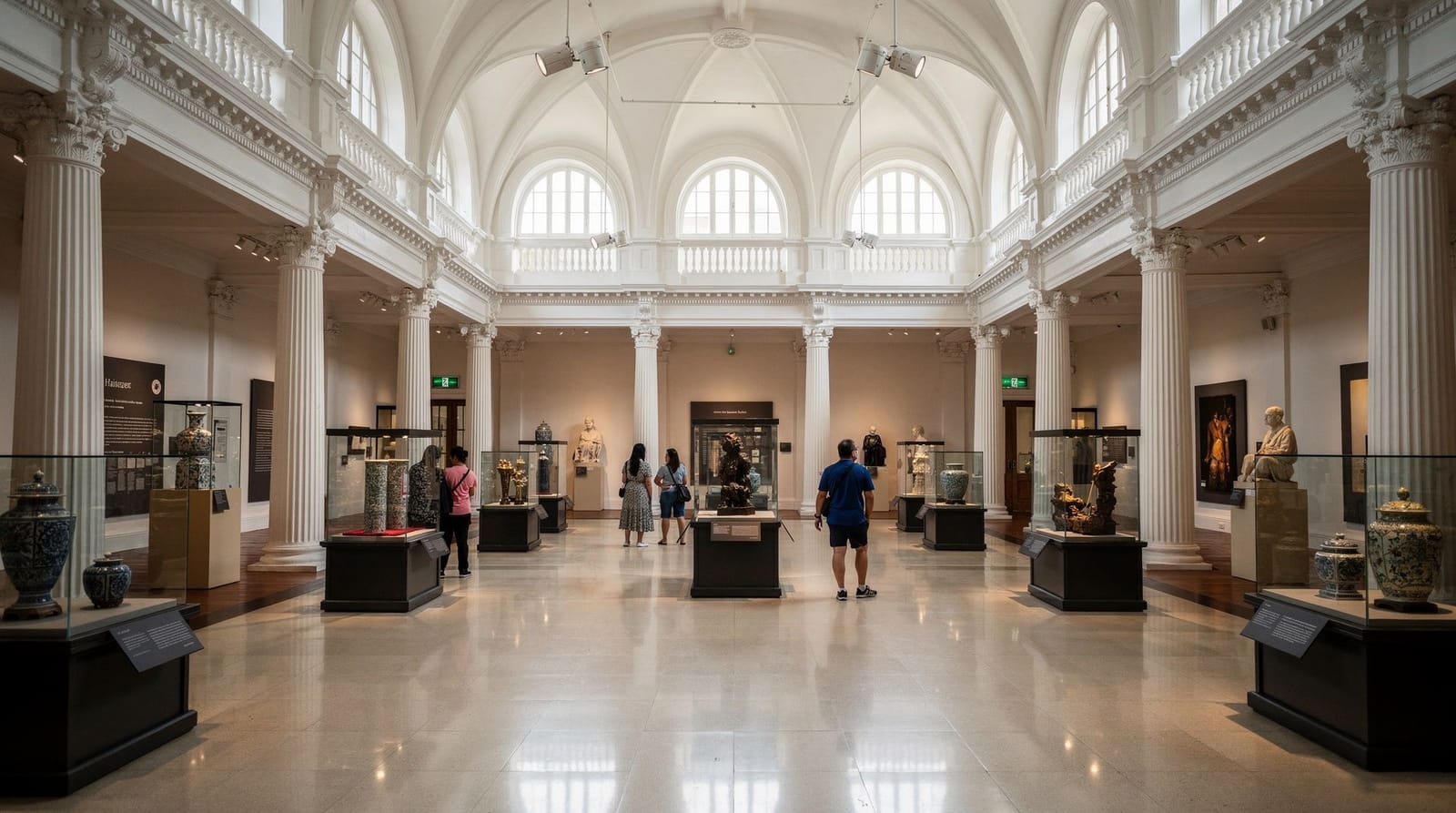
The Peranakan Museum opened in 2008, housed in the former Tao Nan School building (1912) on Armenian Street in the Civic District. It is the world’s most comprehensive museum dedicated to Peranakan culture, with collections spanning textiles, porcelain, jewellery, furniture, and everyday domestic objects.
The museum was extensively renovated and relaunched in 2021 with a new curatorial approach: Story of the Peranakans, which explores the culture not just through objects but through personal narratives and contemporary Peranakan identity. The result is a museum that feels both historically grounded and alive — presenting a culture that still exists and is actively practised, not merely preserved.
Understanding Peranakan culture before you visit
Visiting the Peranakan Museum without any context diminishes the experience. A brief background:
Origins: From around the 15th century, Chinese traders settled permanently in the Malay Peninsula. Many married locally, and their descendants — Peranakan, from the Malay word meaning “locally born” — developed a hybrid culture that blended Chinese and Malay traditions over several generations.
The Baba and Nyonya: Peranakan men are called Baba; women are called Nyonya. Each had distinct roles in the culture: the Baba typically worked in trade or colonial administration (many Peranakans became wealthy intermediaries for British colonial commerce); the Nyonya maintained the household and was responsible for the extraordinary craftsmanship — beadwork, embroidery, cooking — that defines Peranakan material culture.
Geography: The three main Peranakan centres are Singapore, Penang (Malaysia), and Malacca (Malaysia). Each has distinct stylistic variations. Singapore’s Peranakan community was centred in Katong and Joo Chiat in the east.
Why it matters: Peranakan culture is a genuinely unique creative tradition. The nyonya kebaya (embroidered blouse), the hand-beaded slippers (kasut manek), the Peranakan porcelain (nonya ware), and the elaborately prepared cuisine are not simply “Chinese” or “Malay” — they are a third thing, developed over centuries of creative synthesis.
The collection highlights
Nyonya beadwork and embroidery: The most visually stunning objects in the museum. Nyonya kasut manek — hand-beaded slippers made from thousands of tiny glass beads arranged in intricate floral and figurative patterns — are works of extraordinary precision. A single pair might take months to complete. The museum’s collection includes some of the finest surviving examples.
Nyonya kebaya: The embroidered silk or fine cotton blouses worn by Nyonya women are displayed with excellent context about the embroidery techniques (cutwork, traditional Teochew embroidery) and the colour conventions that marked status and occasion.
Peranakan porcelain (nonya ware): Specially commissioned Chinese porcelain made in Jingdezhen for the Peranakan market — typically in distinctive pinks, greens, and yellows, with phoenix and peony motifs. The museum’s collection shows both the functional household pieces and the ceremonial items.
The wedding gallery: The elaborate Peranakan wedding ceremony lasted twelve days. The museum’s wedding gallery reconstructs the ceremonial context with objects, photographs, and explanatory text — the bridal chamber, the ceremonial items, the role of each day’s ritual. This gallery is the best comprehensive explanation of Peranakan ceremonial life available anywhere.
The domestic interior: A recreated Peranakan domestic interior showing how wealthy Straits Chinese families arranged their homes — a hybrid of Chinese and British colonial furniture, elaborate altar spaces, and Peranakan domestic objects.
Contemporary Peranakan identity: The 2021 renovation added sections on living Peranakan culture — contemporary Nyonya who still practise beadwork, families who maintain traditional cooking, and the ways in which Peranakan identity is being negotiated in modern Singapore.
The building
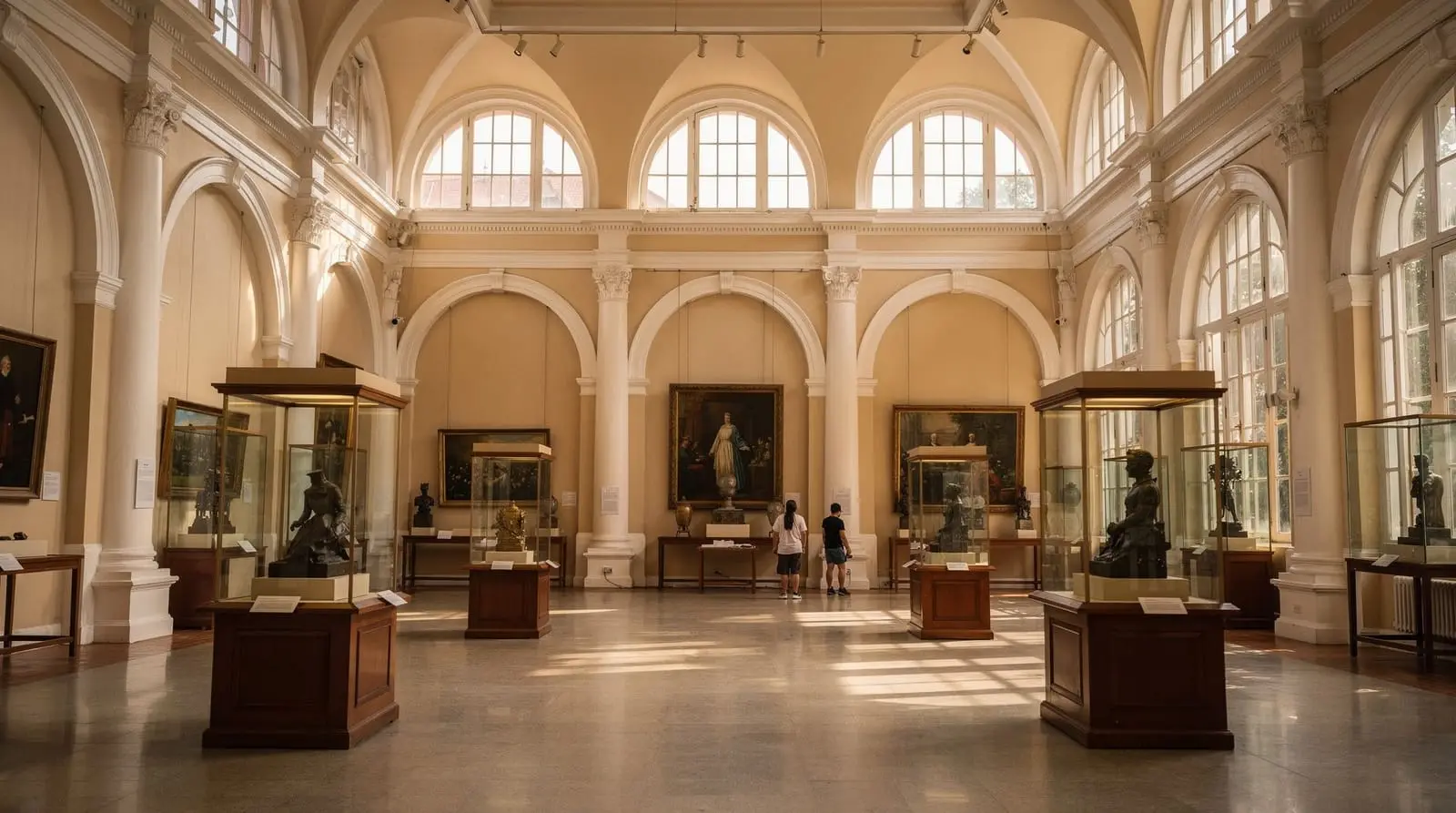
The Tao Nan School building (1912) is one of Singapore’s better-preserved Edwardian institutional buildings — a double-storey structure with a wide verandah, shuttered windows, and a courtyard that now serves as the museum’s central gathering space. The architecture is appropriate context for a collection representing the Straits Chinese community that built institutions like this school during Singapore’s colonial era.
Combining with the neighbourhood
Armenian Street and the surrounding Civic District are worth exploring after the museum:
Fort Canning: A five-minute walk uphill from the museum brings you to Fort Canning Park, site of Singapore’s earliest Malay royal court and later a British military command. The fort’s defensive structures and the Battle Box (Churchill’s wartime bunker) are open to visitors.
MICA Building: Directly opposite the Peranakan Museum, the former Hill Street Police Station (now the Ministry of Communications and Information) is notable for its 927 windows, each painted a different colour.
St Andrew’s Cathedral and the Padang: A 10-minute walk toward the waterfront brings you to the city’s most intact colonial civic spaces.
For a full cultural day: begin at the Peranakan Museum, walk to Fort Canning, then down to the Civic District and its colonial architecture, and finish at the Asian Civilisations Museum (Asian Civilisations Museum Singapore) on the river.
Visiting Katong for the lived experience
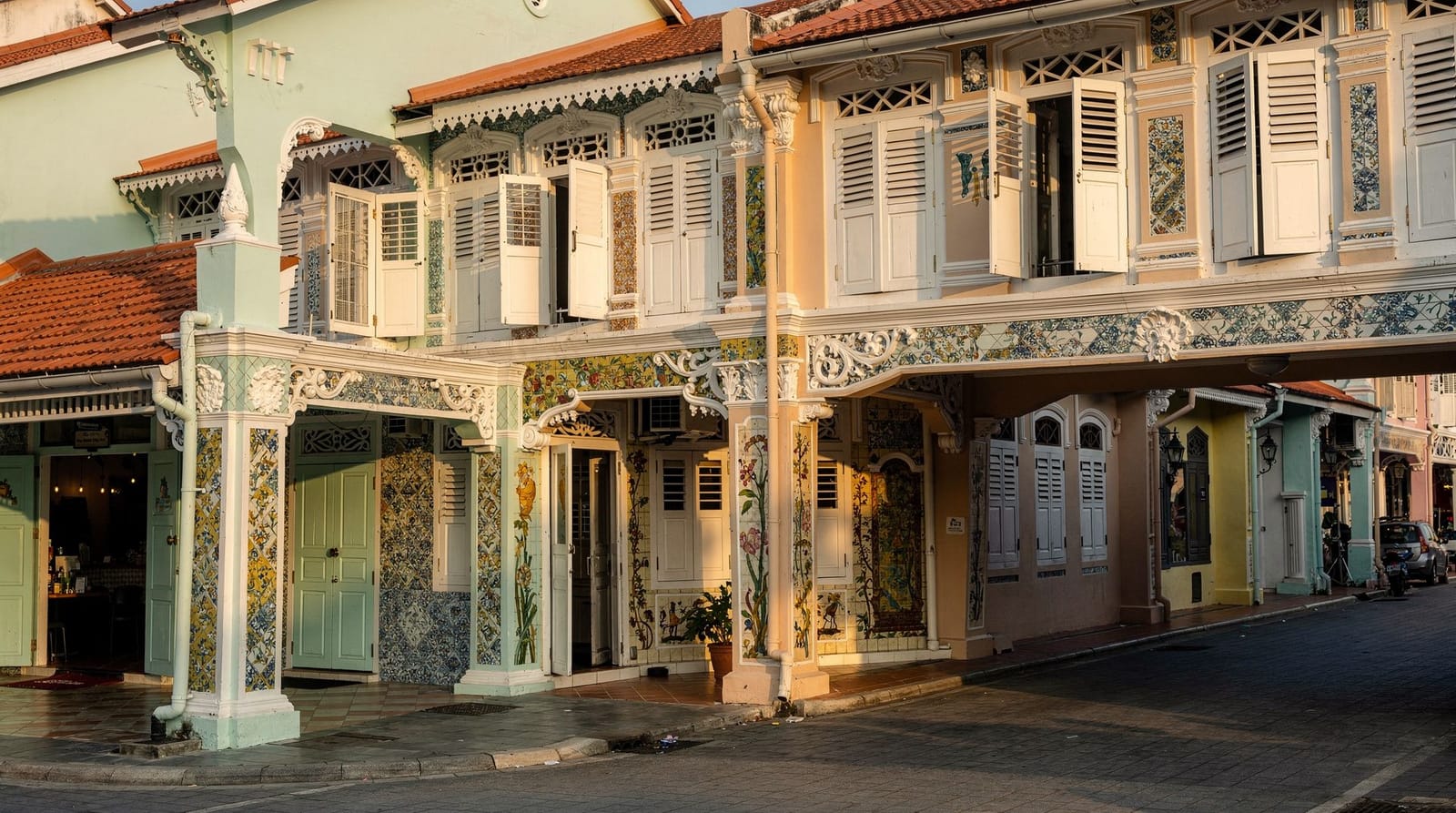
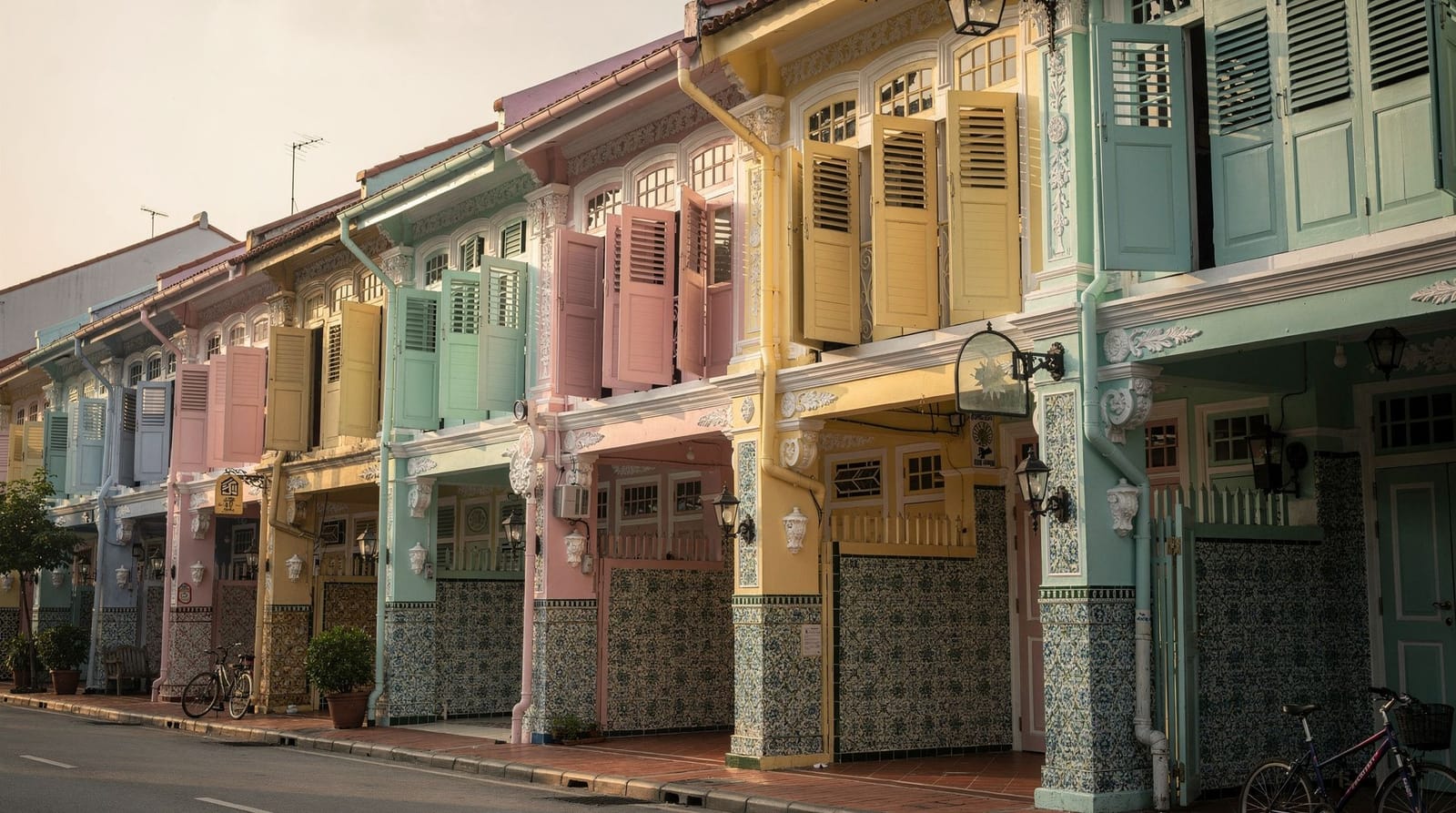
The Peranakan Museum provides the historical and artistic context. For the lived culture, the Katong and Joo Chiat neighbourhood (Katong and Joo Chiat) in eastern Singapore is essential. There, the shophouses with their Peranakan tile facades, the restaurants serving authentic nyonya laksa and ayam buah keluak, and the antique dealers with genuine Peranakan porcelain and furniture tell the story in a different register.
The two experiences complement each other. The museum is best before Katong — it gives you the vocabulary and context to understand what you see in the neighbourhood.
For visitors who want a guide to connect the museum’s context directly to the Katong neighbourhood rather than making the link themselves:
Peranakan culture and heritage guided tour Singapore: the private museum and sidecar tour with teaIf you only have an hour
The full museum rewards 1.5–2 hours, but if your schedule only allows one, prioritise in this order: the wedding gallery (the most comprehensive single collection of Peranakan ceremonial life anywhere), the nyonya beadwork and embroidery room (the most visually striking objects), and the domestic interior recreation. Skip the contemporary identity sections and the full walk through the porcelain collection if truly pressed for time — they reward attention but are the least essential on a tight schedule.
Museum vs neighbourhood: what each gives you
| Peranakan Museum | Katong-Joo Chiat | |
|---|---|---|
| Strength | Curated history, wedding gallery, beadwork detail | Living shophouses, food, atmosphere |
| Time | 1.5–2 hours | 2–3 hours |
| Cost | Around SGD 18 | Free to walk; meals SGD 15–60 |
| Best for | Context before you explore | The lived, tasted, photographed experience |
Doing both, in that order, is the strongest combination — see the Peranakan culture guide for the fuller picture of how they fit together.
Where it fits in a wider Singapore plan
The museum works best as a half-day anchor rather than a standalone stop. If you are still shaping your trip, the Singapore museums guide compares it with the other major collections, and the National Museum of Singapore makes a natural companion for the broader national story that the Peranakan galleries sit inside. Travellers watching their budget may also want the list of free museums in Singapore to balance a paid visit here with no-cost ones elsewhere.
For the historical backdrop, Singapore History 101 explains the colonial trading world in which the Straits Chinese rose to prominence, and colonial Singapore covers the civic buildings you will pass on the walk between stops. On a first trip, the Peranakan food journey and the Katong Peranakan walk show how the culture reads on the plate and on the street after you have seen the objects behind glass.
If you are pairing this with other heritage neighbourhoods, Chinatown and Kampong Glam give very different views of Singapore’s communities, and the ethnic quarters guide helps you decide how to sequence them. Fort Canning, the green hill just behind the museum, has its own page under Fort Canning if you want to extend the walk.
Admission and booking
Adult admission is SGD 18. Children aged 6–12 pay SGD 12. Children under 6 are free. Walk-in is generally possible on weekdays. For weekend visits, particularly when special exhibitions are running, checking ahead is advisable.
The museum does not require the same advance booking urgency as teamLab Future World at ArtScience Museum & teamLab Future World — walk-in is usually possible. That said, confirming current exhibition status and hours on the official website before visiting is always sensible.
Getting there
MRT: Clarke Quay station (North-East Line) is the most convenient — take Exit E and walk toward Armenian Street (approximately 8 minutes). City Hall station (East-West and North-South Lines) is a 12-minute walk. Fort Canning station (Thomson-East Coast Line) is closest but requires a slightly different walking route.
By foot from Clarke Quay: A pleasant 8–10 minute walk through the riverside area and up the gentle slope toward Armenian Street.
By Grab: Straightforward. Ask for 39 Armenian Street. Drop-off is directly in front of the museum.
Practical tips
Photography: Permitted throughout the museum for personal use. The beadwork galleries have good natural light from the verandah windows. The Peranakan porcelain displays are well-lit and photograph particularly well.
Guided tours: Guided tours of the collection are available and recommended for visitors who want depth — particularly for the beadwork and embroidery traditions, where a knowledgeable guide adds considerable context. Check the website for tour schedules.
The museum shop: The Peranakan Museum shop is one of the better museum shops in Singapore, with genuinely curated items — nyonya-patterned textiles, Peranakan cookbook, reproduction porcelain, and postcards. A good place for Singapore souvenirs that are neither generic nor tacky.
Adjacent to the museum: The Substation arts centre and several independent cafés on Armenian Street make for a pleasant pre- or post-visit experience.
Facilities: Air-conditioned throughout, with clean restrooms on the ground and upper floors. A small café-style rest area near the entrance sells drinks and light snacks — useful for breaking up a longer visit rather than leaving the building. Lockers are available for bags near the entrance if you are travelling with luggage between other stops.
Combining with a rainy day: Because the entire museum is indoors and well air-conditioned, it is a solid rainy-day option in the Civic District alongside the National Gallery and Asian Civilisations Museum — useful to know given how quickly Singapore’s weather can turn during a tropical downpour.
Best pace for photography: The verandah-lit beadwork galleries and the porcelain displays photograph best in the late morning, when natural light through the original windows is strongest without direct glare. Early opening (weekday mornings) also means fewer other visitors in your shots.
Frequently asked questions about the Peranakan Museum Singapore
Is the Peranakan Museum part of the National Heritage Board?
Yes. The Peranakan Museum is managed by the National Heritage Board (NHB), which also operates the National Museum of Singapore and several other national institutions. The NHB membership scheme covers multiple museums if you plan to visit several.
Where can I eat nyonya food near the Peranakan Museum?
The museum itself is in the Civic District, which has limited traditional nyonya options. For authentic nyonya food, Katong and Joo Chiat (see Katong and Joo Chiat) is the destination — a 15-minute taxi or MRT ride from the museum. True Blue Cuisine in the Civic District (nearby) is a well-regarded option for nyonya food closer to the museum.
How does the Peranakan Museum compare to visiting Penang?
Penang (Malaysia) has the largest surviving Peranakan community and the Penang Peranakan Mansion is an extraordinary recreated Peranakan home. If you are making a choice between a day trip to Penang and the Peranakan Museum, both have value — the museum offers superior curatorial depth and the Tang Shipwreck context (at the ACM nearby), while Penang offers the full immersive neighbourhood experience. If staying in Singapore, the museum plus Katong is a strong substitute.
What makes Peranakan porcelain distinctive?
Nonya ware (Peranakan porcelain) was commissioned by Peranakan families from kilns in Jingdezhen, China, with specific colour palettes and motifs. The characteristic palette is pink, green, and yellow (rather than the blue-and-white common in traditional Chinese export porcelain), with phoenix, peony, and butterfly motifs. The shapes are Chinese but the colour choices reflect Peranakan aesthetic preferences developed over generations of local taste.
Is the Peranakan Museum accessible for wheelchair users?
The building is a heritage structure with some original features. Lift access is available for upper floors. Contact the museum directly to confirm current accessibility arrangements before visiting.
What is the difference between Peranakan and Nonya?
The terms are closely related. Peranakan refers to the broader community (literally “locally born” in Malay). Baba-Nyonya is a common alternate name — Baba referring to the men, Nyonya to the women. Nyonya is also specifically used to describe the women’s crafts and cuisine (nyonya beadwork, nyonya laksa, nyonya kueh). In casual usage, the terms are often interchangeable.
Can I photograph the wedding gallery and ceremonial objects?
Photography is generally permitted for personal use throughout the museum. Some objects may have specific restrictions noted in their display cases. Flash photography should be avoided near textiles and paper objects to prevent damage.
Top experiences
Bookable activities with verified prices and instant confirmation on GetYourGuide.