Museums in Singapore: complete honest guide 2026
Singapore: National Gallery entry tickets
Which Singapore museums are worth visiting?
The National Gallery (free for permanent collection on Fridays), National Museum of Singapore (SGD 15), Asian Civilisations Museum (SGD 20), and Peranakan Museum (SGD 18) are the four strongest. ArtScience Museum (SGD 22–35) is worth it if teamLab Future World appeals. Most national museums are free or heavily discounted for residents. For visitors, prioritise based on interests — history, art, or digital experiences.
Quick answer: Singapore has several genuinely world-class museums. The National Gallery (partly free), National Museum of Singapore, Asian Civilisations Museum, and Peranakan Museum are the four strongest. ArtScience Museum is worth it if teamLab appeals. Plan 1–2 museums per day maximum.
| Best cluster | Civic District — 4 major museums within 15 min walk |
| Cheapest day | Under SGD 10 with free-access options |
| Comfortable pair | ACM + National Gallery (10-min walk apart) |
| Least crowded | Weekday mornings, Tue–Thu, 10am–noon |
| Air-conditioned | Yes, all major museums — good rainy-day plan |
Singapore’s museum landscape: an honest overview
Singapore has invested significantly in its cultural institutions over the past two decades. The result is a museum system that punches well above its weight — particularly in Southeast Asian art and Asian maritime history. The city has around 50 museums and heritage institutions, ranging from national-scale flagship museums to small specialist collections.
The core group for visitors comprises six to eight major institutions. Here they are ranked honestly by visitor experience, with prices and recommended time.
Quick comparison: the major museums at a glance
| Museum | Admission | Time needed | Best for |
|---|---|---|---|
| Asian Civilisations Museum | around SGD 20 | 2–3 hrs | Asian maritime history, Tang Shipwreck |
| Peranakan Museum | around SGD 18 | 1.5–2.5 hrs | Peranakan textiles & beadwork |
| National Gallery Singapore | free (permanent, select days) – SGD 20 full | 2–3 hrs | Southeast Asian art, architecture |
| National Museum of Singapore | around SGD 15 | 2–2.5 hrs | Singapore history overview |
| ArtScience Museum | SGD 22–35 | 2–3 hrs | teamLab, digital art, families |
| Malay Heritage Centre | free (permanent) | 1–1.5 hrs | Kampong Glam, Malay/Islamic heritage |
| Indian Heritage Centre | around SGD 8 | 1–1.5 hrs | Little India, Indian diaspora history |
The major museums: honest rankings
1. Asian Civilisations Museum — strongly recommended
Admission: SGD 20 adult
Recommended time: 2–3 hours
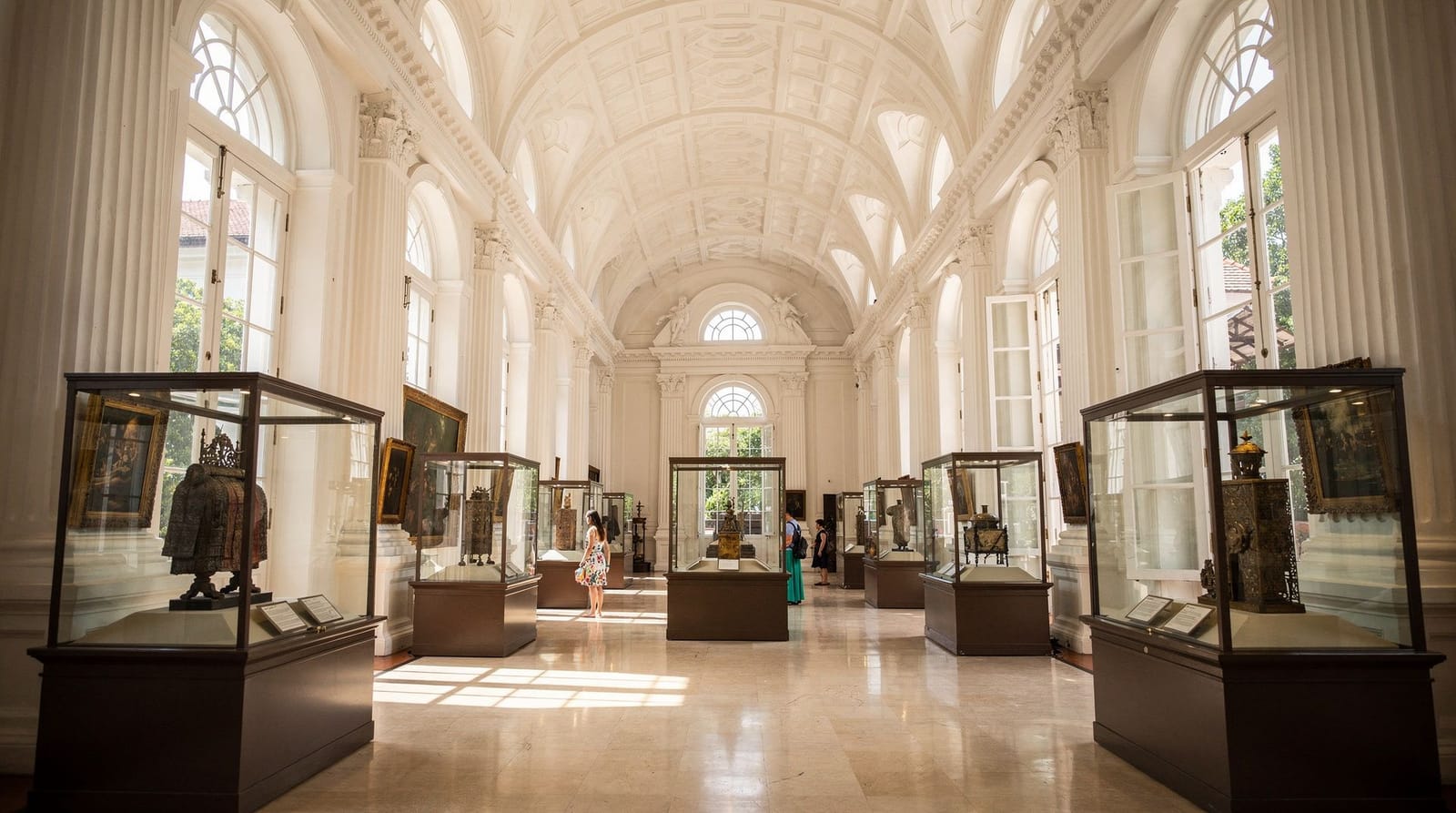
Why: The Tang Shipwreck collection alone — 60,000 pieces of 9th-century Tang Dynasty Chinese ceramics and gold recovered from an Arab dhow in the Java Sea — makes this one of the most significant archaeological collections in Southeast Asia. The broader collection (Ancient religions of Asia, Southeast Asian courts, West Asian heritage) is genuinely strong. Beautifully presented in the colonial Empress Place Building on the Singapore River.
Who it is for: Anyone interested in Asian history, maritime trade, and material culture. Also the best museum for understanding Singapore’s historical context.
See the full guide: Asian Civilisations Museum Singapore
2. Peranakan Museum — strongly recommended
Admission: SGD 18 adult
Recommended time: 1.5–2.5 hours
Why: The world’s most comprehensive collection of Peranakan (Straits Chinese) material culture. The nyonya beadwork, embroidered kebaya, nonya porcelain, and wedding ceremony gallery are visually extraordinary. The 2021 renovation added contemporary Peranakan identity content that lifts the museum beyond a heritage archive.
Who it is for: Anyone interested in Singapore’s most distinctive cultural tradition, textile arts, or decorative arts generally.
See the full guide: Peranakan Museum Singapore
3. National Gallery Singapore — strongly recommended (and partly free)
Admission: Free for permanent collection on selected days; SGD 20 for full access including special exhibitions
Recommended time: 2–3 hours
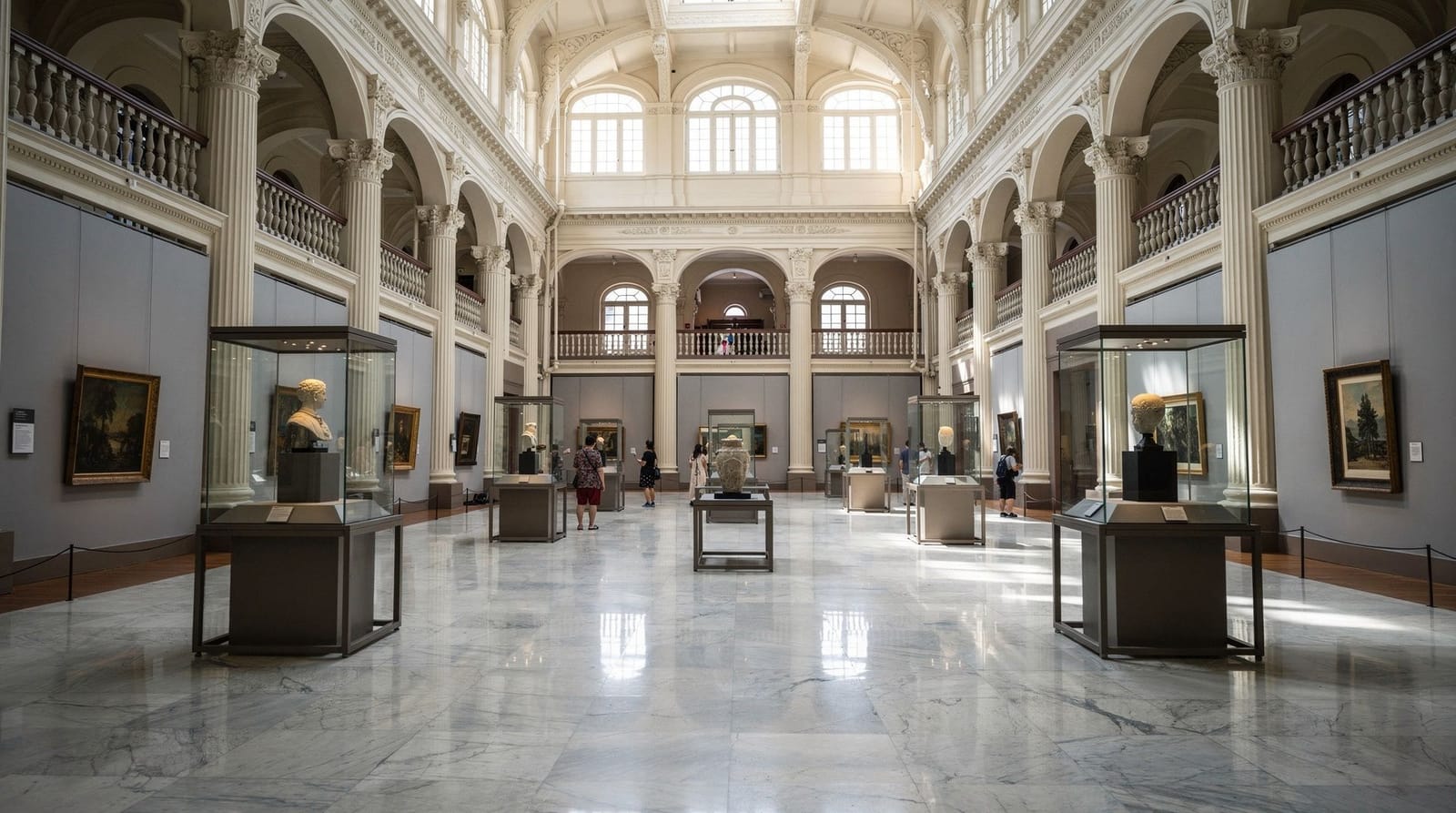
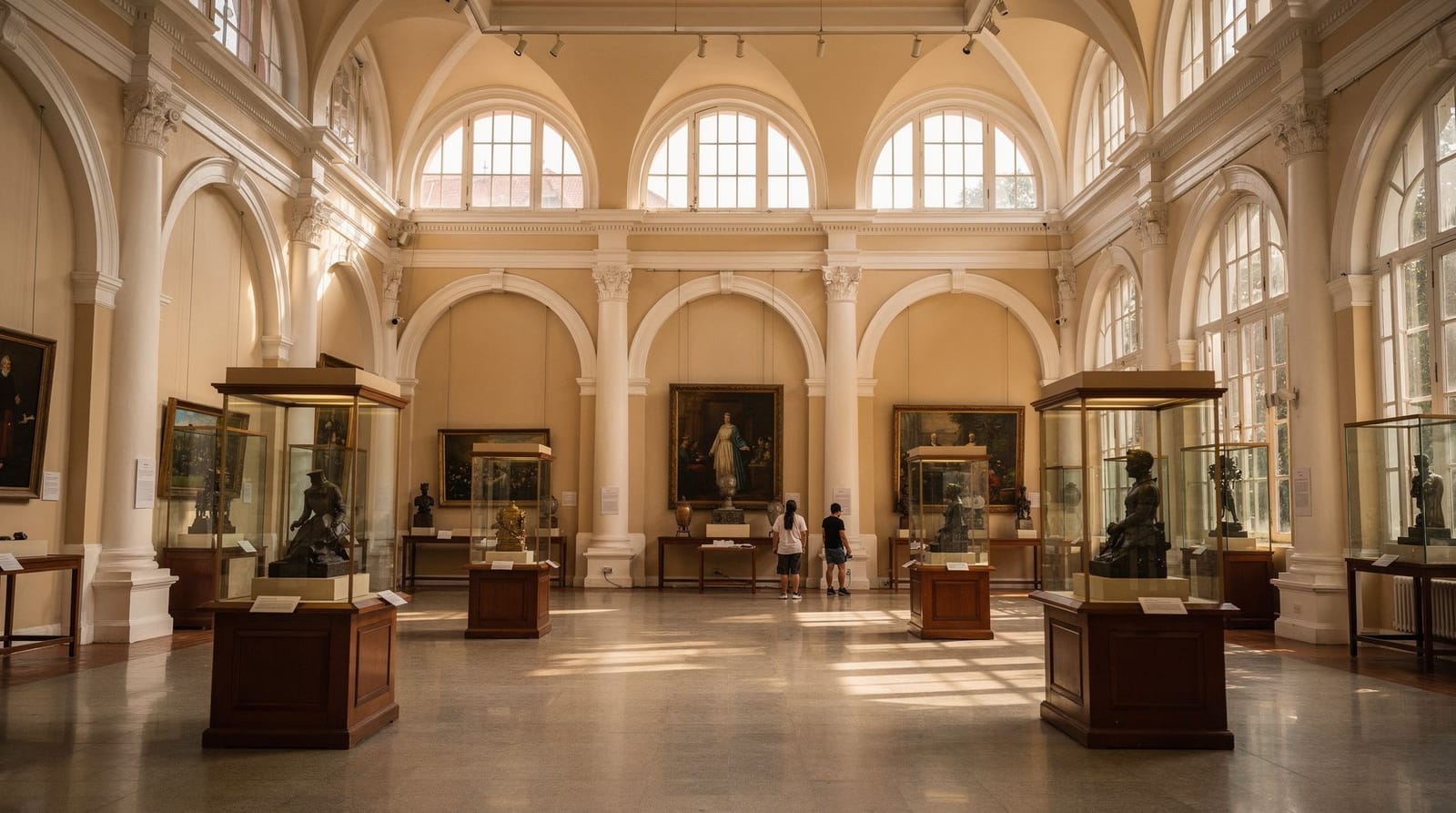
Why: Housed in the former Supreme Court and City Hall buildings — spectacular colonial-era architecture — the National Gallery has the world’s largest public collection of Southeast Asian art. The Singapore art collection (DBS Singapore Gallery) and the Southeast Asian art collection (UOB Southeast Asia Gallery) are excellent. The architecture alone is worth the visit.
Who it is for: Art enthusiasts, architecture lovers, and anyone wanting to understand Singapore’s visual culture.
See the full guide: National Gallery Singapore
Singapore: National Gallery entry tickets4. National Museum of Singapore — recommended
Admission: SGD 15 adult (permanent gallery); some free access areas
Recommended time: 2–2.5 hours
Why: Singapore’s oldest and largest museum, covering the island’s history from pre-colonial Malay settlement through British colonisation, Japanese Occupation, independence, and development. The permanent Singapore History Gallery is the most comprehensive introduction to Singapore’s history available. The Life in Singapore galleries cover food, fashion, and everyday life with genuine social history depth.
Who it is for: Anyone wanting to understand how Singapore came to be what it is today. Particularly recommended for first-time visitors to Singapore.
See the full guide: National Museum of Singapore
5. ArtScience Museum — recommended (with caveats)
Admission: SGD 22 for museum only; SGD 35 with teamLab Future World
Recommended time: 2–3 hours
Why: The teamLab Future World immersive digital art installation is genuinely impressive — particularly the Crystal Universe and Nature rooms. The museum’s rotating special exhibitions vary in quality.
Caveats: At SGD 35, it is Singapore’s most expensive museum experience per hour. Worth it if digital immersive art appeals; less compelling for those who are sceptical.
Who it is for: Families with children, digital art enthusiasts, and visitors who have already seen the other major museums.
See the full guide: ArtScience Museum & teamLab Future World
Singapore: ArtScience Museum teamLab Future World6. Malay Heritage Centre — worth visiting if interested
Admission: Free permanent galleries
Recommended time: 1–1.5 hours
Why: Located in Kampong Glam in a beautifully restored royal palace (the Istana Kampong Gelam), the Malay Heritage Centre covers Singapore’s Malay and Islamic history. Free entry makes it an easy addition to a Kampong Glam visit. The palace building itself is worth seeing.
Who it is for: Anyone visiting Kampong Glam (which most visitors to Singapore should); those interested in Malay and Islamic heritage.
7. Indian Heritage Centre — worth visiting if interested
Admission: SGD 8 adult; some free access
Recommended time: 1–1.5 hours
Why: Covers Singapore’s Indian community history and its connections to South Asia. Located in Little India, it pairs naturally with a Little India neighbourhood walk. Strong textile and visual arts collection.
Who it is for: Visitors to Little India; those interested in Indian diaspora history.
Specialist and smaller museums
Singapore Art Museum (SAM): Focuses on contemporary Southeast Asian art. The main SAM building is undergoing redevelopment — check the SAM website for current exhibition venues.
NUS Museums (Baba House + University Museums): The NUS Baba House in Tanjong Pagar is a restored Peranakan terraced house open by guided tour — one of Singapore’s most atmospheric heritage experiences. Admission is free but tours must be booked in advance.
Civil Defence Heritage Gallery: Free, covers Singapore’s civil defence and fire history. Worth 45 minutes if passing through the Hill Street area.
Jurong Bird Park / Bird Paradise: Technically a zoo attraction rather than museum but outstanding for birding and nature enthusiasts — part of the Mandai wildlife complex.
Science Centre Singapore: Best children’s science museum in Singapore, in Jurong (further from the city centre). Excellent for families.
Museum districts: how to cluster your visits
Singapore’s major museums cluster in two main areas, making it easy to visit multiple institutions in a day:
Civic District cluster: National Gallery Singapore, National Museum of Singapore, Peranakan Museum, and Asian Civilisations Museum are all within a 15-minute walk of each other. This is Singapore’s cultural heart — the colonial civic district surrounding Fort Canning, the Padang, and the Singapore River. A two-museum day here (with lunch at a nearby hawker centre) is the most efficient way to experience Singapore’s cultural institutions.
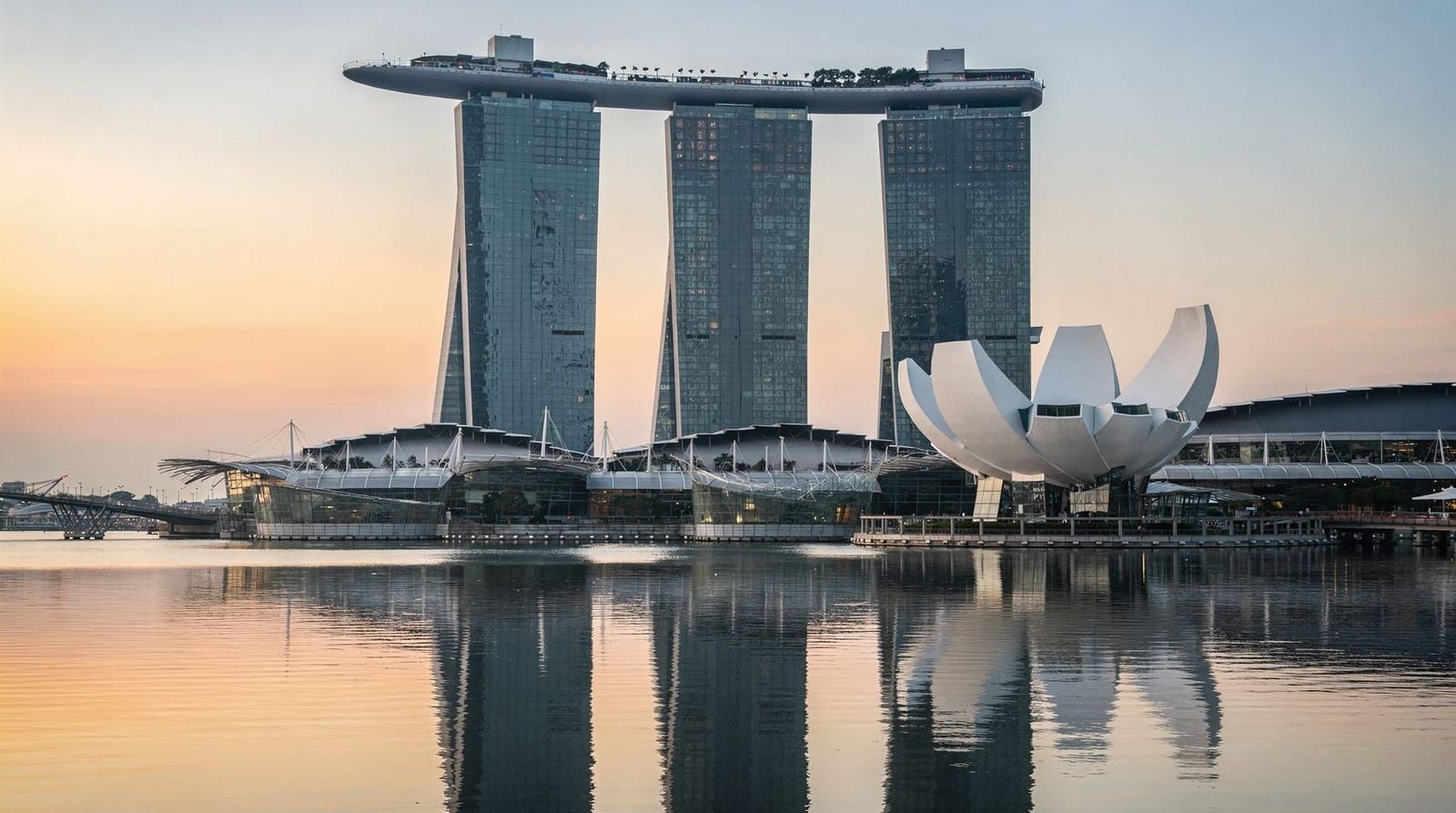
Marina Bay cluster: ArtScience Museum is at Marina Bay Sands. Combined with the Marina Bay Sands SkyPark and the Supertree Grove & Garden Rhapsody light show at Gardens by the Bay, this makes a full Marina Bay day.
Cultural quarter clusters: The Malay Heritage Centre pairs with the Kampong Glam and Haji Lane neighbourhood. The Indian Heritage Centre pairs with Little India Singapore.
Choosing between museums when you can only pick one or two
The honest way to choose is to ask what kind of traveller you are. If you want context for the rest of your trip, start with the National Museum of Singapore and then read the Singapore history primer on the plane or in the hotel. If you care about objects and craft, the Asian Civilisations Museum and the Peranakan Museum reward slow looking. If you are drawn to painting and architecture, the National Gallery is the stronger pick, and the surrounding Civic District is pleasant to walk through even if you skip the galleries.
Travellers who already know they are not museum people should still consider one short visit. A single gallery gives you a different view of the city from the malls, hawker centres and light shows, and the colonial Singapore guide shows how much of the Civic District’s architecture ties back to the stories told inside these buildings.
Pairing museums with food and neighbourhoods
Museum days work best when lunch and a walk are built in. The Civic District sits close to the river, so a morning inside can lead naturally into a stroll along the water, and the Singapore River cruise guide explains how to see the same colonial buildings from a boat. For a meal between galleries, the best hawker centres guide and the Chinatown complex food guide point to casual options that keep the day affordable.
If you are exploring heritage more broadly, the ethnic quarters guide links the Malay and Indian heritage centres to the neighbourhoods around them, and the Peranakan culture guide and Katong and Joo Chiat extend the Peranakan story beyond the museum walls. After a gallery visit, Kampong Glam and Little India are both easy places to continue the cultural thread on foot.
Free museum options
Singapore has genuine free museum options — particularly for the permanent collections of its national institutions. See the dedicated Free museums in Singapore guide for a comprehensive list. The short version: the National Gallery’s permanent collection has significant free access components; the Malay Heritage Centre permanent galleries are free; the Indian Heritage Centre has partial free access; the National Library has free exhibitions. On a tight budget, a well-planned museum day can cost very little.
Museum etiquette in Singapore
Singapore’s museums are air-conditioned and strictly maintained. Relevant practical points:
No food or drinks inside galleries (water bottles generally permitted).
Photography is generally allowed for personal use; flash is typically restricted near textiles and fragile objects. Check notices in each gallery.
Guided tours are offered at most major museums, usually included in admission or at a modest additional cost. Particularly worthwhile at the ACM (for the Tang Shipwreck context) and the Peranakan Museum (for the beadwork tradition).
Dress code: No specific dress code, but light, comfortable clothing is advisable — galleries are cold (strong air-conditioning) and you will walk considerable distances on hard floors.
Planning around weather and energy
Because every major museum is indoors, they make a useful buffer on days when heat or storms disrupt outdoor plans. The Singapore rainy-day itinerary shows how to string indoor stops together, and the weather month by month guide helps you decide which days of your trip to keep flexible. Keep your museum visits for the hottest part of the day and leave outdoor sights for early morning or evening. A light layer is worth carrying for the cold galleries, as the packing guide suggests.
Building a museum day into a longer itinerary
Most visitors don’t come to Singapore purely for museums, so the practical question is how to slot one in without derailing the rest of the trip. A single Civic District morning (National Gallery or ACM, plus lunch) fits neatly into any first-timer itinerary without eating a whole day. If you’re building a 3-day itinerary, pairing a museum morning with an afternoon at Gardens by the Bay or a Civic District walk balances culture with outdoor time. Families juggling a mix of interests should check the Singapore with kids guide for which museums (ArtScience, Children’s Museum) work best with younger visitors versus which ones (ACM, National Gallery) reward older kids and adults more.
Museums vs paid attractions: are they worth it next to Sentosa or Gardens by the Bay?
Compared with Singapore’s ticketed nature and entertainment attractions, museums are usually the better value per dollar for anyone with even a passing interest in history or art — SGD 15–20 buys two to three unhurried hours, versus similar pricing for a single Sentosa attraction that takes 30–60 minutes. That said, museums don’t deliver the same “wow” as Gardens by the Bay’s Supertree light show or Sentosa’s beaches, so the honest answer is to treat them as complementary rather than competing — a culture-heavy morning followed by an attraction-heavy afternoon covers both angles of what Singapore does well.
Frequently asked questions about Singapore museums
Which museum should I visit first in Singapore?
The National Museum of Singapore is the best starting point — it gives you the historical context that makes every other Singapore experience more meaningful. After that, choose based on your interests: art (National Gallery), Asian history (ACM), Peranakan culture (Peranakan Museum), or digital art (ArtScience Museum).
Is Singapore’s National Gallery really free?
The permanent collection galleries (DBS Singapore Gallery and UOB Southeast Asia Gallery) are free on specific days and for certain visitor categories. Check the National Gallery’s official website for the current free-access schedule. Special exhibitions within the building require a separate paid ticket.
How much should I budget for museums in Singapore?
A visit to two major paid museums costs approximately SGD 35–55 per adult (e.g., ACM at SGD 20 + Peranakan Museum at SGD 18). Adding ArtScience Museum with teamLab brings the total to SGD 70+. The free museum options (National Gallery permanent collection, Malay Heritage Centre, Indian Heritage Centre partial access) allow a museum day for under SGD 10 with careful planning.
Are Singapore museums air-conditioned?
Yes, all major museums are fully air-conditioned. This is a genuine practical advantage in Singapore’s heat — museum visits are physically comfortable in a way that outdoor attractions are not during the midday hours.
Can I do museums on a rainy day in Singapore?
Absolutely — museums are one of the best Singapore in the rain options. The Civic District cluster (National Gallery, National Museum, ACM, Peranakan) can fill an entire rainy day with good coverage between buildings.
What is the newest major museum in Singapore?
The Indian Heritage Centre (opened 2015) and the Peranakan Museum (relaunched 2021) are among the most recently updated. Singapore continues to expand its heritage institution network — check STB (Singapore Tourism Board) for any newly opened institutions at time of visit.
Are Singapore museums suitable for solo travellers?
Excellent for solo travellers. Singapore’s museums are quiet and easy to navigate alone. The ACM and Peranakan Museum in particular are well-suited to the kind of slow, self-directed exploration that solo travel allows. For solo travel tips more broadly, see Solo travel Singapore.
Top experiences
Bookable activities with verified prices and instant confirmation on GetYourGuide.