Solo travel Singapore: the honest guide for 2026
Singapore: private guided tour to Night Safari
Is Singapore good for solo travel?
Excellent. Singapore is one of the best solo destinations in Asia — extremely safe, English everywhere, easy MRT navigation, and a hawker culture where solo dining is completely normal. Budget solo travel is achievable at SGD 95/day. The main limitation is that some experiences (restaurant group dishes, boat trip sharing costs) are better with company — but for eating, exploring, and navigating, solo Singapore is outstanding.
Quick answer: Singapore is one of the best solo destinations in Asia. Extremely safe, English everywhere, hawker culture perfect for solo dining, and easy MRT navigation. Budget SGD 95/day. The only genuine limitation is the premium for solo accommodation versus sharing — hostels solve this.
| Best base areas | Chinatown, Little India, Bugis/Kampong Glam |
| Solo daily budget | Around SGD 80–95 (hostel dorm) |
| Getting around | MRT — safe, English-signed, all hours |
| Safety level | Among the safest cities in the world |
| Best solo activity | Hawker centre dining, neighbourhood walking |
| Skip staying in | Sentosa, Orchard Road (poor solo social fabric) |
Why Singapore works well for solo travel
Most arguments for solo travel — freedom to move at your own pace, conversations with strangers, self-determination — apply everywhere. Singapore specifically excels as a solo destination because of factors that remove the common friction points:
No language barrier. English is one of four official languages and the universal working language. You will be understood everywhere and can understand everything — menus, MRT announcements, conversations with stall holders.
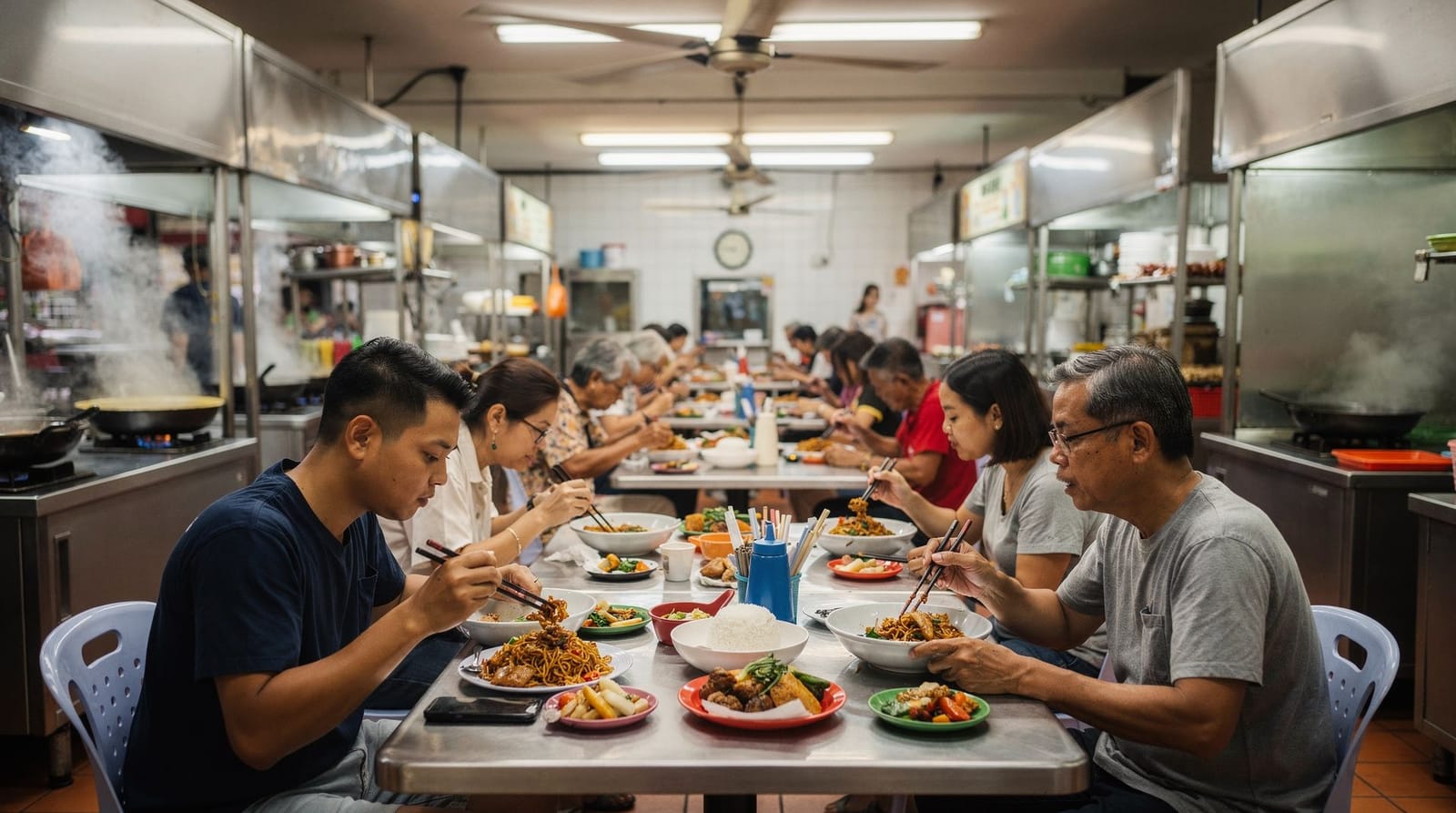
Hawker culture is solo-friendly. Singapore’s most important cultural institution — the hawker centre — is built for solo use. Communal tables, pick-up-your-own-food model, no reservation system, no awkwardness about eating alone. In fact, solo is often faster (one seat is always easier to find than four).
Safety removes defensive effort. In many solo travel destinations, a significant amount of mental energy goes to constant low-level safety assessment. Singapore requires very little of this — the cognitive overhead of solo navigation is almost entirely about “where am I going?” rather than “is this safe?”
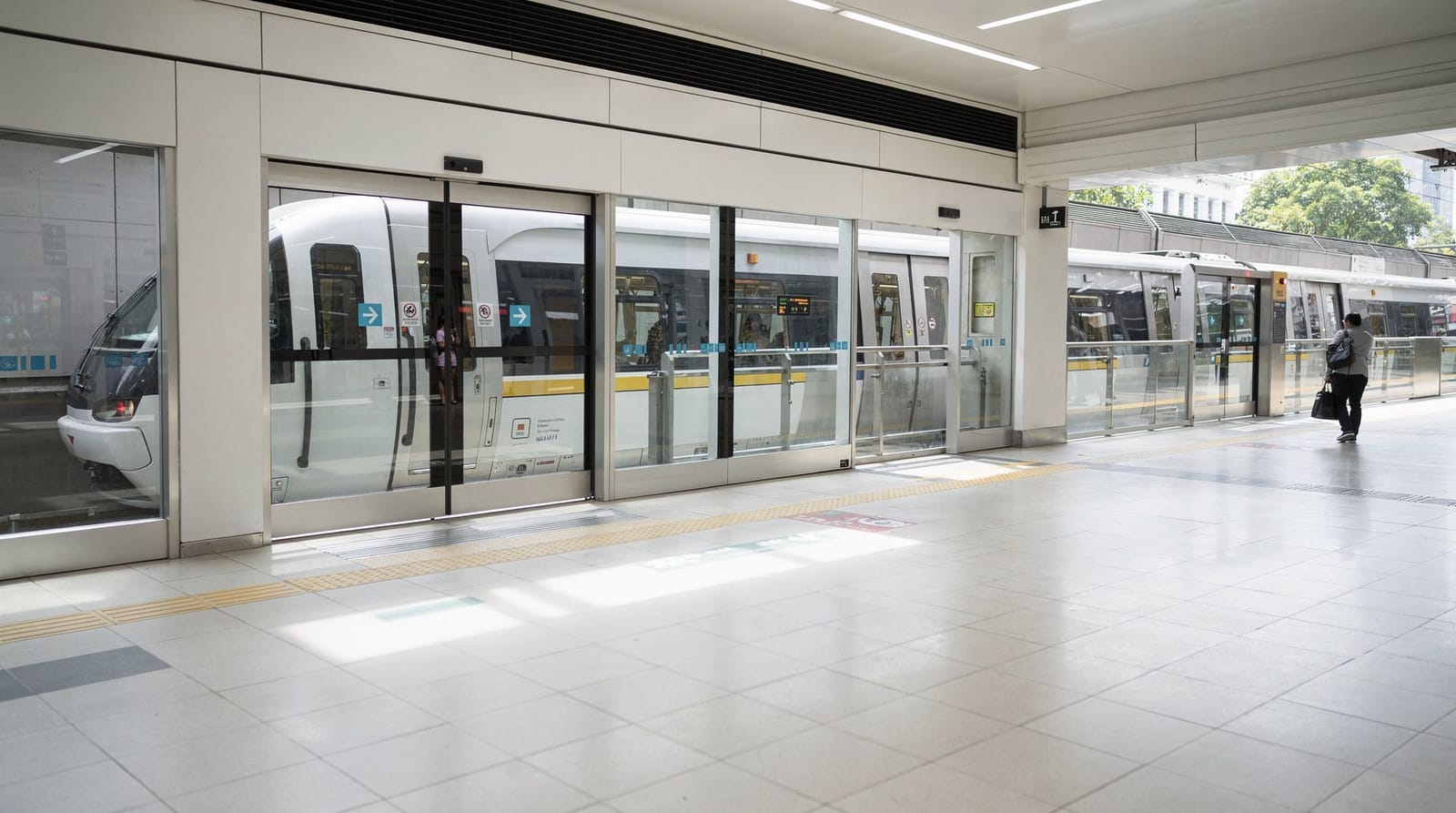
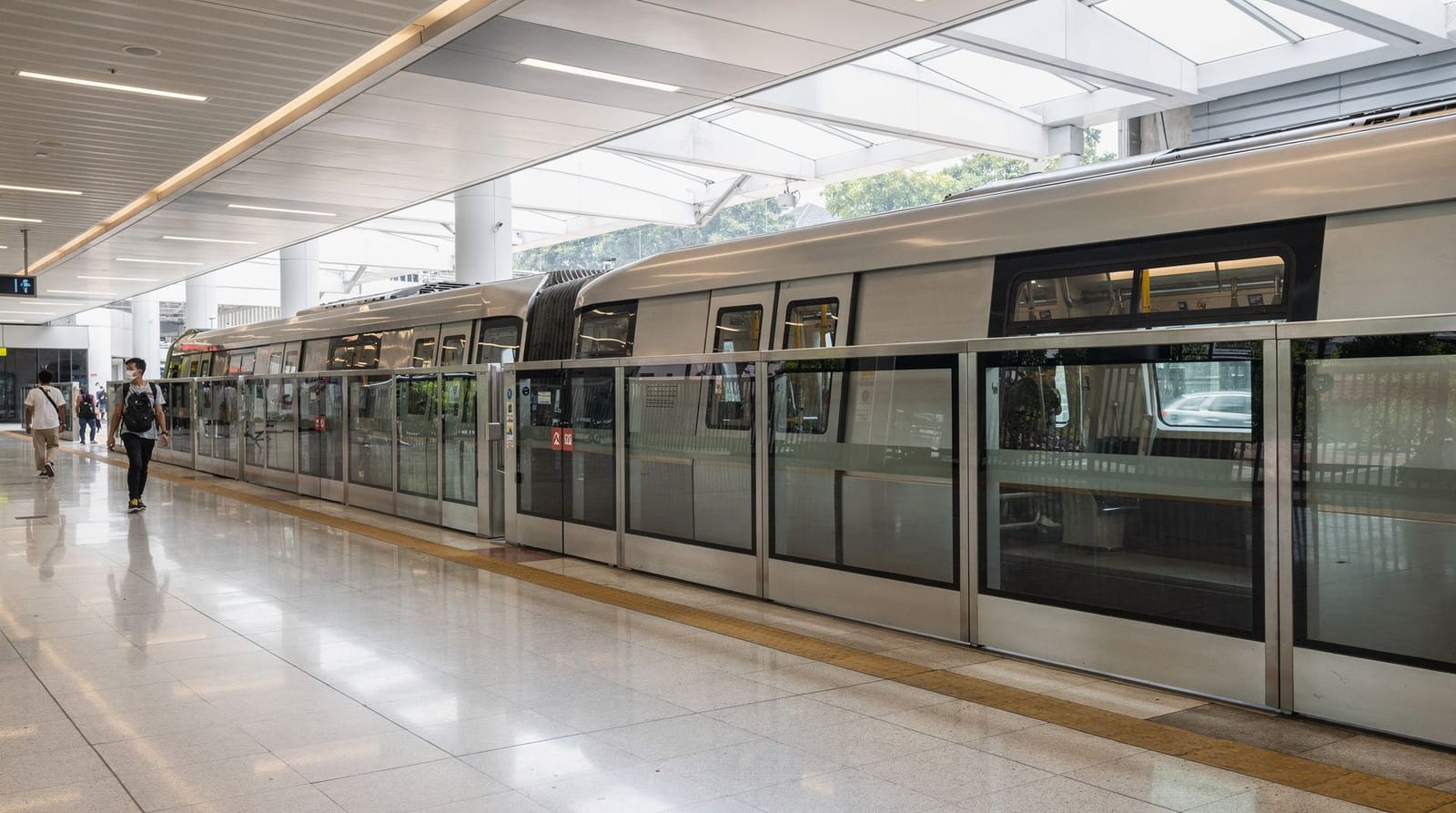
MRT independence. The public transport system is so good that you never need to negotiate a shared taxi or rely on someone else for directions. Solo transport in Singapore is completely autonomous. If you want to understand lines and fares before you land, the MRT guide and getting around Singapore cover the practical side, and EZ-Link vs SimplyGo helps you pick a payment method.
If this is your first visit and you are still deciding how long to stay, how many days in Singapore and Singapore for first-timers help you shape a trip around your own pace.
Safety: the honest picture
Singapore’s crime statistics are exceptional by global standards. The country consistently ranks in the top 3–5 globally for safety (Global Peace Index). For practical solo travellers:
Night walking: Chinatown, Kampong Glam, Little India, Orchard Road, and Marina Bay are all fully safe to walk alone at 11 pm. The streets are populated, well-lit, and monitored. Isolated late-night areas (some industrial zones, very quiet residential streets) warrant the same awareness you would apply anywhere, but the risk is genuinely low.
MRT at night: The MRT runs until approximately midnight. Last trains on weekend nights can be crowded as the nightlife crowd returns home. Solo travel on the MRT at any hour is safe.
Solo female travel: Singapore is consistently cited by solo female travellers as one of Asia’s safest and most comfortable destinations. There is no significant street harassment culture. Nightlife areas (Clarke Quay) involve the usual advice about not leaving drinks unattended. Many international solo female travellers use Singapore as their first Asia solo trip and find it builds confidence for further travel in the region.
Scam awareness: Singapore has very few tourist scams relative to other major Asian cities. The gem scam (someone “accidentally” finding a “valuable gem” and offering to share the profit), overpriced tourist transport, and counterfeit goods are occasional issues. The tourist experience in Singapore is remarkably hassle-free by any comparative standard. See Common scams in Singapore for specific awareness points.
Solo dining in Singapore
The hawker centre is the solo traveller’s greatest friend. The system is entirely natural for solo dining:
- Arrive at the hawker centre
- Scout for an empty seat or partially occupied table (sharing with strangers is normal)
- Place a tissue pack or small item on your seat to “chope” it (reserve it)
- Walk to the stall you want, order, pay, collect (some stalls deliver to seat numbers)
- Eat at your own pace, people-watch, and leave when ready
There is no staff, no “can I take your order,” no pressure to order multiple dishes, no awkward single-diner seating. This is simply how most working Singaporeans eat lunch. For where to start, see the best hawker centres and the hawker etiquette and chope guide, which explain the seat-reserving custom in more detail.
For restaurants: Solo dining at sit-down restaurants is common and unremarked. Singapore’s large professional population means restaurants are genuinely accustomed to solo diners. Some dishes (tableside chilli crab, steamboat/hot pot) are better shared, but these are specific categories — the vast majority of Singapore restaurant menu items are single-portion and perfectly suited to solo dining.
Coffee shops (kopitiams): Traditional Singapore coffee shops are communal, casual, and ideal for solo dining. Order at the counter, find a seat, and eat. Comparable pricing to hawker centres. A morning kopi (coffee with condensed milk, SGD 1.20) and kaya toast (SGD 2–3) is a perfect solo breakfast ritual.
Best areas for solo travellers
Chinatown
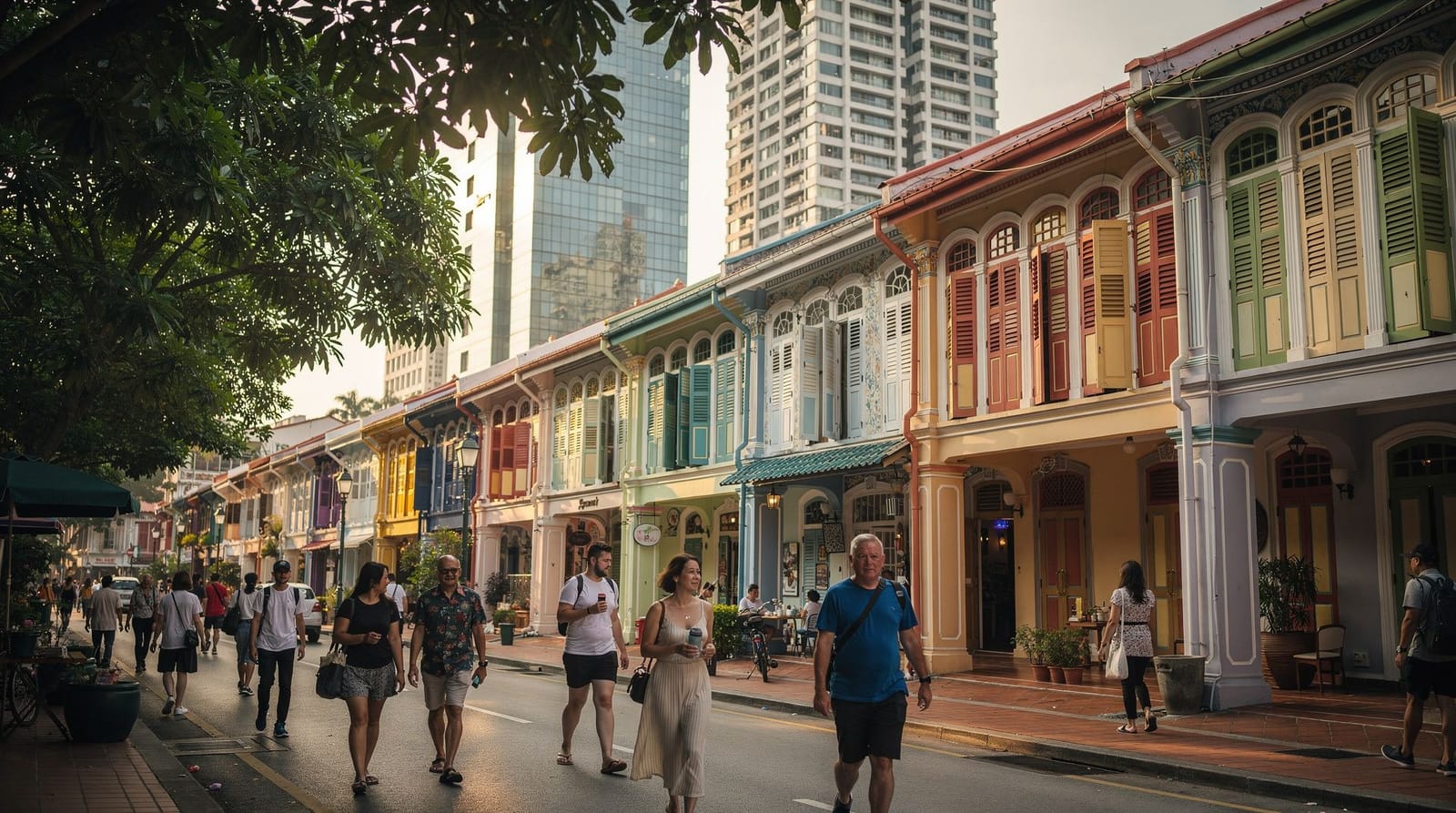
The best base for a solo first visit. Walk out your hostel door and immediately encounter the visual density of Pagoda Street, the Buddha Tooth Relic Temple, and the hawker maze of Chinatown Complex. Maxwell Food Centre for lunch. The evening street market for browsing. Clarke Quay for drinks (15 min walk or one MRT stop). All accessible solo and all naturally social. For more detail, read the Chinatown guide or the Chinatown destination page.
Hostel options: Good concentration of budget hostels (Footprints, The Hive, various boutique options) on or near Pagoda Street.
Little India
More local, less tourist-polished, more vivid. Serangoon Road is a full sensory experience on weekends when the South Asian migrant worker community fills the streets with colour, music, and food. Tekka Market for hawker breakfast. Sri Veeramakaliamman Temple. Good for solo travellers who want authenticity over tourist comfort. Less nightlife proximate, but Bugis and Kampong Glam are two MRT stops away. The Little India guide goes deeper on what to see and eat.
Bugis / Kampong Glam
The intersection of Bugis MRT serves Haji Lane (café browsing, street art), Kampong Glam (Sultan Mosque, Arab Street), and the National Library area. A good area for solo travellers who want a mix of café culture and cultural history. The Haji Lane strip is excellent for solo café-hopping. See the Bugis guide and the Kampong Glam and Haji Lane guide for more on the area.
Avoid for solo stay: Sentosa and Orchard Road
Sentosa is a resort island — poor for solo evening culture, expensive, and isolated from Singapore’s actual social fabric. Orchard Road is a shopping corridor — clean and safe, but characterless for solo exploration. Stay in a neighbourhood with walking-distance culture. For a wider look at neighbourhoods and hotels, see where to stay in Singapore.
Solo activities: what works best alone
Neighbourhood walking: All of Singapore’s cultural quarters work beautifully solo. Chinatown, Little India, Kampong Glam — you can drift, stop when interested, walk at your own pace without negotiating with companions. Add headphones and a podcast for the in-between sections or go completely present.
Hawker centre exploration: The ideal solo activity. Try stalls based purely on what looks right. Eat at your own pace. Talk to the stall holders if curious — many are happy to chat with interested visitors about their dishes.
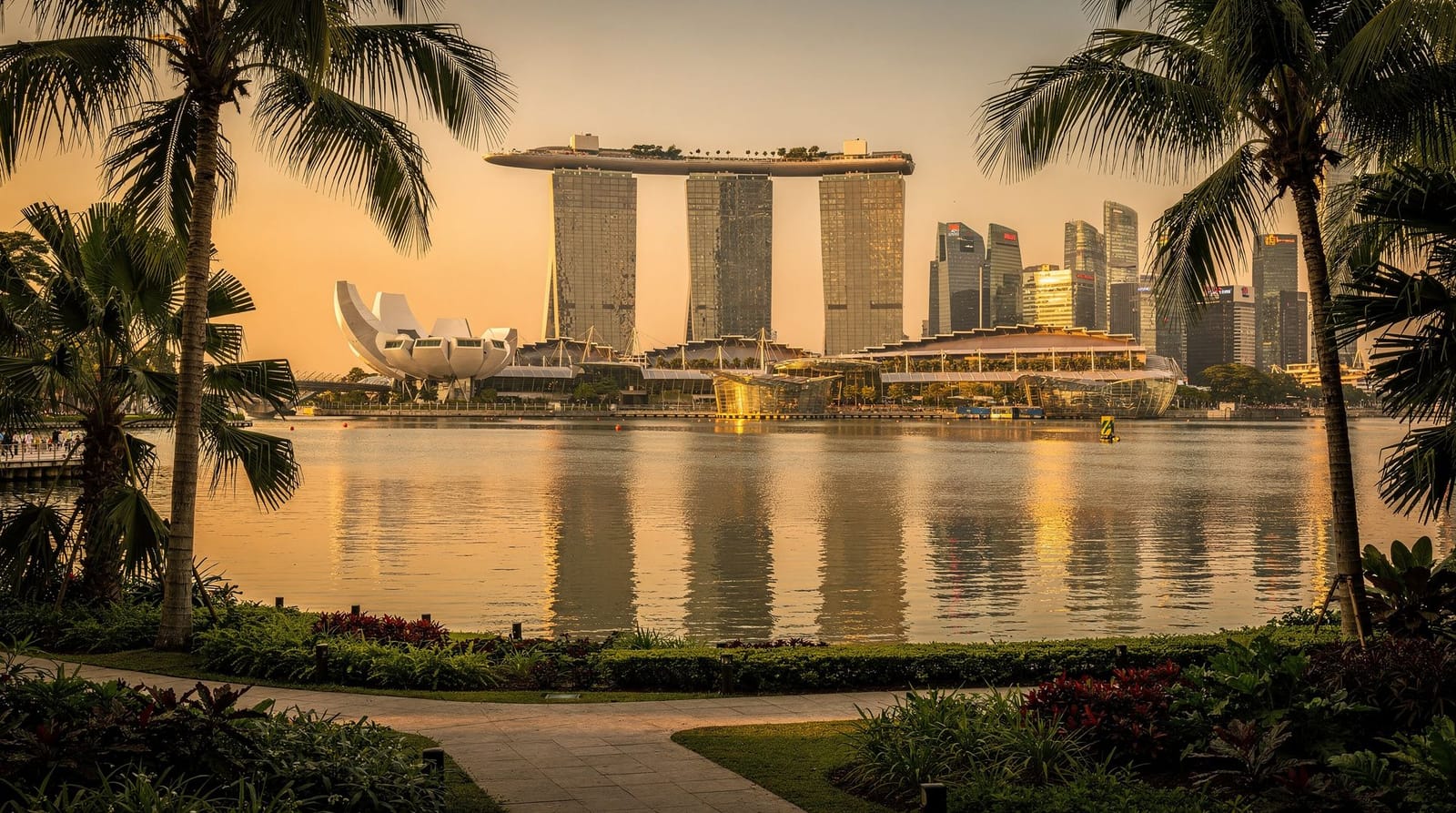
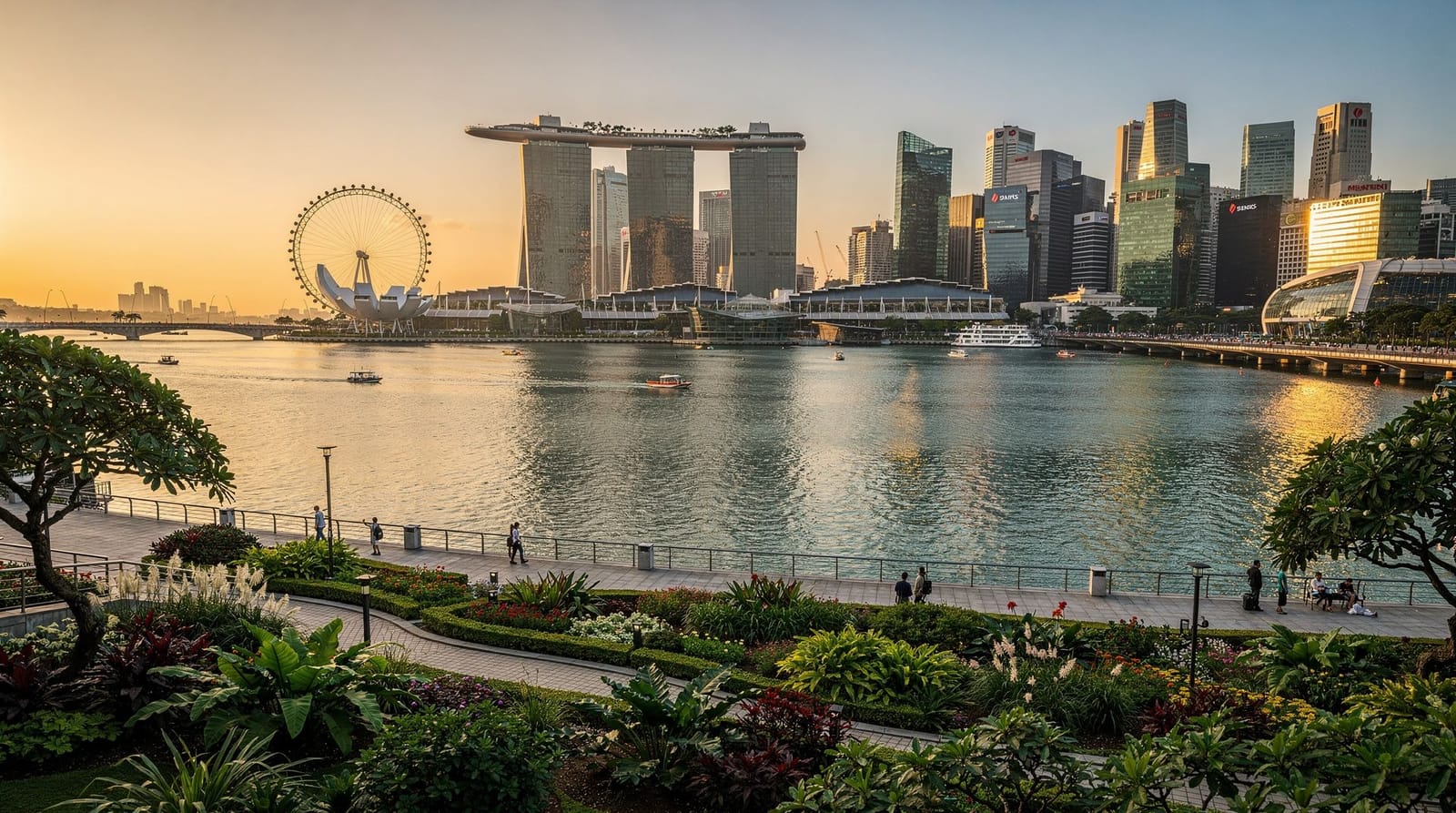
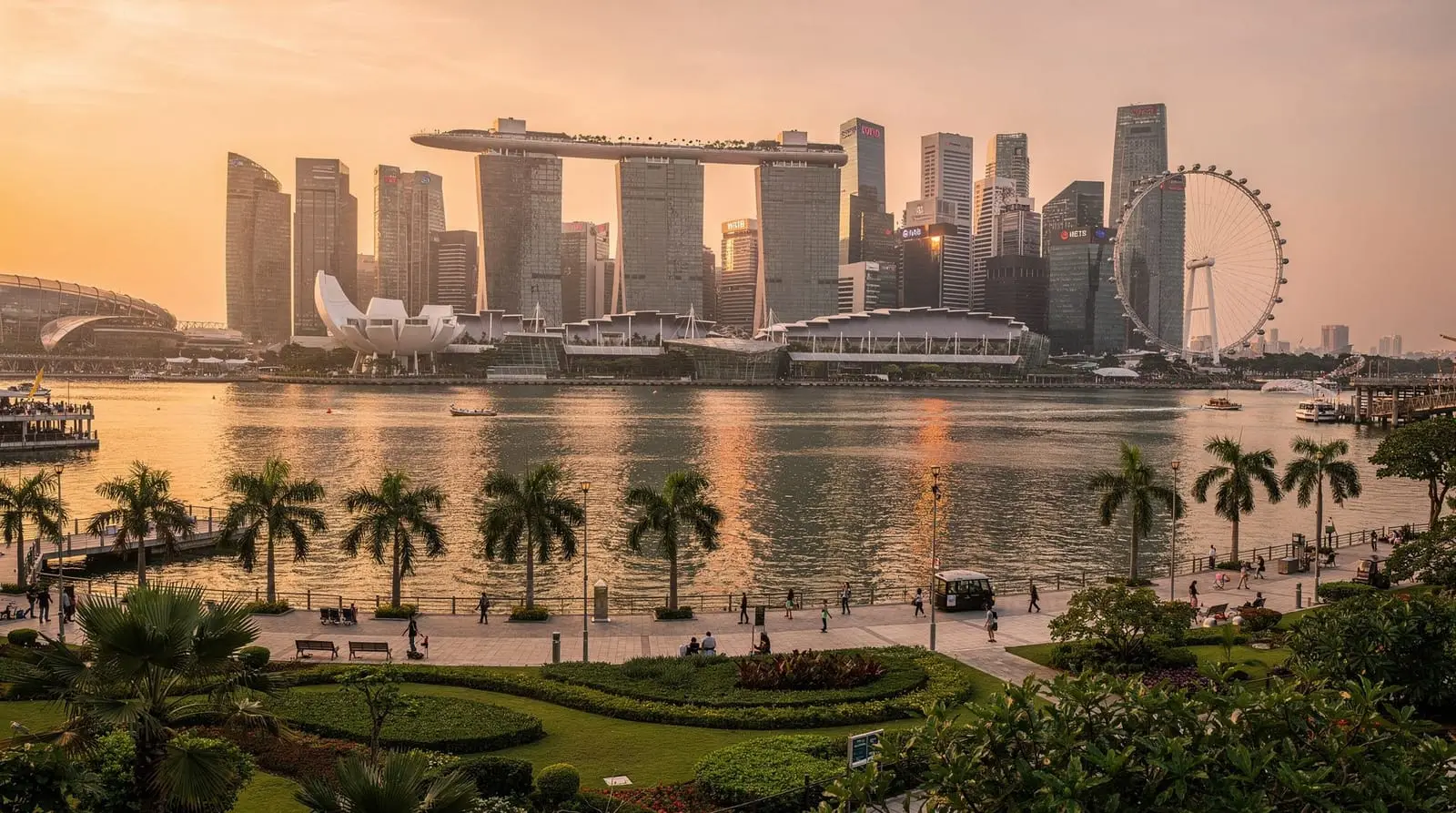
Free evening shows: The Spectra light show at Marina Bay (9 pm daily, free) and Garden Rhapsody at Gardens by the Bay (7:45 pm and 8:45 pm) are both excellent solo evening activities. Stand among the crowd, watch the show, leave when ready.
MacRitchie Reservoir: The 11 km loop trail through MacRitchie’s rainforest, with the suspension bridge at TreeTop Walk, is a genuinely excellent solo half-day activity. Solo hikers are common and the trail is well-marked. It feels properly wild despite being within the city. See MacRitchie Treetop Walk.
Singapore Zoo (solo): Walking the Zoo solo allows you to spend as much time as you want at the exhibits that interest you and skip the ones that don’t. Families with children control their pace around children’s energy — solo is actually a better zoo experience for the deliberate animal-watcher.
Night Safari (solo): The tram ride and walking trails work well solo. The tram carries you among other visitors — you will inevitably end up in conversation with fellow solo travellers or families who see you looking interested.
Museums: National Museum of Singapore, National Gallery, and the Peranakan Museum are all excellent solo cultural experiences. Singapore’s museums are well-curated and English-first — solo museum visits are entirely self-sufficient.
Solo nightlife in Singapore
Singapore’s nightlife is friendly to solo participation:
Hawker centre evening atmosphere: The best solo “night out” in Singapore is often an evening at Lau Pa Sat (Maxwell area, open late) or the Chinatown night market — atmospheric, cheap, and naturally social through proximity.
Clarke Quay bars: Singapore’s primary nightlife zone. Most bars have counter seating suitable for solo drinkers. The area is busy on Thursday–Saturday evenings. Prices are high (SGD 12–18 per beer) but it is a legitimate solo evening option if nightlife is your interest.
Rooftop bars: Several of Singapore’s best rooftop bars are excellent solo experiences — find a counter seat, enjoy the view, have one or two drinks. CÉ LA VI at Marina Bay Sands attracts solo visitors regularly. See Best rooftop bars in Singapore: honest guide 2026.
Nightlife safety: Singapore’s nightlife is safe by international standards. Standard advice — use Grab rather than unlicensed taxis after midnight, do not leave drinks unattended, trust your instincts in any situation that feels wrong — applies here as anywhere. There are no specific solo danger areas in Singapore’s main nightlife districts.
Budget considerations for solo travel
The solo travel premium in Singapore is primarily about accommodation. Most hotel rooms are priced per room, not per person — a couple splitting a hotel room each pays SGD 60–100 per person versus a solo traveller paying SGD 120–200 for the same room. Hostels eliminate this premium: dorm beds at SGD 30–50 per night make solo accommodation economical.
Solo budget (hostel dorm, hawker meals, MRT): SGD 80–95/day. Solo budget (private hostel/guesthouse room): SGD 120–150/day. Solo mid-range (budget hotel, mixed eating): SGD 200–250/day.
Food, transport, and most activities carry no solo premium — hawker meals are the same price whether you eat alone or with a group. See Singapore on a budget and Singapore travel costs for detailed breakdowns.
Meeting other travellers
For solo travellers who want occasional company:
Free walking tours: The Red Dot free walking tours (Chinatown, Marina Bay, Little India — tip-based) are a consistent meeting point for solo travellers. Run multiple times daily, attracted solo visitors from many nationalities.
Hostel social spaces: Singapore’s better hostels (The Hive, Adler Hostel, Footprints Hostel) have social common areas, rooftop decks, or organised social activities. The hostel model works best for solo social connection.
Expat and community events: Singapore has an active digital community. Meetup.com listings (hiking groups, food tours, language exchanges), Internations events, and expat Facebook groups all run regular activities that welcome solo visitors joining for a day.
Day tours: GYG and Klook both list small-group day tours (Night Safari, street food tours, day trips) that are specifically good for solo travellers who want shared activities without committing to a group.
Book a small-group guided Night Safari tourFood tours: A guided hawker or Chinatown food walk is a genuinely good way to meet fellow travellers on the first day, learn how to order confidently at hawker stalls, and get orientated before exploring solo for the rest of the trip.
Join a small-group Chinatown food tasting tourPractical solo tips for Singapore
Luggage storage: Most hostels and budget hotels offer luggage storage on arrival and departure days. Changi Airport has left luggage facilities (SGD 5–8 per item for first 2 hours). This gives you full flexibility on arrival and departure days to explore without dragging bags.
Phone security: Keep your phone in a zippered pocket or bag in crowded areas (Chinatown market, Bugis Street). Singapore’s theft rates are low, but phone theft in tourist-concentrated crowded areas is the most common minor crime.
Emergency contacts: Save Singapore’s emergency numbers: Police 999, Ambulance/Fire 995. Tourist hotline: Singapore Tourism Board 1800 736 2000 (free call, available daily). These are numbers you are highly unlikely to need in Singapore, but worth having.
Weather awareness: Solo travellers without a companion to confer with should check the weather app before outdoor activities. Singapore’s afternoon storms are sudden — a 10-minute weather check before heading to the Southern Ridges or Sentosa beaches prevents getting caught far from shelter.
Solo travel costs vs travelling with a companion
The honest math on the “solo premium” in Singapore:
| Category | Solo cost | Per-person cost with a companion |
|---|---|---|
| Hostel dorm bed | SGD 30–50/night | Same (no premium) |
| Private hostel/guesthouse room | SGD 120–150/night | SGD 60–100/night |
| Mid-range hotel room | SGD 120–250/night | SGD 60–125/night |
| Hawker meals | No premium | No premium |
| MRT/transport | No premium | No premium |
| Grab rides | Full fare | Split fare |
The premium is concentrated entirely in accommodation and, to a lesser extent, Grab rides — food, MRT, and most attractions cost the same per person regardless of group size. Choosing a hostel dorm over a private room removes almost the entire solo penalty.
Attraction tickets: Paid attractions (Singapore Zoo, Universal Studios, Gardens by the Bay) charge per person regardless of group size, so there is no solo penalty here either — the sticker price is what a companion would also pay individually. The only attraction category where solo visitors lose out slightly is anything priced per boat or per car (a private tour, a chartered boat trip) where the fixed cost is divided among fewer people; check whether a shared or small-group version exists before booking a private option solo.
Frequently asked questions about solo travel in Singapore
Is Singapore good for solo travel as an introvert?
Excellent. Singapore rewards self-sufficient solo navigation — the MRT, hawker culture, and free attractions all work perfectly for introverts who want rich experiences without social performance. The city’s emphasis on food means you can have a very full day centred on solitary eating, walking, and observing without any need for conversation. Singapore’s social pressure is genuinely low.
Can I do Singapore solo on a backpacker budget?
Yes. SGD 95/day covers hostel accommodation, hawker meals, and MRT transport. Singapore is not the cheapest Asian backpacker destination, but it is the best-value combination of safety, English, infrastructure, and food quality at this price point. See Singapore on a budget.
Is Solo travel in Singapore boring — is it better with company?
Some experiences are enhanced by company (a shared chilli crab dinner is more fun with multiple people, boat rental on the reservoir is more social), but Singapore’s best solo activities — hawker eating, neighbourhood walking, museum visits, MRT exploration — are genuinely better when you move at your own pace without compromise. Solo Singapore visitors consistently rate it highly precisely because the self-directed pace suits the city’s density of discovery.
What is the solo female travel experience actually like in Singapore?
Overwhelmingly positive based on accumulated visitor experience. Singapore consistently ranks among Asia’s top three solo female destinations. Night MRT, solo late dining, walking alone in central areas, solo beach time at Sentosa — all are genuinely comfortable. The main friction point is the same for all solo female travel anywhere — trusting your instincts in specific situations, not leaving drinks unattended in clubs, being aware of your route home. Singapore’s ambient safety makes these standard precautions rather than heightened alerts. See the dedicated Solo female travel in Singapore: what actually makes it different blog post for personal perspectives.
Top experiences
Bookable activities with verified prices and instant confirmation on GetYourGuide.