Plan a trip to Singapore: complete honest planning guide
Singapore: half-day city tour with hotel transfer
Duration: 3.5h
How do I plan a trip to Singapore?
Singapore is one of the easiest cities in Asia to plan — English everywhere, excellent MRT, visa-free for most nationalities (submit the free SG Arrival Card online within 3 days before arrival), and safe. Budget SGD 95/day (budget) to SGD 280/day (mid-range). Best visiting months are February–April and June–September. Three days covers the highlights; five days covers them comfortably.
Quick answer: Singapore is the easiest major city in Asia to plan a trip to — English everywhere, no visa for most nationalities (submit free SGAC online), excellent MRT, and very safe. Budget SGD 95/day (budget) to SGD 280/day (mid-range). Best time: February–April or June–September. Three days covers highlights; five is comfortable.
| Where | Singapore, island city-state, Southeast Asia |
| Cost | Around SGD 95/day (budget) to SGD 280/day (mid-range) |
| Time needed | 3 days minimum, 5 days comfortable |
| Getting there | Changi Airport (SIN), direct flights from most world regions |
| Best time | February–April or June–September for drier weather |
Why Singapore is an easy first trip to Asia
Singapore punches above its size. A city of 6 million on an island 50 km across, it delivers outsized travel value: world-class food at SGD 5–10 a meal, a genuinely impressive skyline, some of the best zoos and aquariums in the world, a multicultural mosaic of Malay, Chinese, Indian, and colonial heritage, and an MRT system that makes getting around cheaper and simpler than most European cities.
The honest knock on Singapore is that it can feel polished to the point of sanitisation, and it is expensive by Southeast Asian standards. Both things are true. But Singapore is excellent travel — especially as a first Asia experience, a family destination, or a stopover that becomes its own mini-trip.
Before you book: key decisions
How many days?
The honest answer: three days minimum, five days ideal. See How many days in Singapore do you actually need? for detailed day-count analysis. Short version:
- 1–2 days: You will see the big hits (Marina Bay Sands skypark, Gardens by the Bay exterior, one hawker meal) but feel rushed.
- 3 days: Covers Marina Bay, Sentosa, Chinatown/Little India/Kampong Glam, and a zoo or night safari. This is a satisfying complete Singapore visit.
- 5 days: Adds comfort, depth, and options — a proper zoo day, a day trip to Pulau Ubin or Bintan, or more hawker exploration.
- 7+ days: Singapore as a slow trip — read the Singapore foodie itinerary or Singapore with kids.
When to visit?
Singapore has no real seasons — it is hot and humid every month (30–33°C, 70–90% humidity). The variation is in rainfall.
Best months for weather: June–September (Southwest Monsoon — generally drier, less chance of all-day rain) and February–April (after the wet Northeast Monsoon, before peak heat).
Most pleasant February: Driest month (~129 mm rain, 24 °C nights). Also coincides with Chinese New Year in 2026 (17–18 February) — spectacular but crowded.
Haze season: August–October (some years, particularly El Niño) — transboundary smoke from Sumatra/Kalimantan fires can cause poor air quality. Check haze.gov.sg (NEA PSI index) before travel if you have respiratory concerns.
Events worth timing your trip around: Chinese New Year (Jan/Feb), National Day (9 August), F1 Night Race (September/October — prices spike significantly), Deepavali (Little India light-up, October/November).
See Best time to visit Singapore for the full month-by-month breakdown.
Quick seasonality reference:
| Period | Weather | Crowds |
|---|---|---|
| Feb–Apr | Driest stretch, still hot | Moderate, spikes at Chinese New Year |
| Jun–Sep | Drier monsoon, occasional haze risk | High in July–August (school holidays) |
| Oct–Nov | Wetter, Deepavali light-ups | Moderate |
| Dec–Jan | Wettest, Christmas light-up | Highest (year-end holidays) |
Budget?
Singapore is expensive by Southeast Asian standards, cheap for food and transport, expensive for accommodation and alcohol.
Budget traveller (SGD 95/day): Hostel dorm (SGD 30–50), hawker meals 3x daily (SGD 15–25 total), MRT transport (SGD 5–8), free attractions. Completely achievable.
Mid-range (SGD 280/day): Budget to mid hotel (SGD 120–200), mix of hawker and restaurant meals, paid attractions (USS or Zoo SGD 40–85), Grab for convenience.
Luxury (SGD 940+/day): Marina Bay Sands or St. Regis (SGD 400–700+ per room), fine dining (SGD 100–200 per meal), private tours.
The big cost variables are accommodation and major attractions. You cannot really economise on hotel prices in a meaningful way — budget hostels are safe and clean, but central Singapore hotels are priced at international rates. See Singapore travel costs and Singapore on a budget for granular breakdowns.
Visas and entry requirements
Visa-free: Singapore offers visa-free entry for up to 90 days for nationals of the US, UK, EU countries, Australia, Canada, Japan, South Korea, and most other Western countries. You do not need to obtain a visa in advance.
SG Arrival Card: Mandatory for all visitors, including visa-exempt nationalities. It is free and takes 5 minutes. Submit it within 3 days before your arrival at www.ica.gov.sg or via the MyICA app. You will need your passport details, your flight information, and an accommodation address in Singapore. See Singapore SG Arrival Card and visa: complete guide for visitors for the full step-by-step process.
Passport validity: At least 6 months beyond your arrival date. Immigration will refuse entry if your passport expires within 6 months. Double-check this before booking flights, not the week before departure — a passport renewal can take several weeks depending on your home country.
Health: No mandatory vaccinations for Singapore. The country has excellent public health standards. Tap water is safe to drink.
Getting there
Singapore is one of Asia’s major aviation hubs. Changi Airport (SIN) connects directly to most major cities in the US (via partnerships), all major UK and European airports, and extensively across Asia-Pacific.
Key routes: London Heathrow → Singapore (13 hours direct, Singapore Airlines and British Airways), Los Angeles → Singapore (17 hours with stop or 18 hours direct), Sydney → Singapore (8 hours direct). Singapore Airlines consistently ranks among the world’s best carriers.
Changi Airport: Terminals 1–4 plus Jewel. For layover guidance, see Changi Airport layover guide.
Getting around Singapore
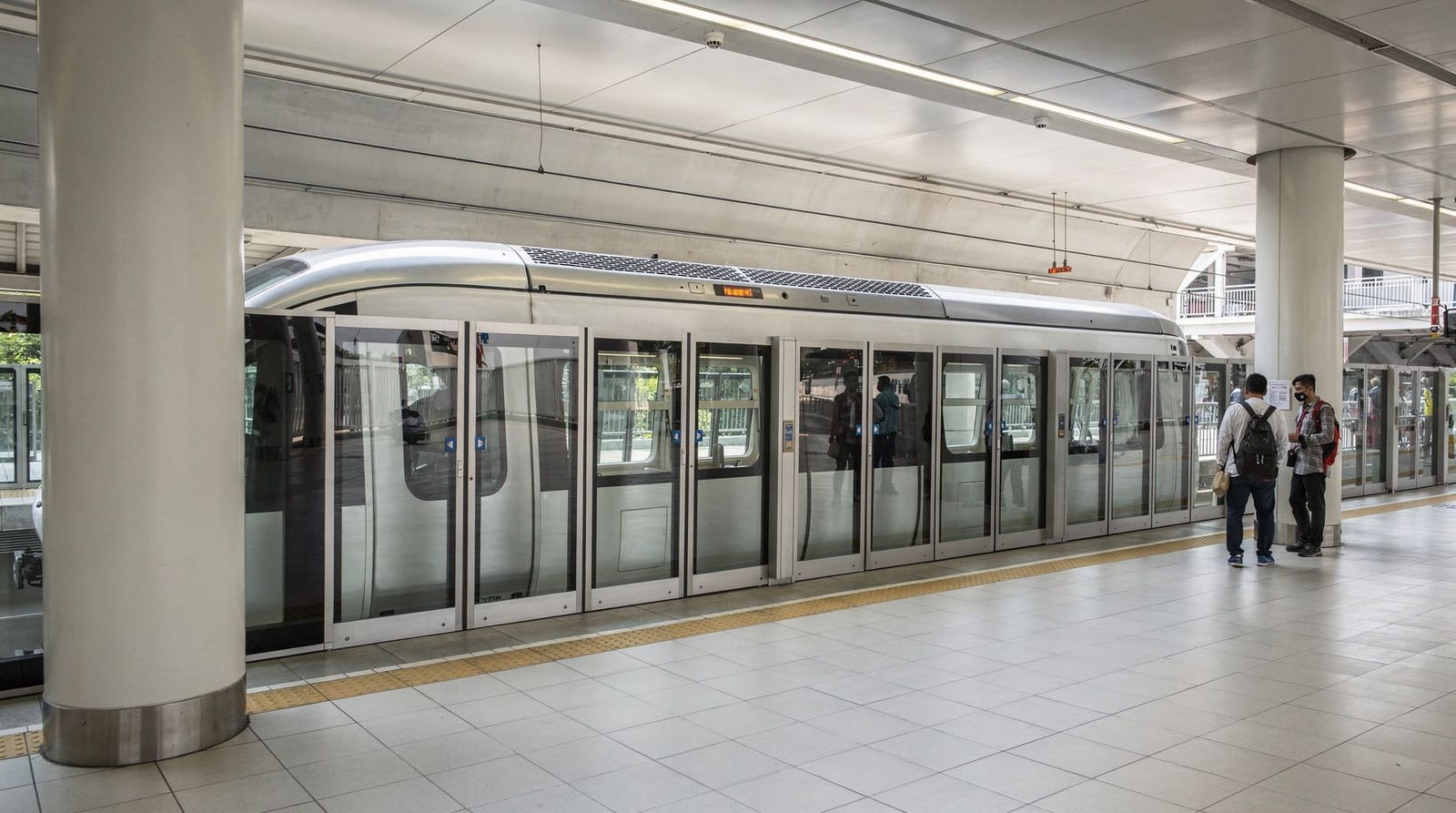
MRT: Singapore’s Mass Rapid Transit is the backbone of visitor transport. Efficient, air-conditioned, safe, and cheap (most journeys SGD 1.50–3). Runs from approximately 5:30 am to midnight daily. Pay with an EZ-Link card, a contactless bank card (SimplyGo), or a Singapore Tourist Pass (unlimited rides: SGD 17/24/29/37/45 for 1/2/3/4/5 days). See Singapore MRT guide: how to use it, pay for it, and love it and EZ-Link vs SimplyGo.
Grab: Singapore’s dominant ride-hailing app. Changi to the city costs SGD 25–45. City hops cost SGD 8–18. Useful for airport, luggage situations, and late nights. See Grab and taxis in Singapore.
Walking: Singapore is very walkable within neighbourhoods. Marina Bay, Chinatown, Little India, and Kampong Glam are all compact walking destinations. Heat (30°C+) is the only deterrent — plan outdoor walks for early morning or late afternoon.
Changi Airport to city: MRT East-West Line, SGD 2, 30 minutes. Full options comparison at Changi Airport to the city.
Where to stay
Singapore’s main visitor accommodation clusters:
Marina Bay / CBD: Walking distance to Marina Bay Sands, Gardens by the Bay, and Merlion Park. Premium-priced. Best if the Marina Bay waterfront is your priority.
Chinatown: Budget to mid-range concentration. Within MRT reach of everything. Convenient, atmospheric, some noise from the late-night food street.
Orchard Road: Singapore’s shopping corridor. Mid-range to luxury hotels. Excellent MRT connections. Quiet area for accommodation (commercial, not residential).
Bugis / Little India: Central location, better hostel and budget hotel rates. MRT-connected. Useful if you want Kampong Glam and Little India on your doorstep.
Clarke Quay: Good for nightlife proximity. Slightly overpriced per quality given the party noise factor on weekends.
See Where to stay in Singapore for neighbourhood-by-neighbourhood hotel recommendations.
What to do: the honest priorities
Tier 1 (do not miss)
Gardens by the Bay: Supertree Grove is the Instagram image, but the Cloud Forest and Flower Dome Conservatories are the real draw — two of the best indoor nature experiences in Asia. Plan 3–4 hours. See Gardens by the Bay.
Hawker centres: Eating Singapore’s street food is not a sideshow — it is the point. Maxwell Food Centre, Lau Pa Sat, Chinatown Complex, and Tiong Bahru Market represent genuinely world-class food at SGD 5–10 per dish. See Best hawker centres in Singapore.
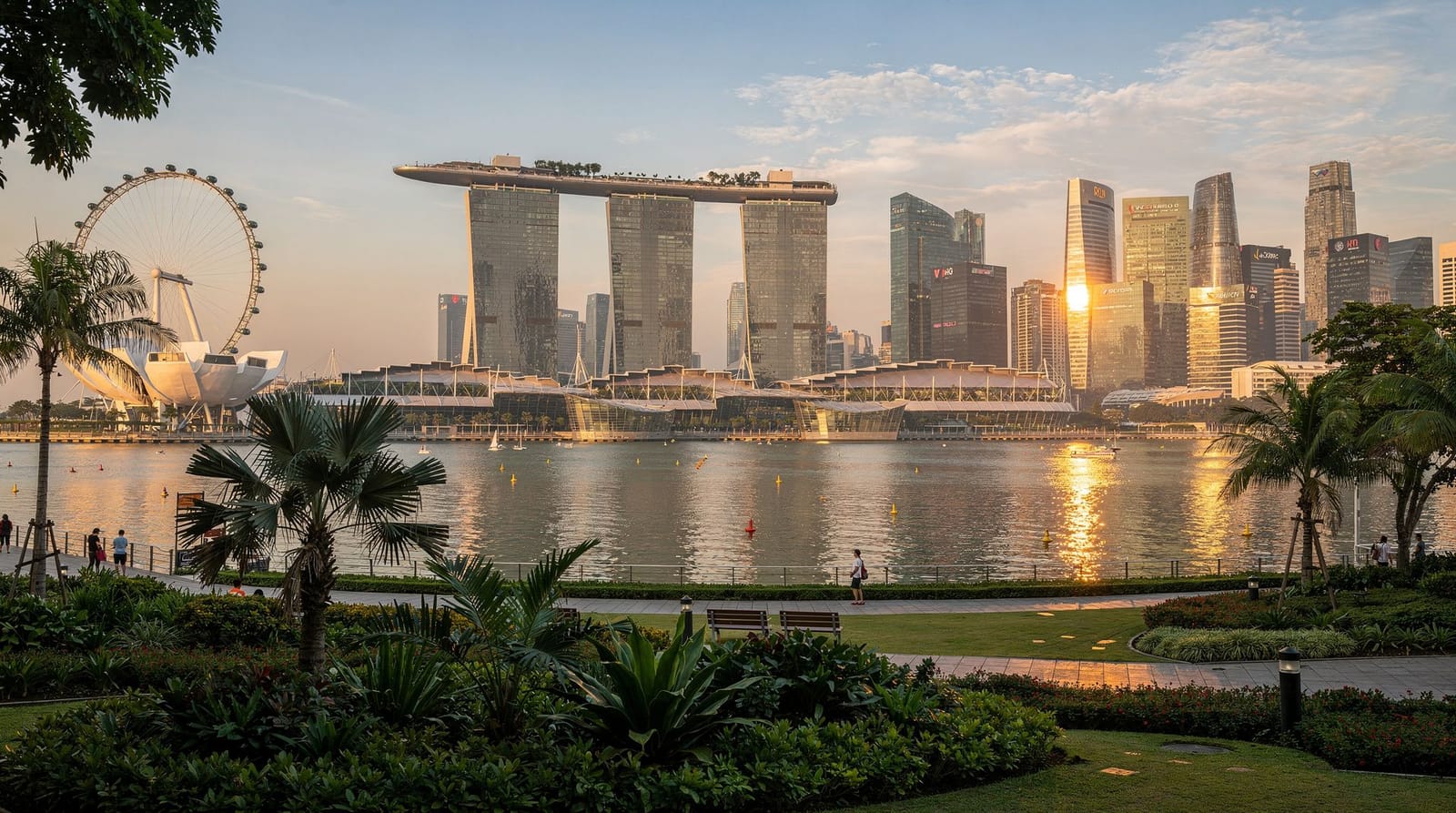
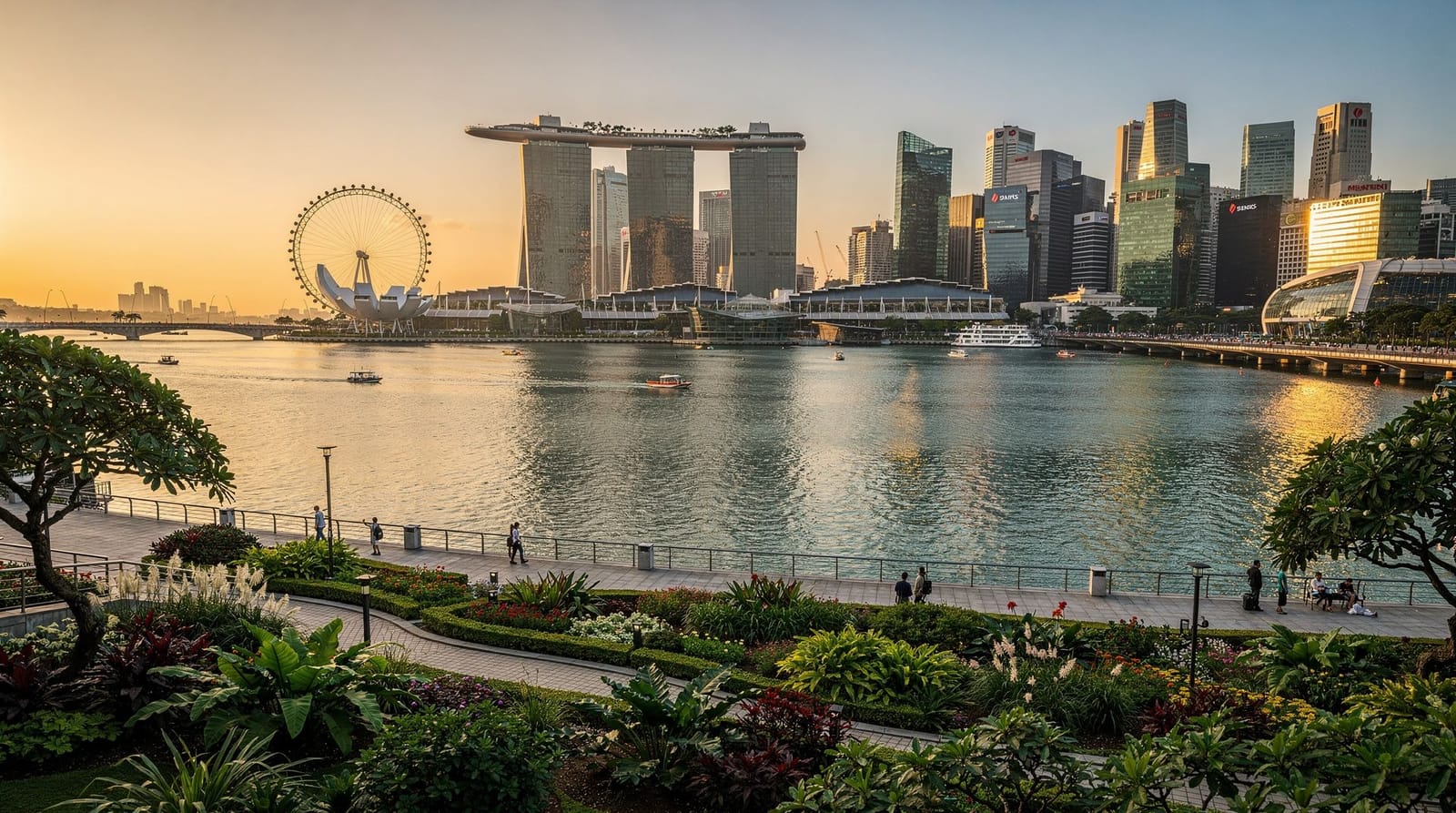
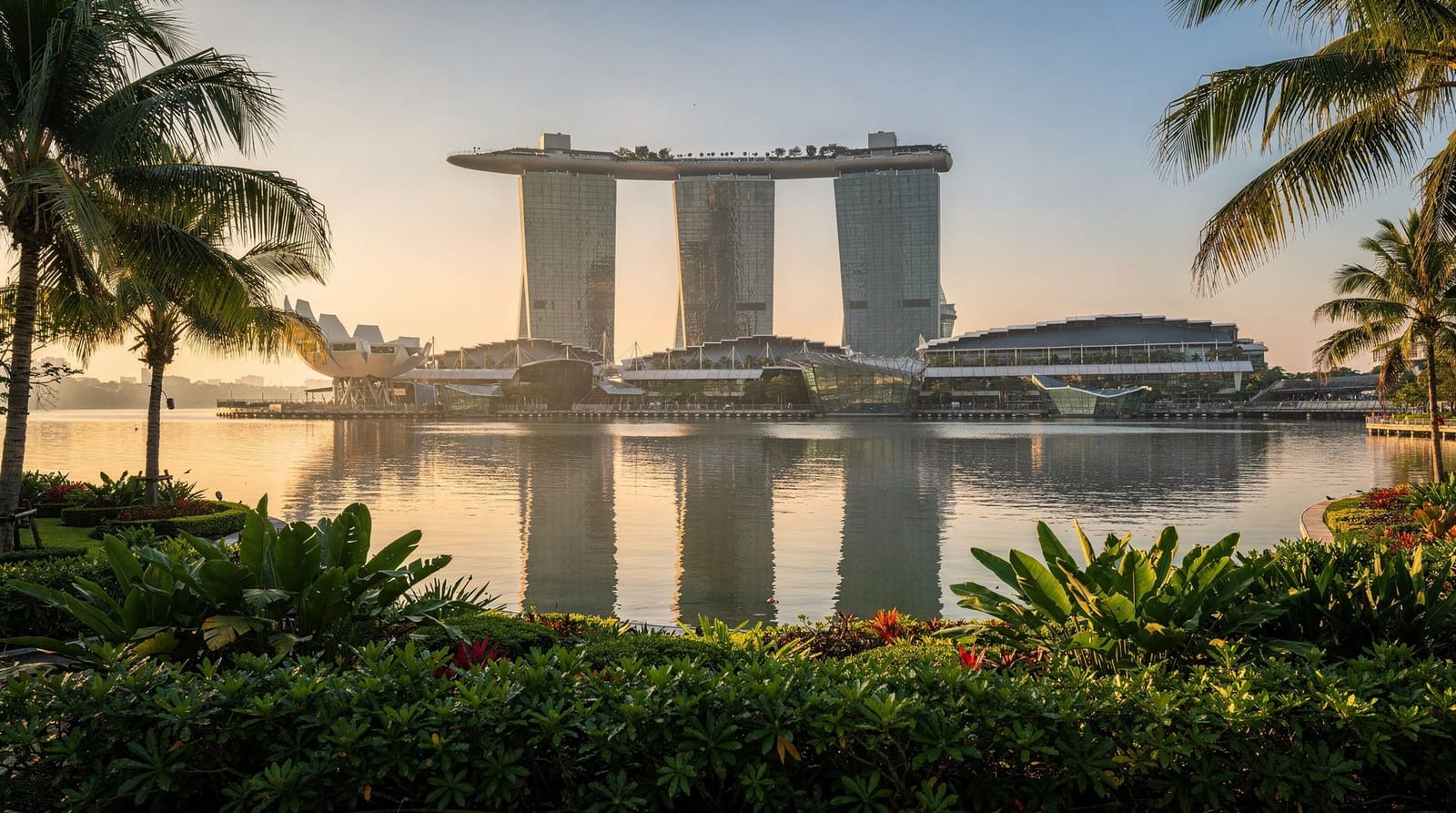
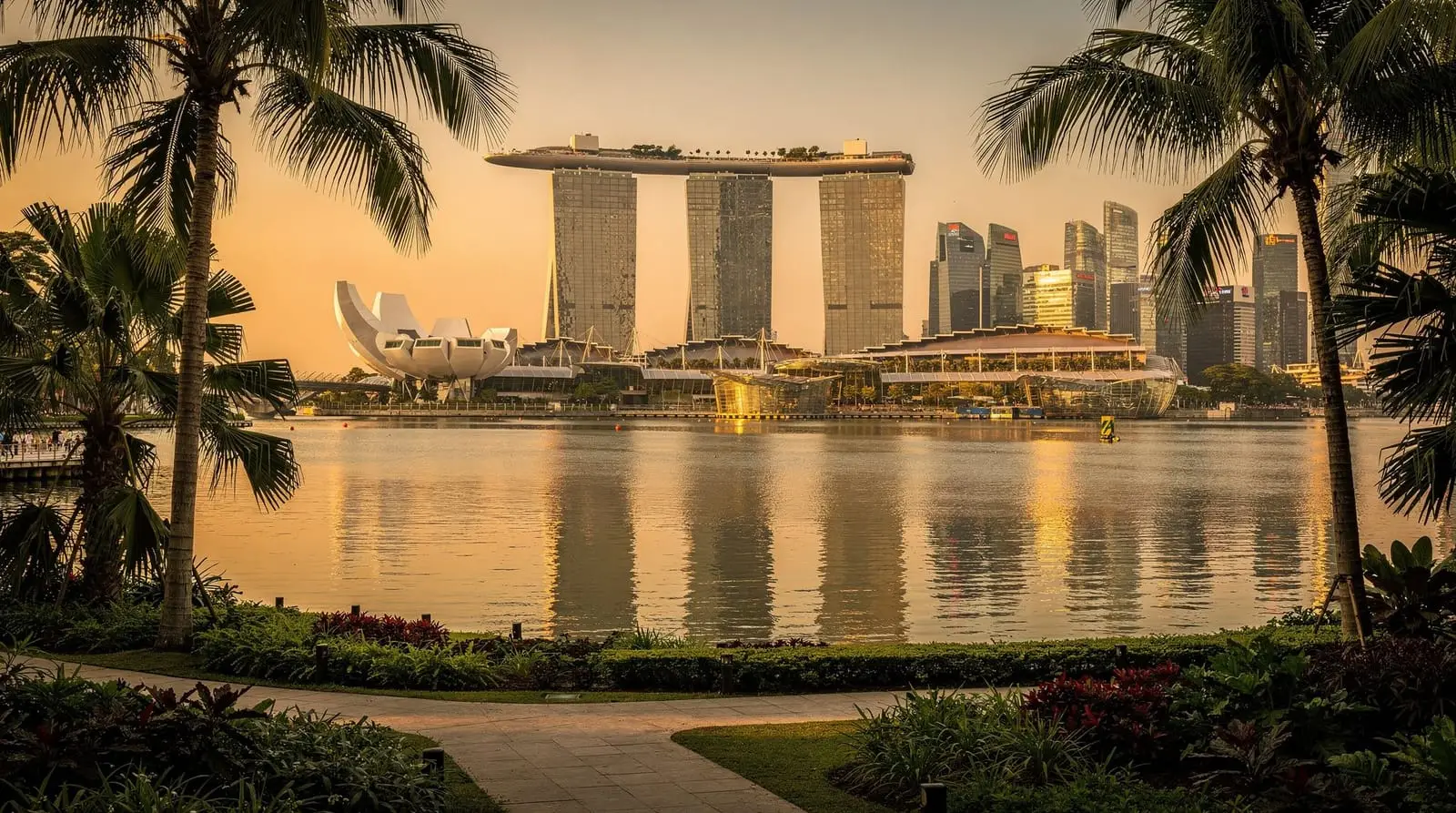
Marina Bay: The city skyline at dusk and evening is among Asia’s most impressive. The free Spectra light show (runs 9 pm daily) at Marina Bay Sands Event Plaza is worth staying up for. See Marina Bay Sands SkyPark.
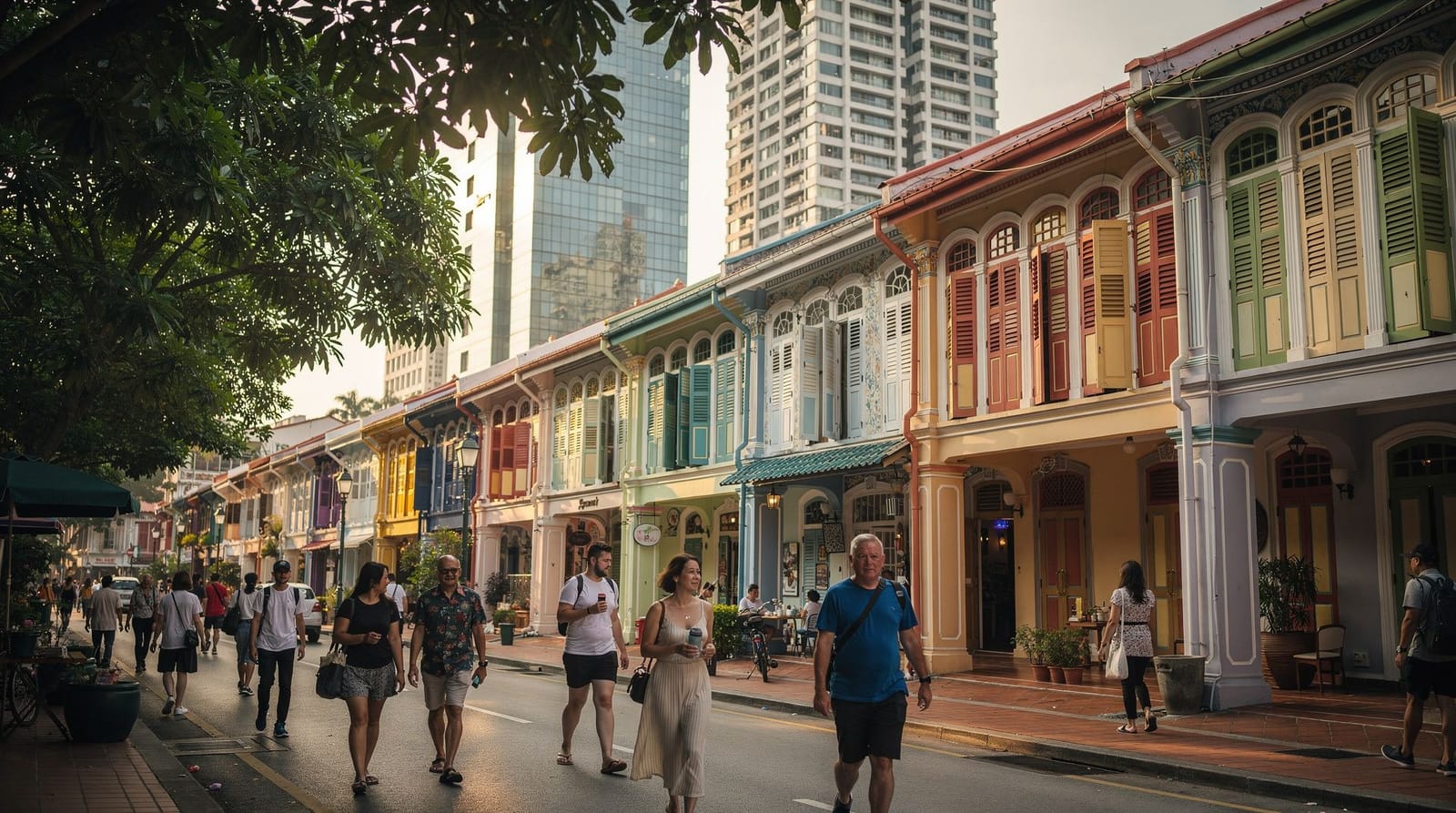
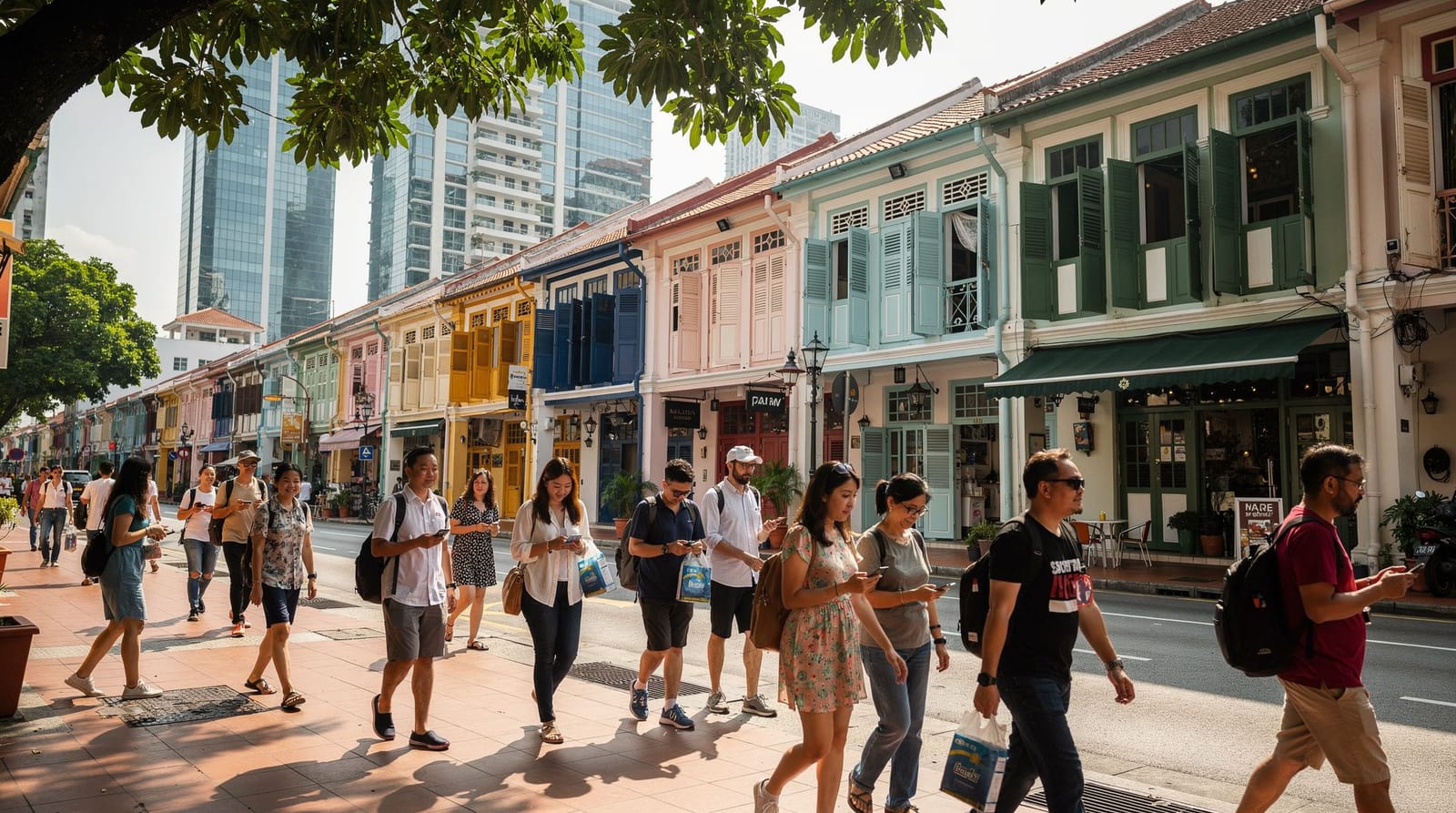
Chinatown, Little India, Kampong Glam: Singapore’s three primary cultural quarters are walkable, visually striking, and free to explore. Budget half a day for each, or one full day to walk all three connected by MRT.
Tier 2 (worth planning for)
Singapore Zoo: Consistently rated among the world’s best open-plan zoos. Half or full day. See Singapore Zoo guide.
Night Safari: Unique nocturnal zoo concept with tram ride through landscapes of sleeping and active nocturnal animals. Best for those with genuine wildlife interest — genuinely impressive. See Night Safari Singapore guide.
Sentosa Island: Universal Studios Singapore is excellent for families and theme park fans. Beaches are free and pleasant. The cable car is scenic. Don’t try to do everything in one day. See Sentosa guide.
Tier 3 (specialist interest or extra days)
Pulau Ubin: Singapore’s remaining rural island — cycling through mangroves and kampong villages. Unique contrast to the urban core. See Pulau Ubin guide.
Southern Ridges: A 10 km connecting park trail through Henderson Waves, Telok Blangah Hill, and HortPark. Best for hikers and nature walkers. See Southern Ridges and Henderson Waves.
Johor Bahru: Cross the causeway to Malaysia’s second city for a day of different-paced Southeast Asia. See Johor Bahru & LEGOLAND day trip from Singapore.
Travelling with family, or solo
Families: Singapore is one of the easiest Asian destinations for children — clean, safe, air-conditioned refuges everywhere for heat breaks, and attractions genuinely designed with kids in mind (River Wonders, the Zoo, Jewel Changi’s play areas). Budget more time than you would for adults-only travel; children tire in the heat faster than the itinerary suggests. See Singapore with kids and the dedicated family budget guide for cost planning specific to travelling with children.
Solo travellers: Singapore is consistently rated among the safest cities in the world for solo travel, day or night. Hawker centres make solo dining completely normal — communal seating means you are never the only single diner. See solo travel Singapore for the fuller picture.
For a curated overview tour that removes the planning entirely on your first day, a half-day city tour is a practical way to get oriented before navigating independently for the rest of the trip:
Half-day Singapore city tour with hotel transferCombining Singapore with the wider region
Singapore’s location makes it a natural base for short regional add-ons rather than a purely standalone trip. Day trips from Singapore covers the main options: Johor Bahru and Legoland Malaysia across the causeway, Batam and Bintan (Indonesia) by ferry for a beach or nature day, and Pulau Ubin for a rural contrast within Singapore’s own borders. None of these require more than a day, and all fit naturally into a 5–7 day Singapore-based trip without needing a full separate country visit.
Bintan full-day private day trip from SingaporeMoney and costs in practice
Currency: Singapore Dollar (SGD). 1 USD ≈ 1.27–1.35 SGD; 1 EUR ≈ 1.40–1.45 SGD.
Cards vs cash: Singapore is largely cashless. Contactless card payment (Visa/Mastercard) works at virtually all hotels, restaurants, shops, and the MRT. Hawker centres still have a mix — some stalls accept PayNow or SGQR mobile payment, many are cash only. Keep SGD 20–40 in small bills for hawker meals.
ATMs: Available at Changi Airport and throughout the city. NETS and major international networks accepted. Check your bank’s foreign transaction fees — some charge 2–3% per transaction.
Tipping: Not expected in Singapore. Most restaurants add a 10% service charge and 9% GST — the total is significantly higher than the menu price. Tips are not customary at hawker centres. Hotel porters appreciate SGD 2–5.
Apps for payment: Singapore’s PayNow (bank transfer via phone number) and SGQR (unified QR) system works for locals. Visitors can use credit cards almost everywhere that matters.
Key laws and customs
Singapore is famous for strict laws and substantial fines. These are real, enforced, and not directed at tourists in a hostile way — they simply reflect high social standards that produce a clean, functional city.
Practical rules for visitors:
- No chewing gum (sale and import restricted — minor violation, not aggressively enforced for personal sticks in a bag, but selling is illegal)
- No eating or drinking on MRT trains or at stations (fine SGD 500)
- Jaywalking is technically illegal (fine up to SGD 500 — enforcement is occasional in city areas, regular near heavy traffic)
- Littering SGD 300 for first offence, much higher repeat
- Vaping and e-cigarettes are banned (fine SGD 2,000)
- Cannabis is illegal — trafficking can carry the death penalty
No chewing gum means you cannot buy it at convenience stores. Bring any from home if needed. None of these restrictions meaningfully impacts a normal tourist visit.
Dress: Singapore is Muslim, Hindu, Buddhist, and Christian in mixed proportions. Dressing respectfully inside temples and mosques (covered shoulders and legs) is expected. Everywhere else, casual dress is fine. The heat means most visitors wear shorts and light layers.
Connectivity
SIM cards at Changi: M1, Singtel, and Starhub tourist SIM cards are available from vending machines and kiosks in the arrivals hall. M1 tourist SIM (3–8 day options) provides solid 4G connectivity. See Changi Airport to the city: all transfer options compared (2026) for options.
eSIM: A pre-purchased eSIM activated before departure avoids airport queuing. Multiple Singapore eSIM providers are available. Works immediately on landing. See Changi Airport to the city: all transfer options compared (2026).
WiFi: Free and fast at Changi Airport, most hotels, many hawker centres and malls. Singapore’s public WiFi network (Wireless@SG) covers many outdoor areas. Data is cheap with a local SIM — the only reason not to have one is convenience of eSIM or relying on hotel WiFi.
Which to choose: If you value zero airport queuing and are comfortable setting up an eSIM before departure, that is the smoother option. If you would rather have a physical backup and slightly simpler troubleshooting, a tourist SIM from the arrivals hall vending machines takes a few extra minutes but works reliably from the moment you land. Either option comfortably covers a week of maps, messaging and social media use.
Packing for Singapore
Singapore requires minimal packing adjustment — it is well-supplied and has every international retail brand. The climate is the main consideration: lightweight, breathable clothing for the heat, a layer for aggressive air conditioning in malls and MRT, comfortable shoes for walking. See What to pack for Singapore for the full packing list.
Your first hour after landing
Changi Airport is designed to make the first hour painless, but a little preparation helps. Clear immigration (SGAC pre-submitted, passport ready), collect a tourist SIM or activate your eSIM at arrivals if you have not pre-purchased one, and head to the MRT station within the airport for the fastest, cheapest route into the city (around SGD 2, 30 minutes to the city centre). If your flight lands late at night or you have a few hours of layover before checking into a hotel, Jewel Changi’s Rain Vortex and indoor gardens are worth the detour even half-asleep — see the Changi layover guide for what fits in a short window. Avoid the temptation to queue for a taxi at peak arrival times; Grab or the MRT are almost always faster.
Sample 5-day Singapore itinerary framework
Day 1 — Marina Bay and Colonial Core: Arrive, check in, walk the Marina Bay waterfront, dinner at Lau Pa Sat hawker centre, Spectra light show.
Day 2 — Chinatown, Little India, Kampong Glam: Sri Mariamman Temple and Chinatown morning, hawker lunch at Maxwell, Little India afternoon, Kampong Glam and Haji Lane evening.
Day 3 — Gardens by the Bay and Sentosa: Supertree Grove and Cloud Forest morning, Sentosa afternoon (beach or Universal Studios), Wings of Time evening show.
Day 4 — Wildlife (Zoo or Night Safari): Singapore Zoo or River Wonders full day (north Singapore), Dempsey Hill dinner.
Day 5 — Slow morning and departure prep: Tiong Bahru market breakfast, Botanic Gardens morning, Orchard Road or shopping, evening departure.
For detailed day-by-day breakdowns, see the itinerary pages: Singapore in 3 days, Singapore in 5 days.
Frequently asked questions about planning a Singapore trip
Is Singapore worth visiting as a standalone destination or just as a stopover?
Both. As a standalone destination, Singapore offers 3–7 days of high-quality travel — world-class food, extraordinary urban design, excellent museums and zoos, and one of the most fascinating multicultural cities on Earth. As a stopover, even 6–12 hours at Changi (with Jewel) or a quick exit to Marina Bay adds significant value to a long-haul flight. Singapore is never just “good for Asia” — it is good by any global standard.
Is Singapore expensive compared to other Asian countries?
By Southeast Asian standards, yes — accommodation especially. Compared to Tokyo, London, or New York, Singapore is mid-range. The food is the great exception — the hawker centre system means some of the best eating in Asia costs SGD 5–10. Where Singapore stings is hotels (SGD 90–250+ for mid-range), alcohol (SGD 12–18 for a beer at a bar), and major attractions (USS SGD 83, Night Safari SGD 55).
Do I need to book everything in advance?
Pre-book: flights, accommodation, Universal Studios (weekends), Night Safari (weekends), Gardens by the Bay Conservatories (peak periods). Everything else — hawker centres, MRT, most museums, walking the city — is walk-up. Singapore does not require the advance planning that extremely popular destinations like Kyoto (for specific ryokan) or Machu Picchu demand.
Is Singapore safe for solo female travellers?
Consistently one of the safest cities in the world for solo female travel. Night MRT, solo dining, and walking alone at midnight are all normal. Standard urban awareness applies, but Singapore’s crime rates make it a genuinely low-concern destination. See Solo travel Singapore for the full solo guide.
What are the most common mistakes first-time visitors to Singapore make?
Overloading the itinerary (trying to do USS, Zoo, Night Safari, and all the neighbourhoods in three days), underestimating the heat (planning midday outdoor activities without shade or water), and not eating at hawker centres (the main reason to be in Singapore is the food — skipping hawker culture for familiar restaurant chains is the single biggest travel mistake in the city). See Singapore tourist traps for more.
Top experiences
Bookable activities with verified prices and instant confirmation on GetYourGuide.