What to pack for Singapore: honest packing list for any trip
Singapore: eSIM data plan
What should I pack for Singapore?
Pack light, breathable clothing — Singapore is 30–33°C year-round with high humidity. A light jacket for extreme air conditioning is essential. Comfortable walking shoes are more important than sandals. Bring your passport (6+ months validity) and submit the SG Arrival Card before departure. Virtually everything else is available to buy in Singapore. Sunscreen and a water bottle are the two most important practical items.
Quick answer: Pack light breathable clothes, a layer for air conditioning, comfortable walking shoes, and sunscreen. Singapore is 30–33°C year-round. Everything else — toiletries, adapters, medication, swimwear — is available at reasonable prices on arrival. The Type G plug adapter is the main thing to sort before departure.
| Climate | 30–33°C outdoors year-round, 18–22°C aggressively air-conditioned indoors |
| Essentials | Light layer, walking shoes, sunscreen, Type G adapter |
| Buy on arrival | Toiletries, meds, SIM/eSIM — widely available and reasonably priced |
| Bring from home | Prescription meds, specific-brand toiletries, plug adapter |
| Best planned ahead | SG Arrival Card (within 3 days of arrival) |
Why Singapore packing is straightforward
Singapore is one of the easiest destinations in the world to pack for. It has a single climate (hot and humid, year-round), a well-developed retail sector (you can buy almost anything you forgot at a Watson’s or Guardian pharmacy for reasonable prices), and English everywhere. The packing mistakes visitors make are usually about over-packing, not under-packing.
The two climate realities to pack around:
- Outdoors: 30–33°C, 70–90% humidity, direct equatorial sun year-round.
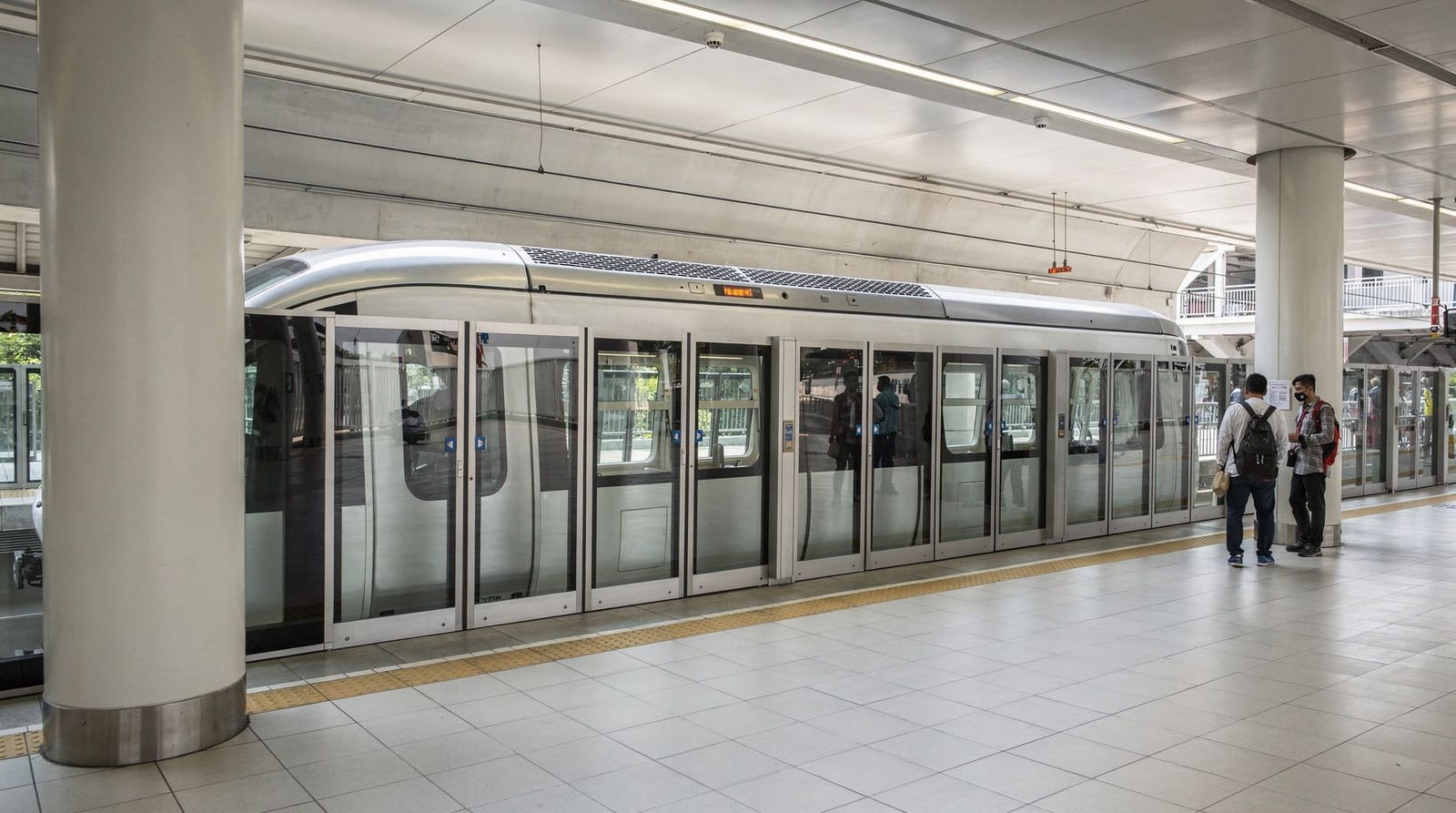
- Indoors: Aggressively air-conditioned malls, MRT carriages, restaurants, and hotel lobbies at 18–22°C.
The swing between outdoor heat and indoor cold is Singapore’s unique packing challenge. Most visitors either sweat through outdoor sections in heavy clothes or shiver in restaurants in lightweight clothes they cannot layer.
Clothing: the complete honest list
Core clothing (5–7 day trip)
3–5 lightweight T-shirts or tops: Cotton or moisture-wicking synthetic. Avoid dark colours that absorb heat; avoid non-breathable fabrics. Singapore’s humidity means synthetic fabrics that do not breathe become uncomfortable by midday.
2–3 lightweight shorts or trousers: Shorts are fully acceptable in Singapore’s everyday environment. Long trousers in a lightweight linen or cotton are better for temple visits and air-conditioned restaurants. Jeans are technically practical but feel heavy in the heat.
1 smart-casual outfit: Singapore has excellent mid-range and upscale restaurants. A simple dress, chinos + shirt, or neat blouse and trousers covers most situations. Not required, but useful if you plan evening dining at better restaurants.
1 lightweight cardigan or thin long-sleeved layer: The single most underrated Singapore packing item. Every Singapore mall, MRT carriage, and office-level restaurant is cold. Locals wear jackets and long sleeves indoors. Bring one thin layer that packs small — you will use it daily.
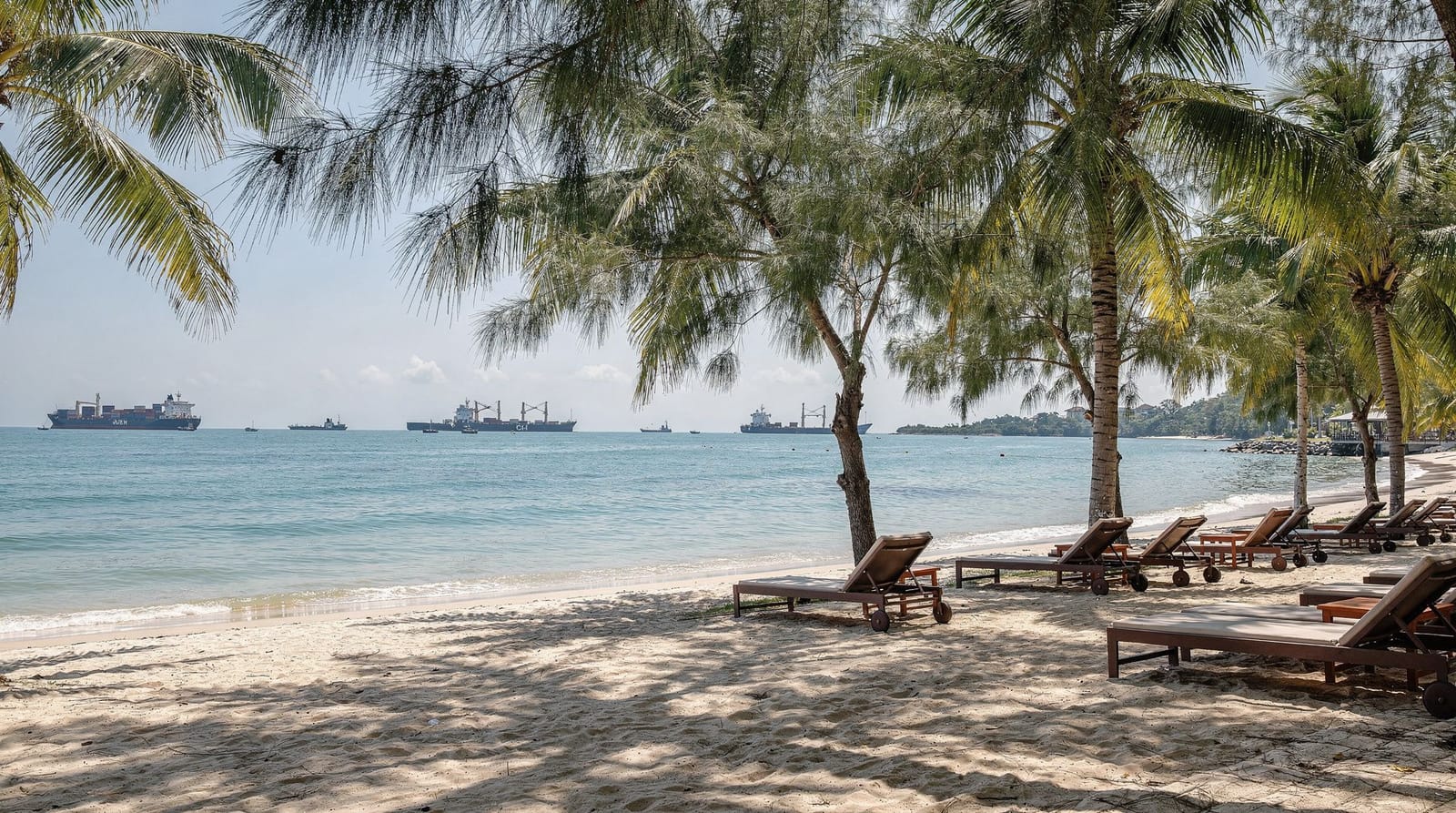
1–2 swimsuits/trunks: For Sentosa’s beaches, Adventure Cove Waterpark, hotel pools, and the Changi transit pool. See Sentosa beaches guide for the beach guide.
1 cotton scarf or sarong: Doubles as a temple cover-up (drape over shoulders or around waist), beach cover, airplane blanket, and privacy screen. Versatile and lightweight. Essential for visiting Sultan Mosque, Sri Mariamman Temple, or Sri Veeramakaliamman Temple in Little India.
Underwear and socks: Pack adequate for your trip with one extra day’s worth. Laundry is cheap in Singapore (SGD 3–5 per wash at self-service laundromats) but takes time.
Rain layer / light rain jacket: Optional. Singapore rains are heavy but short — 20–40 minutes of intense downpour, then sun again. Most visitors manage with a compact umbrella rather than a jacket. A rain jacket is more useful for hiking in MacRitchie or Bukit Timah where shelter is limited.
Footwear
Walking shoes (the priority): Singapore involves substantial walking — 10,000–20,000 steps per day is common on a tourist circuit. Comfortable, broken-in shoes with good arch support matter more than most things in your bag. Trail runners or good walking shoes beat sandals for a full day in Chinatown or Little India.
Sandals or flip-flops: Useful for Sentosa beaches, hostel showers, and casual meals. Not recommended as your primary shoe for a walking-heavy day. Sandals provide no ankle support and temple steps can be slippery when wet.
Flip-flops at temples: You remove shoes at all Hindu and Buddhist temples. Shoes you can slip on and off quickly are more practical than lace-ups for a temple-heavy day.
Electronics and power
Plug adapter
Singapore uses the Type G plug — the British three-rectangular-pin plug at 230V/50Hz. This is different from:
- US/Canada (Type A/B, 120V)
- Europe (Type C/E/F, 220V)
- Australia/NZ (Type I, 230V)
A universal travel adapter works. Buy before departure — they cost SGD 15–30+ at Changi Airport and electronics shops in Singapore, versus SGD 5–10 online before departure.
Voltage: Most modern electronics (phone chargers, laptops, camera batteries) are dual-voltage (100–240V) and work in Singapore with just an adapter, not a converter. Check the small print on your charger brick — if it says “100–240V, 50/60Hz,” you only need the adapter.
What needs a converter: Older appliances (some hair dryers, electric shavers) rated 120V only will be damaged or catch fire at 230V. Leave voltage-specific appliances at home or buy travel-rated versions.
Phone and connectivity
SIM card or eSIM: Get a Singapore SIM or eSIM for local data. Options:
- M1, Singtel, or Starhub tourist SIM cards: SGD 10–20 for 3–8 days, available at Changi Airport kiosks immediately on arrival
- eSIM: Purchase before departure from various providers (loaded before you land, activates immediately at Changi)
- Roaming: International roaming from major carriers works in Singapore but is typically more expensive than a local SIM
WiFi backup: Changi Airport has excellent free WiFi. Most Singapore hotels, hostels, and many hawker centres also have free WiFi. If your trip is mostly urban and you can get by with WiFi-first connectivity, roaming or a short-term data plan may suffice.
Singapore eSIM data plan — activate before you land Regional eSIM for Singapore and wider Southeast Asia tripsCamera and accessories
Singapore is photogenic — any camera or phone works. The main consideration: humidity affects lens equipment (keep camera bags sealed when not in use). Spare batteries are worth packing as Singapore’s heat can drain batteries faster than in cooler climates.
SD cards and portable battery: SD cards in Singapore are priced similarly to international electronics stores. A portable power bank is useful for long walking days when your phone navigates all day.
Documents
Your passport — physically present, valid for 6+ months beyond your arrival date.
SG Arrival Card confirmation — submit at www.ica.gov.sg within 3 days before arrival, save the reference. See Singapore SG Arrival Card and visa: complete guide for visitors for the full guide.
Flight booking confirmations — forward and onward.
Hotel booking confirmations — with the address (for SGAC submission and potential immigration query).
Travel insurance documentation — save to phone and/or print a single page summary.
Prescription medications documentation — for any prescription drugs, carry a copy of the prescription and a doctor’s letter. Controlled substances (opioids, benzodiazepines) require declaration at customs.
Vaccination records — not mandatory for Singapore entry (as of 2026) but useful for onward travel from Singapore to other countries.
Toiletries and medication
What to pack versus what to buy in Singapore
Singapore has Watson’s, Guardian, and 7-Eleven convenience stores throughout the city. You can buy virtually any toiletry or over-the-counter medication on arrival. The following are readily available:
- Sunscreen (SPF50+, multiple brands, SGD 12–20)
- Mosquito repellent (DEET-based and natural options)
- Paracetamol/ibuprofen
- Antihistamines (for hayfever or insect reactions)
- Antidiarrheal medication (Imodium equivalent)
- Rehydration sachets (useful in Singapore’s heat)
- Basic first aid (plasters, antiseptic cream)
- Shampoo, conditioner, body wash
- Most cosmetics from international brands (MAC, L’Occitane, etc.)
Pack in carry-on (liquids ≤100ml per item in airport security): Daily medications, contact lens solutions if specific brand, travel-sized sunscreen for the first day before you can buy full-size. Everything else can be purchased after landing.
Medication: what to bring from home
Prescription medications: Bring enough for your trip plus 2–3 days extra, in original pharmacy packaging. Keep in carry-on, not checked luggage. Singapore customs requires documentation for controlled substances — plan ahead if you take opioids, benzodiazepines, or certain ADD medications.
Altitude sickness medication: Not needed (Singapore is sea level).
Malaria prophylaxis: Singapore has no malaria risk. Not needed for mainland Singapore. Check if any side trip destinations (some rural Indonesian islands) have different requirements.
Anti-diarrheal: Singapore’s food is safe and hygiene standards are high — food poisoning is not a major risk. But any gastrointestinal medication you rely on at home is worth packing for peace of mind.
Laundry: packing fewer clothes and washing instead
Because Singapore’s humidity means clothes genuinely need washing more often than at home, many visitors find it easier to pack for 4–5 days rather than a full trip length and use laundry along the way. Self-service laundromats charge around SGD 3–5 per wash-and-dry cycle and are common near budget accommodation in Chinatown, Little India, and Bugis. Most mid-range and upscale hotels offer laundry service, typically priced per item and noticeably more expensive than a laundromat — useful for a couple of items but not a full bag. Building one laundry stop into a 7+ day trip lets you halve the clothing volume in your suitcase, which matters if you’re also bringing back souvenirs.
Sun protection
Sunscreen: Singapore sits 1.3° north of the Equator. UV index regularly reaches 11–13 (extreme). SPF50+ sunscreen applied every 2 hours during outdoor time is standard practice. Do not attempt a Sentosa beach day or a Southern Ridges hike without adequate sun protection.
UV-protective clothing: Lightweight long-sleeved UV-rated shirts exist and are useful for full-day outdoor activities (Sentosa, Pulau Ubin cycling, MacRitchie walk). Optional for most urban visiting but worth considering for an outdoor-heavy trip.
Sunglasses: Essential. Singapore’s noon-to-3 pm direct sun is intense. UV-protective lenses standard.
Hat: A wide-brimmed sun hat or baseball cap — significantly reduces sun exposure during outdoor walking. Compact enough to pack; useful every day.
Reusable water bottle: Singapore tap water is safe to drink. Fill from any tap, hotel room, or water fountain. Staying hydrated in 30°C+ humidity is essential and free. Buying bottled water at tourist prices adds unnecessary expense — SGD 2–4 per bottle versus free from a tap.
Packing for specific trip types
The core list above covers most visitors, but a few trip types benefit from extra items or a different emphasis.
| Trip type | Add to the core list | Skip |
|---|---|---|
| Business trip | 1–2 formal outfits, dress shoes, business cards | Beachwear, bulky daypack |
| Family with kids | Kids’ sun hats, reusable water bottles, portable fan, spare outfit for water play | Formal wear, heavy hiking boots |
| Active/outdoor trip | Trail runners, UV-rated long-sleeve shirt, extra socks, blister plasters | Formal wear, dressy shoes |
| Short layover/stopover | Just a light daypack — most people leave luggage at Changi | Full check-in packing list |
Active outdoor days: If your itinerary includes Bukit Timah or the MacRitchie Treetop Walk, pack an extra shirt to change into afterwards — humidity means you will be genuinely soaked by the end, even on a “cool” morning. The Southern Ridges walk is more exposed to sun, so prioritise the hat and UV shirt for that one.
Family trips: See Singapore with kids for a fuller packing and logistics rundown beyond the essentials here.
First-time visitors: Pairing this list with the Singapore for first-timers guide and the plan a trip to Singapore guide covers packing plus the broader planning questions (itinerary length, getting around, budget). For getting from the airport with your bags, see Changi Airport to the city and Getting around Singapore once you land.
Packing list summary
Documents (in carry-on):
- Passport (6+ months validity)
- SGAC confirmation saved to phone
- Flight confirmations
- Hotel confirmations
- Travel insurance documents
- Prescription documentation (if applicable)
Electronics:
- Type G plug adapter (or universal adapter)
- Phone + charger
- Portable power bank
- Camera + memory cards (if using dedicated camera)
- Laptop (if needed for work)
- Earphones/headphones
Clothing (5–7 day trip):
- 4–5 lightweight T-shirts/tops
- 2–3 shorts or lightweight trousers
- 1 smart-casual outfit
- 1 thin cardigan or long-sleeved layer (for air conditioning)
- 1–2 swimsuits
- 1 cotton scarf or sarong
- Comfortable walking shoes (broken in)
- Sandals or flip-flops
- Adequate underwear and socks
- Compact umbrella
Toiletries (carry-on-compliant):
- Sunscreen SPF50+ (small carry-on size; buy full bottle on arrival)
- Prescription medications
- Toothbrush and toothpaste
- Daily contact lenses or glasses + solution
- Any personal products you need a specific brand of
What to buy on arrival:
- Full-size sunscreen
- Mosquito repellent
- Any over-the-counter medications
- M1 or Singtel tourist SIM card (at Changi Airport)
Frequently asked questions about packing for Singapore
Do I need to dress conservatively in Singapore?
Singapore is a secular multicultural society with no citywide dress requirement. Shorts and T-shirts are completely normal attire in shopping malls, hawker centres, MRT, and most tourist sites. The exception: places of worship. Hindu temples, Buddhist temples, and mosques require covered shoulders and knees. A light cotton wrap or change of clothing in your daypack handles this. The Haji Lane / Kampong Glam area is primarily a shopping and café strip, not a place of worship — casual dress is fine there.
Is there anything I should not pack for Singapore?
Do not pack vaping devices or e-cigarettes — they are banned in Singapore (possession carries fines up to SGD 2,000, importation fines up to SGD 10,000). Do not bring drugs of any kind — Singapore’s drug laws are among the world’s strictest, with the death penalty for trafficking above threshold amounts. Chewing gum sales are illegal in Singapore, though the import of small personal amounts is generally tolerated. Leave fireworks, replica weapons, and any prescription controlled substances without proper documentation at home.
Should I pack formal wear for Singapore?
Only if your specific trip includes formal events (business conferences, weddings, fine dining at Michelin-level restaurants). Singapore’s best food experiences — the hawker centres — are casual environments. Smart casual (neat shirt or dress, clean shoes) covers any restaurant likely to feature on a tourist itinerary. Full formal wear takes up bag space you will not use.
Is a daypack necessary for Singapore?
Yes — a lightweight daypack or a crossbody bag works well for a Singapore day. It holds your water bottle, sunscreen, light layer for air conditioning, phone/wallet, and an umbrella. Singapore is safe for bag use in public spaces — pickpocketing is very rare. Use a bag with a zipper rather than an open tote in crowded areas (Chinatown market, Bugis Street) as a standard precaution. See Solo travel Singapore for safety context.
Top experiences
Bookable activities with verified prices and instant confirmation on GetYourGuide.