Geylang
Geylang is Singapore's most honest neighbourhood — best durian, late-night hawker food, Malay kampong houses, and a red-light district alongside it all.
Singapore: evening hawker center food tour
Quick facts
- Character
- Late-night food, durian stalls, Malay heritage, red-light lorongs
- MRT access
- Aljunied or Kallang (East-West Line) — 10 min walk to main food strips
- Key streets
- Geylang Road, Lorong 9, Lorong 29 (durian), Lorong 18 (frog porridge)
- Best time
- After 20h — the neighbourhood comes alive at night
- Durian season
- June–August (peak), with a smaller season November–February
| Where | Aljunied or Kallang MRT (East-West Line), east of the city centre |
| Cost | Hawker dishes around SGD 5–18; durian around SGD 8–25/kg in season |
| Time needed | An evening — 2–3 hours from around 20h |
| Getting there | Aljunied MRT, direct exit onto Geylang Road |
| Best time | After 20h; durian peaks June–August |
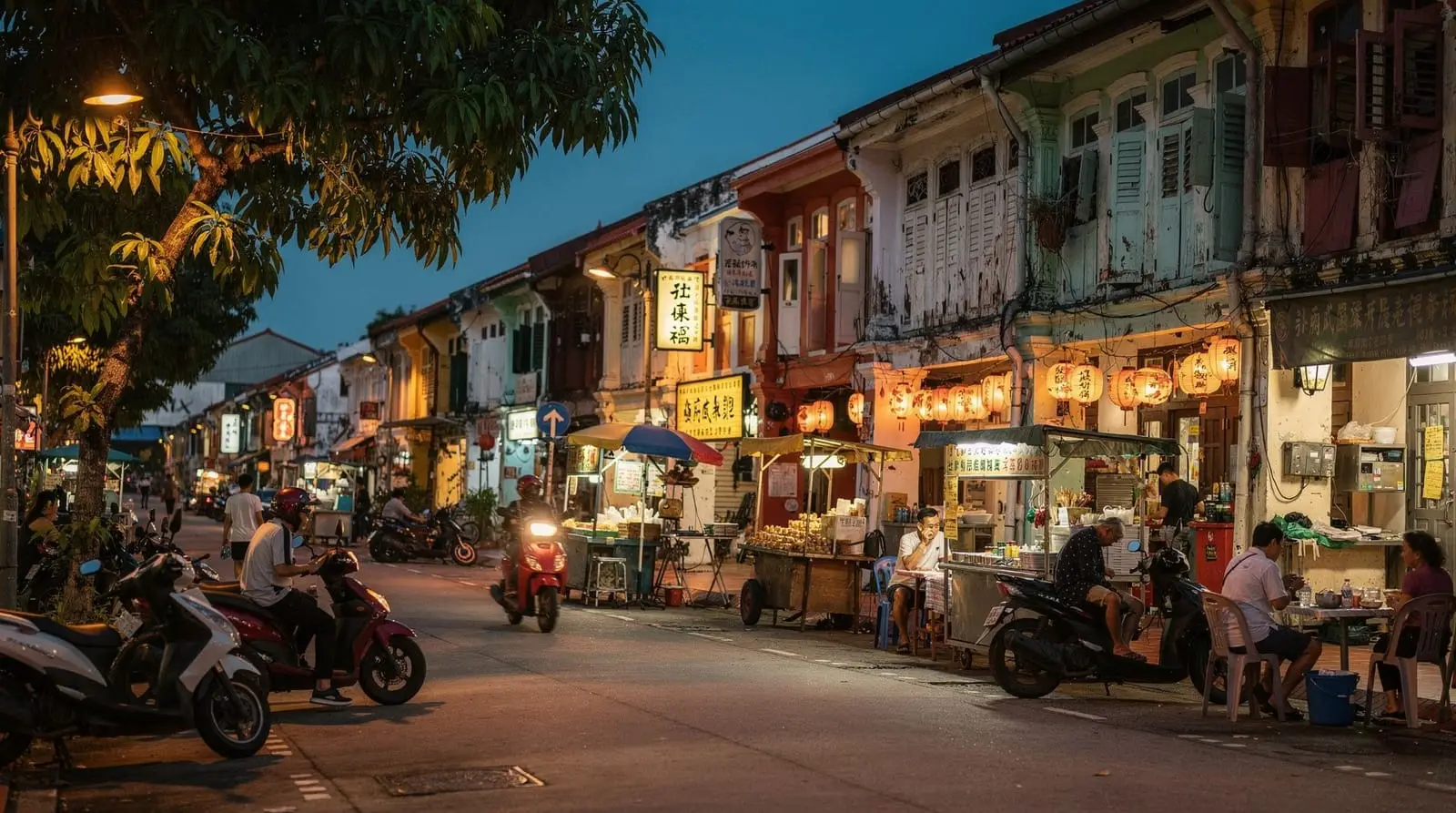
Geylang is the neighbourhood Singapore does not put on travel posters, and for that reason it is more interesting than most of the ones that do appear. It is simultaneously the best late-night food district in the city, the main durian destination for most Singaporeans, a surviving pocket of Malay kampong architecture, and the location of Singapore’s legal red-light district. These things coexist on the same street in a way that only makes sense once you are there — and the food alone justifies the trip.
The honest version: Geylang is safe for visitors who treat it as a food destination. The red-light activity is concentrated in the numbered lorongs (lanes) off Geylang Road and is visible but not aggressive. The area feels grittier than most of Singapore. It is not picturesque. But the hawker food, the durian stalls, and the frog porridge joints operate at a standard that is genuinely among the best in the city, and the environment is one of the few places in Singapore where you can have supper at 01h surrounded entirely by locals.
The food of Geylang
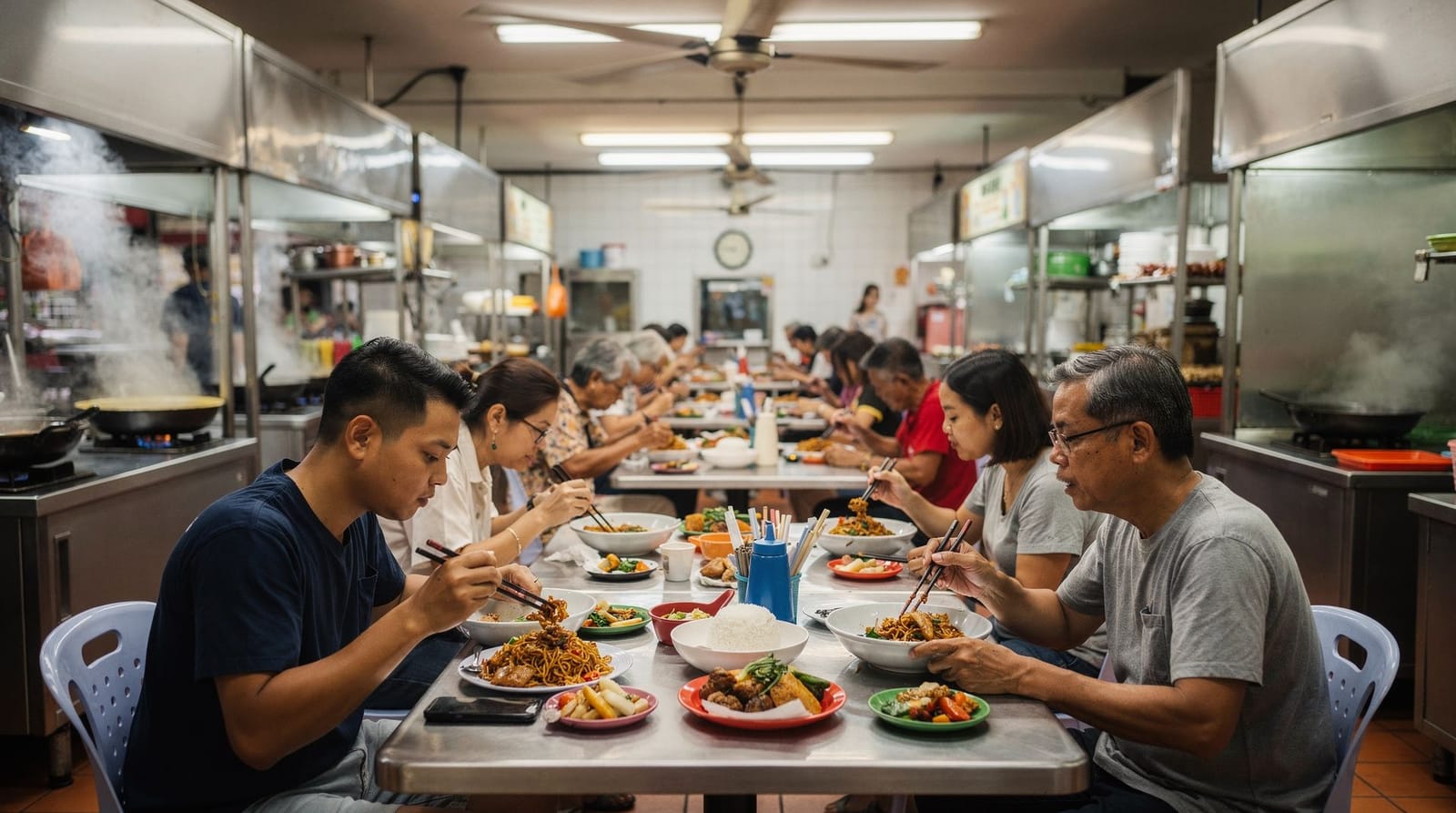
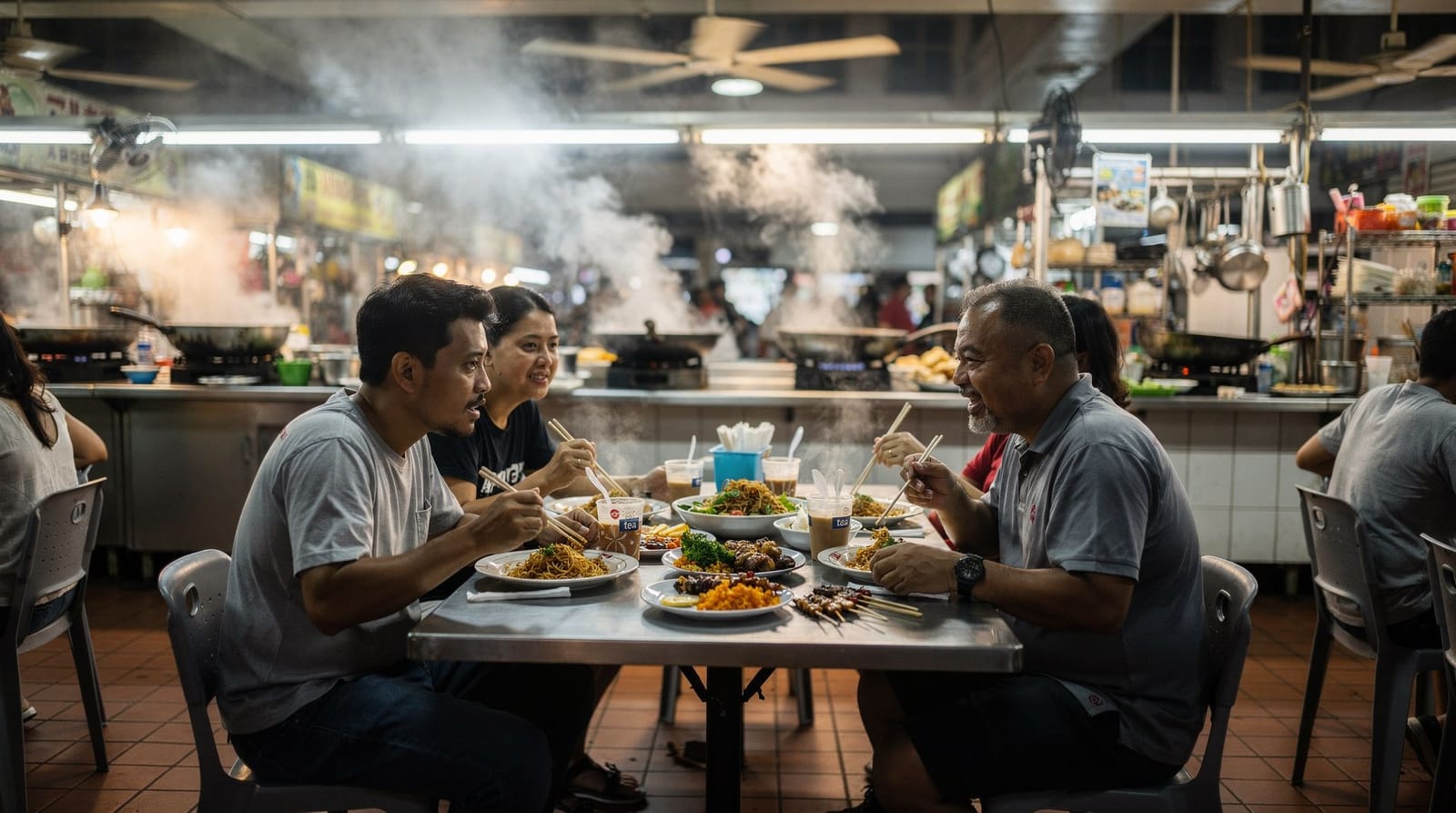
Geylang is where Singaporean supper culture lives. The hawker stalls along Geylang Road and on the side streets around Lorong 9 and Lorong 29 operate late — many until 03h–05h — and they serve the food that Singaporeans eat when they want the real thing rather than the tourist version.
Ah Bong’s BBQ Seafood and several competitors along Geylang Road offer BBQ stingray, BBQ chicken wings, and cockles — grilled over charcoal, served with sambal. These are the stalls that food writers describe when they talk about Singapore’s “best BBQ seafood.” Prices are honest: a portion of BBQ stingray around SGD 12–18 depending on size; sambal cockles SGD 5–8.
Frog porridge — a specific Geylang specialty. Claypot frog legs in a ginger-based broth or on rice, a texture somewhere between chicken and scallop, considerably less confronting than it sounds. The cluster of frog porridge restaurants on Lorong 9 and Lorong 18 has been operating for decades; Sin Kee Famous Cantonese Cuisine is consistently cited as the best. A full meal for two with frog, BBQ items, and drinks runs SGD 30–50.
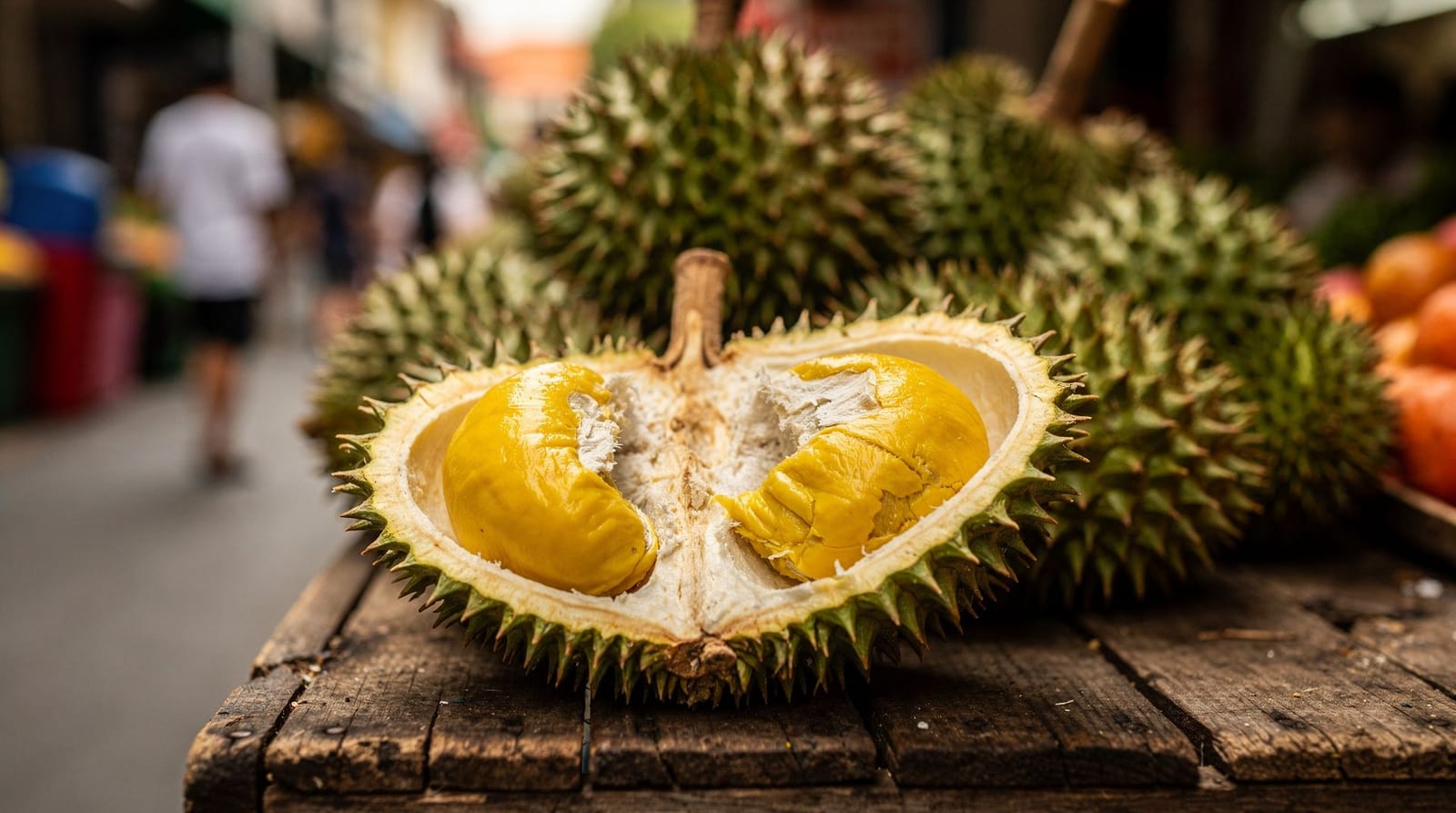
Ah Seng Durian and the competing stalls on Lorong 29 are the reason many Singaporeans come here specifically during June–August. Durian at source pricing, with the stallholder selecting the fruit and cracking it open in front of you. No sitting fees, no hotel markups.
Singapore evening hawker centre food tourDurian in Geylang
Durian is not a detour in Geylang — it is one of the main reasons to visit the neighbourhood during the June–August peak season. The stalls on Lorong 29 and scattered along Geylang Road offer the widest selection of durian varieties in Singapore at the most honest prices: Mao Shan Wang (Musang King, the most prized variety) runs SGD 15–25 per kg depending on quality and season; D24 is cheaper at SGD 8–15 per kg; Red Prawn and Black Gold are premium alternatives.
The stall owners will open the fruit at your table; you eat sitting at plastic tables on the pavement. This is the authentic version. Compare it to the SGD 30+ per fruit you pay in Orchard Road or the hotel lobby presentation, and the Geylang version is substantially better in value and often in quality because the stock turnover is faster.
For first-timers: ask the stallholder to recommend a fruit based on your preference (bitter, sweet, creamy). They will open a sample. You are not obligated to buy the whole fruit if you only want to try it. The durian guide covers varieties, what to expect, and the hotel-ban question (most hotels prohibit durian in rooms; eat at the stall).
The Malay kampong architecture
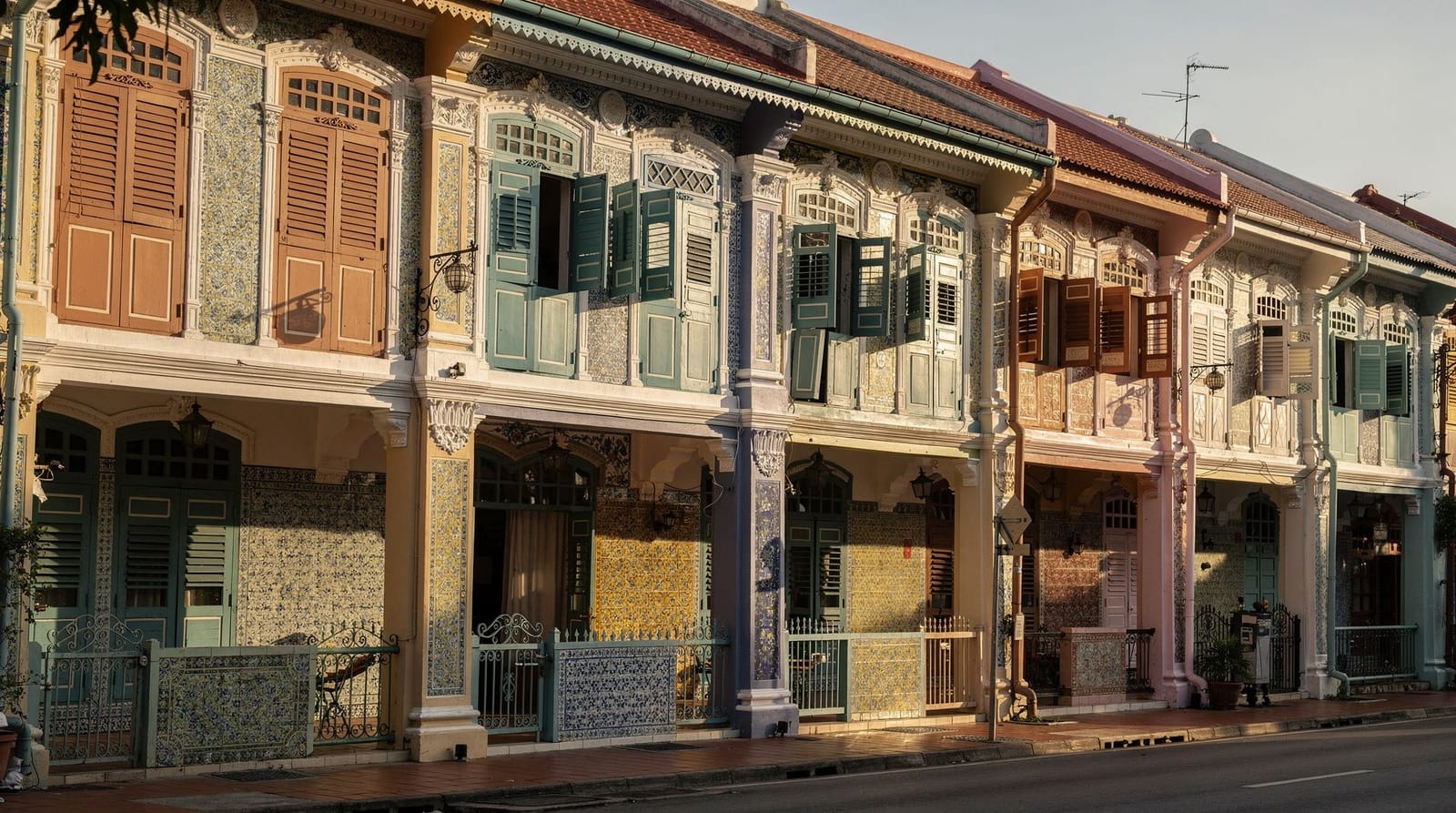
The residential streets off Geylang Road, particularly toward the Aljunied end, have surviving Malay kampong houses — traditional timber-framed houses on stilts or low platforms, with corrugated iron roofs and garden plots. Most of Singapore’s kampongs were cleared for public housing in the 1960s–1980s; Geylang retains some of the largest surviving clusters in the city.
They are not tourist-ready — these are private residences, not heritage sites. Walking past them gives a sense of what pre-HDB Singapore looked like in a way that the open-air museum at Chinatown Heritage Centre cannot. The streets between Aljunied MRT and the Geylang Canal are the best area to find them.
The red-light district
The lorongs (numbered lanes 1 to 41) off Geylang Road have Singapore’s legalised sex work operations, concentrated in specific odd-numbered lorongs on the northern side of the road. This is legal in Singapore and regulated; the activity is visible. For most food-focused visitors, this is background rather than foreground — the food stalls and the lorong establishments coexist, and the former is why most people visit.
The practical implication: avoid walking into the lorongs on the northern side if you are looking for quiet supper spots. The even-numbered lorongs (southern side) have more standard hawker stalls and restaurants.
Getting there
Aljunied MRT (East-West Line) is the most convenient — Geylang Road starts immediately from the exit. Kallang MRT serves the western end of the neighbourhood. The walk between the two stations along Geylang Road passes the main food concentration.
Grab is practical for getting to specific stalls if you know which lorong. Walking from Aljunied toward Paya Lebar along Geylang Road covers the main strip in about 25 minutes.
Singapore authentic street food and hawker centre guided tourWhen to go
Geylang is fundamentally a night destination. Arriving at 20h, eating through 22h–23h, and leaving at midnight is the standard local pattern. Most stalls are open until at least 01h; the frog porridge restaurants and some durian stalls run until dawn.
Daytime Geylang is a different place — functional, with the neighbourhood’s hardware shops, provision stores, and neighbourhood coffee shops doing their usual business, but without the atmosphere that makes the night visit interesting.
The Singapore at night guide contextualises Geylang within the broader city’s night options — it is the local choice versus the tourist-facing night options around Clarke Quay or Marina Bay.
What to skip
The hotel-facing durian shops on Geylang Road’s main strip sometimes charge more than the lorong stalls and occasionally use inferior stock. Ask to see the fruit opened before buying; do not pay for anything without seeing it first.
The “Singapore food tours” that include a Geylang stop are often a good way to navigate the area if you are uncertain — a guide who knows which stalls are worth the queue and which are tourist-adjusted is useful. The hawker food tour below covers the district with a local guide:
Singapore local hawker food tour with tastingsConnecting with the east
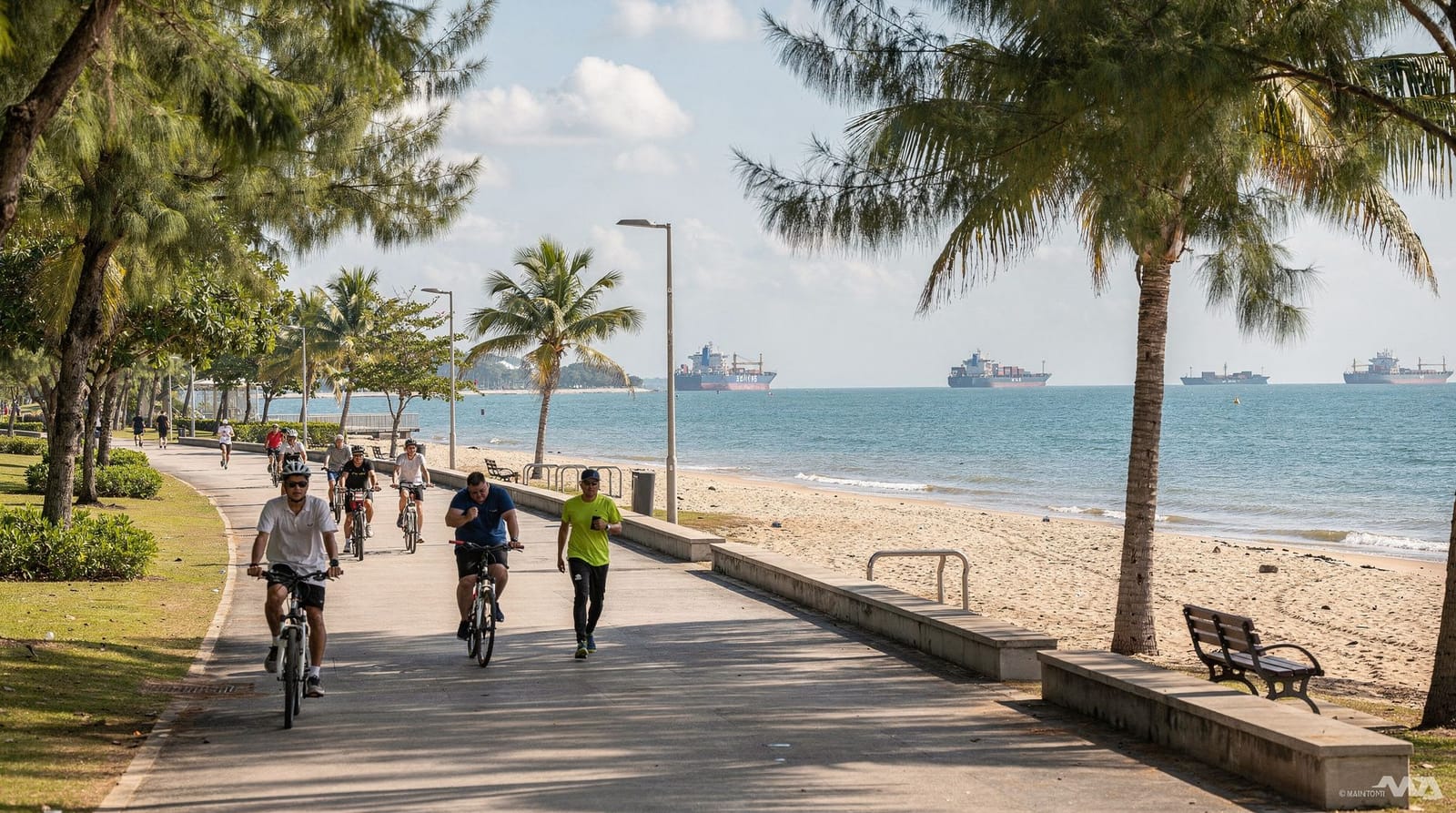
From Geylang, Katong and Joo Chiat is about 2 km southeast — an afternoon Peranakan cultural walk before a Geylang supper is a logical day structure. East Coast Park is 10–15 minutes by Grab.
Pairing Geylang with the rest of your trip
Geylang works best as the closing act of a day spent elsewhere. If you are building a longer stay, the Singapore 3-day itinerary and the foodie itinerary both leave room for a late supper in the east. Visitors with a tighter schedule can still fit it in: the best hawker centres guide and the hawker etiquette and chope guide help you eat like a local once you arrive. For a wider look at where to find the best food at honest prices, the best cheap eats guide pairs well with a Geylang evening, and the nearby Little India and Kampong Glam make natural daytime stops before you head east after dark.
How Geylang compares to Singapore’s other hawker centres
Geylang is not a single hawker centre but a whole street of independent stalls and restaurants, which makes it different from a purpose-built hawker centre like Lau Pa Sat or Maxwell Food Centre. The trade-off is real: no air-conditioning, no single seating area, and you need some idea of which stall to target rather than browsing one hall. What you get in return is later hours, more local pricing, and dishes — frog porridge, BBQ stingray, source-priced durian — that don’t feature as prominently in the centrally located hawker centres. The best hawker centres guide ranks Geylang against Singapore’s more conventional options if you want the fuller comparison, and the what to eat in Singapore guide covers the dishes themselves in more depth.
A realistic first-time visit
If you have never been to Geylang, a workable plan: arrive at Aljunied MRT around 20h, walk the main strip of Geylang Road toward Lorong 9 sampling BBQ seafood or frog porridge for dinner, then continue to Lorong 29 for durian if it’s in season (June–August or November–February). Stick to the even-numbered lorongs and the main road itself, keep to well-lit, busy areas, and treat it as you would any dense, unfamiliar night market — normal urban awareness, nothing more. Two to three hours is enough to eat well and get a real sense of the neighbourhood without needing to navigate deeper into the residential lorongs.
Frequently asked questions about Geylang
Is Geylang safe for tourists?
Yes, by any international standard — and certainly by Singapore’s extremely low crime standards. The red-light district activity is legally regulated and low-key by global comparison. Standard urban sense applies: stay aware of your surroundings, do not flash valuables, don’t walk into dark empty alleys at 02h. The food areas along Geylang Road and the main lorongs are active and well-lit throughout the night.
Is Geylang halal?
It is mixed. Geylang has a significant Muslim community and a large number of halal-certified establishments, particularly on the Malay side of Geylang Road. The frog porridge and some of the BBQ seafood stalls are not halal. Check for the MUIS halal certification sign. The halal food Singapore guide covers the city’s halal options in more detail.
When is durian season in Geylang?
Peak season: June through August, when local Singaporean durian and imports from Malaysia are at highest volume and competitive pricing. A smaller secondary season runs November through February. Outside these periods, durian is available but the selection is narrower and prices are higher.
What is frog porridge, and is it good?
Frog legs (typically wild-caught Chinese frogs) in a ginger-and-scallion broth, served over plain congee rice or in a claypot. The texture is genuinely chicken-like; the flavour is milder and more delicate. It is worth trying if you eat meat and want a specifically Geylang experience. Sin Kee Famous Cantonese Cuisine on Lorong 9 is the most cited address.
How do I know which durian stall is honest?
Ask for the stall to open the fruit in front of you before you agree to buy. Reputable stalls do this without complaint. Avoid stalls that pre-open the fruits and leave them sitting — that conceals quality. Price per kg should be clearly displayed; the total weight is measured after cracking. The durian guide has a full buyer’s practical guide.
Can I get to Geylang and back by MRT?
Yes — Aljunied MRT (East-West Line) is direct from the city centre, about 10 minutes from Raffles Place. The last train runs at approximately 00h30–01h; if you plan a proper late-night supper, Grab home is the practical option (SGD 10–18 depending on destination).
Is Geylang worth it if I’m not interested in durian?
Yes. Durian is one of several reasons to visit, not the only one — the BBQ seafood, frog porridge, and general late-night hawker atmosphere stand on their own. A visitor with no interest in durian can still have one of the best supper experiences in Singapore here.
How does Geylang compare to Katong for food?
Both are excellent but different: Katong and Joo Chiat lean toward Peranakan cuisine (laksa, kueh) in a more polished, daytime-friendly shophouse setting, while Geylang is grittier, later, and centred on BBQ seafood, frog porridge, and durian. Many visitors do both — a Katong afternoon followed by a Geylang supper — using the short hop between the two eastern neighbourhoods.
Top experiences
Bookable activities with verified prices and instant confirmation on GetYourGuide.