Southern Islands
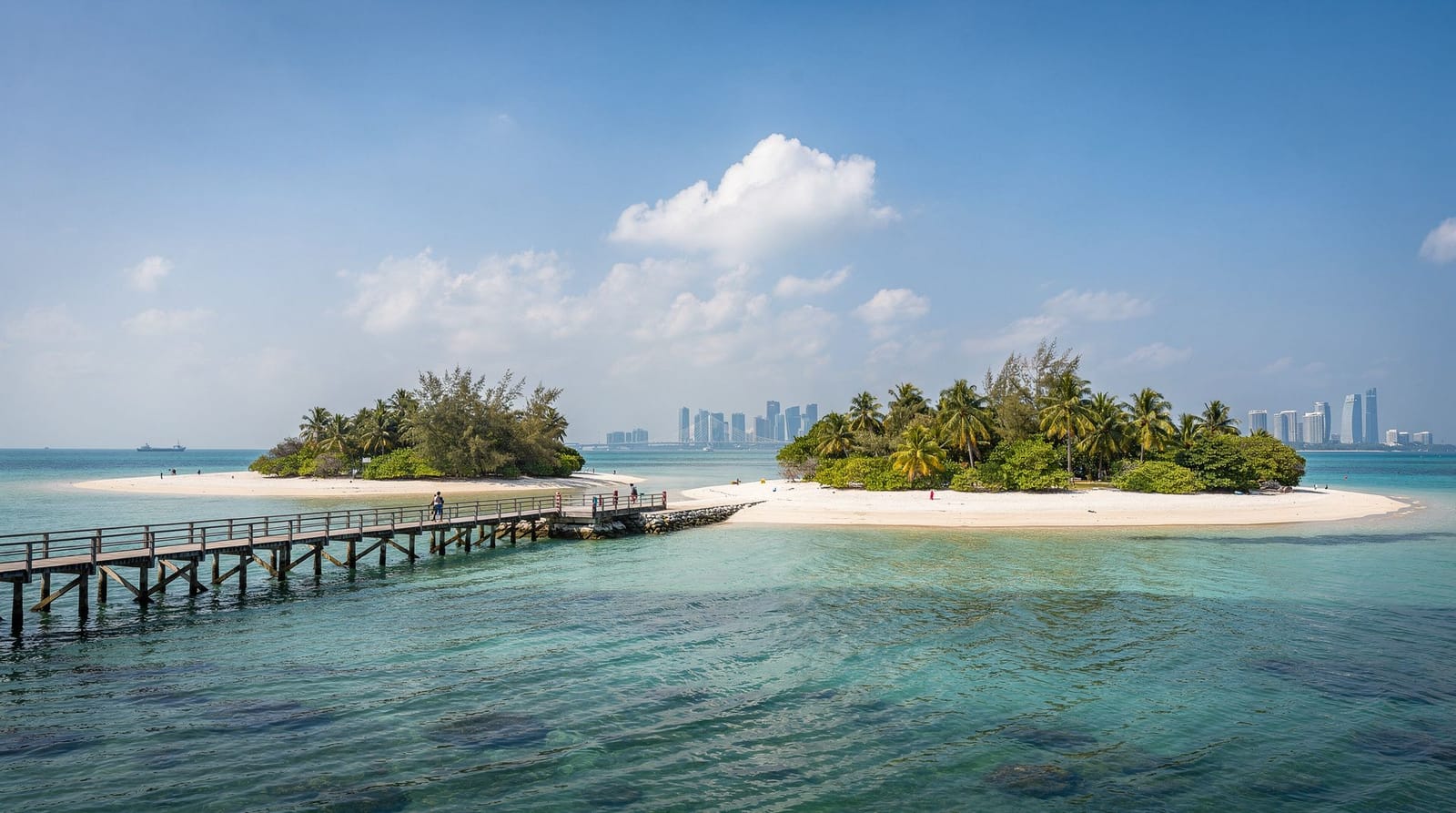
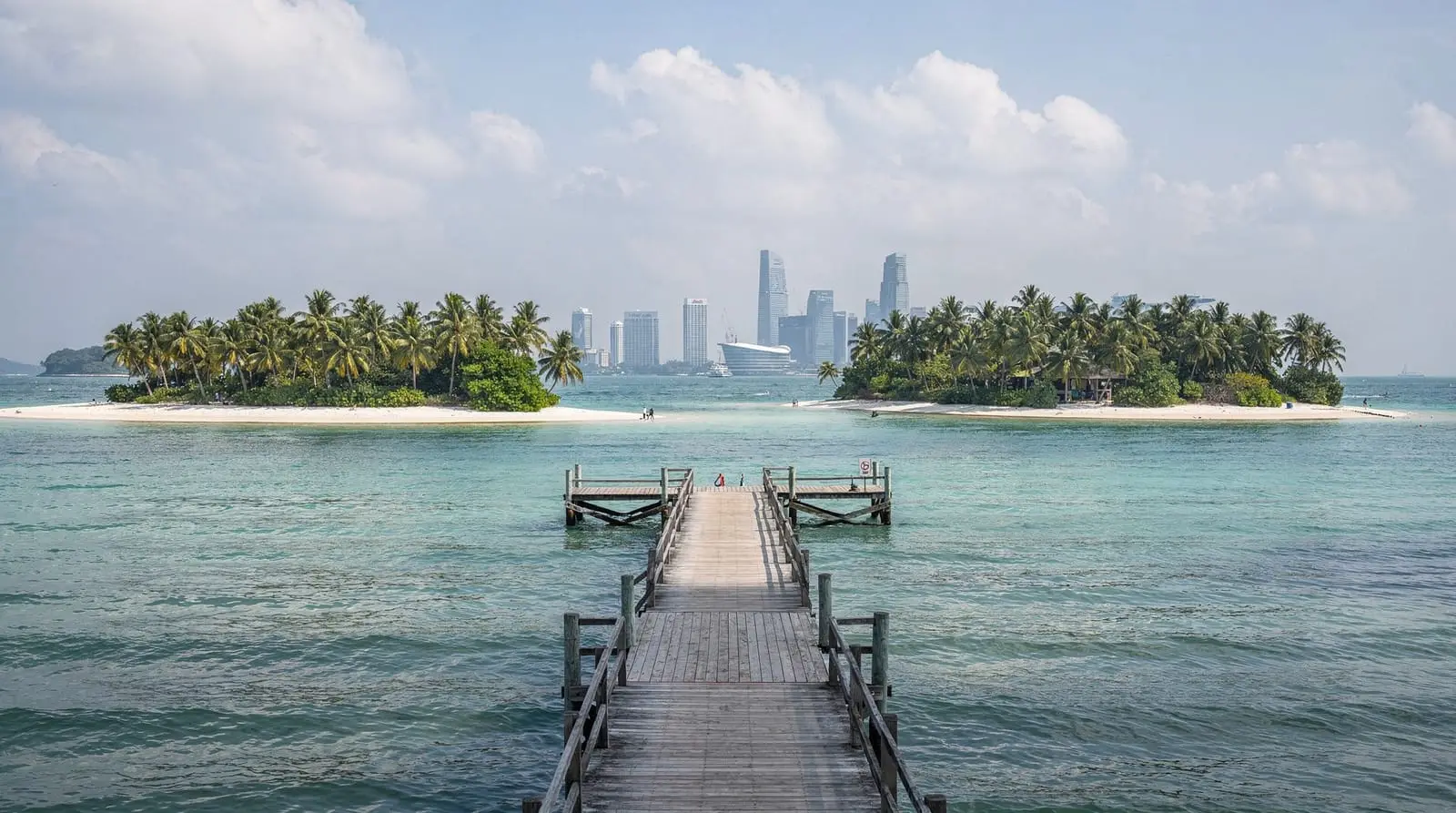
Singapore's southern islands are the day trip most tourists miss — St John's, Kusu, and Sisters' Islands Marine Park by ferry from Marina South Pier.
Singapore: Singapore River cruise
Duration: 40min
Quick facts
- Islands covered
- St John's Island, Kusu Island, Sisters' Islands Marine Park (Big and Little Sister)
- Ferry
- From Marina South Pier — scheduled services and chartered bumboats
- Entry
- Islands free; ferry SGD 18 return (adult) for scheduled service
- Snorkelling
- Sisters' Islands Marine Park has genuine coral reef — best accessible reef snorkelling near Singapore
- Distance from mainland
- 6–8 km south of Sentosa
Most visitors to Singapore know Sentosa and perhaps Pulau Ubin. Far fewer know that a cluster of small islands sits 6–8 kilometres south of Sentosa, accessible by a 25–30 minute ferry from Marina South Pier, and collectively offering the nearest thing to an undeveloped beach experience that Singapore’s geography can provide. St John’s Island, Kusu Island, and Sisters’ Islands Marine Park are not remote or pristine by regional standards — the container shipping lanes of the Strait of Singapore run directly past them — but they are quiet, green, and refreshingly uncommercial.
| Where | 6–8 km south of Sentosa; scheduled ferry from Marina South Pier |
| Cost | Around SGD 18 return (adult) scheduled ferry; islands themselves free |
| Time needed | Half day for one island, full day for St John’s + Kusu together |
| Getting there | MRT to Marina South Pier (Thomson-East Coast Line), exit A |
| Best time | February–September, drier season with calmer seas |
The three main islands
St John’s Island
The largest and most developed of Singapore’s southern islands (about 39 hectares). St John’s has a layered history: it served as a quarantine station for immigrants from the 1870s through to 1975, then briefly as a drug rehabilitation centre, and was opened as a public park and lagoon recreation area from 1975. Evidence of all three phases is present in the landscape — colonial-era administrative buildings, barrack-like accommodation blocks (now largely derelict), and the managed lagoon area where most visitors swim.
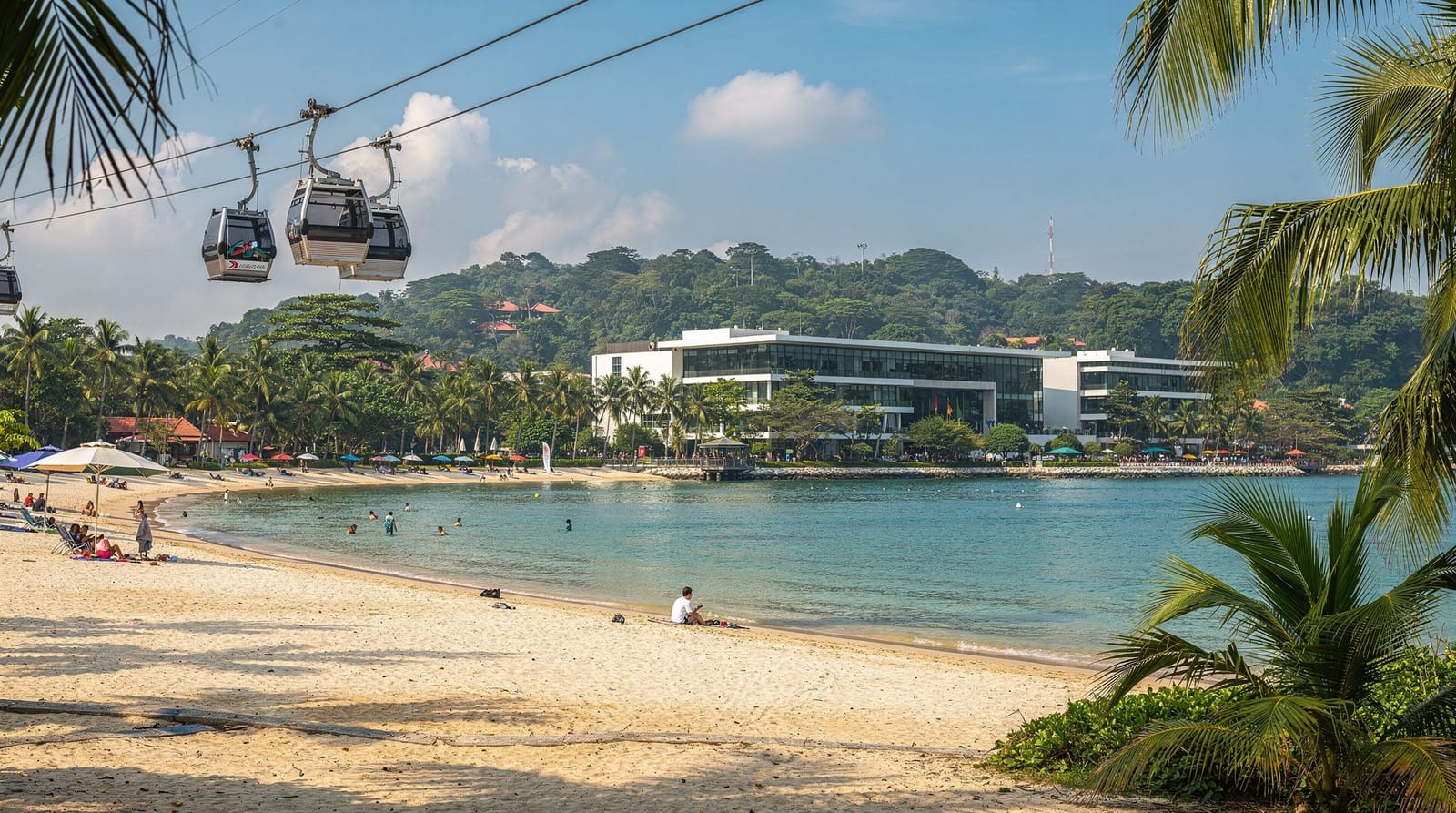
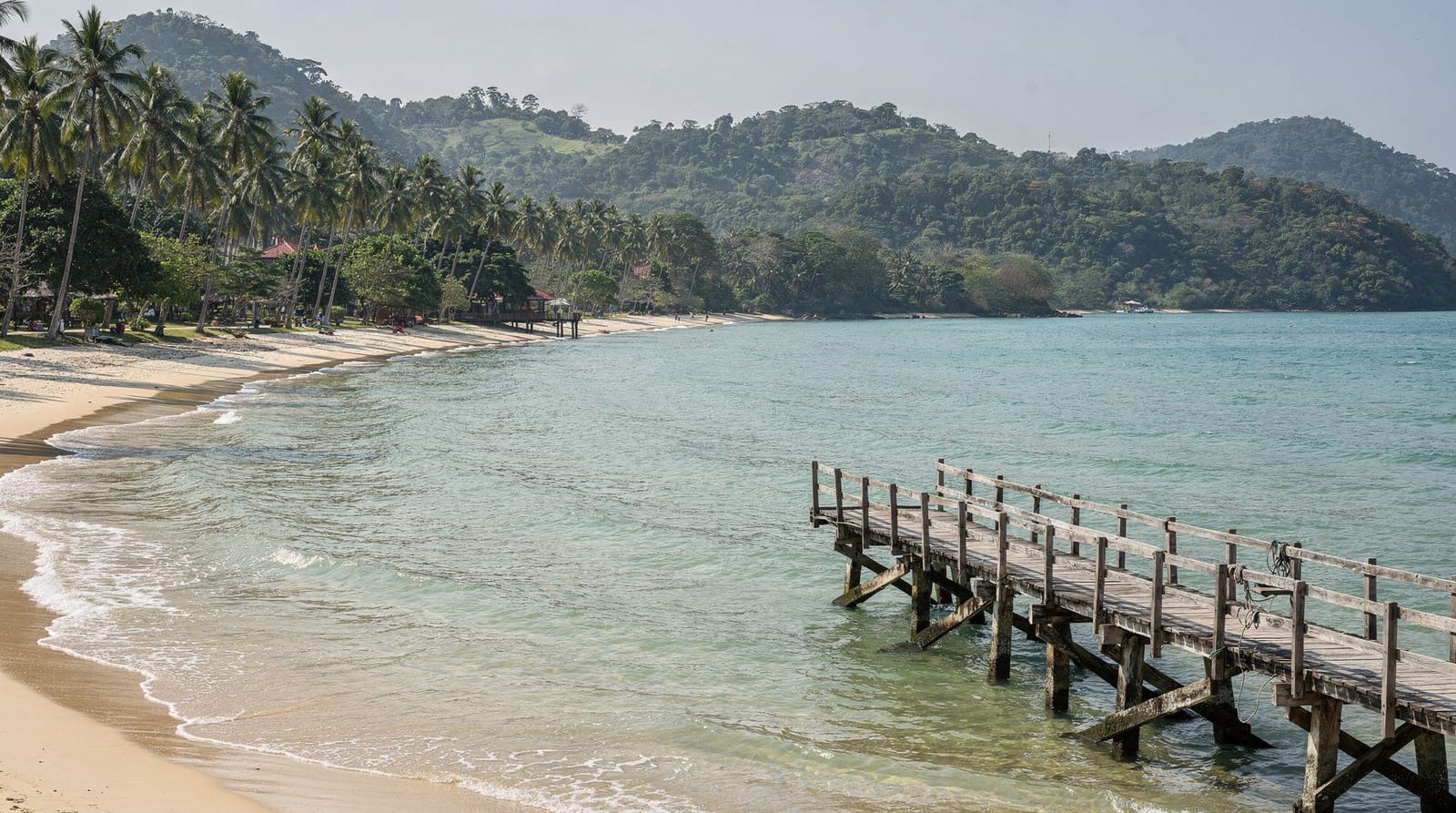
The western lagoon (sheltered swimming area with no significant current) is the main draw for day-trippers. The water is clear by Singapore standards. The surrounding park has shaded picnic areas, toilets, and basic cooking shelters used by overnight campers (camping is permitted with advance NParks booking).
Walking the island fully takes about 2 hours. The eastern shore (undeveloped, facing open sea) has a different feel from the lagoon — rougher, with exposed coastal vegetation and views across the shipping channels.
The Tropical Marine Science Institute occupies a section of the island and has operated research facilities there since 1993. Not publicly accessible, but its presence contributes to the island’s role in Singapore’s marine conservation work.
Kusu Island
Smaller (about 8.5 hectares after land reclamation) and more culturally significant. Kusu means “tortoise” in Hokkien, and the island’s most important site is the Tua Pek Kong Temple — a Chinese Taoist shrine built in 1975 (though the worship practices here are much older) dedicated to Tua Pek Kong, a deity associated with wealth and good fortune. The temple’s tortoise sanctuary beside it contains actual tortoises; the cultural belief is that the tortoises bring longevity and good luck.
At the top of Kusu’s hill: three Malay keramat (sacred shrines) associated with a Malay saint and his family. The ascent (138 steps up the central hill) provides views across the strait and back toward Sentosa.
Kusu’s single lagoon beach is smaller than St John’s but calm and swimmable. The island receives the bulk of its visitors during the annual Kusu pilgrimage season (typically October–November, coinciding with the ninth lunar month), when tens of thousands of Singaporeans make a pilgrimage to the Tua Pek Kong Temple. Outside of this period, Kusu is quiet.
Sisters’ Islands Marine Park
The Sisters’ Islands (Big Sister and Little Sister) are the southernmost inhabited Singapore territory and home to the Sisters’ Islands Marine Park — the only designated marine park in Singapore’s territorial waters. The park was gazetted in 2014 primarily to protect the coral reef ecosystem around the islands, which hosts over 250 species of reef fish and more than 50 species of hard coral.
Big Sister has limited public access facilities and a monitoring station. The marine park’s primary purpose is conservation and guided education programmes. Snorkelling around the reef is permitted and is the best accessible snorkelling experience in Singapore’s waters — visibility varies from 2–5 metres depending on tide and season. The reef is genuine (not artificial) and in reasonable health compared to mainland Singapore coastal waters.
Access to Sisters’ Islands is primarily by chartered bumboat or as part of marine park education programmes. The scheduled public ferry does not serve the Sisters’ Islands directly; check Sisters’ Islands Marine Park education programme bookings via the Singapore government’s NParks website for organised visits.
Getting to the southern islands — practical details
Marina South Pier: The departure point for all scheduled services to St John’s and Kusu. To reach Marina South Pier: MRT to Marina South Pier (Thomson-East Coast Line), exit A, then a short walk. Or taxi from the city centre (SGD 10–15).
Ferry schedule: The scheduled service (operated by Marina Bay Cruise Centre and sister operators) runs departures that vary by season — typically 3–4 return trips per day on weekdays, more on weekends. Check current times before visiting as schedules adjust. Adult return ferry: approximately SGD 18; child SGD 12. The ferry serves both St John’s and Kusu in sequence (St John’s first, then Kusu on the outward leg, reverse on return) — you can spend time on both islands in one day on the scheduled service.
Chartered bumboats: Available from Changi Point Ferry Terminal, Marina South Pier, and other points for private charter. Rates vary significantly depending on boat size and duration — a full-day charter for a small group typically runs SGD 200–400. This is the primary way to access Sisters’ Islands.
Planning advice: Check ferry times before committing to a day on the islands — services can cancel in rough weather (particularly November–January) and the schedule is not as frequent as other Singapore transit. Arriving at Marina South Pier and discovering the ferry is cancelled is a realistic scenario in monsoon season.
What to bring and expect
The southern islands are not resort destinations. Facilities are basic: covered picnic shelters, toilets, a small kiosk on St John’s that may or may not be open. There are no restaurants, no wifi beyond what you bring via mobile data, and no air conditioning except in the ferry terminal.
Bring: water (minimum 2 litres per person), sunscreen, insect repellent, a picnic or packed lunch, snorkelling gear if you intend to use it (rentable in the city but not on the islands), and cash (the kiosk does not reliably accept cards).
The appeal is negative space — what the southern islands do not have. No queue for an attraction, no entrance fee, no product upselling. A picnic on the St John’s lagoon with clear water and the unusual sight of Singapore’s container shipping lanes in the background is a different experience from anything in the urban core. If the ferry timing does not suit, a city river cruise is an easy water-based alternative.
Singapore: Singapore River cruiseWhen to go — seasonal snapshot
| Period | Sea conditions | Notes |
|---|---|---|
| Feb–Sep | Calm, drier | Best window; ferries run reliably |
| Oct–Nov | Variable, Kusu pilgrimage season | Kusu very crowded; St John’s and Sisters’ Islands unaffected |
| Nov–Jan | Rough, Northeast Monsoon | Cancellations possible; check ferry status before travelling |
Combining the southern islands with the rest of Singapore’s south
The southern islands sit within the same southern arc as Sentosa, Mount Faber, and the Southern Ridges walking trail, though the ferry means they cannot be combined into a single day with those on-land destinations. A realistic two-day southern Singapore itinerary pairs a morning on St John’s or Kusu with an afternoon and evening on Sentosa’s beaches the following day, or a Southern Ridges walk the day before. Sentosa’s S.E.A. Aquarium is a good pairing for anyone who wants to see marine life without the boat.
Singapore: S.E.A. Aquarium entrance ticketPulau Ubin to the northeast offers a comparable “escape the city” day trip if the southern islands’ ferry schedule does not line up with your dates — both share the theme of undeveloped, low-key Singapore reachable only by boat. For the fuller island-hopping picture, the day trips from Singapore guide and the southern islands guide cover logistics in more depth, and the kayaking Singapore guide notes where paddling is possible around Sisters’ Islands.
Fitting the islands into a wider trip
The islands work best as a change of pace after a few days of city sightseeing. If you are still building your plan, the Singapore for first-timers guide and the sentosa beaches guide help you decide whether a ferry day is worth more than another afternoon on the mainland. Families weighing the ferry against easier options will find the Singapore with kids guide useful, since the islands suit older children who enjoy boats and open space but offer little shade-and-snack convenience for toddlers.
For a first-time visitor with only a couple of days, the two-day Singapore itinerary is better spent on the headline sights; a longer stay such as the one-week itinerary leaves room for a slow island morning. Travellers who like the idea of a quiet green escape but prefer fewer logistics can also look at Pulau Ubin and the Pulau Ubin guide, or read the Sentosa day trip guide for the more developed alternative on the same southern coast.
Overnight camping on St John’s Island
NParks permits camping on St John’s Island with advance booking via the NParks website. The camping sites have basic shelters, toilets, and fire pits (charcoal available). Weekend bookings fill months in advance during the drier season. Overnight camping allows an early morning on the island before the day-trip ferry crowd arrives — the wildlife is more active at dawn, the water is coolest, and the island’s sounds (seabirds, waves, the distant engines of tankers in the anchorage) are distinctively different from anything on the mainland.
Frequently asked questions about the southern islands
Is the ferry to the southern islands reliable?
During the drier months (February–September), services run consistently. During the Northeast Monsoon (November–January), rough conditions occasionally cause cancellations. Always check current weather and ferry status before travelling to Marina South Pier, particularly November–January.
Can I swim at the southern islands?
St John’s Island’s western lagoon has a sheltered swimming area that is calm and reasonably clear. Kusu’s small beach is swimmable. The water is not Caribbean clarity, but it is significantly better than most mainland Singapore coastal access. Bring your own snorkelling gear for Sisters’ Islands; the reef is worth it.
How do the southern islands compare to Sentosa’s beaches?
Different experiences. Sentosa’s beaches are more convenient, more developed, and more crowded. The southern islands require the ferry and are significantly quieter, with minimal commercial infrastructure. If you want a beach with sun loungers, bars, and facilities, Sentosa is easier. If you want a quiet beach with nature and a sense of separation from the city, the southern islands are better.
Are the southern islands good with children?
St John’s lagoon is excellent for children — calm, shallow, and safe. The ferry journey (30 minutes) is an experience in itself for kids who enjoy boats. Facilities are basic, so bring everything you need. Children who snorkel will particularly enjoy the Sisters’ Islands Marine Park if you can arrange access.
What is the Kusu pilgrimage and should I visit during that time?
The annual Kusu pilgrimage takes place during the ninth month of the Chinese lunar calendar (typically October–November). Tens of thousands of Singaporeans make the ferry journey to pray at the Tua Pek Kong Temple. It is a genuine community religious event worth observing if you are interested in Singapore’s Chinese cultural practices — but the island becomes very crowded and ferry queues can be long. Outside this period, Kusu is nearly empty and far more peaceful.
Do I need a guide to visit the southern islands?
No guide is required for St John’s or Kusu — the scheduled ferry and basic on-island signage are enough for an independent visit. Sisters’ Islands Marine Park is different: since the scheduled ferry does not serve it, most visitors go through a chartered bumboat or an NParks-run education programme, which effectively functions as guided access.