Chinese New Year in Singapore: what to expect, what's free, and what to book
Singapore: half-day Chinatown past and present tour
What is Chinese New Year like in Singapore?
Chinese New Year 2026 (17–18 February, Year of the Horse) is Singapore's biggest festival. Chinatown's light-up runs for weeks beforehand, River Hongbao at Marina Bay is a major free event, and the Chingay Parade is one of Asia's largest street parades. Many shops and restaurants close on the eve and first two days; book hotel and popular restaurants 2–3 months ahead.
Chinese New Year 2026 in Singapore
Chinese New Year 2026 falls on 17 February (first day) and 18 February (second day). It marks the start of the Year of the Horse. In Singapore — where approximately 74% of the population is of Chinese ethnicity — CNY is the biggest holiday of the year, transforming the city in ways that are both genuinely spectacular and occasionally logistically challenging for visitors.
Unlike many cities where CNY festivities are confined to a specific neighbourhood, Singapore’s celebrations span Chinatown, Marina Bay, Orchard Road, and dozens of community events across the island.
| When | 17–18 February 2026 (Year of the Horse); events run 3–4 weeks around it |
| Cost | Free for light-up, River Hongbao, and street viewing of Chingay |
| Time needed | One evening for light-up + Hongbao; a full day to add Chingay |
| Getting there | MRT to Chinatown (light-up) or Bayfront/City Hall (Hongbao) |
| Best time | Weekday evenings 1–14 February for atmosphere without peak crowds |
The Chinatown light-up
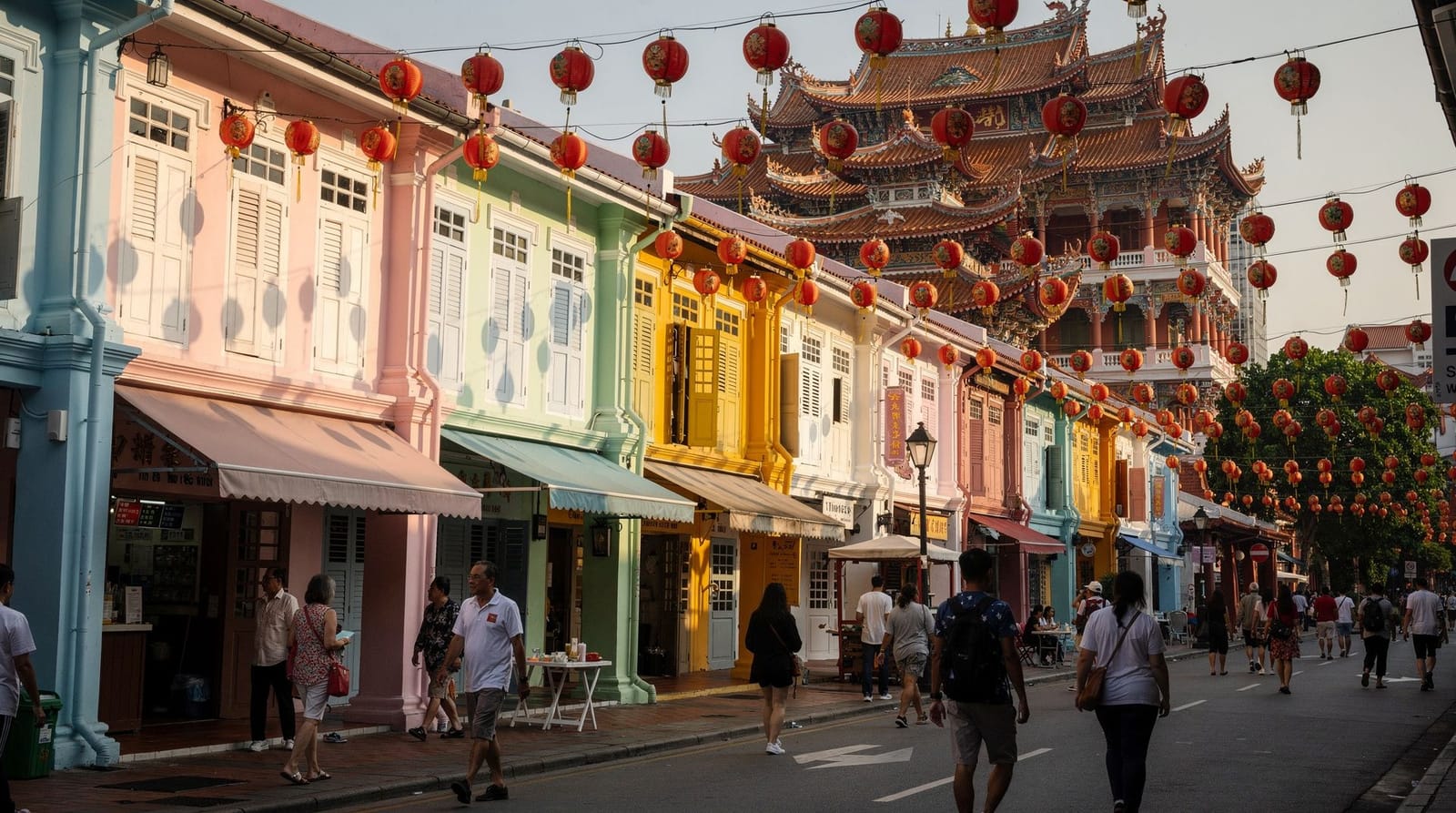
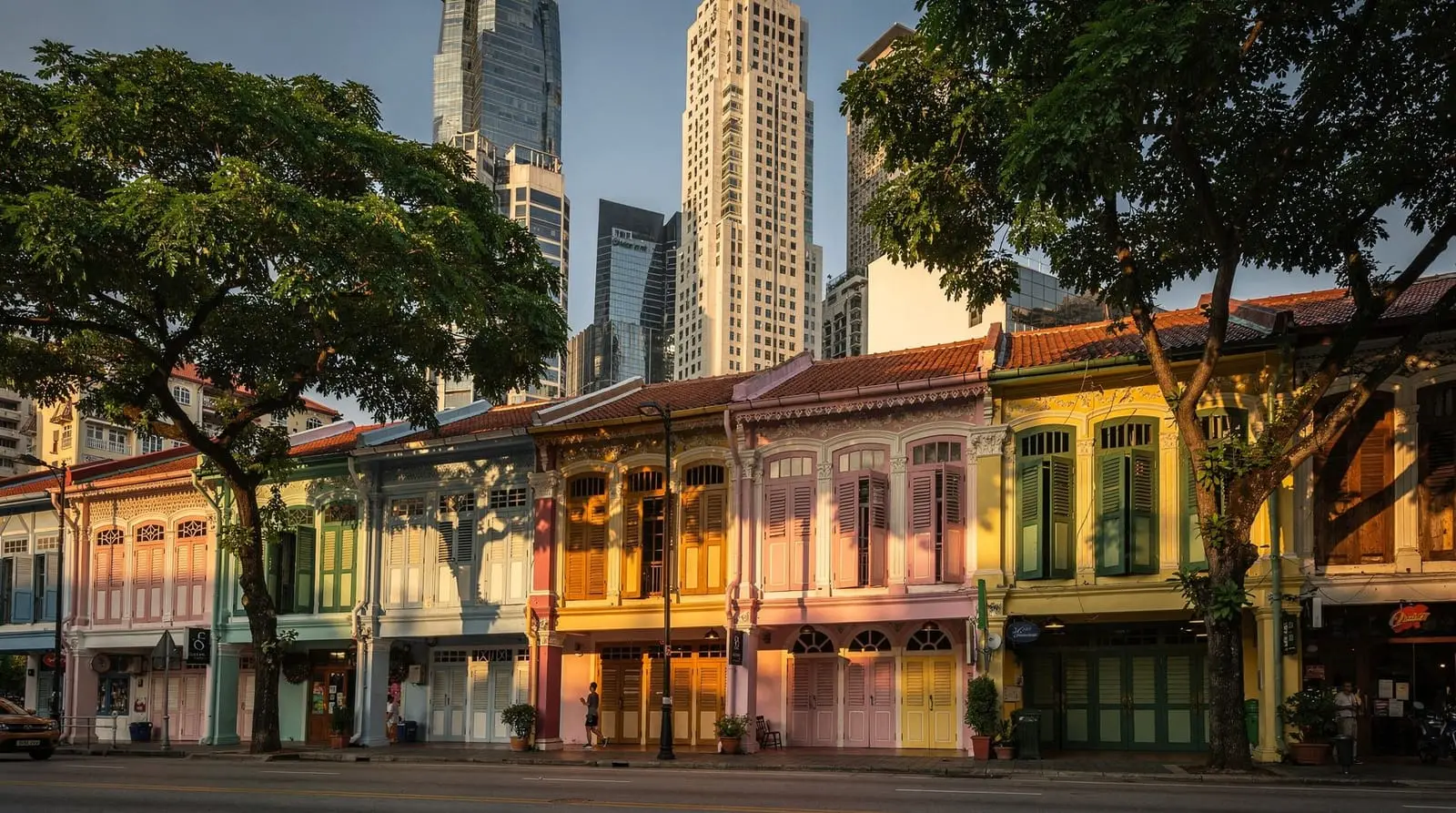
The Chinatown light-up is the visual centrepiece of CNY preparation. Hundreds of lanterns and elaborate light installations are strung above Eu Tong Sen Street, New Bridge Road, Temple Street, and Pagoda Street — transforming the entire neighbourhood into a walkable festival corridor.
When: The official light-up switch-on typically happens 3–4 weeks before CNY (late January 2026). Displays remain active for a week or two after CNY ends.
Best time to visit: Weekday evenings in the week before CNY for a good atmosphere without extreme crowds. The eve (16 February 2026) and days 1–2 are spectacular but intensely crowded — budget extra time and expect shoulder-to-shoulder crowds on the main streets.
What is there: Beyond the light displays, the CNY bazaar offers mandarin oranges (the symbol of CNY goodwill), festive snacks, bak kwa (sweet barbecued pork, Singapore’s most iconic CNY food), decorations, and seasonal items. The smell of bak kwa along Eu Tong Sen Street during CNY is unforgettable.
Getting there: Chinatown MRT station (North-East Line and Downtown Line) drops you directly into the heart of the action.
Eating while you are there: The festive stalls are tempting, but the neighbourhood’s food is worth a proper stop too. Our Chinatown Complex food guide explains how to approach the stalls, and the wider Chinatown destination page helps you plan the area around the light-up.
River Hongbao at Marina Bay
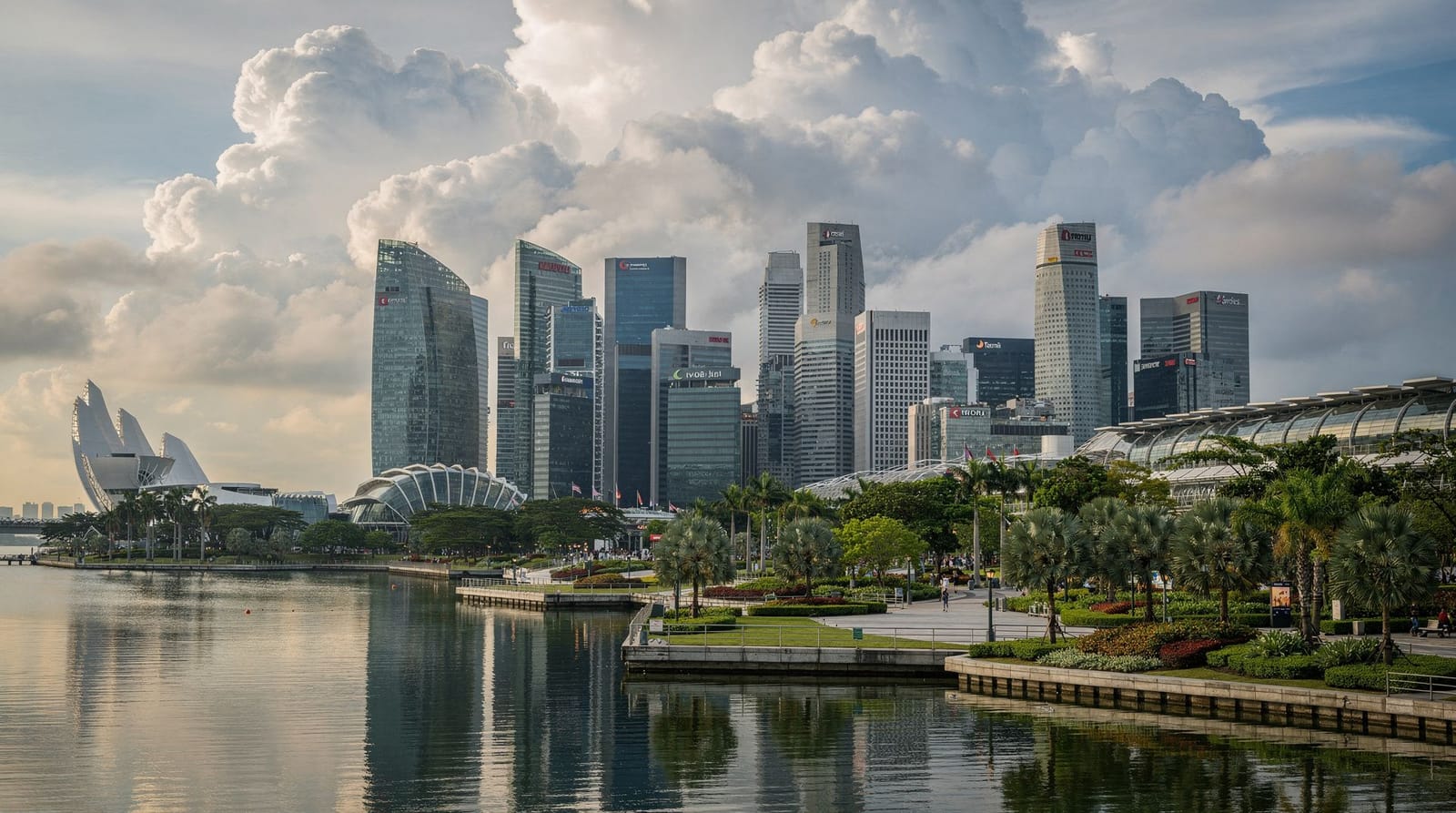
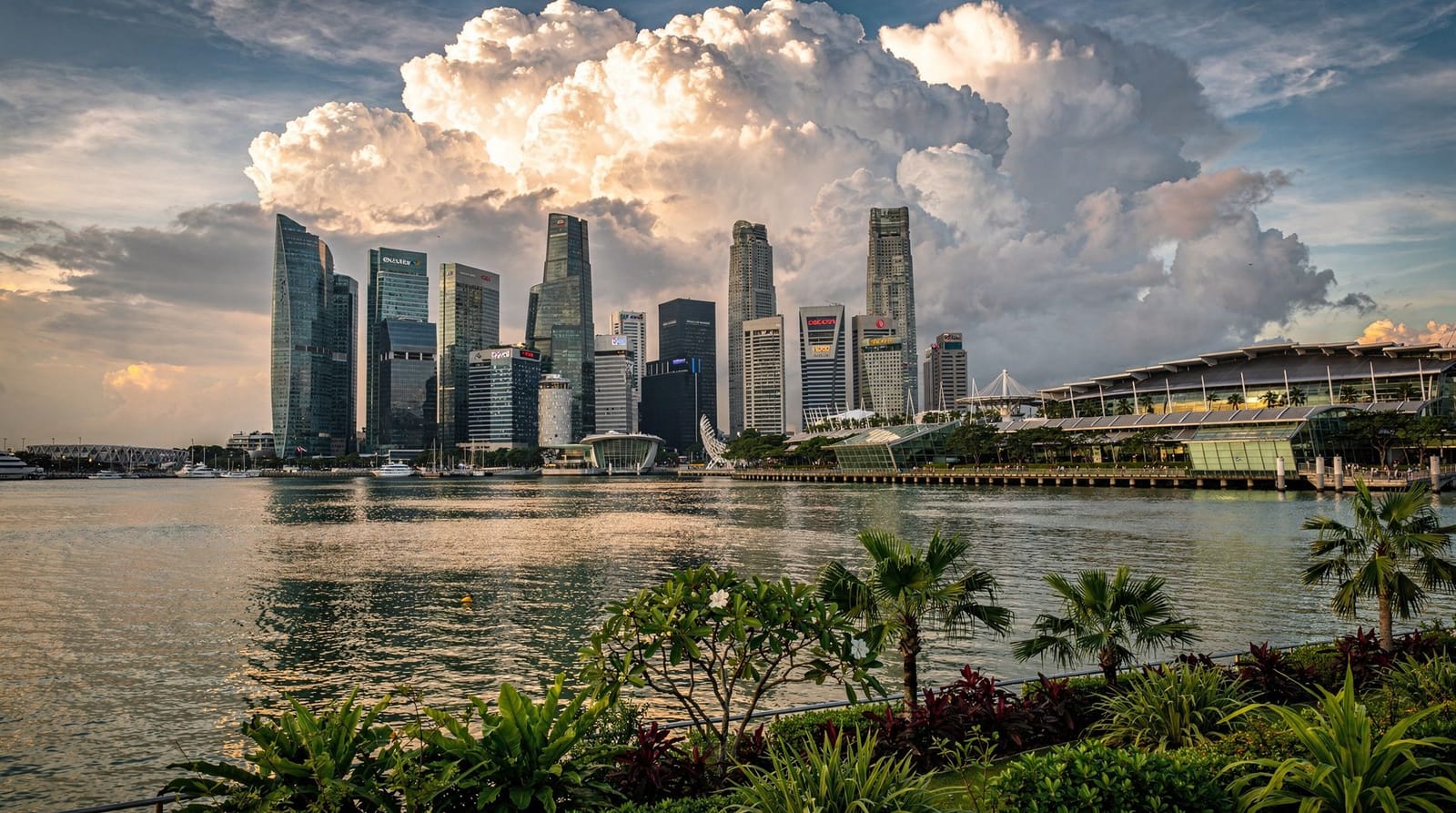
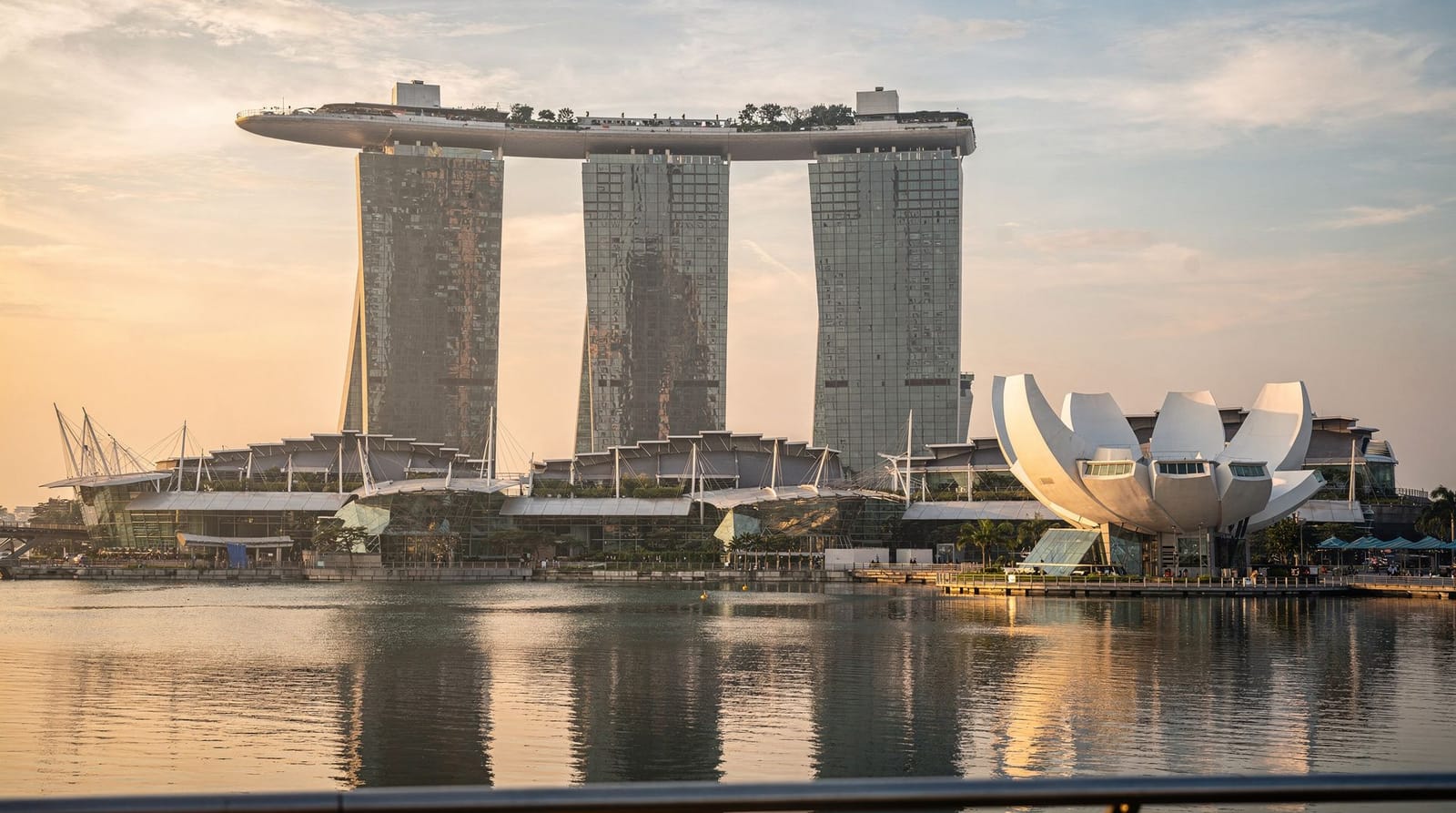
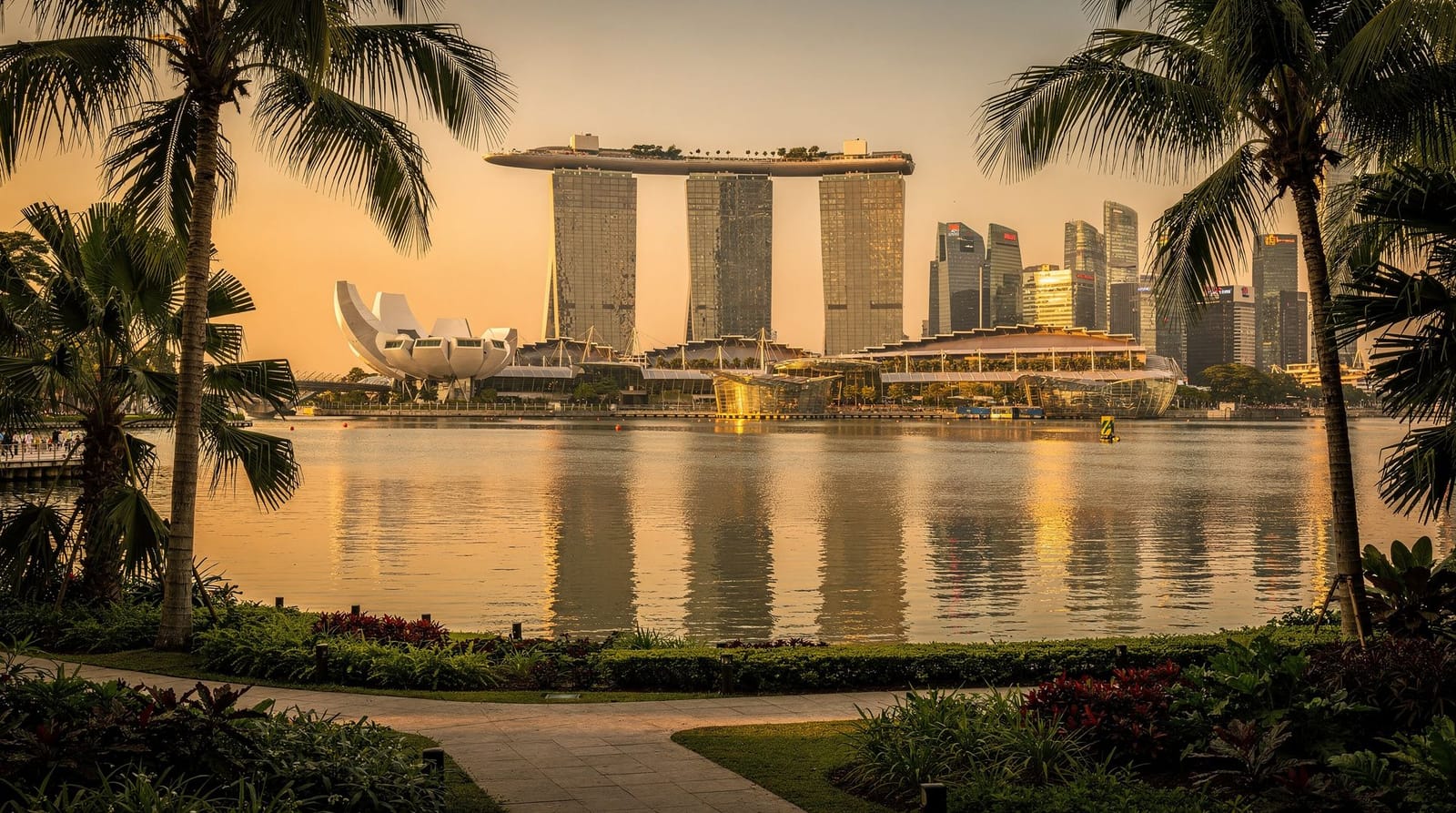
River Hongbao (红包 — literally “red packet/envelope”) is a free public festival held at Marina Bay Sands Event Terrace, typically running for about 8–10 days centred on CNY.
What to expect:
- Giant lantern installations themed around the zodiac animal of the year (Horse in 2026) and other motifs
- Cultural stage performances including Chinese opera, acrobatic shows, and community performances throughout the day and evening
- Food hawker bazaar with CNY specialities
- Evening fireworks over Marina Bay (usually on multiple nights including CNY eve and day 1)
- Giant illuminated sculptures — previous years have featured 30-metre-high festival characters
Entry is free. The fireworks displays are particularly impressive from the Marina Bay waterfront.
What to book: Specific premium viewing areas for fireworks sometimes require tickets (sold separately). The festival grounds themselves are freely walkable.
Crowd management: River Hongbao gets very busy on CNY eve and the first two days. Arrive before 6 pm for the best experience; after 8 pm on CNY eve it becomes extremely packed. The surrounding Marina Bay waterfront — including the Merlion Park area and the Esplanade waterfront — offers good fireworks viewing without entering the festival grounds.
If you want more to do around the water once the fireworks end, the Marina Bay destination page covers the area, and our guide to the Spectra and Rhapsody light shows is useful for planning the rest of your evening.
Chingay Parade
Chingay (妝藝) is one of Asia’s largest street parades, held in the days following CNY (typically CNY day 2 or the following weekend). In 2026, it will likely fall on or around 21–22 February.
Origin: When Singapore banned firecrackers in 1973 as a fire and safety measure, the government commissioned a grand street parade to maintain CNY celebration energy. It has grown every year since.
What to expect: Thousands of performers, elaborate floats, multicultural acts (not just Chinese culture — the parade specifically represents all of Singapore’s communities), stilt walkers, flag acts, giant puppets, LED-lit floats, and international troupes from countries like China, India, and the Philippines. The parade runs along the Padang, St Andrew’s Road, and nearby areas.
Tickets: Grandstand seating is ticketed and sells out months ahead. Check PAssion Cards or the official Chingay website. Free street viewing is available along the parade route — arrive 1–2 hours early for a good position.
What to eat during CNY
CNY in Singapore is largely a food event, and visitors eat better during this period than any other time of year if they know what to look for.
Bak kwa (肉干): Sweet, savourily glazed, charcoal-grilled pork (or chicken) slices. The queues at famous shops like Bee Cheng Hiang and Lim Chee Guan can stretch for hours in the week before CNY. Worth trying a small packet.
Yu sheng (鱼生, “prosperity toss”): A raw salmon salad tossed communally at the table with shredded vegetables, sesame oil, and sweet-sour plum sauce. Everyone stands and tosses with chopsticks while shouting auspicious wishes. Served at almost every Chinese restaurant during CNY. A uniquely Singaporean-Malaysian tradition — not widely practised in mainland China.
Pineapple tarts: Short-crust pastry tarts with pineapple jam filling, gifted and consumed in vast quantities during CNY visits. Every bakery has them; quality varies.
Nian gao (年糕): Sticky glutinous rice cake, often sliced and fried. Symbolises rising fortunes (年 = year, 高 = high/tall).
Mandarin oranges: The universal CNY gift. Visitors to Chinese homes always bring two mandarin oranges (as a pair), symbolising gold and luck. Do the same if you have a local Chinese host.
What closes and what stays open
Closed on CNY eve (16 Feb) and CNY day 1–2 (17–18 Feb):
- Most Chinese-owned restaurants (particularly traditional sit-down restaurants)
- Many hawker stalls (even in major centres)
- Some retail shops
- Some smaller attractions
Stays open:
- Major shopping malls (VivoCity, ION Orchard, Marina Square)
- International chain restaurants and hotel restaurants
- Indian, Malay, and food court options
- Major attractions (Singapore Zoo, Gardens by the Bay domes, USS)
- MRT and public transport (running normally, though may have extended hours on key days)
Backup options: Our best hawker centres and halal food guide are good places to find alternatives when the traditional Chinese restaurants are shut.
Planning tip: Pre-book CNY dinner at a hotel restaurant or research specifically which hawker centres operate through the holidays (food courts in shopping centres are the safest bet). Chinatown’s tourist-facing restaurants often stay open.
CNY logistics and hotel advice
Book accommodation early. Hotel rates in the 10 days around CNY (roughly 10–25 February 2026) rise substantially. Popular categories:
- Near Chinatown (Amara Singapore, Hotel Boss, ibis Budget): convenient for light-up and Chinatown access, book by November 2025
- Marina Bay area (Marina Bay Sands, Marina Mandarin): premium for River Hongbao views; very expensive during CNY
- Orchard Road (hotel belt along Scotts/Orchard): good for watching Orchard Road decorations and convenient for Chingay parade access
Budget accommodation tip: Properties along the East-West MRT line (Lavender, Bugis, Outram Park) are significantly cheaper and still within 2–3 stops of Chinatown or Marina Bay.
Free vs paid CNY experiences
Free:
- Chinatown light-up bazaar
- River Hongbao festival grounds
- River Hongbao fireworks (from public waterfront)
- Street viewing of Chingay Parade
- Orchard Road festive decorations
- Community performances at various locations
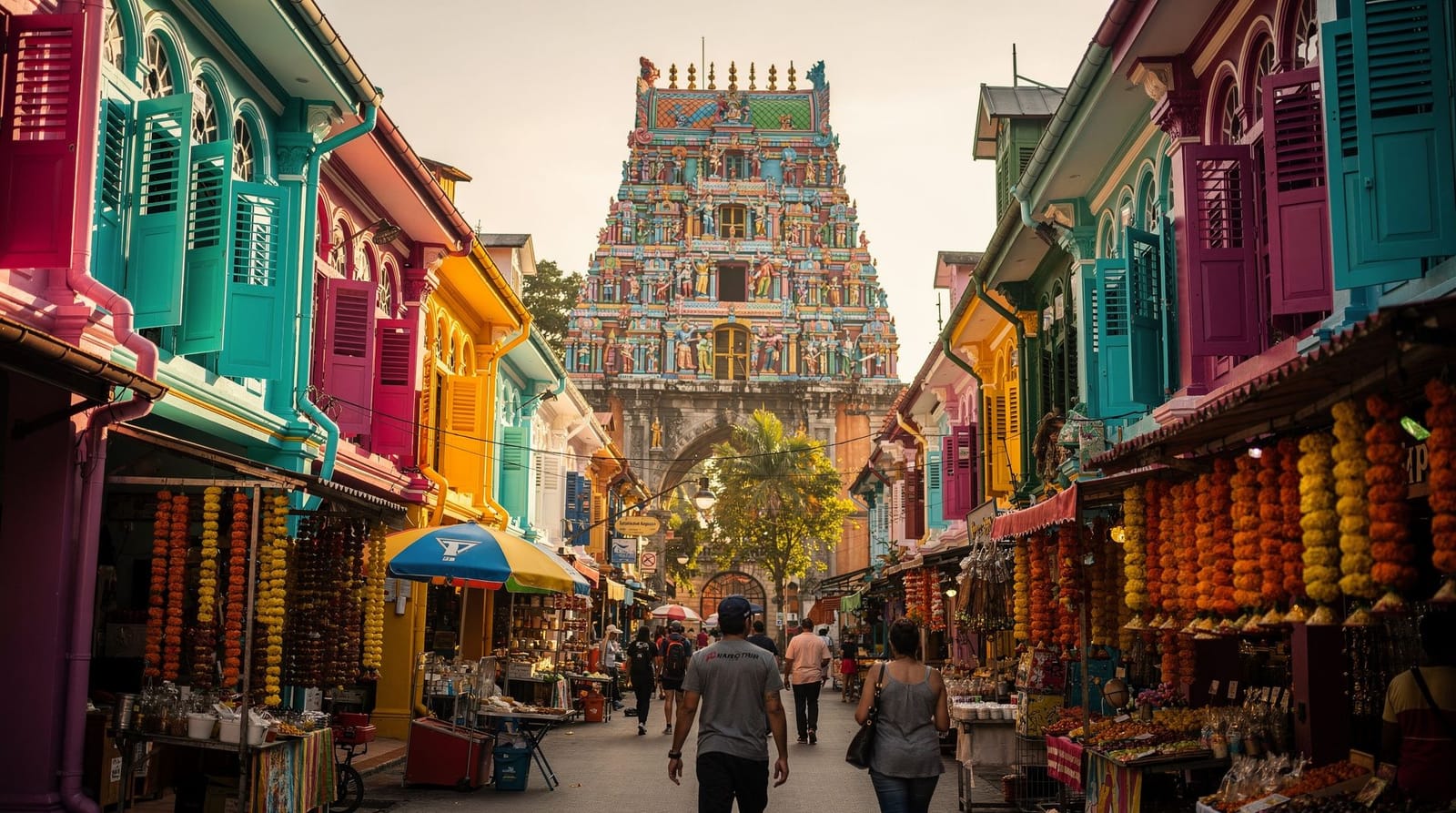
- Temple visits (Sri Mariamman Temple, Buddha Tooth Relic Temple — open but busy)
Paid:
- Chingay grandstand seating
- Premium Chingay tickets with F&B packages
- River Hongbao premium seating/packages (if offered)
- CNY dining at restaurants (some offer special fixed menus at premium pricing)
Beyond the main events
The two public holidays (17–18 February 2026) and the broader festive period are also a good time for:
- Temple visits: Buddha Tooth Relic Temple in Chinatown and Sri Mariamman Temple have special CNY rituals. Expect crowds but also genuine religious ceremony.
- Night markets: Various pop-up night markets appear around Singapore during CNY, particularly in Chinatown and near community centres
- Mandai Wildlife Reserve: Singapore Zoo, Night Safari, and River Wonders are open during CNY and can be an excellent break from the festival crowds
- Gardens by the Bay: CNY floral displays and light installations often appear; check the Gardens website for specific programming. Our Gardens by the Bay guide explains how to organise a visit.
If you are travelling with the wider Singapore calendar in mind, the Deepavali guide shows how another of the city’s major festivals compares, and the Mandai destination page helps with planning a quieter day away from the crowds.
Reunion dinner and family customs
CNY eve reunion dinner is the emotional centre of the festival for Singaporean families — a formal, often multi-generational meal at home or in a restaurant private room, typically featuring yu sheng, whole fish (symbolising abundance), and dishes chosen for auspicious wordplay. Restaurants across the city are booked out weeks ahead for this single evening, and it’s the one night of the year when even normally quiet suburban malls feel busy with families arriving for set banquets.
As a visitor you won’t usually be invited into a private reunion dinner, but many hotel restaurants run their own CNY set menus around the same dates, letting you sample the same dishes without needing a local connection. If you do get invited to a Singaporean home during the festive period, bring a pair of mandarin oranges, dress neatly, and expect red packets (hongbao) to be given by married relatives to children and unmarried younger guests — as a visitor, you’re not expected to give or receive these.
A suggested first-time CNY evening plan
For visitors with one evening to experience CNY at its best, this sequence covers the highlights without excessive backtracking:
- Late afternoon: Walk Chinatown while the light-up bazaar is still building energy but not yet packed — good for photos and a bak kwa snack.
- Early evening: MRT to Bayfront or City Hall and walk to Marina Bay for River Hongbao — arrive before 6pm to beat the crowd surge.
- Evening: Watch the Hongbao fireworks from the Marina Bay waterfront or Merlion Park if the festival grounds feel too packed.
- If your dates align with Chingay: Budget a separate evening entirely for the parade — trying to combine it with Chinatown and Hongbao on the same night is genuinely too much ground to cover, and arriving tired from an earlier crowd only makes the parade crowds feel worse.
For guided help navigating Chinatown’s CNY crowds and history, a local-led walk removes the guesswork:
Chinatown past and present walking tourIf your CNY trip also includes Gardens by the Bay’s seasonal floral displays, a guided visit is worth considering during the festive crush when independent queuing takes longer than usual:
Gardens by the Bay guided tourFrequently asked questions about Chinese New Year Singapore
Is it a good idea to visit Singapore during CNY if I am not Chinese?
Absolutely. Singaporeans are proud of their multicultural identity, and CNY in Singapore is a public event for everyone — not exclusively a family-in-home festival. The public events (River Hongbao, light-up, Chingay) are specifically designed for community participation across all ethnicities and backgrounds. Non-Chinese visitors are welcomed at all public events.
Can I give mandarin oranges to a Singaporean host during CNY?
Yes — this is the correct CNY custom. Always bring two oranges (as a pair, never one), and hold them with both hands when presenting them. The host will usually exchange two of their own oranges with you. Accept with both hands. This gesture is well-understood and appreciated.
Do fireworks happen every night of CNY?
No. Fireworks during River Hongbao are typically reserved for CNY eve and the first one or two nights of CNY, not every night. The specific schedule is announced by the event organisers closer to the date. Check the Singapore Tourism Board website or River Hongbao official site for 2026 fireworks night details.
What is the dress code during CNY events?
There is no formal dress code for public CNY events. Red clothing is considered auspicious and you will see it everywhere — wearing red yourself is a nice cultural nod but entirely optional. Comfortable clothes for walking and Singapore heat (light fabrics, good walking shoes) are the practical priority.
Is Chinatown safe at night during CNY?
Yes. Chinatown during CNY is crowded but safe. Singapore has extremely low crime rates. The main practical risk is simply the crowds — maintain your group, keep bags in front of you in crush situations, and avoid narrow side streets when the main streets are at maximum capacity (CNY eve evening is the most densely packed).
What is the best day to see the Chinatown light-up without massive crowds?
Visit on a weekday evening (Monday to Thursday) in the two weeks before CNY — around 1–14 February 2026. Crowds are significantly thinner than CNY eve or the holidays themselves but the light-up is fully active. Ideal timing is 7–9 pm when the lanterns are lit against the dark sky. See Chinatown Singapore for more on navigating the neighbourhood.
Top experiences
Bookable activities with verified prices and instant confirmation on GetYourGuide.