Jurong Lake Gardens: complete visitor guide
Singapore: Botanic Gardens & Tiong Bahru walking tour with breakfast
Duration: 3.5h
Is Jurong Lake Gardens worth visiting?
Yes, particularly if you are staying in the west or want a major green space without the tourist crowds of Gardens by the Bay or the Botanic Gardens. The Chinese and Japanese gardens are free and offer interesting architecture across the lake. The Night Garden section is a newer highlight with light installations in the evenings.
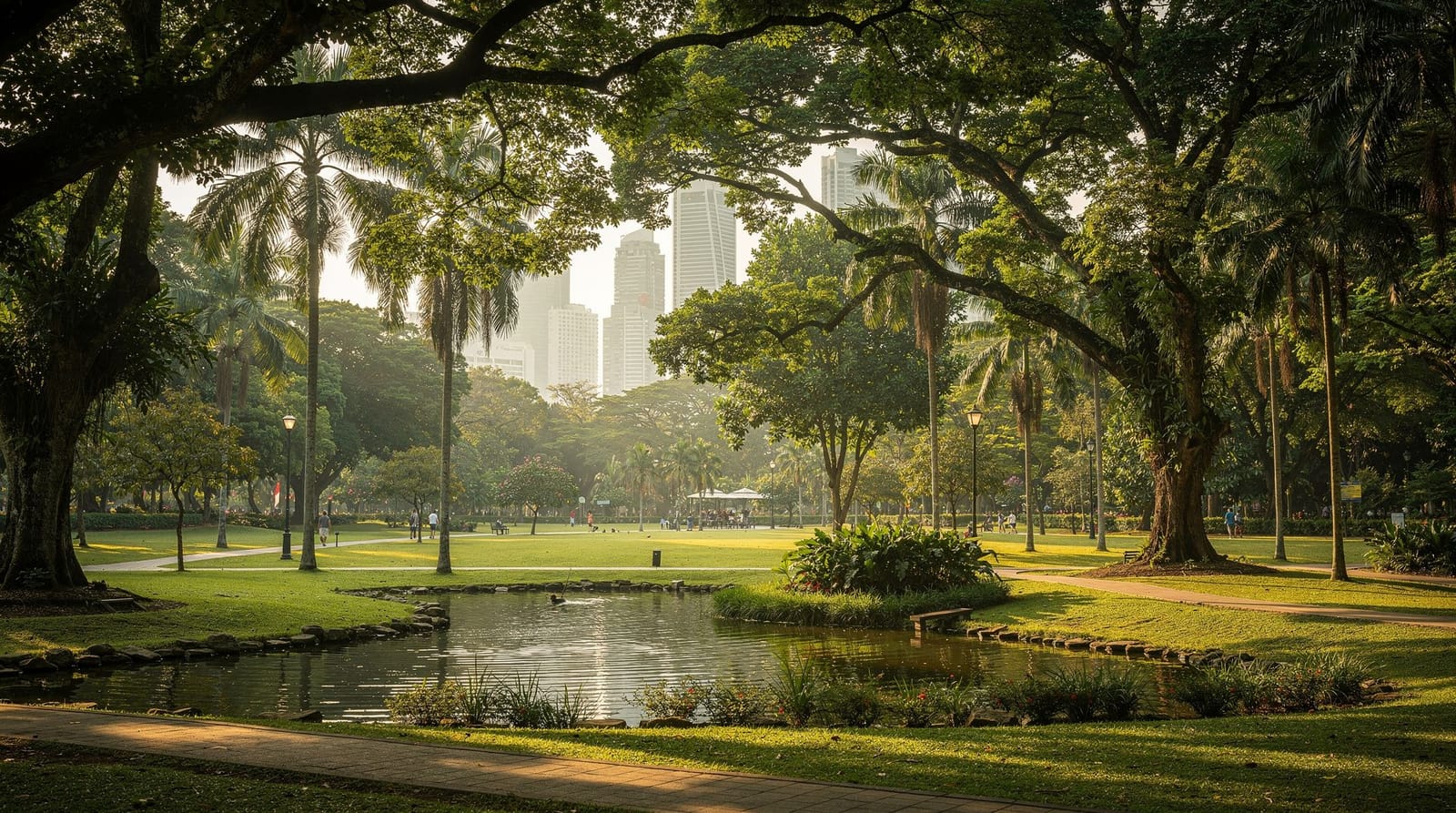
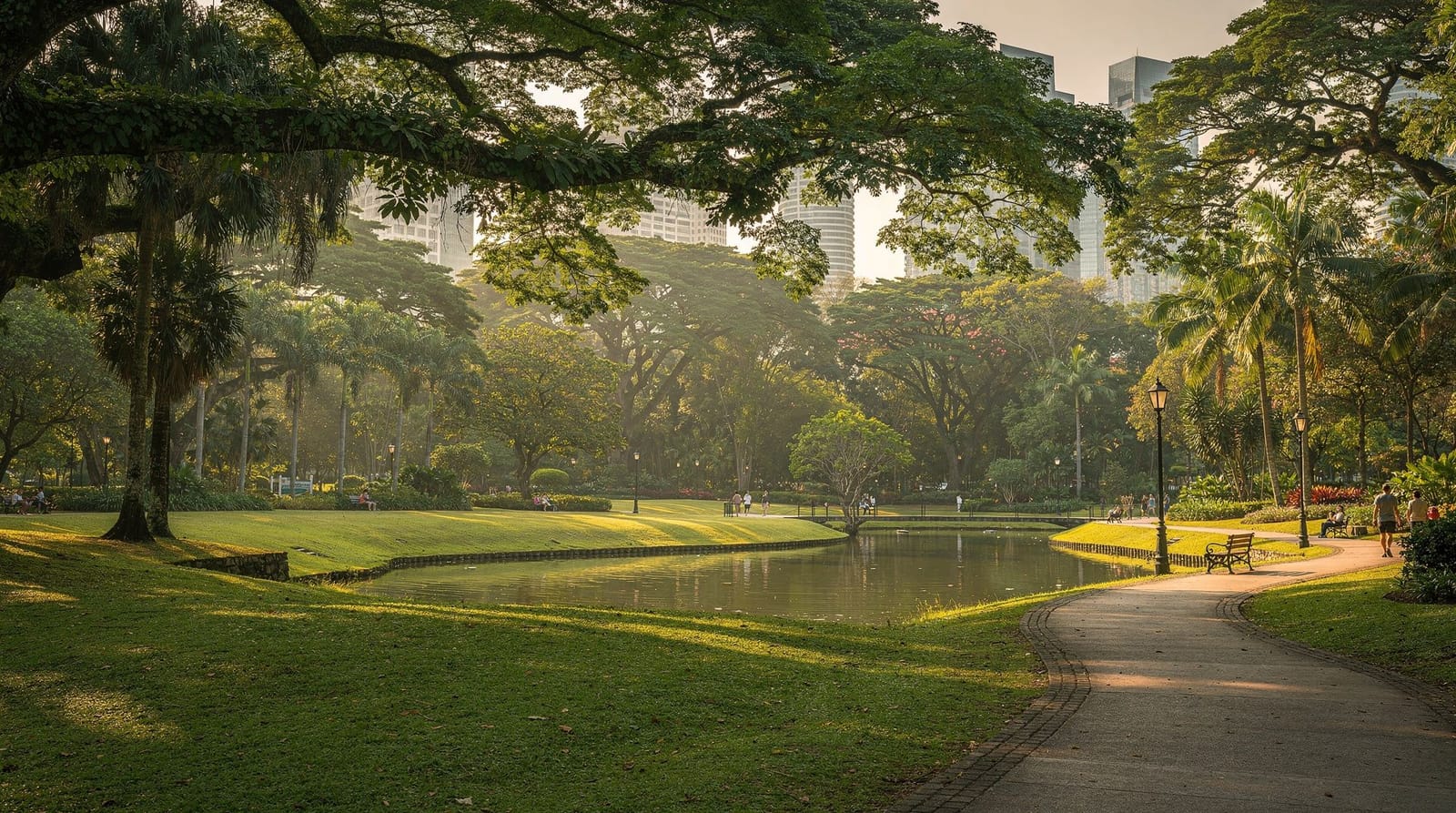
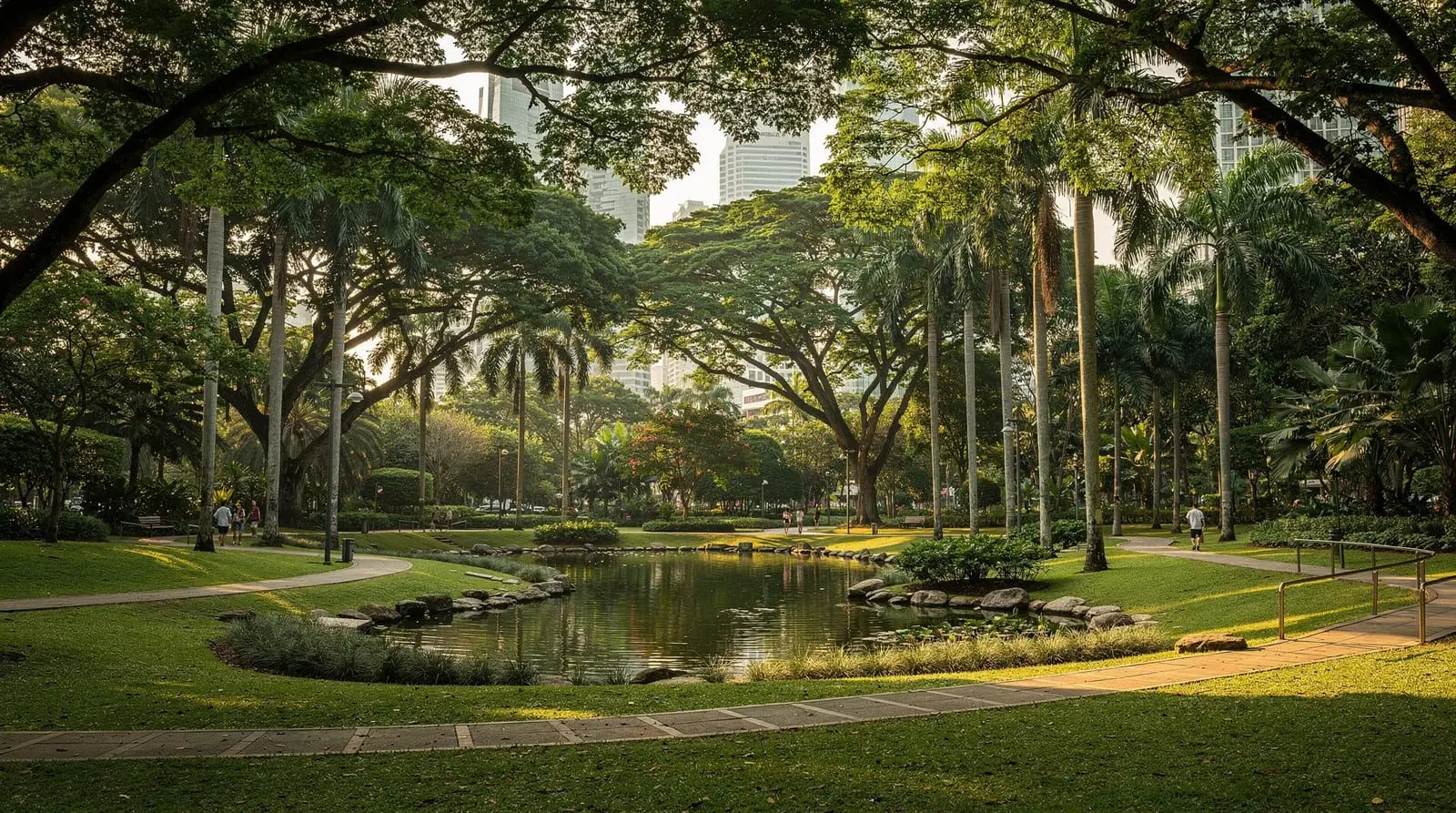
Jurong Lake Gardens is Singapore’s newest national garden, opened in phases from 2019 onward, built around Jurong Lake in the west of the island. It sits alongside — and incorporates — the older Chinese and Japanese Gardens that have occupied the lakeside since the 1970s, giving it an unusual layering of new landscape design and heritage architecture.
The location in Jurong means it is undervisited compared to Gardens by the Bay and the Botanic Gardens, which suits it. On weekday mornings it feels like a genuine local park: joggers, dog walkers, retirees doing tai chi by the water, schoolchildren at the Nature Playgarden. The tourist infrastructure is minimal, which is largely a compliment.
| Where | Jurong, western Singapore, around Jurong Lake |
| Cost | Free — including the Chinese and Japanese Gardens |
| Time needed | 2–3hrs for the main circuit; half a day with the Nature Playgarden |
| Getting there | MRT East-West Line to Chinese Garden (EW25) or Lakeside (EW26) |
| Best time | Weekday mornings for quiet; after 7pm for the Night Garden |
The layout: what is where
Jurong Lake Gardens splits across both sides of Jurong Lake and is divided into three main sections:
Lakeside Garden — the western section, with the main event lawn, the Nature Playgarden, the wetland boardwalk, and the Clusia Cove waterfront area. Accessible from Lakeside MRT (EW26).
Chinese and Japanese Gardens (Garden Precinct) — two heritage garden islands in the lake, connected by a bridge, reached from the Chinese Garden MRT (EW25) entrance. The Chinese Garden has a seven-storey pagoda, traditional Suzhou-style architecture, and ornamental courtyards. The Japanese Garden has stone lanterns, a Zen garden section, and a koi pond. Both are quieter and more contemplative than the rest of the park.
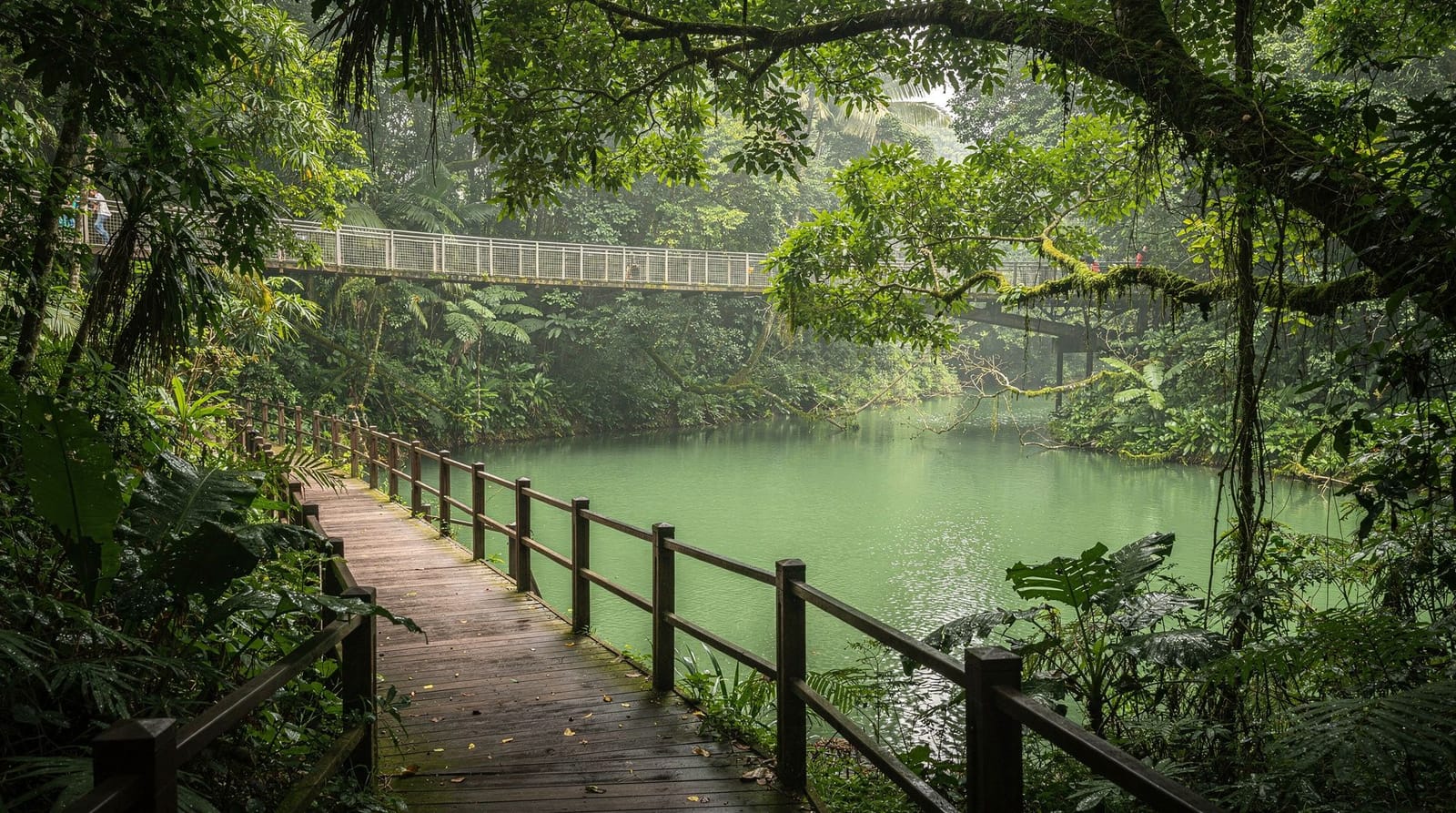
Grasslands and Wetland area — the northern section with open meadow, wetland filters, and boardwalk trails through reed beds. Good for birdwatching (kingfishers, herons, moorhens). Less visited than the lakefront.
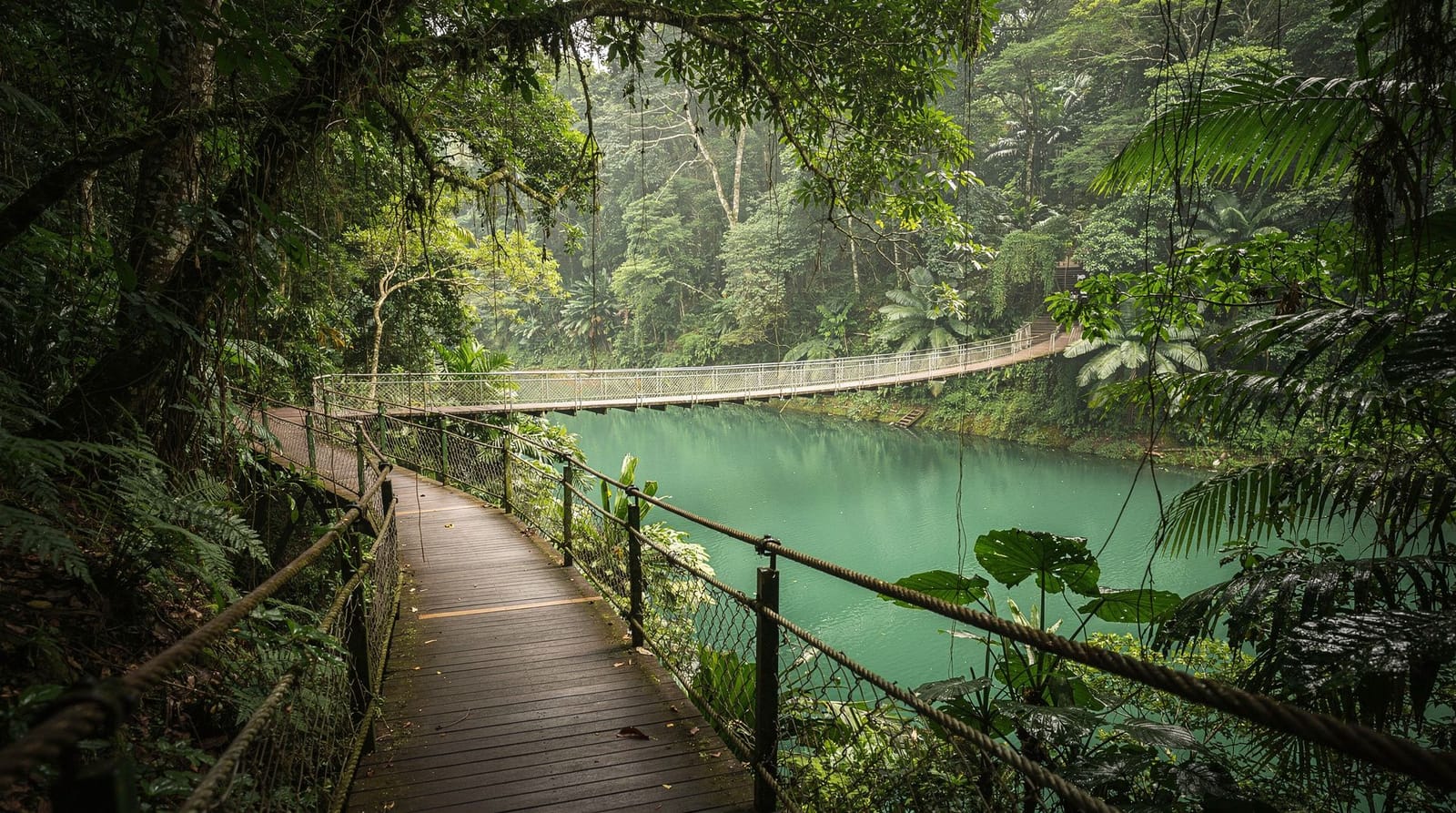
A bridge across the lake connects the Lakeside and Chinese Garden sections, allowing a circular route using both MRT stations as entry and exit points.
The Nature Playgarden
The highlight for families with children is the Nature Playgarden — 1.5 hectares of outdoor play structures themed around Singapore’s natural habitats. It is one of the best free outdoor play areas in the city.
Key features include a water play area (bring a change of clothes), a large climbing structure inspired by forest canopy, a sand area, and various interactive nature-themed installations. The design is thoughtful — children are genuinely engaged rather than just running around generic equipment.
The Playgarden is stroller-accessible. It gets busy on weekend mornings; earlier weekday visits are quieter. Sunscreen and water are essential — limited shade in the play areas themselves.
The Chinese Garden
Built in 1975 and modelled on classical Northern Chinese imperial garden architecture, the Chinese Garden occupies an island in Jurong Lake and shows its age gracefully. The main landmark is the seven-storey White Rainbow Pagoda visible from across the lake — worth climbing for views across Jurong and, on a clear day, to Sentosa.
Other notable features: the Twin Pagodas (smaller, connected by a bridge), the Suzhou-style garden courtyards with ornamental rocks and covered walkways, and the Bonsai Garden. The stone boat pavilion on the water is a popular photograph spot.
The garden has been partially restored and upgraded as part of the Jurong Lake Gardens project. It is quiet on weekdays and particularly atmospheric in the late afternoon when the light hits the painted wooden pavilions. Free entry.
The Japanese Garden
Smaller and more contemplative than the Chinese Garden, the Japanese Garden occupies an adjacent island and follows a traditional strolling garden design — stone lanterns, koi ponds, arched bridges, and a moss garden. It is genuinely peaceful on a weekday morning.
The Zen garden section (raked gravel, standing stones) is simple but effective. The koi in the main pond are large and accustomed to being watched, making the ponds reliable entertainment for younger visitors.
Wildlife around the lake
Jurong Lake hosts a resident bird population including Little Egrets, Purple Herons, Grey Herons, Kingfishers (Collared and White-throated), and Moorhens. Monitor Lizards up to 1.5 metres are regularly sighted on the banks. Red-eared Slider turtles are visible on floating logs in the calmer bays.
The wetland area to the north concentrates bird activity around the reed beds — early morning is the best window. The lake itself supports water birds throughout the day.
The Night Garden
The Night Garden activates the western lakefront section of the park with light installations from approximately 19h00 onward. The lighting changes seasonally, with special installations during Deepavali, Chinese New Year, and mid-year. The lakeside trees are illuminated, and the reflections on the water are more impressive than they sound.
Evening visits to Jurong Lake Gardens are consistently underrated. The heat drops, the light is better, and the park takes on a completely different character from the daytime. For visitors staying in the Jurong area or those combining with a JEM/Westgate mall dinner, an evening walk through the Night Garden and along the lakefront is a strong option.
When to visit: a quick comparison
| Time | Crowds | What it’s good for |
|---|---|---|
| Weekday morning (7–10am) | Very quiet | Joggers, tai chi, birdwatching, photography |
| Weekend morning | Moderate | Families heading to the Nature Playgarden |
| Weekend afternoon | Busiest | Avoid if you want a peaceful walk |
| Evening after 7pm | Quiet-moderate | Night Garden light installations, cooler weather |
If your trip is centred on the more visited gardens instead, Singapore Botanic Gardens: the honest visitor guide for 2026 covers the UNESCO-listed Botanic Gardens for comparison, and Free things to do in Singapore rounds up other no-cost green spaces across the island alongside Jurong Lake Gardens.
Singapore: Botanic Gardens & Tiong Bahru walking tour with breakfastIs it worth a special trip if you’re not staying nearby?
For visitors based in the east or south (Marina Bay, Chinatown, Orchard), Jurong Lake Gardens is a 30–40 minute MRT ride each way — worth it as a dedicated half-day out, not as a quick add-on. It pairs naturally with a west-side day that also covers Bukit Timah Nature Reserve or a Johor Bahru border trip, since Jurong East is the western gateway MRT interchange. If your time in Singapore is short and you’re weighing this against the island’s headline gardens, Singapore with kids and Singapore on a budget both help place Jurong Lake Gardens in a wider itinerary — it earns its place mainly for families, joggers and anyone who has already done Gardens by the Bay and wants genuine local park life instead.
Fitting the lake into a wider Singapore plan
Jurong Lake Gardens works best as the quiet counterweight to a trip full of headline sights. If you are still shaping your route, How many days in Singapore and Plan a trip to Singapore help you decide whether a west-side half-day fits, and the Singapore 3-day itinerary shows where a slower, greener morning can replace a busier one. Travellers who already know the Jurong district will find the park a natural anchor for it.
For other green escapes, compare the lake with Southern Ridges and Henderson Waves for elevated walks, East Coast Park for seaside cycling, or Pulau Ubin when you want a rural, island feel. Anyone who wants the full showpiece side of Singapore’s gardens can read Gardens by the Bay before deciding how to split their days.
Singapore: Gardens by the Bay admission e-ticketRain can reshape a visit here, so keep Singapore in the rain in mind and check Singapore weather month by month when choosing between a morning walk and an evening one. A rainy-day plan is also covered in the Singapore rainy day itinerary, which pairs well with the mall-side end of a Jurong day.
Getting to Jurong Lake Gardens
MRT East-West Line: The most straightforward option.
- Chinese Garden station (EW25) — 5-minute walk to Chinese Garden entrance
- Lakeside station (EW26) — 8-minute walk to Lakeside Garden main entrance
Both stations are above ground in Jurong, well-signposted, and the walk to the park is pleasant. The journey from Orchard/City Hall takes approximately 30 minutes.
The getting around Singapore guide covers MRT lines and the EZ-Link/SimplyGo payment options.
Combining Jurong Lake Gardens with other visits
The park is conveniently located near Jurong East MRT interchange, which gives fast access to:
Nearby nature: Bukit Timah for primary forest is about 15 minutes by Grab. The Botanic Gardens is reachable via MRT in under 30 minutes.
Day trips: The Jurong area is your gateway if you are heading to Johor Bahru by bus, or for the western expressway route to Kranji and Sungei Buloh Wetland Reserve.
Families: After the Nature Playgarden, the adjacent Jurong East shopping belt (IMM, JEM, Westgate) has food courts and air-conditioned shopping to close the day. This combination — nature morning, air-conditioned afternoon — is a practical structure for families with young children in the Singapore heat.
Practical details
Opening hours: Outdoor grounds are accessible around the clock. The Nature Playgarden and specific facilities: 07h00–22h00 daily. Entry: Free to all outdoor areas and both heritage gardens. Facilities: Multiple toilet blocks throughout the park, drinking water points, F&B kiosks near the Nature Playgarden and the Chinese Garden entrance. Accessibility: Good wheelchair and stroller access on the main paths and boardwalks. The Chinese Garden pagoda has stairs; the main garden level is accessible. Cycling: Dedicated cycling paths connect throughout the park. Bicycle rental is available nearby.
Frequently asked questions about Jurong Lake Gardens
Is Jurong Lake Gardens worth visiting compared to Gardens by the Bay?
They serve different purposes. Gardens by the Bay is a designed spectacle — the Supertrees, the climate-controlled domes, the nightly light show. Jurong Lake Gardens is a leisure park with genuine green space, better for children’s play, more peaceful, and free. If you want the Singapore showpiece, go to Gardens by the Bay; if you want a morning or afternoon of genuine outdoor Singapore life, Jurong Lake Gardens is better value.
Is the Chinese Garden the same as the one that was previously in Jurong?
Yes. The Chinese Garden has been in Jurong since 1975 and is now incorporated within the larger Jurong Lake Gardens project. It has been partially restored and updated, but the main structures including the pagoda and pavilions are the originals.
Can I cycle through Jurong Lake Gardens?
Yes. Cycling paths run through most of the park. Bicycles can be rented from SG Bike or Anywheel docking points near the MRT stations. Check the Park Connector Network map — the Jurong Lake Gardens connects to the broader PCN system for longer cycling routes.
Is Jurong Lake Gardens good for a solo traveller or couple?
Yes. The lakefront at dusk, the contemplative Japanese Garden, and the Night Garden all work well for couples. Solo joggers and cyclists use the park extensively. The Chinese Garden’s quieter courtyard sections in the morning are ideal for a peaceful start to a west Singapore day.
What food is available at Jurong Lake Gardens?
F&B kiosks near the Nature Playgarden serve drinks and light snacks. For full meals, the Jurong East mall precinct (3 minutes walk from Jurong East MRT) has extensive hawker and restaurant options. The best hawker centres guide covers nearby options in the west.
How does Jurong Lake Gardens connect to the Jurong precinct development?
The Jurong Lake District is Singapore’s planned second CBD, with major commercial development under construction around the lake. The gardens are intended as the central green amenity for this district. Long-term, the area will be significantly more developed; visiting now gives you the park in its quieter phase.
Top experiences
Bookable activities with verified prices and instant confirmation on GetYourGuide.

Singapore: Gardens by the Bay admission e-ticket

Singapore: Gardens by the Bay Floral Fantasy

Singapore: Botanic Gardens & Tiong Bahru walking tour with breakfast

Singapore: guided walking tour of Chinatown & Botanic Garden

Singapore: Pulau Ubin glow LED night kayak tour