Sungei Buloh Wetland Reserve: complete visitor guide
Singapore: Mandai Wildlife Reserve multi-park ticket (5-in-1)
Is Sungei Buloh Wetland Reserve worth visiting?
Yes — Sungei Buloh is one of the most rewarding nature destinations in Singapore, particularly for birdwatching. It holds UNESCO Ramsar status as an internationally important wetland, hosts Estuarine Crocodiles, and sees genuine migratory shorebirds between August and April. The main loop trail takes about 90 minutes and is accessible for all fitness levels.
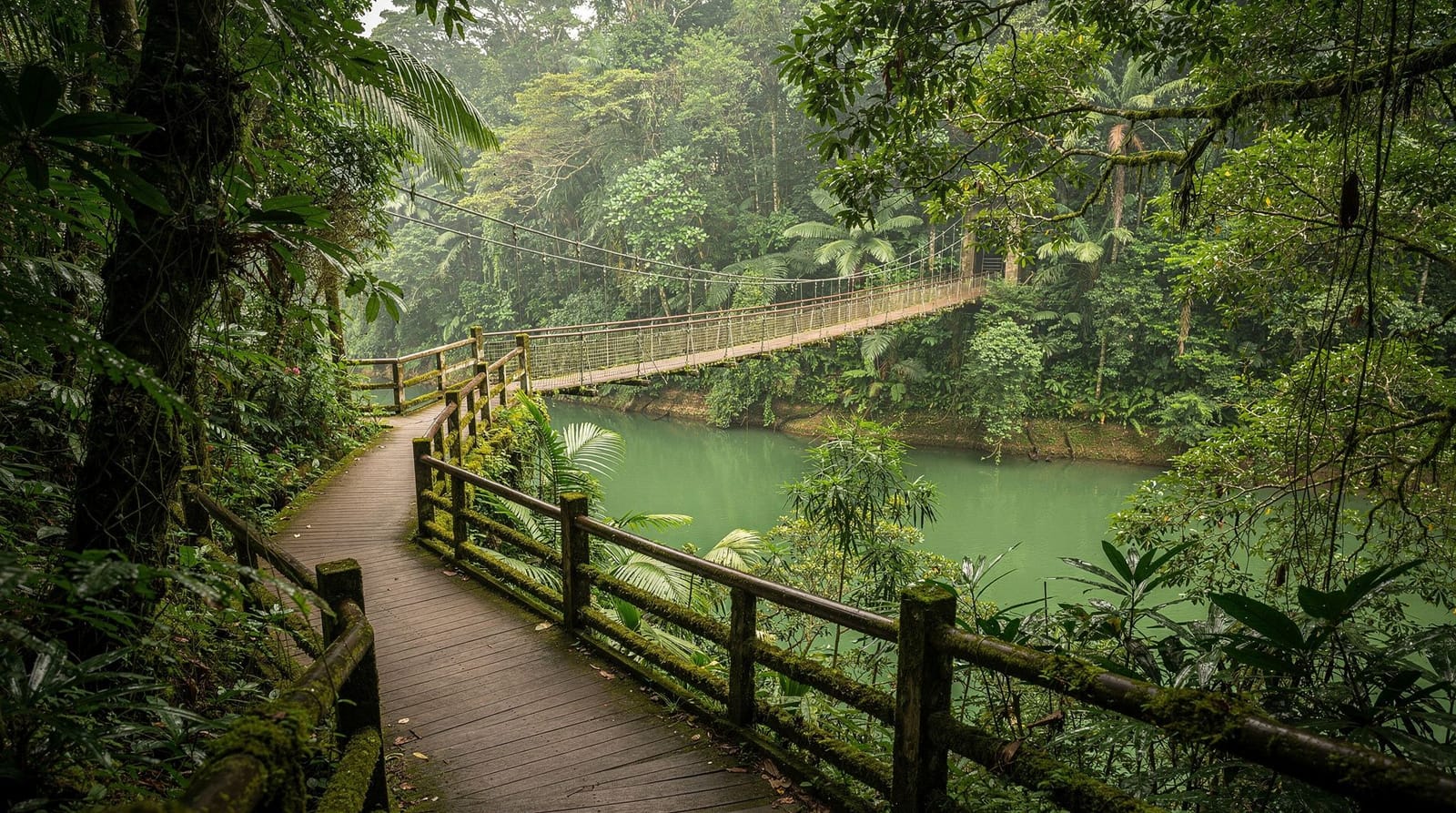
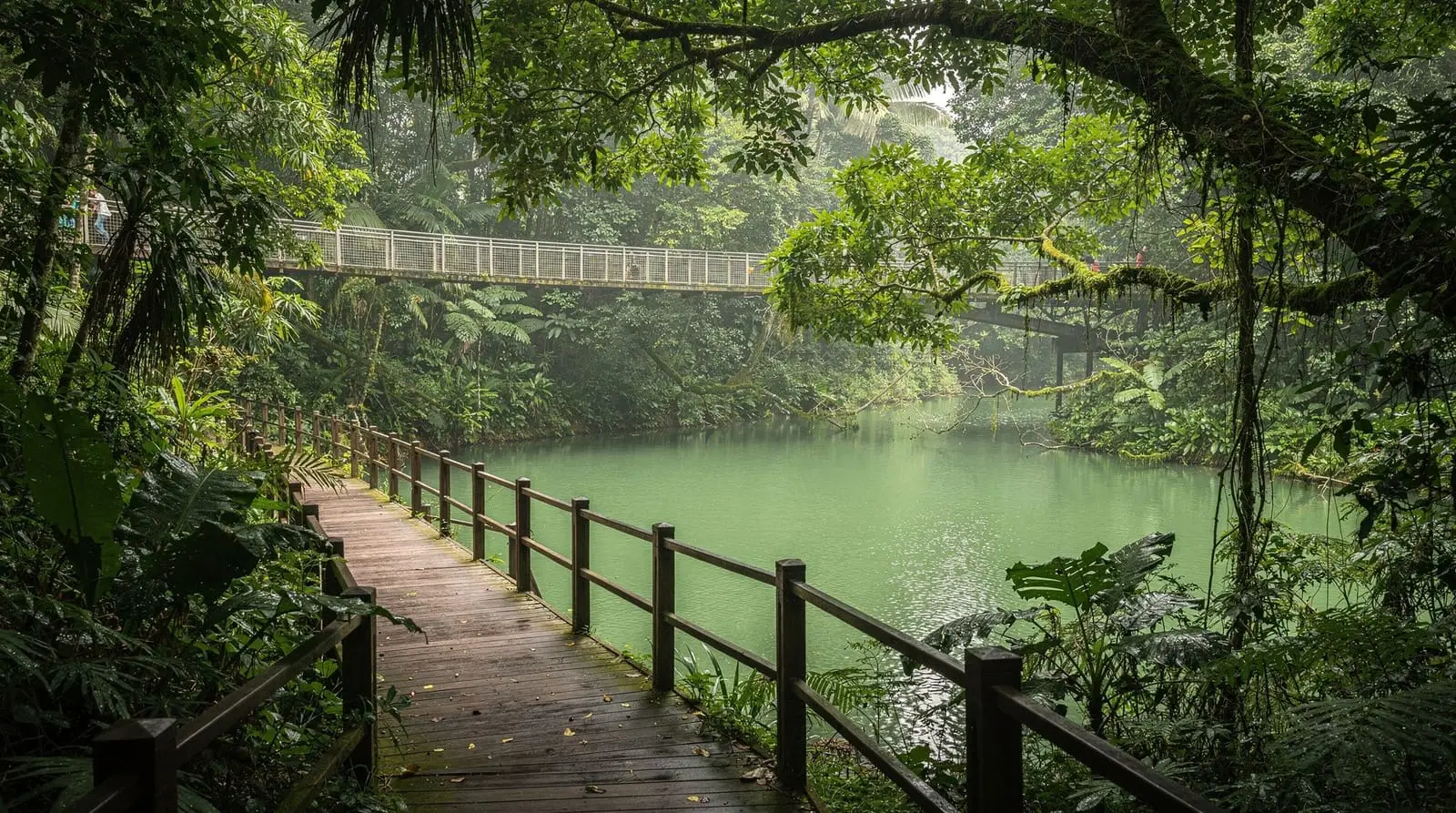
Sungei Buloh Wetland Reserve sits at the northern tip of Singapore, facing the Strait of Johor, and manages to feel genuinely remote despite being 30 minutes from the city centre. It is a 202-hectare patchwork of mangrove, mudflat, freshwater pond, and secondary rainforest — a Ramsar Convention wetland of international importance, and the kind of place that earns that designation because something real happens here ecologically.
For visitors, the draw is straightforward: crocodiles you can watch from a boardwalk, migratory shorebirds in season, and a quality of silence unusual in Singapore. This is not a groomed botanic garden or a wildlife park with tickets and gift shops — it is a working nature reserve, and behaves like one.
| Where | Kranji, northwest Singapore |
| Cost | Free |
| Time needed | 90 min (Main Trail) to a half-day with Migratory Bird Trail |
| Getting there | Kranji MRT + weekend Bus 925, or Kranji MRT + Grab (~SGD 10–12) on weekdays |
| Best time | Opening (07h30) or late afternoon; low tide for shorebirds |
What Sungei Buloh actually is
The reserve was gazetted as a protected nature area in 1993 and received Ramsar designation in 2003, making it Singapore’s first (and so far only) Ramsar site. The Ramsar Convention identifies wetlands of international importance for waterbirds — Sungei Buloh qualifies because it sits on the East Asian-Australasian Flyway, one of the world’s major bird migration routes. Each year, shorebirds that breed in Siberia, northern China, and Alaska stop here on their way south to Australia and New Zealand.
The reserve was extended in 2015 to include the Kranji Marshes section to the east, adding freshwater wetland habitat to the original coastal mangrove. This extended reserve now contains three distinct habitat types that attract different species.
The Estuarine Crocodile situation
The most dramatic wildlife encounter at Sungei Buloh is the Estuarine Crocodile — the largest reptile in Asia and genuinely dangerous at full size (males up to 5 metres, females 3–4 metres). Sungei Buloh’s population is small but permanent; sightings are common, and the reserve staff can usually advise on current locations.
The standard encounter is from the main boardwalk or the tidal pool viewing areas: a crocodile resting on a mudflat, often motionless, sometimes partially submerged, sometimes in open water. They are not enclosed or managed — these are wild crocodiles. Stay on designated paths and boardwalks. Do not swim anywhere in or near the reserve. Crocodiles occasionally wander into Kranji Reservoir and the surrounding waterways; the reserve has permanent warning signage throughout.
For children, the crocodile sightings are almost invariably the highlight of the visit. The combination of a large, visible, genuinely wild predator and the safety of a boardwalk vantage point is well-calibrated.
The trail system
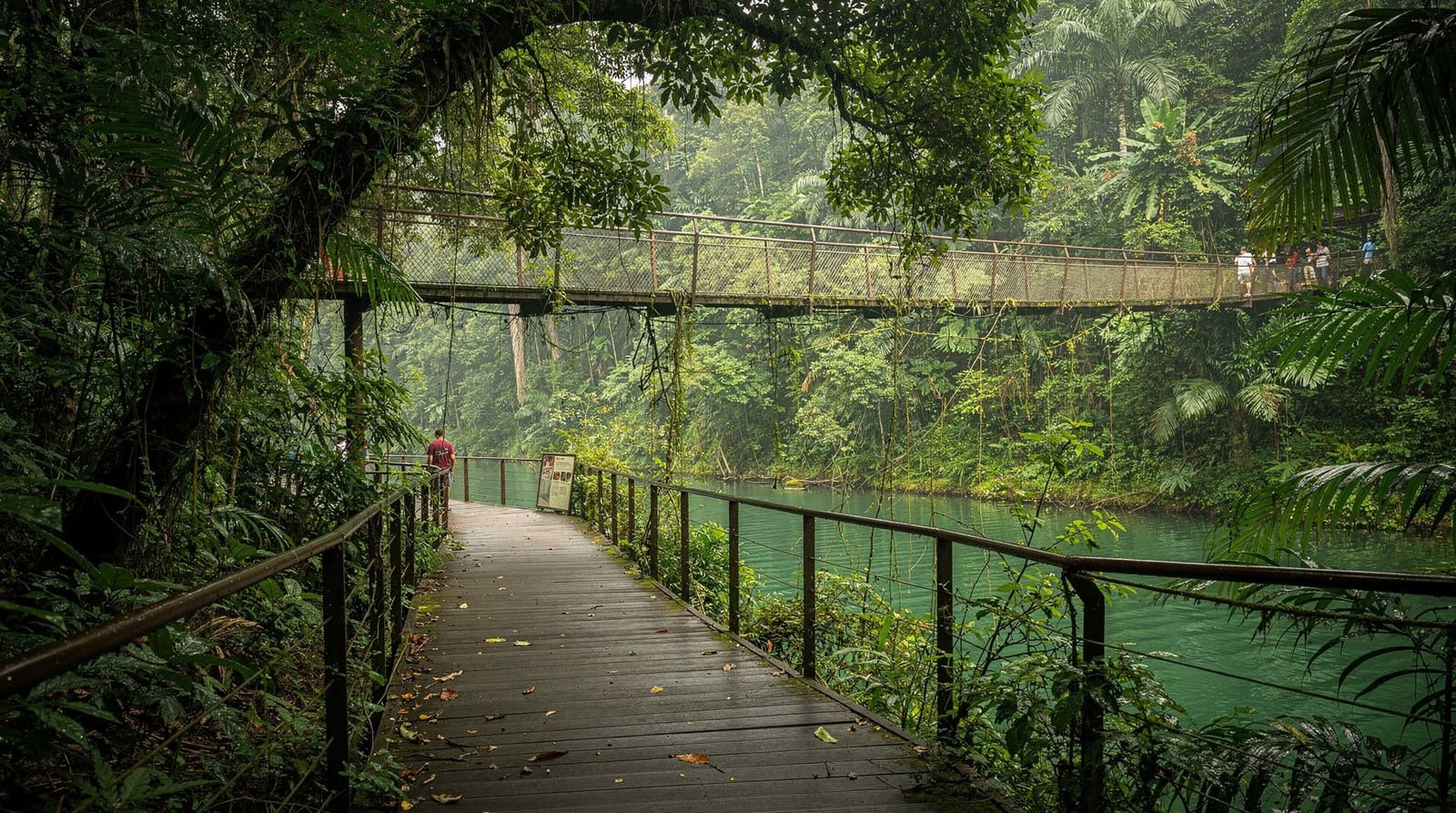
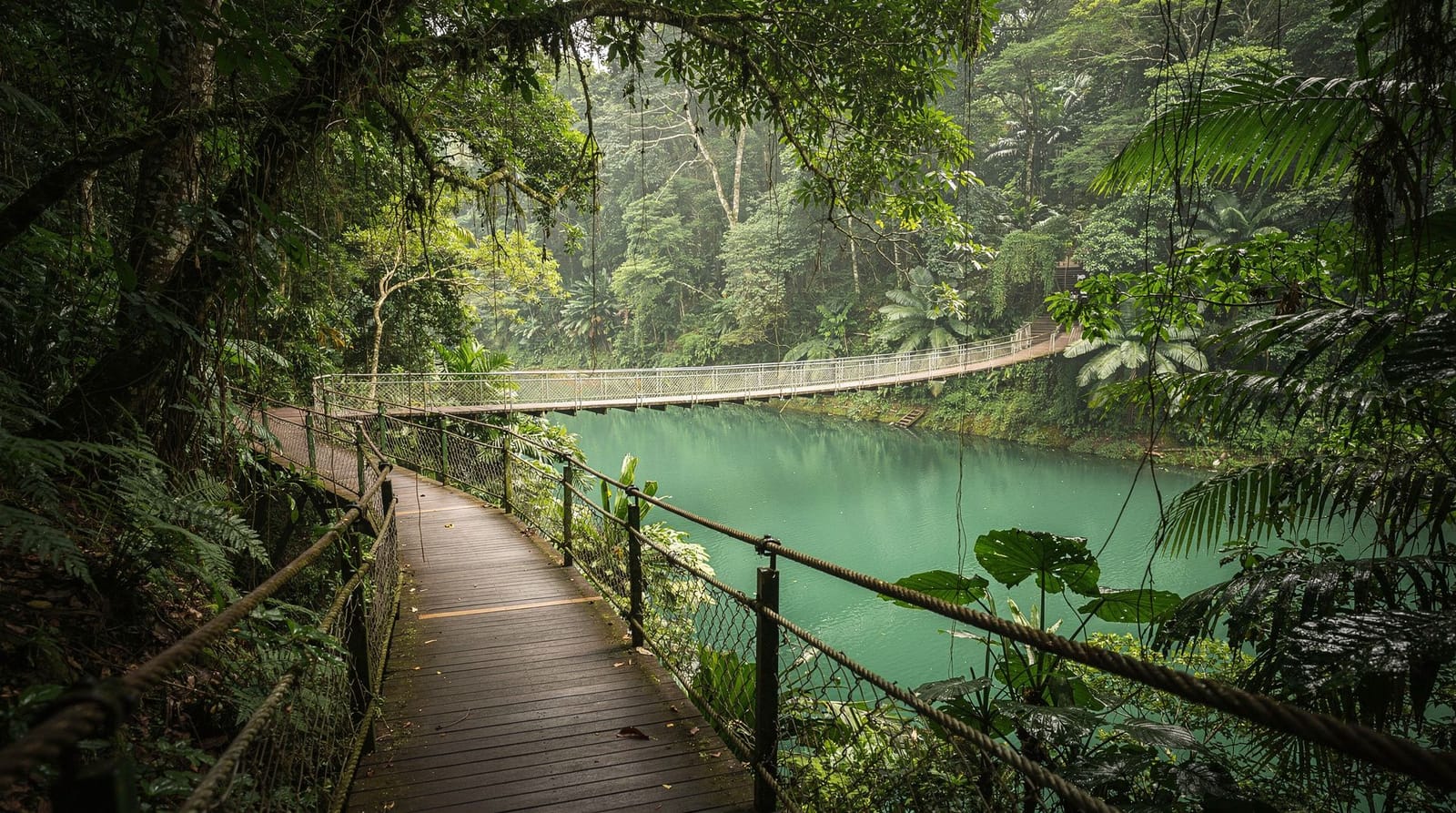
Main Trail Loop: The primary circuit of approximately 3 km takes 90–120 minutes at a leisurely pace with stops. It begins at the Visitor Centre, crosses the main tidal pool area via the Migratory Bird Platform (a covered elevated observation structure), continues along the coastal boardwalk with mangrove views into the Strait of Johor, and returns through secondary forest. This is the trail for crocodile sightings, kingfisher spotting, and general mangrove immersion.
Migratory Bird Trail: An extension running north along the coastal mangrove. Best during migration season (September–April). The exposed mudflats at low tide concentrate shorebirds into viewable distances. Adds 30–40 minutes to the Main Trail Loop.
Aerie Trail and Kranji Marshes extension: The newer section added in 2015 covers freshwater marsh habitat and requires a walk from the main reserve. Less visited, more specialist — worth it for birders who want to add freshwater species (Cotton Pygmy-goose, Purple Swamphen, Spotted Fantail Warbler) to their list. Can be reached on foot from the main reserve or by Grab to the Kranji Marshes entrance separately.
Trails are flat throughout. The boardwalk sections are well-maintained. The forest sections are basic compacted earth paths. After heavy rain, the earth sections can be muddy; wear covered shoes rather than sandals.
Birds: the seasonal guide
Year-round residents: Purple Heron, Striated Heron, Little Egret, Collared Kingfisher, White-throated Kingfisher, Common Sandpiper (year-round resident population separate from migrants), Oriental Pied Hornbill, Changeable Hawk-Eagle, Black-shouldered Kite, Brahminy Kite, and White-bellied Sea Eagle. Monitor Lizards (technically not birds but always sighted).
Peak migration season (September–April): Common Redshank, Marsh Sandpiper, Pacific Golden Plover, Whimbrel, Little Stint, Curlew Sandpiper, Black-tailed Godwit, Greater Painted-Snipe. Numbers depend on tidal conditions — visit within two hours of low tide for the highest concentration of feeding shorebirds.
October/November specialties: Brown Hawk-Owl, Short-eared Owl (occasional), raptor migration overhead (Grey-faced Buzzard, Japanese Sparrowhawk).
Honest caveat: Wildlife sightings are never guaranteed. On a slow day you will see crocodiles and common herons reliably; on a good migration day you can see 40+ species. Check the Singapore Birds Group eBird page or the NParks Sungei Buloh species list before your visit to understand what has been sighted recently.
Getting there and back
The weekend bus (Bus 925 from Kranji MRT) is the only public transport option and only runs on weekends and public holidays. On weekdays, Kranji MRT + Grab is the practical option at roughly SGD 10–12 each way. Most visitors coming specifically for a nature day do so on weekends.
If you are going on a weekday, factor in the taxi cost for both legs. From central Singapore (Orchard, Marina Bay) a direct Grab is SGD 20–30 depending on time of day. Parking is available at the reserve entrance if you have a car or rental.
The getting around Singapore guide covers MRT navigation and the EZ-Link card system.
What to bring
Essential: insect repellent (mosquitoes are present throughout the reserve, especially in the mangrove sections), sunscreen, a hat, and at least 1 litre of water per person. Refilling facilities are limited once you leave the entrance area.
For birdwatching: binoculars dramatically improve the experience — shorebirds on mudflats are typically 30–60 metres away. A 8x42 or 10x42 model is sufficient. The reserve’s covered hides bring you closer.
For photography: a telephoto lens of 300mm or more is useful for bird photography; for crocodiles, a standard 70–200mm is adequate because they are closer. Morning light (07h30–10h00) gives warmer tones; the overhead midday light is flat and harsh.
The reserve has a Visitor Centre near the entrance with displays on the ecology and current migration status. Rangers are present and usually happy to advise on recent sightings.
Practical details
Opening hours: 07h30–19h00 daily (last entry 18h30) Entry fee: Free Visitor Centre café: Light refreshments available at the main entrance area; do not rely on food facilities within the reserve — bring your own. Toilets: Available at the entrance and at one point on the main loop.
The reserve closes on the first Monday of each month for maintenance.
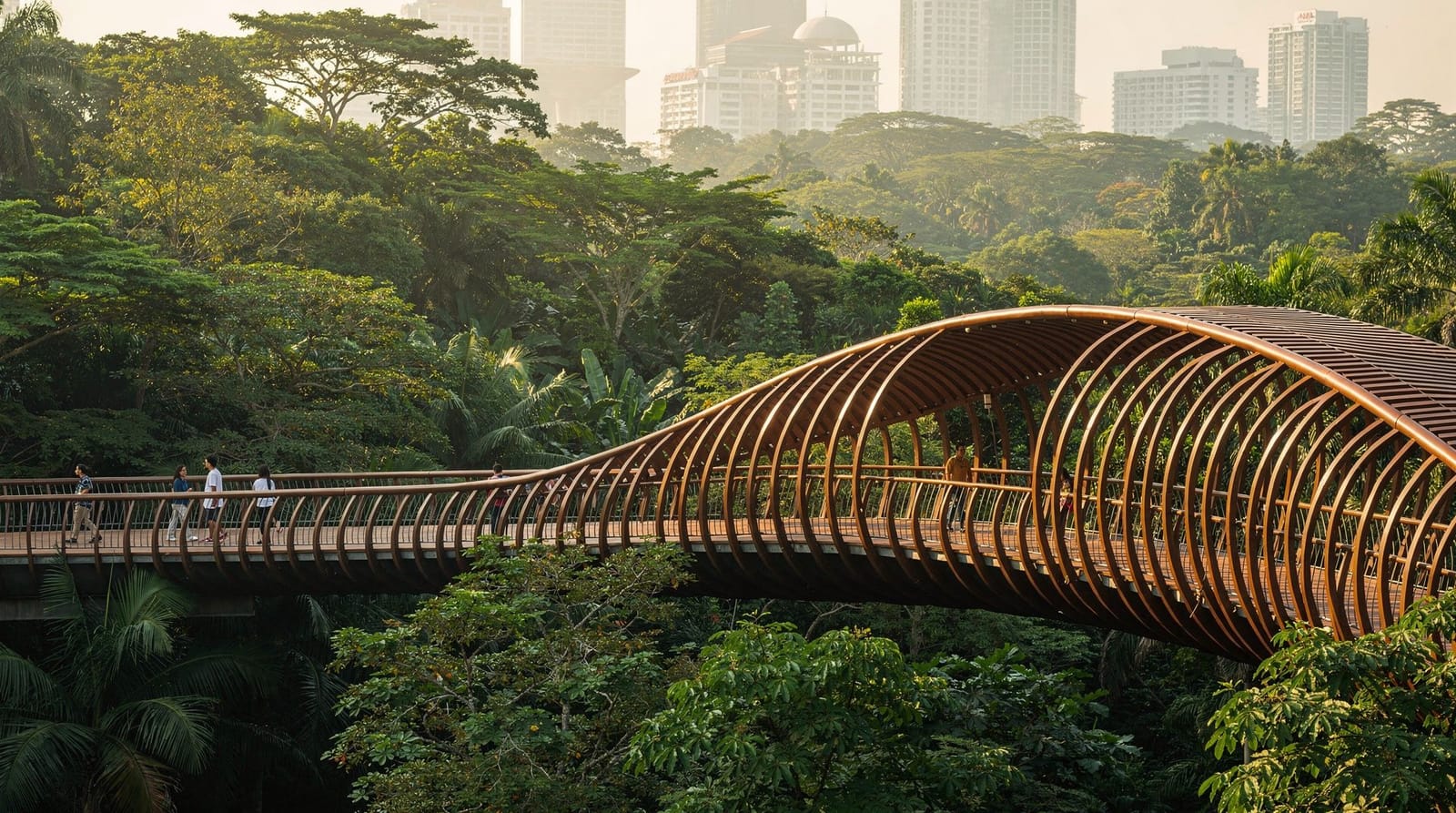
For a broader view of Singapore’s nature options, the MacRitchie Treetop Walk guide and the Bukit Timah hike guide cover the city’s primary forest reserves, which offer a different habitat type to Sungei Buloh’s wetland.
How Sungei Buloh compares to Singapore’s other nature reserves
Singapore has several very different nature destinations, and visitors often ask which to prioritise if they only have time for one or two. The honest comparison:
| Reserve | Habitat | Signature wildlife | Time needed |
|---|---|---|---|
| Sungei Buloh | Coastal mangrove & wetland | Estuarine Crocodiles, migratory shorebirds | 90 min–half day |
| Bukit Timah | Primary rainforest, hill | Long-tailed macaques, hornbills | 2–3 hrs |
| MacRitchie | Secondary forest, reservoir | Monitor lizards, treetop walk views | 2–4 hrs |
| Coney Island | Coastal scrub, mangrove edge | Wild boar, birdlife | 2–3 hrs cycling |
| Pulau Ubin | Kampong island, mangrove | Hornbills, mudflat birds | Half–full day |
Sungei Buloh is the strongest single choice for anyone specifically interested in birdwatching or crocodiles; Bukit Timah and MacRitchie suit visitors wanting genuine rainforest and elevation change; Pulau Ubin suits those wanting an island-village atmosphere alongside nature.
Tide timing: why it matters more than the clock
Unlike most Singapore attractions, Sungei Buloh’s best moments are tide-dependent rather than purely time-of-day dependent. At low tide, the exposed mudflats concentrate feeding shorebirds into visible, close range; at high tide, many birds disperse and the mudflats disappear underwater entirely. Checking a tide table for Singapore’s northwest coast (widely available online) before your visit and aiming to arrive within two hours either side of low tide will noticeably improve your birdwatching results, particularly during the September–April migration season. This is a level of planning most visitors skip, and it is the single biggest lever for a better visit.
What to pack and wear
Beyond the essentials listed above, closed shoes with grip are worth the small extra effort — the boardwalk can be slippery after rain, and the earth-path sections turn genuinely muddy. A lightweight long-sleeve shirt helps with both sun and mosquitoes in the mangrove sections. See the general what to pack for Singapore guide for the rest of your packing list, and the Singapore weather month-by-month guide if you are trying to time a visit around the wetter months.
Combining with Kranji and the northwest
Sungei Buloh sits in the northwest corner of Singapore near the Malaysia-Singapore Causeway. Kranji War Memorial — a Commonwealth war cemetery of genuine emotional weight — is 5 minutes by Grab from Kranji MRT and makes a natural pairing for visitors with an afternoon. Mandai Wildlife Reserve (Zoo, Night Safari, River Wonders, Bird Paradise) is about 15 minutes by Grab and can be combined into a full northwest Singapore nature day.
Singapore: Mandai Wildlife Reserve multi-park ticket (5-in-1)The Jurong Lake Gardens guide covers the western nature area, which is easier to reach from the city centre but less wild in character than Sungei Buloh.
Singapore: Botanic Gardens & Tiong Bahru walking tour with breakfastFitting the reserve into a wider trip
Sungei Buloh works best as a deliberate, slower day rather than a box to tick between attractions. If you are still building your overall plan, the things to do in Singapore guide and the top attractions guide show where a nature morning sits against the big-name sights. First-timers who want the reserve without losing the highlights can lean on the Singapore for first-timers guide and the first-timer itinerary, then swap in this half-day where it suits.
Because entry is free, the reserve pairs well with a budget-minded trip. The free things to do in Singapore guide and the Singapore on a budget guide cover how to build the rest of the days around it. Families will find the crocodile boardwalk a gentler introduction to wildlife than a ticketed park; the Singapore with kids guide and the family itinerary help you decide how much walking little legs can manage in a day.
If you would rather see animals in a managed setting, the Singapore Zoo guide and the Bird Paradise guide are the closer-to-the-city alternatives, and the Mandai destination page explains how that area fits together. For a different kind of green escape with an island feel, see the Pulau Ubin destination page. Weather matters more here than at an indoor attraction, so read the Singapore in the rain guide before choosing your day.
Pacing your visit
Go slowly. The reserve rewards stillness: stop at the hides, let your eyes adjust to the mudflats, and give a quiet spot a few minutes before moving on. Many of the best sightings happen when a group has already walked past. Keep voices low, avoid sudden movements near the water’s edge, and resist the urge to rush to the next marker. If you arrive early, you will often have long stretches of boardwalk almost to yourself, which makes both the wildlife and the silence far easier to appreciate.
Frequently asked questions about Sungei Buloh Wetland Reserve
Do you need to book in advance for Sungei Buloh?
No booking required. Entry is free and open to all visitors during opening hours. Weekend bus access means the reserve can be busier at weekends, but it is large enough that crowding is rarely a problem — the trails disperse visitors naturally.
Are there guided tours of Sungei Buloh?
NParks runs occasional free guided walks; check the NParks events website for schedules. Private birding guides can be hired for more specialist birdwatching tours — these are typically arranged through Singapore birding groups or specialist nature tour operators rather than through mainstream tour platforms.
Can I visit Sungei Buloh without binoculars?
Yes, and you will still see crocodiles, Monitor Lizards, herons, and kingfishers clearly. Binoculars significantly improve shorebird identification but are not essential for a general nature visit. If you are serious about seeing migratory species, borrow or rent binoculars before going.
Is Sungei Buloh good for a family with a stroller?
The main boardwalk and paved sections of the Main Trail are stroller-accessible. The earth path sections after rain are less practical with a stroller. The overall terrain is flat. A carrier for young children gives more flexibility on the less-paved sections.
What is the difference between Sungei Buloh and the Kranji Marshes?
Sungei Buloh is the original coastal mangrove reserve. The Kranji Marshes is the freshwater extension added in 2015, adjacent but reached by a separate entrance. They form one connected reserve but attract partially different species — Sungei Buloh for shorebirds and mangrove species, Kranji Marshes for freshwater wetland birds. A full visit to both takes a full morning.
Is Sungei Buloh suitable during the wet season?
The reserve is open year-round and rain does not close it. Wet season visits (November–January) can mean muddy earth paths and fewer shorebirds than in the September–October migration peak. Mangrove and crocodile sightings are year-round. Bring waterproof footwear or closed shoes in the wet months.
Top experiences
Bookable activities with verified prices and instant confirmation on GetYourGuide.

Singapore: Gardens by the Bay admission e-ticket

Singapore: Gardens by the Bay Floral Fantasy

Singapore: Botanic Gardens & Tiong Bahru walking tour with breakfast

Singapore: guided walking tour of Chinatown & Botanic Garden

Singapore: Pulau Ubin glow LED night kayak tour