24 hours in Singapore: the honest version of a tight itinerary
Twenty-four hours in Singapore is enough to understand why people come back. It is not enough to understand the city — that takes longer, requires eating at more hawker centres, and demands wandering through residential neighbourhoods without an agenda. But a single day, planned with some precision and executed without dawdling, produces a genuine experience rather than a thumbnail impression.
Here is the honest 24-hour plan — the one that accounts for heat, jet lag, MRT logic, and the reality of what’s worth skipping when time is the constraint.
| Best for | First-timers, long layovers, tight schedules |
| Total cost | Around SGD 60–90 per person (food, MRT, one paid attraction) |
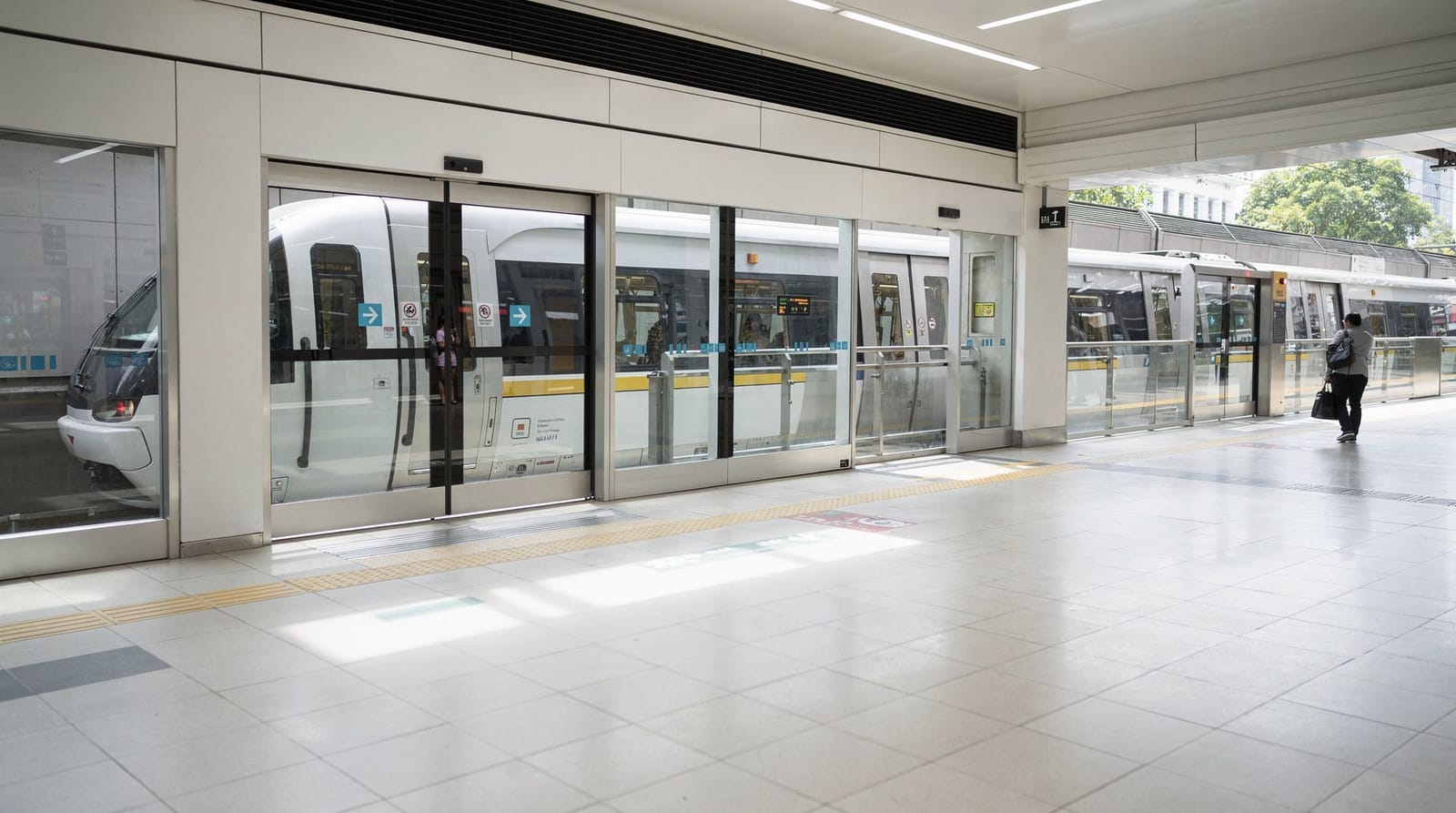
| Getting around | MRT plus walking, with the odd Grab when the heat wins |
| Pace | Fast, with a mandatory rest block from 1:30–3:30pm |
| Skip this plan if | You have two or more days — see the longer itineraries instead |
7:00am — kaya toast and soft-boiled eggs somewhere not a hotel
Before anything else: breakfast. Singapore breakfast, not the hotel buffet. The kaya toast and soft-boiled eggs that constitute the classic Singapore morning are available at most kopitiams (coffee shops) and are cheap, fast, and specific to this place in a way the hotel buffet is not.
Ya Kun Kaya Toast has multiple locations including one at the basement of the Chinatown Point mall and in the MRT interchange buildings — reliable, efficient, and about SGD 5–7 for the full set (toast, two soft-boiled eggs, a cup of kopi). Tong Ah Eating House on Keong Saik Road in the Chinatown area is a more characterful option if you have time to sit. The eggs come in a small bowl, slightly warm, seasoned with soy sauce and white pepper — they are a specific texture that takes a moment to calibrate to if you’ve never had them before. Dip the toast in the egg. This is correct.
8:30am — Chinatown on foot
From breakfast in or near Chinatown, walk. The Chinatown area in the morning — before the temperature reaches its peak and before the tourist crowds arrive — is best understood at walking pace. South Bridge Road, Ann Siang Hill, Club Street, Tanjong Pagar Road.
The Buddha Tooth Relic Temple on South Bridge Road opens at 7am and is free. The interior, with its gold-heavy main hall and the reliquary chamber on the upper floor, is worth 20 minutes. Arrive before 9:30am to have it mostly to yourself.
Walk across to the Pinnacle@Duxton if you want a view without the marina bay premium: the skybridge on the 50th floor of this public housing complex is open to visitors for SGD 6. The view from here across the CBD and toward the bay is excellent.
10:30am — MRT to Marina Bay
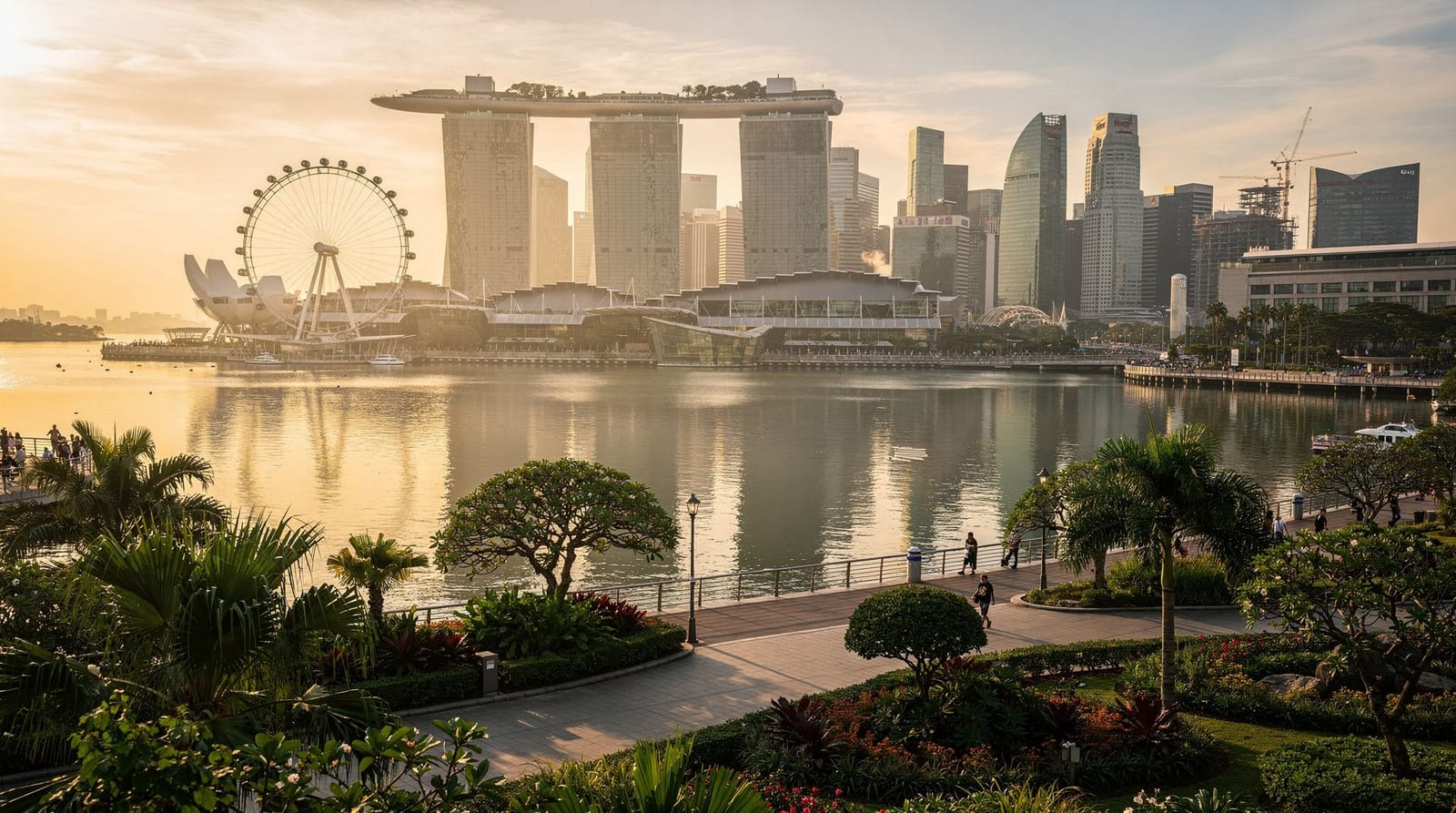
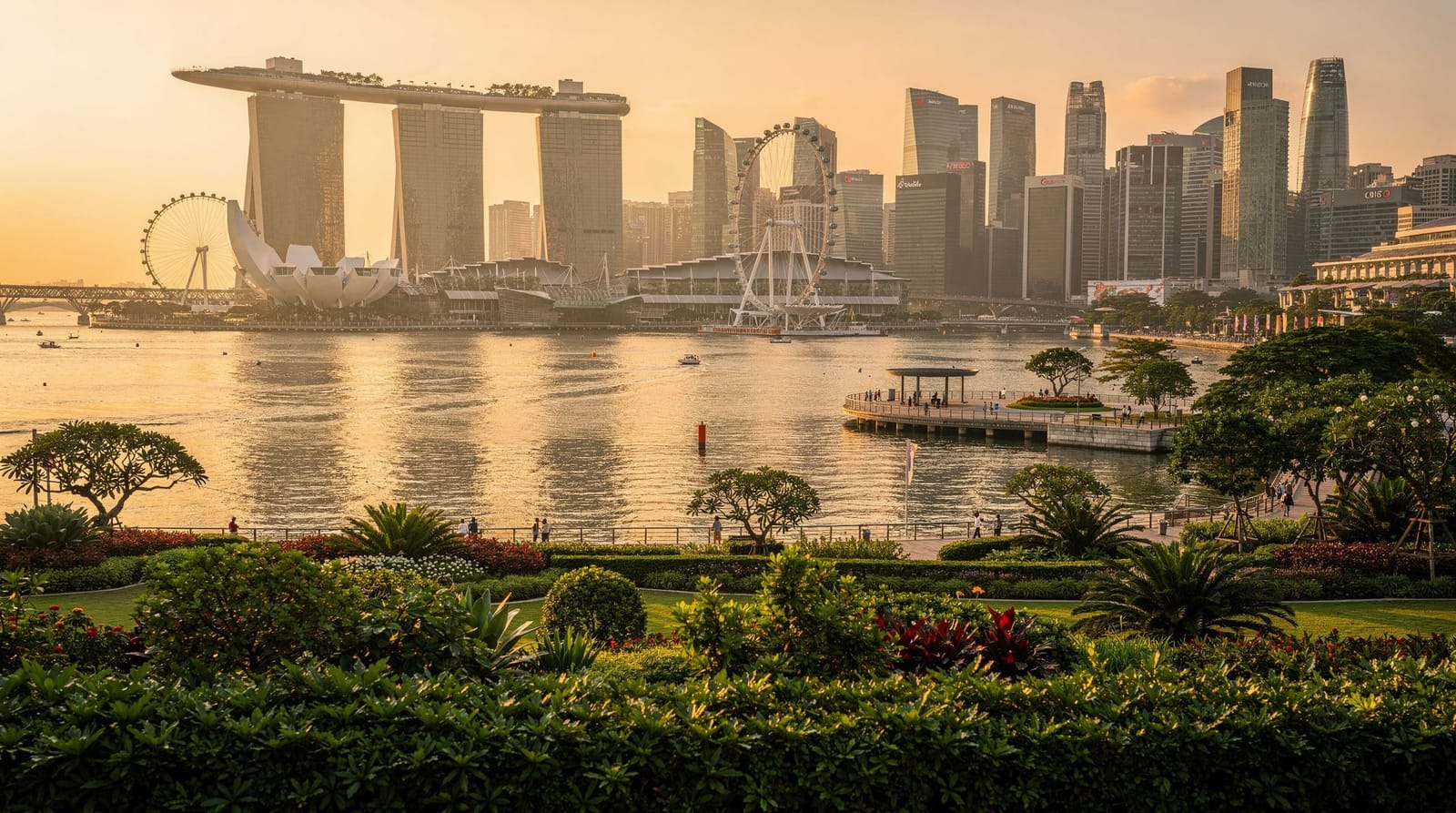
Walk or take the MRT (Tanjong Pagar to Bayfront is two stops). Arrive at Marina Bay Sands around 10:30am. There is a decision to make here: pay SGD 27 for the SkyPark observation deck, or spend the time at ground level.
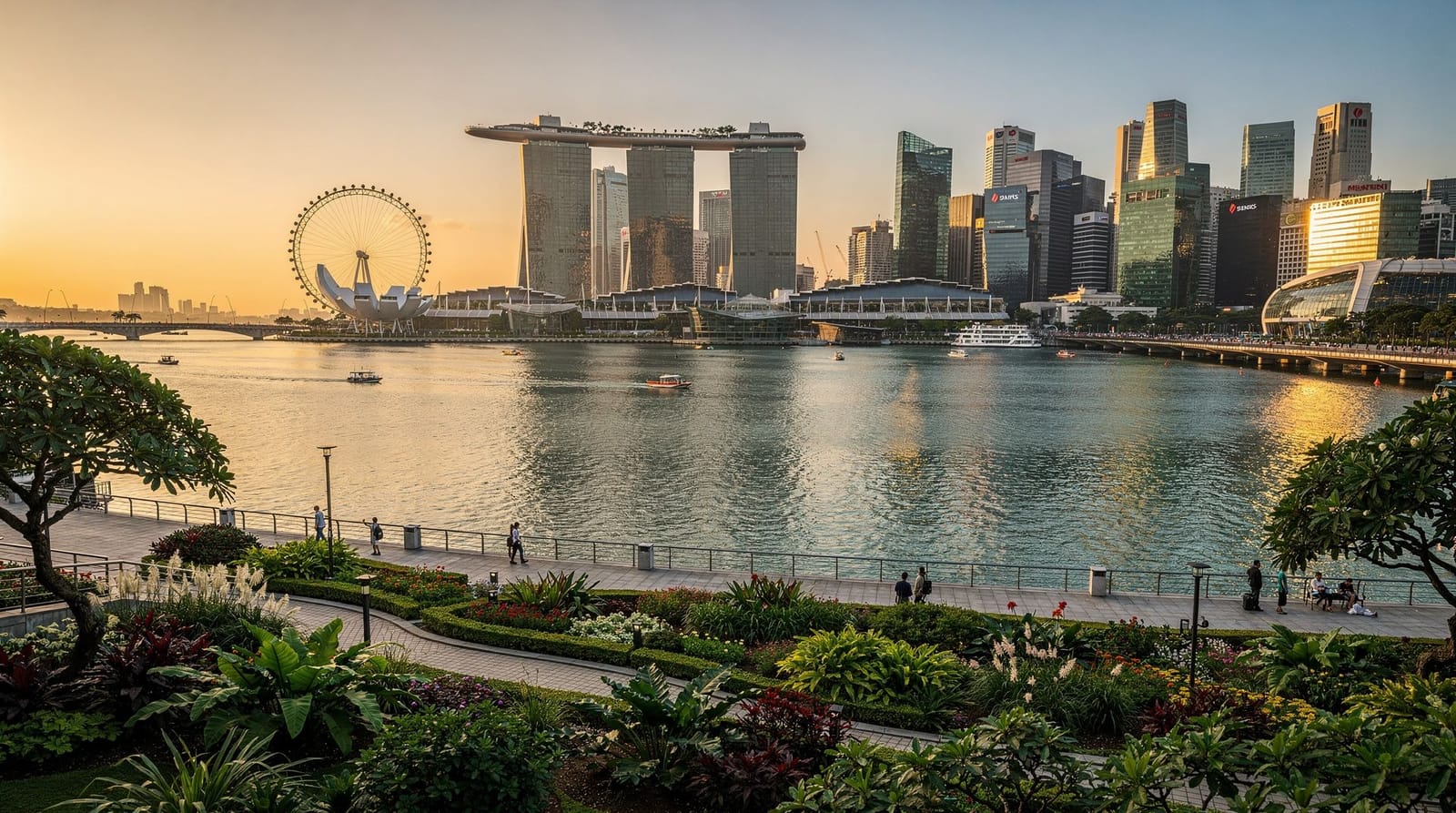
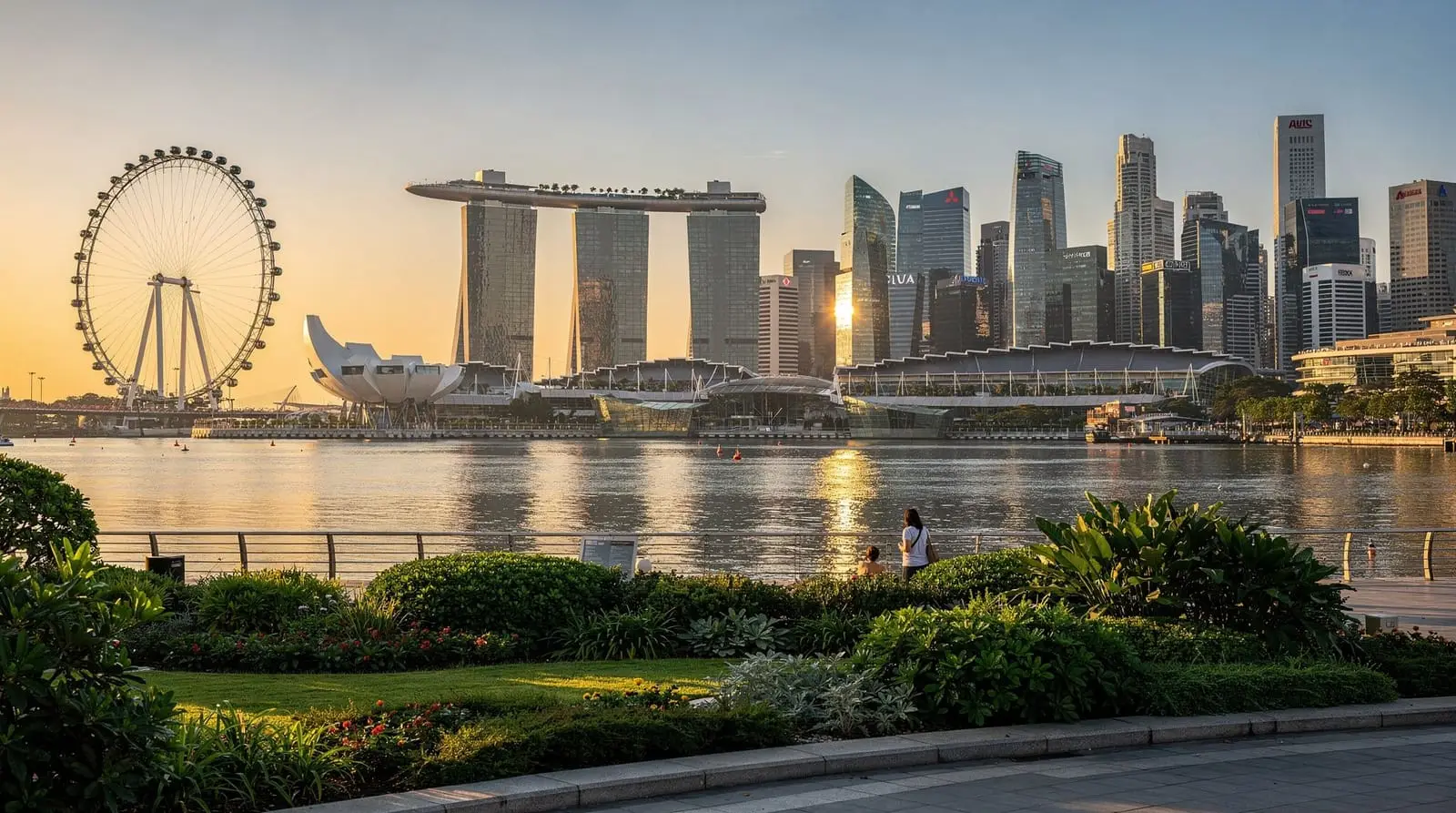
For a 24-hour visit, I’d skip the observation deck unless views are specifically your priority. The ground-level circuit around Marina Bay — the Helix Bridge, the ArtScience Museum waterfront, Merlion Park across the bridge — takes about an hour and gives you the skyline from the outside looking in, which is a different and arguably more dramatic framing than looking out from the top.
Singapore: Marina Bay Sands observation deck e-ticketThe ArtScience Museum is worth entering if the current exhibition interests you (ticket prices vary, SGD 15–25 for special exhibitions; the teamLab: Future World permanent experience is SGD 19). The building is architecturally distinctive and the exhibitions are well-curated. If the tide of the day means you need a cooled indoor hour, this is a good one.
The 40-minute Singapore River cruise gives you the Marina Bay and Clarke Quay waterfront from the water — a perspective that’s genuinely different from the promenade walk and covers more water distance than you’d comfortably walk in the heat.12:30pm — Hawker lunch at Lau Pa Sat
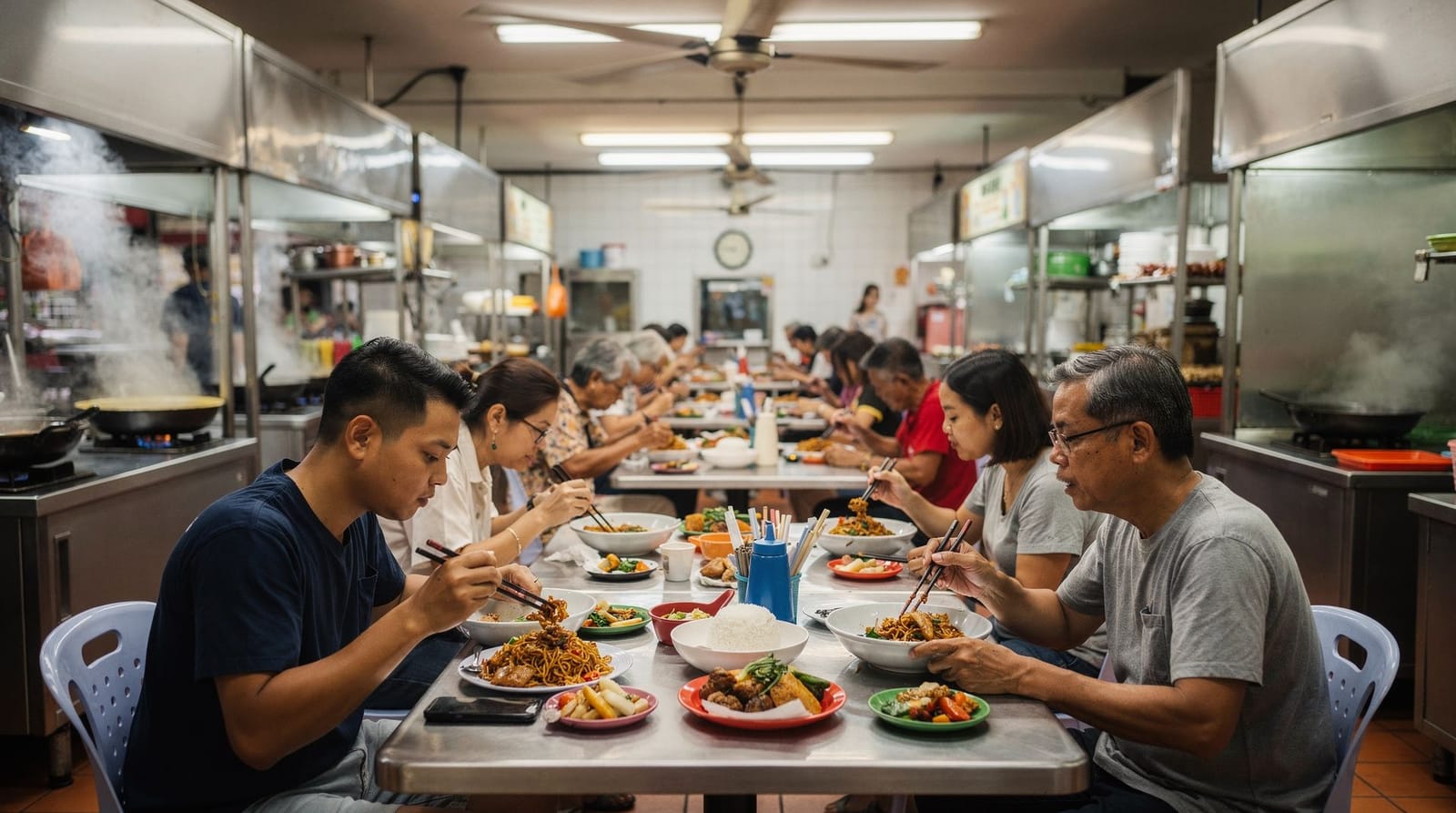
Walk or Grab to Lau Pa Sat (Telok Ayer Market), approximately 10 minutes from Marina Bay. Lunch here is the right format for a 24-hour visit: fast, varied, air-conditioned enough to recover from the morning heat, and architecturally memorable. The Victorian-era cast-iron octagonal market building is one of the more handsome spaces in Singapore.
Order: whatever is visually compelling, priced at SGD 8–15, and has a queue. The queue is your most reliable quality indicator at any hawker centre. Budget SGD 15–20 for a full lunch with a drink.
From 1:30pm to 3:30pm: rest. This is not optional on a 24-hour Singapore schedule if you want to be functional at 7pm. The heat between 1pm and 3pm is the most taxing of the day. Hotel pool if available, or a café with strong air conditioning and a working phone charger. The getting around guide lists covered MRT-connected malls if you need to be in motion.
4:00pm — Gardens by the Bay
Take the MRT to Bayfront. The Gardens by the Bay outdoor areas — the Supertree Grove, the Dragonfly and Kingfisher Lakes, the OCBC Skyway walkway at treetop level — are free to walk. The late afternoon light at 4–5pm is better than midday for the Supertrees, and the temperature is beginning to ease.
If you want to go inside the conservatories (Cloud Forest and Flower Dome), the combined ticket is SGD 46 for adults (Cloud Forest alone SGD 26, Flower Dome alone SGD 12) and takes approximately 90 minutes to do properly. The Cloud Forest’s 35-metre indoor mountain with a waterfall is one of the more spectacular single constructed spaces in Singapore. If you have it in your 24-hour budget, it’s worth it.
Singapore: Gardens by the Bay bundle entry ticketThe Garden Rhapsody sound and light show at the Supertrees runs at 7:45pm and 8:45pm and is free. This is a strong reason to still be in the Gardens at that hour.
7:00pm — Satay and the evening economy
From Gardens by the Bay, the Lau Pa Sat satay street (Boon Tat Street) is 15 minutes by Grab. From 7pm onward, the street outside Lau Pa Sat becomes a row of charcoal satay vendors — chicken, beef, mutton, prawn, SGD 0.80–1 per stick, minimum 10, with peanut sauce and compressed rice. This is the correct dinner for the evening section of a 24-hour Singapore visit: outdoor, communal, specific, cheap.
9:00pm — Chinatown or Clarke Quay for the night
Return to Chinatown for the evening walk — the heritage streets are lit and less crowded than during the day, the incense from the temples is still in the air, the coffee shops are open and serving kopi. Or take the MRT to Clarke Quay for the bar strip and the river views, which are doing their best work at this hour.
Either way: be in bed by 11pm if you’re catching a morning flight. The 24-hour plan is not designed for an all-night finish.
If your flight timing shifts the whole day
Not everyone lands at dawn. If you arrive mid-morning instead, compress: skip the 7am kaya toast slot and start directly with Chinatown on foot around 10am, push lunch at Lau Pa Sat to 1pm, and shorten the rest block to an hour in an air-conditioned café rather than the full two hours — you’ll have less heat exposure with a later start anyway. If you land the evening before and have a full calendar day, flip the order: do Gardens by the Bay and the Marina Bay night shows first, sleep properly, then spend the morning in Chinatown before an afternoon flight. The sequence in this guide assumes an early-morning arrival with a same-night or next-morning departure, which is the tightest and most common version of the 24-hour Singapore layover.
One more honest variant: travelling with a partner or friend who wants Little India or Kampong Glam instead of a second lap of Chinatown. Both are MRT-accessible detours that can swap in for the 8:30am Chinatown block without wrecking the schedule — Kampong Glam and Haji Lane works especially well as a morning walk before the heat builds, and it sits close enough to the Bugis MRT interchange to rejoin this itinerary at the Marina Bay stage without losing much time.
Making the day easier on yourself
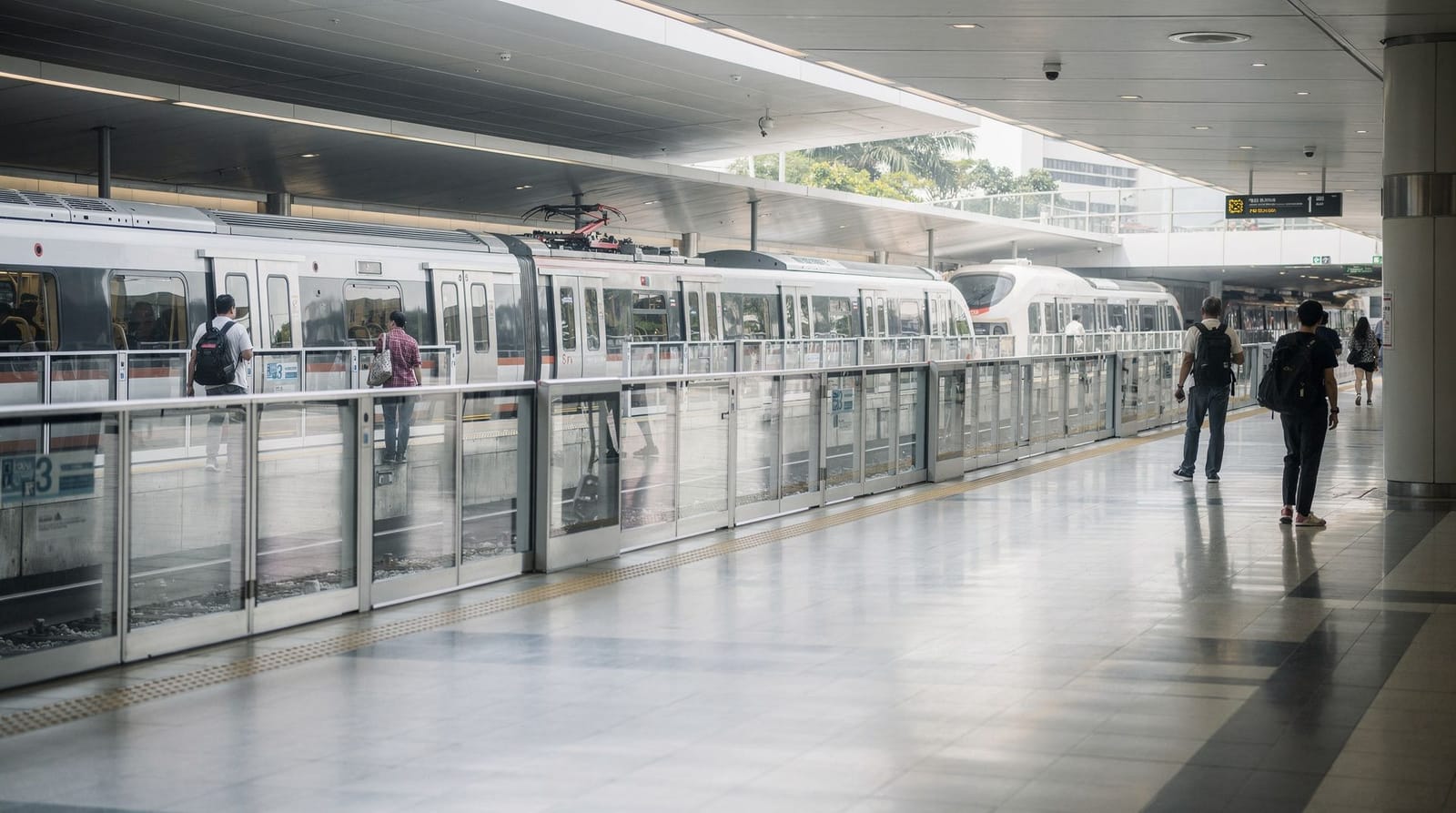
A tight day goes better when the small decisions are already made. Sort out how you will pay for transport before you leave the hotel: the MRT guide and the comparison of EZ-Link and SimplyGo explain the options, and the Grab and taxi guide covers the occasional ride when the heat wins. If you are coming straight from the airport, getting from Changi to the city is worth reading first, and the Changi layover guide helps if your 24 hours sit between two flights.
Food is the other place where a little preparation pays off. The best hawker centres list gives you alternatives if a queue at one stall looks hopeless, and hawker etiquette and chope explains how to claim a table without looking lost. If you want one more dish beyond breakfast, lunch and satay, the must-try dishes guide will help you choose rather than guess. Lunch details are in the Lau Pa Sat guide, and the kaya toast breakfast guide goes deeper on the morning ritual.
When the plan needs a weather or energy adjustment
Singapore weather changes quickly, and a sudden downpour does not have to end the day. The Singapore in the rain guide and the rainy-day itinerary show how to swap outdoor stops for indoor ones, and the what to pack guide covers light layers and the practical items worth carrying. Jet lag can also flatten the afternoon, which is why the rest block matters so much.
If you finish the day wanting more, the Marina Bay guide and the Gardens by the Bay guide go further into the places this plan only samples. For the evening, Singapore at night and the Clarke Quay nightlife guide give you ideas, while the Singapore first-timers guide and the Singapore 1-day itinerary are good next reads when you are still planning.
The day at a glance
| Time | Stop | Duration |
|---|---|---|
| 7:00am | Kaya toast breakfast | 45 min |
| 8:30am | Chinatown walk + Buddha Tooth Relic Temple | 2 hrs |
| 10:30am | Marina Bay + ArtScience Museum | 2 hrs |
| 12:30pm | Lau Pa Sat hawker lunch | 1 hr |
| 1:30pm | Rest block (mandatory) | 2 hrs |
| 4:00pm | Gardens by the Bay + Garden Rhapsody | 4–5 hrs |
| 9:00pm | Chinatown or Clarke Quay evening | 2 hrs |
What this schedule actually delivers
You will have eaten properly at three meals, all at the hawker and street food tier. You will have seen the Chinatown shophouses, the Marina Bay skyline from the water and from ground level, the Gardens by the Bay including the light show, and the Lau Pa Sat satay experience. You will have used the MRT. You will have not gone to Sentosa, Universal Studios, the Night Safari, Orchard Road, or Little India — all of which are worthwhile but don’t fit in 24 hours without making everything superficial.
The one-day Singapore itinerary runs through the same logic with more detail on alternatives and variants. The must-see first time guide covers what to prioritise on a first visit at any length.
Twenty-four hours is a genuinely good amount of time in Singapore if you spend it with intention. It is also the amount of time that most reliably produces the desire to come back.
Frequently asked questions about 24 hours in Singapore
Is 24 hours enough to see Singapore properly? No, and this guide doesn’t pretend otherwise — 24 hours is enough for a genuine, well-paced sample of Chinatown, Marina Bay and Gardens by the Bay, not the whole city. Sentosa, the Night Safari, Orchard Road and Little India are left out on purpose. If you can stretch to two or three days, the 3-day Singapore itinerary covers far more ground without the rush.
Should I book anything in advance for a 24-hour visit? The Cloud Forest and Flower Dome conservatory ticket is worth pre-booking online to skip the queue, and the Singapore River cruise is easier to slot into a tight schedule with a fixed departure time reserved ahead. Everything else in this plan — hawker meals, the free Gardens outdoor areas, the MRT — needs no booking at all.
Top experiences
Bookable activities with verified prices and instant confirmation on GetYourGuide.

Singapore: Universal Studios Singapore entry ticket

Singapore: Gardens by the Bay bundle entry ticket

Singapore: Night Safari and tram ride ticket

Singapore: S.E.A. Aquarium entrance ticket

Singapore: Singapore River cruise

Singapore: Marina Bay Sands observation deck e-ticket

Singapore: Sentosa cable car Sky Pass roundtrip ticket