Hidden gems in Singapore: beyond the tourist trail
Tiong Bahru: stories & snacks in Singapore’s oldest estate
Duration: 2h
What are the hidden gems in Singapore that most tourists miss?
Coney Island (nature reserve with otters), Haw Par Villa (surreal Chinese mythology park, free), Labrador Nature Reserve and coastal walk, Old Airport Road Food Centre (best local hawker), Tiong Bahru estate in early morning, Geylang seafood at night, Katong Peranakan shophouses, and the Jalan Besar neighbourhood are consistently undervisited and rewarding.
Quick answer: Singapore’s best hidden gems: Coney Island nature reserve, Old Airport Road Food Centre, Haw Par Villa, Labrador coastal path, Tiong Bahru estate, Geylang food lorongs, Jalan Besar neighbourhood, and Changi Village. All are free or very cheap. None appear on most tourist itineraries.
| Where | Scattered across Singapore — Punggol, Labrador, Tiong Bahru, Geylang, Katong, Changi |
| Cost | Mostly free; guided add-ons around SGD 30–90 |
| Time needed | Half a day per area, or a dedicated “off-track” day for several |
| Getting there | MRT plus a short bus or walk for most; some need Grab or bicycle |
| Best time | Early morning (before 8 am) for markets and nature spots; evening for Geylang |
The well-worn path vs what locals actually do
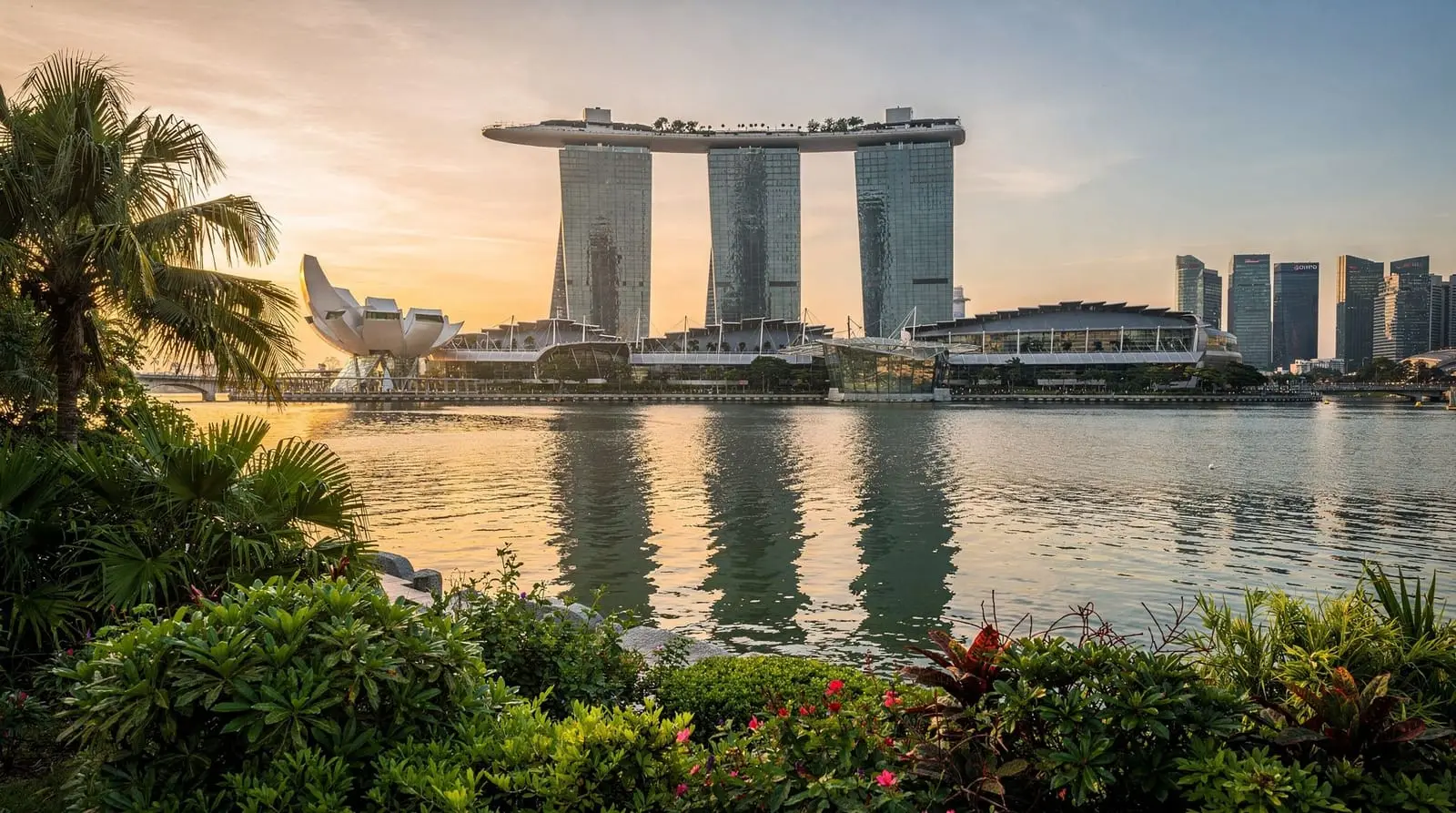
A standard tourist itinerary in Singapore covers Marina Bay, Gardens by the Bay, Sentosa, Chinatown, and Little India. These are worth visiting. But Singapore rewards staying longer and going elsewhere — the city is dense with quality experiences that are simply not on the tourist radar because they are too local, too suburban, or not photogenic enough for mass Instagram sharing.
This guide covers genuinely undervisited places. Not “hidden” in a PR sense (i.e., mildly less crowded versions of tourist attractions), but places where you are likely to be one of very few tourists present.
Nature and outdoors
Coney Island (Pulau Serangoon)
A 133-hectare nature reserve on an island accessible by a footbridge from Punggol Promenade on the northeast coast. No admission fee, no vehicles except ranger bikes, and a wildlife population that includes smooth-coated otters, monitor lizards, wild boar, woodpeckers, and kingfishers. The circular walking trail is about 5 km. An extreme contrast with the glass-and-steel Singapore 30 minutes away.
MRT: Punggol (NE17), then walk 20–30 minutes or hire a bicycle along Punggol Waterway. Best time: Early morning on weekdays. Otters are most active at dawn.
Labrador Nature Reserve and WWII gun batteries
A compact nature reserve on a headland in the southwest, with preserved coastal WWII gun emplacements and a cliff walk above the Strait of Singapore. The view over the shipping lanes — with dozens of container ships anchored at any given time — is unexpectedly dramatic. The Berlayer Creek boardwalk within the reserve is one of the quietest green spots in Singapore.
MRT: Labrador Park (CC27). Free.
Bukit Timah Nature Reserve
A 163-hectare primary rainforest in the middle of Singapore — one of the few places in the world where primary rainforest sits within a major city’s urban footprint. The summit trail reaches 163 metres (Singapore’s highest natural point). Long-tailed macaques, flying lemurs, and oriental hornbills. The main car park trail is well-worn; the northern loop trails are quieter.
Bus: 67, 75, 170, 173 from Buona Vista or Clementi MRT. Free.
MacRitchie Reservoir and Treetop Walk
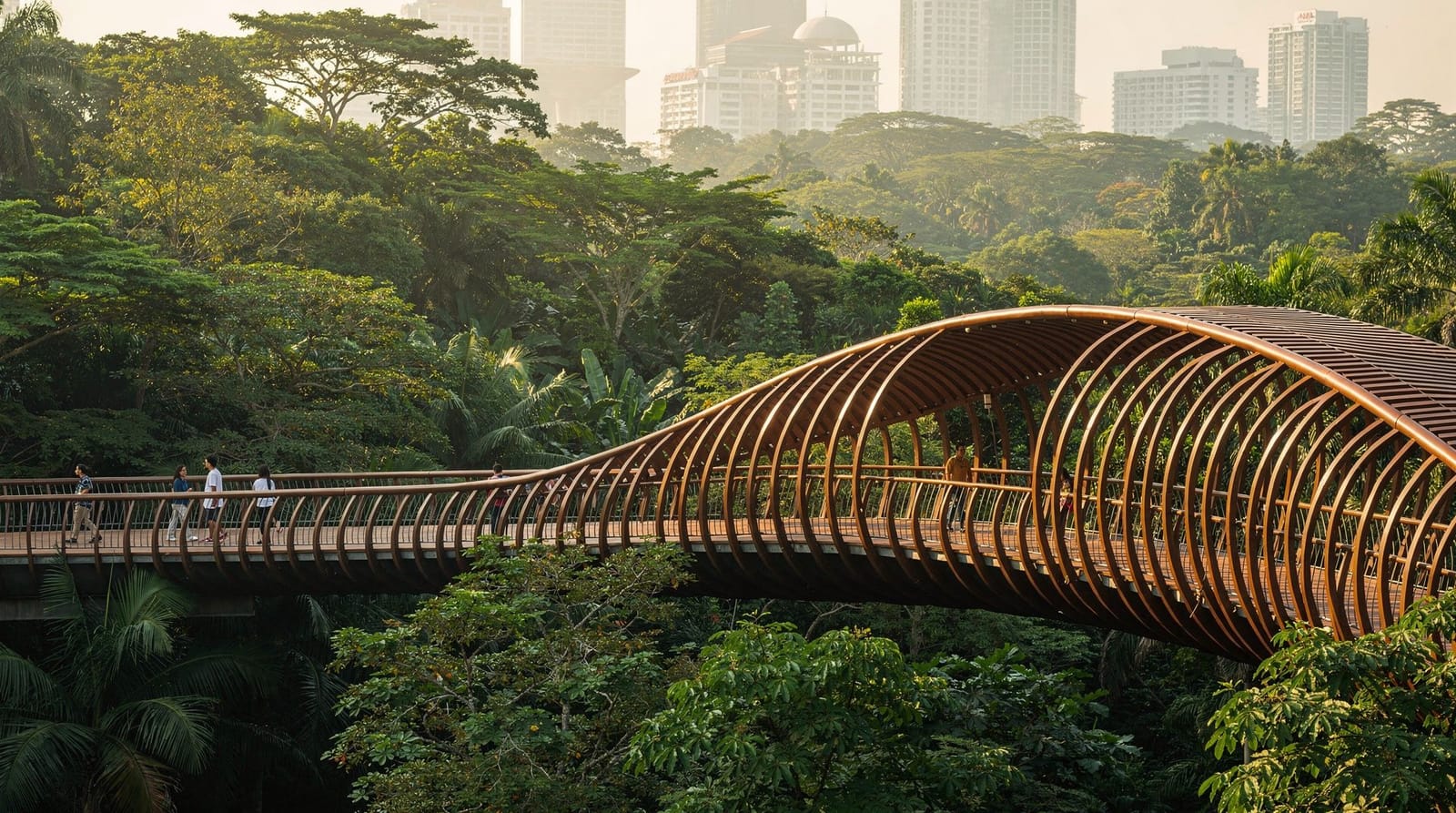
The 250-hectare Central Catchment Nature Reserve — four linked reservoirs with a 12 km circuit trail. The TreeTop Walk is a 250-metre suspension bridge 25 metres above the forest floor with views over the reservoir and forest canopy. The round trip to the bridge is about 11 km and takes 3.5–4.5 hours.
MRT: No direct access — take buses from Bishan or Marymount stations. Free. Guide: MacRitchie Treetop Walk.
Heritage neighbourhoods
Tiong Bahru — early morning
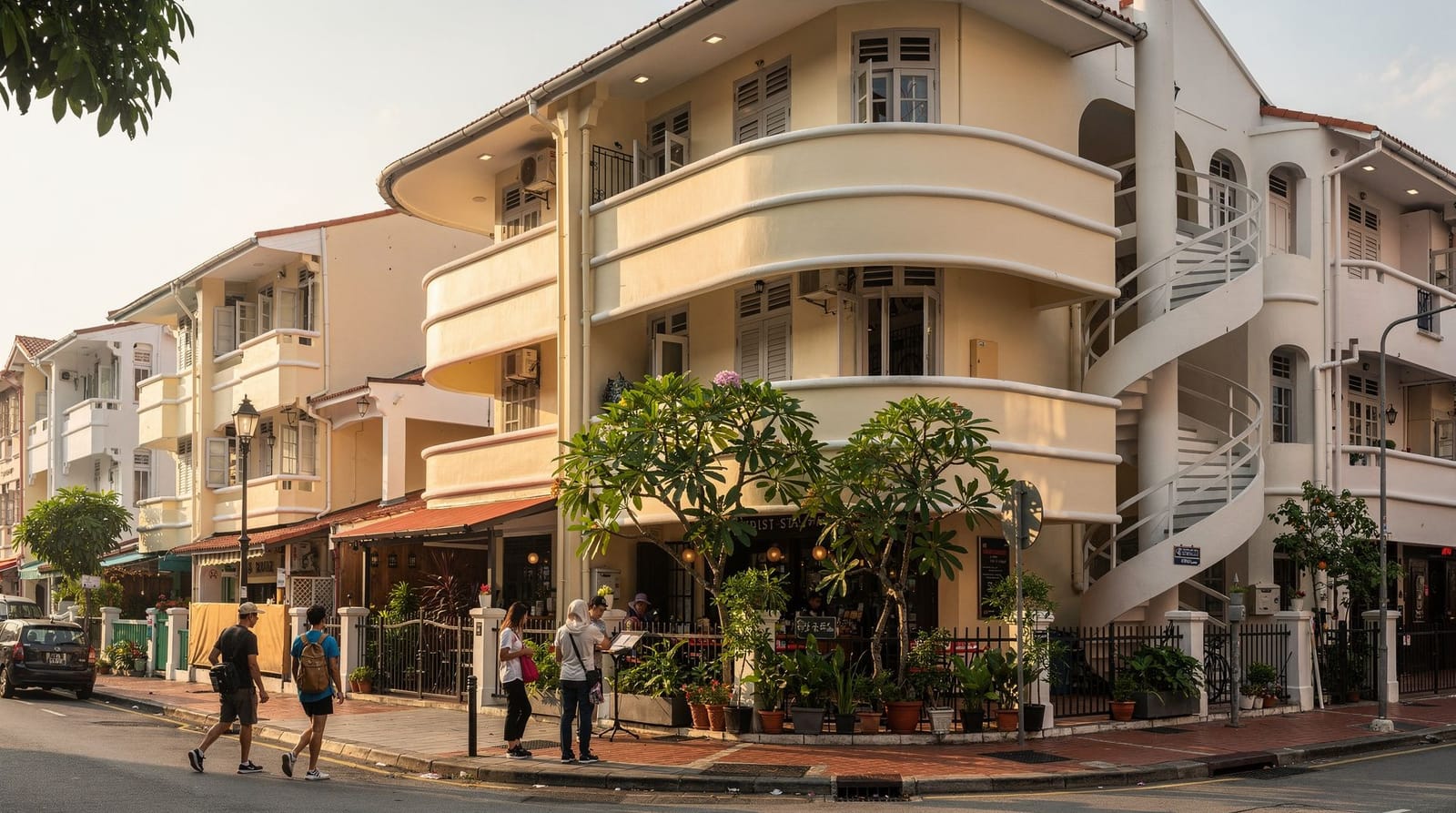
Singapore’s oldest surviving public housing estate has been discovered by Singapore’s café set, but early morning (before 8 am) it belongs to the residents. The wet market and hawker centre at Tiong Bahru Market opens at 6 am — the 50-year-old stalls serving local breakfast are the reason to come. After eating, walk the curved art deco blocks and round-windowed buildings of the residential streets. See what an area looks like before the weekend brunch crowd arrives.
MRT: Tiong Bahru (EW17). Guide: Tiong Bahru.
Tiong Bahru: stories & snacks in Singapore’s oldest estateThe tourist circuit here is about five sites wide, while four in five Singaporeans live in the HDB estates that none of it passes through: a private off-the-beaten-track tour goes into that other city, which is the one people actually inhabit.
Jalan Besar neighbourhood
Sandwiched between Little India and Bugis, Jalan Besar is one of Singapore’s most under-the-radar heritage neighbourhoods. The long main street has a mix of pre-war shophouses, independent hardware shops, and a cluster of excellent coffee shops and restaurants that have emerged in recent years. The Jalan Besar MRT station opened in 2015 and brought some gentrification but not yet tourist crowds.
The Jalan Besar wet market (corner of Bernam Street) is one of the better morning markets. The surrounding residential streets have pre-war houses in various states of conservation.
MRT: Jalan Besar (DT22).
Geylang — food and culture
Geylang’s reputation as Singapore’s red-light district (a function of outdated zoning for “vice establishments”) overshadows its actual appeal for visitors: it is where Singapore’s most adventurous eating happens. The numbered lorongs (alleys) off Geylang Road house durian stalls, 3 am frog porridge, live seafood restaurants, and some of the best Teochew braised food in the city.
Go for the food rather than the street scene. Best in the evening and late night when the restaurants are busiest. Guide: Durian in Singapore covers the Geylang durian stalls specifically.
MRT: Aljunied (EW9) or Kallang (EW10).
A practical note on Geylang’s layout: the numbered lorongs run roughly east to west off the main Geylang Road, and food quality doesn’t correlate neatly with the lorong number — some of the best seafood and frog porridge spots sit in the lower-numbered lanes closer to Kallang, while the higher-numbered lanes further from the MRT tend to have the more discussed durian stalls. Going with a small group or a guide the first time makes it easier to navigate which lorong has what, since street signage doesn’t do the food scene justice.
Katong and Joo Chiat
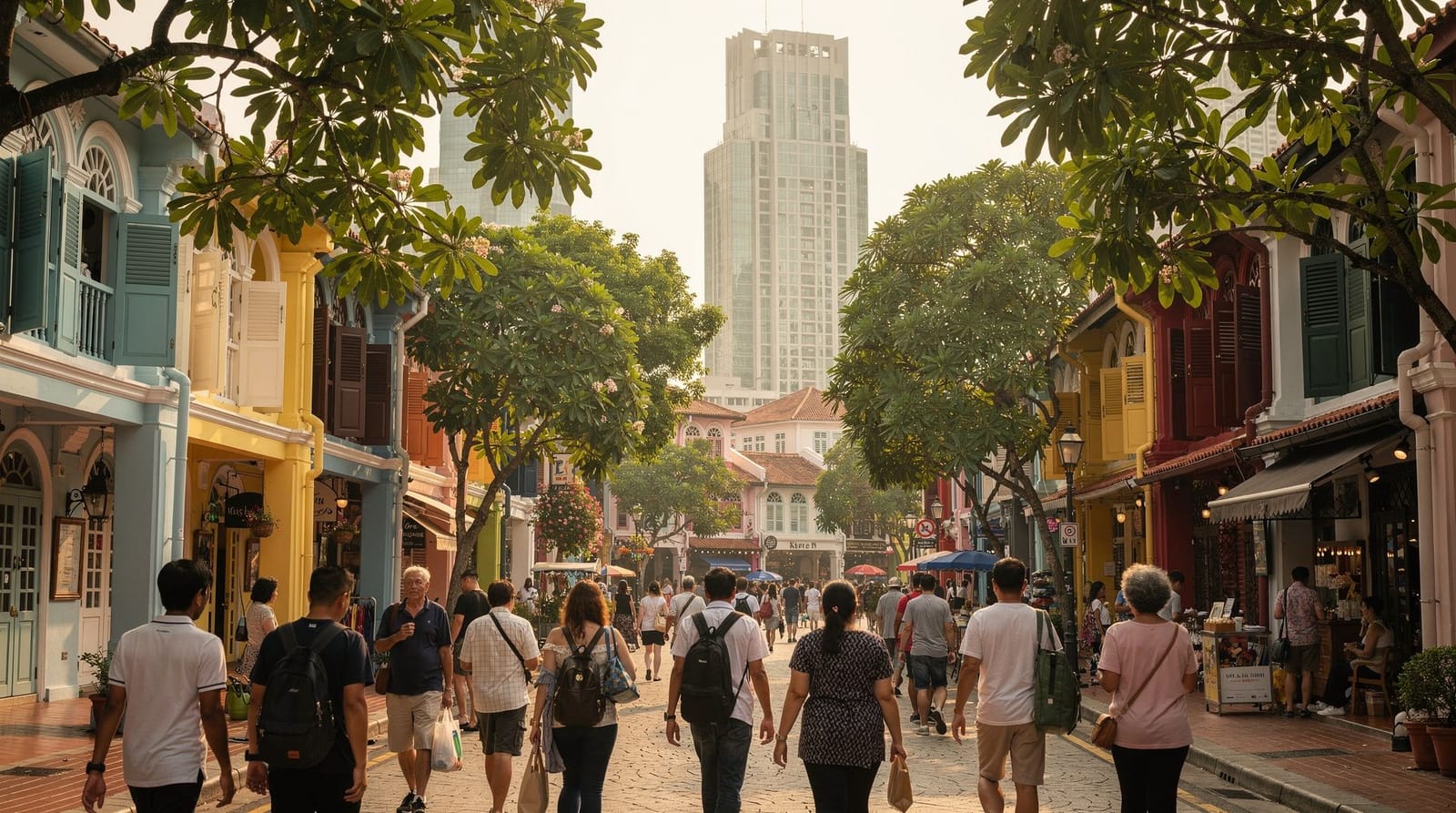
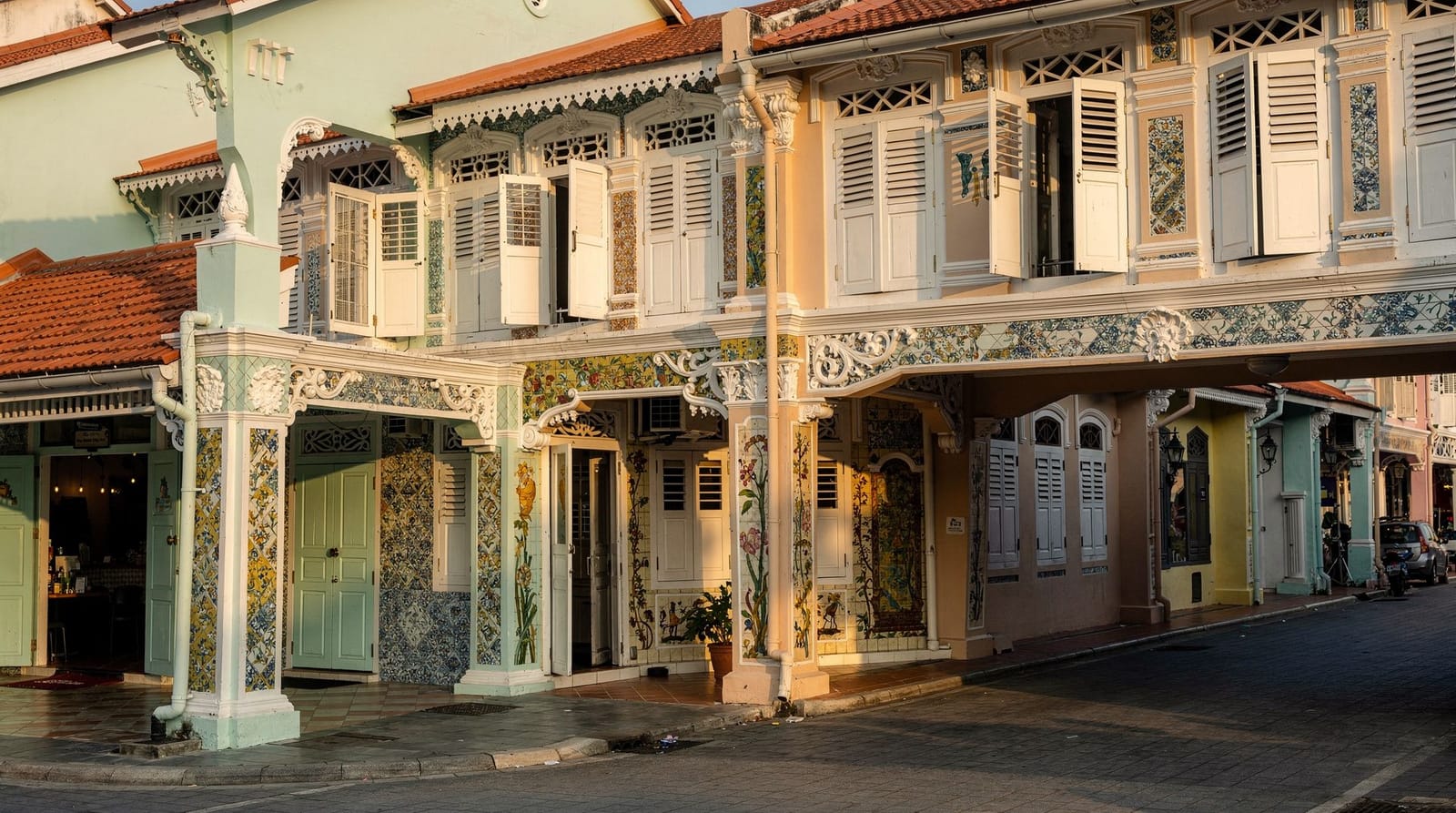
Slightly better known than Geylang but still significantly undervisited by tourists who do not look past Marina Bay. The Peranakan heritage is tangible here — the shophouses on Koon Seng Road are the most colourful in Singapore, East Coast Road has laksa that has been served at 328 Katong Laksa for decades, and Joo Chiat Road’s independent shops and restaurants serve mostly local clientele.
MRT: Paya Lebar (EW8/CC9) then bus/walk 10–15 minutes. Guide: Katong and Joo Chiat.
Singapore: Peranakan culture tourChangi Village
In the far northeast, beyond the airport — a low-rise village with an excellent hawker centre (Changi Village Hawker Centre), the bumboat terminal for Pulau Ubin, and Changi Beach Park. The beach itself is one of the most relaxed in Singapore, facing calm waters toward Malaysia. The area feels genuinely removed from the city.
Bus: 2, 29 from Tanah Merah MRT. No direct MRT.
Unusual paid attractions
Haw Par Villa
One of the most surreal attractions in Southeast Asia — a free-admission (from 2021) theme park built in 1937 by the founders of Tiger Balm, featuring grotesque dioramas depicting scenes from Chinese mythology and folk tales, including the famous “Ten Courts of Hell” which shows punishments for various sins in graphic ceramic sculpture. Absolutely nothing like anything else in Singapore.
Renovated and expanded in recent years, with a new heritage museum added. Takes 1.5–2 hours.
MRT: Haw Par Villa (CC25). Free to enter. Guide includes visits from the southern ridges route.
The Battlebox — Fort Canning
The underground command bunker where the British Army’s Malaya Command operated during the Japanese invasion in 1942 and where the decision to surrender Singapore was made on 15 February 1942. A guided tour takes you through the reconstructed operations rooms with life-size models and authentic equipment. Genuinely atmospheric.
Cost: SGD 25 adult (guided tour, must be booked in advance). MRT: Dhoby Ghaut (CC1/NE6/NS24).
Sungei Buloh Wetland Reserve
A 130-hectare wetland reserve in the northwest Singapore — mangroves, mudflats, and one of the best birdwatching sites in the city. Migratory shorebirds arrive between August and March. Resident wildlife includes saltwater crocodiles (really), estuarine crocodiles, otters, and dozens of bird species. One of Singapore’s least-visited proper nature sites.
MRT: Kranji (NS7), then bus 925 or Grab. Free. Guide: Sungei Buloh Wetland Reserve.
Local food discoveries
Old Airport Road Food Centre
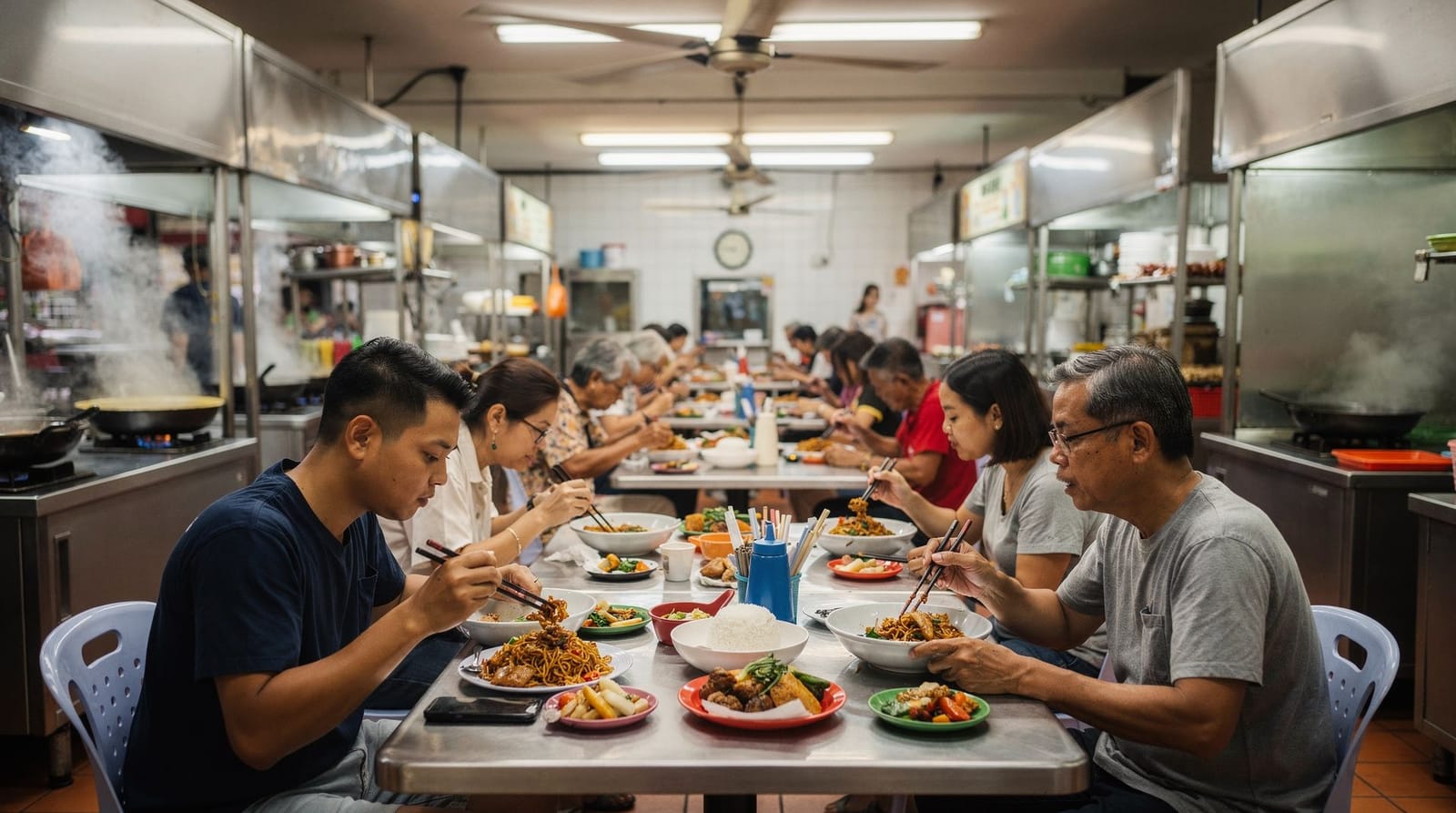
Singapore’s largest hawker centre by stall count, located in the Geylang area on Old Airport Road (the site of Singapore’s original airport). Primarily serves local working-class clientele, with some stalls that have been in operation for 40–50 years. Less aesthetically polished than Maxwell or Lau Pa Sat — plastic tables, fluorescent lighting, the smell of decades of cooking absorbed into the ceiling.
The food is exceptional. Especially: fried Hokkien prawn noodles at Nam Sing (stall 01-32, queue expected), char kway teow at Zhao An Gruel (evenings), and lor mee at various stalls.
MRT: Dakota (CC8), 5-minute walk.
Tekka Centre — Little India
The wet market portion of Tekka Centre at the north end of Little India is one of the few traditional wet markets left in Singapore’s central area. The ground floor sells fresh fish, meat, spices, and vegetables, primarily to the Indian and Malay community. The hawker centre above opens from 7 am.
Completely different character from the tourist-facing Maxwell or Lau Pa Sat — this is where people shop for their home cooking. Guide: Little India Singapore.
Geylang Serai Market
The large public market in the Malay heartland of Geylang Serai. The permanent wet market runs year-round, but the Ramadan bazaar (held in the month before Hari Raya) transforms the whole area into a massive outdoor food and craft market running nightly for a month. Some of the best Malay and Indonesian food in Singapore appears here during Ramadan.
MRT: Paya Lebar (EW8/CC9), 10-minute walk.
The cycling secret: park connectors
Singapore has an extensive Park Connector Network (PCN) — over 300 km of walking and cycling paths connecting parks, nature reserves, and residential areas. Mostly invisible to tourists but used by thousands of Singaporeans daily. Cycling the PCN from, say, East Coast Park to Marina Bay (route possible via Bedok Connector and Kallang Riverside Park) gives a completely different view of the city from anyone on the tourist circuit.
Bicycle rental is available at East Coast Park (SGD 5–15/hour). The Kallang River connector passes through older residential HDB estates that are as far from the Orchard Road experience as you can get while still being in the city.
Building a hidden-gems day
Trying to string several of these together in one day works best if you group by geography rather than chasing every entry on this list. A workable east-side day: early morning at Tiong Bahru Market for breakfast, mid-morning at Haw Par Villa (a short ride away), lunch at Old Airport Road Food Centre, afternoon at East Coast Park by bicycle, evening at Geylang for dinner. A north-side day works well around Coney Island and Sungei Buloh, both nature-focused, paired with a Punggol Waterway cycle and a stop at Geylang Serai Market on the way back. Trying to combine a north-side nature day with a south-side heritage walk in the same day usually means too much transit time and not enough time actually at each place — pick one geographic cluster per day for a more relaxed pace.
Why these places stay under the radar
Most of what’s on this list isn’t hidden by accident — it’s simply not designed for tourism. Old Airport Road Food Centre, the Geylang lorongs, and the HDB heartland estates exist to serve residents, not visitors, so there’s no signage in multiple languages, no curated Instagram spot, and often no English menu translation. That’s part of the appeal but also means a little more effort is required: bring a translation app, be prepared to point at what looks good, and expect a slower, more observational pace than at a purpose-built attraction. The payoff is a more accurate sense of daily Singapore life than any single museum or landmark can offer — see singapore-secrets and Things to do in Singapore for how these fit alongside the more conventional highlights.
Cycling tour option
For those who want guided access to the city’s less-visited neighbourhoods by bicycle:
Singapore: Lion City highlights bike tourFrequently asked questions about hidden gems in Singapore
Are there any good beaches in Singapore beyond Sentosa?
East Coast Park has 7 km of beach parkland — calmer and more local than Sentosa, with seafood restaurants and bicycle rentals. Changi Beach Park in the northeast is quieter still, with views toward Malaysia. Tanjong Beach on Sentosa is the best-quality Sentosa beach. None of Singapore’s beaches are comparable to regional alternatives in Bintan or the Malaysian islands — but they work for a Singapore-based beach afternoon.
Is Pulau Ubin still worth visiting in 2026?
Yes. Pulau Ubin has maintained its kampong character despite renovation discussions over the years. The island still has about 30 residents, a basic village with a temple and seafood restaurants, and the Chek Jawa Wetlands boardwalk at the east end. Bicycle rental is essential. Guide: Pulau Ubin guide.
What is interesting for history buffs in Singapore beyond the museums?
The Kranji War Memorial in the north (Commonwealth war graves, accessible and moving), the Changi Chapel and Museum near the airport (WWII civilian internment), the Battlebox at Fort Canning, Labrador Nature Reserve’s WWII gun emplacements, and the colonial buildings of the Civic District. Much of Singapore’s WWII history is visible in its landscape if you look for it. Guide: Colonial Singapore.
What does Singapore look like outside the tourist areas?
Mostly HDB public housing estates — the equivalent of 80% of Singapore’s population lives in government-built apartment blocks. Walking through estates like Toa Payoh, Ang Mo Kio, or Queenstown gives a completely different understanding of how the city functions. Each estate has a wet market, a food centre, community spaces, and a character shaped by its original ethnic composition. Fascinating urban design; zero tourists.
Top experiences
Bookable activities with verified prices and instant confirmation on GetYourGuide.