My first 48 hours in Singapore: what surprised me most
The first thing Singapore does to you is hit you with air conditioning. Not the city itself — the airport. Step off the jet bridge at Changi Terminal 3 and you pass immediately from aircraft recycled air into something aggressively chilled, clean-smelling, almost antiseptic. It’s 2am local time and the terminal is so well-lit and so quiet that it feels like a very expensive library that happens to also have a Burger King.
I’d landed with vague plans and the standard preparation of someone who’d booked the flight three months ago and read about half a Reddit thread on the bus. What followed over the next 48 hours changed my understanding of what cities can actually be — and gave me a few strong opinions I didn’t expect.
| Arrival transport | MRT (day) around SGD 2; Grab/taxi (night) SGD 25–40 |
| First hawker meal | Around SGD 5–8 at Maxwell or Chinatown Complex |
| Two-day area coverage | Bugis, Marina Bay, Botanic Gardens, Chinatown |
| SIM/data | Around SGD 15 for 7 days at the airport |
| Best pace | Two full areas per day, not more |
Getting from Changi to the city at 2am
The MRT doesn’t run overnight. This is the first practical lesson for anyone arriving late: you’re looking at a taxi or Grab. The fare from Changi to the Bugis area where I was staying came to around SGD 28 on Grab, took about 25 minutes, and the driver spent most of the journey asking me what I thought of Singapore, since I’d been there for 25 minutes. I said it seemed very clean. He nodded approvingly.
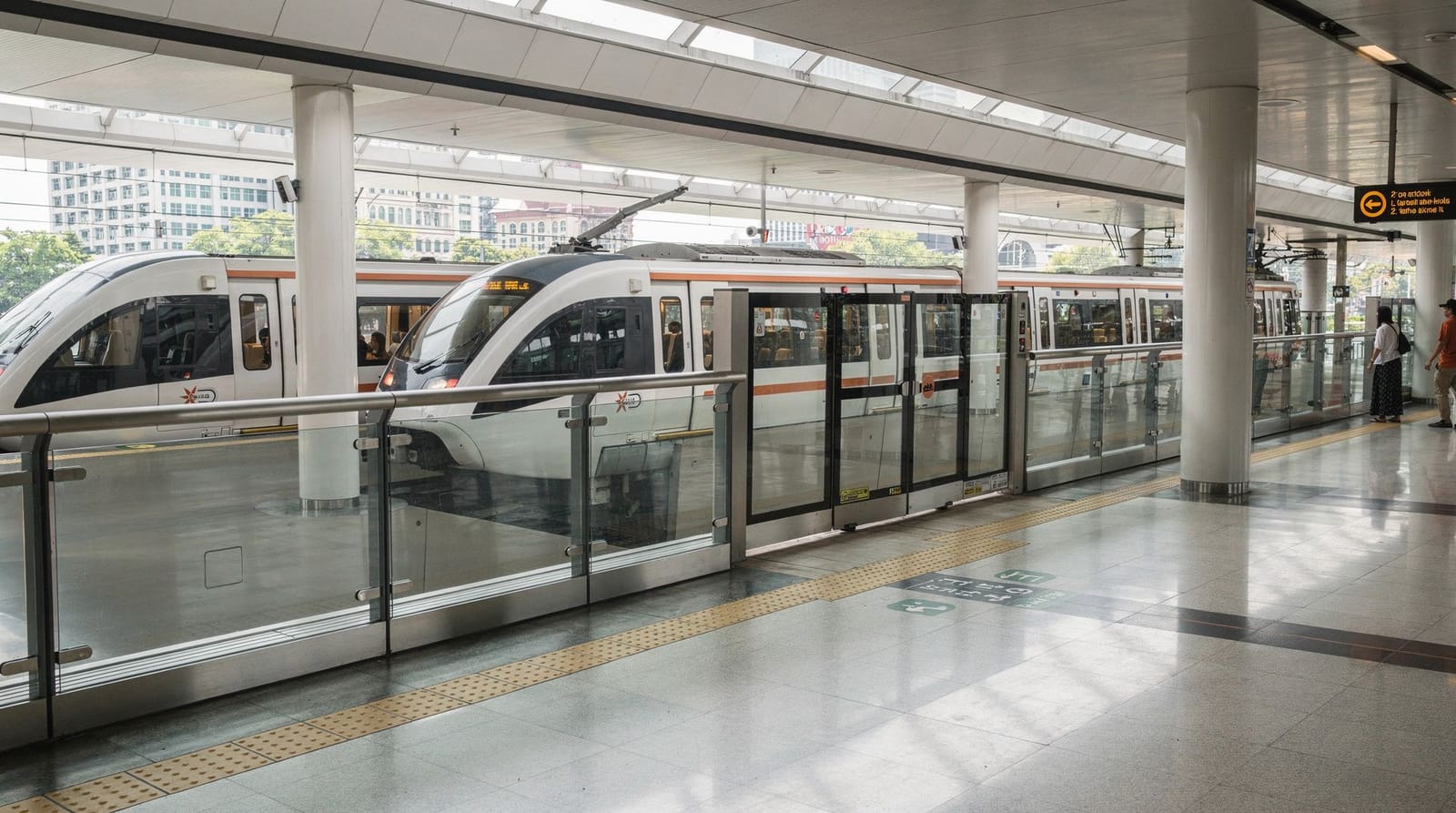
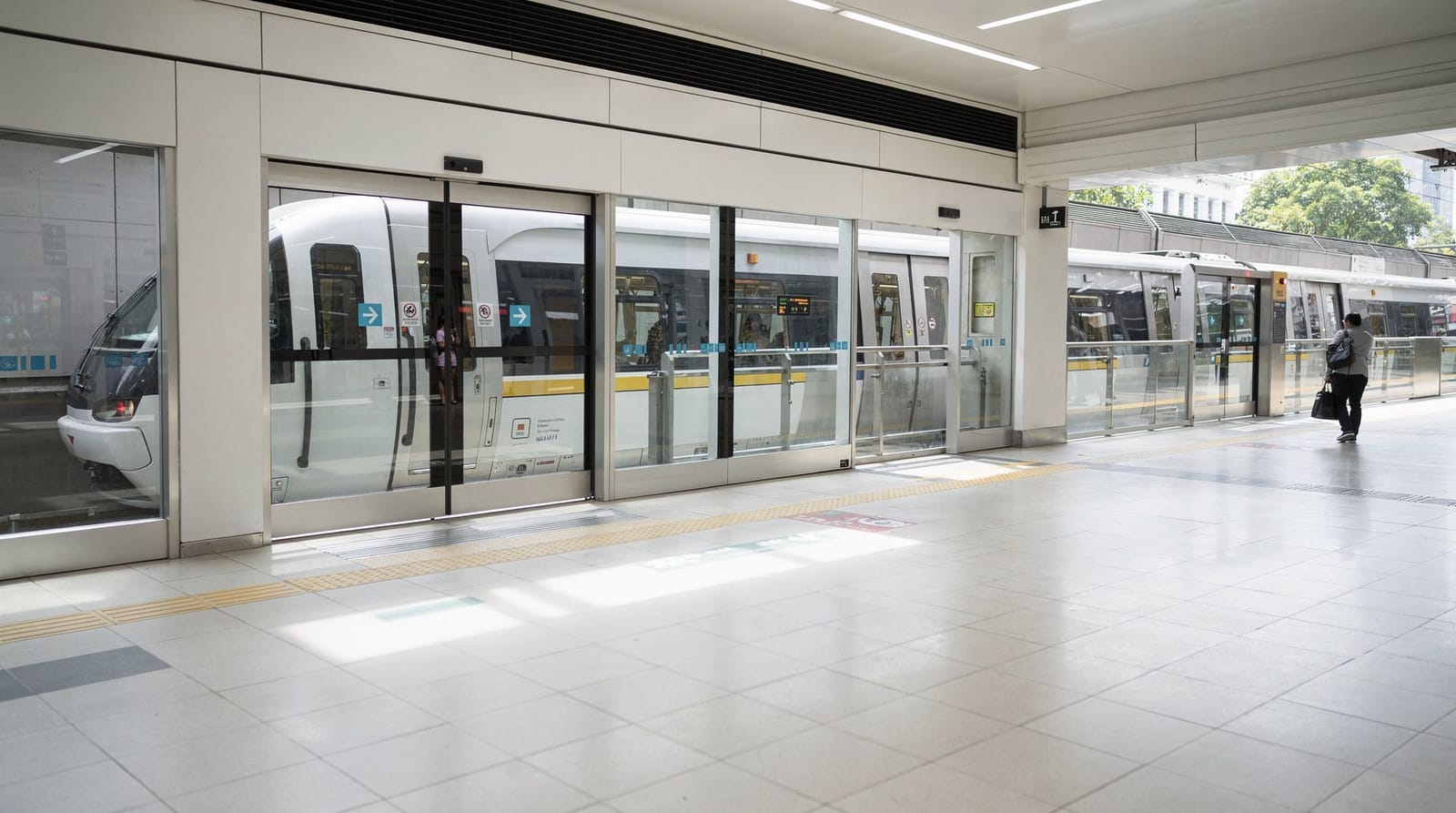
During the day, the story is completely different. The MRT from Changi to the city costs around SGD 2 on an EZ-Link card and takes about 30 minutes to City Hall. It is air-conditioned, fast, and runs so frequently at peak hours that missing one is a minor inconvenience rather than a disaster. For the rest of my time in Singapore this would become my default mode of getting around.
The heat, honestly
I’d been warned about the heat but I’d filed it away as the kind of warning that experienced travelers give and inexperienced ones ignore. By 9am on day one, standing outside the Bugis MRT exit looking for a coffee shop, I understood. The temperature was maybe 31°C. The humidity was doing something to the air that made it feel more like wading than walking. My sunglasses fogged when I stepped outside.
This is not necessarily a problem — Singapore has evolved around it. The sheltered walkways connecting MRT stations, malls and office buildings mean you can walk enormous distances without being fully exposed to the sun. It changes your navigation instincts: you start thinking in terms of covered routes rather than direct ones. Once I adapted to this logic, the city felt much more manageable.
The first hawker centre — and why it matters
Nothing I’d read fully prepared me for Maxwell Food Centre at lunchtime. It’s a large, open-sided shed of a building with fluorescent lighting, ceiling fans, and maybe 100 stalls selling food at prices that feel surreal for a city this expensive in other respects. A plate of Hainanese chicken rice from Tian Tian — the stall near the corner with the usually lengthy queue — cost SGD 5. The portion was generous, the chicken impossibly silky, the rice cooked in chicken stock and ginger.
I sat at a plastic table next to a man in a suit reading a Chinese-language newspaper and thought: this is the best lunch I’ve had in years.
Hawker centres are the best argument for Singapore. The variety — Malay, Chinese (in all its regional variations), Indian, Peranakan, a dozen other things — at the prices charged, with the consistency that comes from generations of specialisation, makes them genuinely irreplaceable. Read the full guide to Singapore’s hawker centres before you go so you know what you’re looking at and what to order.
Marina Bay on foot
I walked from my accommodation in Bugis to Marina Bay that first afternoon, which took about 40 minutes and involved passing through the Civic District, which is more beautiful than the photographs suggest. The old colonial government buildings — Supreme Court, City Hall, Parliament — are enormous and the Padang in front of them is one of those urban spaces that manages to feel both ceremonial and human in scale.
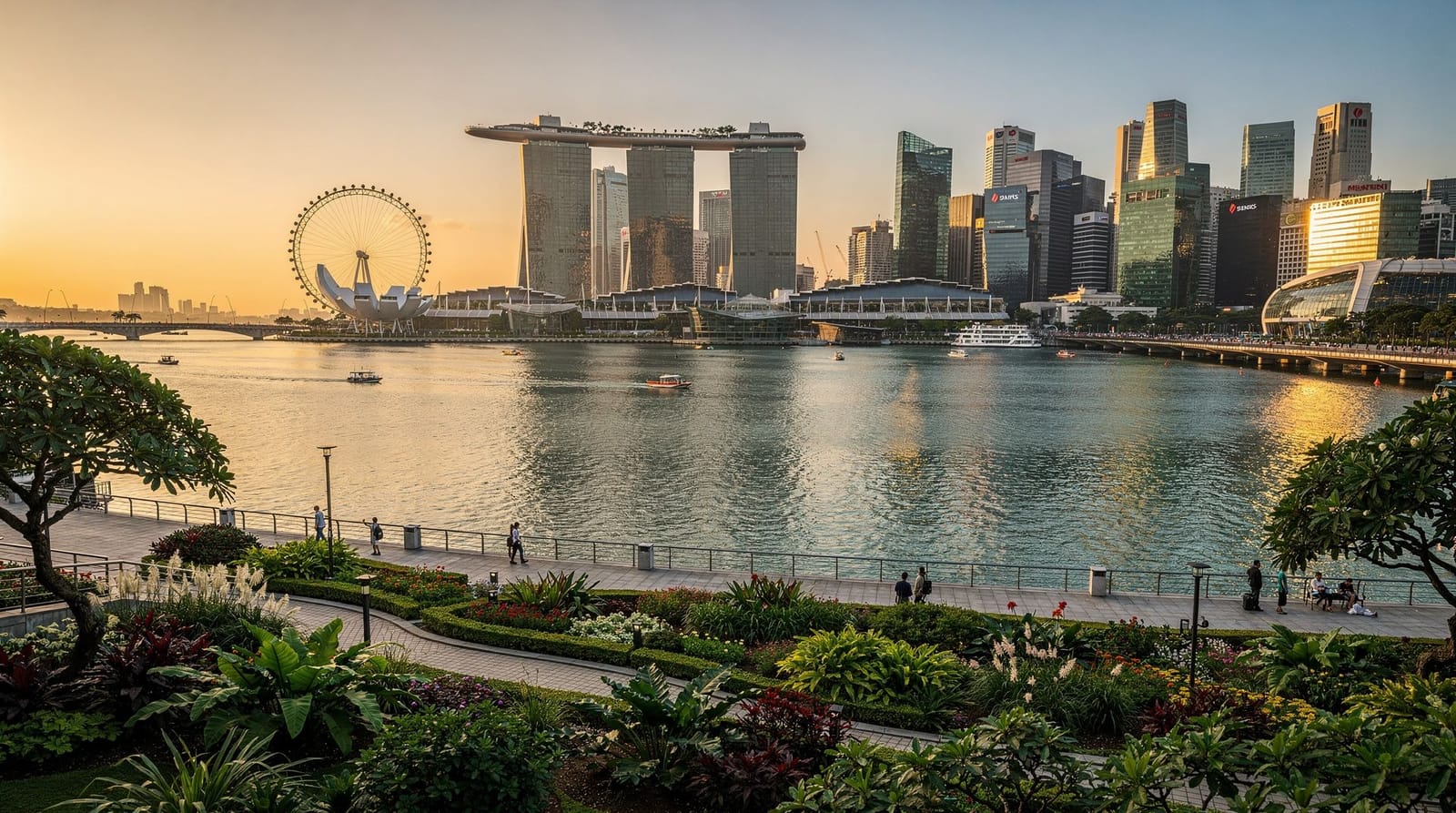
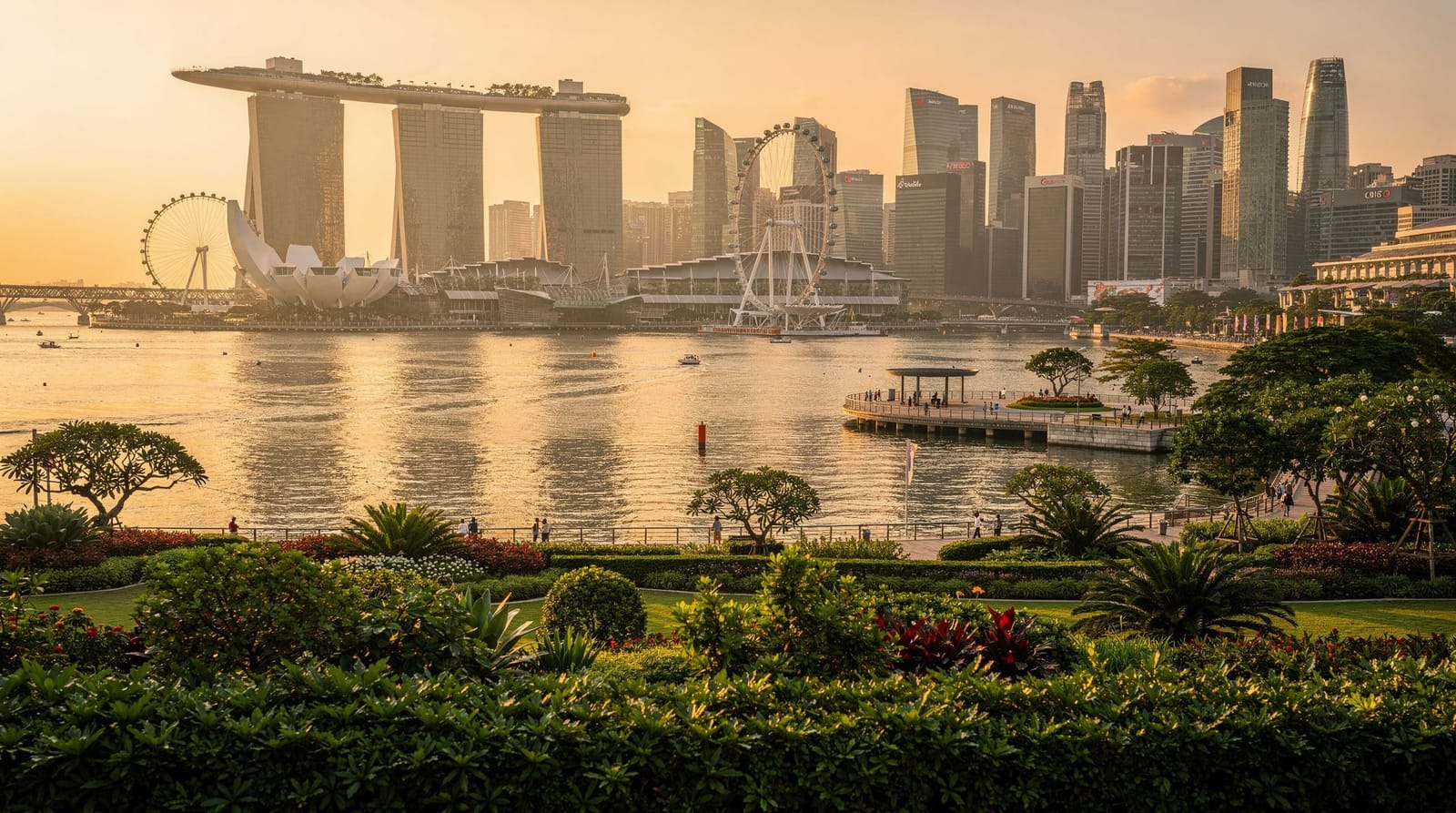
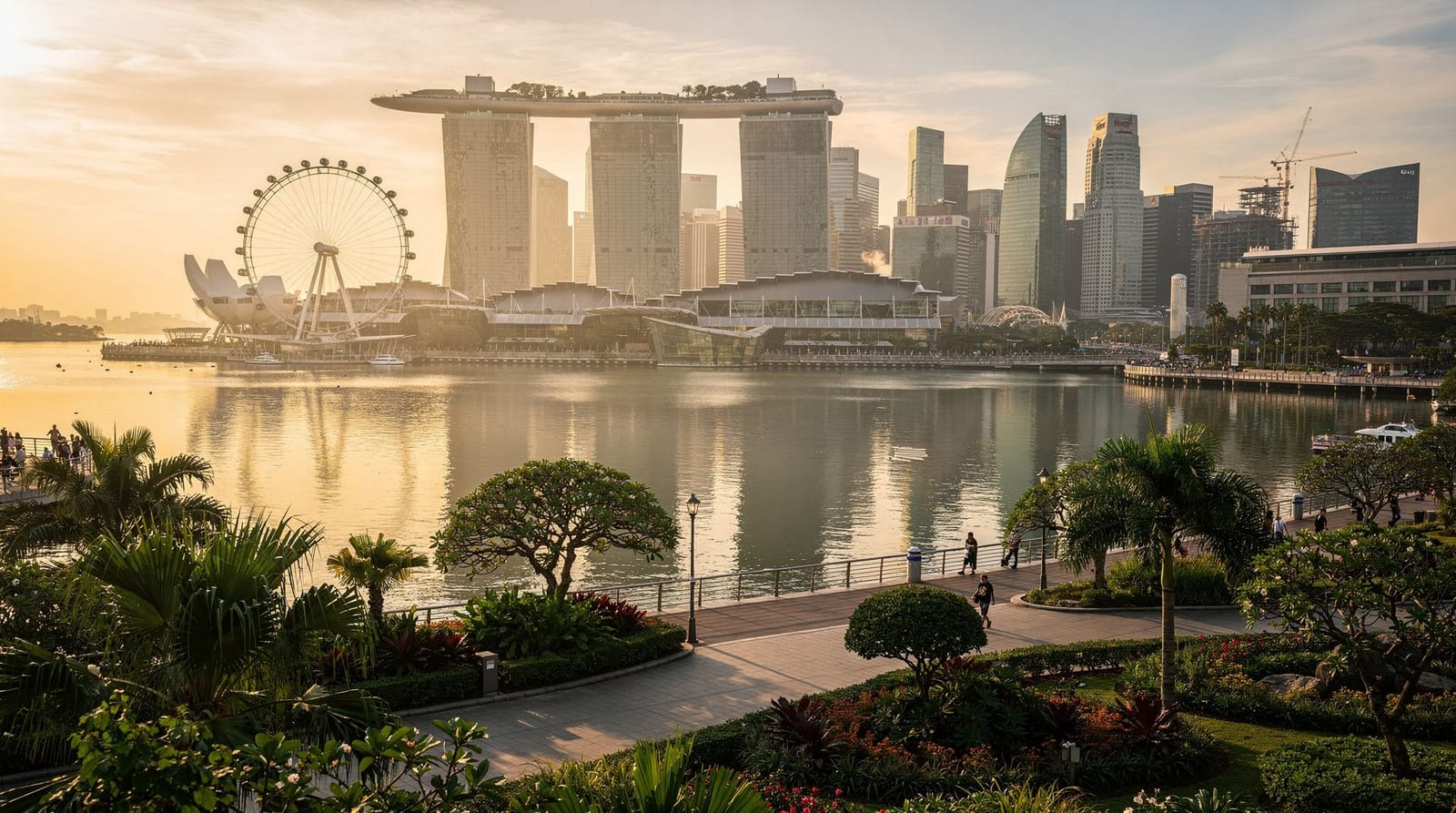
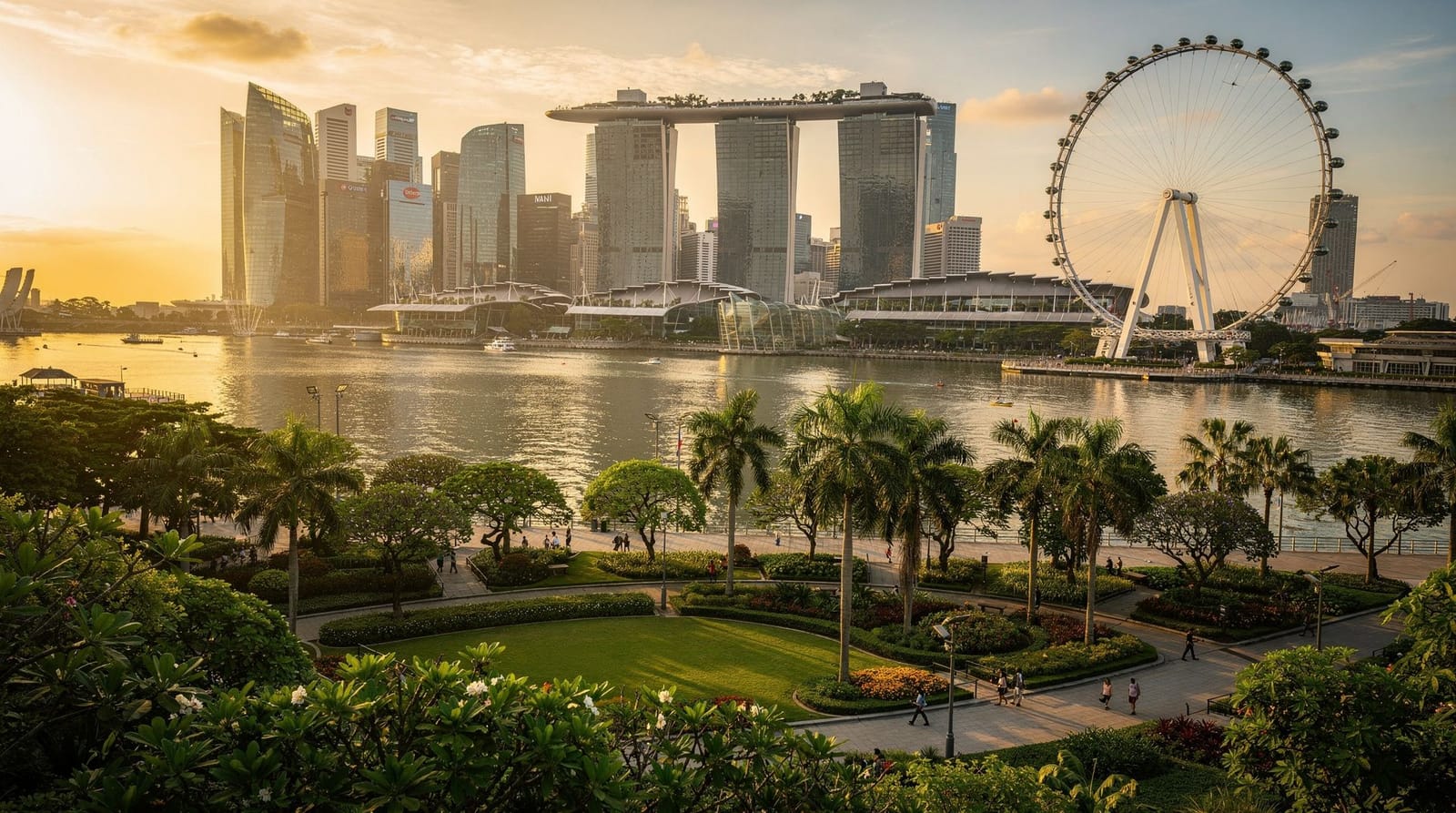
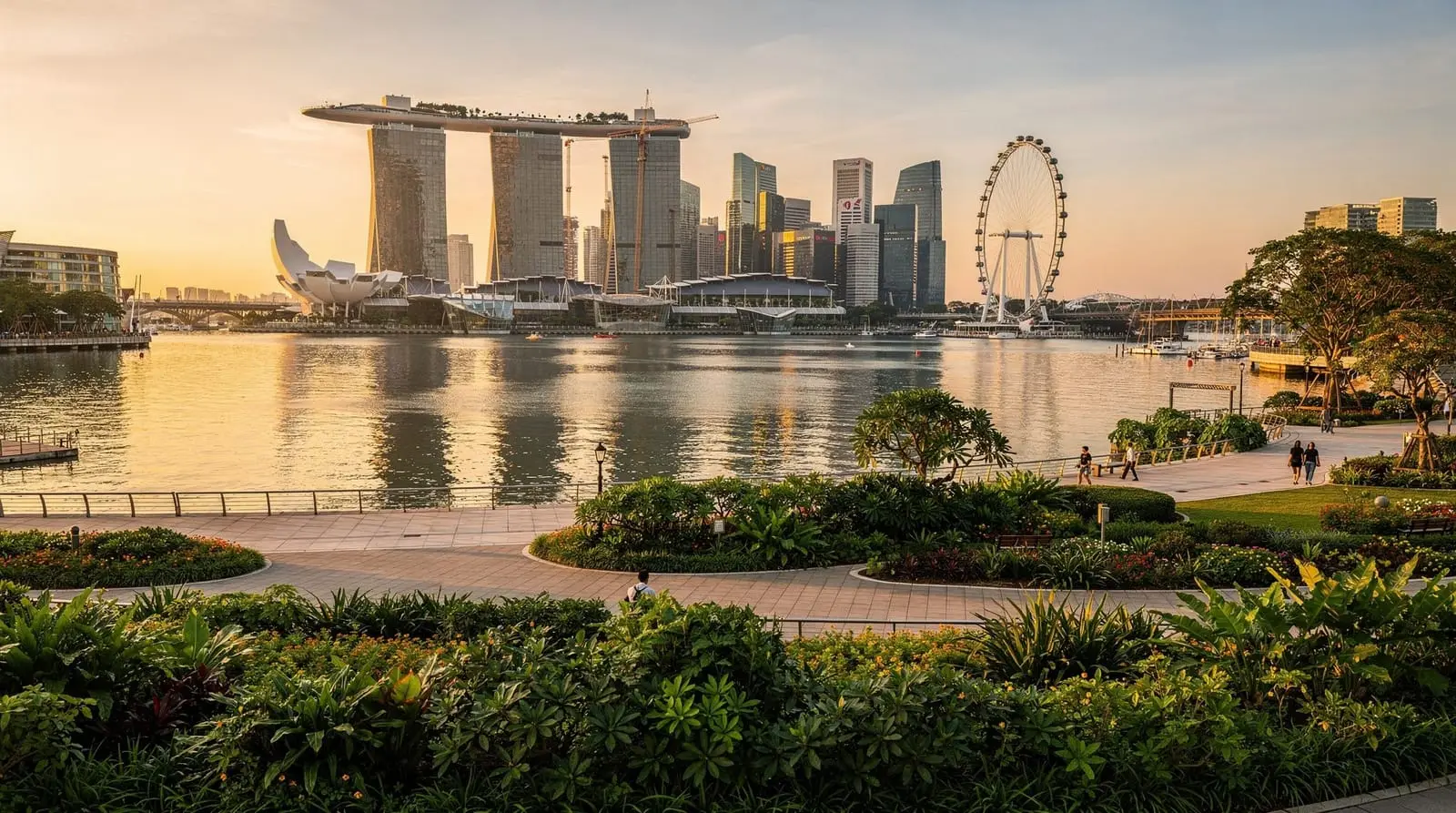
Marina Bay itself at 5pm is somewhere between overwhelming and absurd in the best way. The Supertrees at Gardens by the Bay glow on one side, the three towers of Marina Bay Sands loom on another, the Merlion shoots water into the harbour in the middle distance. It looks like someone was commissioned to design a destination that would appear in as many travel photographs as possible and took the brief very literally.
I walked across the Helix Bridge to the ArtScience Museum side, sat on the steps near the waterfront for a while, and watched what seemed like several hundred tourists from six different countries all photograph the same view. There is something oddly companionable about it.
Singapore River cruise — 40 minutes on the water gives you the skyline from a completely different angle, and makes the scale of the bay make more sense.What the Singapore 2-day itinerary actually looks like in practice
On my second day I had a rough plan: the Botanic Gardens in the morning, Chinatown in the afternoon, a hawker dinner somewhere. What actually happened was: the Botanic Gardens for 90 minutes (free entry to most of it, beautiful, cooler under the tree cover), an unplanned detour into Tiong Bahru because I’d gotten off the bus one stop early, two hours in Chinatown that stretched to four because I kept finding things to look at, and dinner at the Chinatown Complex Food Centre, which is genuinely one of the largest hawker centres in the city.
The Chinatown Complex is on the upper floor of a building that looks, from outside, like a mid-century shopping mall. Inside, it is a cathedral of cheap food with roughly 250 stalls and a din that takes a few minutes to acclimate to. I had laksa (SGD 4.50), a bowl of pork rib soup (SGD 6), and a fresh coconut (SGD 3.50) and felt entirely victorious.
Things that actually surprised me
The city is more interesting than its reputation for being safe and clean and well-organised suggests. Those things are true — but they’re not the whole story. The ethnic and cultural layering is genuinely dense: within four blocks in Kampong Glam you pass a sultan mosque built in the early 19th century, several excellent coffee shops, a handful of perfume traders who’ve been in the same location for thirty years, and a row of streetwear boutiques that wouldn’t look out of place in Seoul or Tokyo.
The first-timer guide covers the logistics well. What it can’t fully convey is the sensory density of the place — the smell of incense near the temples in Chinatown, the particular quality of late afternoon light on the shophouses in Little India, the oddly moving experience of watching the Spectra light show at Marina Bay from a slightly awkward angle because you arrived five minutes late and the good viewing spots were taken.
I had 48 hours and came away with about four more questions than I arrived with. That’s usually a good sign.
A few practical notes
The EZ-Link card (SGD 12, includes SGD 7 credit for travel) is worth getting at the airport — you can use it on buses, MRT, and some taxis. Contactless bank cards also now work on the MRT via SimplyGo, which is convenient if you don’t want another card.
Mobile data: a tourist SIM at the airport costs around SGD 15 for 7 days of data, which is enough to use Google Maps constantly, which you will need to do, because Singapore is more geographically complex than it looks on a map. The MRT guide is worth reading before you arrive so you understand how the lines connect.
Food prices at hawker centres: budget SGD 4–8 per dish. Drinks SGD 1.50–3. A full hawker meal with a drink for two people should cost around SGD 15–20 total if you’re being sensible. Coffee at a café: SGD 6–8. The gap between the two experiences is significant.
What I’d do differently on a second first visit
Looking back, a few adjustments would have made the 48 hours run smoother without losing any of the discovery. I’d book the Changi arrival transfer in advance rather than negotiating a Grab at 2am with no local currency yet withdrawn — the airport ATMs are reliable but it’s one less thing to sort out half-asleep. I’d also plan the Chinatown detour on purpose instead of by accident: getting off the bus one stop early worked out, but knowing the Chinatown guide beforehand would have let me choose which lanes to prioritise rather than wandering into them by chance.
Singapore: private airport transfer from ChangiThe one thing I wouldn’t change is the lack of a rigid schedule. The best moments of the 48 hours — the detour into Tiong Bahru, the extra two hours in Chinatown, the man reading his newspaper next to me at Maxwell — all happened because the plan had enough slack in it to let them happen.
If you only have 48 hours: what to prioritise
Given the choice between doing more things badly or fewer things properly, fewer things properly wins every time in Singapore. One hawker meal done slowly beats three rushed ones. One neighbourhood walked thoroughly beats three neighbourhoods glimpsed from a bus window. The Singapore 1-day guide is useful if your 48 hours needs to compress further into a single day at some point, but the two-day version described here is closer to the minimum for actually understanding the city rather than just photographing it.
I’ve been back three times since this first visit. Singapore is one of those places where the more you understand the layers — the history, the food geography, the way the different cultural quarters evolved and what they preserve — the more interesting it becomes. The 48-hour version is just enough to make you want the full version.
Frequently asked questions about My first 48 hours in Singapore
Is 48 hours enough to see Singapore properly? It’s enough for a genuinely rewarding first taste — the MRT, a hawker centre, Marina Bay, and one or two neighbourhoods — but not enough to cover Sentosa, a day trip, or more than a surface pass through the ethnic quarters. Most first-time visitors leave wanting a return trip, which is a reasonable outcome for 48 hours.
What’s the single biggest mistake first-time visitors make in their first two days? Overpacking the schedule. Singapore’s density makes it tempting to plan five neighbourhoods and three attractions into 48 hours, but the city rewards slower movement — a long lunch at a hawker centre or an unplanned wrong turn into a side street usually beats another checkbox attraction.
Top experiences
Bookable activities with verified prices and instant confirmation on GetYourGuide.

Singapore: Universal Studios Singapore entry ticket

Singapore: Gardens by the Bay bundle entry ticket

Singapore: Night Safari and tram ride ticket

Singapore: S.E.A. Aquarium entrance ticket

Singapore: Singapore River cruise

Singapore: Marina Bay Sands observation deck e-ticket

Singapore: Sentosa cable car Sky Pass roundtrip ticket