Why Singapore makes sense as a stopover destination (and how to use the time well)
| Visa | Not required for most Western nationalities, up to 90 days |
| To the city | MRT, around SGD 2, 30 minutes |
| Minimum worth doing | 2 nights |
| Comfortable version | 3 nights |
| Budget (2 nights, excl. flights) | Around SGD 400–600 per person, mostly hotel |
The strategic case for a Singapore stopover is simple: if you’re flying between Europe and Australia, between North America and Southeast Asia, between the Middle East and East Asia, there’s a good chance your most direct routing passes through Changi Airport anyway. Changi is one of the world’s major aviation hubs — roughly 100 airlines, 100 countries, connecting more flight paths than almost any other airport outside Dubai and London. The question isn’t whether you might stop in Singapore; it’s whether a stop worth taking should be 2 hours or 2 days.
The argument for 2 days (or 3 or 4) is not that Singapore is the most spectacular destination in Southeast Asia — it isn’t. Bali has beaches Singapore can’t match; Bangkok has a chaos and colour that Singapore has consciously traded away; Kyoto has a historical depth that a 19th-century colonial city simply can’t compete with. The argument is different: Singapore is the most reliable, most accessible, most accommodating major city in Asia, and for a 2–3 day window where you want a dense urban experience with minimal friction, it’s hard to beat.
The practical case
No visa required for most Western nationalities (US, UK, EU, Canada, Australia, New Zealand) for stays up to 90 days. Entry is a passport scan and a stamp. The SG Arrival Card — a free online declaration submitted within 3 days before arrival — is the only additional requirement. Compare this to Vietnam (e-visa required), Indonesia (arrival visa required), India (e-visa required in advance), China (complicated). Singapore’s entry frictionlessness is a real advantage for a stopover.
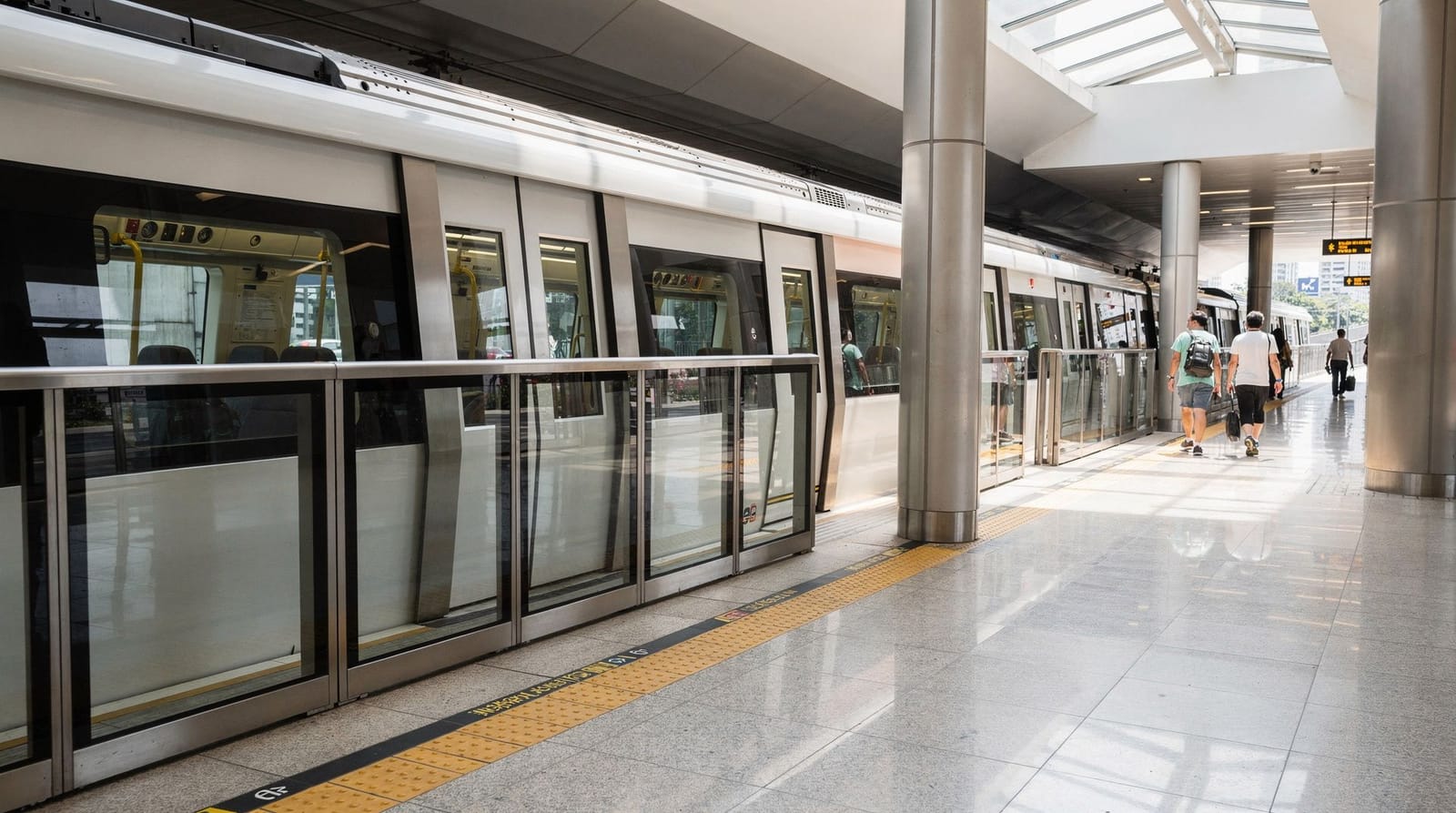
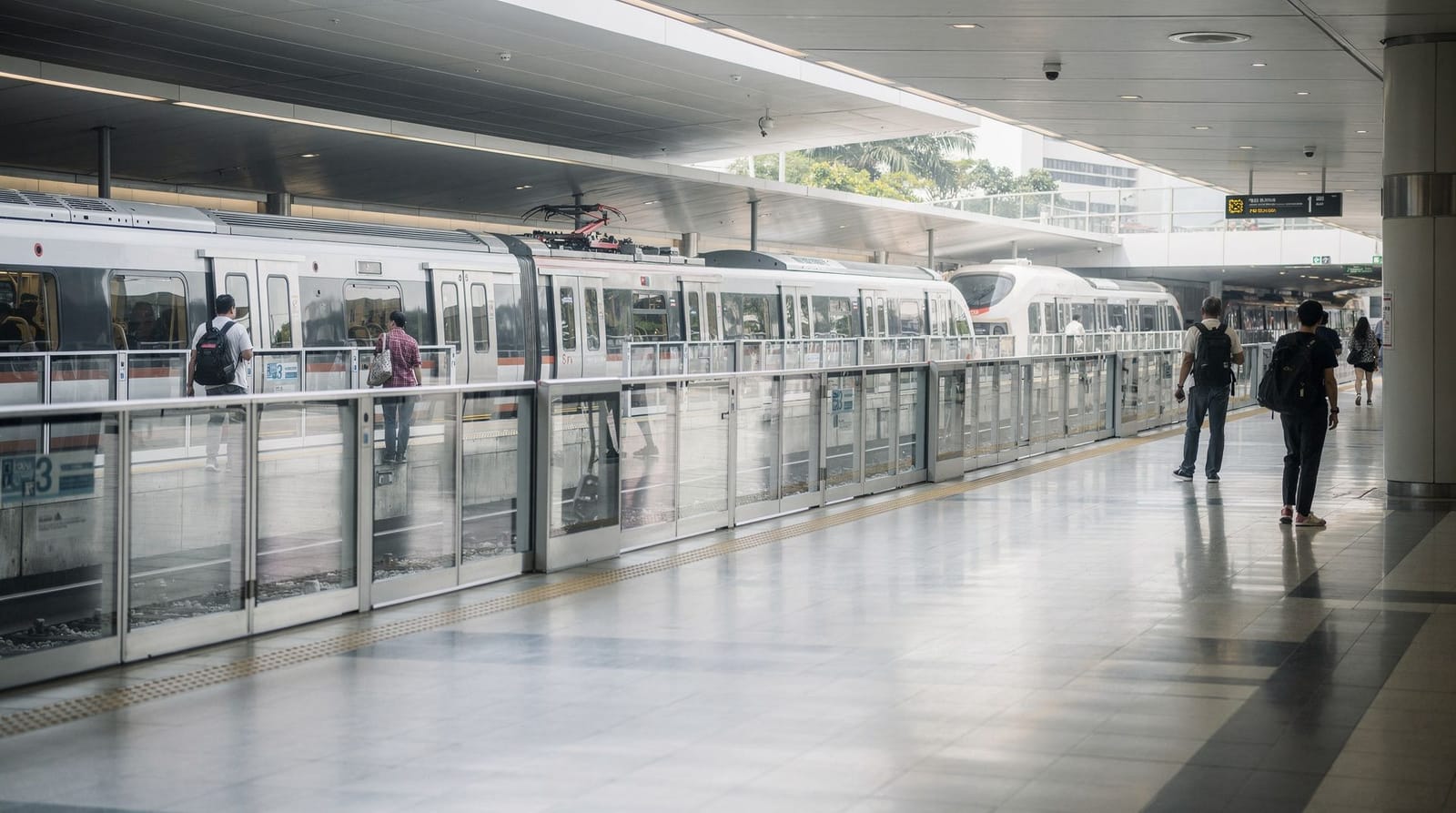
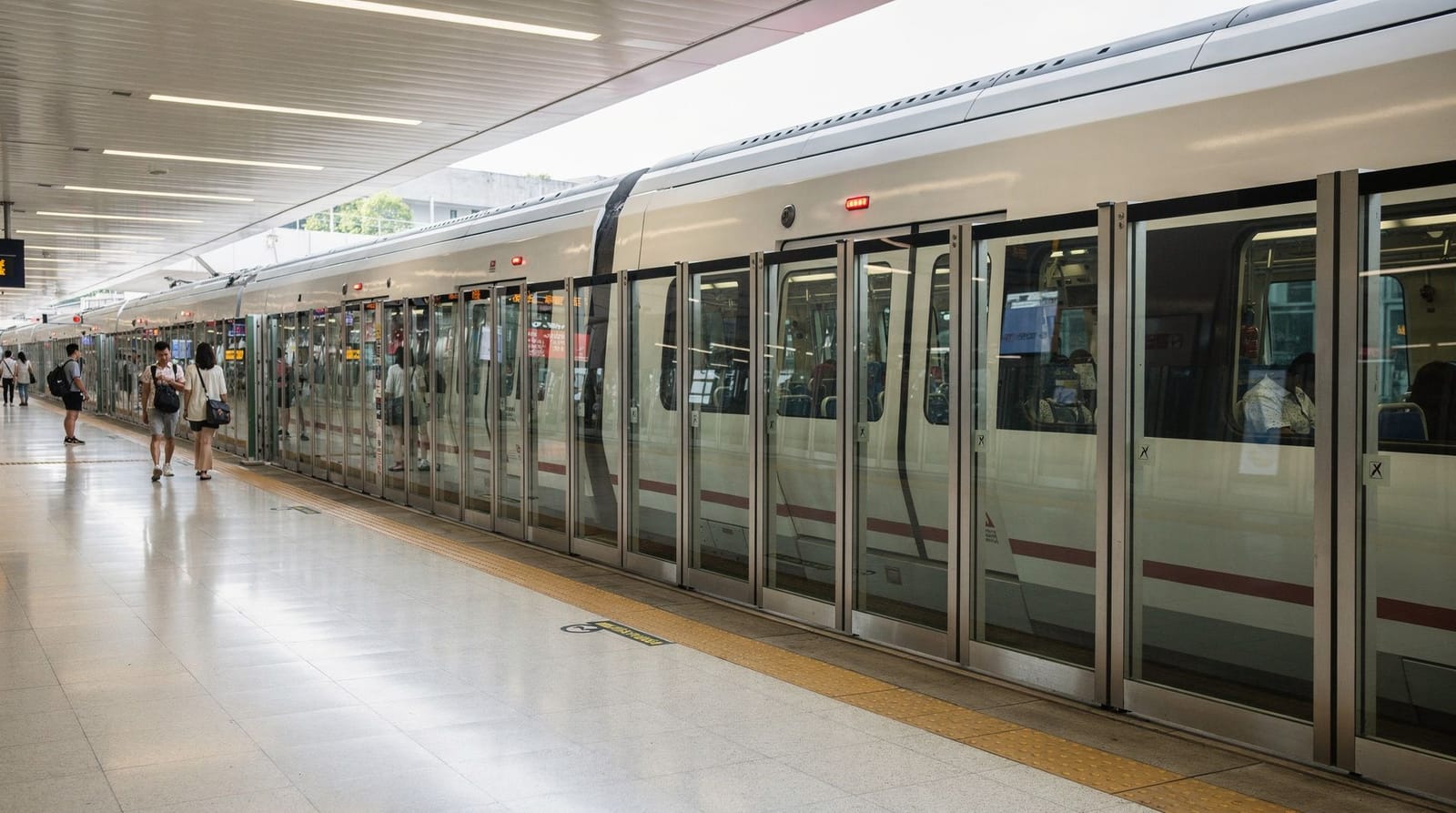
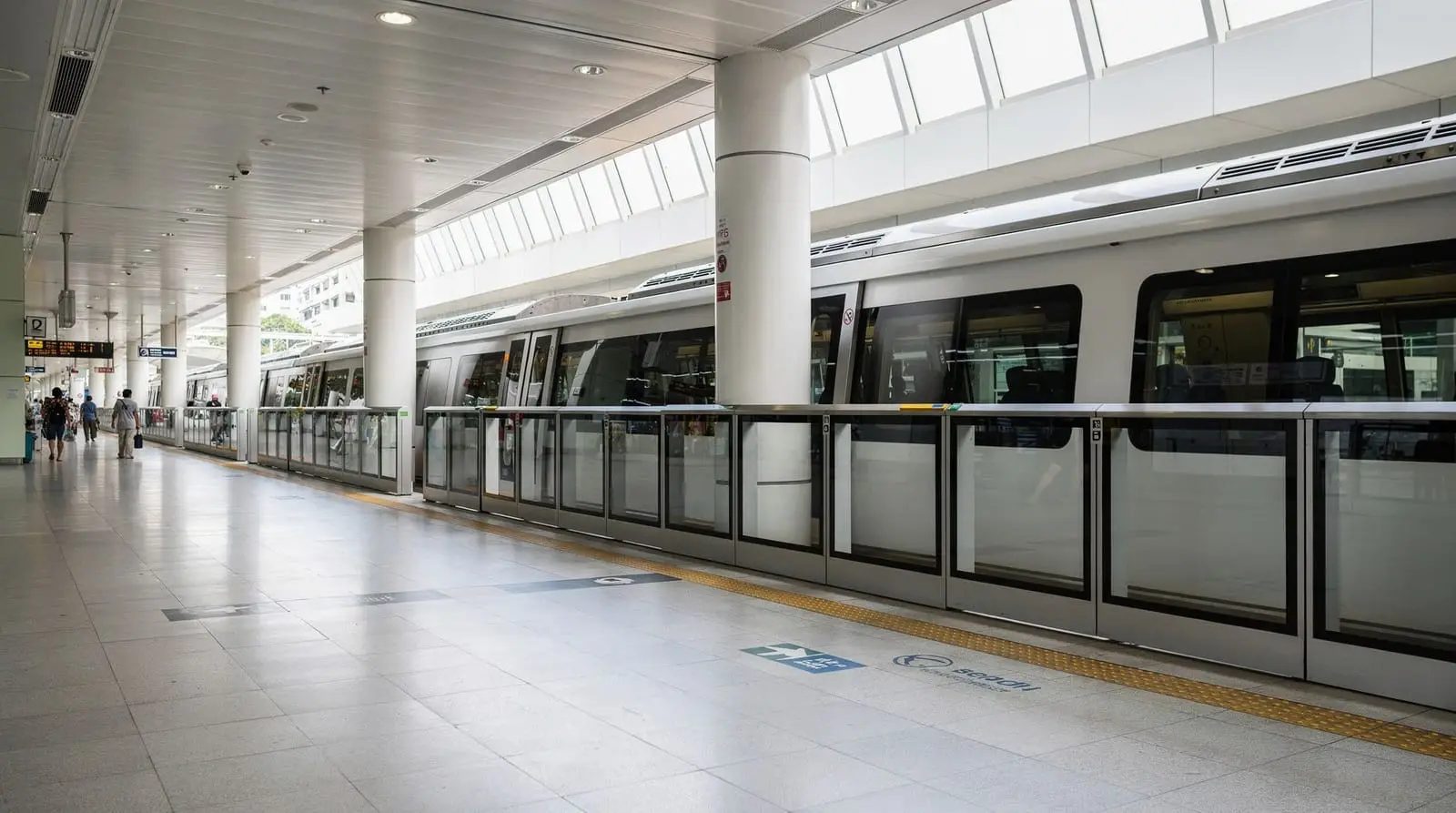
The MRT runs to the airport. Not a shuttle, not a bus: the full urban rail network connects Changi Airport to the city centre in 30 minutes for SGD 2. There is no airport transfer negotiation, no taxi queue, no surge pricing. You land, buy an EZ-Link card from the machine, get on the train, arrive in the city. This alone separates Singapore from Bangkok (Suvarnabhumi to city is fine but more complex), Kuala Lumpur (KLIA Express is good but costs more), and most other hub airports in the region.
English everywhere. This is a genuine stopover advantage: signage, menus, MRT announcements, taxi drivers, hotel staff, restaurant servers — all English-speaking, all the time. For a 2-day visit where you want to spend time experiencing rather than navigating language barriers, this removes a real friction category.
It’s safe at any hour. Landing at 2am and navigating to a hotel, then going for food at midnight — both completely fine. Singapore’s safety record is not a marketing claim; it’s a measurable reality that changes how comfortably you can move through a city on an irregular schedule. The solo female travel piece covers this in more depth if that’s a specific concern for your stopover.
For the shorter end of this spectrum — under 12 hours — the companion piece is it worth leaving the airport? walks through the decision in more granular detail than this overview does.
What 24, 48, and 72 hours actually contains
| Layover length | Focus | Anchor activities |
|---|---|---|
| 24 hours | Iconic visual + food | Marina Bay, Garden Rhapsody, Spectra, hawker dinner |
| 48 hours | Add depth | Gardens by the Bay conservatories, one cultural quarter, Night Safari |
| 72 hours | Add breadth | Sentosa or Pulau Ubin, unhurried cultural-quarter meals |
| 4+ days | Specific interests | Food tourism, architecture, individual heritage trails |
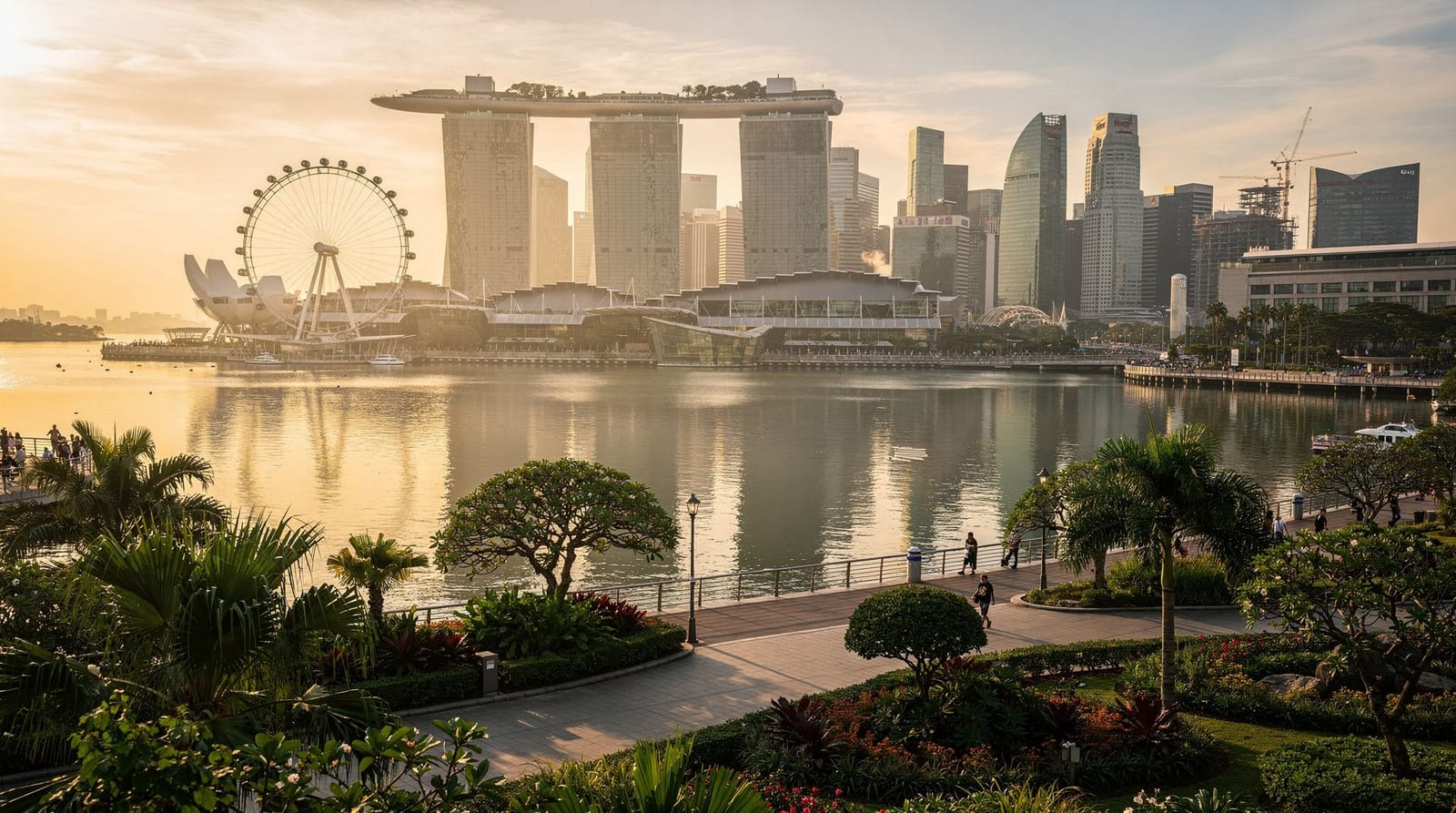
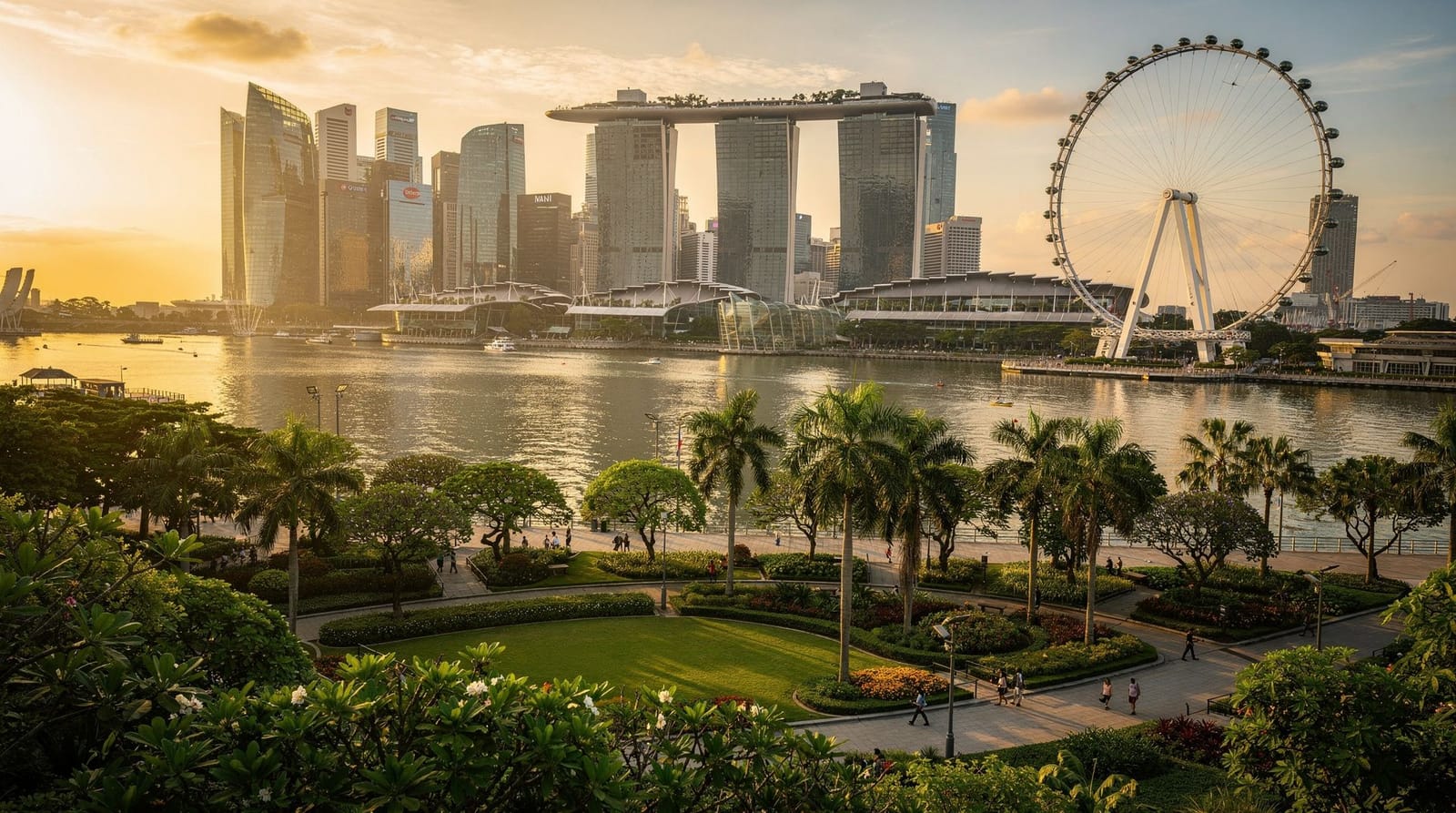
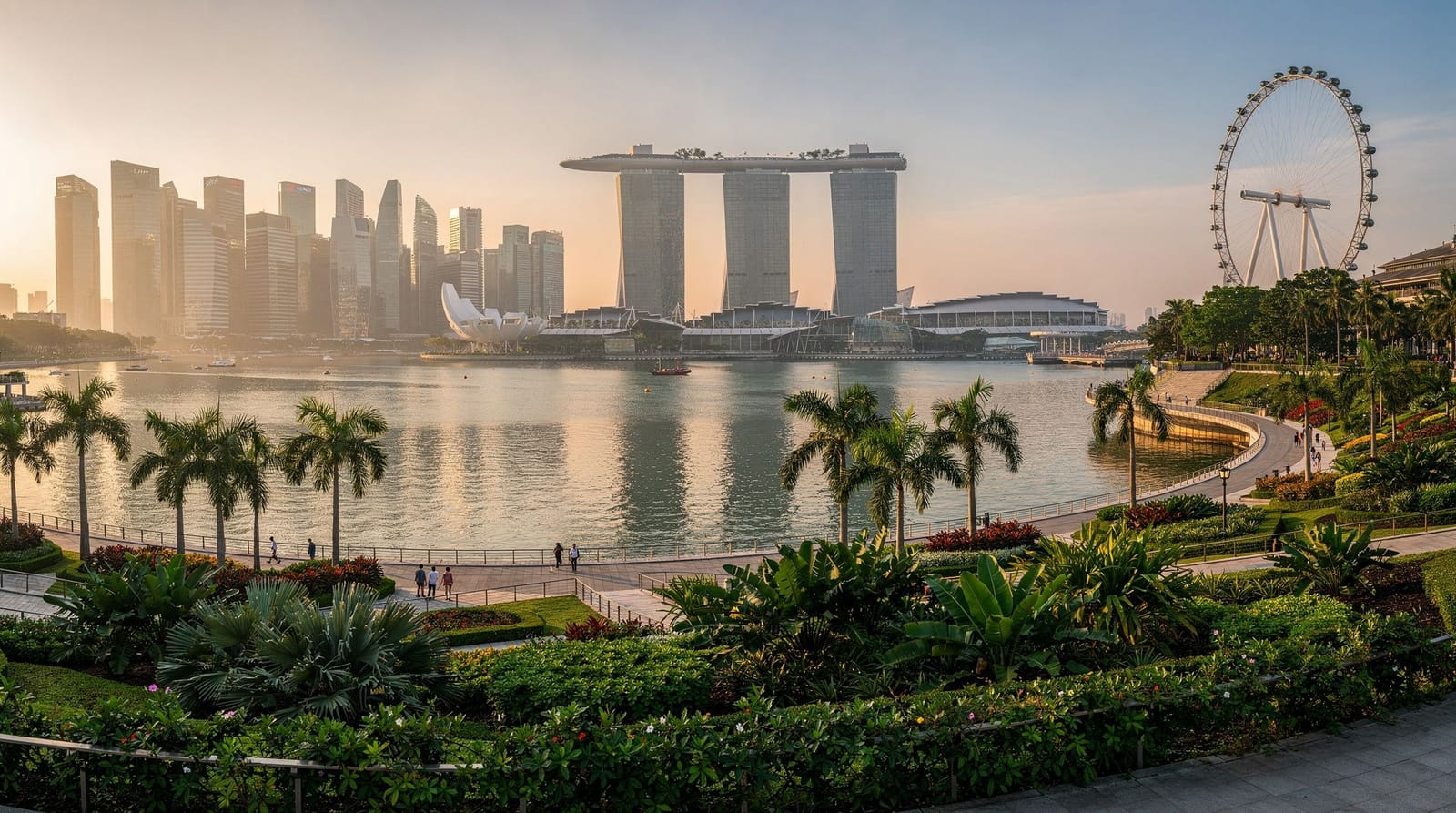
24 hours (an extended layover with one night): The most useful compact version is Marina Bay in the afternoon, Garden Rhapsody at Gardens by the Bay at 7:45pm (free), Spectra light show at Marina Bay Sands at 9pm (free), hawker dinner at Lau Pa Sat or Maxwell. Morning: kaya toast breakfast, Chinatown walk, departure. This gives you the city’s most iconic visual register and its best food culture in a single circuit.
48 hours (2 nights): Add the full Gardens by the Bay conservatories, one of the cultural quarters (choose from Little India, Kampong Glam, or Katong), and a Night Safari evening if wildlife interests you — the Night Safari honest review helps decide if it’s worth the detour on a tight schedule. This is probably the most efficient ratio of time to experience in Singapore.
Gardens by the Bay: Cloud Forest, Flower Dome and OCBC Skyway combo ticket72 hours (3 nights): Add Sentosa for a day, or Pulau Ubin for a full-day nature excursion, or a slower version of the cultural-quarter visits that allows for real meals and unhurried walking. Three days in Singapore approaches the point where you’ve seen most of what the city does distinctively well. The three-day itinerary lays this version out day by day.
Evening escape: cruise, Sentosa Sensoryscape & Wings of Time4+ days: Singapore can fill a week if you go deep into specific interests — food tourism, architecture photography, the heritage trails of individual neighbourhoods — but the casual visitor has usually found their ceiling at around day four unless they have specific reasons to keep going.
What stops people from doing it
The main objection to a Singapore stopover is cost. This is partially valid: Singapore hotels are expensive by Southeast Asian standards, with mid-range rooms in central locations running SGD 150–250 per night. Alcohol in bars is expensive. Air-conditioned restaurants at major attractions are expensive.
What’s not expensive: the MRT (SGD 1.40–2.80 per journey), hawker food (SGD 5–12 per meal), public parks and temples (free), the waterfront and most of the city’s outdoor spaces (free), the Spectra and Garden Rhapsody shows (free), and museum permanent collections at several of the major institutions (free or SGD 6–15).
A realistic 2-night Singapore stopover budget per person, excluding flights: SGD 400–600, mostly hotel. Cut the hotel budget by staying in a hostels (SGD 35–50 per night in a dorm) and the total drops significantly. The budget 3 days piece and the Singapore travel costs guide go further into structuring a lower-cost stopover.
The second objection is that Singapore is “too sterile” or “not real Asia” — a view that underestimates the cultural depth of the city’s ethnic quarters, its hawker culture, its Peranakan heritage, its ongoing conversation with its own complicated post-colonial identity. Singapore is a specific and unusual place, not a theme park version of Asia. Two days is probably not enough to discover that, but it’s enough to suspect it.
The timing question
Singapore’s weather makes it a year-round stopover option. The coolest months (February and July) are slightly more comfortable; the wettest month (November) has predictable afternoon rain that rarely disrupts morning plans. The only genuine weather caution is haze season (September–October in bad years) when transboundary smoke from Sumatra and Kalimantan fires can reduce air quality significantly. Check the NEA air quality index (haze.gov.sg) before committing to outdoor-heavy plans in September.
The strategic timing answer: if you’re routing through Singapore anyway, almost any date works. The festivals add value — Chinese New Year, Deepavali, the F1 night race — but none are prerequisites. If your dates happen to land in a rainy stretch regardless, the Singapore in the rain guide explains why that’s less disruptive to a stopover than it sounds.
Planning around your flights
A stopover goes well or badly depending on how it meets your flights, not on the city. Before booking, look at when you land and when you leave. A late-night arrival and a mid-morning departure shrink a “2-night” stay into one real day, so count usable daylight rather than nights. If you can choose, an early arrival gives you a full first day and lets you spend the last evening on something relaxed.
Get from the airport to the city without drama by reading the Changi Airport to city guide before you land, and keep the Changi layover guide in mind if your plans change at the last minute. The Jewel Changi layover story shows what a short airport-side visit feels like when you don’t go into town at all.
Choosing where to sleep matters more on a short stay than a long one, because every transfer eats into your time. The where to stay in Singapore guide compares the areas, and Marina Bay or Chinatown put you close to the evening highlights and the food. Once you’ve settled in, use the MRT guide and the EZ-Link vs SimplyGo comparison to move around without wasting minutes at ticket machines.
Filling the days with the right things
On a first stopover, resist trying to see everything. The must-see list for first-timers and the top attractions guide help you pick a few anchors, and the what to skip guide tells you which famous stops you can leave off a tight schedule. For meals, the best hawker centres and the what to eat in Singapore guide give you a shortlist so you aren’t choosing from scratch while jet-lagged.
If you’d rather see how others have structured a short visit, the 24 hours in Singapore diary and the first 48 hours account are practical templates, and the layover itinerary lays out a ready-made route. Pack for heat, humidity and sudden rain, and the packing guide covers the essentials.
The honest recommendation
Singapore works best as a stopover when you embrace what it is rather than mourning what it isn’t. It’s a city-state with extraordinary infrastructure, a food culture that has no real parallel in Asia, a density of interesting neighbourhoods within a very small geography, and a logistical ease that makes the practical side of a short visit nearly frictionless.
Two nights is the minimum worth doing properly. Three nights is the comfortable version. Four nights, for most stopover visitors, is where diminishing returns begin. But the first three — with hawker food, with the Gardens at night, with one good neighbourhood walk — represent a very specific and completely memorable version of what a layover can be. For first-time visitors specifically, the Singapore for first-timers guide is the natural companion read once the stopover decision is made.
Top experiences
Bookable activities with verified prices and instant confirmation on GetYourGuide.

Singapore: Universal Studios Singapore entry ticket

Singapore: Gardens by the Bay bundle entry ticket

Singapore: Night Safari and tram ride ticket

Singapore: S.E.A. Aquarium entrance ticket

Singapore: Singapore River cruise

Singapore: Marina Bay Sands observation deck e-ticket

Singapore: Sentosa cable car Sky Pass roundtrip ticket