Singapore vs Hong Kong: which one should you visit first?
| Cheaper hawker food | Singapore — SGD 5–8 vs HKD 50–80 for a cooked meal |
| Better skyline view | Hong Kong — Victoria Peak over the harbour |
| Easier for first-timers | Singapore — clearer English signage, simpler MRT |
| Better hiking | Hong Kong — Dragon’s Back, MacLehose Trail |
| Minimum time to do either justice | 4–5 days |
The Singapore versus Hong Kong comparison is one of the most reliably ignited discussions in Southeast Asia travel forums, and there are good reasons it keeps recurring: both cities are island-based financial centres with sophisticated food cultures, strong transport infrastructure, and an expensive reputation that is partially deserved and partially exaggerated. They are also genuinely quite different experiences.
Having spent significant time in both, here is an honest comparison rather than a diplomatic one.
What Singapore does better
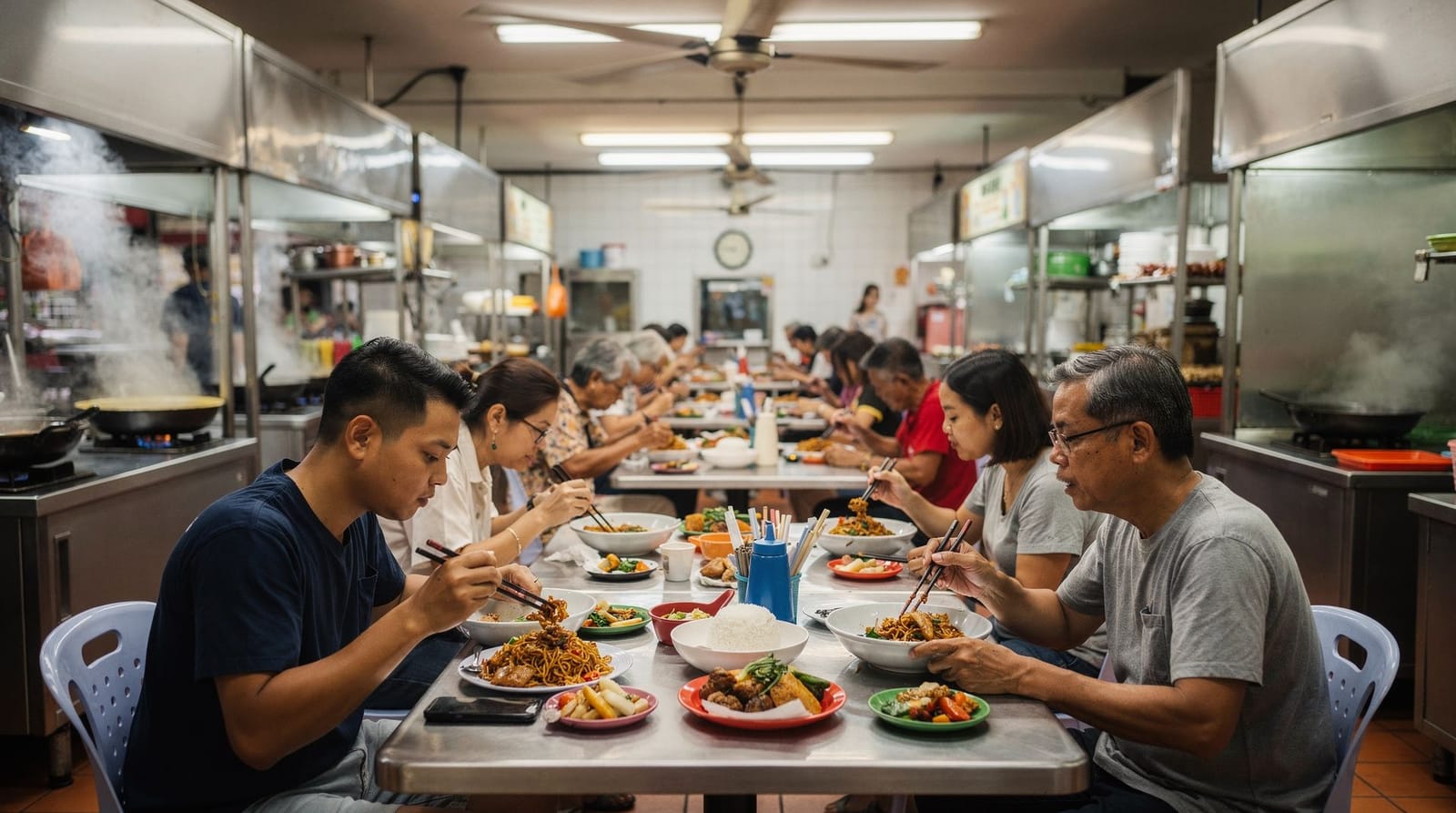
Food at the lower price tier. Singapore’s hawker centre system — UNESCO-listed, government-supported, with multi-generational vendors maintaining specific dishes over decades — is something that Hong Kong’s dai pai dong culture once matched but no longer sustains at the same scale. A complete hawker meal in Singapore costs SGD 5–8. An equivalent cooked food stall meal in Hong Kong (from the surviving dai pai dong or the cha chaan tengs) costs HKD 50–80 (approximately SGD 8–14). Both are cheap relative to Western cities; Singapore is cheaper.
More importantly: the variety of cuisines available at the hawker tier in Singapore — Malay, Tamil Indian, Hokkien, Cantonese, Teochew, Hainanese, Peranakan — is greater than Hong Kong, which tilts strongly Cantonese at this price point. If you’re interested in the regional diversity of Chinese diaspora cooking alongside other Southeast Asian food traditions, Singapore’s hawker scene is unmatched.
Green infrastructure and walkability in the heat. Singapore has invested heavily in tree cover, covered walkways, and parks in a way that makes the equatorial heat more manageable. Hong Kong’s mid-levels are uphill and humid; the flat areas around Victoria Harbour are intense in summer. Singapore’s network of sheltered walkways between MRT stations and buildings means you can navigate significant distances without sun exposure.
Organised chaos. Singapore is more legible to a first-time visitor. The signage is clear, English is universally used, the MRT is easy to navigate, and the general infrastructure assumption seems to be that you might not know what you’re doing. Hong Kong is not incomprehensible, but the Cantonese-first environment and the more compressed, vertical geography create a steeper initial learning curve.
Nature and green spaces. The Botanic Gardens, the MacRitchie Reservoir nature trail, the Southern Ridges, Pulau Ubin — Singapore has significant pockets of rainforest and coastal nature within a short journey of the city centre. Hong Kong has great country parks (Sai Kung is spectacular) but they require more deliberate planning to access.
Wildlife and family attractions. Singapore’s Mandai cluster — the Night Safari, the zoo, River Wonders — is a genuine category advantage. Hong Kong has Ocean Park, which is good but narrower in scope; Singapore’s wildlife parks form a more complete half-day-to-full-day ecosystem of their own.
Singapore: Night Safari and tram ride ticketIf the food angle is what is steering your choice, it helps to know where to start on the Singapore side. The hawker etiquette and chope guide explains how seating and ordering work, the Michelin hawker stalls are a good way to taste the top end of the street-food tier, and Maxwell Food Centre and Chinatown put several classic dishes within a short walk of each other. For a first list of dishes, the must-try dishes guide keeps it simple.
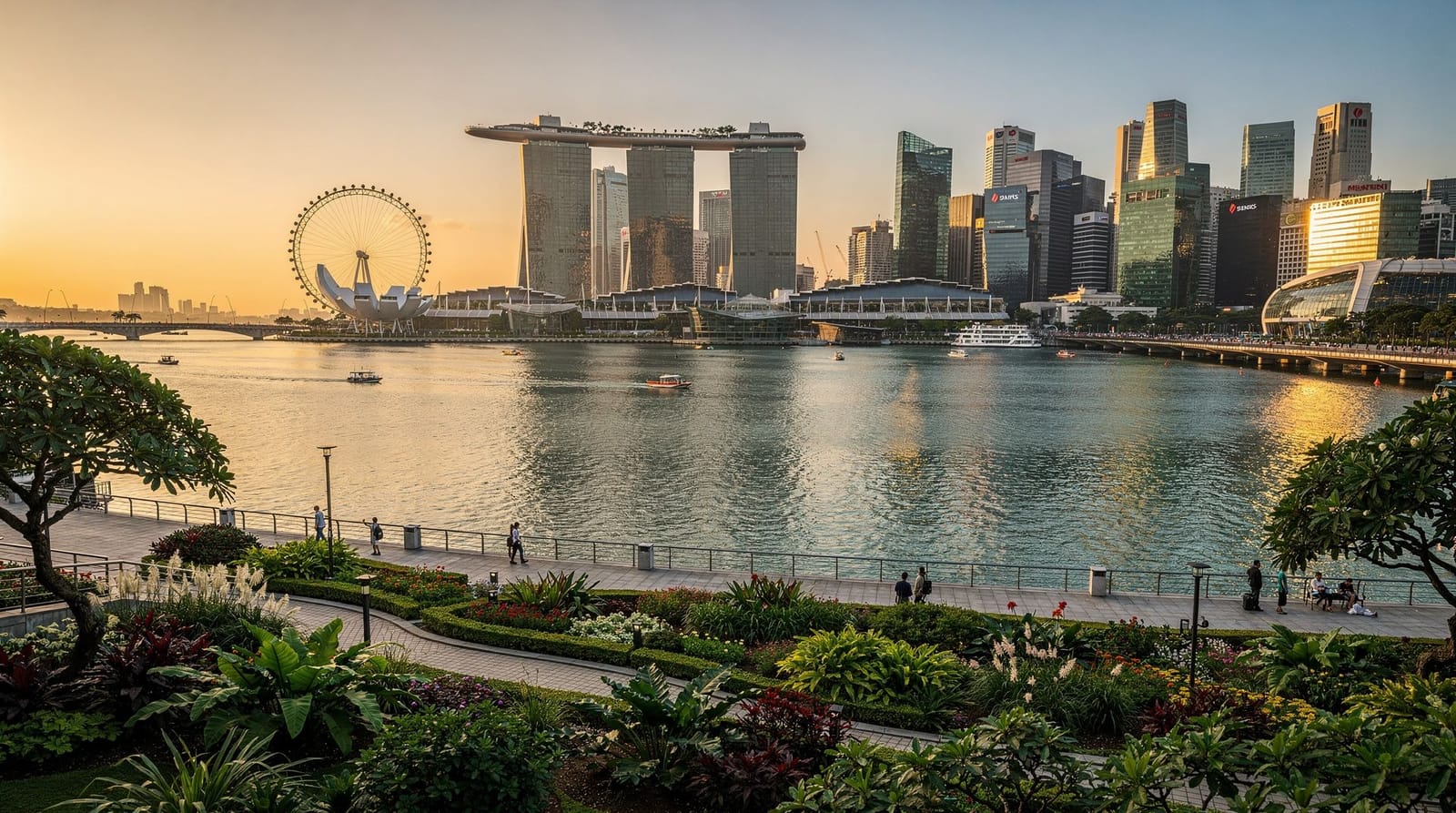
For the evening, Singapore leans on set-piece moments rather than on street energy. The Gardens by the Bay at night and the Marina Bay after-dark guide cover the harbour side of the city, which is the closest thing Singapore has to Hong Kong’s waterfront spectacle.
Singapore: Gardens by the Bay bundle entry ticketWhat Hong Kong does better
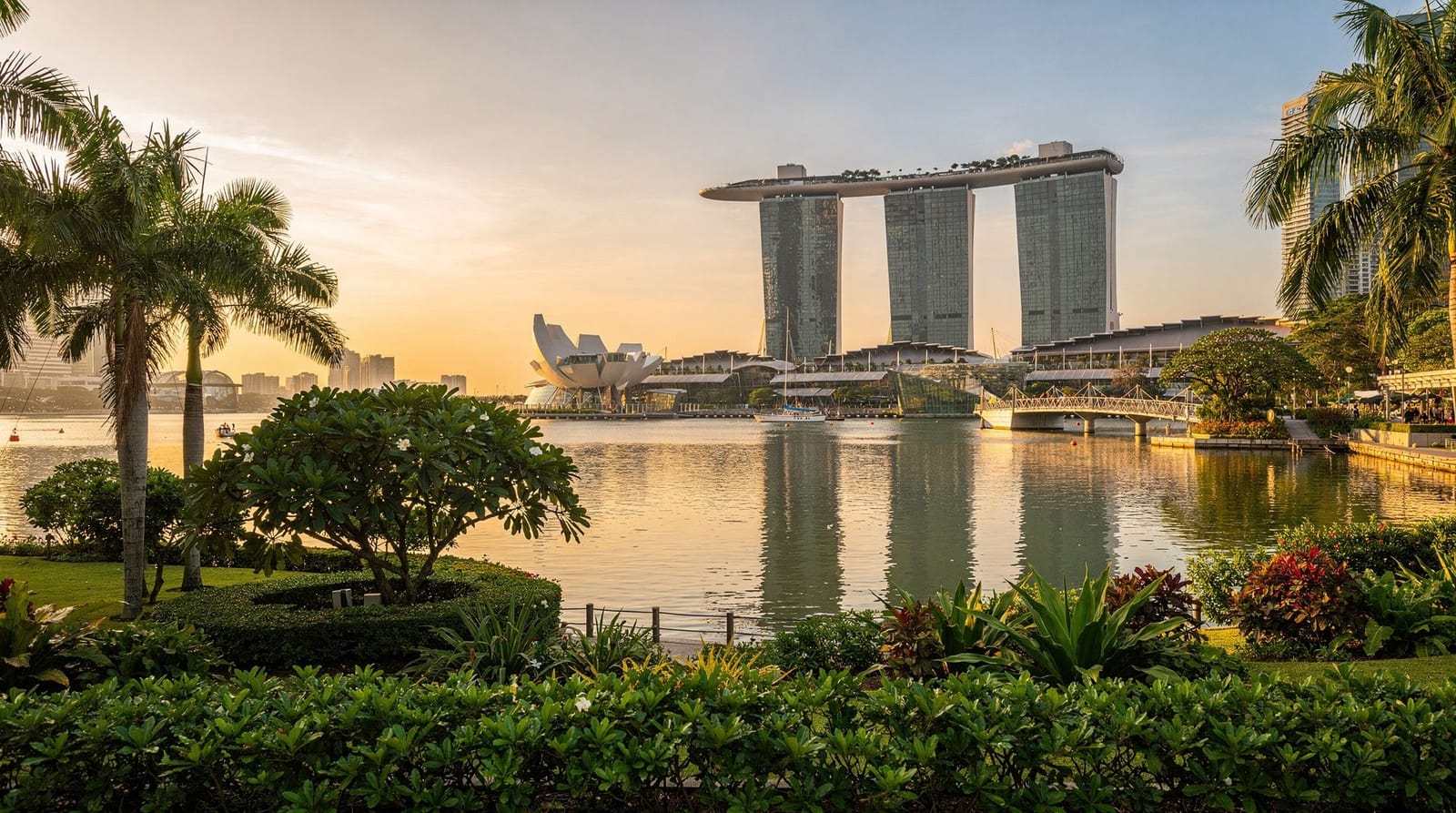
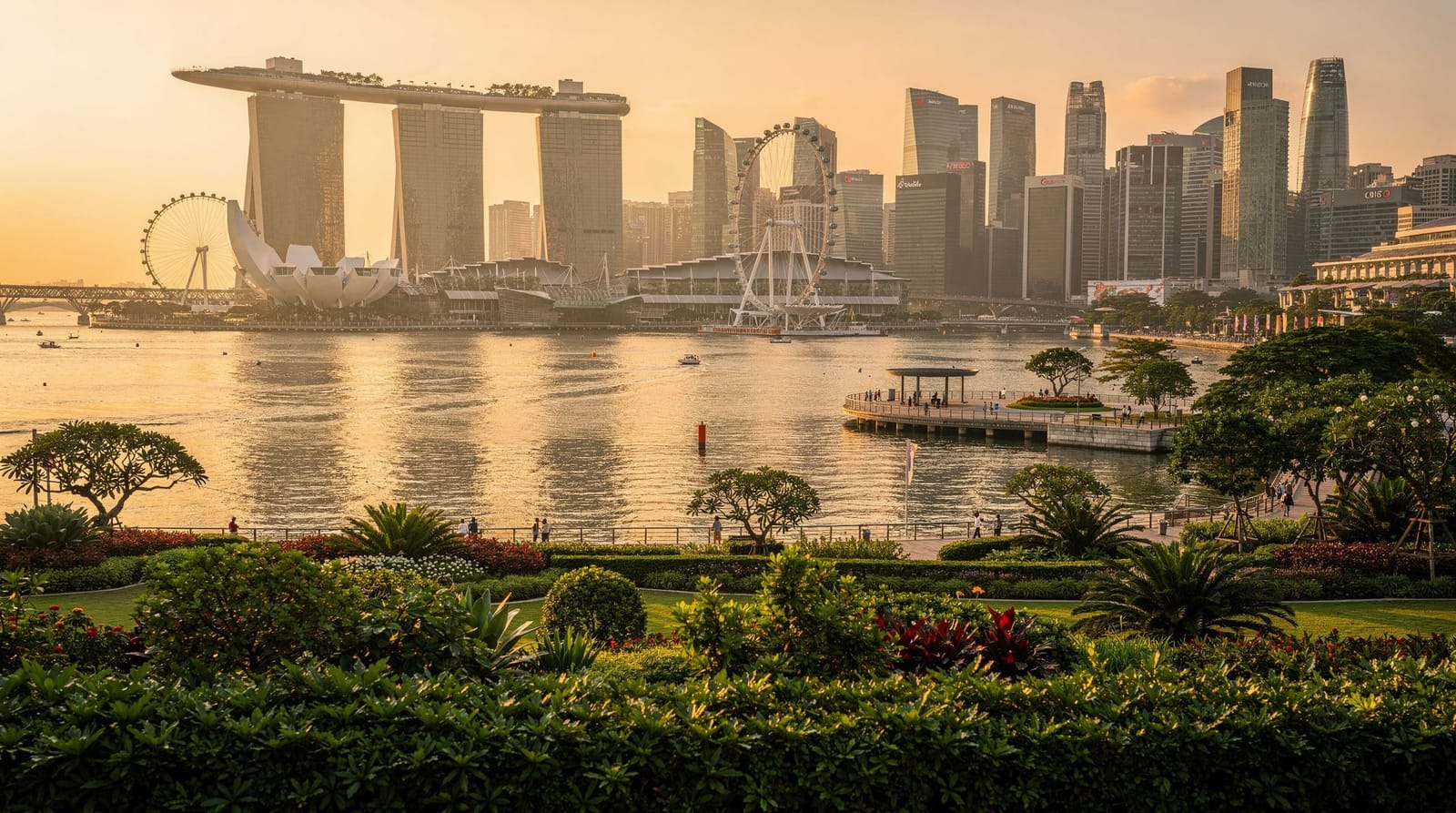
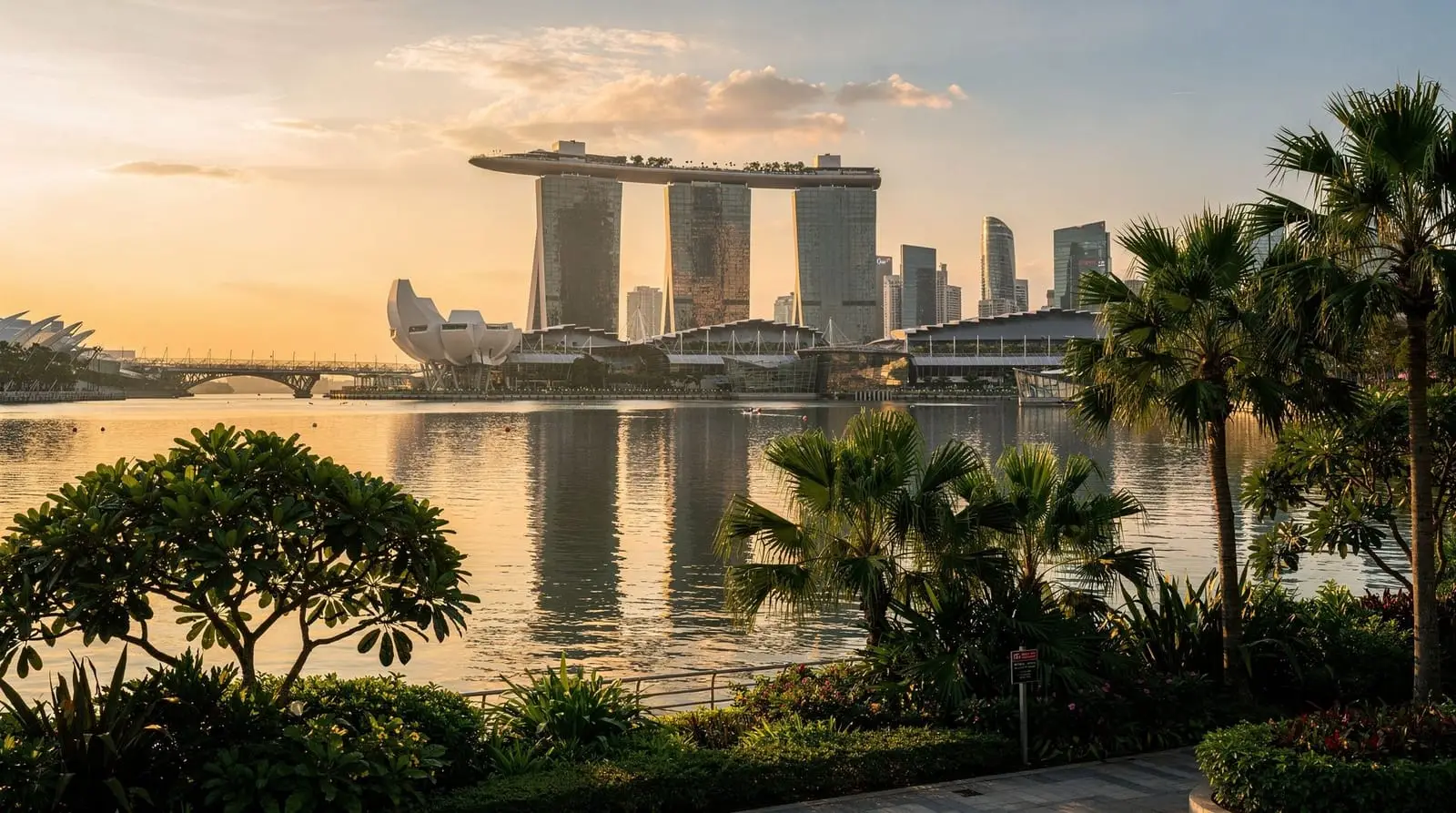
Topography and visual drama. The view from Victoria Peak over Kowloon and the harbour is one of the genuinely great city views in the world — the combination of density, water, mountains, and the specific angle of the light on clear evenings is something Singapore’s flat geography cannot replicate. Singapore’s equivalent — the Marina Bay skyline — is impressive but horizontal rather than vertically dramatic.
Cantonese food at every tier. Hong Kong’s dim sum culture, the roast meat shops, the noodle houses, the dai pai dong when you can find them — at the mid and high tier, the Cantonese cooking available in Hong Kong is simply better than what’s available in Singapore. This reflects demographics and proximity to the Guangdong food supply chain, but the result is that a dedicated food trip specifically for Chinese food would prioritise Hong Kong over Singapore.
The sense of compression and energy. Hong Kong has a density and pace that Singapore, for all its intensity, doesn’t quite match. The streets of Mong Kok or Sheung Wan have a physical urgency that is specific and exhilarating if you find that kind of urban energy appealing. Singapore is efficient and intense but more composed.
Hiking. The Dragon’s Back trail, the MacLehose Trail, the Sai Kung coastline — Hong Kong’s hiking is genuinely excellent in a way that’s underappreciated internationally. Singapore’s trails are good but the scale and variety are smaller.
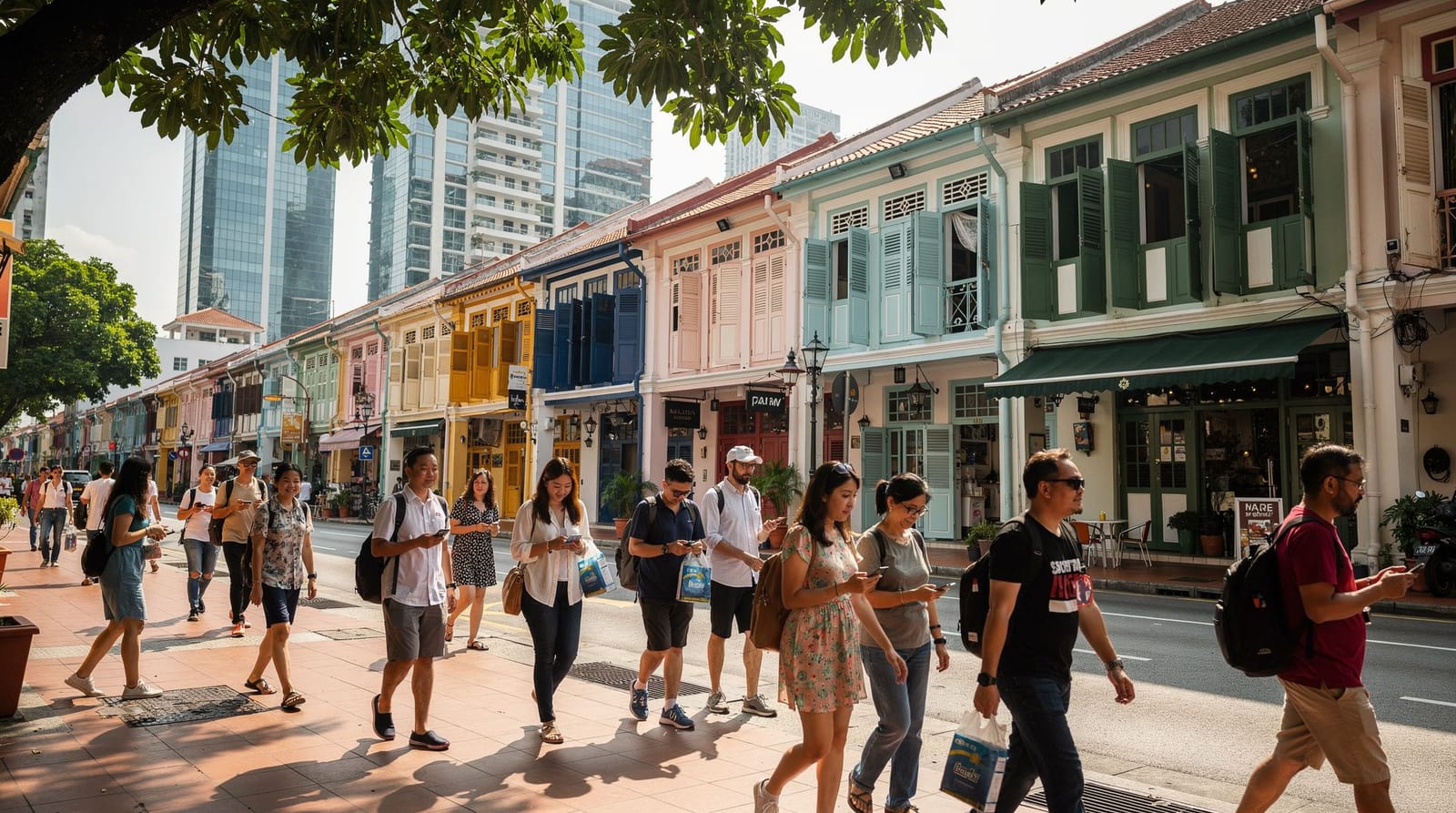
None of this means Singapore has no urban texture. Neighbourhoods such as Little India and Kampong Glam have a lived-in, street-level feel that gets closer to what people love about Hong Kong’s older districts, and the ethnic quarters guide shows how to string them together on foot.
Cost comparison
Both cities are more expensive than most of Southeast Asia and significantly cheaper than Tokyo or Sydney at comparable quality levels.
Hotel: comparable in the mid-range (SGD 150–250 / HKD 700–1,200 per night). Singapore’s budget accommodation in Chinatown is slightly cheaper than equivalent Hong Kong options.
Food: Singapore cheaper at the hawker/cooked food tier; Hong Kong roughly equal at the restaurant tier.
Transport: Singapore’s MRT is marginally more expensive than Hong Kong’s MTR but both are among the cheapest ways to get around any global city.
Alcohol: Singapore is more expensive (higher alcohol taxes). A beer in a Singapore bar: SGD 12–18. A beer in a comparable Hong Kong bar: HKD 50–70 (SGD 8–11).
For a full sense of what a Singapore trip actually costs day to day, the Singapore travel costs guide breaks the numbers down beyond this comparison.
What’s genuinely comparable
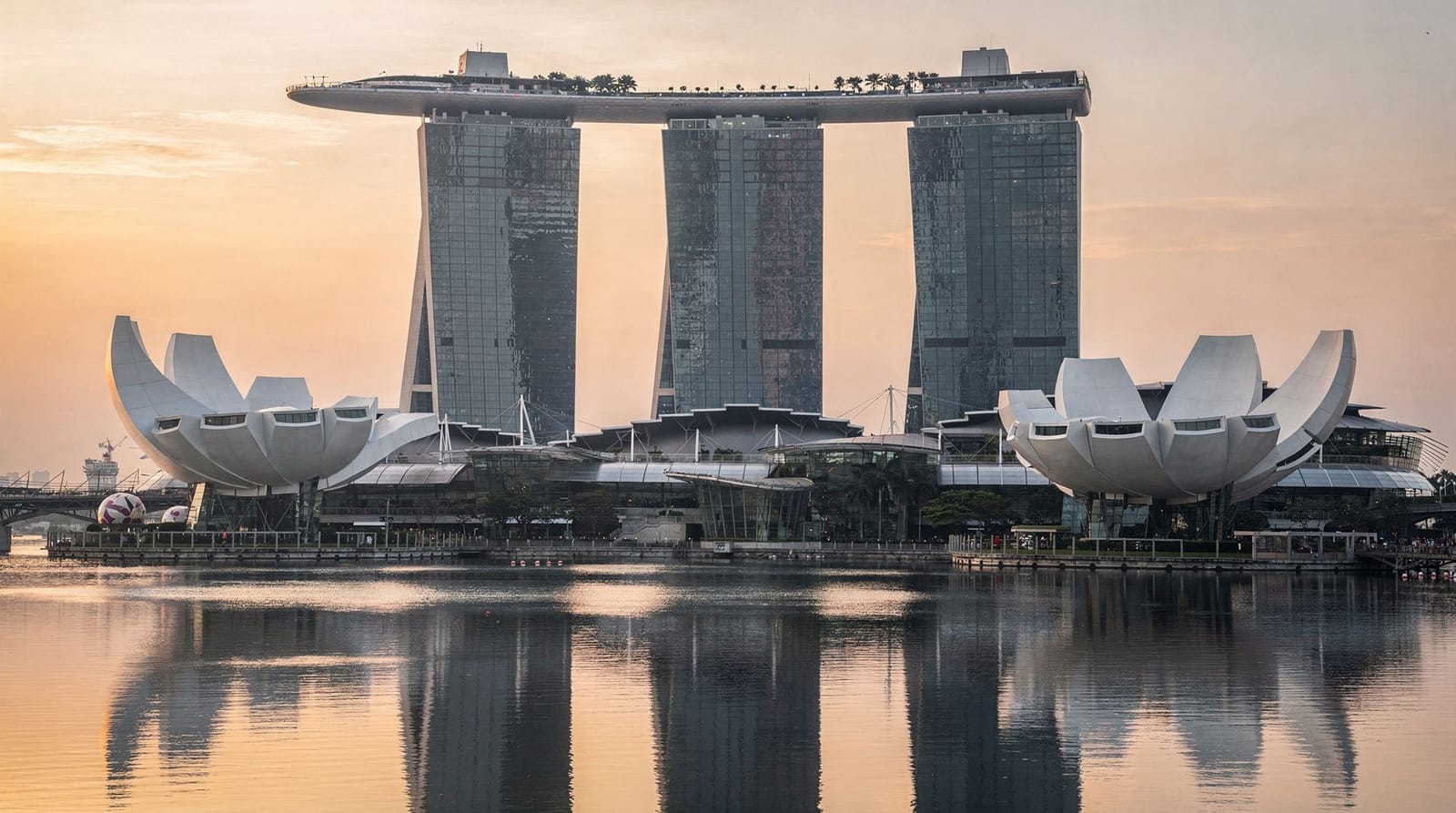
Both cities do skyline-view attractions well, just differently. Singapore’s Marina Bay Sands observation deck is the horizontal equivalent of the Peak Tram — a paid, purpose-built view that’s worth doing once. Both cities also have excellent, MRT/MTR-adjacent museum districts, though Hong Kong’s M+ museum has pulled ahead in contemporary art scale in recent years, while Singapore’s National Gallery holds the stronger Southeast Asian collection.
Getting around and settling in
On arrival, Singapore’s transit is easy to pick up. The MRT guide and the getting around Singapore guide cover the basics, and the Changi airport to city guide walks you through the first journey after landing. If you are deciding where to sleep, the where to stay guide compares the main areas so you do not have to work it out from scratch.
Which one first?
For a first-time visitor to Asia from Europe, North America, or Australia: Singapore is probably the better starting city. The English-language infrastructure, the safety record, and the logical layout make it easier to decompress from long-haul flights and find your feet. The food at the budget tier is an extraordinary introduction to Southeast Asian eating traditions.
For visitors who have already done the “easy” Asian cities and want more texture: Hong Kong’s compressed intensity, the Cantonese food depth, and the topographic drama add dimensions that Singapore doesn’t offer in the same way.
For visitors who want the best food for their money across all tiers: Singapore for street food, Hong Kong for Chinese restaurant dining — if you can afford only one, it depends on your priorities.
Both deserve serious time — a minimum of four to five days each. The five-day Singapore itinerary and the top attractions guide give you the framework for Singapore. If a first Asia trip is stacking both cities in one routing, the Singapore for first-timers guide is worth reading before you land, regardless of which city comes first. The comparison is ultimately not between a better and a worse city but between two cities that have different answers to the question of what makes a great metropolis.
Top experiences
Bookable activities with verified prices and instant confirmation on GetYourGuide.

Singapore: Universal Studios Singapore entry ticket

Singapore: Gardens by the Bay bundle entry ticket

Singapore: Night Safari and tram ride ticket

Singapore: S.E.A. Aquarium entrance ticket

Singapore: Singapore River cruise

Singapore: Marina Bay Sands observation deck e-ticket

Singapore: Sentosa cable car Sky Pass roundtrip ticket