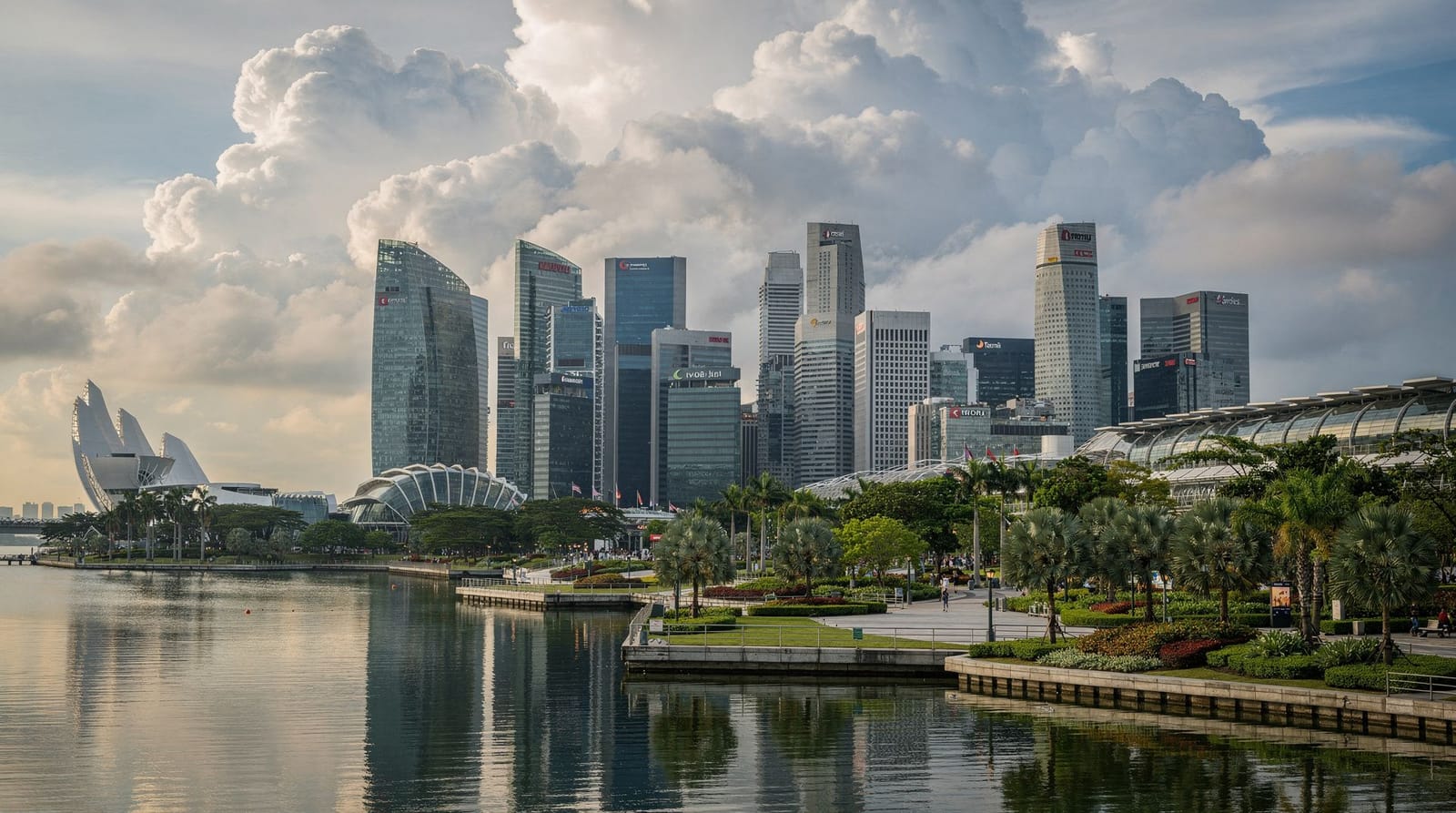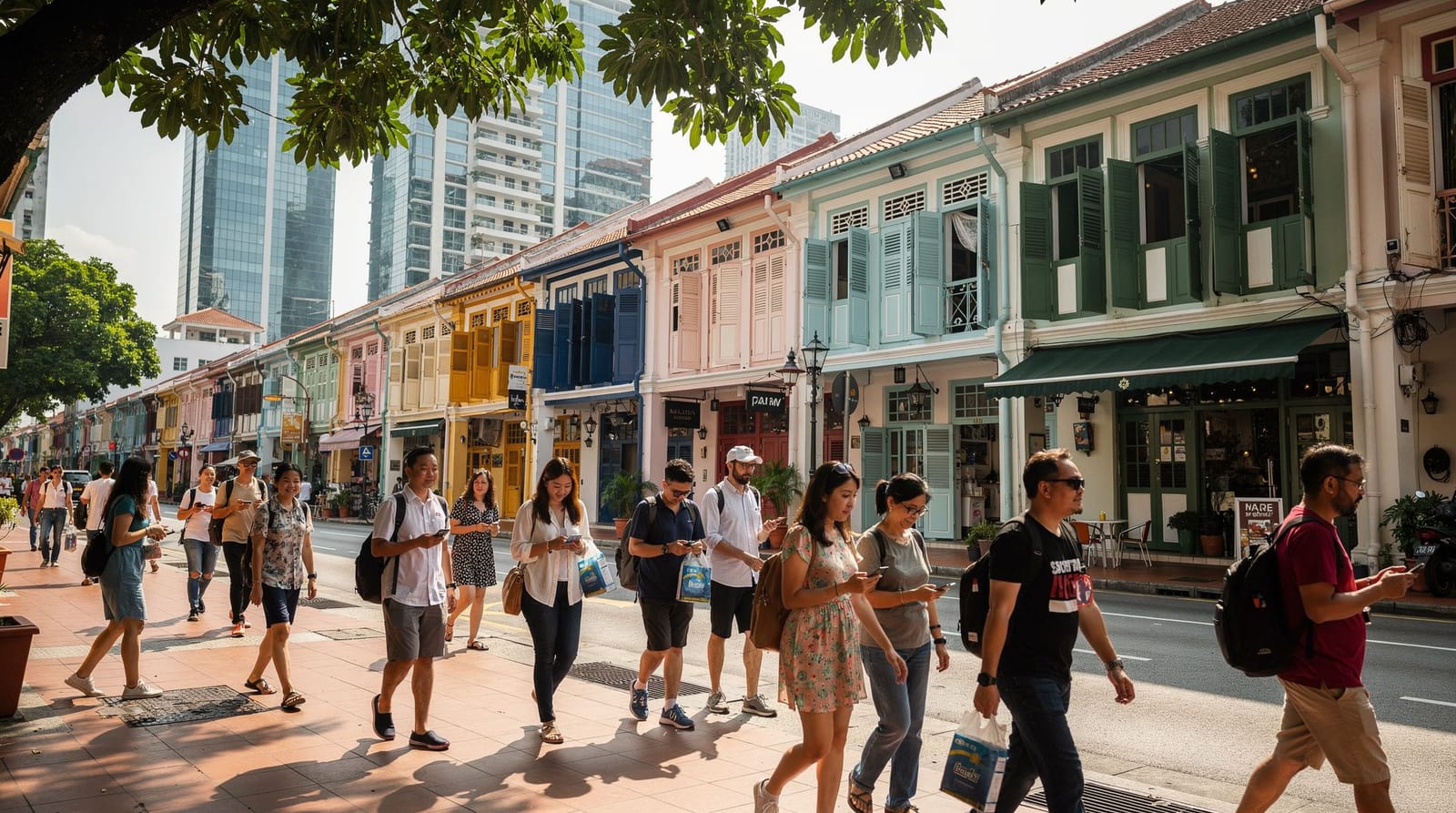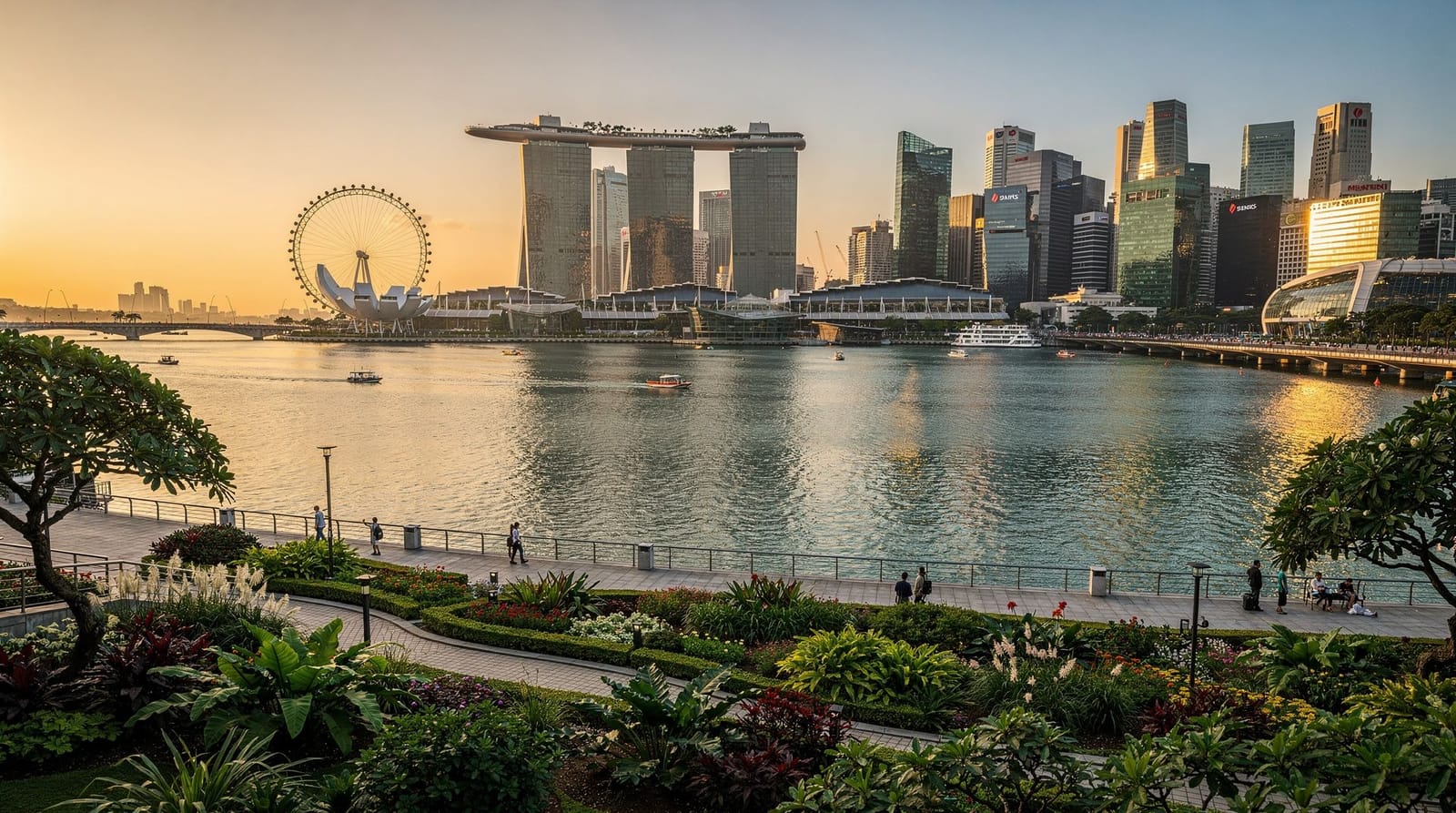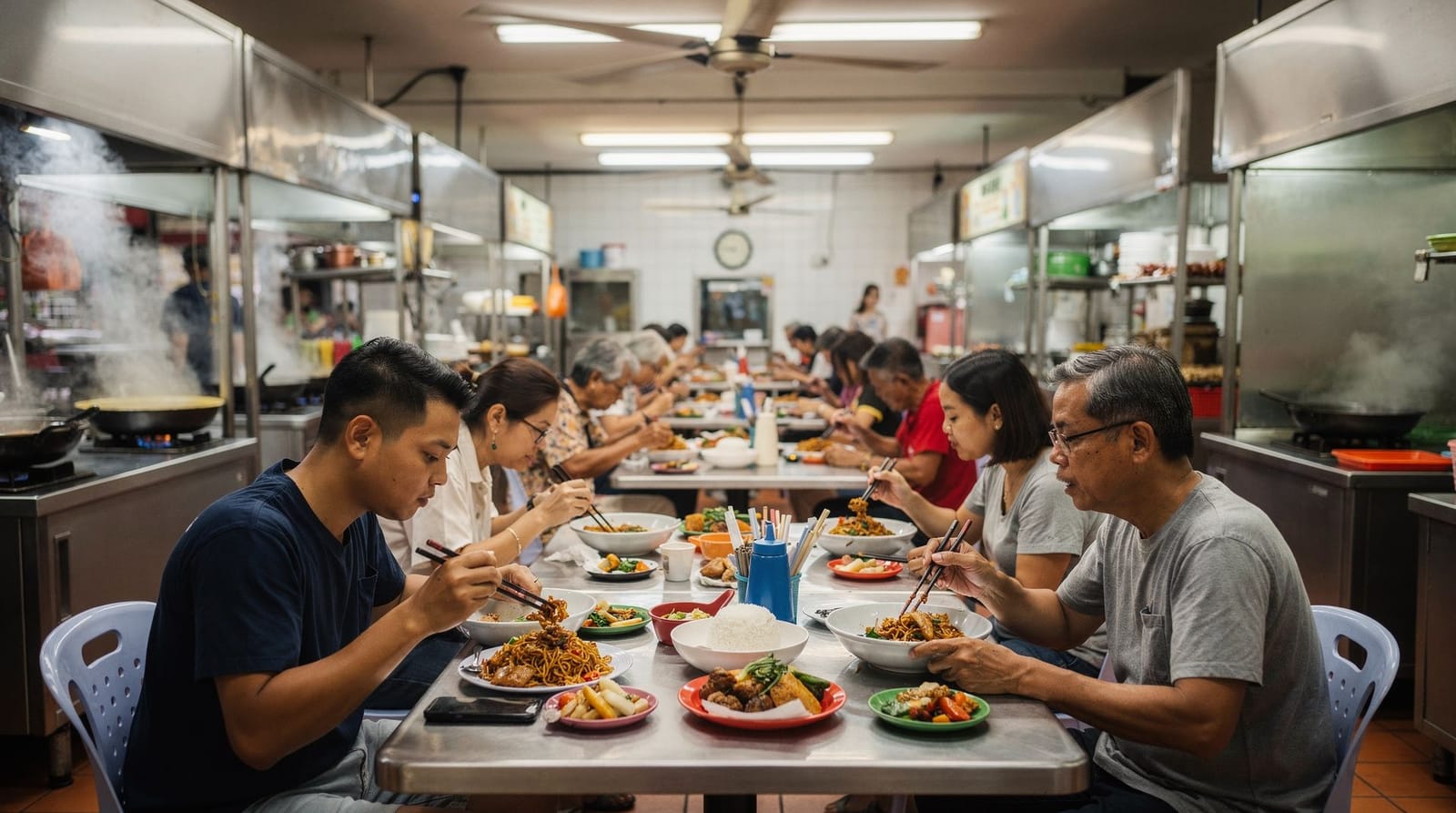
Singapore vs Bangkok: honest comparison for travellers choosing between them
Singapore: Go City explorer pass — choose 2 to 7 attractions
Should I visit Singapore or Bangkok?
Bangkok is cheaper, more chaotic, and offers deeper immersion in Thai culture, street life, and budget travel. Singapore is cleaner, more efficient, English-friendly, and easier but costs 3–4x more. For a first Asia trip, Singapore is the gentler entry point. For travellers wanting raw atmosphere, world-class street food at very low cost, and greater spontaneity, Bangkok delivers more intensity per dollar. They are not competitors — many travellers do both on the same trip.
| Cost gap | Singapore ~2.5–3x a mid-range Bangkok budget |
| Flight time between them | 2–2.5 hours direct |
| Best for a first Asia trip | Singapore |
| Best for budget/immersion | Bangkok |
| Combinable on one trip | Yes — a very common 8–10 day split |
The honest framing
Singapore and Bangkok are both excellent cities — but they are not similar. Comparing them is less like comparing two versions of the same thing and more like comparing Copenhagen to Istanbul. Both are urban, both have world-class food, but the experience, cost, atmosphere, and logistics are fundamentally different.
The question “Singapore or Bangkok?” often comes up for:
- Travellers with limited time in Southeast Asia choosing one first stop
- Travellers deciding how to split time on a multi-city Southeast Asia trip
- Stopover travellers deciding whether Changi or Suvarnabhumi is a better transit point
This guide answers honestly, including where Singapore is overrated and where Bangkok is harder work than promoted.
Cost comparison
This is where the difference is most stark.
Bangkok daily budget estimates (approximate 2026, USD):
- Budget backpacker: USD 25–45 (hostel/guesthouse, street food, MRT/taxis, basic temples)
- Mid-range traveller: USD 60–100 (3-star hotel, restaurant meals, taxis)
- Comfortable: USD 120–200 (4-star hotel, mix of dining, activities)
Singapore daily budget estimates (approximate 2026, SGD equivalent in USD):
- Budget minimum (realistic): USD 75–100 (hostel/budget hotel, hawker food, MRT, no major paid attractions)
- Mid-range: USD 150–250 (3-star hotel, mix hawker + restaurant, 1–2 paid attractions)
- Comfortable: USD 280–450 (4-star hotel, full activities programme)
The gap: A mid-range Singapore trip costs approximately 2.5–3x a mid-range Bangkok trip. This is a genuine, large difference — not a matter of travel style or eating habits. Singapore is one of Southeast Asia’s most expensive cities; Bangkok remains one of its most affordable.
Where the cost gap narrows: Public transport (both cities have good metro systems at relatively similar prices). Free attractions (Singapore has excellent free experiences; Bangkok’s temples and markets are also largely free or cheap entry). The gap is largest in accommodation and alcohol.
Food: the honest verdict
Both cities are in the global top five for urban food culture. The food comparison is less “better vs worse” and more “different traditions.”
Singapore food highlights:
- Hawker centres — Maxwell Food Centre, Lau Pa Sat, Chinatown Complex — serve extraordinary Singaporean Chinese, Malay, and Indian dishes at SGD 4–10
- Hainanese chicken rice, chilli crab, laksa, kaya toast breakfast, char kway teow — each a genuine world-class dish in its tradition
- Michelin recognition: multiple Singapore hawker stalls have Bib Gourmand or star recognition
- The multicultural food range (Chinese + Indian + Malay + Peranakan) in one city is unmatched
Bangkok food highlights:
- Street food from approximately USD 1–3 per dish (pad thai, somtam, mango sticky rice, tom yum)
- Extreme variety on every street — multiple stalls competing on the same block
- Night markets (Chatuchak, Talad Neon, Jodd Fairs) are genuinely spectacular food events
- High-end Thai fine dining has advanced significantly — Nahm, Saawaan, and similar restaurants offer world-class cooking
- The spice levels and flavour intensity in authentic Bangkok street food exceed what most Singapore Chinese or Malay food offers
Which is better? Impossible to call. If your priority is Chinese or Indian food, Singapore wins. If your priority is Thai cuisine at outstanding value, Bangkok wins obviously. Both cities have more food than any visitor could cover.
Transport: getting around
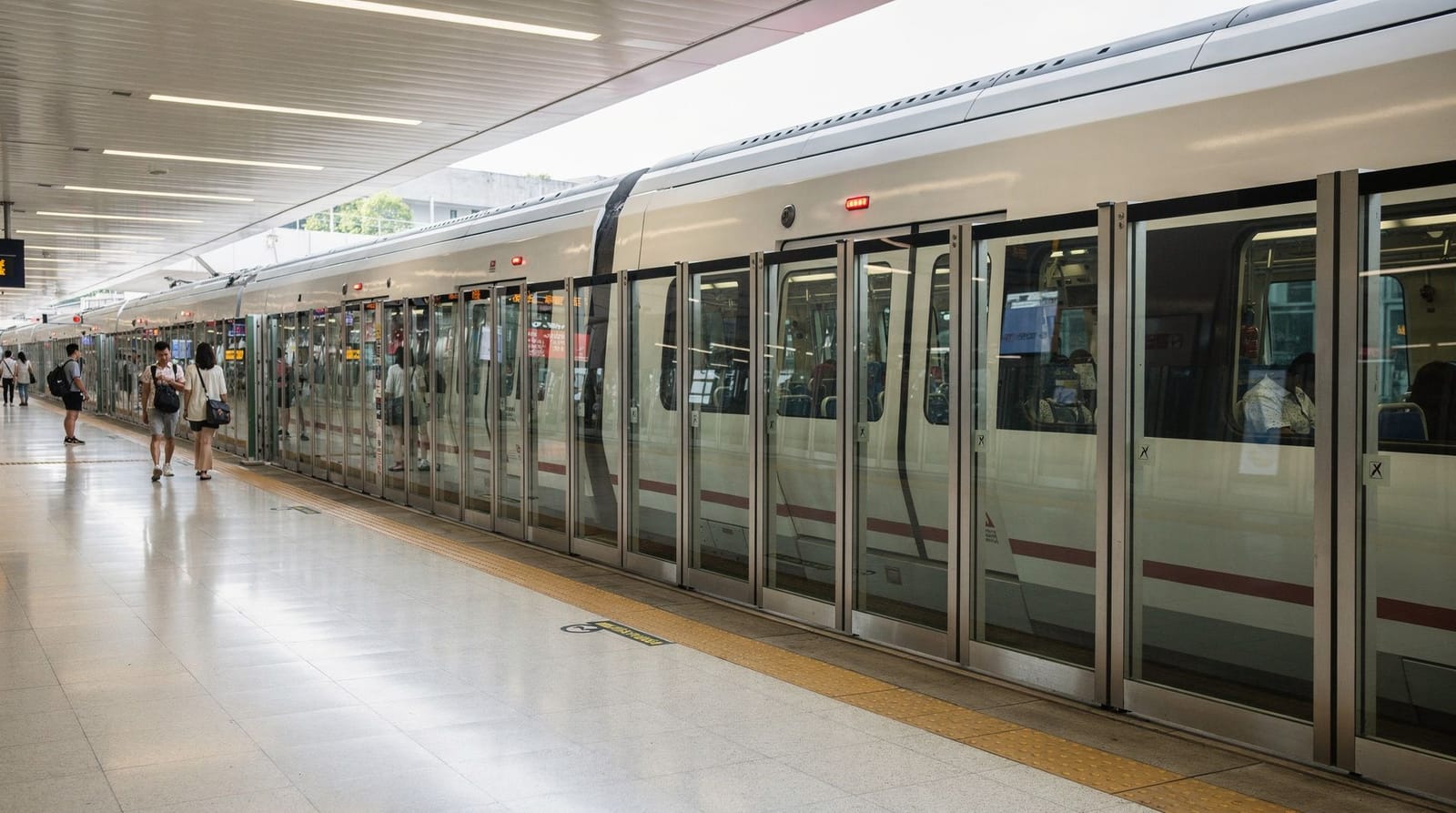
Singapore: The MRT is one of the world’s best urban rail systems — clean, reliable, air-conditioned, well-signed in English, covers all major tourist areas. Standard fares: SGD 0.80–2.20 per trip by EZ-Link card. Grab is safe and metered. Zero navigation stress.
Bangkok: The BTS Skytrain and MRT subway are good but do not cover the entire city — some major attractions (Khao San Road, riverside temples) require taxi, tuk-tuk, or river boat. Traffic in Bangkok is legendary; Grab taxis are excellent but you are still stuck in traffic. Tuk-tuk rides are atmospheric but a scam risk for tourists (drivers receive commissions from gem shops and tailor shops they take you to). Allow extra time for everything.
Verdict: Singapore is significantly easier and less stressful to navigate. Bangkok requires more local knowledge and tolerance for delays.
Culture and attractions
Singapore:
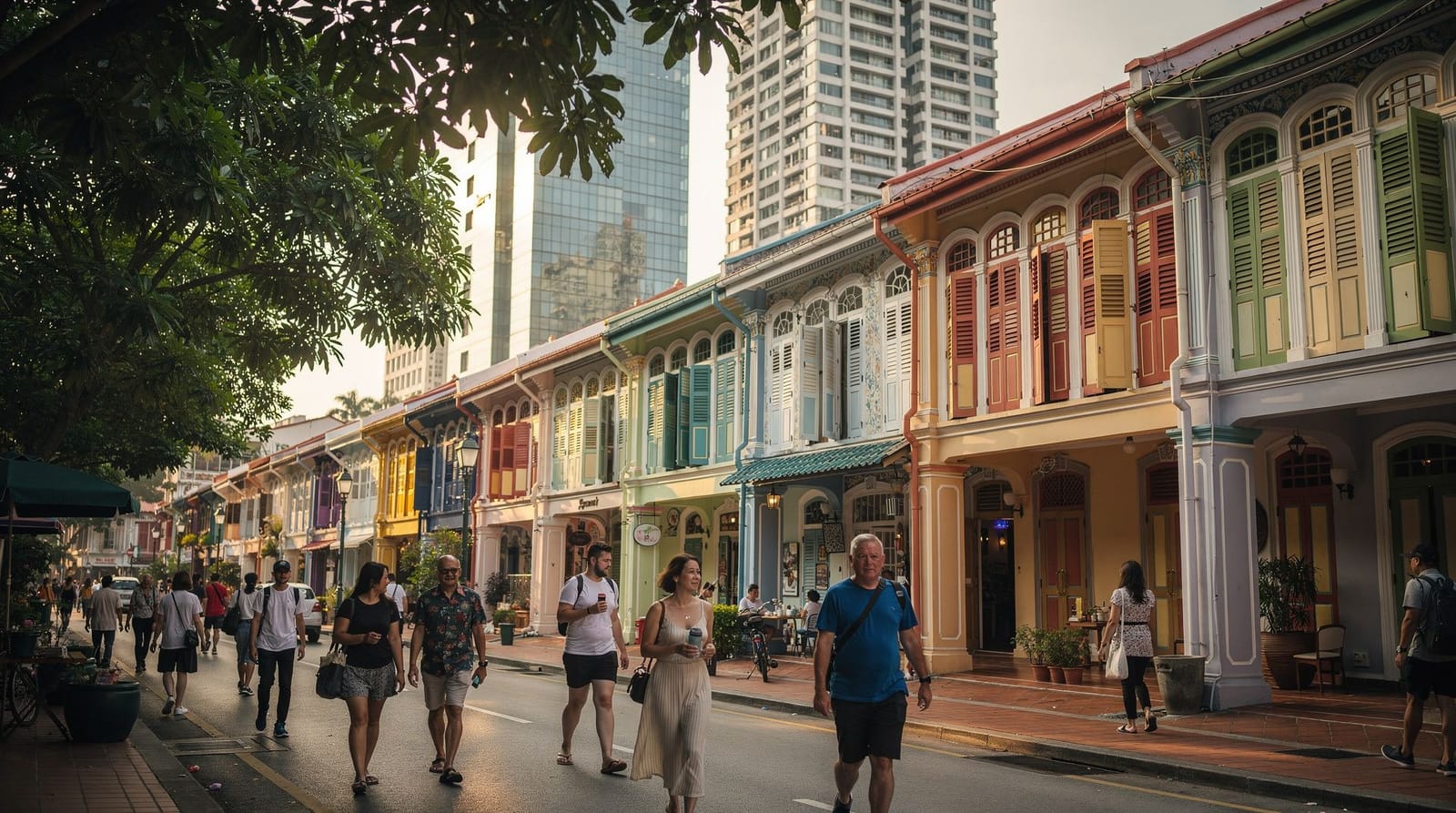
- Colonial and modern architecture, multicultural neighbourhood exploration (Chinatown, Little India, Kampong Glam)
- World-class gardens, museums, and wildlife experiences
- Clean, English-speaking, highly organised — easy to access and understand
- Somewhat sanitised — the colonial and modern overlay means less “rawness” than older Southeast Asian cities
- Best for: Universal Studios, Mandai Wildlife Reserve, Gardens by the Bay, Marina Bay spectacle, Peranakan culture
Bangkok:
- Genuine Buddhist temple culture at Wat Pho, Wat Arun, Wat Phra Kaew — among the most impressive temple complexes in the world
- Night markets with genuine local life (not tourist markets)
- Multiple distinct neighbourhoods (old city, Chinatown/Yaowarat, Silom, Sukhumvit) with very different characters
- More spontaneous discoveries — street life, unexpected alleys, local rhythm
- Best for: temple culture, floating markets (Amphawa, nearby), authentic Thai street food, nightlife variety
For cultural depth: Bangkok has more layers of authentic local culture that are accessible to visitors. Singapore’s culture is fascinating but the city’s efficiency and modernity mean you encounter fewer unplanned, spontaneous cultural moments. If you do plan several paid attractions in Singapore, a multi-attraction pass can cut the cost.
Singapore: Go City explorer pass — choose 2 to 7 attractions Singapore: Go City all-inclusive pass with 40+ attractionsSafety and practicalities
Singapore: One of the world’s safest cities. No significant scam culture targeting tourists. Drugs carry extreme penalties (death penalty for trafficking above threshold amounts — this is strictly enforced). Fines for jaywalking, littering, and eating/drinking on MRT exist and are enforced. English everywhere. Zero navigation stress.
Bangkok: Petty crime exists (bag snatching, phone theft on motorbikes). The “gem scam” (friendly stranger who takes you to an overpriced gem shop claiming special prices) is the most common tourist scam. Tuk-tuk drivers who offer “only 20 baht” rides take commissions from shops. These are manageable with basic awareness — Bangkok is not dangerous, just requires the standard big-city vigilance. Medical care in Bangkok (Bumrungrad Hospital) is excellent and far cheaper than Singapore.
Which type of traveller prefers each city
Choose Singapore if:
- This is your first time in Asia and you want an easy, English-friendly entry
- You are travelling with young children
- Your trip priorities are food safety, cleanliness, and organised experiences
- You want world-class wildlife parks, theme parks, or modern architecture
- Your time is limited (3–4 days) and you want high-impact experiences efficiently
Choose Bangkok if:
- You want immersion in Southeast Asian street life and Buddhist culture
- Budget is a significant constraint
- You love Thai food and want it at the source
- You enjoy organised chaos, temple-hopping, and spontaneous discoveries
- You are comfortable with more complex navigation and occasional hassle
Do both if: Your itinerary allows it. The 2.5-hour direct flight between the cities makes a combined Singapore + Bangkok trip very practical. Many travellers add Chiang Mai or beach destinations (Koh Samui, Koh Lanta) to create a Thailand + Singapore loop.
Doing both: suggested split
8–10 day Southeast Asia trip:
- 3 days Singapore → fly to Bangkok → 4–5 days Bangkok (possibly + 1–2 days Chiang Mai if extending)
5–7 days:
- 2–3 days Singapore (food, Marina Bay, one major attraction) → 3–4 days Bangkok (temples, street food, night market)
Singapore is excellent as the first city because Changi Airport has excellent long-haul connections, the city is a comfortable first-day-in-Asia orientation, and the contrast with Bangkok is more striking if you transition from order to organised chaos rather than the reverse.
What each city gets wrong about its reputation
Singapore is overrated as “boring.” The reputation of Singapore as sterile and characterless undersells the genuine cultural depth of Chinatown, Little India, and Kampong Glam, and ignores that the food scene alone justifies several days. It is more organised than spontaneous, but “organised” is not the same as “empty.” See Singapore tourist traps for what actually is overhyped inside Singapore itself.
Bangkok is underrated as “just chaos and temples.” Bangkok’s fine-dining scene, its rooftop bar culture, and its efficient BTS/MRT core rival Singapore in their own categories — it is not only backpacker chaos. The chaos is concentrated in specific areas (Khao San Road, certain markets), not the whole city.
Neither city is “unsafe” in a way that should change your plans. Both have very low violent crime against tourists. Singapore’s edge is close to zero scam risk; Bangkok’s petty scams are annoying but rarely dangerous, and avoidable with basic awareness.
If you pick Singapore: where to start
Once the choice leans towards Singapore, the next question is how to spend the days. The Singapore for first-timers guide and the must-see list for a first visit give the quickest orientation, while how many days in Singapore helps you decide how much of a combined trip the city deserves. If you prefer a ready-made plan, the 3-day itinerary and the first-timer itinerary are built for exactly the traveller who is comparing it with Bangkok.
For the neighbourhoods that answer the “is Singapore too sanitised?” worry, spend an afternoon in Chinatown, Little India and Kampong Glam, or read the ethnic quarters guide to see how they fit together. Food-focused travellers who want the Bangkok street-food feeling in Singapore should start with the hawker etiquette and chope guide and the must-try dishes so they order with confidence from the first meal.
Planning the practical side
Timing matters when you are choosing between the two cities. The best time to visit Singapore and the month-by-month weather guide will help you line it up with your Bangkok dates, and the what to pack page covers the heat and the sudden rain that both cities share. On arrival, getting from Changi Airport to the city and the MRT guide show how easy the first hours are, and the entry requirements and arrival card page is worth checking before you book the flight from Bangkok.
If the cost gap is what worries you, Singapore on a budget and the budget itinerary show how to narrow it, and the free things to do list is a reminder that the city is not only paid attractions.
Currency and budgeting quick reference
| Singapore | Bangkok | |
|---|---|---|
| Currency | SGD | THB |
| Budget day | ~USD 75–100 | ~USD 25–45 |
| Mid-range day | ~USD 150–250 | ~USD 60–100 |
| Beer (bar) | SGD 12–18 | USD 2–4 |
| MRT/BTS single ride | SGD 0.80–2.20 | THB 16–62 |
| Street/hawker meal | SGD 4–10 | USD 1–3 |
See Singapore travel costs for the full Singapore cost breakdown, including a day-by-day budget table for each traveller type.
Frequently asked questions about Singapore vs Bangkok
Which city has better rooftop views?
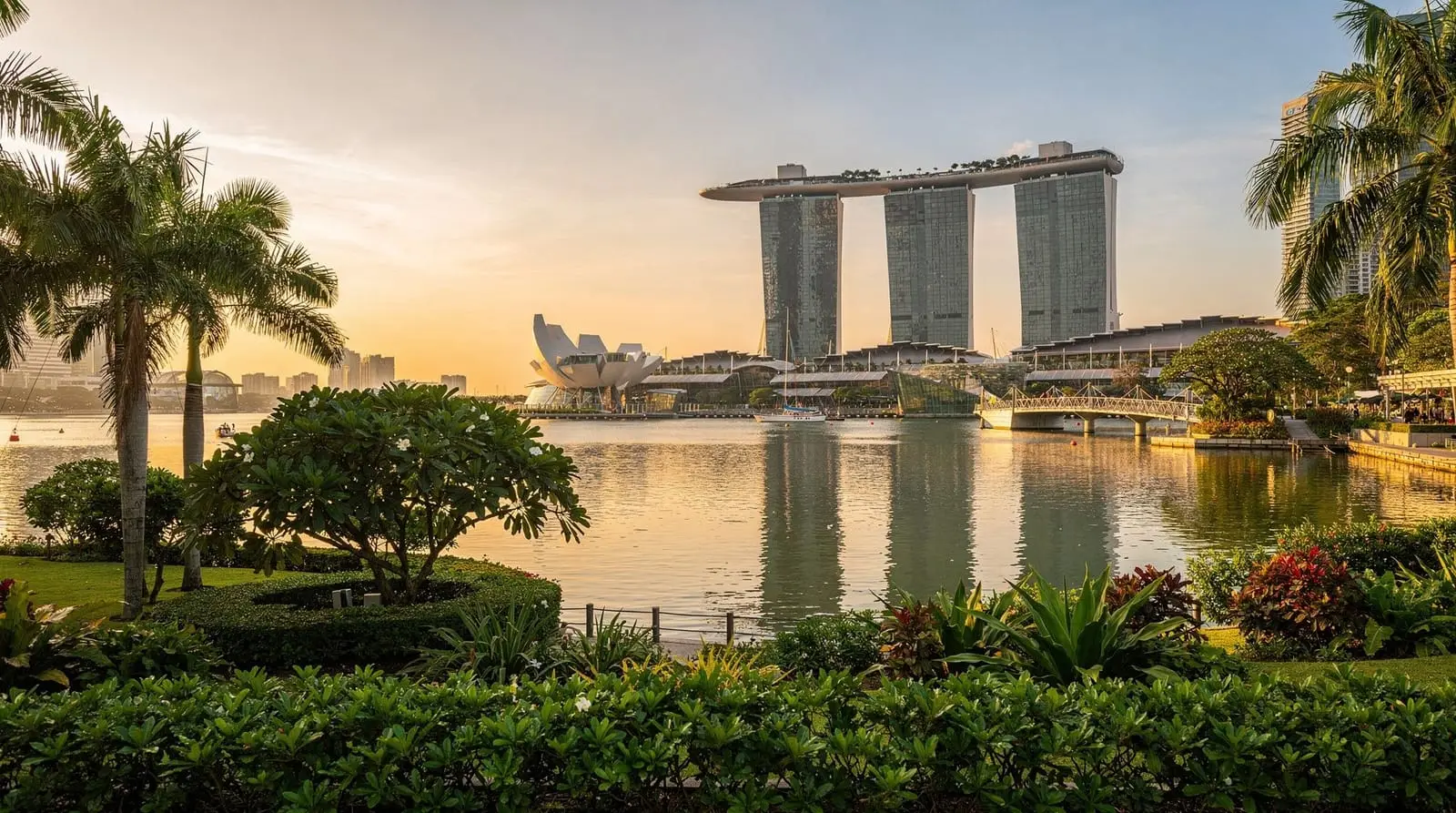
Both excellent, but different. Singapore’s Marina Bay rooftop views (Best rooftop bars in Singapore: honest guide 2026) are spectacular and uniquely futuristic — Marina Bay Sands Infinity Pool, 1-Altitude, and Lantern bar. Bangkok’s best rooftops (Vertigo at Banyan Tree, Sky Bar at State Tower used in The Hangover Part II) are dramatic and significantly cheaper. Singapore wins on visual impact; Bangkok wins on value.
Is Singapore or Bangkok better for solo female travellers?
Singapore is notably more comfortable for solo female travellers — safe at night everywhere, no significant harassment culture, zero scam risk, easy navigation. Bangkok is manageable for experienced solo female travellers but requires more awareness, particularly in nightlife areas and when using tuk-tuks. For first-solo-trip-in-Asia, Singapore is the less stressful choice. See Solo travel Singapore for Singapore-specific solo travel tips.
How far apart are Singapore and Bangkok?
Approximately 1,400 km by air. Flight time is 2–2.5 hours. Multiple airlines fly the route daily, including Singapore Airlines, Thai Airways, AirAsia, Scoot, and Thai Lion Air. Budget fares on AirAsia or Scoot can be as low as USD 30–50 one-way when booked in advance.
Which city is better for a 48-hour layover?
Singapore is significantly better for short layovers. Changi Airport’s connections to the city (30-minute MRT ride), the compact nature of major attractions, and the English-speaking environment make a 24–48 hour Singapore stopover highly efficient. Bangkok’s city centre is further from Suvarnabhumi Airport and traffic makes timing less predictable. See Changi Airport layover guide for Singapore layover planning.
Does Singapore have good beaches?
Singapore has Sentosa’s Siloso, Palawan, and Tanjong beaches — pleasant, clean, and accessible but urban resort beaches with cargo ship traffic in the background. Bangkok itself has no beach access. For beaches, neither city is the right base — Bali, Phuket, Koh Samui, or the islands of Koh Tao/Koh Phangan are the correct comparisons. Both Singapore and Bangkok function well as gateway cities to nearby beach destinations.
Top experiences
Bookable activities with verified prices and instant confirmation on GetYourGuide.