Great Singapore Sale 2026: honest guide to dates, deals, and what's worth it
Singapore: Gardens by the Bay bundle entry ticket
Is the Great Singapore Sale worth timing your trip around?
Partially. The GSS (June–August) brings genuine discounts of 20–70% across participating retailers — these are real reductions, not inflated-then-discounted markups common in some sales. However, Singapore's lack of import duties means it is not dramatically cheaper than home for most goods. The best value is in local brands, department store clearance, and specialty Singapore retail. The sale period also coincides with Singapore's best weather (drier, lower humidity). Worth knowing about; probably not worth building an entire itinerary around unless shopping is your primary purpose.
| When | Around June–August (exact dates announced April–May) |
| Typical discounts | Around 20–70%, deepest in department store clearance |
| Best for | Department store fashion, jewellery, hotel packages |
| Not much better for | Flagship electronics, luxury handbags |
| Bonus | Drier, less humid weather than monsoon months |
What is the Great Singapore Sale?
The Great Singapore Sale (GSS) is an annual retail event coordinated by the Singapore Tourism Board (STB) and the Singapore Retailers Association. It has run since 1994 and is one of Southeast Asia’s longest-running promotional retail periods.
The sale is not a single event but a promotional framework — participating retailers agree to offer genuine discounts during the period and the STB promotes Singapore as a shopping destination to international tourists. Think of it as Singapore’s version of the Paris soldes or the Australian post-Christmas sales, but more strategically marketed and covering a wider range of goods and services.
The combination of genuine discounts, Singapore’s duty-free retail environment, and the quality of shopping infrastructure makes the GSS one of the better times to visit if shopping is part of your agenda. It also coincides with Singapore’s better weather months (June–August are drier and slightly less humid than the monsoon periods).
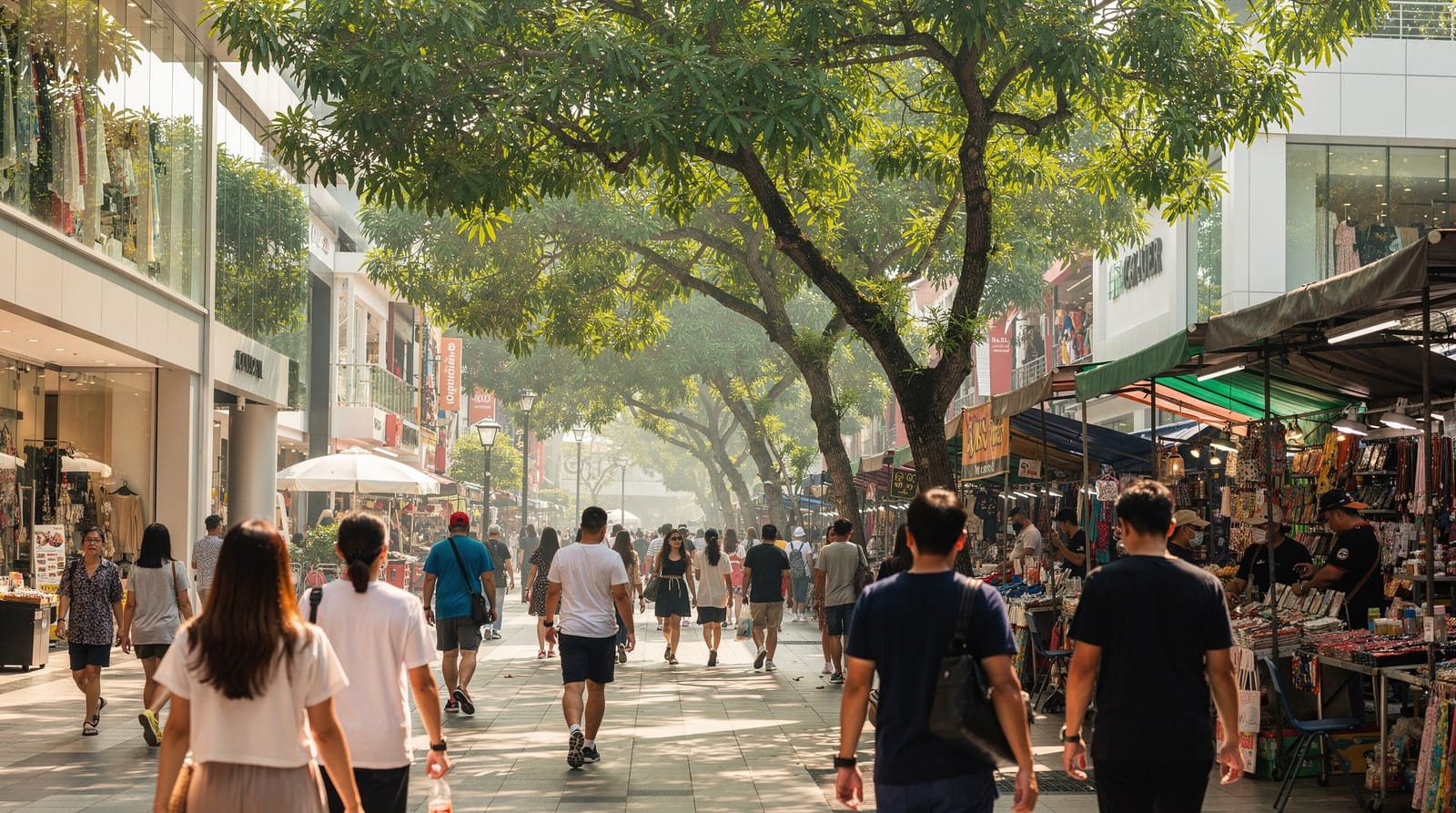
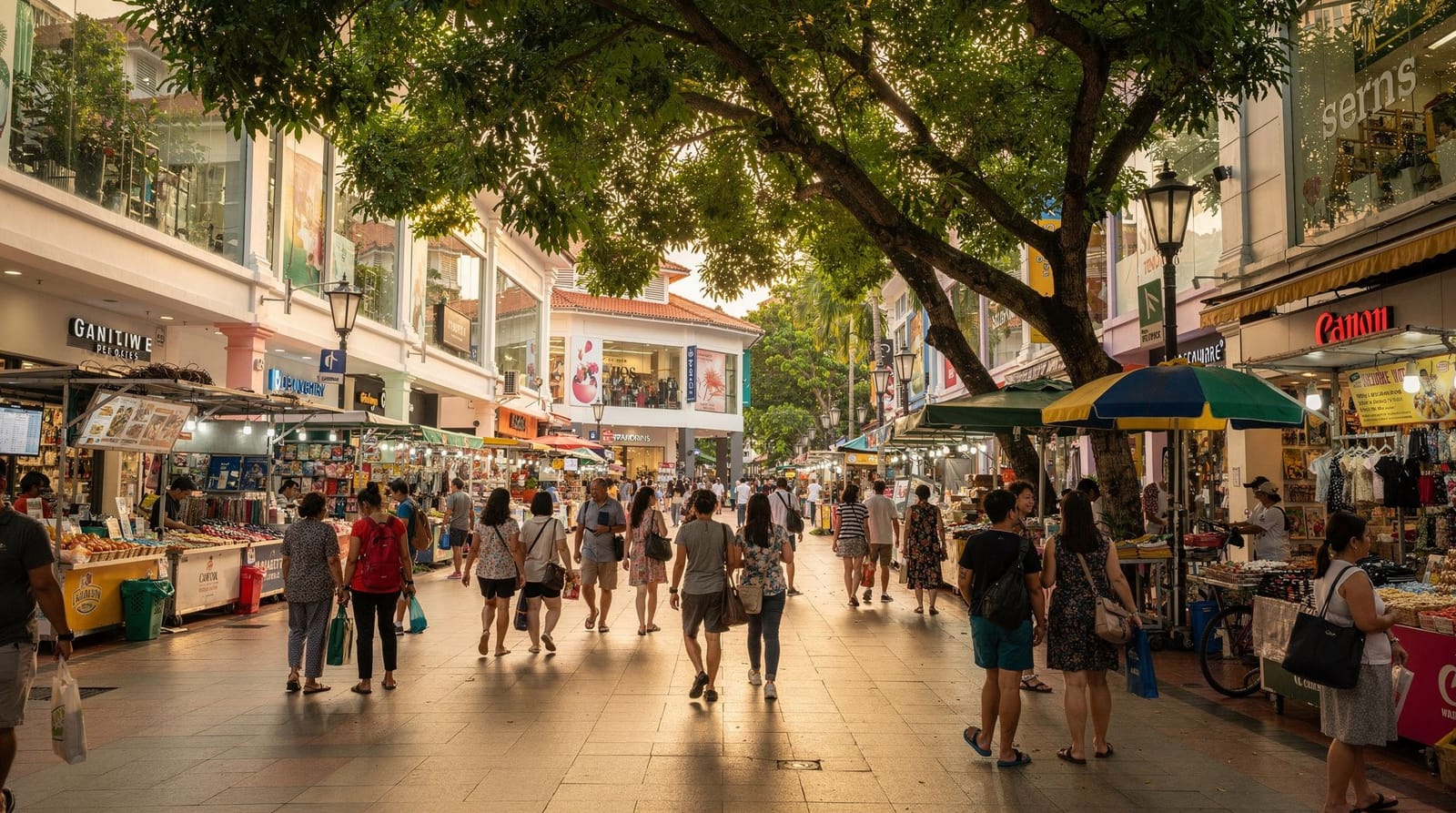
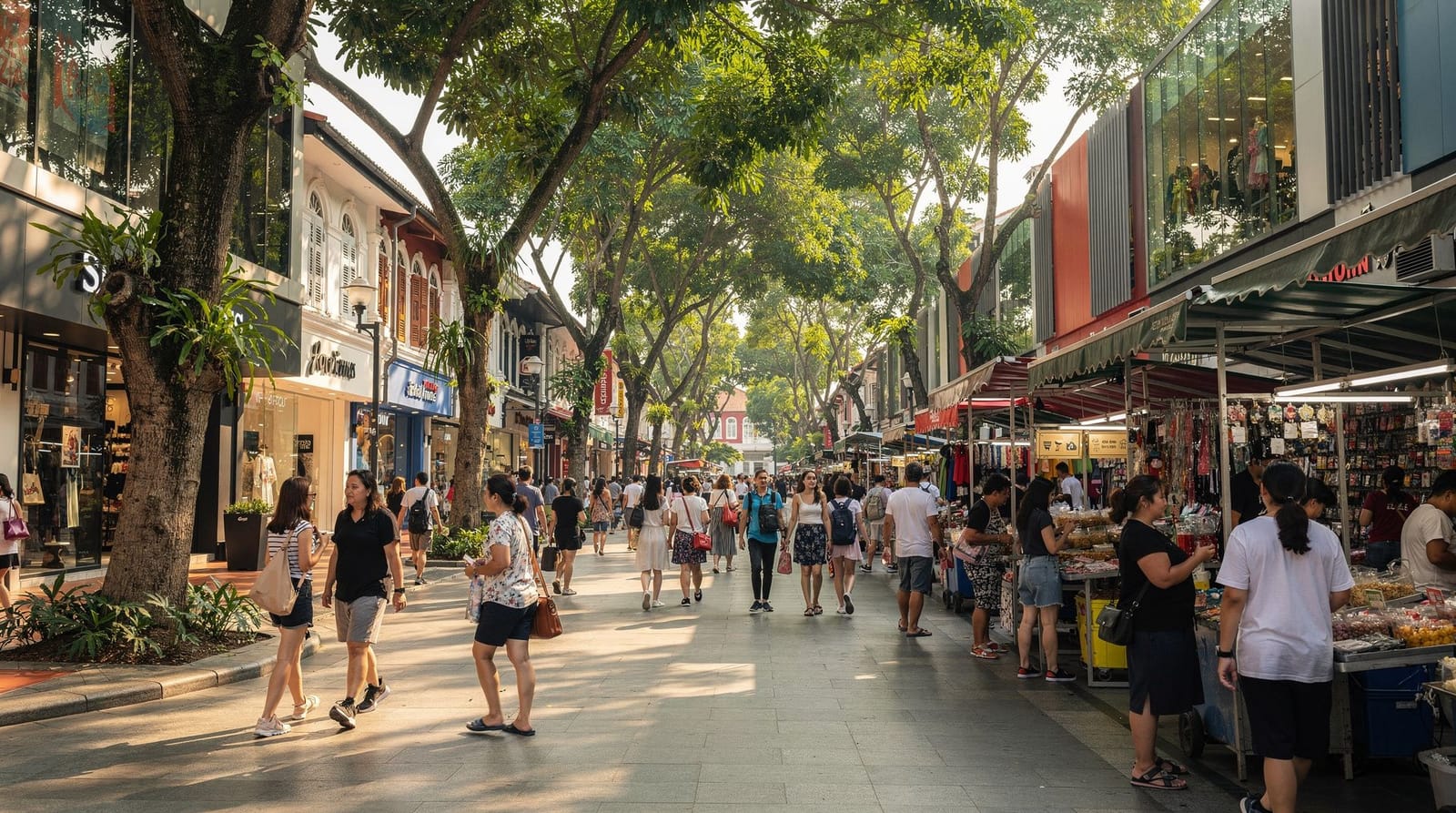
For a year-round view of Singapore’s retail scene beyond the sale period, see Orchard Road shopping and the broader Orchard Road Singapore — most GSS activity concentrates along this single strip, so understanding the street itself helps you plan a sale visit.
Where to find the best deals
Department stores (Takashimaya, Tangs, OG): Mid-season and end-of-season clearance produces the most reliably deep discounts — 40–70% off actual stock on fashion, homeware, and accessories. Takashimaya’s GSS sale floor is a Singapore institution; locals arrive early on sale-start days for the best items.
Orchard Road mall anchors (Zara, H&M, Uniqlo, Cotton On): These international fast-fashion chains participate with 20–40% off selected lines, plus specific sale items not available year-round. Uniqlo’s GSS promotions on linen and functional clothing are particularly good value.
Local Singapore brands: TWG Tea occasionally has GSS gift set promotions. Charles & Keith typically participates with 20–30% discounts on mid-season shoes and bags. Local food brands sometimes offer promotional packs through supermarkets during GSS.
Jewellery and watches: Some of the best GSS deals are in the jewellery sector — where margins are higher year-round, meaning sale discounts can represent meaningful savings. Independent jewellers in Peninsula Shopping Centre and Peoples’ Park Complex (Chinatown) often run deeper cuts than the mall boutiques. Gold jewellery pricing (at Mustafa Centre and Indian jewellers in Little India) does not change significantly with GSS since it is already priced close to spot-metal value. The full picture of Mustafa’s round-the-clock retail (electronics, gold, groceries) beyond the GSS window is in the Mustafa Centre guide.
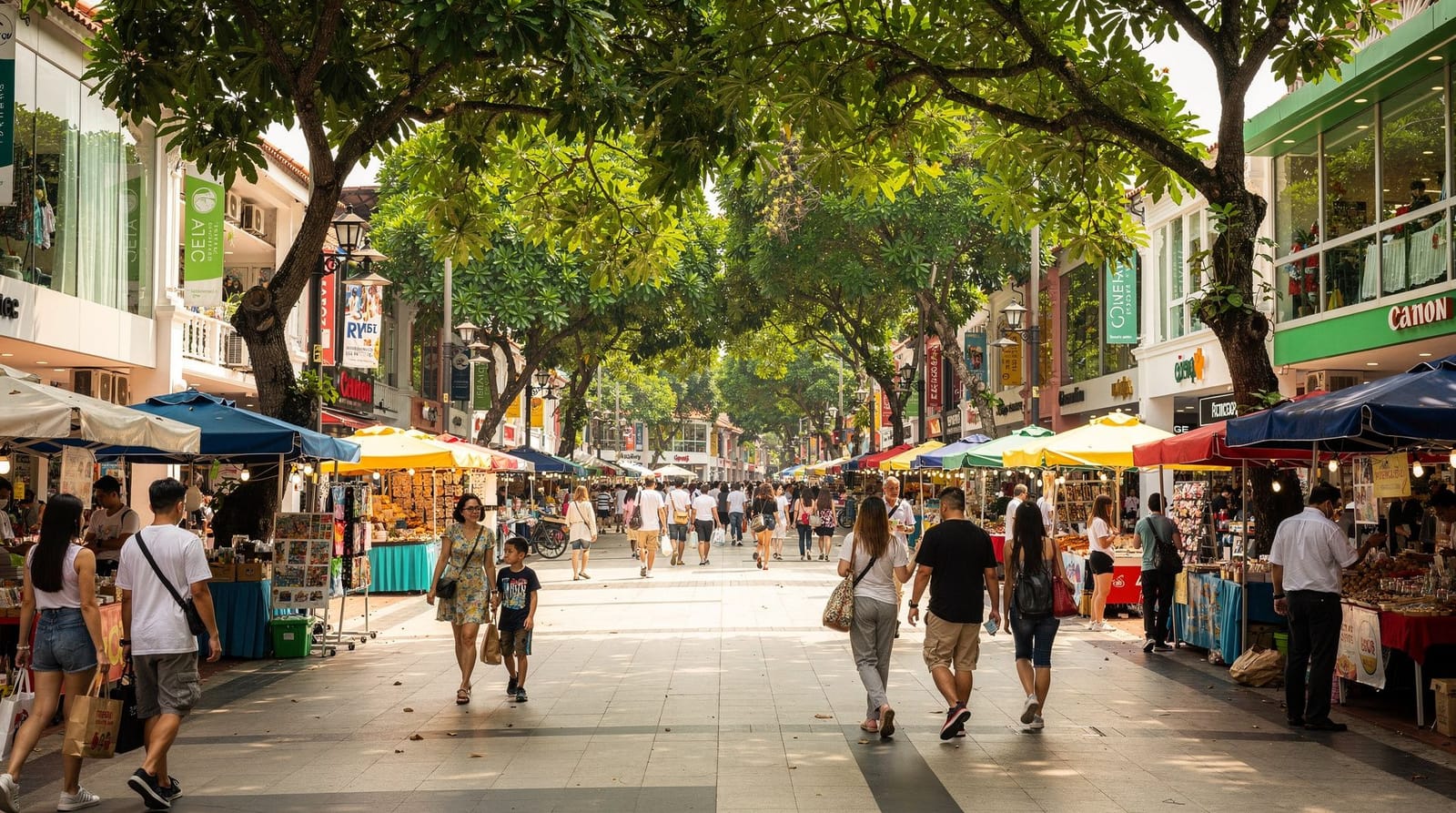
Markets and independent retail: Bugis Street’s covered market is a separate, cheaper shopping experience from the mall-anchored GSS deals — fixed low prices year-round rather than percentage-off promotions, but worth combining with a GSS mall day for contrast. See Bugis Street markets.
Beauty and cosmetics: Sephora, Watsons, and Guardian all participate with buy-more-save-more promotions. K-beauty products (Korean skincare and cosmetics) during GSS can be competitively priced — Singapore’s large Korean expat community means genuine K-beauty retail rather than just tourist-facing selection.
Hotels: This is worth specific attention. Participating hotels offer rates 20–35% below standard, often with added value (breakfast, late checkout, experience packages). Mid-range hotel options like those on Orchard Road and in the Marina Bay area can offer genuinely good packages. Check the official GSS hotel listings annually — the deals vary year to year.
Restaurants and F&B: Many restaurants run set menu promotions or dining deals during GSS. These are not always advertised widely — check the GSS website or the restaurant’s direct channels.
What the GSS does NOT fix
Singapore’s underlying cost structure: Singapore is an expensive city. GSS discounts bring prices down from high, not to cheap. A luxury handbag discounted 30% is still expensive. Hotel rates with 25% off GSS pricing are still higher than off-peak rates.
Electronics price parity: Singapore’s electronics prices have largely converged globally for flagship products. A 10% GSS discount on an iPhone brings it slightly below normal Singapore retail — it is still similar to or above the price in the US, Germany, or Japan depending on the product.
GST (9%): Applies regardless of GSS. Tourist GST refunds on qualifying purchases above SGD 100 apply year-round, not just during GSS.
Regional comparisons: For some product categories (leather goods, electronics, jewellery), Hong Kong, Japan, and Bangkok offer equivalent or better prices during their own sale periods. Singapore’s advantage is stability, reliability, and consumer protection — the risk of counterfeit or fraudulent retail is very low.
Practical tips for GSS shopping
Plan specific targets: The GSS directory (published annually by STB) lists participating retailers and their specific offers. Browsing the directory before you arrive helps identify which specific deals are relevant to you.
Shop early in the sale for fashion: Department store sale floors fill with the best items in the first week. Items by popular brands or in popular sizes sell out. If there is a specific fashion item you want at sale prices, shop in the first 10 days.
Shop late in the sale for maximum discount: On the other hand, end-of-sale clearance (the final 2–3 weeks of GSS) often produces the deepest discounts as retailers clear remaining stock. The selection is less complete but the savings are larger.
Keep receipts for GST refund: Tourist GST refunds (9% on qualifying purchases above SGD 100 at participating retailers) require the original receipt. If you are planning to claim refunds at Changi Airport, keep receipts organised throughout the trip.
Watch for bundle traps: Some electronics and appliance promotions bundle a free accessory or extended warranty into what appears to be a large discount. Calculate the actual value of what you receive versus the standalone price.
Check online versus in-store: Major retailers (Lazada, Shopee, Qoo10 — Singapore’s main e-commerce platforms) also run GSS promotions. Online prices during GSS can sometimes undercut in-store GSS prices, though you lose the immediacy of purchase and the ability to physically inspect goods.
The weather bonus
The GSS period (June–August) is one of the most comfortable times to visit Singapore climatically. The Northeast Monsoon has ended; the Southwest Monsoon brings less rainfall than the wet season. Average temperatures are 29–31°C with humidity still high (Singapore is always humid) but lower than peak monsoon months.
Spending a morning shopping in Orchard Road’s air-conditioned malls and an afternoon at Gardens by the Bay or East Coast Park combines Singapore’s best shopping period with its more pleasant outdoor weather. The GSS is genuinely well-timed from a visitor experience perspective. For the full month-by-month weather comparison, see Best time to visit Singapore.
Singapore: Gardens by the Bay bundle entry ticketSouvenirs vs sale shopping: two different goals
It is worth separating two different shopping mindsets when planning around GSS. Sale shopping is about deals on things you would buy anyway — fashion, electronics, homeware. Souvenir shopping is about bringing home something distinctly Singaporean, and GSS discounts rarely apply to the small, independent retailers that sell the best souvenirs. If gifts and mementos are your priority rather than clothing or electronics, the best souvenirs in Singapore guide is the more useful companion piece — most of what it covers (kaya, Peranakan tiles, batik) sits outside the GSS discount structure entirely.
Budgeting a GSS trip
Because GSS coincides with peak tourist season, accommodation savings from the sale rarely offset higher hotel demand pricing. If cost is a driving factor in your trip timing, weigh GSS retail savings against the accommodation premium using the Singapore travel costs guide and Where to stay in Singapore — a shoulder-season trip with no GSS discounts can still work out cheaper overall for visitors who are not planning serious retail spending. For a broader sense of what else fills a Singapore itinerary beyond shopping, see Things to do in Singapore.
Building a sale day around Orchard Road
The simplest way to use the sale is to treat it as one anchored shopping day rather than a thread running through the whole trip. Start at opening time at the department stores, when the sale floors are at their most complete, and work outward to the mall anchors once the first rush has thinned. Keep a short list of what you actually need so that a markdown label does not decide your purchases for you. The Orchard Road guide and the Orchard Road destination page explain how the strip is laid out, which saves a lot of wandering between malls.
Shopping in Singapore is tiring in a particular way: the cold air-conditioning inside and the heat outside wear you down faster than you expect. Build in breaks. A proper lunch at one of the best hawker centres or a cheap, quick meal from the best cheap eats in Singapore keeps the day affordable, and the savings from a hawker meal are far more certain than a percentage-off sticker.
Singapore: Big Bus hop-on hop-off tour by open-top busPairing the sale with the rest of your trip
Treat the sale as a bonus on a trip that already works without it. Pair a sale morning with something that has nothing to do with shopping: a walk through the Botanic Gardens, an evening at Marina Bay, or a wander through the heritage streets of Chinatown and Little India. If you have only a few days, the 3-day Singapore itinerary leaves room to drop in a half-day of retail without sacrificing the main sights, and the first-timer itinerary shows how to fit a shopping block around the essentials.
Travellers who want a lighter, cheaper version of the sale experience often find more value in the neighbourhood markets and independent shops than in the big-name sale floors. The Kampong Glam and Haji Lane area is a good example: small independent boutiques, indie labels and gift shops where the pleasure is in browsing rather than in chasing a discount.
Before you commit your suitcase space
A sale only saves money if what you buy actually makes it home and gets used. Before you buy, check how much luggage allowance you really have, whether the item is something you would have bought anyway, and whether you could find a similar one at home. Clothes, shoes and bags are the safest bets; fragile or bulky homeware is rarely worth the hassle. If this is your first visit, Singapore for first-timers and the guide to what to pack for Singapore help you leave room on the way out. And if your budget is tight, Singapore on a budget is a useful reality check on where the money in this city really goes.
Frequently asked questions about the Great Singapore Sale
Does the Great Singapore Sale still happen — is it still relevant?
Yes, it continues to run annually. The sale has evolved over the years — the 1990s version was more defined as a specific shopping event; the contemporary GSS is more of a promotional framework across a longer period. Participation levels remain high and STB actively markets it internationally. It is not as concentrated or dramatic as it once was, but the discounts are real.
Is it worth flying to Singapore just for the GSS?
Only if you plan to make significant purchases. For a typical tourist buying a few clothing items and some food souvenirs, the flight and accommodation costs dwarf any shopping savings. For serious shoppers — buying multiple mid-to-high-end items, jewellery, or watches — combined with a Singapore holiday that is enjoyable beyond the shopping, yes, timing your trip to GSS makes sense.
What is the GSS like for food and restaurant deals?
Participating restaurants run set menus, prix-fixe deals, or percentage discounts during GSS. These are often not widely advertised — they appear on the GSS website and on the restaurant’s own channels. Some of Singapore’s better restaurants run excellent value GSS menus that represent genuine savings versus their regular pricing. For hawker food, prices are fixed year-round and the GSS is irrelevant.
Can tourists access all GSS deals, or are some for residents only?
All GSS deals are available to tourists and residents alike. Some credit card promotional deals are limited to specific Singapore-issued cards — these are not part of the core GSS offer but banks sometimes run parallel promotions. Standard GSS discounts have no citizenship or residency requirement.
How does the GSS compare to Hari Raya or Chinese New Year sales?
The GSS is a broader, more commercially coordinated event. Chinese New Year (January–February) brings extensive promotions in Chinatown and across food retail, with limited fashion/electronics sales. Hari Raya (Eid al-Fitr, dates vary) brings promotions in Kampong Glam, Geylang, and Malay/Muslim retail. The GSS covers a wider retail base than either festive period.
Top experiences
Bookable activities with verified prices and instant confirmation on GetYourGuide.