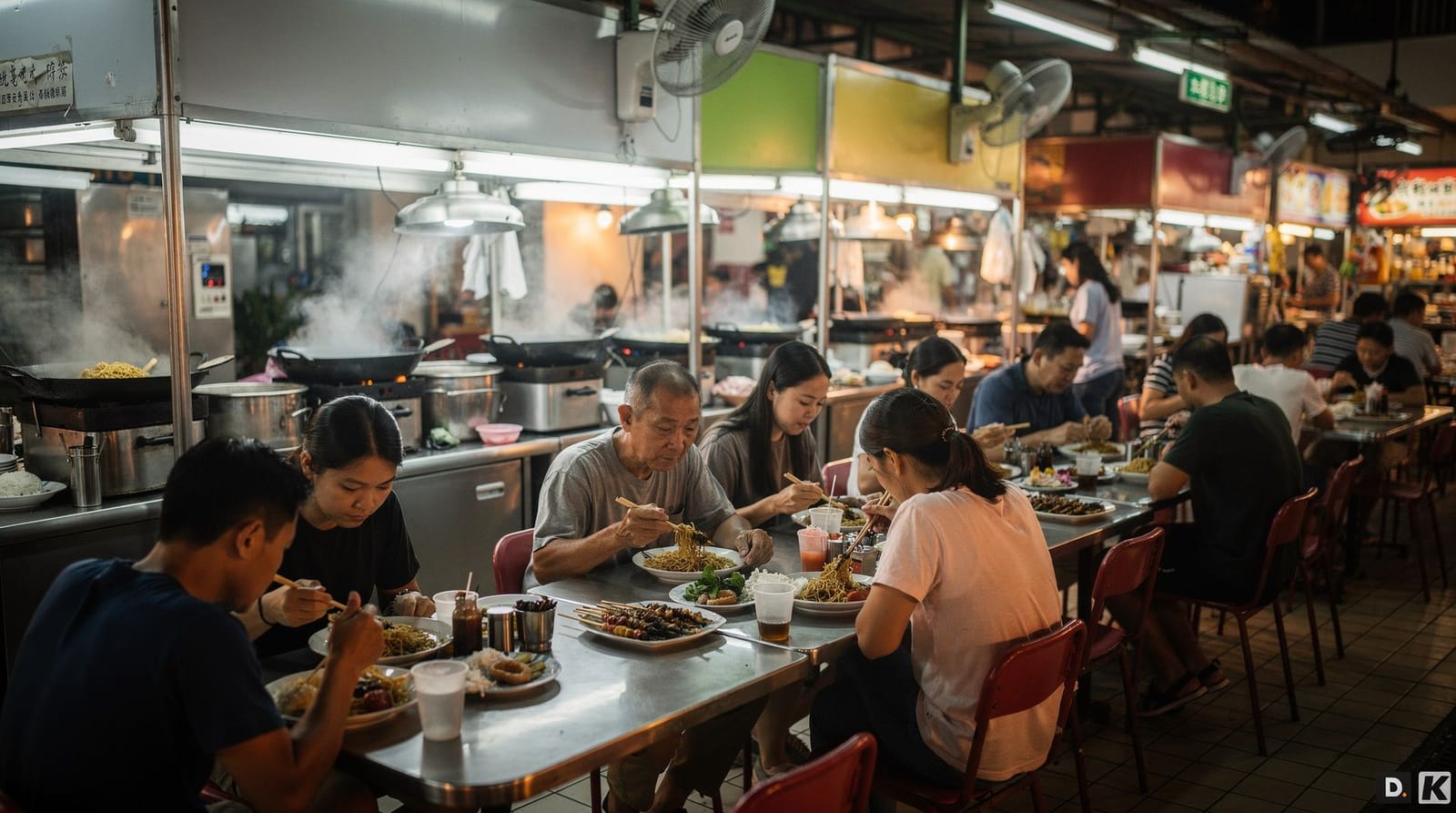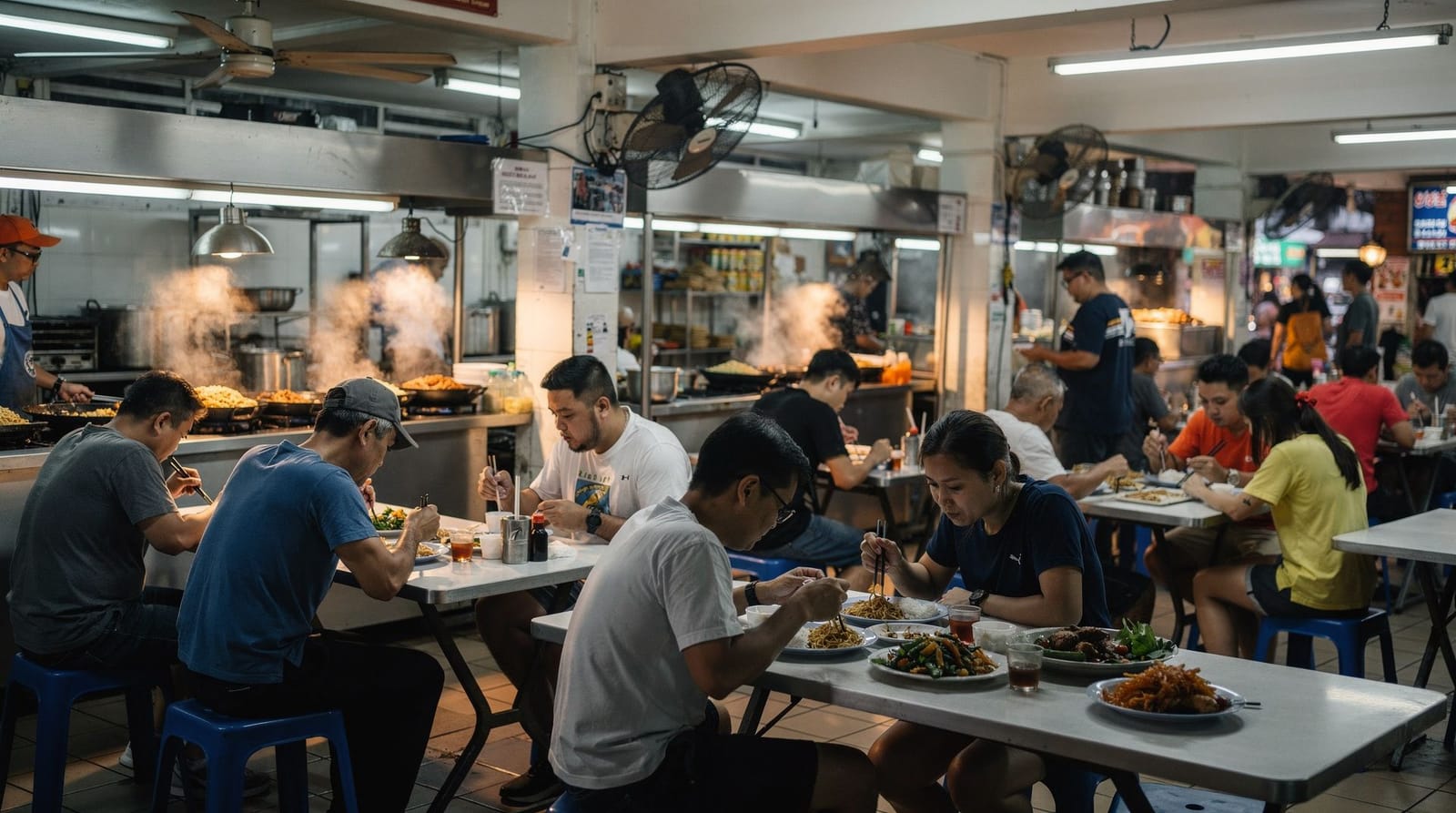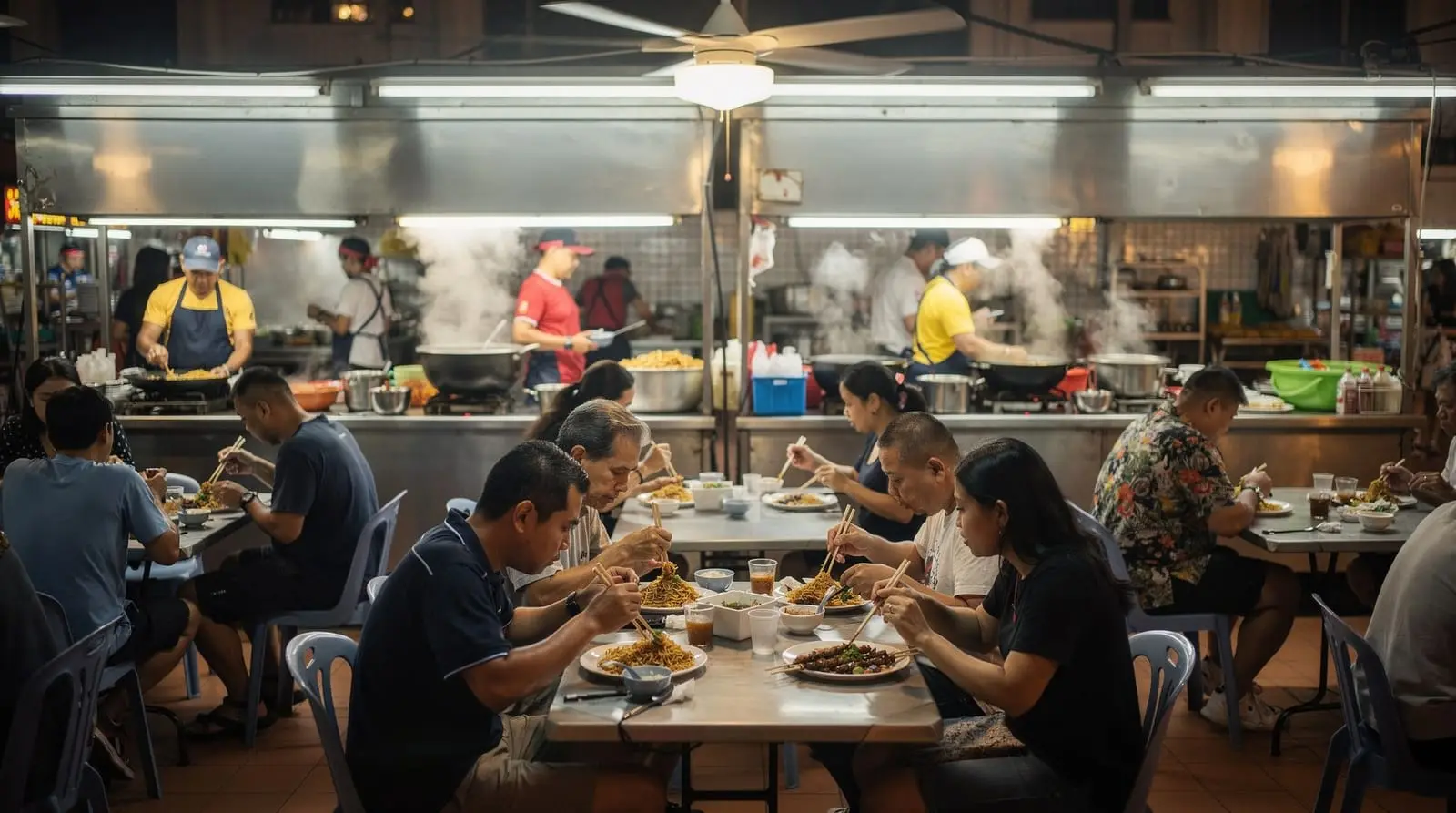
A Peranakan food journey through Katong and beyond
Peranakan cuisine is one of those cooking traditions that takes a long time to properly understand, which is part of what makes it interesting. It developed over several centuries as the Straits-born Chinese communities of Singapore, Penang, and Malacca intermarried with Malay and other local communities, producing a hybrid culture — called Peranakan, or Straits Chinese, or Baba-Nyonya — with its own architecture, dress, language (Baba Malay), and, most viscerally, food.
The cooking synthesises Chinese technique with Malay spicing: rempah (spice pastes ground from galangal, lemongrass, shallots, candlenuts, and various dried shrimps and chillis), coconut milk in many preparations, tamarind as a souring agent, and an approach to protein (pork, seafood, and occasionally chicken) that is elaborate in its preparation and specific in its results. The flavours are layered, often rich, sometimes astringent, occasionally funky in ways that take adjustment.
A proper Peranakan food journey through Singapore should cover several addresses. Here is where to go and what to order.
| Where | Katong/Joo Chiat, Armenian Street, Dempsey Hill |
| Time needed | A full day if covering all three neighbourhoods |
| Cost | SGD 6–8 laksa to SGD 80–130 for Candlenut |
| Getting there | MRT to Dakota/Mountbatten (Katong) or Bras Basah (museum) |
| Booking | Candlenut needs weeks of advance booking |
Katong and Joo Chiat: the cultural and culinary centre
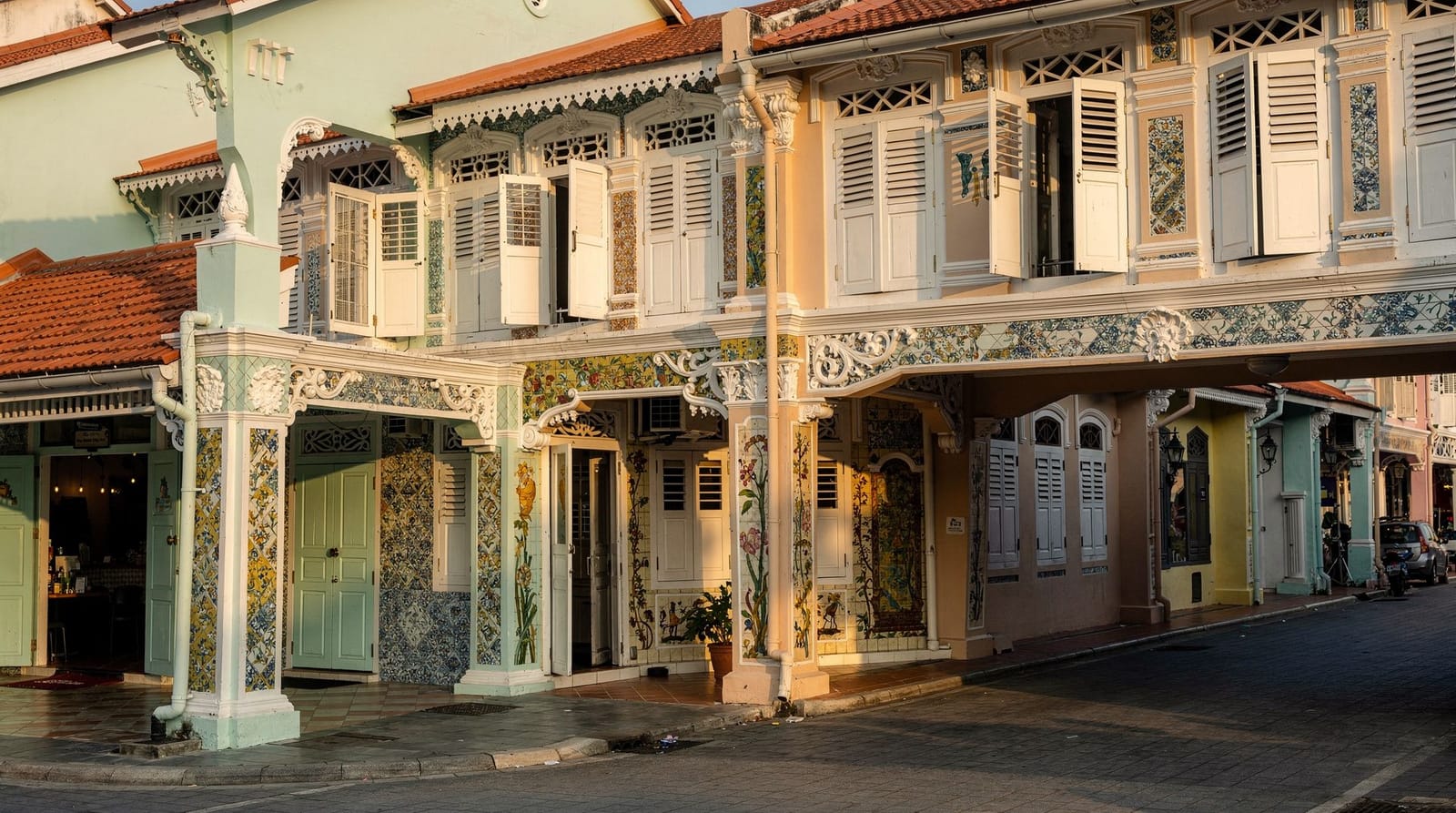
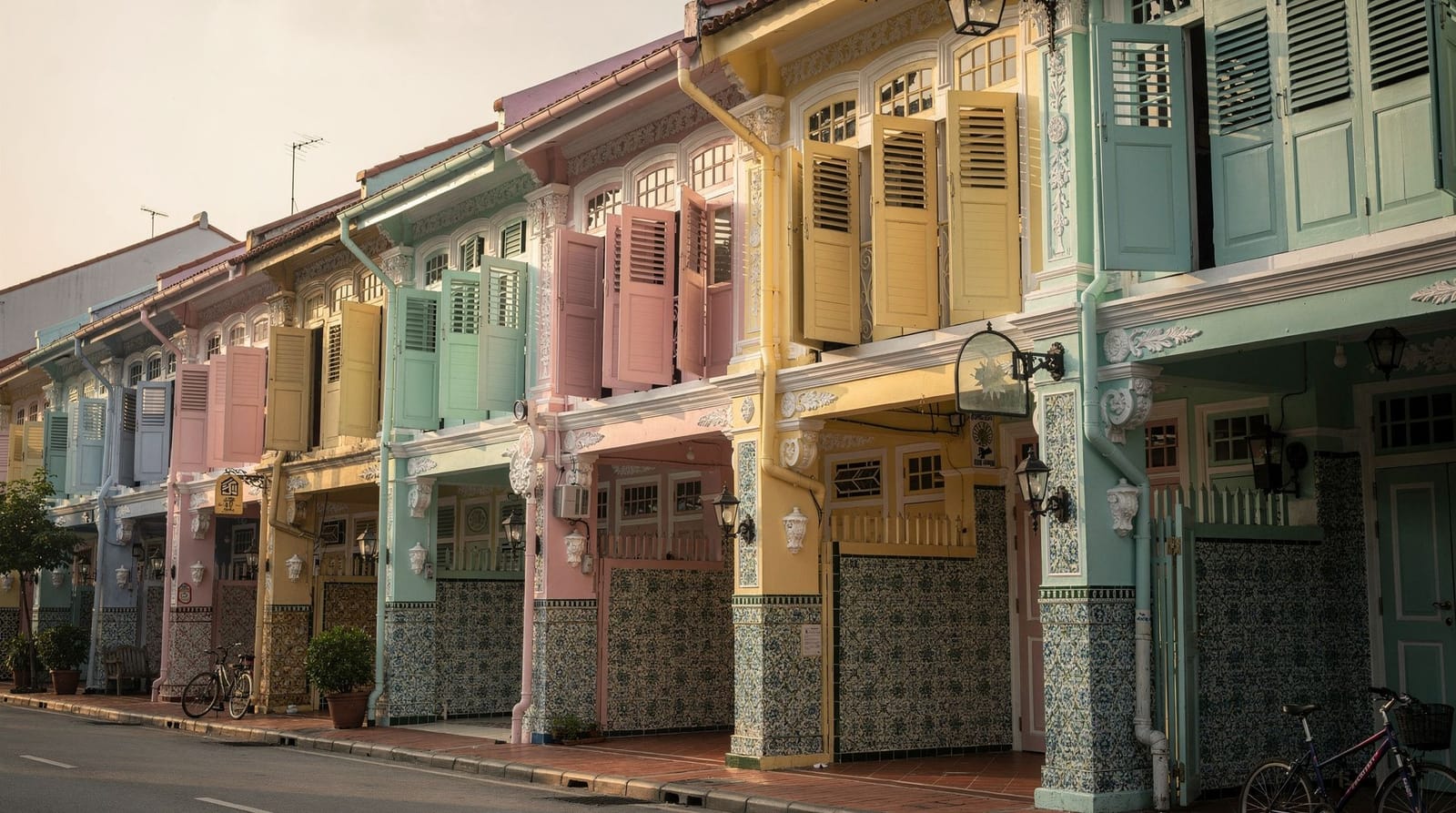
The Katong and Joo Chiat neighbourhood is where to start. The shophouses along Joo Chiat Road — pale yellow, terracotta, and turquoise, with the distinctive Peranakan tilework at the base — were built in the 1920s and 1930s by prosperous Baba families and remain some of the best-preserved in Singapore. The food in this neighbourhood reflects the community that built it.
328 Katong Laksa (multiple locations, the original on East Coast Road) serves the Katong-style variant of laksa — a coconut milk curry soup with thick round rice noodles cut short so you can eat it with a spoon rather than chopsticks. The broth is deeply orange, rich with coconut and laksa leaf, and the consistency of a good version is almost bisque-like in density. A bowl costs around SGD 6–8. The short-noodle format is specific to Katong and distinguishes it from the hawker centre laksa served elsewhere.
Kim Choo Kueh Chang on Joo Chiat Road has been making nyonya kueh (traditional Peranakan cakes and sweets) and dumplings since 1945. The shop front is a compressed collection of bamboo steamers, coloured rice cakes, and the smell of pandan. The kueh lapis (layered rice cake, steamed in alternating colours with coconut milk and pandan) costs around SGD 1–2 per piece. The nyonya bak chang (glutinous rice dumplings filled with a mixture of pork, mushroom, and preserved vegetables, wrapped in bamboo leaves) are particularly good.
Singapore: Katong local food and city highlights tourCandlenut in the Dempsey Hill area is the only Peranakan restaurant in the world with a Michelin star (one star, maintained since 2016). Chef Malcolm Lee’s cooking is Peranakan in its foundations but refined in its technique — the ayam buah keluak (chicken braised with buah keluak, a black nut from the mangrove tree with an intensely funky, slightly chocolatey filling) is the dish to order here. Budget SGD 80–130 per person for a full meal with drinks. The restaurant requires advance booking, usually several weeks in advance.
Buah keluak: the dish that defines the cooking
Ayam buah keluak is the dish most Peranakan food enthusiasts cite as the most specific expression of the cuisine — it has no close equivalent in any other cooking tradition. The buah keluak nut itself requires extended preparation (often soaking for days, then slow-braising) to remove toxicity and develop the flavour. When done correctly, the filling inside the nut is intensely savoury, dark, with a mineral quality that is deeply unusual and quite compelling once you orient yourself to it.
The Peranakan culture guide explains the cultural context of the dish and the cooking tradition. It’s worth reading before you eat — the food makes more sense when you understand the community that developed it over several generations.
Most of the mid-range Peranakan restaurants in Katong serve ayam buah keluak: True Blue Cuisine on Armenian Street (a beautifully decorated space in a conserved shophouse, SGD 35–45 for the main course) is one of the more accessible options for first-timers. The staff will explain the nut and how to eat it.
The Peranakan Museum: context before food
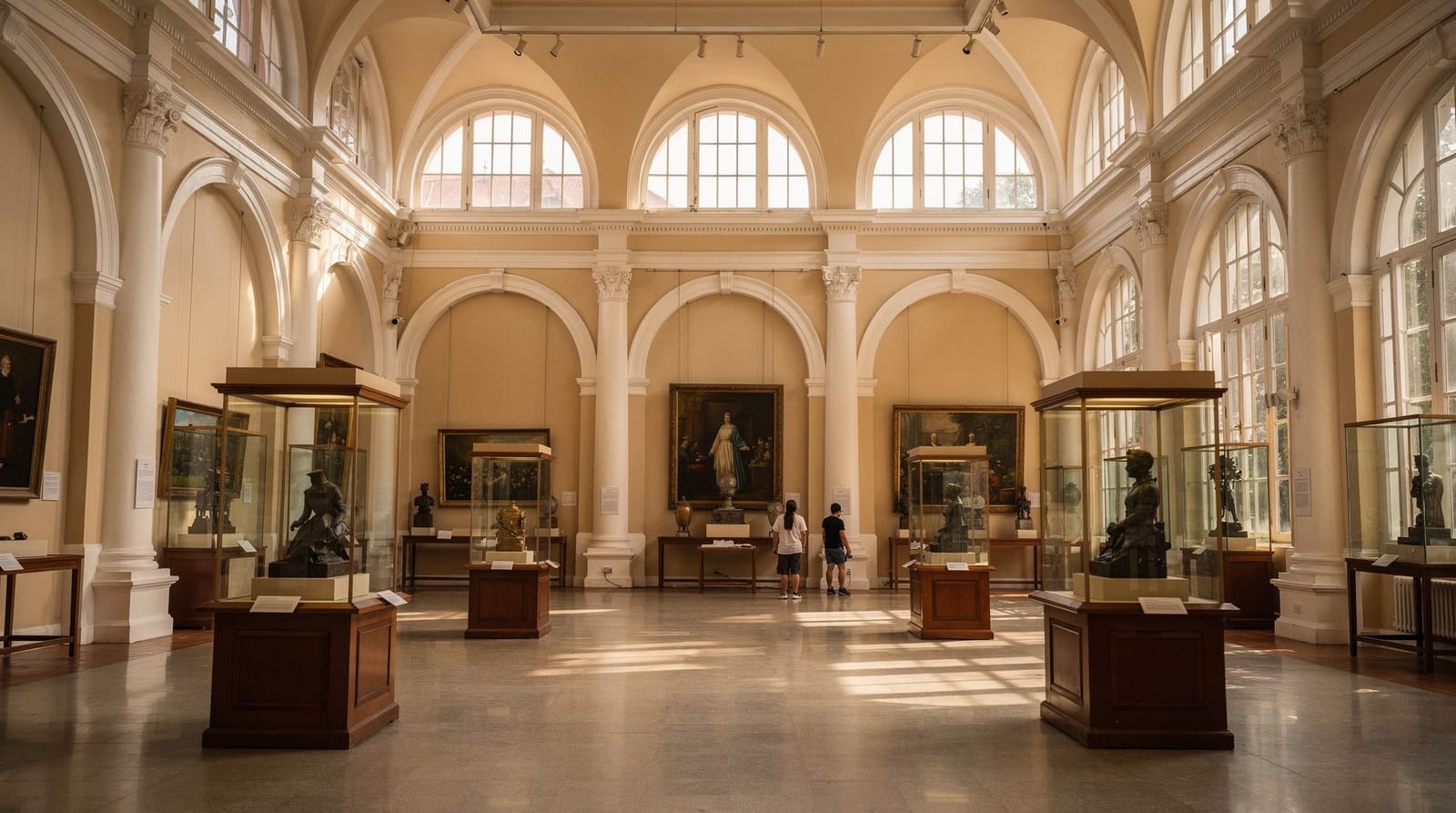
The Peranakan Museum on Armenian Street is small, beautifully curated, and covers the material culture of the Straits Chinese in a way that makes the subsequent food much more legible. The collections include Peranakan wedding costumes, furniture, ceramics, and silver — the visual world of a community that combined Chinese, Malay, European, and local influences into something aesthetically distinctive.
Entry is SGD 10–15 for adults. Allow 90 minutes. It is one of Singapore’s genuinely undervisited cultural institutions.
A guided Peranakan culture, cuisine, and hidden treasures tour in Katong covers the architecture, the cultural history, and a food stop — combining the context-building with the eating in a format that’s more coherent than doing them separately.Kueh: the dessert and snack tradition
Peranakan kueh (the collective term for the traditional sweet and savoury snacks) deserves specific attention. The variety is extensive — there are dozens of named preparations, each with specific occasion associations, colour conventions, and technique requirements. Some to look for:
Ondeh ondeh: green glutinous rice balls coated in grated coconut, filled with liquid palm sugar that releases when you bite. One of the great immediate-pleasure foods in Singapore. SGD 1–2 per piece.
Kueh dadar: rolled pandan crêpes filled with grated coconut and palm sugar. The pandan colour is naturally brilliant green from the leaf extract.
Pulut hitam: black glutinous rice pudding cooked with coconut milk and palm sugar. Sweet, dense, and filling in the manner of congee.
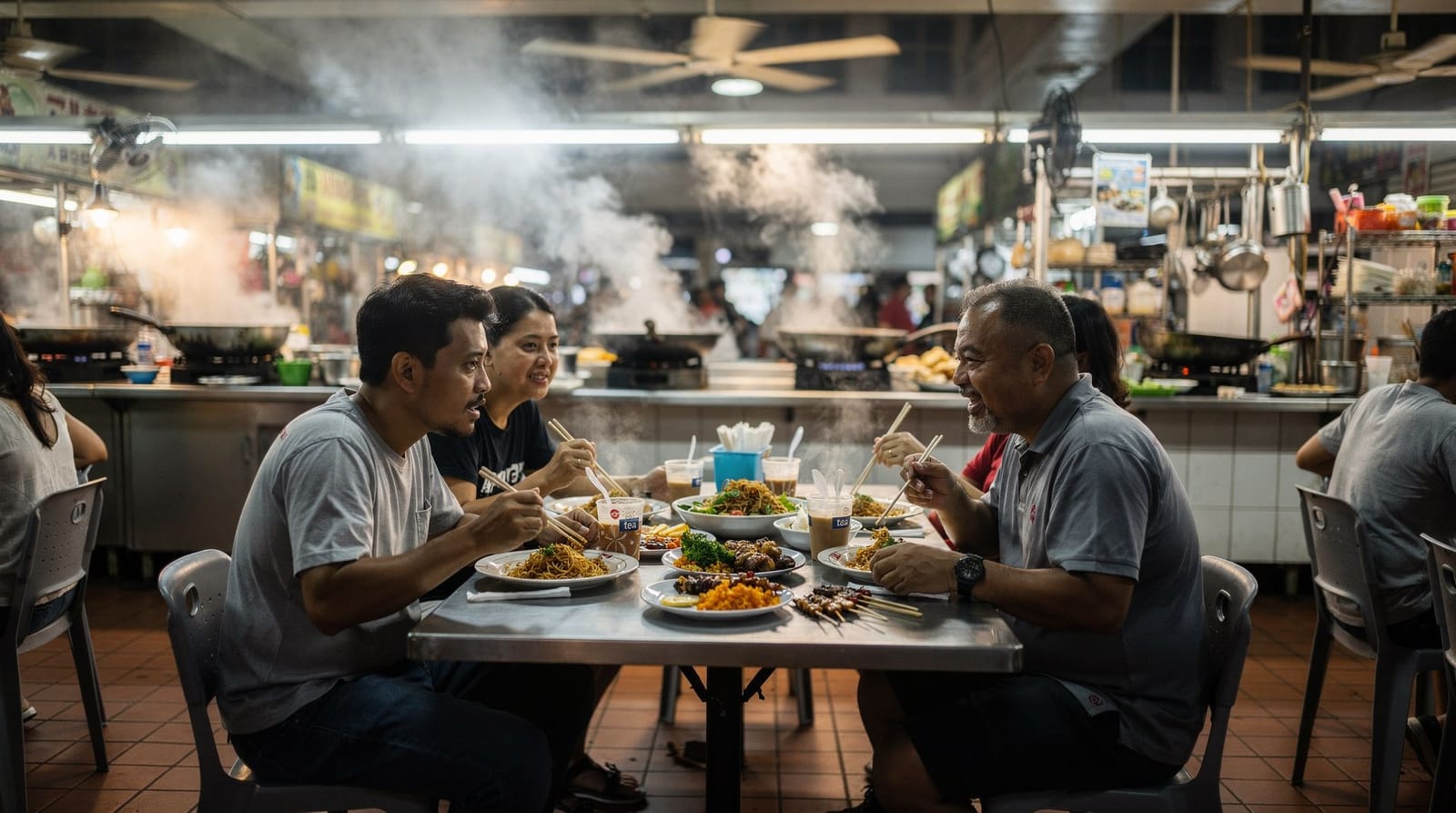
The best kueh in Singapore is sold at the morning market and breakfast hours (6–10am) at hawker centres in neighbourhoods with older Peranakan communities. Tiong Bahru Market has several reliable kueh stalls. Tiong Bahru as a neighbourhood has interesting Peranakan connections as well — it was another area of Straits Chinese settlement in the early 20th century.
Three price tiers, compared
Peranakan food spans an unusually wide price range for a single cuisine. Here’s how the tiers actually differ, not just in cost:
| Tier | Example | Price | What you get |
|---|---|---|---|
| Street/hawker | 328 Katong Laksa, kueh stalls | SGD 1–8 | Fast, authentic, no ceremony |
| Mid-range restaurant | True Blue Cuisine | SGD 35–45/main | Sit-down, shophouse setting, staff explain dishes |
| Fine dining | Candlenut (Michelin star) | SGD 80–130/person | Refined technique, tasting-menu format, booking essential |
None of these is “the real version” at the expense of the others — the street tier and the fine-dining tier are cooking the same foundational recipes with different levels of refinement and ceremony. A proper food journey samples at least two tiers to feel the range.
A one-day food itinerary through Peranakan Singapore
Morning (8am): Tiong Bahru Market for kueh and pandan drinks. Walk the Art Deco estate to understand the mid-20th-century Straits Chinese residential context.
Mid-morning (10am): Peranakan Museum on Armenian Street. 90 minutes in the collection.
Lunch (12:30pm): True Blue Cuisine on Armenian Street — step from the museum directly into a working restaurant. Order the ayam buah keluak and the babi pongteh (pork and potato in a mild fermented soybean and palm sugar braise).
Afternoon (2:30pm): MRT to Katong. Walk Joo Chiat Road and stop at Kim Choo for kueh. Walk Koon Seng Road for the painted shophouses.
Early dinner (6pm): 328 Katong Laksa. Then walk along East Coast Road for the evening atmosphere.
The Singapore foodie itinerary embeds Peranakan food within a broader multi-day eating plan that covers all of the city’s major culinary traditions. For those with only one meal to allocate to this tradition: go to Candlenut if budget allows. Go to True Blue Cuisine if you want the full shophouse atmosphere at accessible pricing. Go to 328 Katong Laksa if you want the single most quintessentially Katong experience.
The cooking rewards the effort of understanding what it is. Singapore has many excellent food traditions; Peranakan is the one most specific to this place, least replicable elsewhere, and most worth seeking out deliberately.
Dishes to look for beyond the headliners
Beyond ayam buah keluak and laksa, a few other dishes are worth actively seeking out rather than waiting to stumble across. Babi pongteh — pork and potato slow-braised in fermented soybean paste and palm sugar — is a Peranakan home-cooking staple that’s harder to find in restaurants than laksa but rewards the search. Itik tim (duck and salted vegetable soup) shows up on more traditional menus and is a good marker of a kitchen that’s cooking the full repertoire rather than just the tourist-facing dishes. Sambal belacan, the shrimp-paste chilli condiment that accompanies most Peranakan meals, varies significantly by kitchen — tasting it at each stop is a good way to compare cooking styles without ordering a full extra dish each time.
Combining the food with the wider Katong walk
If a full day of eating feels like too much, the food itinerary above can compress into an afternoon by cutting the museum and Dempsey Hill stops and focusing purely on Katong. A morning laksa followed by an afternoon of kueh shopping and Koon Seng Road photography covers the essential Peranakan food experience in about three hours, leaving the rest of the day free for Marina Bay or Chinatown.
Singapore: food and bike tour — Katong districtFitting Peranakan food into the rest of your trip
Peranakan cooking sits comfortably alongside the other food traditions the city offers, and it helps to know what to pair it with. The Katong and Joo Chiat Peranakan guide goes deeper on the shophouse streets if you want a slower walk than the one above. For the wider picture of what to eat, what to eat in Singapore and the list of must-try dishes in Singapore put the cuisine next to the Chinese, Malay and Indian staples it grew up beside.
If laksa is the dish that draws you in, the laksa guide compares the different styles, which makes the Katong version easier to place. Anyone who prefers hawker stalls to sit-down restaurants will find the best hawker centres a useful complement, and Chinatown is close enough to pair with a Peranakan day if you want to see how another heritage neighbourhood approaches food.
For a sense of how the community lived beyond the kitchen, the Katong and Joo Chiat district page and the Katong Peranakan walk cover the architecture and streets in more detail, and a visit there before or after a meal makes the shophouses read as more than a backdrop.
Frequently asked questions about Peranakan food journey through Katong and beyond
What’s the one Peranakan dish I should try if I only have time for one? Ayam buah keluak — it has no close equivalent in any other cuisine and is the dish most specifically associated with Peranakan cooking. True Blue Cuisine on Armenian Street is the most accessible place to try a well-made version without a multi-week booking wait.
Is Peranakan food generally spicy? It varies by dish rather than being uniformly spicy. Laksa and sambal-based dishes carry real heat, while others like kueh lapis and babi pongteh are mild to moderately savoury-sweet. Most restaurants can moderate spice level on request, particularly at the mid-range and fine-dining tiers.
Top experiences
Bookable activities with verified prices and instant confirmation on GetYourGuide.

Singapore: Universal Studios Singapore entry ticket

Singapore: Gardens by the Bay bundle entry ticket

Singapore: Night Safari and tram ride ticket

Singapore: S.E.A. Aquarium entrance ticket

Singapore: Singapore River cruise

Singapore: Marina Bay Sands observation deck e-ticket

Singapore: Sentosa cable car Sky Pass roundtrip ticket