Chinatown food tour honest review — hawker tastings worth it? (2026)
Singapore: Chinatown hawkers food tour with 7 tastings
Worth it? The honest verdict upfront
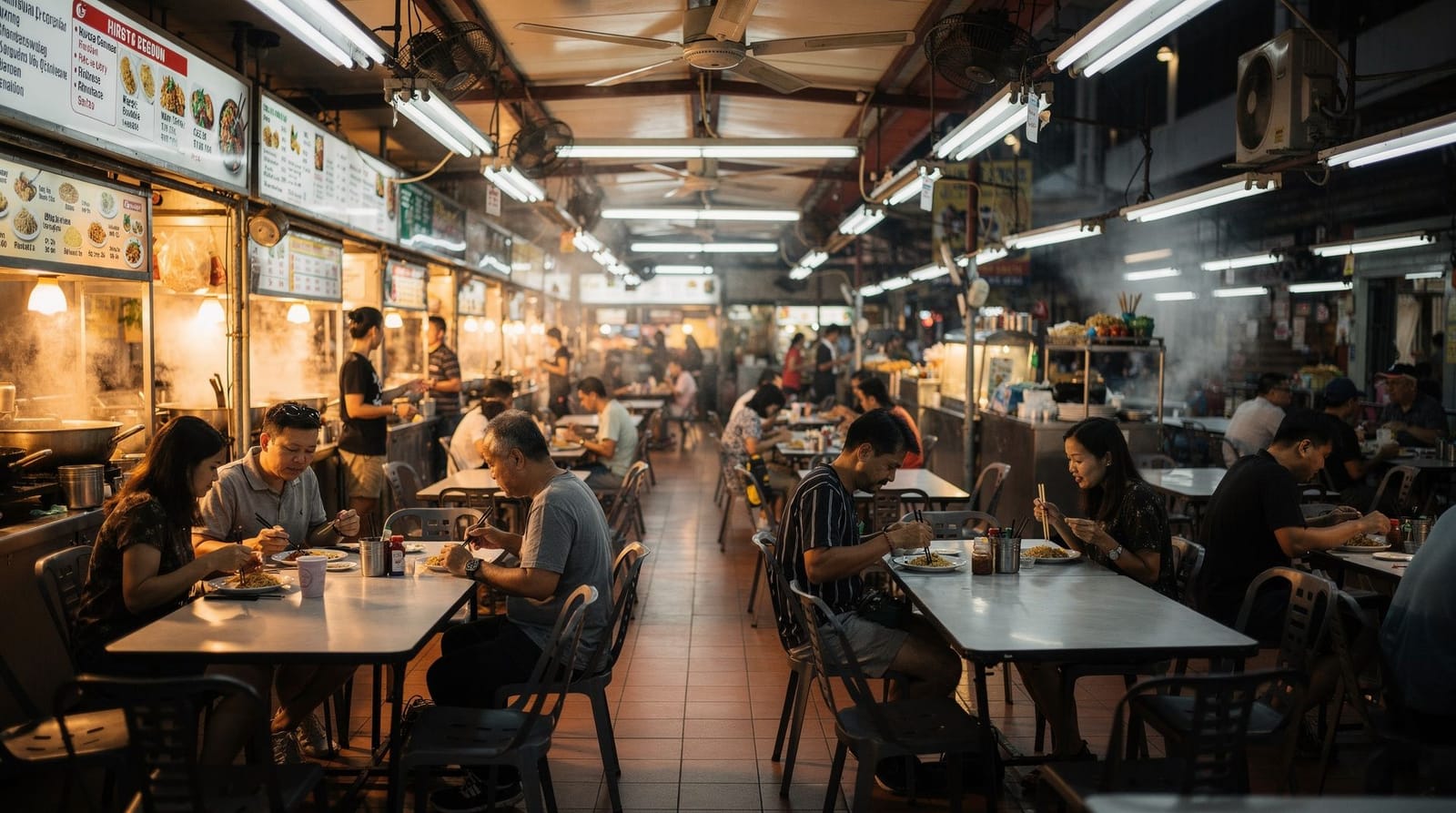
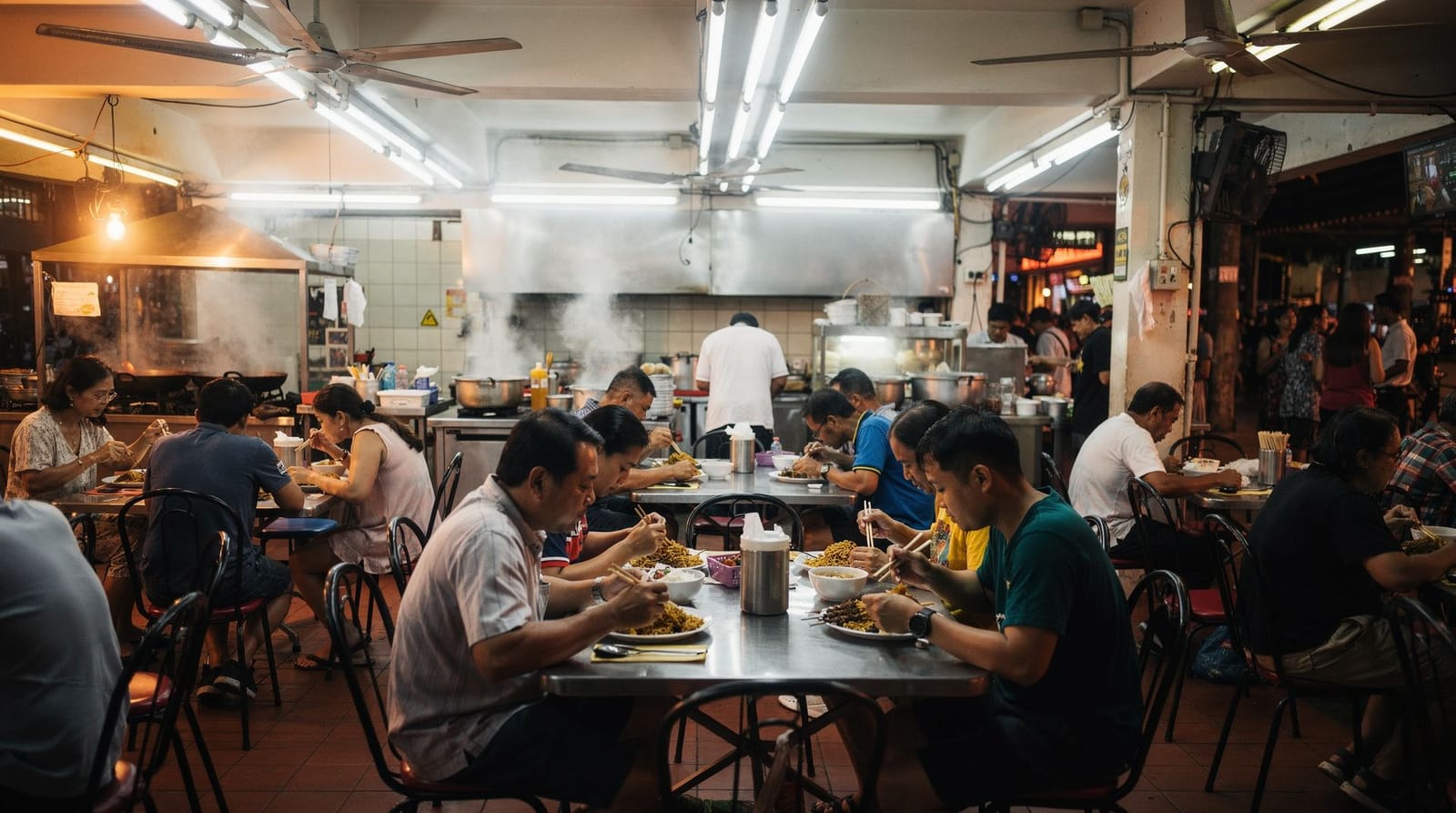
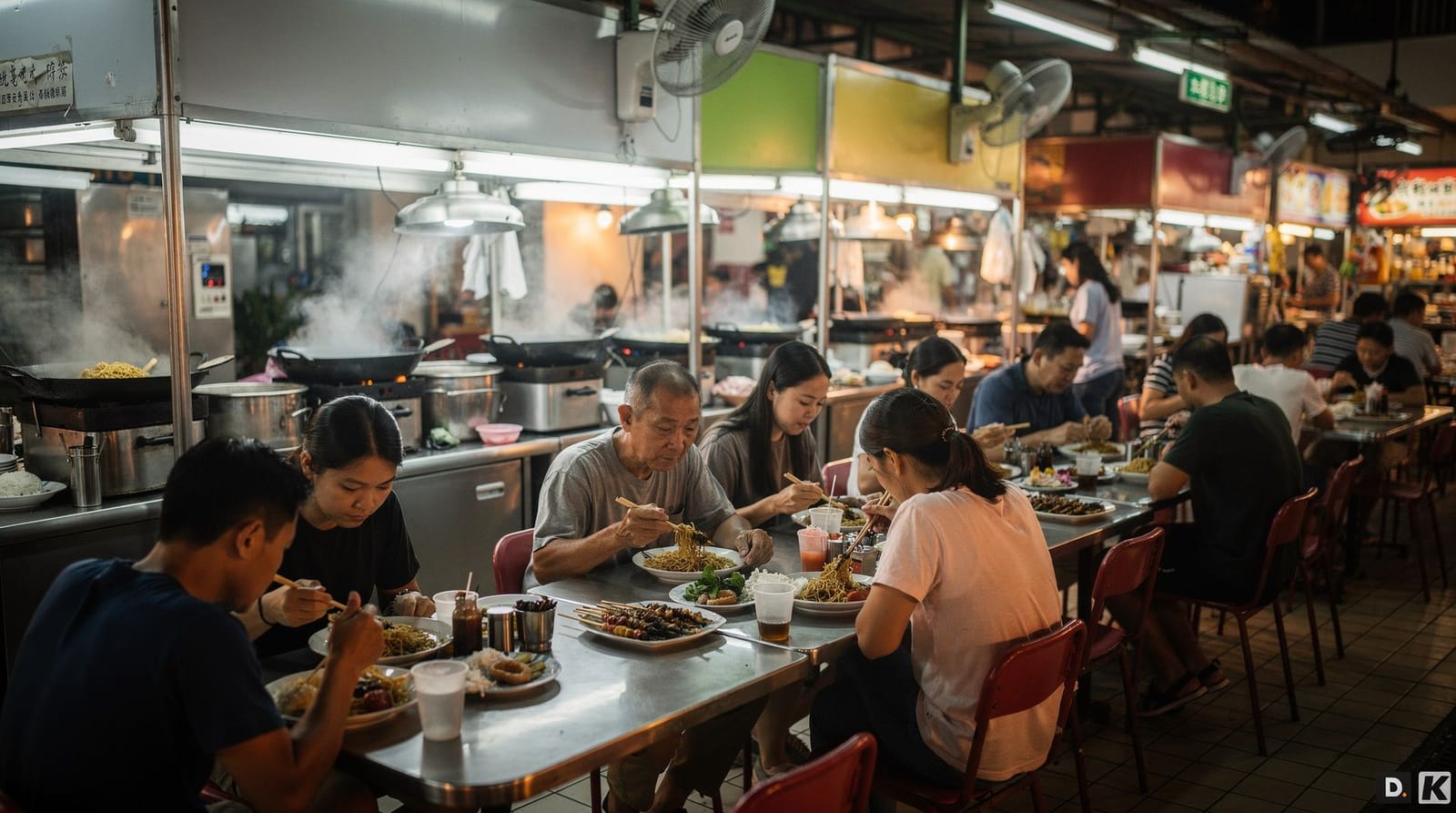
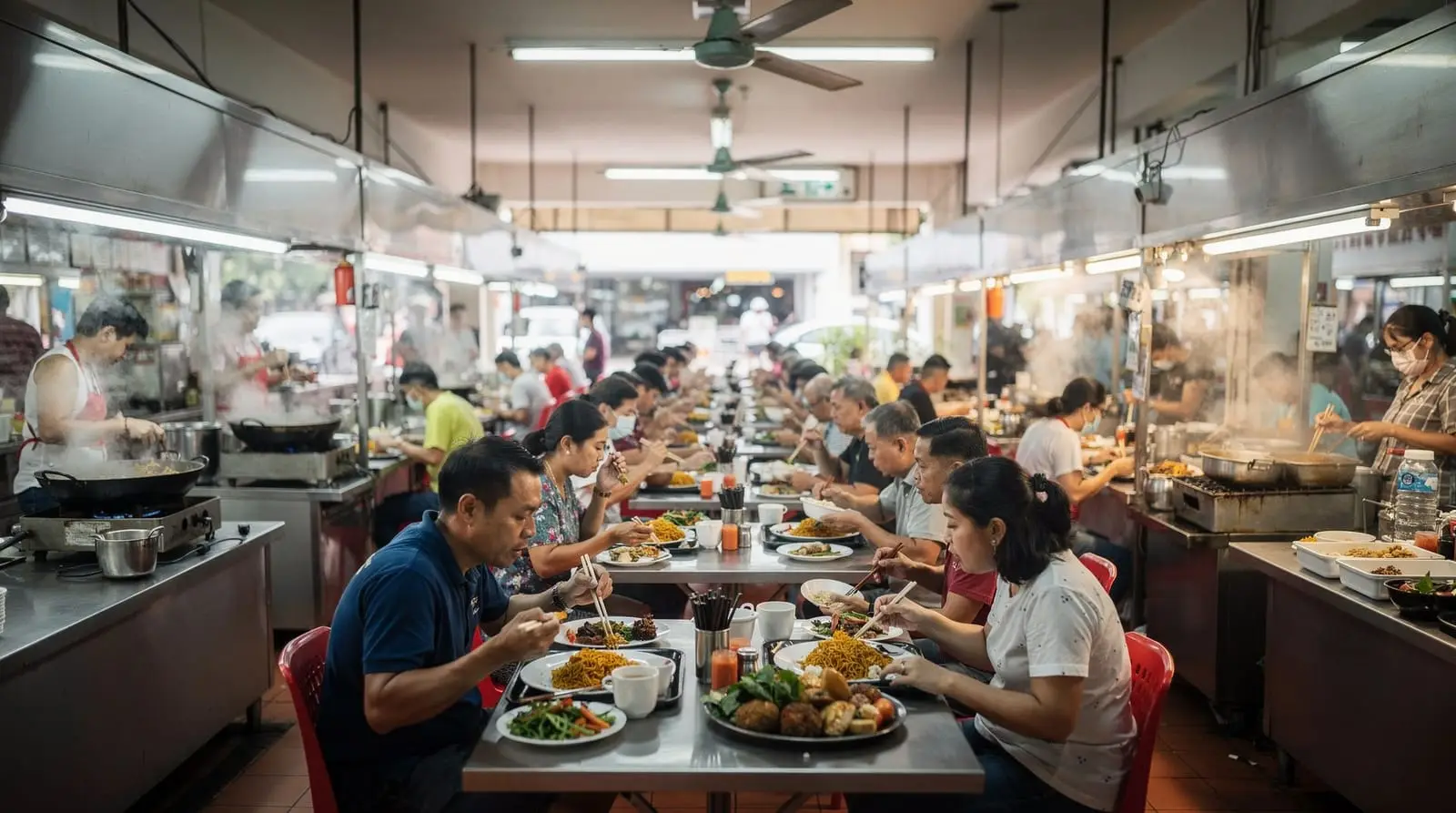
A Chinatown hawker food tour in Singapore sits in a genuinely interesting position. Singapore’s hawker centres are arguably the world’s most accessible, affordable and high-quality street food environments — meaning you can eat exceptionally well without any guidance. At the same time, the context that a good guide brings — which 70-year-old stall owner learned their recipe from a pre-war immigrant grandfather, why char kway teow has a distinctly wok-hei quality that home cooking can’t replicate, what makes this laksa Nyonya-style versus Katong-style — transforms a meal into an education.
The honest calculation: if you’re visiting Singapore for 3+ days and eating independently at hawker centres is firmly in your plan, the tour is a worthwhile one-time orientation that repays dividends in every subsequent hawker meal. If you’re short on time or have dietary restrictions that make 7 courses difficult, the free alternative — the best hawker centres guide plus the what to eat guide — covers the essentials without the tour cost.
The Chinatown hawkers food tour with 7 tastings is the flagship option — the most comprehensive format. The UNESCO hawker culture Chinatown food tasting tour adds a deeper cultural framing. The Chinatown food tour with 6 tastings is a slightly shorter format at a lower price point. The Chinatown street food tour emphasises the street-stall and shophouse food scene rather than the hawker centre interior.
| Where | Chinatown, meets near Chinatown MRT (North-East/Downtown Lines) |
| Cost | around SGD 55–80/adult depending on format |
| Time needed | 2.5–3.5 hours |
| Getting there | Chinatown MRT, Exit A or D |
| Best time | evening (18:00–19:00) for atmosphere, morning for smaller crowds |
What’s included
7-tasting format:
- 7 food tastings across 3–5 stalls and food centres
- Guide commentary on each dish and its cultural history
- Walking tour of Chinatown shophouse streets between stops
- Duration: approximately 3 hours
What’s typically not included: alcoholic drinks, additional servings beyond the tasting portions, and transport to the meeting point.
Meeting points are typically near Chinatown MRT station or at a specific Chinatown shophouse address — confirmed on booking.
What to expect
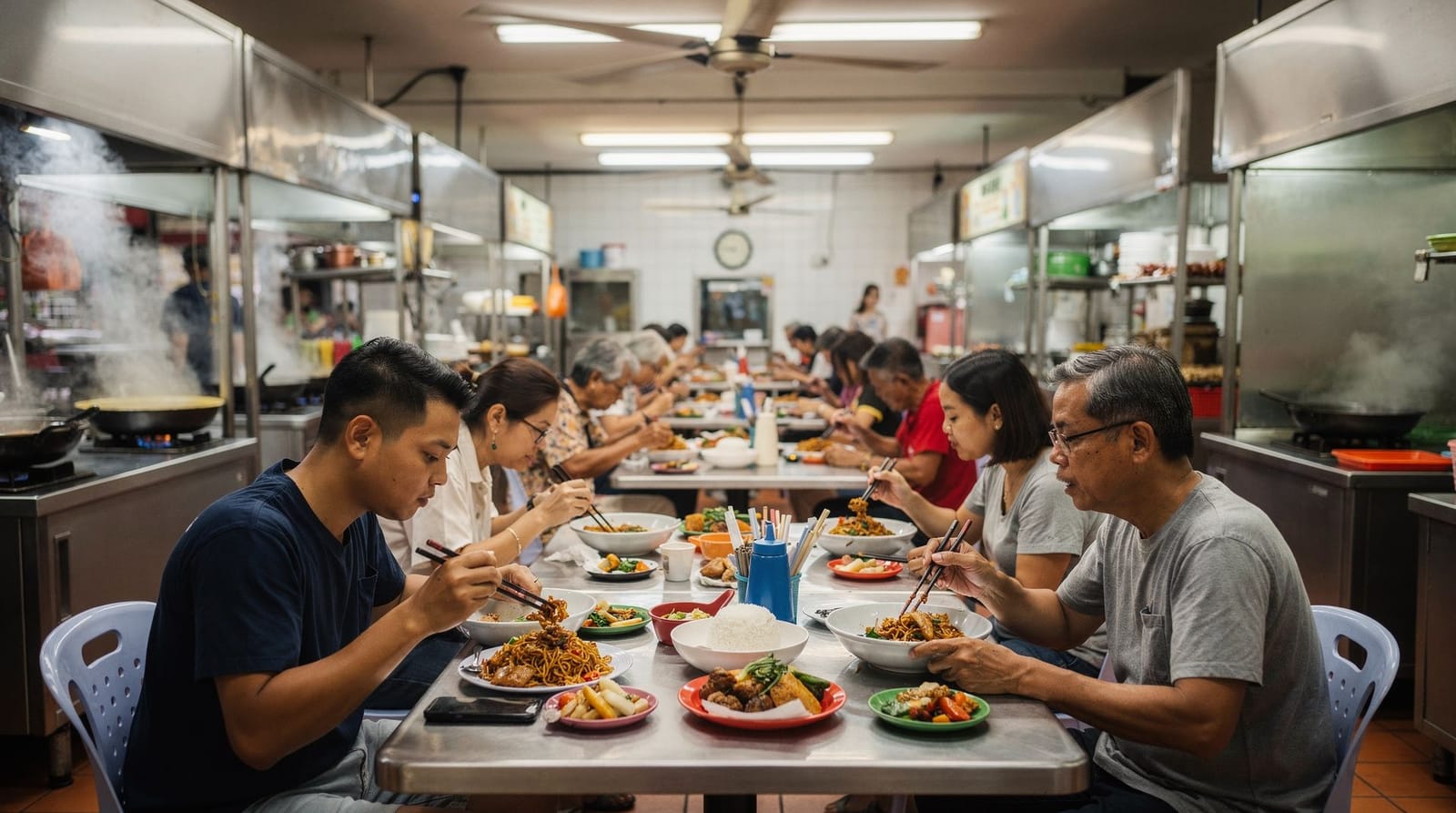
The eating: tasting portions are generous on most tours — not full restaurant portions but meaningful amounts. Seven tastings across 3 hours means you’ll be comfortably full by the end rather than merely snacked. Dietary restrictions (vegetarian, halal) need to be declared in advance — most guides can accommodate with alternative dishes at each stop.
The guide’s value: the best guides know individual stall owners and can get you a brief conversation with a second-generation hawker about their family history. The worst guides read from a script and move quickly between stops. Review quality varies significantly by operator; the tours on GYG with 50+ verified reviews at 4.5 stars or above are the safest bets.
Group size and pace: most tours cap at 10–15 participants, small enough that everyone can hear the guide and reach the counter without a long wait. Larger groups (20+) sometimes struggle with hawker-centre logistics — the stalls aren’t designed for sudden crowds of tourists, and service can slow noticeably. If you’re booking for a larger family or friend group, ask the operator about their typical group size before confirming, since a smaller, more intimate tour generally delivers a better experience at Singapore’s often-crowded hawker centres.
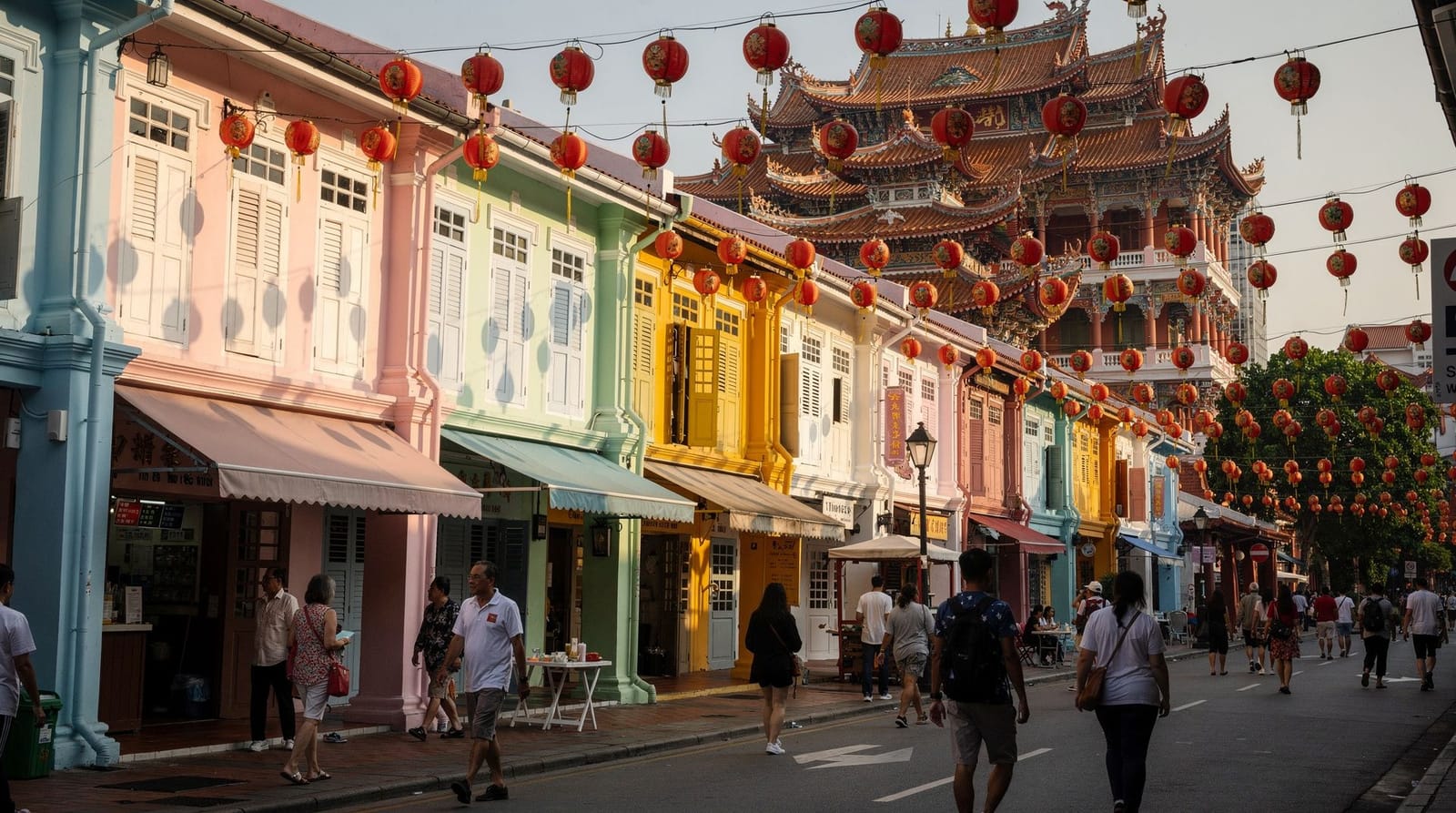
The Chinatown walking: between food stops, the tour typically passes the Sri Mariamman Temple (Singapore’s oldest Hindu temple, built in 1827), the Buddha Tooth Relic Temple (imposing and architecturally striking), the Chinatown Heritage Centre, and the main Pagoda Street shophouse strip. The guide commentary on the buildings and Chinatown’s layered history (Chinese immigrant clans, British colonial zoning, post-independence preservation) adds context to the eating. The Sri Mariamman Temple guide and the wider temples of Singapore guide are useful pre-reading if you want more than the tour’s brief stop allows — both temples are usually viewed from outside during a food tour rather than entered in depth, since the pace is set by the eating schedule, not the sightseeing.
Specific dishes to know:
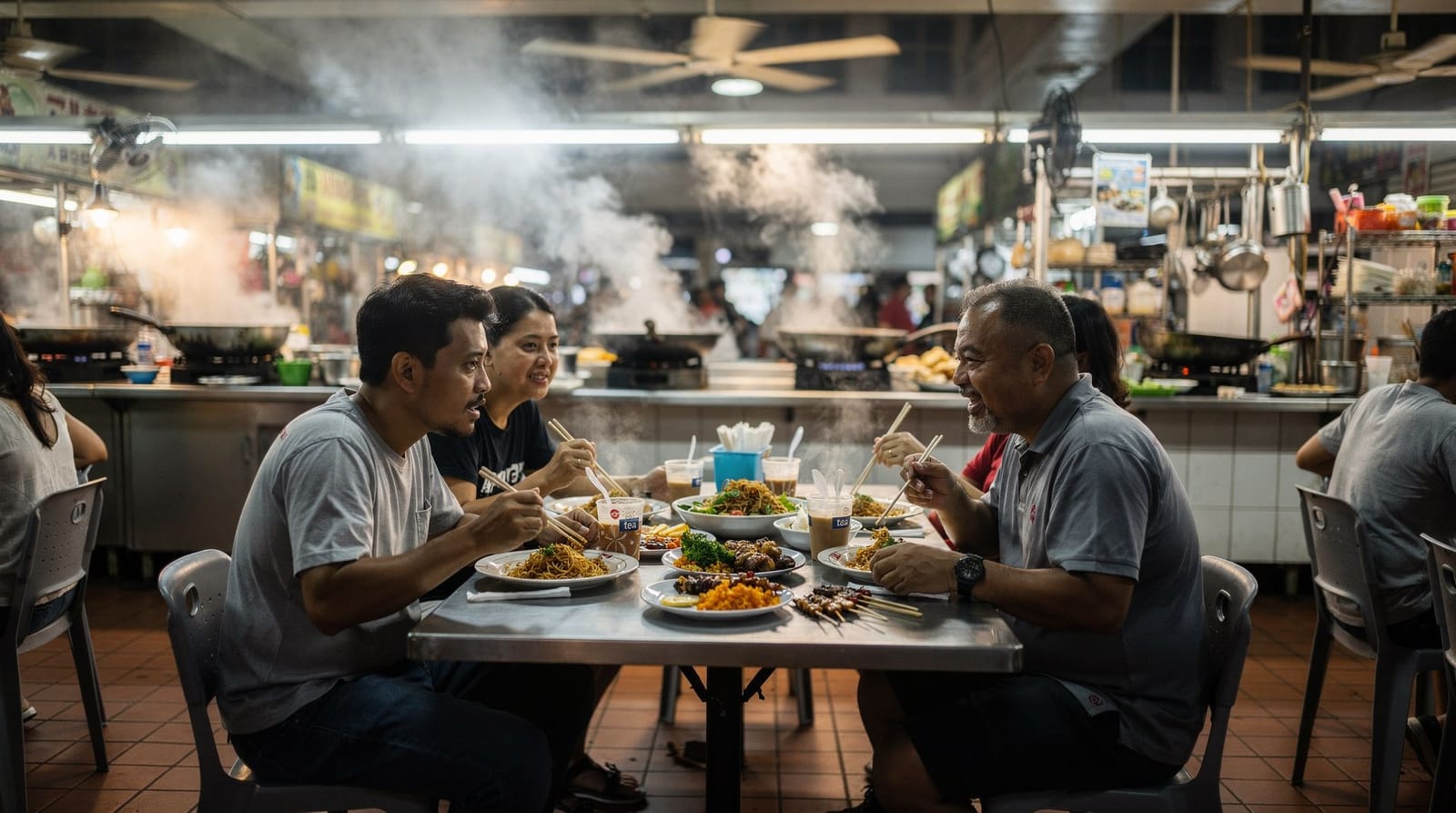
- Char kway teow: flat rice noodles wok-fried with egg, bean sprouts, cockles and Chinese sausage. The wok hei (breath of the wok) aroma is the standard of quality.
- Hainanese chicken rice: poached or roasted chicken over fragrant rice cooked in chicken fat. Deceptively simple; the chicken rice guide explains why it’s considered Singapore’s national dish.
- Carrot cake: a perennial source of confusion for Western visitors — it’s a savoury dish made from white radish (daikon) and rice flour, fried with eggs and dark soy. Nothing like a carrot cake dessert.
- Laksa: coconut milk curry broth with noodles, tofu puffs, fish cake, and prawns. Nyonya laksa (Chinatown-style) and Katong laksa (east-coast style) are different enough to merit a separate tasting each visit.
Is it worth it?
For food-focused travellers: clearly worth a single tour. The hawker culture education pays dividends for every subsequent meal, and the guide’s stall selection means you’re eating at stalls that have operated for decades rather than tourist-facing operations.
For first-time Singapore visitors: very strong value as an orientation to the food system. After a food tour, navigating a hawker centre independently is much less intimidating. The hawker etiquette guide and the chinatown food stall guide make good pre-reading.
For the Singapore foodie itinerary: a Chinatown food tour on Day 1 or 2 sets the foundation for the rest of the food-focused days.
For visitors with limited time or dietary restrictions: the independent alternative is meaningful. Maxwell Food Centre is 10 minutes from Chinatown MRT, offers many of the same dishes at hawker prices (SGD 5–10 per plate), and requires no booking. The Chinatown guide covers the full neighbourhood visit independently.
Which format suits you
| Format | Best for | Approx. price |
|---|---|---|
| 7-tasting hawker tour | food enthusiasts wanting depth | SGD 65–75 |
| UNESCO hawker culture tour | cultural/historical framing | SGD 65 |
| 6-tasting format | time-constrained visitors | SGD 55–65 |
| Street food tour | evening atmosphere, shophouse scene | varies |
Dietary needs and etiquette
Chope (reserving a table with a tissue packet) is standard hawker-centre etiquette — the hawker etiquette guide explains the unwritten rules so you don’t accidentally take someone’s saved seat. Pair the tour with the best bars Singapore guide for a drink afterward, since Chinatown’s Ann Siang Hill has some of the city’s better cocktail spots within a five-minute walk. Halal options are widely available in and around Chinatown even though the neighbourhood’s core cuisine is Chinese; ask your guide to route toward halal-certified stalls if needed.
Vegetarian eaters should flag it at booking, since some tasting stops (char kway teow with lard, laksa with prawns) need swapping rather than skipping. For a fuller sense of Singapore’s food landscape beyond Chinatown, the best cheap eats guide and Michelin hawker stalls guide are worth reading before your trip. If durian curiosity strikes afterward, the durian first-timer blog post is a good-humoured account of trying it for the first time, and the halal food Singapore guide is the fuller reference for Muslim travellers planning meals beyond this one tour.
How to get there
By MRT: Chinatown station (North-East and Downtown Lines). Tours typically meet at Exit A (Smith/Pagoda Street side) or Exit D (New Bridge Road). Confirm exact meeting point in your booking confirmation.
By Grab/taxi: Chinatown Complex on Smith Street is the clearest address for drivers.
Tickets and options
7-tasting hawker tour (~SGD 65–75 adult): the most comprehensive format. Best for food enthusiasts who want depth.
UNESCO hawker culture tour (~SGD 65 adult): similar tastings with stronger cultural and historical framing. Good for visitors interested in the social history of Singapore’s food system.
6-tasting format (~SGD 55–65 adult): a slightly shorter tour with one fewer stop. Appropriate for visitors with time constraints or smaller appetites.
Street food tour: focuses on Chinatown’s outdoor street stalls and shophouse food scene — a different experience from the food-centre format, more atmospheric in the evening.
Frequently asked questions about the Chinatown food tour
Do you eat enough to call it dinner?
On a 7-tasting tour, yes — most participants leave full. The evening tours are designed to function as dinner. If you’re doing a morning tour, it functions as a large breakfast/brunch. Confirm portion sizes with the operator if you have a large appetite — some guides are generous with extras at individual stops.
Are there vegetarian or halal options?
Most operators accommodate vegetarian requests if declared at booking — typically substituting meat dishes with vegetarian versions (vegetarian bee hoon, tofu-based dishes, vegetarian carrot cake). Halal-certified stalls exist throughout Chinatown; most tours can be structured to visit halal stalls on request. Vegan needs are harder to accommodate at traditional hawker stalls — discuss with the operator directly.
How does this compare with a Little India food tour?
Chinatown focuses on Chinese-Singaporean food (Hokkien, Cantonese, Hainanese traditions). A Little India tour covers South Indian vegetarian and non-vegetarian dishes, banana-leaf rice, roti prata and Indian Muslim food. Both are worth doing if your stay allows — the flavour profiles are entirely different. The must try dishes guide covers both traditions.
Can children participate?
Yes. Children typically handle 3–4 of the 7 dishes well (chicken rice, satay and kaya toast are universally appealing to younger palates). Some dishes (laksa, carrot cake) are less reliably popular with children. Most guides adjust pacing and order recommendations for family groups. The kid-friendly hawker guide has additional context.
Is it better to book a morning or evening tour?
Evening (18:00–19:00 start) for atmosphere — Chinatown’s shophouses and temple illumination are most dramatic at night, and the hawker centres are fully active. Morning (09:00–10:00 start) for a different set of dishes (dim sum, kaya toast, congee, morning hawker culture) and significantly smaller crowds at the food centres. Both are valuable; the evening version is more widely reviewed and recommended as a first-time experience.