Eating durian for the first time: a completely honest account
There is a sentence you will encounter in any writing about durian that goes something like: “it smells terrible but tastes incredible.” I am here to complicate this sentence.
Durian smells terrible. This is not a matter of subjective opinion in the way that most food preferences are. Singapore has laws about it — the fruit is banned from the MRT, most hotels, and many indoor public spaces. The smell has been described as raw sewage, ripe gym socks, and turpentine mixed with vanilla custard. All of these are simultaneously accurate and inadequate.
Whether it tastes incredible is a considerably more divided question.
| Where | Geylang Road (Lorong 2–22) or Chinatown’s Pagoda Street stalls |
| Cost | Mao Shan Wang SGD 15–25/kg; D24 SGD 8–15/kg |
| Best season | June–August (main crop), smaller crop December–February |
| Where not to eat it | MRT, taxis, most hotel rooms — genuinely banned |
| Aftertaste | Lingers around 20–40 minutes |
How to find good durian in Singapore
The main durian cluster in Singapore for visitors is along Geylang Road — specifically the stretch between Lorong 2 and Lorong 22, where stalls operate in open-fronted shophouses throughout the day and well into the night. This is also Singapore’s red-light district, which gives the whole experience an additional atmospheric texture. The durian vendors and the surrounding context coexist with complete indifference to each other.
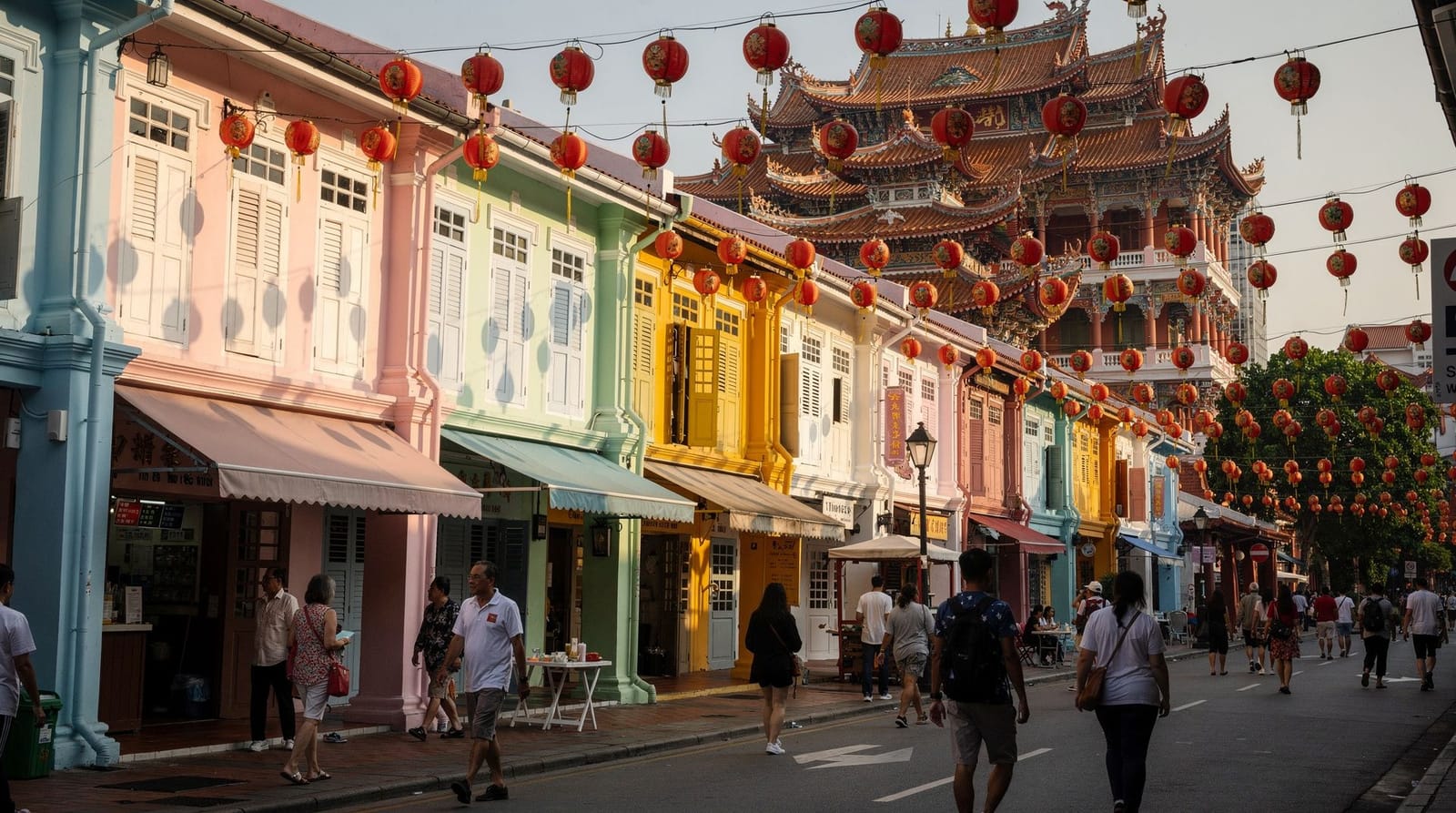
Alternatively, in Chinatown, there are durian stalls along Pagoda Street and near the Chinatown Complex that are more accessible and slightly more tourist-adapted, meaning the vendor is less likely to be confused if you approach knowing nothing.
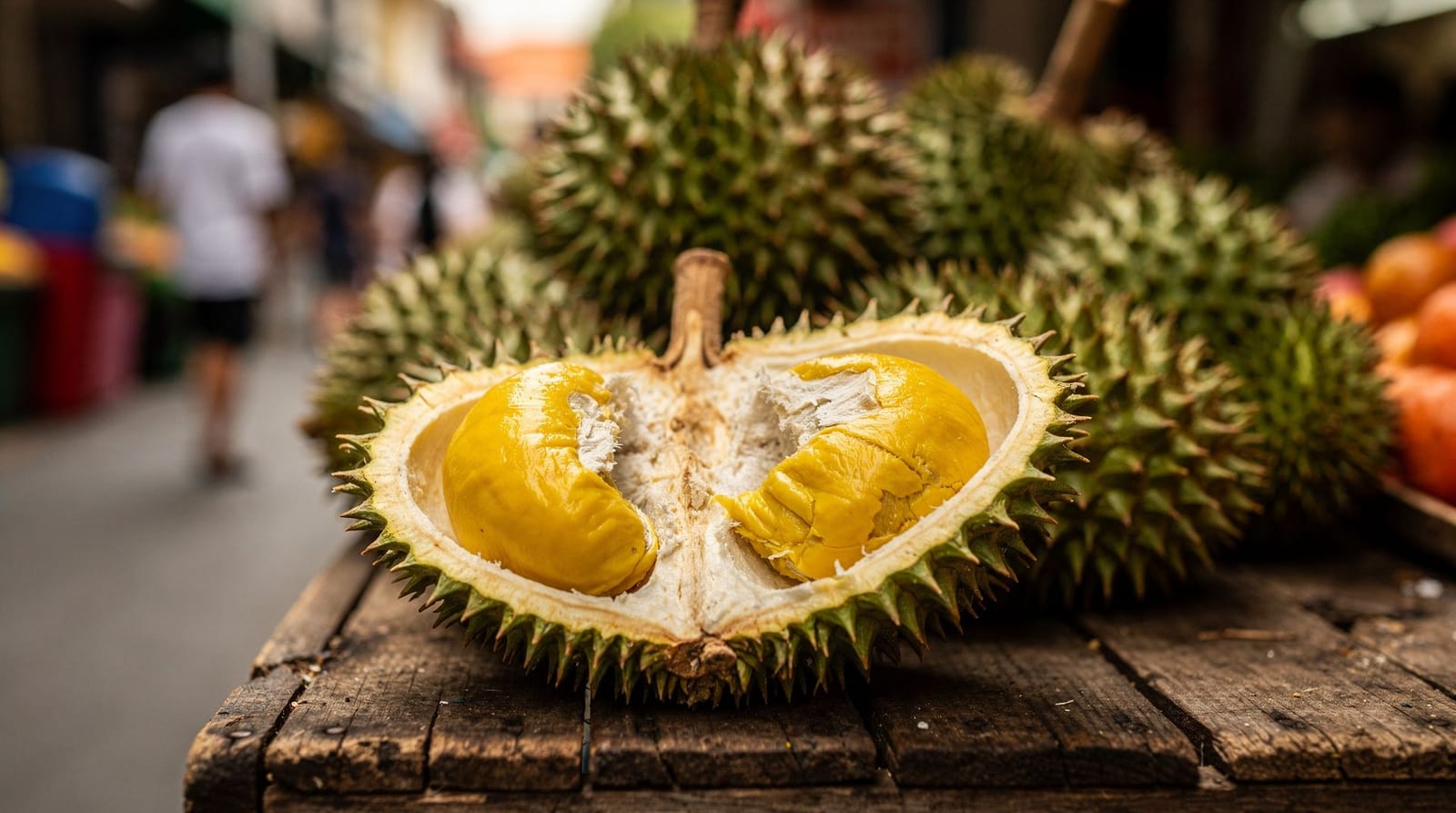
The variety you want as a first-timer is Mao Shan Wang (also spelled Musang King), which is the most prized and the most expensive — typically SGD 15–25 per kilogram, often SGD 30–45 for a portion. It has the highest fat content of the major varieties, which produces the characteristic creamy, almost alcoholic sweetness that durian proponents reference when they call it addictive. The cheaper D24 variety (SGD 8–15/kg) is a reasonable entry point if the price is a concern.
You can also buy pre-portioned durian flesh in styrofoam containers, which removes the ceremonial opening of the spiky fruit but makes the whole operation more manageable. This is what I did.
What to say (and not say) to the vendor
Durian vendors are, in my experience, patient with genuine first-timers and impatient with people who complain about the smell while standing at the stall. Say what you want to spend, not a specific weight — “I’d like about SGD 15 of Mao Shan Wang” works better than trying to negotiate a kilogram amount you don’t actually understand the scale of. The vendor will usually open the fruit or the container in front of you and let you assess a piece before committing to more. Don’t touch fruit you haven’t bought, and don’t linger extensively comparing prices between adjacent stalls — durian vendors know their product and the common scams guide notes that outright overcharging is rare in this specific trade, since reputation among regular Geylang customers matters more than a one-off tourist sale.
The actual eating
The vendor opened my styrofoam container at the stall. The smell hit before I looked down — not unpleasant in the open air, actually, more complex than the descriptions suggest. There was something almost floral underneath the savouriness. Still unmistakably what it was.
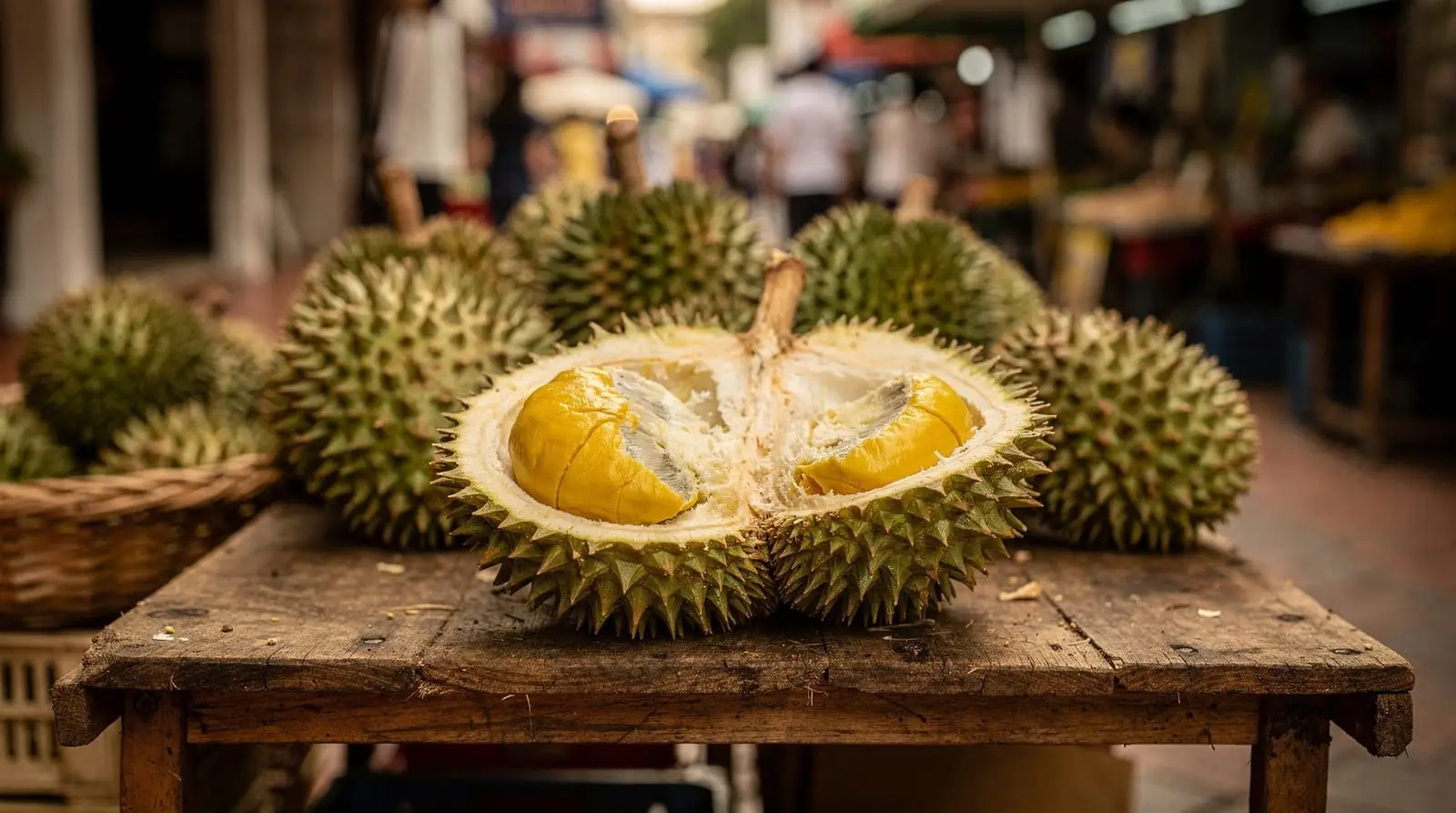
The flesh is yellow-orange, custard-soft, and arranged in segments around large seeds. I used the plastic fork the vendor handed me and took a piece roughly the size of a large grape.
The flavour is genuinely difficult to describe. There is sweetness — a deep, slightly caramelised sweetness. There is also something savoury, almost umami, running underneath it. The texture is soft to the point of collapsing, somewhere between room-temperature butter and very ripe avocado. There is a bitterness at the back of the palate, and an aftertaste that lingers for 20–30 minutes and continues to taste, indisputably, like durian.
I did not immediately love it. I also did not immediately hate it. I was confused, which I think is the appropriate first response.
The second and third pieces
This is where the experience becomes more interesting. The confusion resolves, slowly, into something that might be preference formation. By the third piece I was noticing the differences between the segments — some slightly sweeter, some more bitter. By the fifth piece I was operating more like someone eating than someone performing a taste test.
The aftertaste, which I had heard warnings about, is real. It is approximately 40 minutes of your mouth continuing to process the fruit. This is not entirely unpleasant, but it is very present, and it explains why experienced durian eaters in Singapore drink water from the empty fruit shell (the folk wisdom being that the fruit’s outer shell neutralises the aftertaste) or eat certain other foods immediately after.
Did I become a convert?
No. But I understood, by the end of the session, why some people become converts. The flavour is genuinely unlike anything else, and I can imagine it being addictive in the way that very specific, complex flavours sometimes are — the way a strong cheese or a very funky fermented ingredient is addictive to the people who love it, incomprehensible to those who don’t.
I ate about half the container and gave the rest to a man sitting near me who seemed delighted by this. He ate the remaining portion in about 90 seconds.
Making durian part of a bigger food day
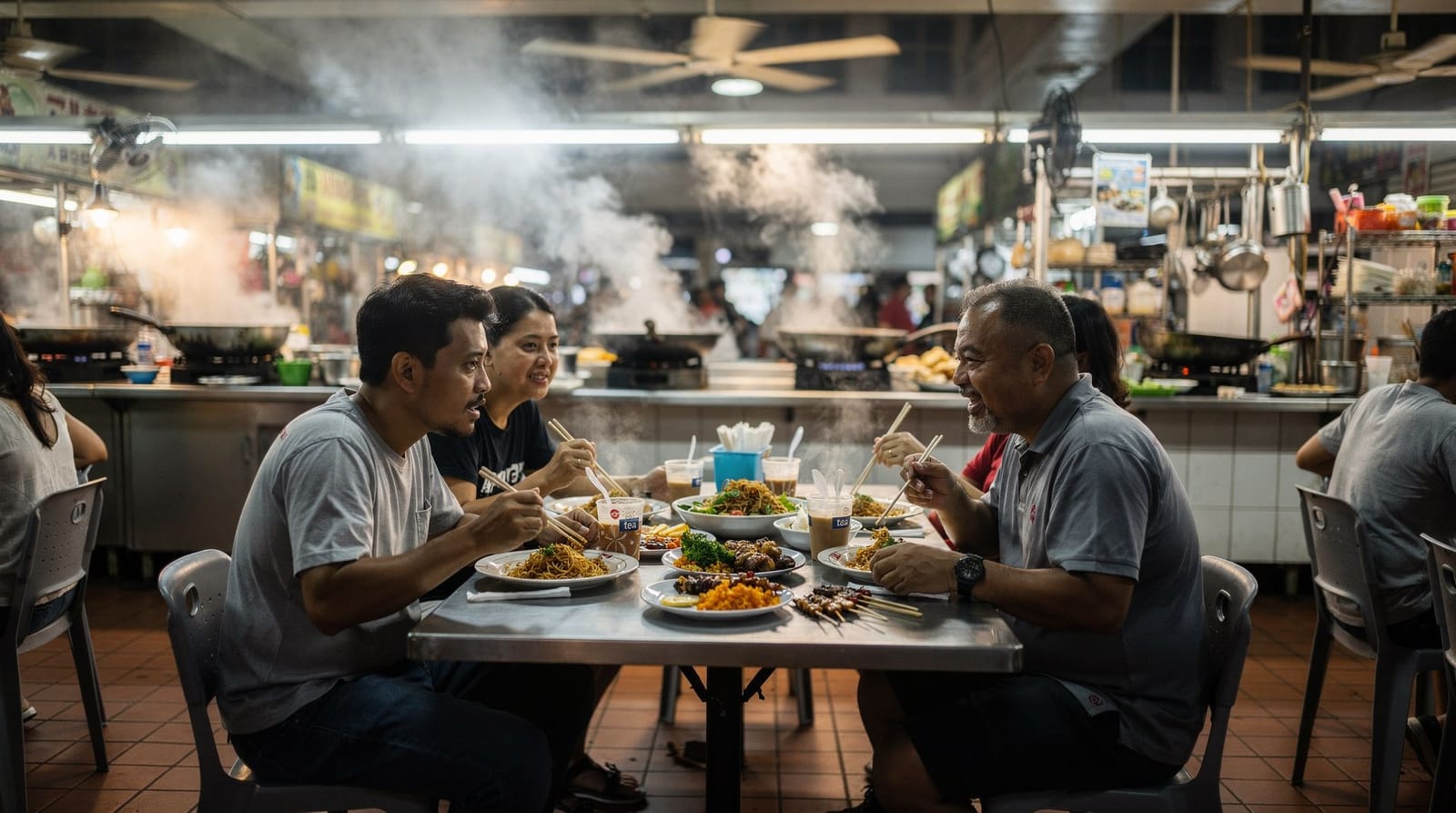
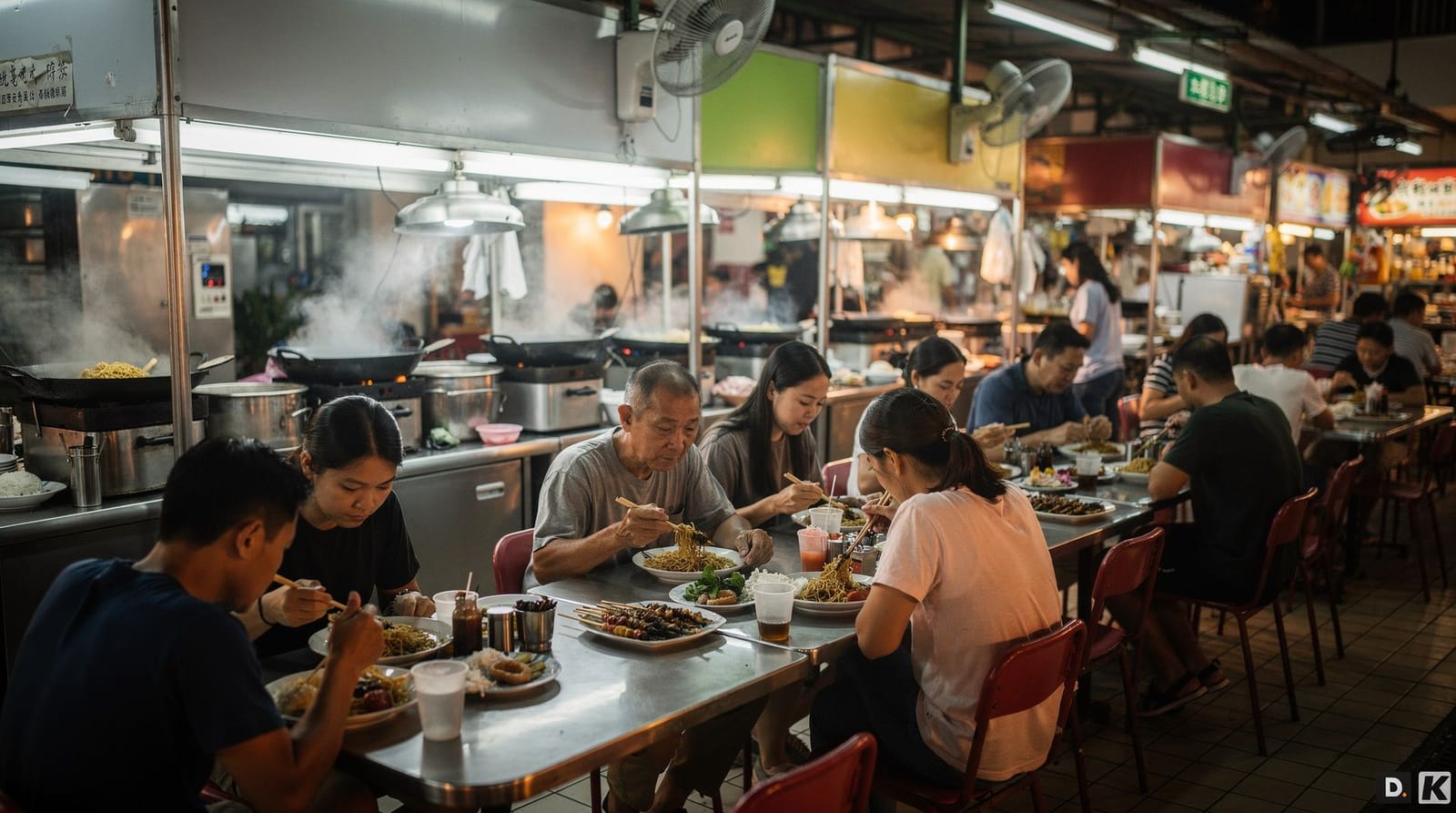
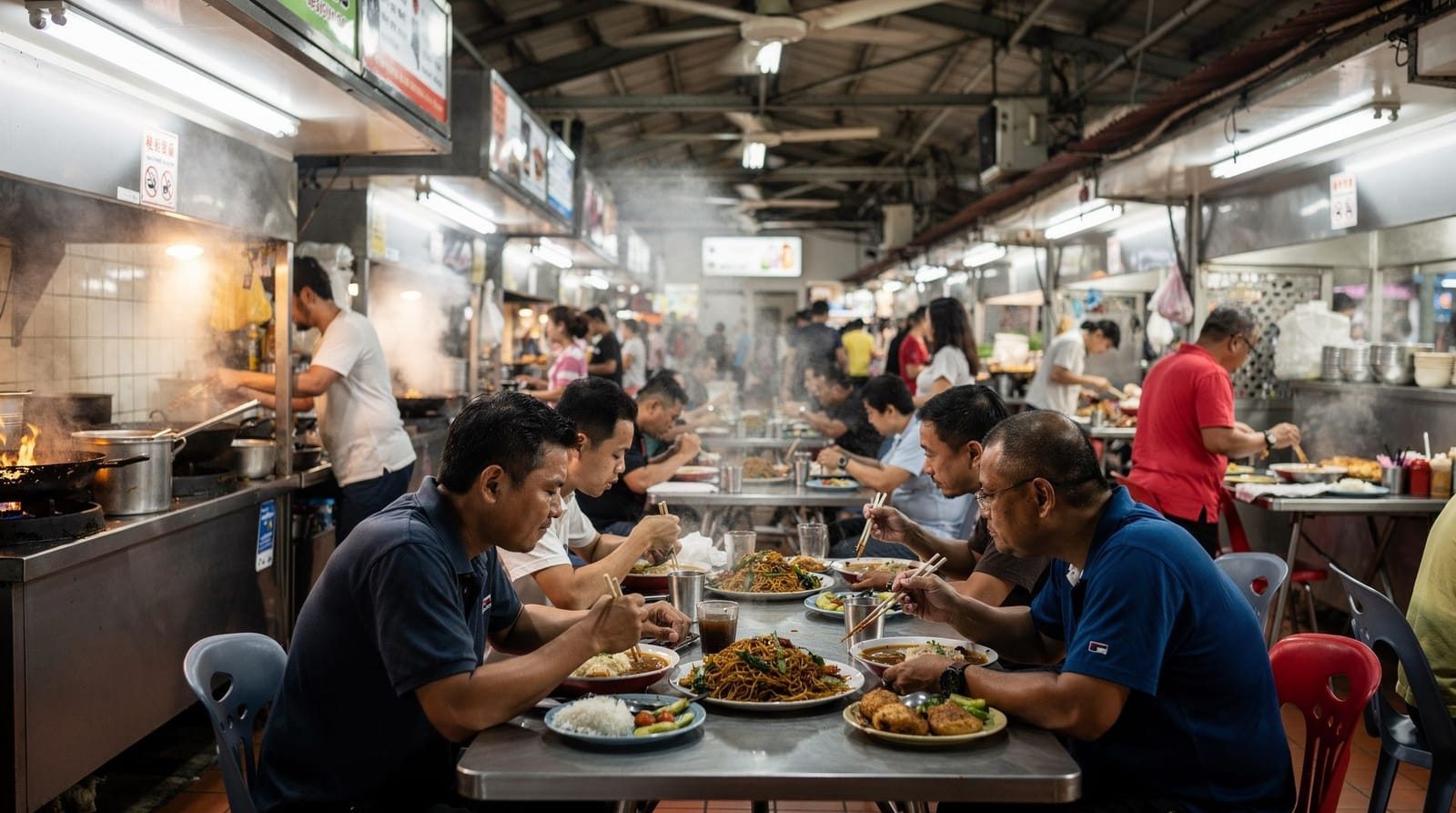
Durian is a poor solo plan and a good punctuation mark. It works best at the end of a longer eating day, when you are curious rather than hungry. A morning of kaya toast breakfast, a lunch at a hawker centre and a slow afternoon of walking leaves room for a small container in the evening without turning it into a test of endurance. If you want a savoury base first, the Hainanese chicken rice guide and the laksa guide cover dishes that sit well before something this rich.
If you are still deciding what else to eat, the must-try dishes guide and the chilli crab guide give a sense of where durian sits among the headline foods. Travelling on a tight budget? The best cheap eats guide helps you decide how much of your food money a fruit like this deserves.
Evening escape: cruise, Sentosa Sensoryscape & Wings of TimeDietary needs matter too. Durian itself is just fruit, but the stalls and the places around them vary, so the halal food guide and the vegetarian Singapore guide are worth a look if you are eating with a group that has restrictions.
Choosing where to base your evening
Geylang rewards people who like a lively, slightly rough-edged street scene, and the Geylang district page explains the area in more detail. Chinatown is the gentler option, and the Chinatown destination page and the Maxwell Food Centre guide show how easily a durian stop fits into a wider walk. Prefer a quieter district for dinner afterwards? Tiong Bahru and Katong and Joo Chiat both make for a calmer finish once the aftertaste has settled.
The practicalities
The durian guide covers the varieties, the seasons (peak durian months are June–August for the main crop, with a smaller crop in December–February), and the vendor etiquette. A few practical notes:
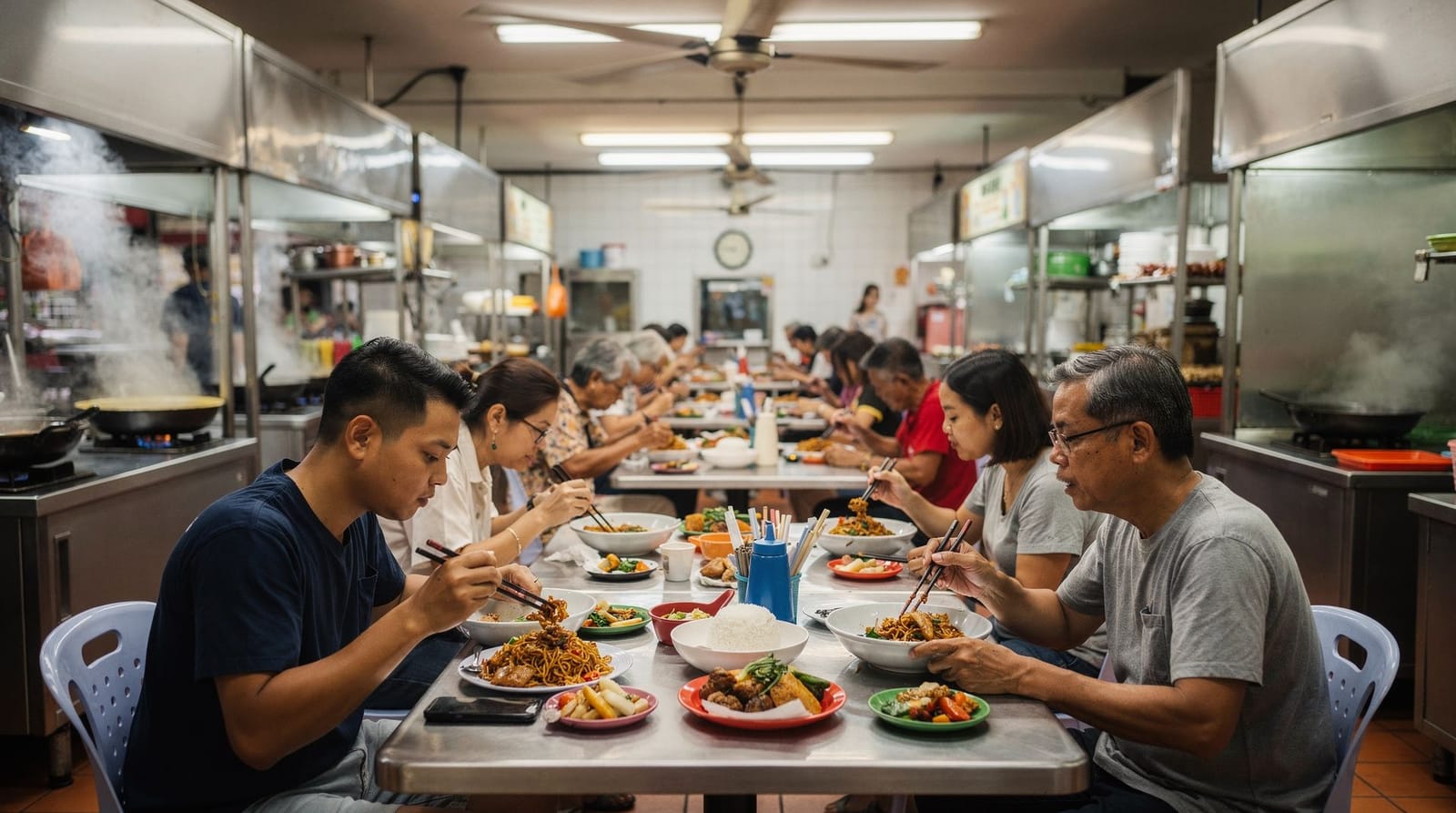
You cannot eat durian on the MRT, in a taxi, or in most hotel rooms. This is not theoretical — these rules are enforced. Eat it where you buy it, standing at the stall or seated at one of the plastic tables the vendor provides.
Don’t drink alcohol within a few hours of eating durian. The combination is not recommended for reasons that various explanations (folk belief, genuine biochemistry) debate — but the experience of multiple sources is consistent enough to take seriously.
Wash your hands thoroughly and ideally use a breath mint before going back into air-conditioned environments. The smell transfers.
The what to eat in Singapore guide covers durian among the broader landscape of foods worth trying — context that’s useful for prioritising your eating if time is limited. If you’re following the Singapore foodie itinerary, durian fits naturally into the Chinatown evening section.
Whether you end up loving durian, tolerating it, or firmly rejecting it, eating it once in Singapore is one of those experiences that rewards the attempt. It is genuinely specific to this part of the world — you cannot replicate the fresh, properly ripe Mao Shan Wang experience outside Southeast Asia. That alone makes the attempt worthwhile, even if you end up giving your second half-portion to a stranger.
If durian isn’t your only stop, pair it with a proper hawker meal beforehand — the best hawker centres guide and the hawker etiquette and chope guide both help you navigate the rest of the food scene with the same confidence. For more first-timer honest accounts of Singapore experiences beyond the obvious list, the Singapore best-kept secrets guide has a similar tone.
Planning the rest of the trip around it
Durian is a small part of a longer visit. If this is your first time in the city, the Singapore for first-timers guide and the things to do in Singapore guide help you build the days around it. The how many days in Singapore guide is useful if you are still choosing a length of stay, and the best time to visit guide explains how the weather lines up with the fruit seasons. For a fuller view of the food side of the city, read the Singapore coffee and kopi culture post and the Chinatown hawker crawl. Travellers who like a ready-made plan can follow the three-day itinerary.
Singapore: Universal Studios Singapore entry ticketFrequently asked questions about Eating durian for the first time
Is durian actually banned on public transport in Singapore? Yes — durian is explicitly banned on the MRT and in most taxis and hotel rooms, and this is enforced, not just a suggestion. Eat it at or near the stall where you buy it, and wash your hands and use a breath mint before heading into air-conditioned spaces afterward.
What’s the difference between Mao Shan Wang and D24 durian? Mao Shan Wang (Musang King) has a higher fat content, producing a creamier, more intensely sweet and slightly bitter flavour, and costs roughly double D24. D24 is a reasonable, less expensive entry point with a milder, still distinctly durian flavour — a sensible choice if you’re unsure whether you’ll like it at all.
Top experiences
Bookable activities with verified prices and instant confirmation on GetYourGuide.

Singapore: Universal Studios Singapore entry ticket

Singapore: Gardens by the Bay bundle entry ticket

Singapore: Night Safari and tram ride ticket

Singapore: S.E.A. Aquarium entrance ticket

Singapore: Singapore River cruise

Singapore: Marina Bay Sands observation deck e-ticket

Singapore: Sentosa cable car Sky Pass roundtrip ticket